







open type centrifugal pump
When they talk about an open-type centrifugal pump, many people immediately imagine just a wheel without a housing, but this, of course, is a simplification. In fact, we are talking about the design of the impeller, open for direct contact with the pumped medium, which imposes a lot of nuances on the application. It is often confused with conventional centrifugal models, believing that the difference is only in price, but practice shows that a mistake in choice can be costly. In our work in production, for example, we have to constantly explain to customers when such a pump is really needed, and when a closed design is better suited. This is especially true for media with suspended matter or fibers.
What is really hidden behind the ?open? impeller
If you take our standard single stage centrifugal pump and compare it to an open type, the difference is immediately noticeable. An open wheel has blades that seem to be free; there is no full coverage of the disks. This is not just a constructive whim. The main idea is to minimize clogging. When you pump something like sewage with rags or process fluids with solids, the closed wheel instantly clogs. And here the particles have a chance to pass through without getting stuck. But there is also a subtlety here: the efficiency in terms of pressure and efficiency of an open structure is usually lower. We have to compromise.
In our assortment on the website yangtzeriverpump.ru there are several lines where we offer this option. Not for all products, of course. Most often it is requested in modifications for drainage or pumping contaminated liquids. Interestingly, some clients from the food industry are also interested, but their sanitization requirements are different, and an open wheel may be more difficult to clean completely. This is the point where theory meets the practice of cleaning the unit after a shift.
I remember an incident at one of the facilities: they installed a standard pump on water with fine abrasive, thinking that it could handle it. I couldn't handle it. The wheel got stuck within a week. We switched to a model with an open impeller - the work went well, although we had to put up with a little more energy consumption. This practical choice between reliability and economy is the most important thing in the topic.
Where is the use justified, and where is it a waste of money?
Based on our production experience and on-site testing, several clear scenarios emerge. Firstly, these are, as I already said, environments with a high content of solid particles or long-fiber inclusions. Secondly, situations where ease of maintenance is important. Disassembling and cleaning an open wheel is often easier than disassembling the entire assembly with a closed one. But there is a fly in the ointment: this design is more sensitive to cavitation and can wear out faster when working with abrasives, because the blades are open to direct impact from particles.
One common myth is that an open-type centrifugal pump is ideal for viscous liquids. Not really. For high viscosities, a screw or gear pump is often better suited. Centrifugal force may not cope here, and an open wheel will not be a panacea. We once tried to adapt such a model for pumping thick slurries - the result was average, we had to modify the gaps and material of the blades. This is about the fact that there are no universal solutions.
In the context of our company's full cycle - from R&D to testing - we always advise customers to send environmental parameters for tests. Because even within the category ?open type? There are variations: the number of blades, their angle of inclination, material (say, cast iron versus wear-resistant polymer). For chemical environments where we have plastic pumps, an open wheel made of a certain plastic can be a great solution against corrosion and sticking.
Practical details of installation and operation
This is where the fun begins for those who directly install and maintain the equipment. With an open wheel, proper clearance between the blades and the body is critical. If it is too large, performance drops and fluid flows back. If it is small, there is a risk of jamming if something larger hits it. We always emphasize this in our instructions, but on-site installers sometimes ignore it and then complain about low pressure.
Another point is the direction of rotation. For some models with an asymmetrical open wheel, it is strictly defined. If you mix up the phases, the pump not only does not pump, but can quickly fail due to improper load on the shaft. There was a precedent when a facility was connected haphazardly, and then they claimed that it was a factory defect. We figured it out, of course, but we lost time.
Regarding self-priming capabilities, not every open-type centrifugal pump is self-priming. These are different options. Often customers confuse them, thinking that since the wheel is open, then self-inflating will be better. In fact, self-priming is ensured by the special design of the housing and the presence of the ejector chamber, and not by the type of wheel. Our engineers often conduct entire educational programs on this topic.
Connectivity with other product types and complete solutions
Our production is not focused on one type of pump. We have eight lines, and this allows us to see the whole picture. For example, when a customer requires a system with multiple types of pumps, it is important to properly integrate an open centrifugal pump into the circuit. Let’s say there is a submersible pump at the inlet to lift contaminated water from a well, and then horizontal pumping is required. This is where an open centrifugal pump can fit in as an intermediate unit that is resistant to contamination.
Or another example from the chemical industry. Let's say an aggressive environment with hard crystals. A plastic chemical pump with an open impeller made of PP or PVDF may be the best choice. But again, you need to look at the particle size. If the crystals are large and abrasive, you may want to consider a diaphragm pump. We at Zhejiang Yangzijiang Pump Industry LLC can offer such a range and help with the choice, because we produce everything ourselves and test it in real conditions.
Sometimes a hybrid approach is the best solution. For example, at the first stage of the process there is an open type pump for dirty media, and after filtration there is a highly efficient multi-stage centrifugal pump to create high pressure of clean water. The ability to combine is already at the level of a system integrator, which is what we, in fact, strive for, offering a full cycle from production to service.
Conclusions and final recommendations from the workshop experience
So where does this all lead? An open type centrifugal pump is a specific but extremely useful tool in an engineer’s arsenal. It should neither be demonized nor elevated to an absolute. The key is to accurately understand the task. If the environment is clean, use a regular centrifugal pump, it is more efficient. If there is a risk of clogging, consider the open type as option number one.
Our recommendation, based on many shipments and customer feedback: always check not only the basic parameters (flow rate, pressure), but also the detailed composition of the pumped liquid: size and concentration of solid particles, viscosity, temperature, aggressiveness. This will save a lot of time and money. On our website yangtzeriverpump.ru we try to give the most detailed technical characteristics for each model, but a live dialogue with a technologist is irreplaceable.
Ultimately, system reliability depends on attention to detail. Whether it's the correct clearance, seal material or trim pattern. The exposed impeller is just one of these parts, but it is a very important one. And her choice should be conscious, and not random, based on a myth or stereotype. As the practice of our production and testing shows, it is this approach that allows the equipment to operate for years without problems, even in difficult conditions.
Correspondingproducts
Related Products


Best Sellingproducts
Best Selling Products-
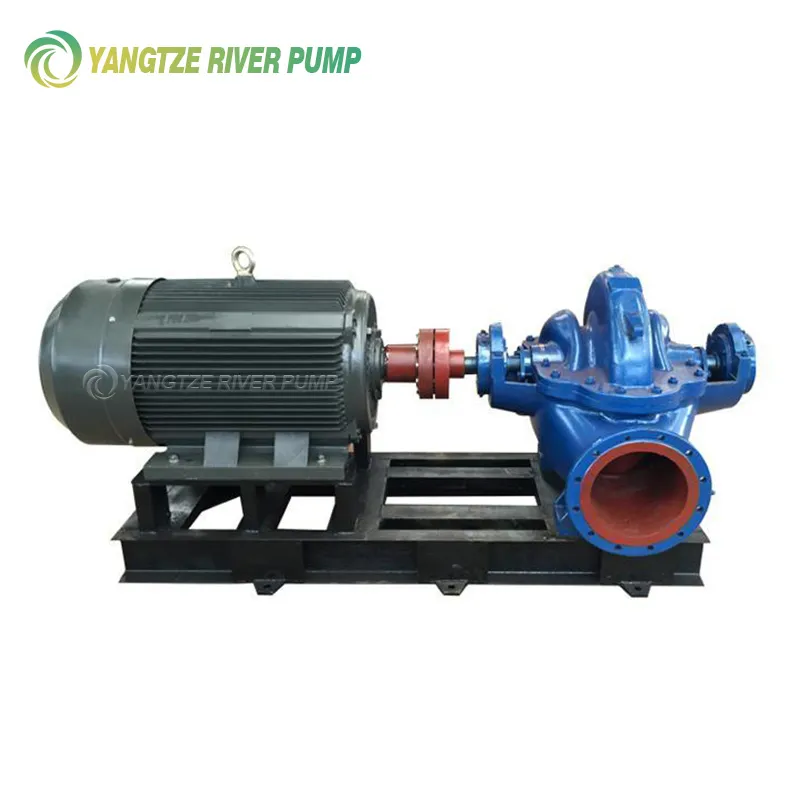 Single Stage Double Entry Centrifugal Pumps Type S
-
 Metal electric diaphragm pumps DBY
-
 Complete water supply installations with frequency regulation and constant pressure CDLF
-
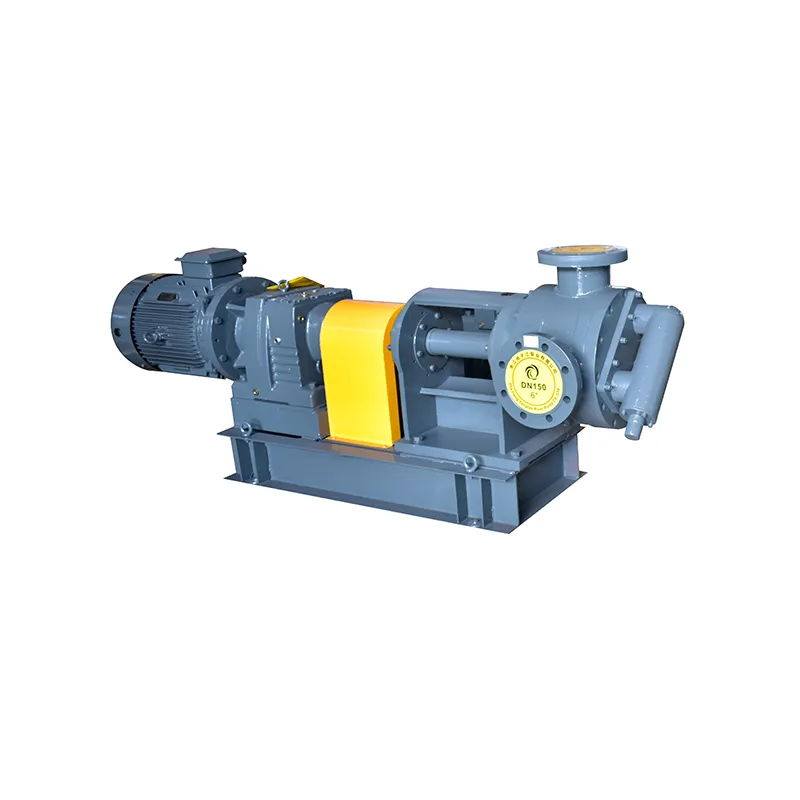 NYP High Viscosity Internal Gear Pumps
-
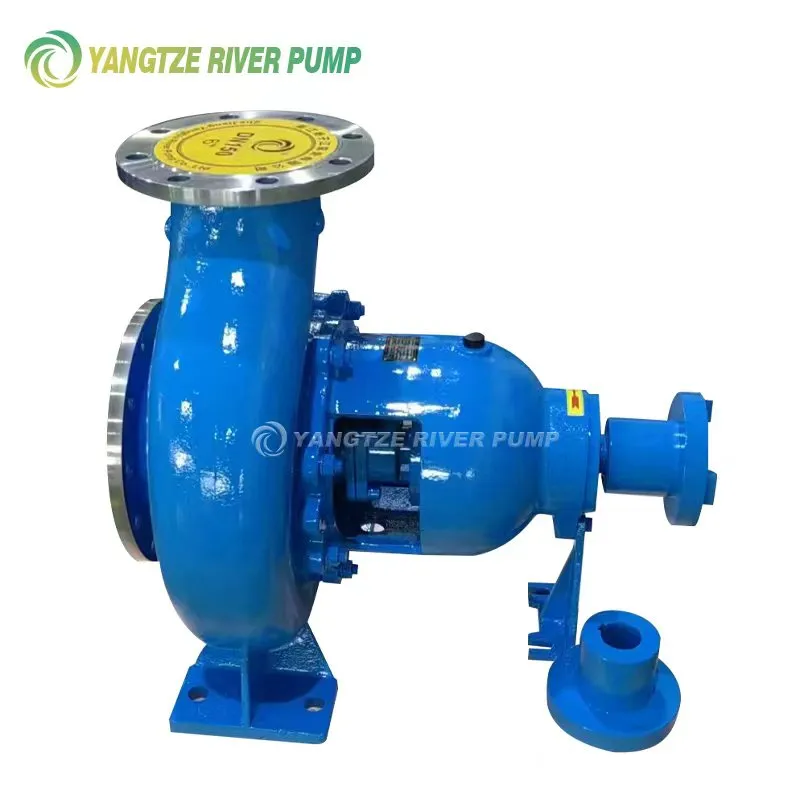 IH Stainless Steel Chemical Centrifugal Pumps
-
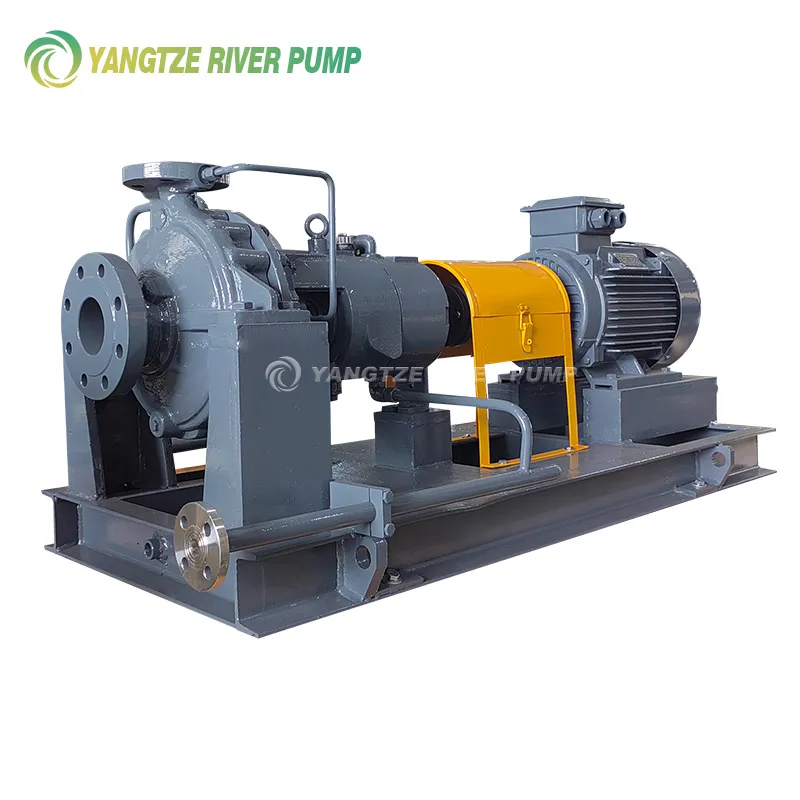 Petrochemical Process Pumps API 610 YZE
-
 Vertical multistage centrifugal pumps made of stainless steel (light series) CDL and CDLF
-
 CQF Plastic Magnetic Pumps
-
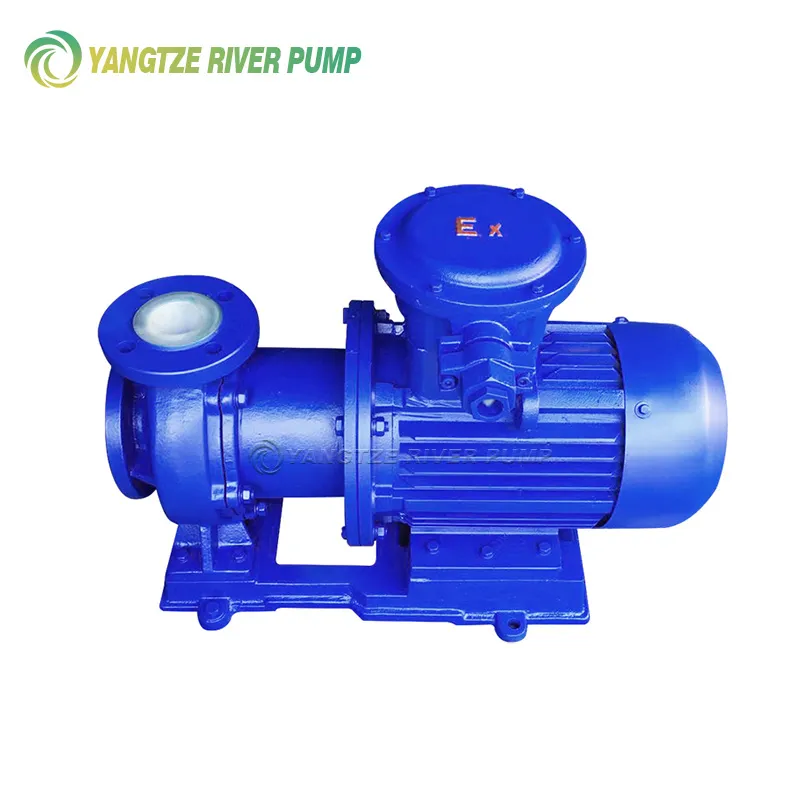 Magnetic pumps with fluoroplastic lining CQB-F
-
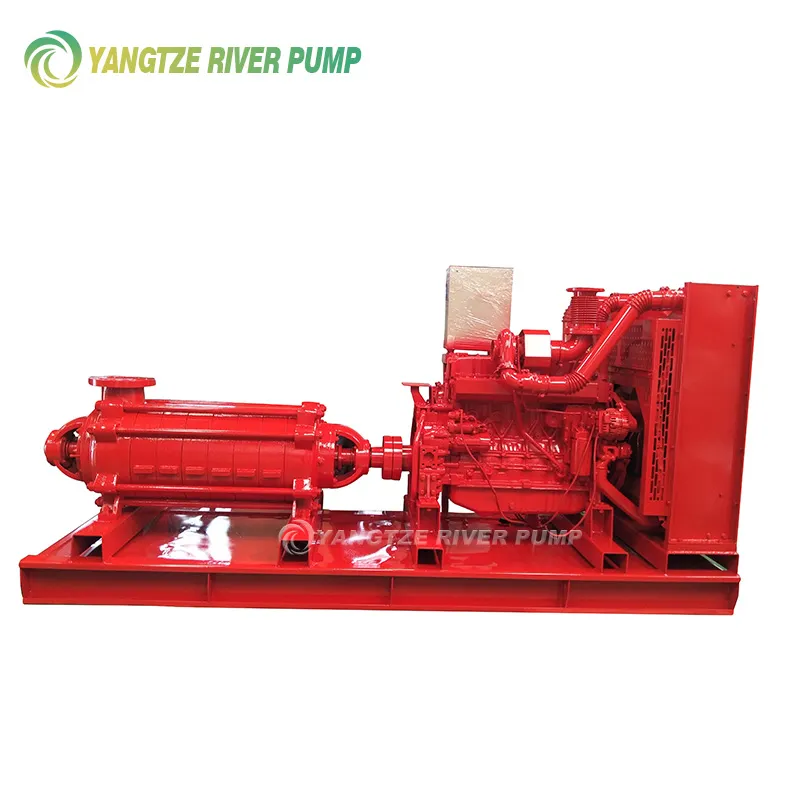 YZD Series Diesel Multistage Centrifugal Pumps
-
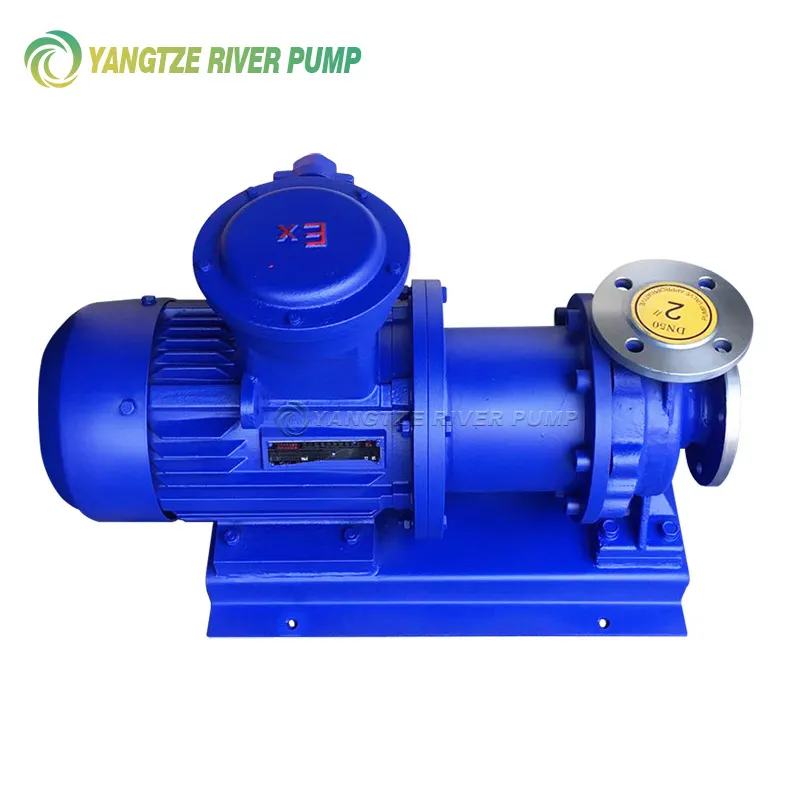 CQB Stainless Steel Magnetic Pumps
-
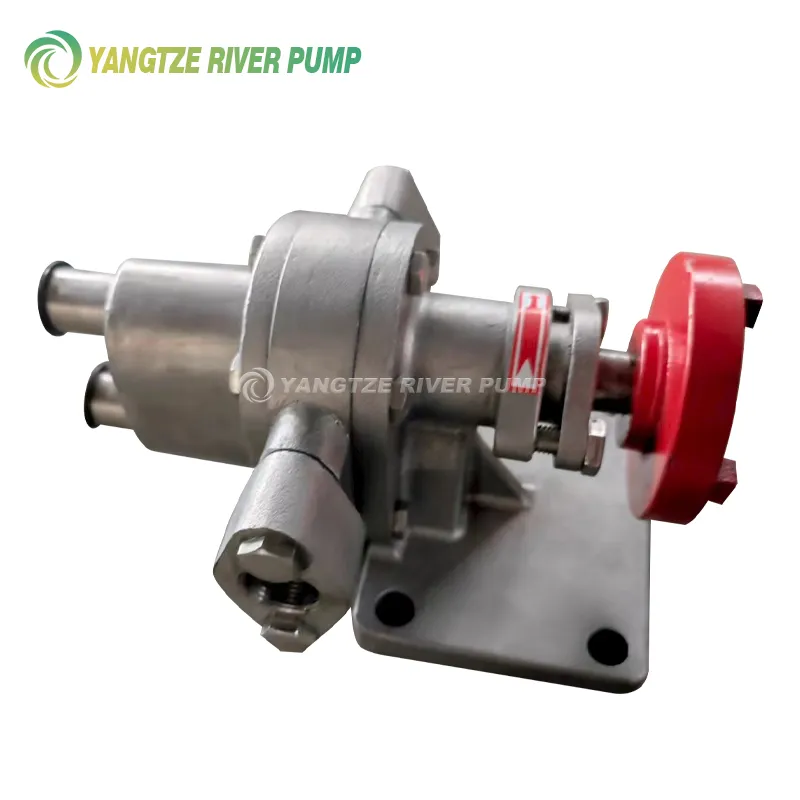 Gear oil pumps type KCB