







three-phase deep well pumps
When they talk aboutthree-phase deep well pumps, many people imagine just a powerful unit that was lowered into the well, connected - and the water began to flow. In fact, this is one of the most common illusions. Working with them is a constant balance between pressure, well flow rate and, what is often overlooked, the quality of power supply in a particular location. A three-phase motor is not just “more powerful”, it is about a different starting principle, a different load on the network and, as a result, a different maintenance logic.
From theory to practice: why three-phase?
The choice in favor of a three-phase pump is often dictated not by whim, but by the depth and required pressure. For wells from 50 meters and deeper, especially if you need a serious rise to a height or distribution around the house with good pressure, single-phase models begin to “puff”. Their inrush currents are enormous and require heavy stabilizers. Butthree-phase deep well pumpsthey start up softer, their efficiency is higher at the same power, and, according to experience, the service life is longer - the winding overheats less.
But here is the first stumbling block. Not every site has 380 V. Carrying a separate line is expensive. Or here’s a case from practice: there was an object, the line seemed to be there, but when the pump started, the light went dark. throughout the village. It turned out that the cross-section of the wires on the poles was old and not designed for modern loads. I had to install a frequency converter for a soft start, which solved the problem, but increased the cost of the project. This is related to the question of “just connected”.
Another nuance is protection. A three-phase motor is sensitive to “phase imbalance”. If the voltage drops in one of the phases, the motor may burn out, even if it is dry. A mandatory item is a phase control relay. Without it, installing a pump is a game of Russian roulette. Many suppliers or "schemers" They keep silent about this, saving on the kit. Then the client pays twice.
What matters inside: analysis?
When talking about quality, they often point to the steel grade or power. This is important, but not primary. The first thing I look at is the design of the hydraulic part and the cooling system. Udeep well pumpsThe engine is cooled by the rising water. If the pump is selected incorrectly and operates at the upper part of its characteristics (low flow), there may not be enough cooling - the motor will overheat.
The second point is the material of the impellers and guide vanes. For clean water, polymer ones will also work, but if there is sand, even a fine suspension, only wear-resistant composites or stainless steel. I saw pumps that were “eaten up” during the season. sand to the holes. Here, inZhejiang Yangzijiang Pumping Industry Co.,Ltd, in the line of submersible pumps this point is taken into account: for difficult media, options are offered with reinforced materials for the flow part. This is not an advertisement, but a statement - without such an approach, in real conditions the resource of the unit is unpredictable.
And third is the cable. It must be submersible, with a sealed coupling. Conventional PVA in a well will quickly become unusable: the waterproofing will be damaged and water will reach the veins. Replacing the cable almost always means lifting the entire pump, that is, full-scale excavation and new installation. Saving 1000 rubles on a cable turns into costs of 15-20 thousand for repeated work.
Costly installation errors
The most common is incorrect suspension. The pump should not hang on the supply cable, much less touch the walls of the casing pipe. A stainless steel safety cable is needed, and the pump itself must be centered. Vibration from operation upon contact will eventually break both the pump housing and the pipe. Once I had to pull out a column where the pump literally broke through the side wall of the HDPE pipe - it was hanging on the cable, hitting the casing.
The second mistake is the absence of a check valve immediately above the pump and shut-off valves with a pressure gauge on the surface. Without a valve, all the water from the pressure column flows back into the well after shutdown. This leads to water hammer during the next start-up and loosening of the connections. And without fittings and a pressure gauge, you will not check the pressure or adjust the operation of the relay if it is remote.
And, of course, commissioning work. After installation, you can’t just turn it on and leave it. It is necessary to measure the current in phases, make sure that there are no strong distortions, and check how the pump reaches its nominal mode. It often happens that the pump is selected with a reserve, and it works “on itself”, creating excess pressure and overload. This involves either adjusting or replacing the model. On our websiteyangtzeriverpump.ruin the submersible pumps section there are tables with performance characteristics - you need to use them, and not take “which is more powerful?”.
A case from the field: when theory collided with reality
There was an order for the farm's water supply. The well is 80 meters, the flow rate is good. We installed a powerful three-phase pump. Everything worked for a month, and then thermal protection shutdowns began. We checked everything: voltage, phases, insulation resistance - everything is normal. It turned out that the problem was seasonality. In the summer, the water level in the well dropped slightly, and the pump, selected at the upper limit, began to “suffice?” water with sand and silt from the bottom. Sand got into the gaps, the load on the engine increased, and the protection was triggered.
The solution was not to replace the pump with an even more powerful one, but to install a unit with more suitable characteristics, whose operating point was closer to the middle of the graph. We took a model with a slightly lower productivity, but with a large pressure reserve. The problem is gone. This is a telling point: sometimes less is better and lasts longer. Our company’s assortment has just such a gradation - not just “powerful” ones, but lines for different dynamic levels and required costs.
This incident also made me think about the filtration system. Yes, it makes no sense to install a coarse filter on a deep-well pump. But after the water comes to the surface, it is necessary. The particles that pass through the pump, over time, act as an abrasive on everything that follows: pipes, mixers, boilers.
Service and durability: what sellers are silent about
Nonethree phase deep well pumpnot eternal. Everything has a resource. The key to long life is regular, although not frequent, monitoring. Once a season, it is worth measuring the current consumption and comparing it with the passport value. An increase in current is a sure sign of an increasing mechanical load: wear of bearings, ingress of abrasive.
Another point is the oil in the engine cavity. In good pumps it is special, food grade. Over time, it may lose its properties or, if the seal is damaged, mix with water. During a planned lift (every few years for deep wells), it makes sense to send the pump to a service center for diagnostics and oil change. For many this sounds crazy, but such prevention can extend the life of the unit for years.
That is why inZhejiang Yangzijiang Pumping Industry Co.,Ltdthe structure includes not only production and sales, but also a full cycle of service support. Because selling the pump is half the battle. It is important that the customer understands how to operate and maintain it. On the company's website you can find not only a catalog, but also technical recommendations for installation and operation - these are the very details that distinguish a workhorse from a problem in the casing.
Instead of a conclusion: a simple checklist before choosing
So, to sum it up in a nutshell. Before you choosethree phase deep well pump, answer a few questions. What is the real dynamic level in your well in summer? What is the required flow rate (not maximum, but average)? Is there stable 380 V at the facility and what is the cross-section of the wires? Are you ready to install full automatic protective equipment (phase relay, RCD, frequency switch if necessary)?
Look not at one model, but at the line. Sometimes a model one step lower, but with a more suitable operating point on the graph, will last many times longer. Learn what key elements are made of. Don’t hesitate to ask the supplier about case studies and typical problems with a specific model.
Ultimately, a reliable pump is not the most expensive purchase, but one that is perfectly balanced for your conditions. And its installation is not the end of the story, but the beginning of responsible operation. As they say, the miser pays twice, and in the case of deep-well pumps, he also pays for a new pit, new installation and weeks without water.
Correspondingproducts
Related Products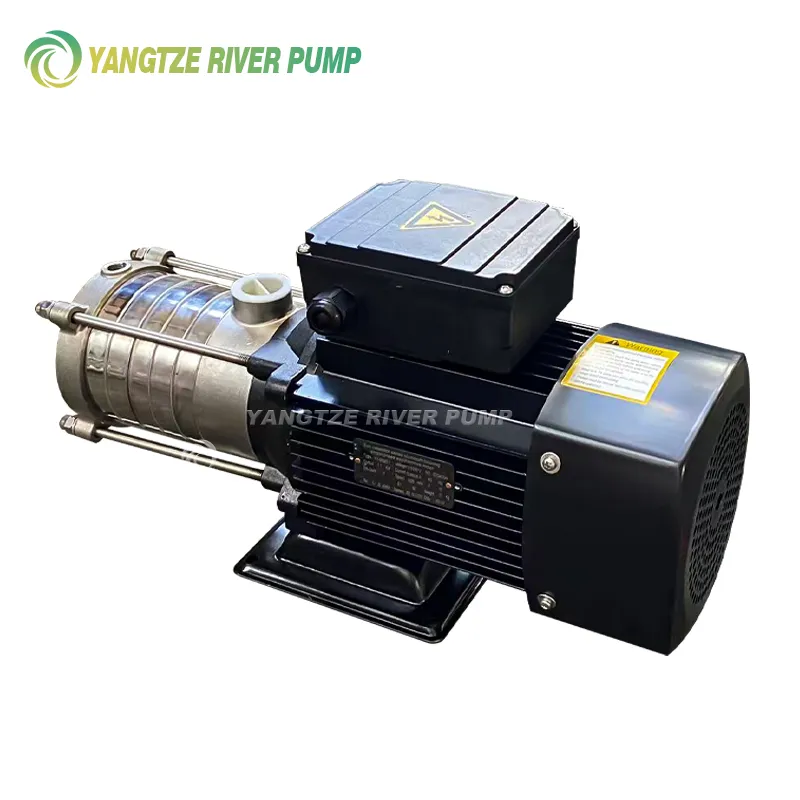
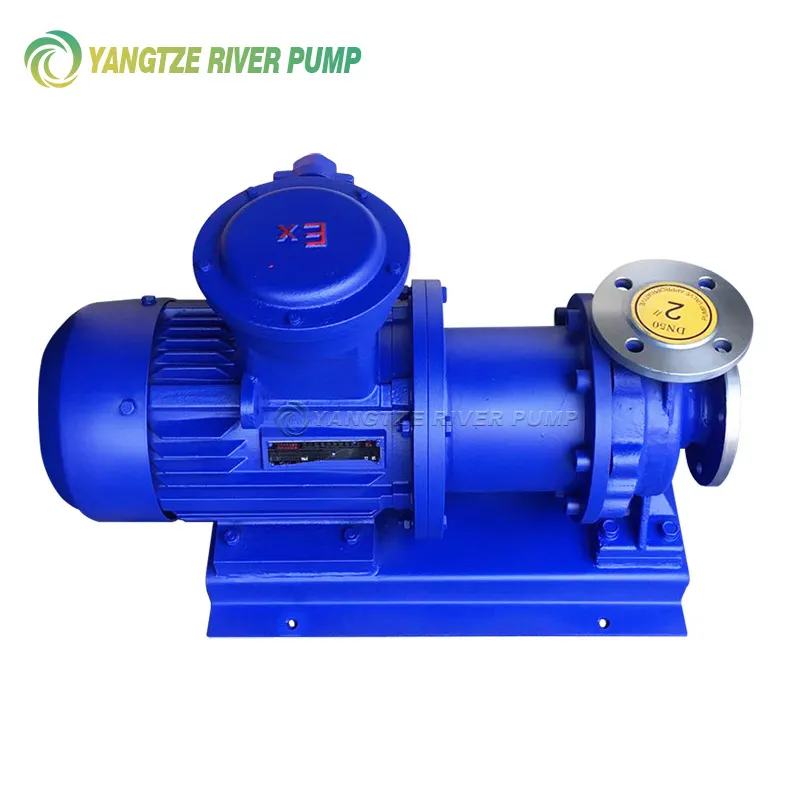
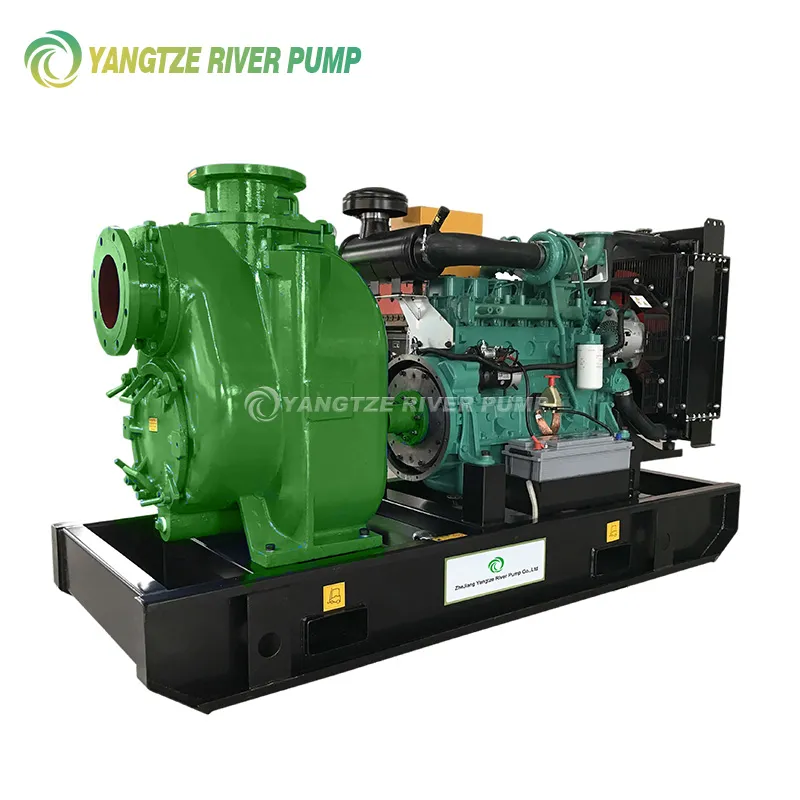
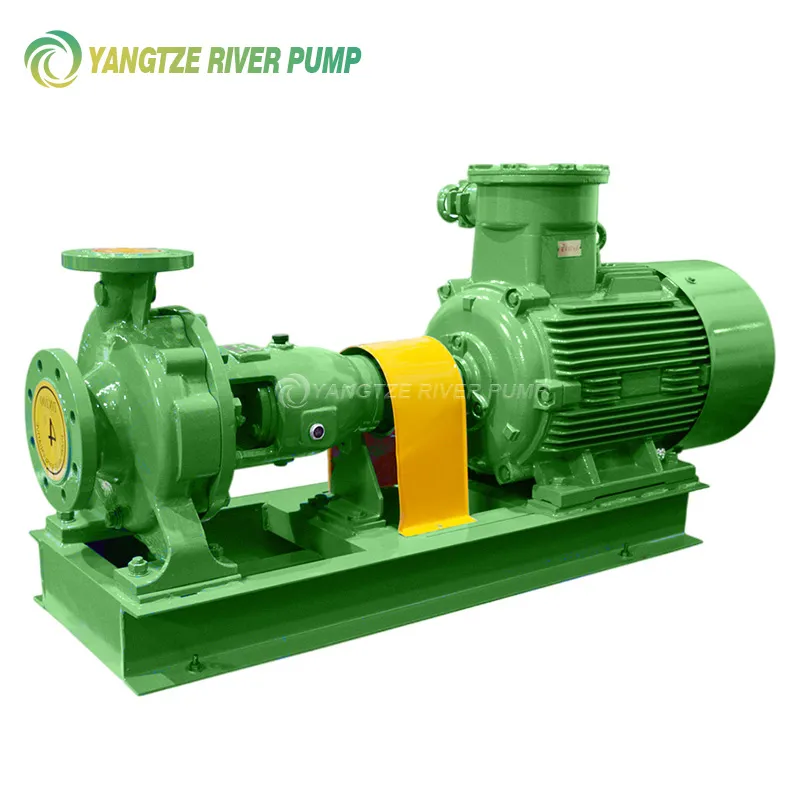
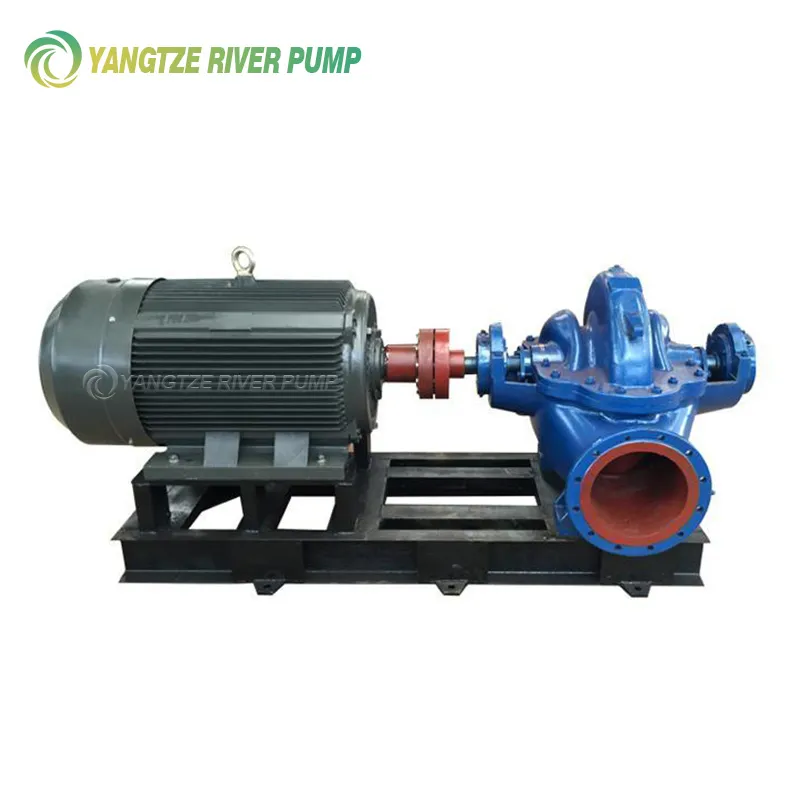
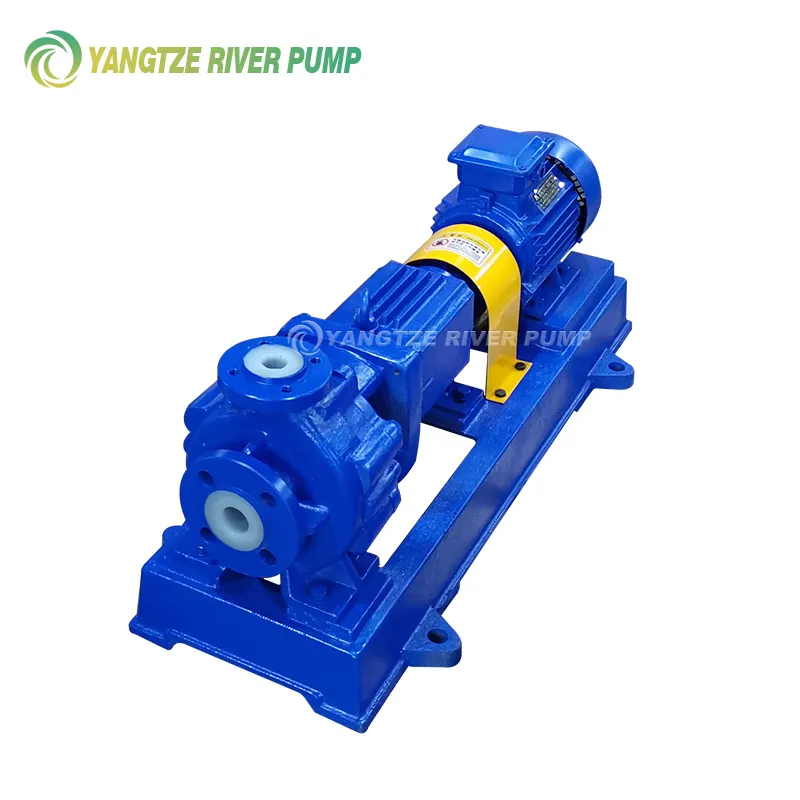

Best Sellingproducts
Best Selling Products-
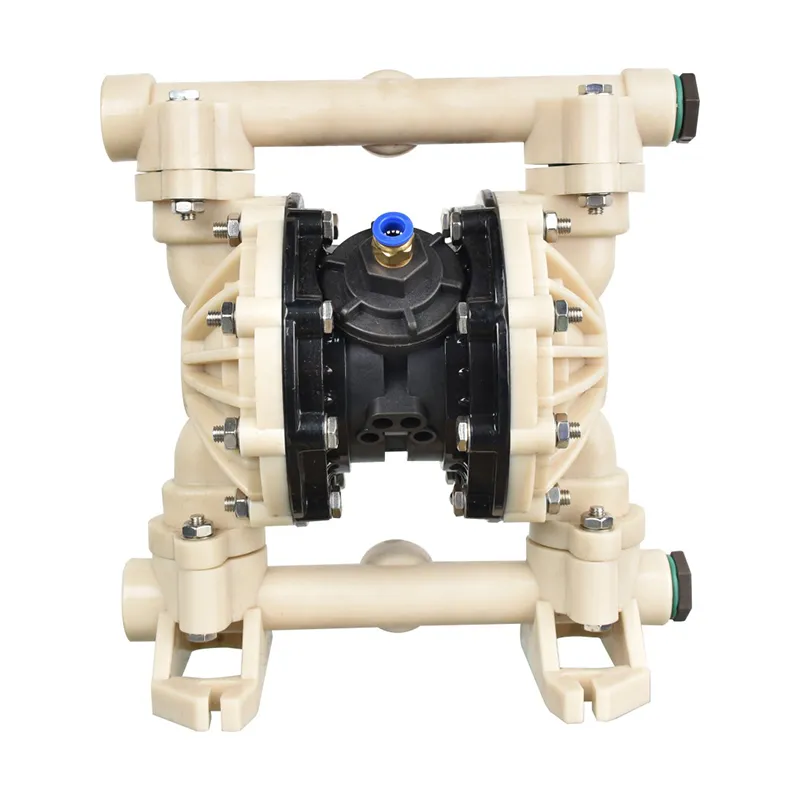 QBK Non-Metallic Air Operated Diaphragm Pumps
-
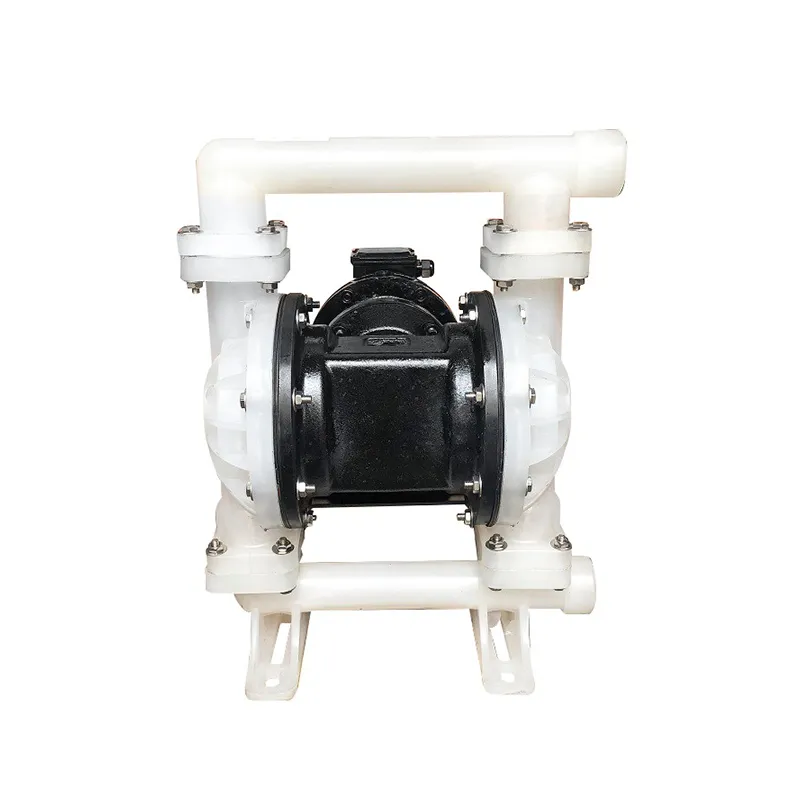 DBY Non-Metallic Electric Diaphragm Pumps
-
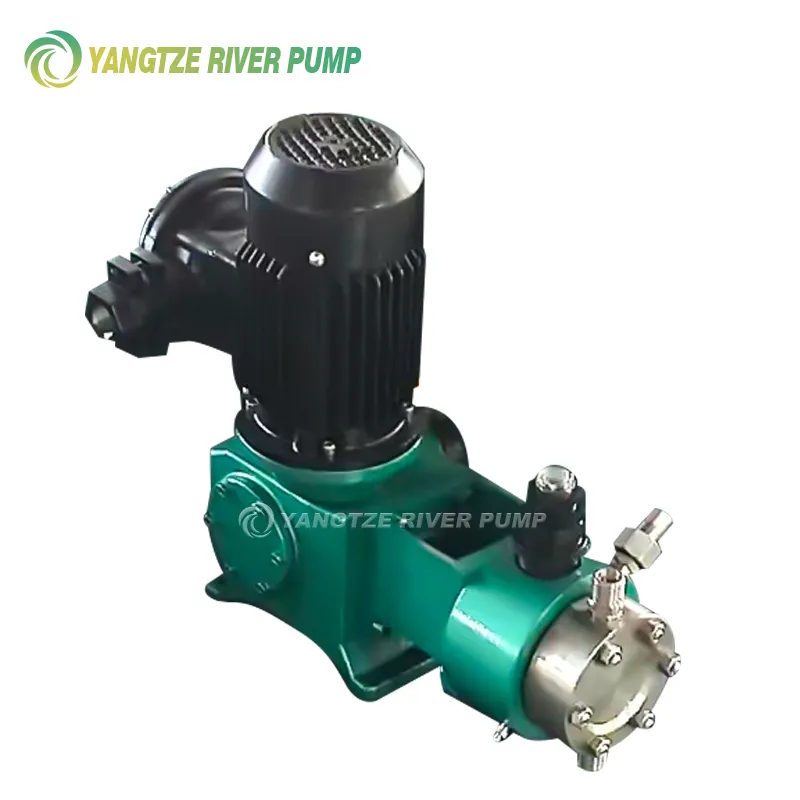 Plunger dosing pumps type DZ-X
-
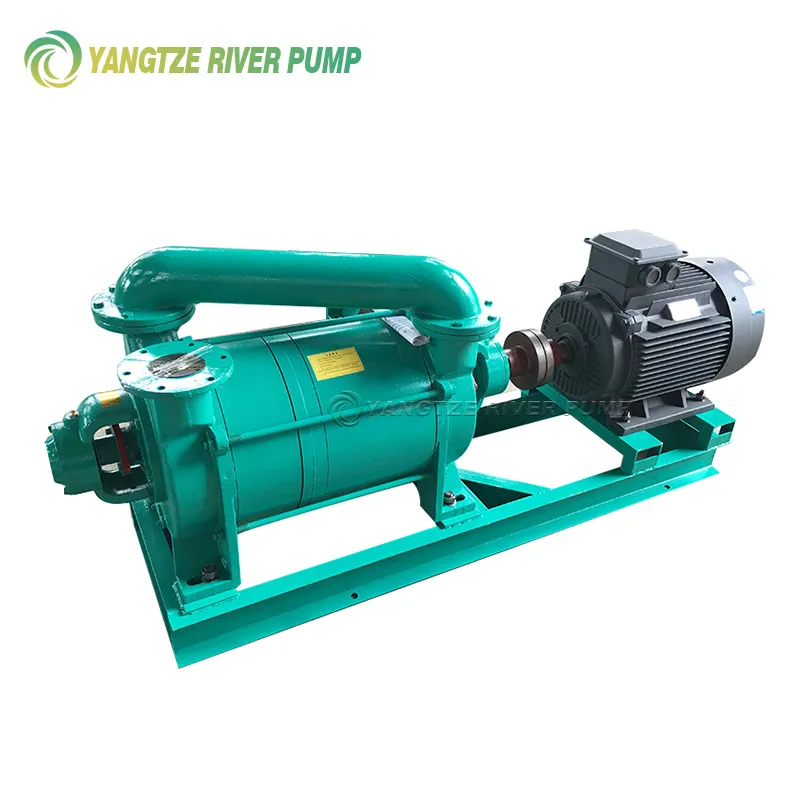 Liquid ring vacuum pumps type 2SK
-
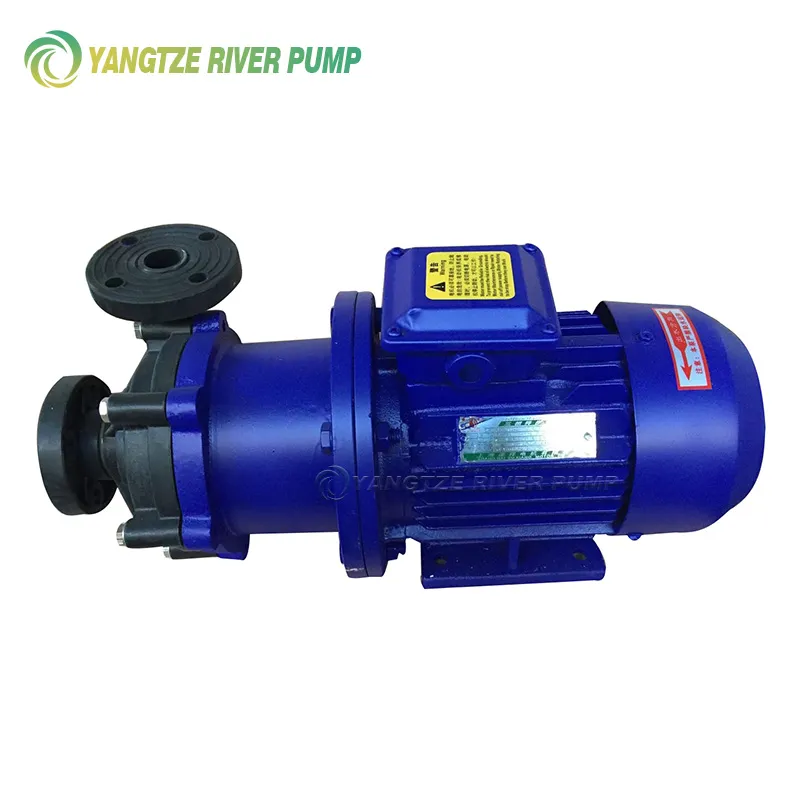 CQF Plastic Magnetic Pumps
-
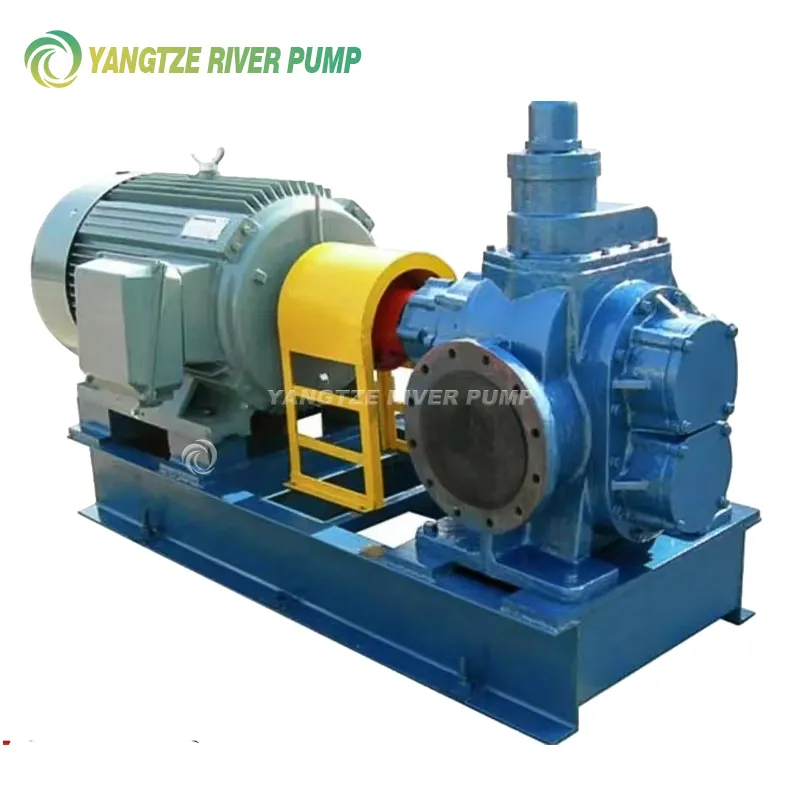 YCB Type Circular Gear Pumps
-
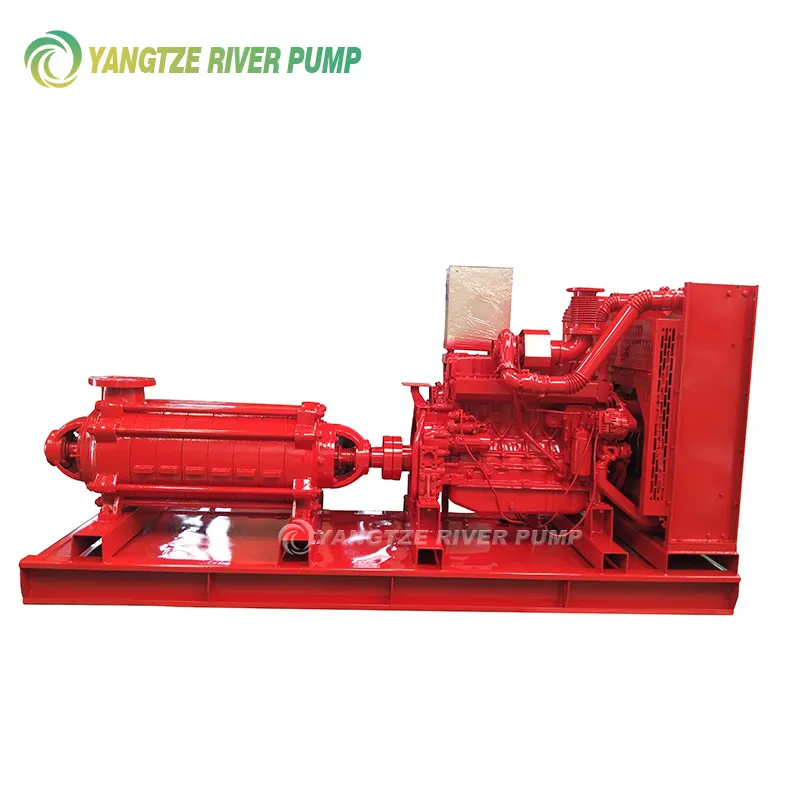 XBC Diesel Intelligent Fire Pumps
-
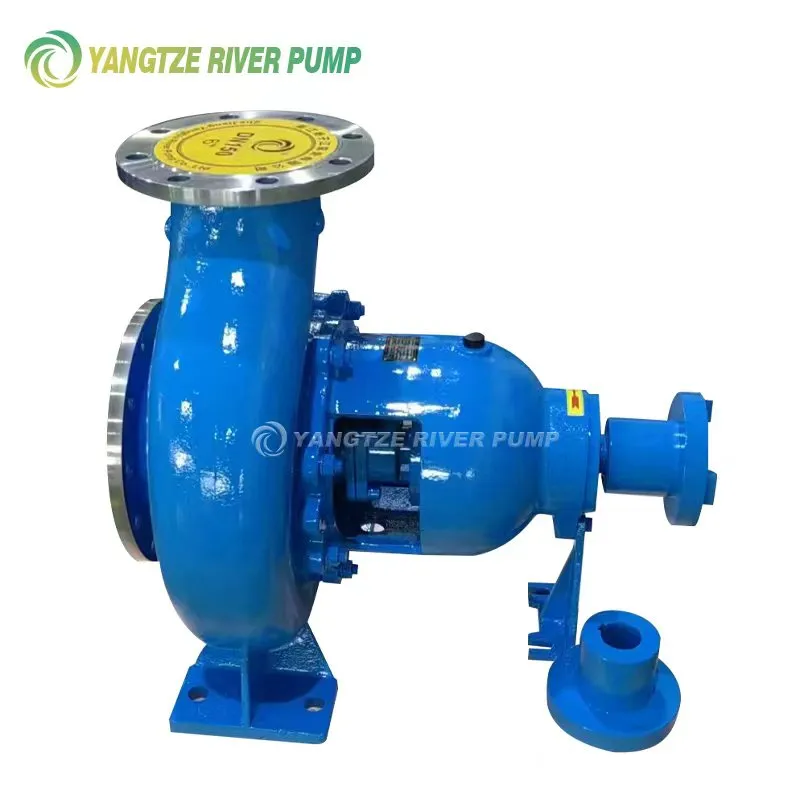 IH Stainless Steel Chemical Centrifugal Pumps
-
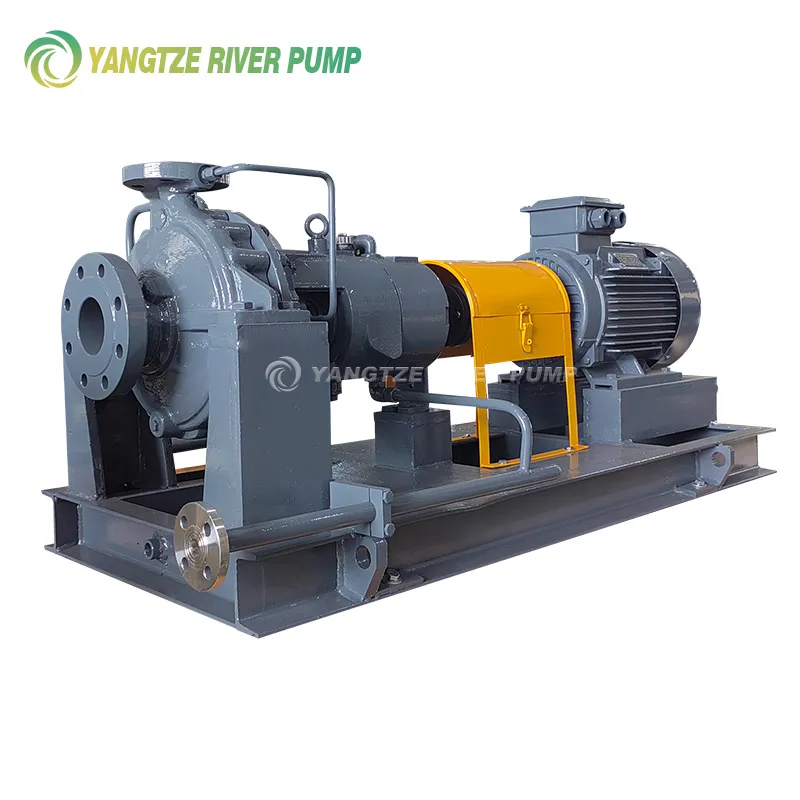 Petrochemical Process Pumps API 610 YZE
-
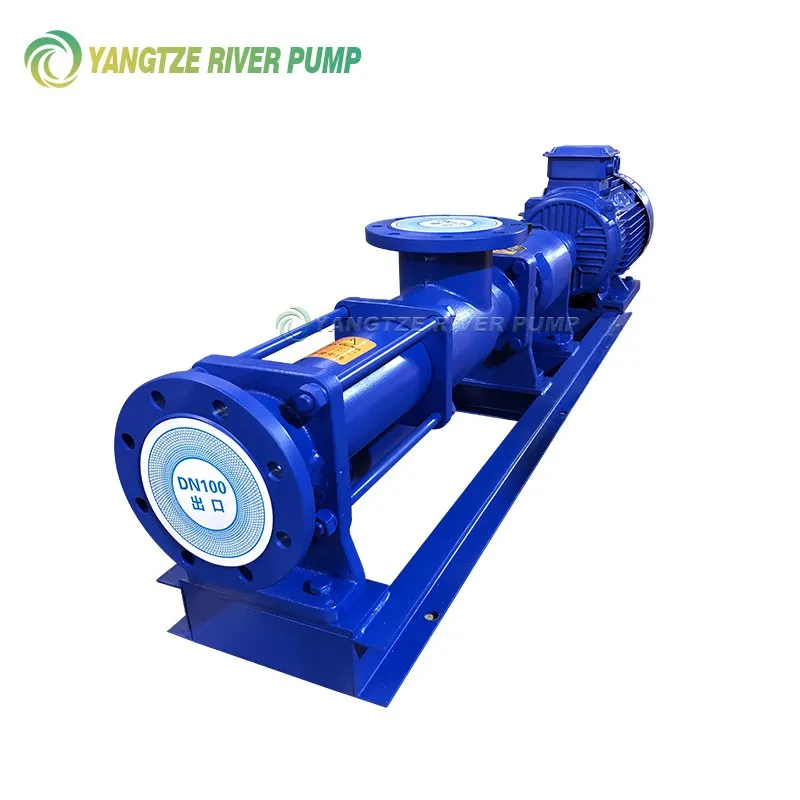 Single screw pumps type G
-
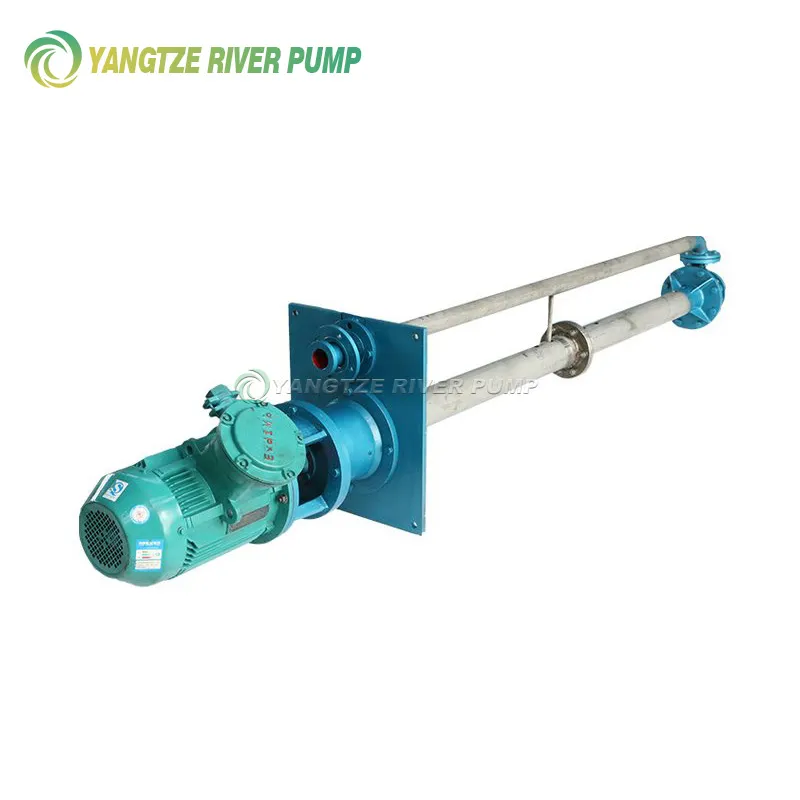 FY Submersible Chemical Pumps
-
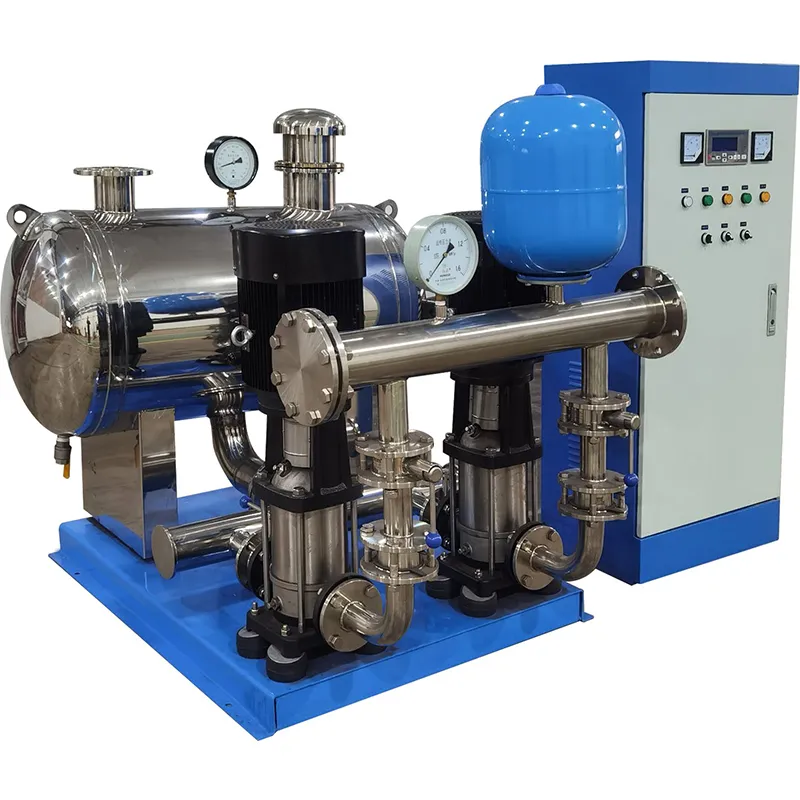 Complete water supply installations with frequency regulation and constant pressure CDLF