







deep well pump 3 phase
When you hear “3-phase deep well pump?”, the first thing that comes to mind is reliability and traction for deep wells. But many, especially those who are faced with a choice for the first time, mistakenly believe that the main thing is kilowatts. In fact, a three-phase motor is just the basis. What is more important is how the entire system is balanced: from the hydraulic part and the material of the flow part to the correct selection according to the characteristics of the well. Too often I have seen people overpay for excess power, and then suffer for months with cavitation or premature wear of the impellers due to a discrepancy with the actual flow rate. My practice - mainly with industrial and agricultural facilities - shows that the key is in the details, which are often written in small print in catalogs.
From the abstract “three phases” to specific site conditions
Here, for example, is a classic situation: the customer asks to selectdeep well pumpfor farm water supply. The well is 80 meters long, the casing is 125 mm, the flow rate is stated to be good. It would seem that take a standard three-phase model for 100 meters and that’s it. But what if you don’t specify the composition of the water? In that area we have water with a high sand content. If you install a regular model without reinforced, wear-resistant seals and impellers, even the most powerful three-phase motor will not save you - the hydraulics will fail within a season. Therefore, the first thing I now always ask about is water analysis. This is not bureaucracy, but saving tens of thousands on repairs.
Or another moment with tension.3 phasein rural areas the story is unstable. The voltage may sag, and phase imbalances may occur. Many pumps, especially budget ones, are critical to this. The engine hums, overheats, and the thermal protection is constantly triggered. You have to either install stabilizers (which increases the cost of the project), or initially select models with a motor that allows a larger range of voltage deviations. Some manufacturers, for example,Zhejiang Yangzijiang Pumping Industry Co.,Ltd, in the technical data sheets for their submersible series this is clearly stated - for me this approach speaks of seriousness.
Therefore, my algorithm is now like this: first - the well parameters (static/dynamic level, flow rate, diameter), then - water chemistry, then - the quality of the electrical network. And only then do I look at the graphs of pressure-flow characteristics (H-Q curves). It is important that the operating point of the pump lies in the middle of the optimal efficiency zone, and not at the edge. This provides a margin for both possible filter clogging and a natural drop in flow rate over time.
Practice and rake: the case of a multistage pump
I’ll tell you about one of our not very successful experiences, which taught us a lot. There was an object - a deep quarry; a pump was needed to pump water from an exploration well. The depth is about 150 m, the water is clean. Chose powerfulmultistage deep well pumpwith a three-phase motor. Everything matched the passport. Installed, launched - it works. But a week later there were complaints about vibration and noise.
They began to figure it out. It turned out that the well was not perfectly vertical; there was a slight bend in the trunk. And the pump is long, multi-sectional. When operating under such conditions, radial loads were generated on the shaft, which the structure was not designed to withstand permanently. The manufacturer, in general, honestly indicated the requirement for the straightness of the barrel, but we, carried away by calculations of pressure and flow, did not pay attention to this point. I had to dismantle it and look for a well with better geometry. Lesson: Well geometry is not a secondary parameter for longsubmersible pumps. Now we always either require a geophysical passport of the well, or, if it does not exist, we recommend shorter or specially designed models.
The same incident forced us to take a closer look at the design of the shaft and supports. Different manufacturers have different approaches. Somewhere the shaft is solid, high-strength steel, with a minimum number of intermediate supports. Somewhere - composite, with flange connections. For difficult conditions, with the risk of bending loads, the first option is, of course, more reliable. But also more expensive. In catalogsYangtzeriverpump.ruBy the way, design features are always well illustrated with cross-sectional diagrams - this helps with preliminary assessment.
Service and durability: what is not written in the warranty card
The warranty on the pump is good. But a pump is a system that operates in an aggressive environment, under pressure, away from view. Its durability is 70% determined by proper installation and commissioning. I saw how the “specialists” lowered the pump into the well, simply holding it by the cable. And then they wondered why six months later the cable rubbed against the wellhead. Mounting slings, centering wedges, and proper suspension on a safety rope are required.
Another critical point is a smooth start. A three-phase motor, when started directly, creates a huge starting torque and water hammer. This is stress for the network, and for the pump mechanisms too. Especially for multi-stage models. I always insist on installing a soft starter (soft starter) or frequency converter. Yes, these are additional costs. But they pay off by increasing the service interval. On the websiteZhejiang Yangzijiang Pumping Industry Co.,Ltdin the technical recommendations section this point is also emphasized, which speaks of the company’s systematic approach not just to the sale, but to the operation of its equipment.
Well, about spare parts. When choosing a pump, immediately look at which components most often fail (seals, bearings, impellers) and how accessible they are. It happened that they installed a German pump with excellent characteristics, and then waited six months for a seal kit from abroad while the facility was idle. Now I prefer to work with suppliers who keep repair kits for their main models in stock in the region. This is an indicator that the manufacturer is serious about the market.
Evolution of materials: from cast iron to composites
Previously, everything was simple: the flow part was made of stainless steel, the body was cast iron. Now materials science has gone far ahead. For aggressive environments, such as mineralized waters or liquids with abrasives, various composite materials and polymer coatings are already widely used. For example, impellers made of reinforced fiberglass or ceramic-coated housings. They are lighter and often more resistant to corrosion and cavitation wear.
But there is a nuance here too. Not every material is suitable for long-term work under high pressure at great depths. Some polymers can "tire". Therefore, to statements about ?supermaterials? I treat it with caution. I request from the manufacturer data on cyclic load tests. It's good when the company is the sameYangtzeriverpump, indicates in the description of itschemical pumpsandsubmersible modelsnot just “plastic”, but specific brands of polymers (for example, PVDF, PP) and their compatibility with different environments. This allows you to make an informed choice rather than playing roulette.
In one of the projects for pumping drainage water with a high content of chlorides, we just switched from AISI 304 stainless steel to a pump with a PVDF flow part. The result is that the service life between revisions has tripled. And this despite the fact that the initial cost was only 25-30% higher. So the savings in the long run were significant.
Instead of a conclusion: thinking out loud about the future of configuration
Nowadays I think more and more often that the future belongs to “smart” ones. setting. Just putdeep well pump 3 phaseand forget - this is the last century. Even with a frequency driver that simply maintains constant pressure. More interesting are systems with sensors that monitor not only pressure, but also engine temperature, current consumption, and vibration. Based on deviations in these parameters, a possible malfunction can be predicted - clogging, bearing wear, the onset of cavitation.
Some advanced manufacturers already offer such monitoring systems as an option. I think this will soon become the standard for critical facilities. After all, the cost of pump downtime, especially for the same water supply of a village or farm, is not comparable with the cost of such an early warning system. This is no longer just a pump, but a technological unit integrated into the overall facility management system.
Back to the beginning. Choosing a three-phase deep-well pump is not about finding the lowest price per kilowatt. This is about putting together a puzzle from operating conditions, design features, materials and service logistics. And when all these pieces come together, the equipment works for years, almost without reminding itself. And this, ultimately, is the main goal - to obtain not just a device for pumping water, but a reliable, predictable and economical element of infrastructure. Experience, including mistakes, teaches us to see the whole picture, and not individual technical characteristics in a table.
Correspondingproducts
Related Products

Best Sellingproducts
Best Selling Products-
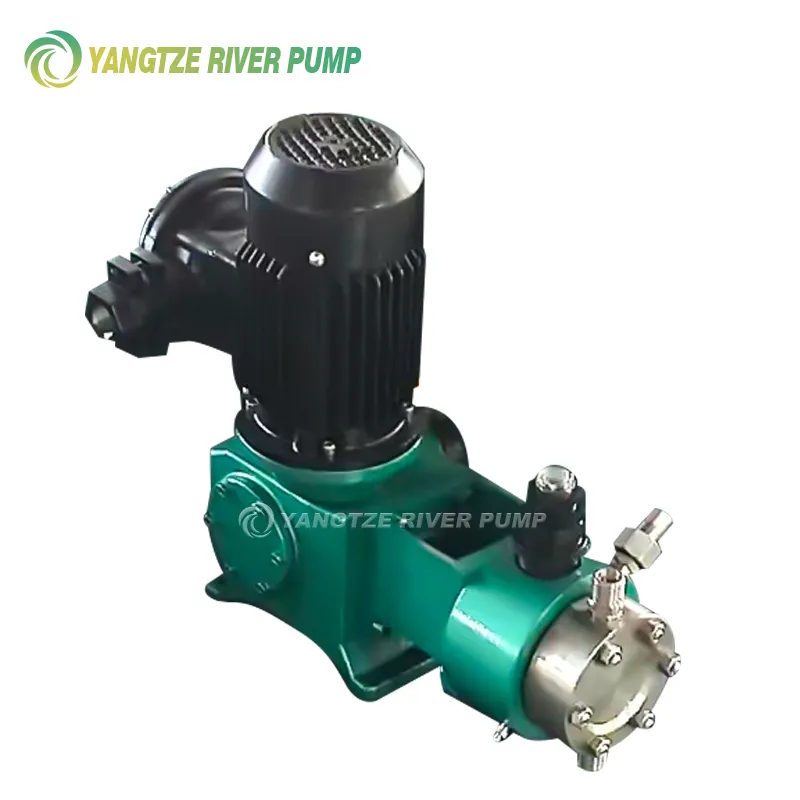 Plunger dosing pumps type DZ-X
-
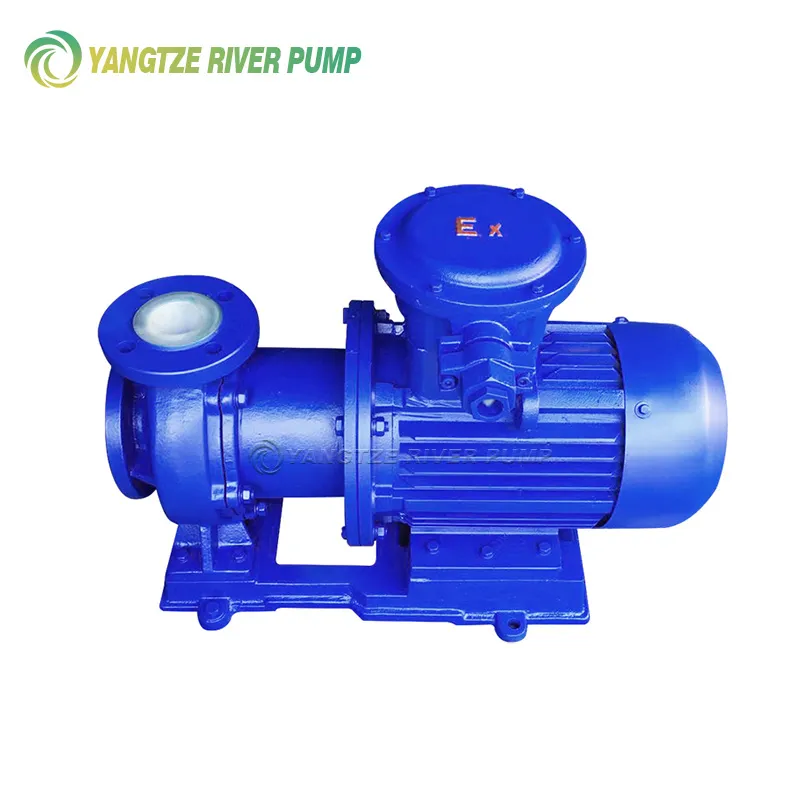 Magnetic pumps with fluoroplastic lining CQB-F
-
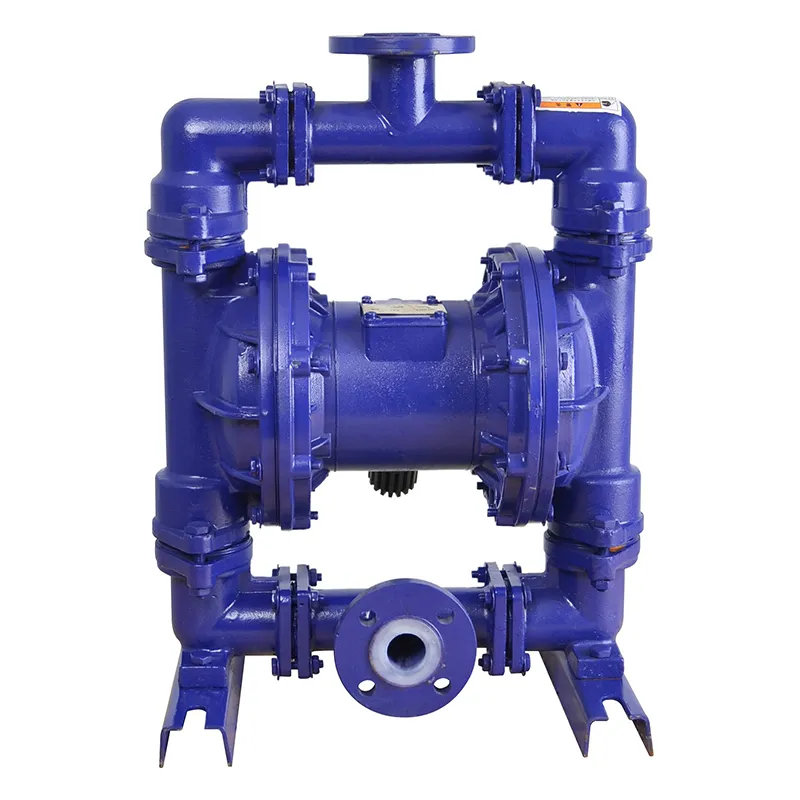 Metal pneumatic diaphragm pumps QBK
-
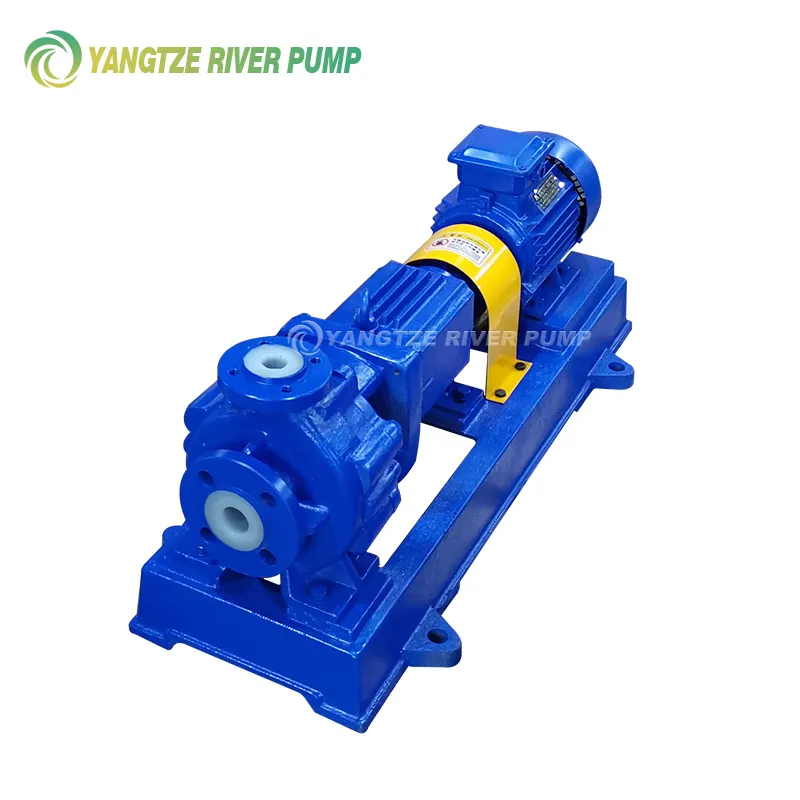 IHF PTFE Chemical Centrifugal Pumps
-
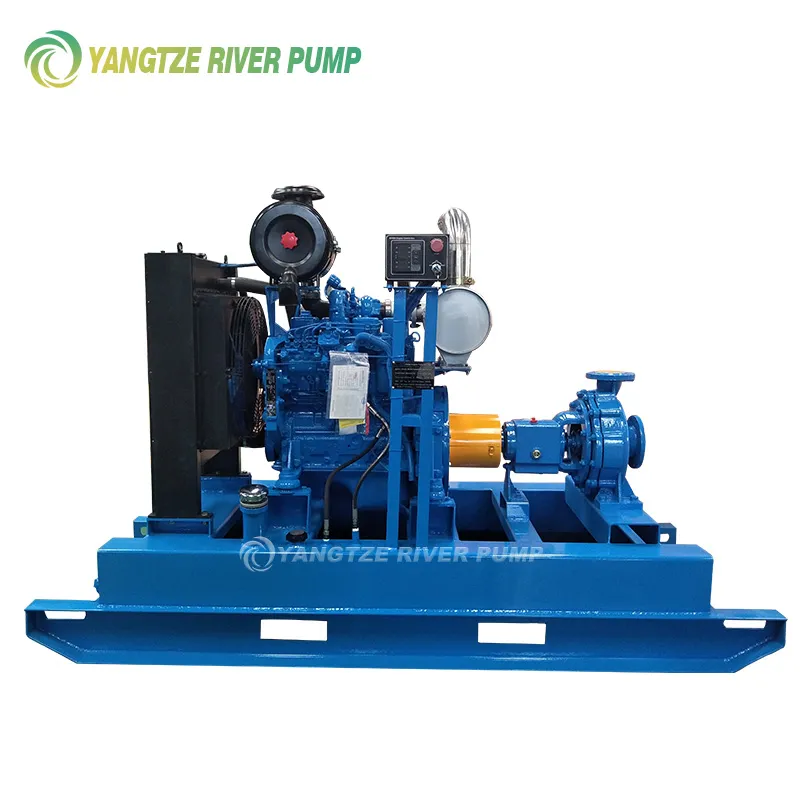 YZIS Diesel Single Stage Centrifugal Pumps
-
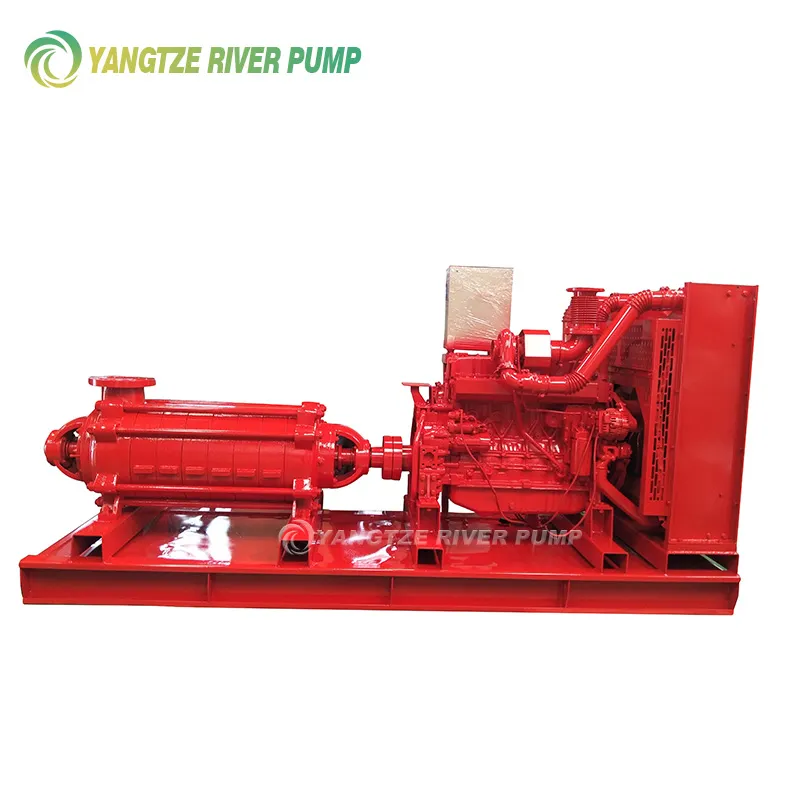 YZD Series Diesel Multistage Centrifugal Pumps
-
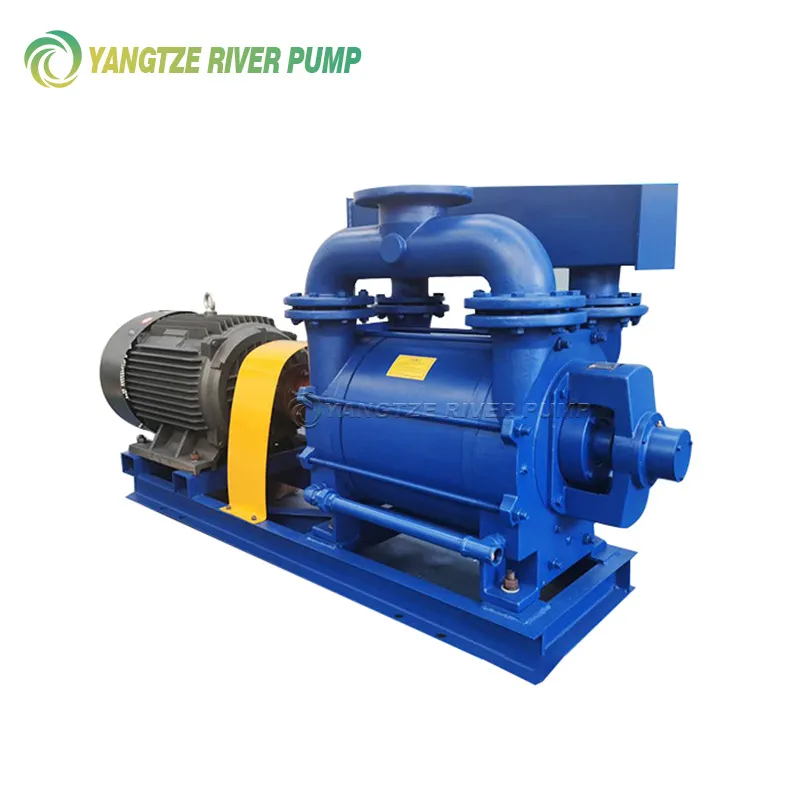 Liquid ring vacuum pumps type 2EB
-
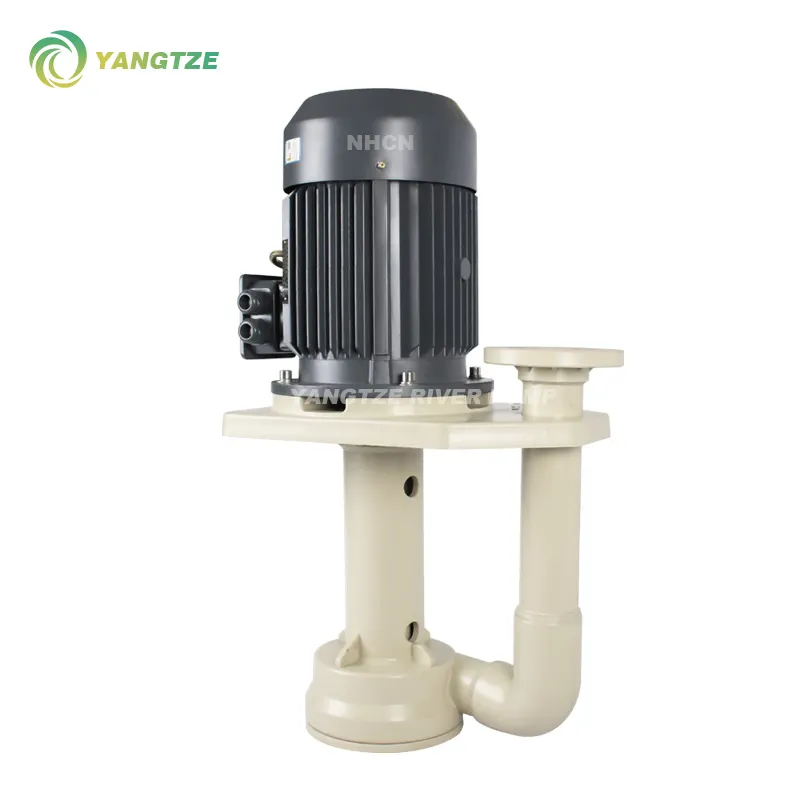 Vertical pumps for installation inside/outside tanks YZCN and YZCW
-
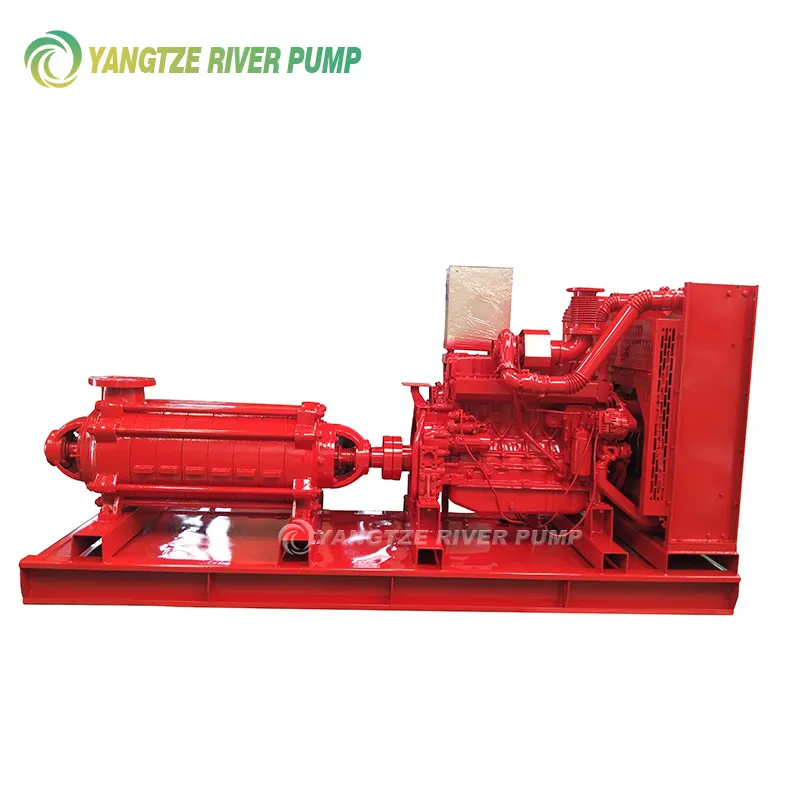 XBC Diesel Intelligent Fire Pumps
-
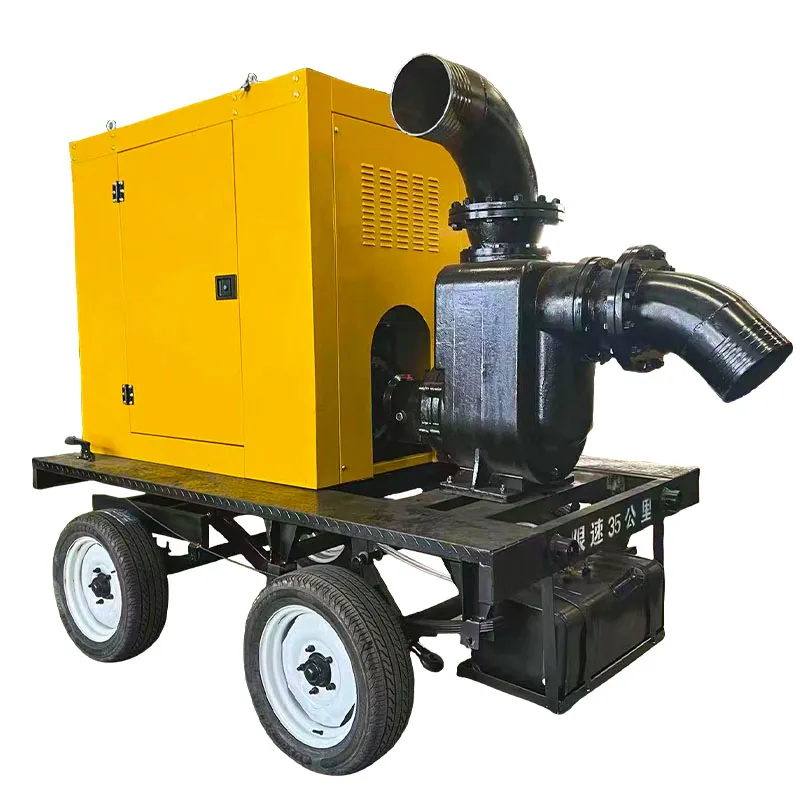 YZZW Diesel self-priming pumps
-
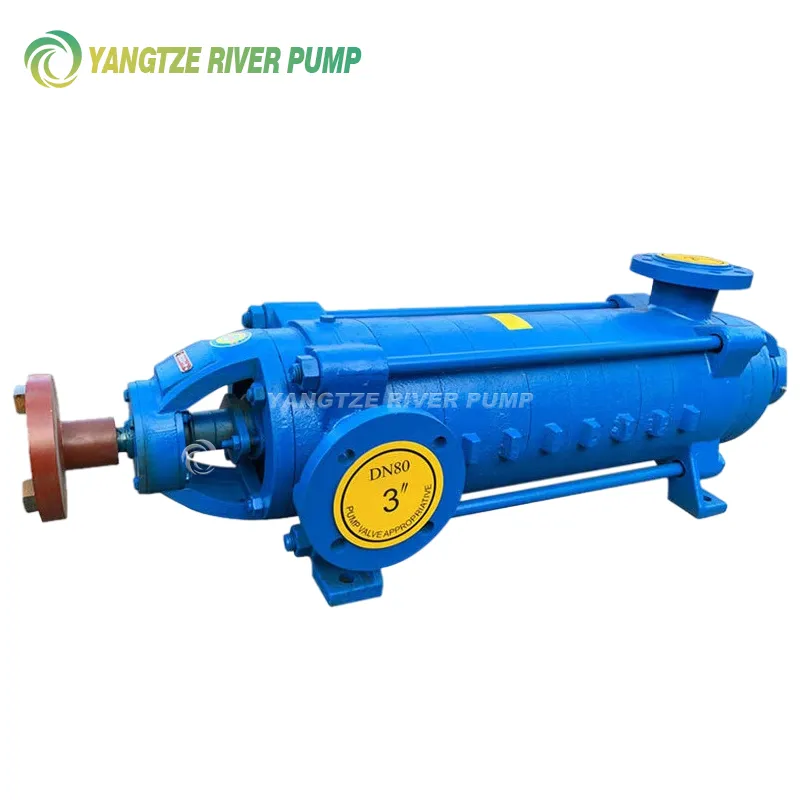 Horizontal multistage pumps for feeding DC boilers
-
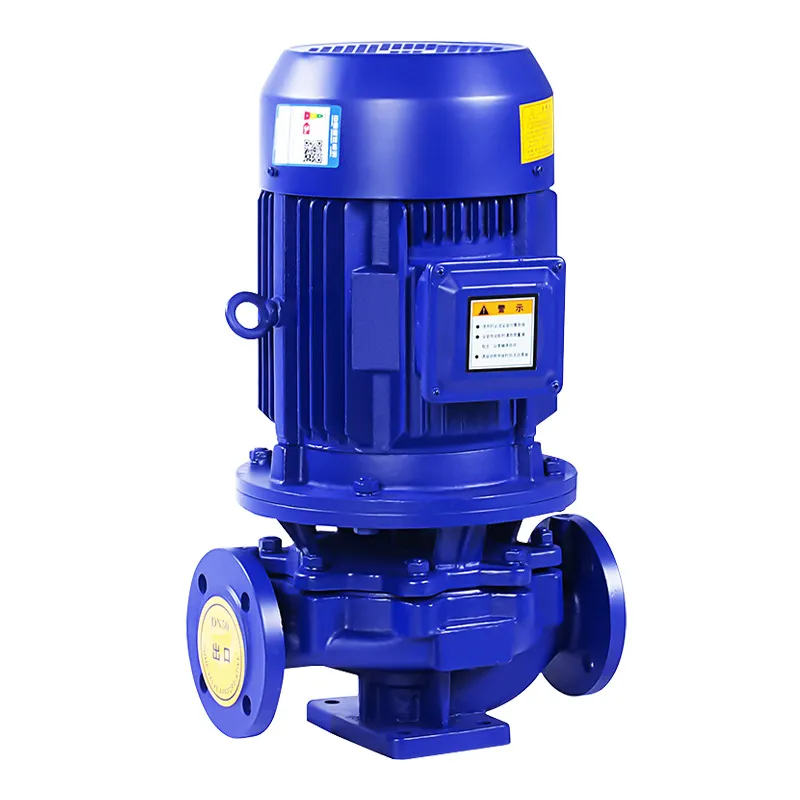 Vertical single-stage pipeline centrifugal pumps ISG and IHG