







centrifugal pump 2.2 kW
When you hear “centrifugal pump 2.2 kW?”, the first thing that comes to mind is a standard unit, of which there are thousands. But precisely in this seemingly ordinary power lies a lot of nuances that you see only after dozens of installations and a couple of unsuccessful attempts to save money. Many people mistakenly believe that the main thing is to select the pressure and flow, and the engine is 2.2 kW - it is 2.2 kW in Africa. In practice, the difference between models, even with the same passport data, can be colossal, and it’s not just a matter of efficiency.
Power and real performance: where's the catch?
Here, for example, is an order for pumping process water, non-aggressive, without abrasive. You take a standard 2.2 kW single-stage centrifugal pump, look at the curve - everything seems to fit. But at the site it turns out that the line is longer, there are a couple of extra bends, the valve is old and partially covered. And the pump is no longer operating in the optimal zone, it is overloaded and overheats. That very moment when you understand that 2.2 kilowatts is not a guarantee of performance, but only an entrance ticket. You need to look deeply at the characteristics of the impeller and the design of the hydraulic part.
At our production site inZhejiang Yangzijiang Pumping Industry Co.,Ltdthis problem is well known. Therefore, the line of centrifugal pumps for this power does not consist of just one or two models. There are options with reinforced shafts, with impellers of different diameters and from different materials, which allows you to “hit” more accurately. into the required network parameters, and not just sell a box with a motor. This is the result of the work of our own R&D department, which is constantly faced with requests from the field.
I remember an incident at one of the food production plants. Requiredcentrifugal pump 2.2 kWfor circulation of syrup. The client initially bought something cheap, but did not take into account the viscosity. The pump stopped working after a month. I had to figure it out and select a model with a larger flow area and a special coating. After replacing it with a suitable unit, everything went like clockwork. The power is the same - 2.2 kW, but the execution and result are completely different.
Design features that make all the difference
Speaking about 2.2 kW, we cannot help but touch on the topic of single-stage and multi-stage models. These are fundamentally different application scenarios. Single stagecentrifugal pump 2.2 kW- this is usually work at high flow with relatively moderate pressure. Ideal for water supply, irrigation, drainage.
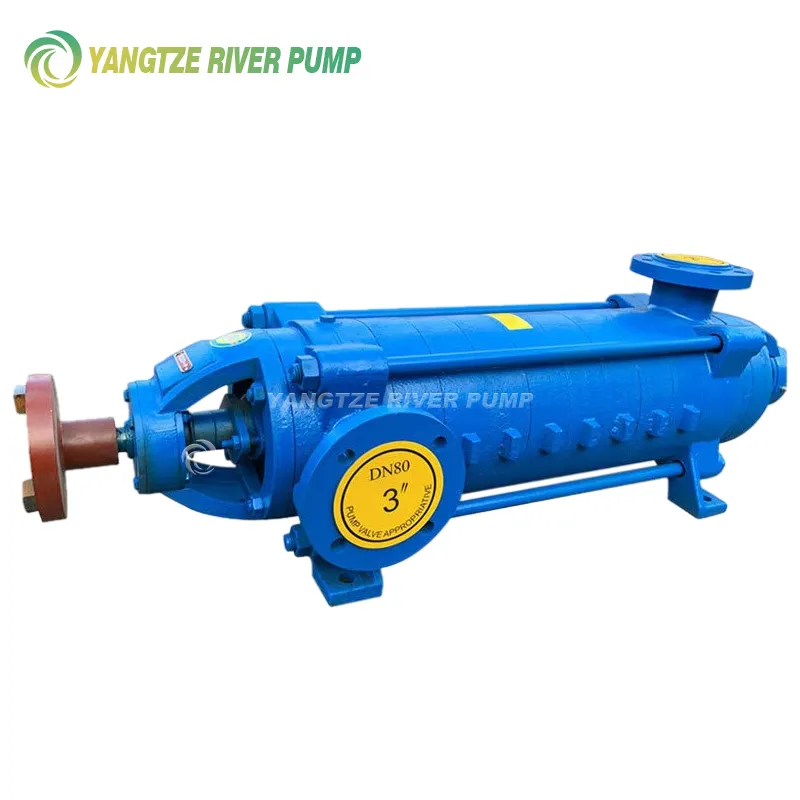
But when high pressure is needed for a well or booster system, multi-stage vertical or horizontal pumps come into play. Here the same 2.2 kilowatts are distributed over several stages, creating significant pressure. We are inZhejiang Yangzijiang Pumping Industry Co.,LtdWe produce both. The key is to correctly orient the customer so that he does not try to use a multi-stage pump to drive a large volume of water from the pond, and vice versa.
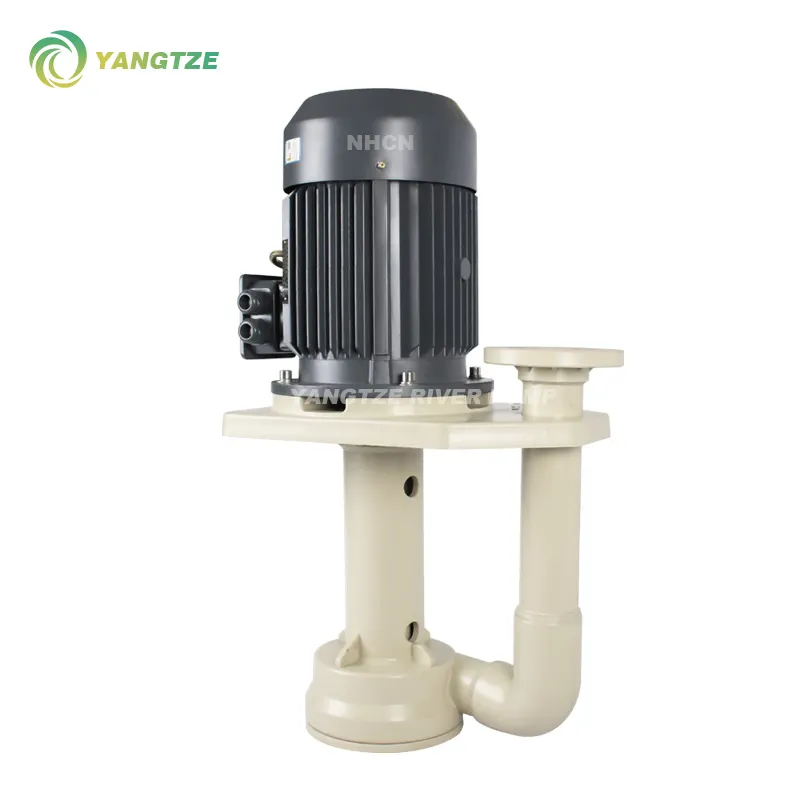
The material of the flow part is a different story. For clean water - cast iron or stainless steel. For chemically active media, we are already looking towards plastic chemical pumps or models with special coatings. Sometimes customers underestimate this factor, thinking only about power, and then are surprised by corrosion or contamination of the pumped medium.
Related types of pumps for the same power
Sometimes the task goes beyond the classical centrifugal principle. For example, for liquids with high viscosity or containing solids, the same 2.2 kW single-screw (screw) pump can be much more efficient. Or for tasks where complete tightness is critically important - here we are already considering magnetic pumps. By the way, at this power they are in great demand in pharmaceuticals and fine chemistry.
Self-priming models are another interesting class. The ability to self-bleed air from the suction line is invaluable for many mobile installations or systems with unstable fluid levels. And yes, they also come with 2.2 kW, and with varying degrees of self-priming.
Submersible pumps, especially well pumps, are a whole separate universe. Here 2.2 kW is a very common and in demand power for private homes and small farms. The competition is enormous, so those who rely on the reliability of materials (for example, corrosion-resistant alloys) and precise rotor balancing for long and quiet operation survive.
Tests and “run-in” - what we do at the factory
Many people think that they assembled the pump, screwed on the engine, and they’re done. In fact, the path from the assembly line to shipment to the customer lies through the test bench. Each of our pumps, including all models2.2 kW, undergoes hydraulic tests for actual performance, pressure and power consumption. We take the real characteristics and compare them with the passport characteristics.
This allows you to cut out defects and, more importantly, make sure that the pump will operate within the declared range. Sometimes during such tests, minor defects in casting or assembly are revealed that cannot be seen by eye, but which will affect the service life. Our eight production lines are tied into a single cycle, so feedback from testers to designers and technologists is fast.
For me personally, the testing stage is the most revealing. I saw how pumps of other brands were “not available” in terms of pressure at rated power or began to vibrate in certain modes. Our control allows us to minimize such risks. This is not an advertisement, but a simple statement: without a full-fledged test circuit, talking about stable quality is pointless.
Service and final choice: what I advise clients
So, to summarize all of the above. When people contact me with a request forcentrifugal pump 2.2 kW, I never start a conversation with a specific model. First, a detailed analysis of the problem: what we are pumping, from where, where, what temperature, aggressiveness, presence of solid particles, required supply stability. Only then is there a conversation about the type of pump (centrifugal, screw, diaphragm), material and, finally, about the specific series.
It often turns out that the optimal solution is not the most obvious option. For example, for pumping suspensions with fine abrasive, sometimes a diaphragm pump is more reliable than a centrifugal one, even with the same power. Or for dosing chemicals - a plastic chemical pump.
Our companyZhejiang Yangzijiang Pumping Industry Co.,Ltd, as a full-service manufacturer, can offer this wide selection. All information on models, technical support and documentation are available on our websitehttps://www.yangtzeriverpump.ru. The main advice I always give is: don’t get hung up on one number “2.2 kW”. Look at the pump as part of the system, and then its choice will become conscious, and its operation will be long and trouble-free. Everything else is just details that we are always ready to discuss.
Correspondingproducts
Related Products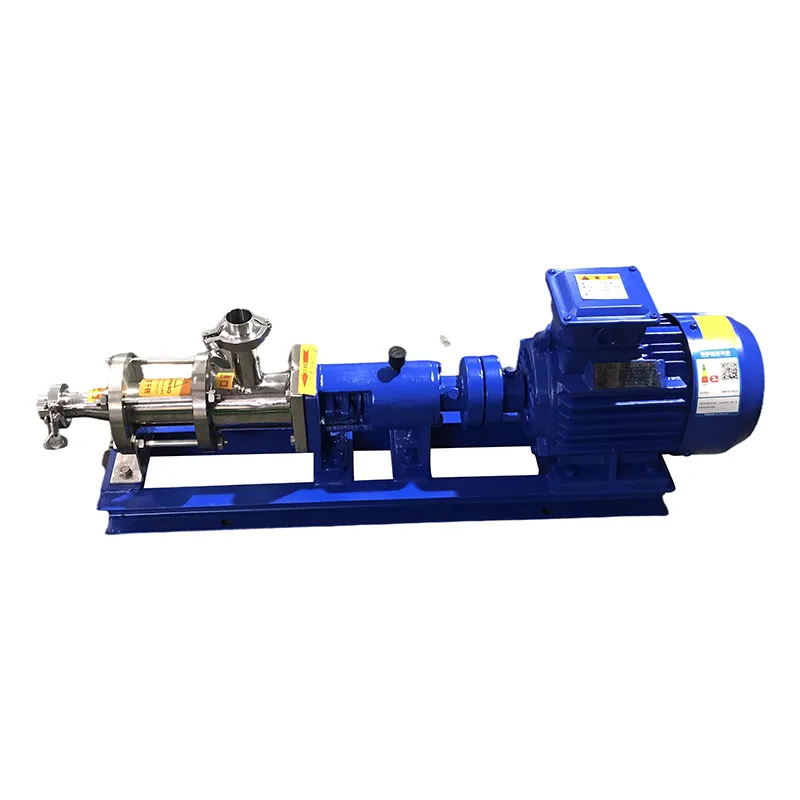

Best Sellingproducts
Best Selling Products-
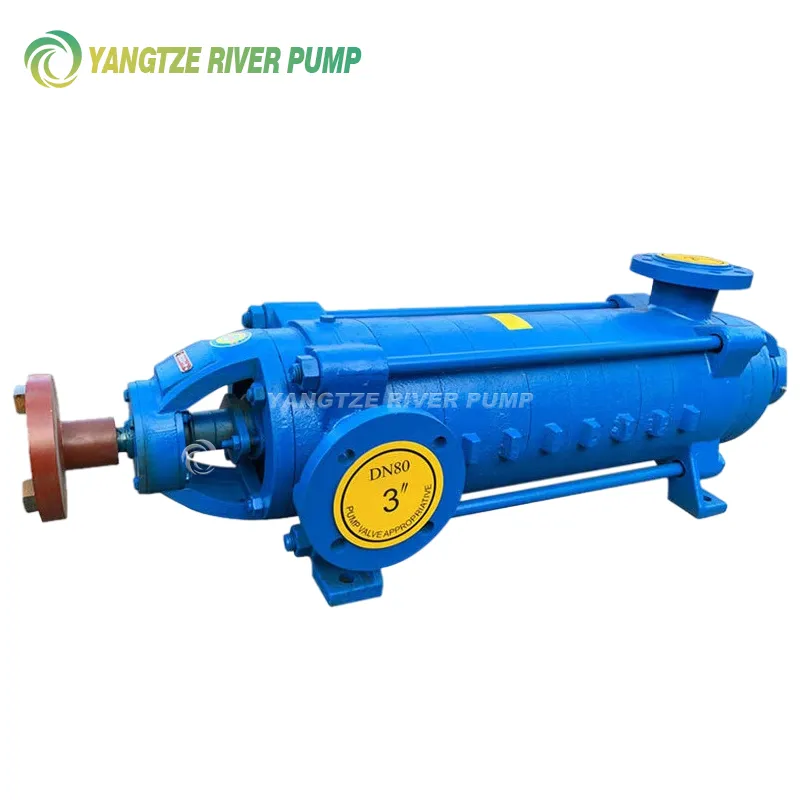 Horizontal multistage pumps for feeding DC boilers
-
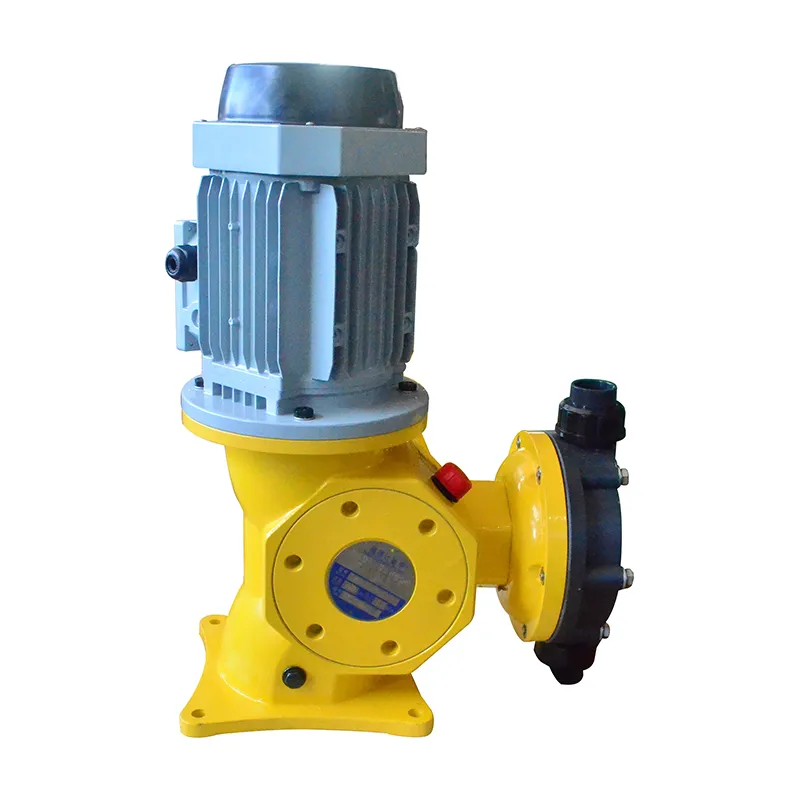 Mechanical diaphragm dosing pumps DJ-Z
-
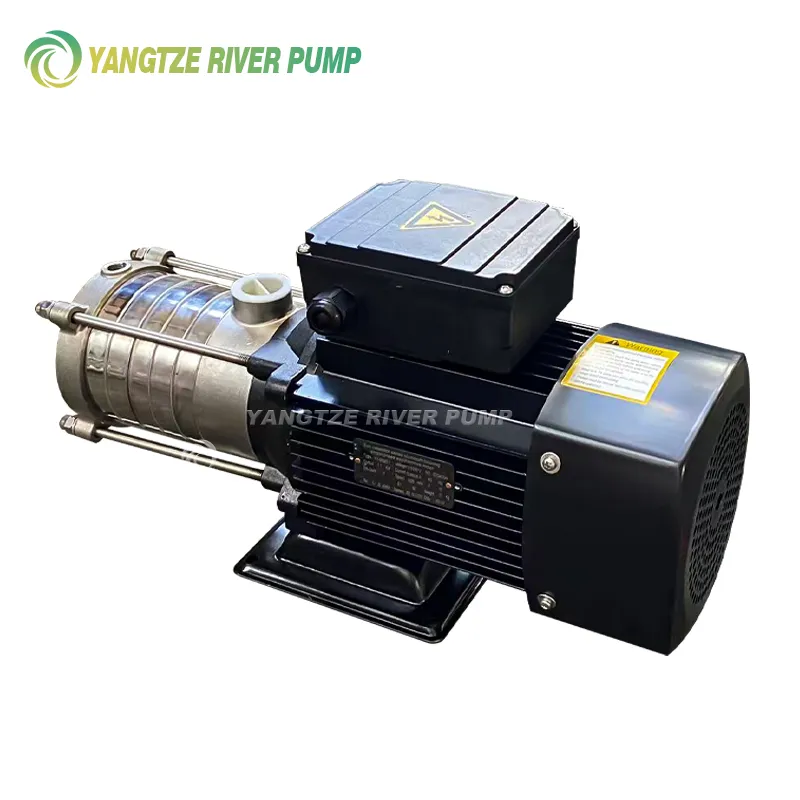 Horizontal multistage centrifugal pumps (light series) CHL and CHLF
-
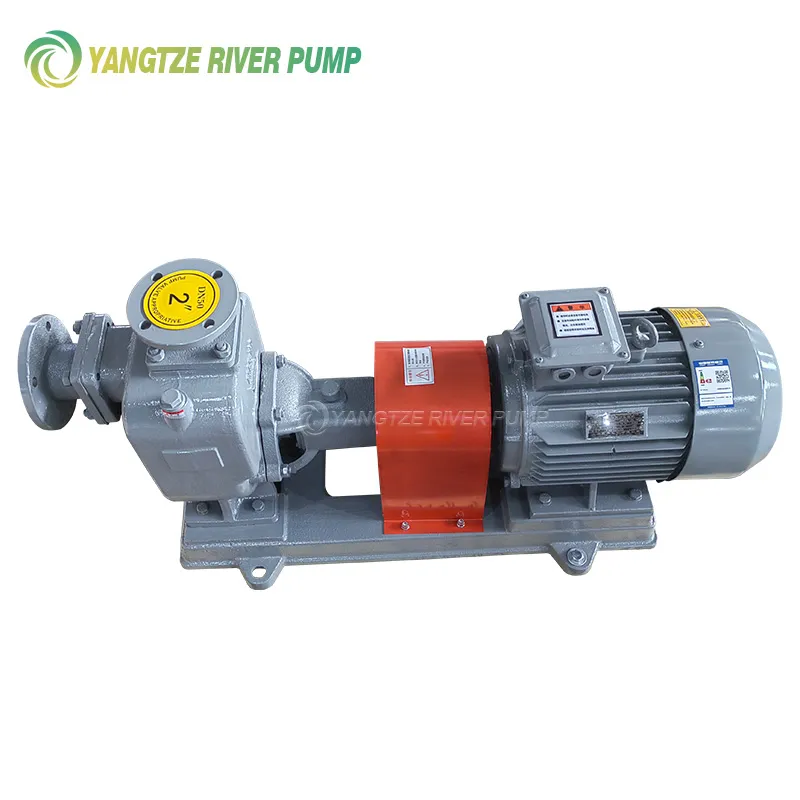 Non-clogging self-priming wastewater pumps ZW
-
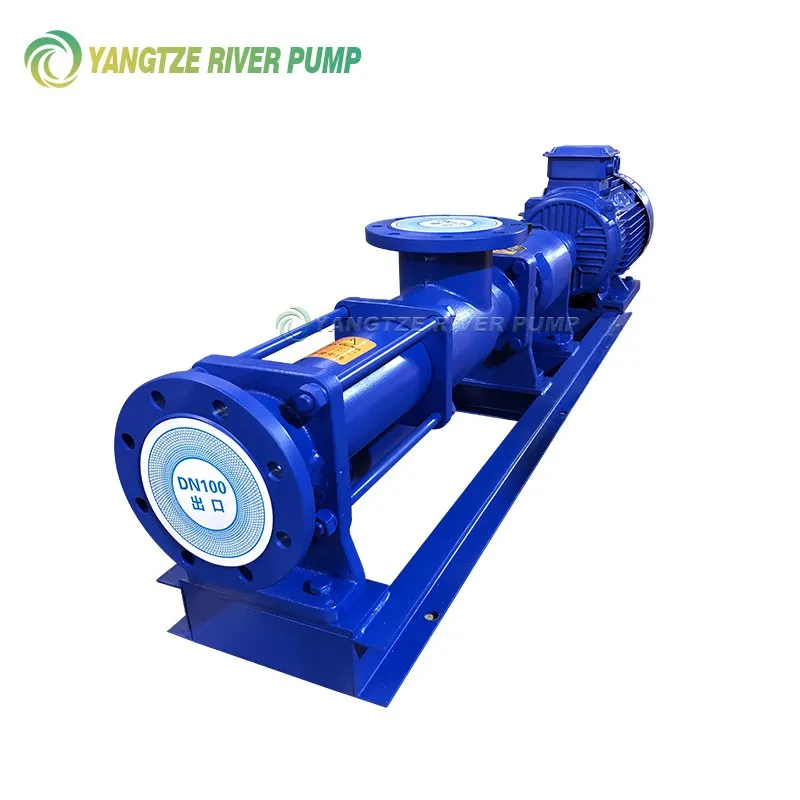 Single screw pumps type G
-
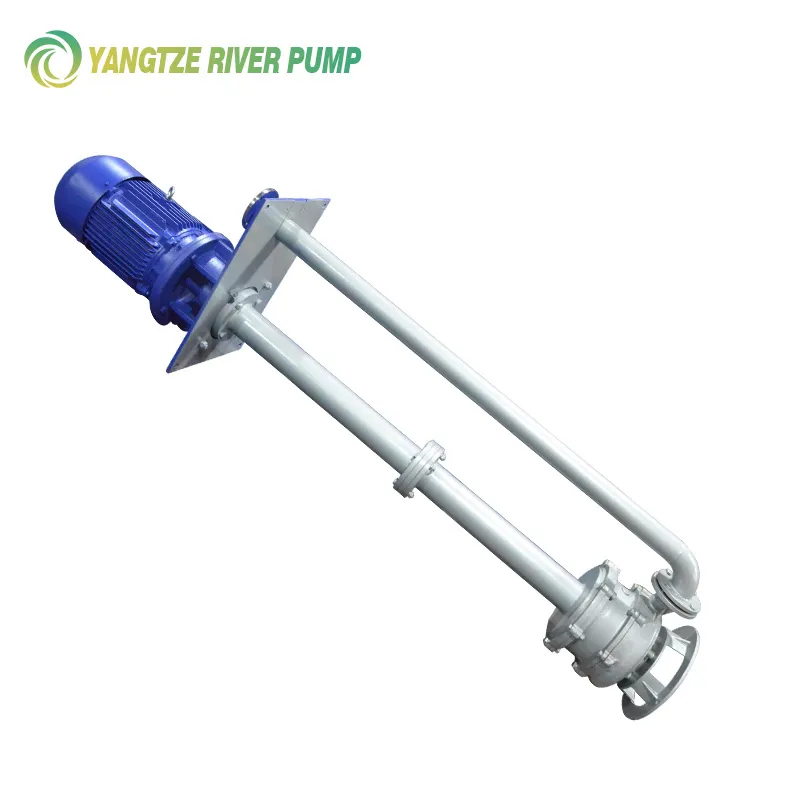 YW Vertical Submersible Sewage Pumps
-
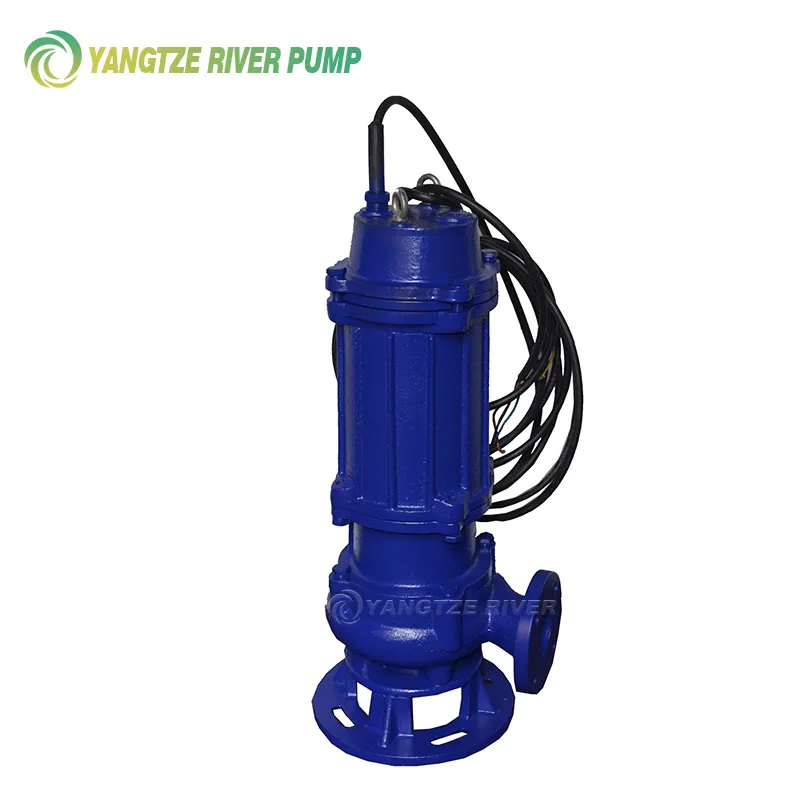 QW Non-clogging Submersible Sewage Pumps
-
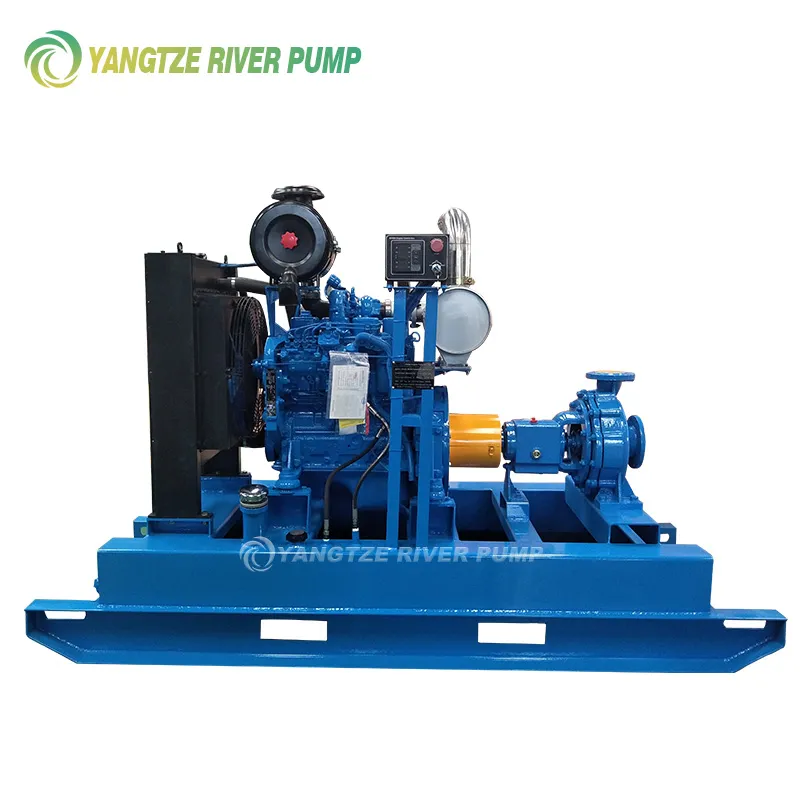 YZIS Diesel Single Stage Centrifugal Pumps
-
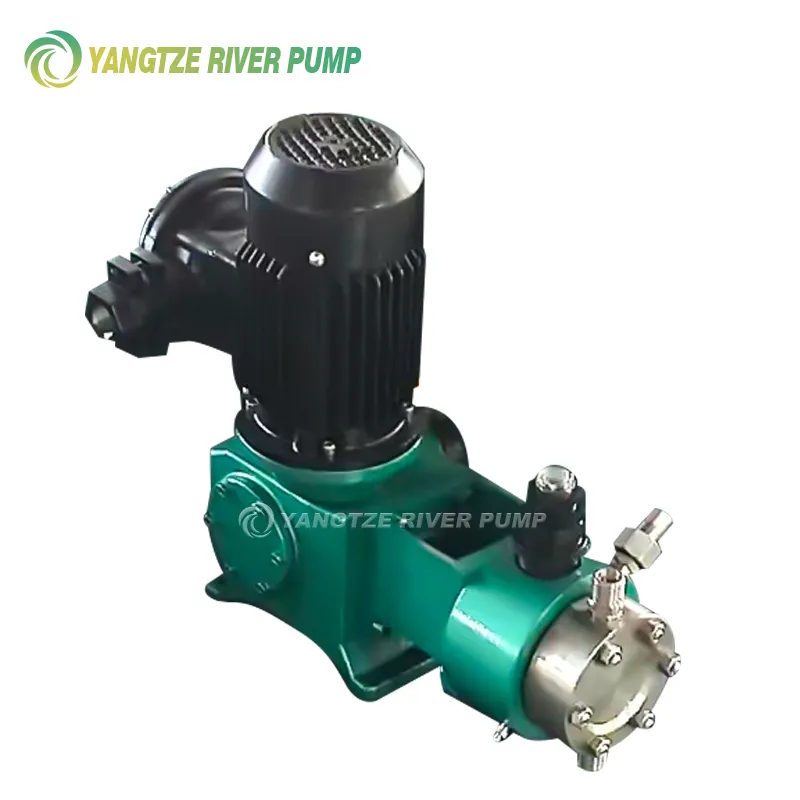 Plunger dosing pumps type DZ-X
-
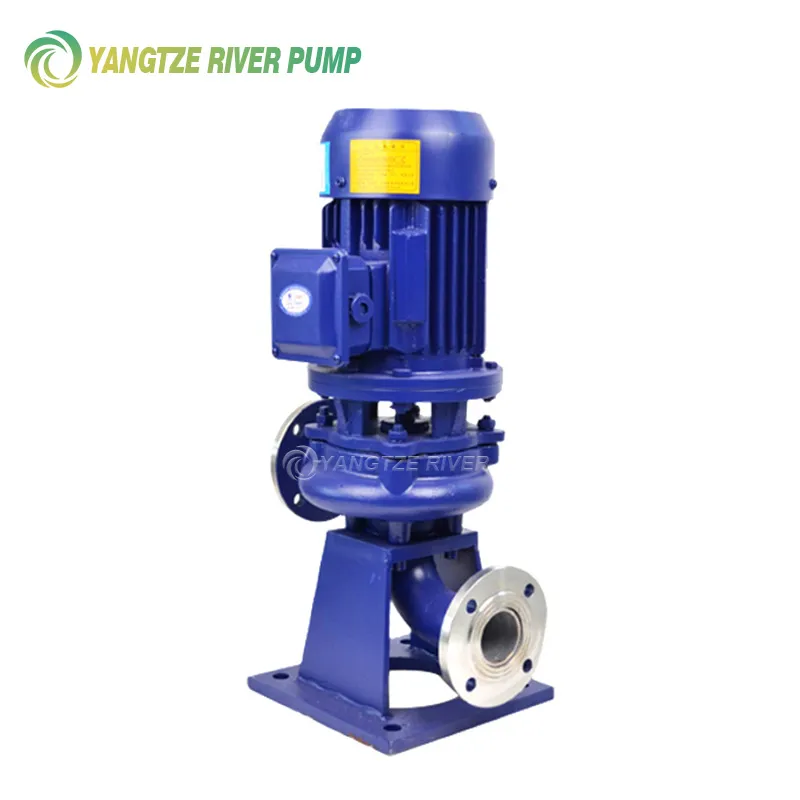 Non-clogging vertical wastewater pumps LW
-
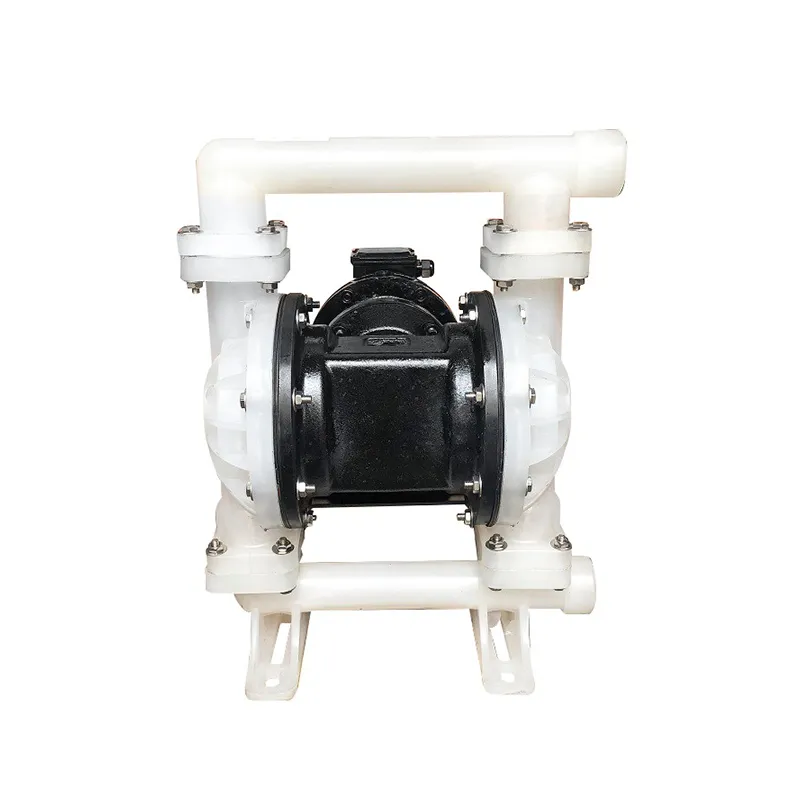 DBY Non-Metallic Electric Diaphragm Pumps
-
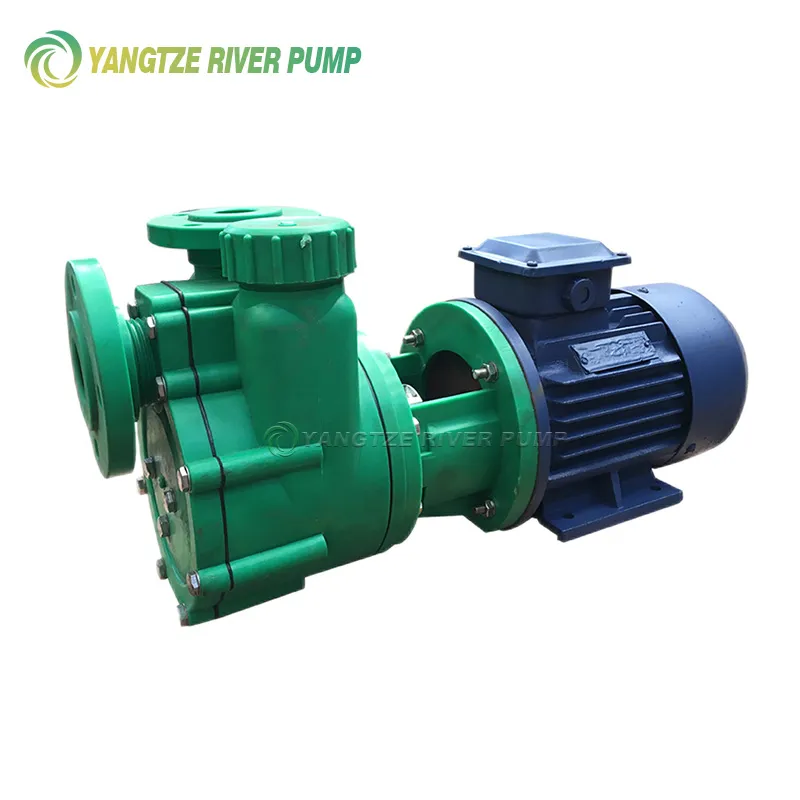 Plastic self-priming centrifugal pumps FP and FS