







deep pump 200 meters
When they say “200 meter deep pump”, many people immediately think about simple selection based on the rated depth. But in reality, if you take a well of 200 meters, the key becomes not so much the maximum immersion depth indicated in the characteristics, but the actual pressure that is needed to lift water from such a horizon and also ensure operating pressure in the system. A common mistake is to look only at the number ?200? in the title or description. In practice, for stable operation at such a depth, a headroom is needed, otherwise the pump will work at the limit, wear out quickly, and the well’s flow rate may not be maintained.
Basic technical nuances when working at great depths
Depths of about 200 meters are usually encountered in artesian wells. Here you can no longer get by with superficial or ordinarysubmersible pumpsfor wells. What is needed is multi-stagedeep well pumps, where each stage increases the pressure. An important point is the material of the housing and impellers. For fresh but deep water, they often go with stainless steel, but if there is a risk of an aggressive environment or high mineralization, it is better to look at options with reinforced materials.
Another practical aspect is diameter. Wells with a casing of 110-120 mm or more usually go 200 meters deep. This means the pump must fit into it. 4-inch models (about 100 mm) are often used. But here it is important not only to “get in”, but also to leave a gap for normal cooling of the engine and rising water. A too tight fit risks overheating.
Automation and protection. At such a depth, starting and stopping is a serious load on the mechanics and electrical network. A smooth starting system, protection against dry running and overload are required. Frequency converters are often installed to adjust the productivity to the actual flow rate of the well and avoid constant on-off switching. Without this, the engine may simply not pull out.
Selection experience and common problems
I remember an incident at one facility near Moscow. The well is 210 meters, the static level is 190 meters. The customer initially bought a powerful pump designed for 250 meters, but without taking into account the fact that additional pressure was needed to lift it to the point of analysis and pressure in the house. As a result, water flowed, but in a thin stream, there was not enough pressure in the system. I had to recalculate: 210 m (depth) + 10 m (horizontal section to the house) + 30 m (desired pressure of 3 bar) = a pressure of at least 250 meters plus reserve was required. We installed a model with a rated head of 280 m. It worked perfectly.
Another common problem is water quality. At a depth of 200 meters the water may be clear, but sometimes there is a high content of iron or sand. If the sand, even fine sand, is ordinarydeep well pumpwon't live long. Here, either install an additional filtration system at the inlet, or initially select pumps with reinforced seals and bearings designed for abrasive. At our company Zhejiang Yangzijiang Pump Industry Co., Ltd. we have lines where special emphasis is placed on this, especially inmultistage centrifugal pumpsfor difficult conditions.
We must not forget about the cable and cable. For 200 meters you need a submersible cable with waterproofing, designed for this pressure of the water column. And the cable must be made of stainless steel, not galvanized. Galvanization in depth rusts over time; there was a precedent when a pump was almost dropped into a well due to a broken cable after 3 years. Now we always insist on stainless steel.
About production and testing: why is it important
When choosing equipment for such serious tasks, it is important to understand how and where it is made. It is not enough to simply assemble the pump in a workshop. We need full-fledged test benches where you can simulate work at a depth of 200+ meters with different pressures and flow rates. Our company has just such lines at its production in China - from R&D to testing of the finished product. This allows you to run the pump under load before shipment, check for leaks, vibration, and engine temperature. For the end user, this means a lower risk of encountering manufacturing defects already in the well.
Specifically for deep models, shaft balancing is critical. At 200 meters the shaft is long, and if there is even a slight imbalance, at depth it will lead to beating, wear of the bearings and ultimately to jamming. On our lines, special attention is paid to this during assembly and final testing.
The assortment, by the way, also plays a role. When a manufacturer has not one or two models “for all occasions?”, but a full line -submersible pumpsdifferent capacities, with different numbers of stages, from different materials - it’s easier to choose the best option for a specific well. You don’t have to take “what you have” with compromises. For example, in our catalog on the website https://www.yangtzeriverpump.ru you can find both standard solutions for clean water and enhanced options for conditions with increased requirements.
Installation and maintenance: thinking out loud
The biggest headache with a depth of 200 meters is installation and possible repairs. Raising and lowering such a column is a task for an experienced team with a winch. One wrong cable clamp and you can damage the cable or, worse, drop the pump. Therefore, we always recommend using mounting brackets during installation and avoiding sudden jerks.
Maintenance is essentially zero. If the pump is of high quality and correctly selected, it should work for years without intervention. But this is an ?if?. That’s why the initial selection with a margin of parameters and taking into account water chemistry is so important. It’s better to invest once in a more reliable model than to then spend tens of thousands on lifting, repairs and re-installation.
From practice: sometimes it helps to install a check valve not only at the outlet of the well, but also an additional one - right on the pump. This prevents water from flowing back into the well when stopped and protects against water hammer the next time it is started. A trifle, but it prolongs the life of the entire system.
Instead of a conclusion: what to look for when choosing
So, to summarize the experience. Key fordeep-well pump 200 meters- this is not just a number in a passport. Calculate the required pressure: depth + horizontal section + desired pressure in the system + reserve 10-15%. Look at the diameter of the casing in relation to your casing. Pay attention to the material - for long-term work at great depths, stainless steel or other specialized alloys are better.
Choose a manufacturer that provides a full cycle - from development to testing. Like, for example, our enterprise Zhejiang Yangzijiang Pumping Industry Co.,Ltd., where production lines are focused on quality control. It gives you confidence.
And don’t skimp on the “little things”: cable, cable, control system and protection. At two hundred meters these “little things” become critical reliability factors. A properly selected and installed pump at such a depth will last for decades.
Correspondingproducts
Related Products



Best Sellingproducts
Best Selling Products-
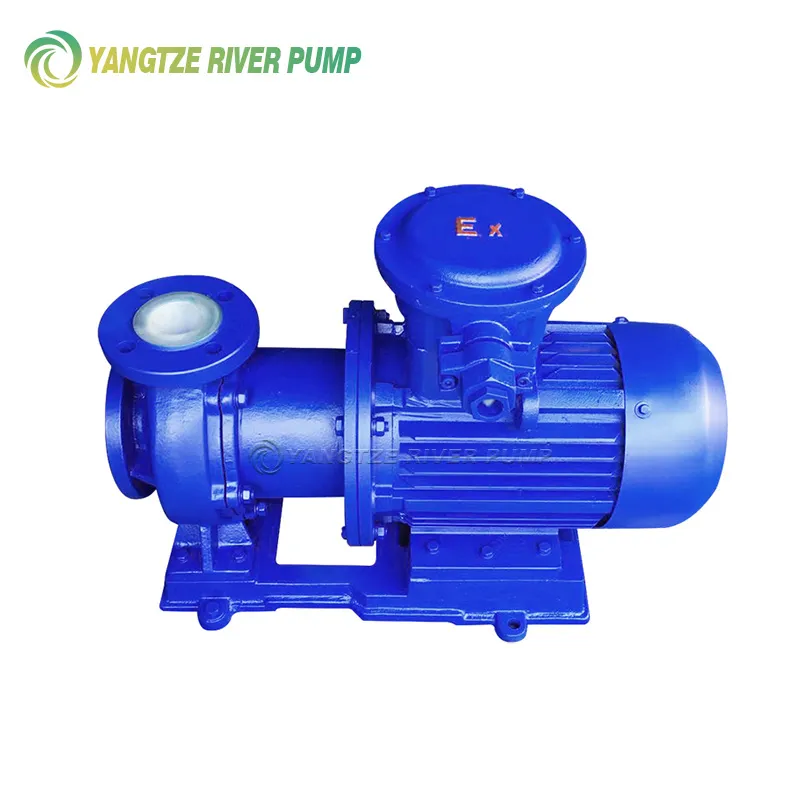 Magnetic pumps with fluoroplastic lining CQB-F
-
 Vertical multistage centrifugal pumps made of stainless steel (light series) CDL and CDLF
-
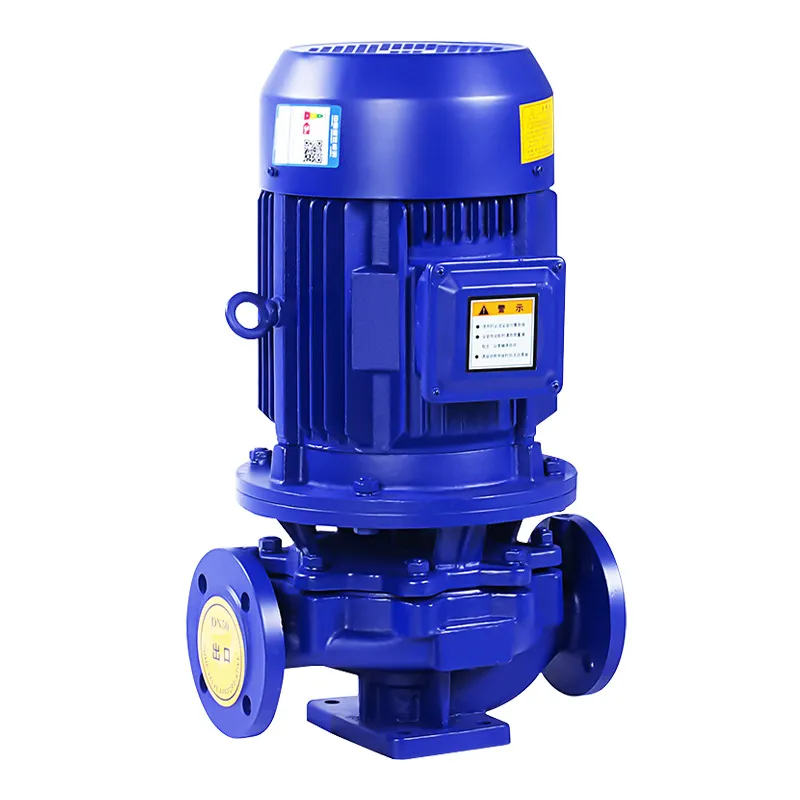 Vertical single-stage pipeline centrifugal pumps ISG and IHG
-
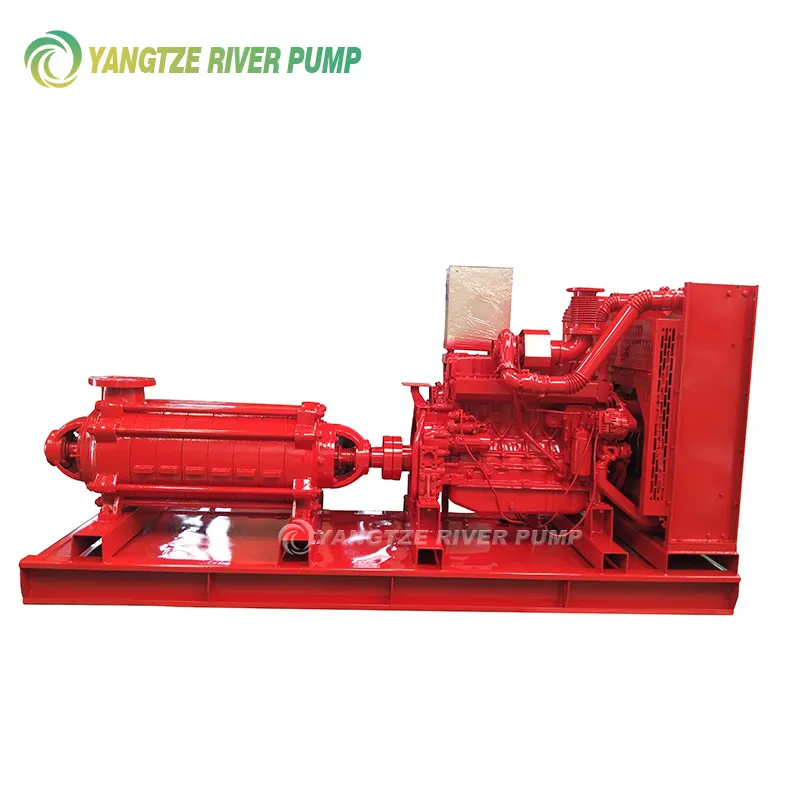 XBC Diesel Intelligent Fire Pumps
-
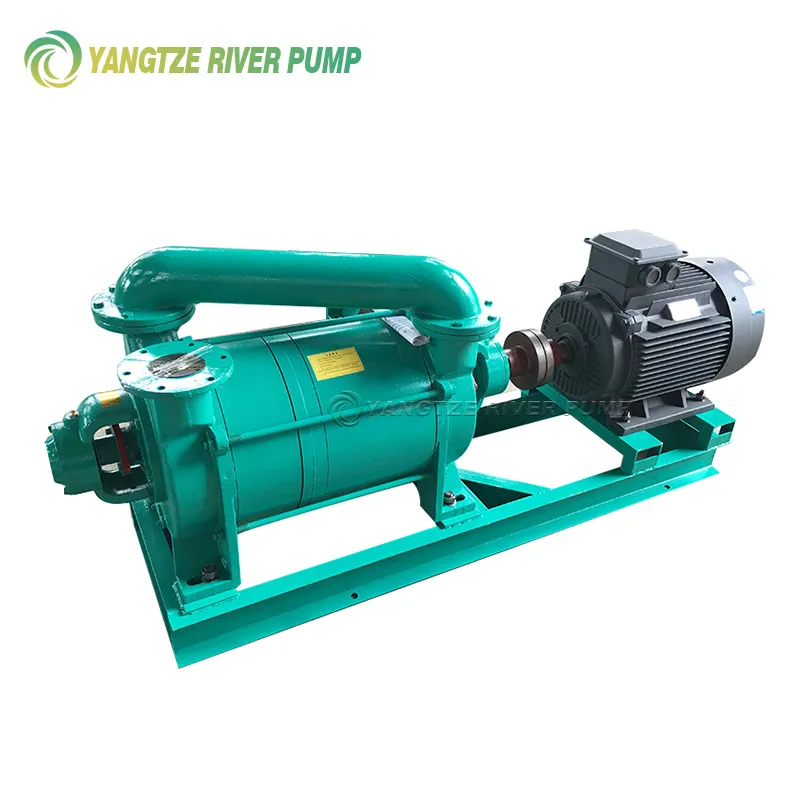 Liquid ring vacuum pumps type 2SK
-
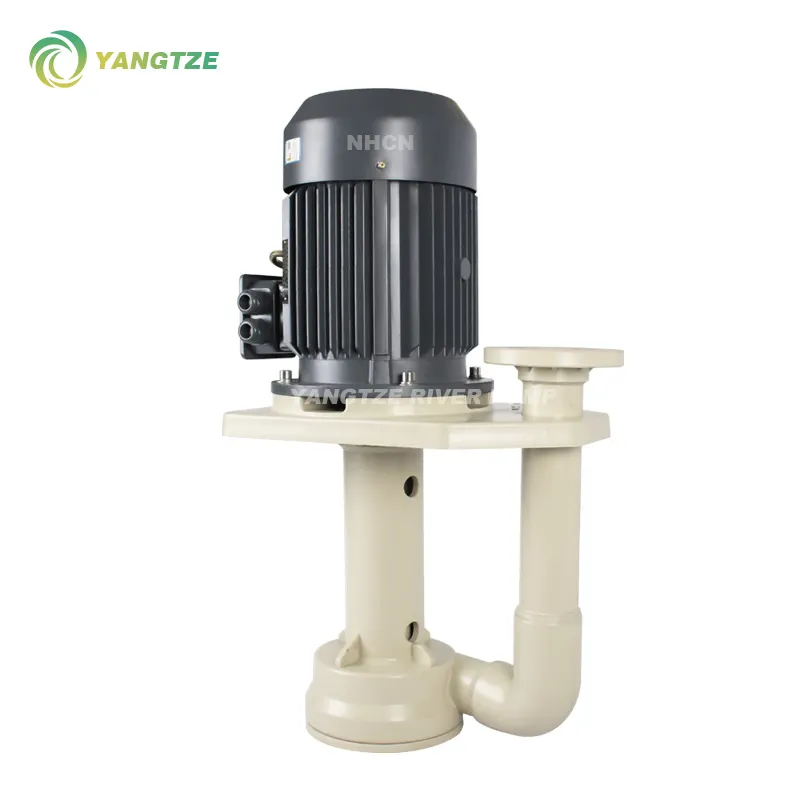 Vertical pumps for installation inside/outside tanks YZCN and YZCW
-
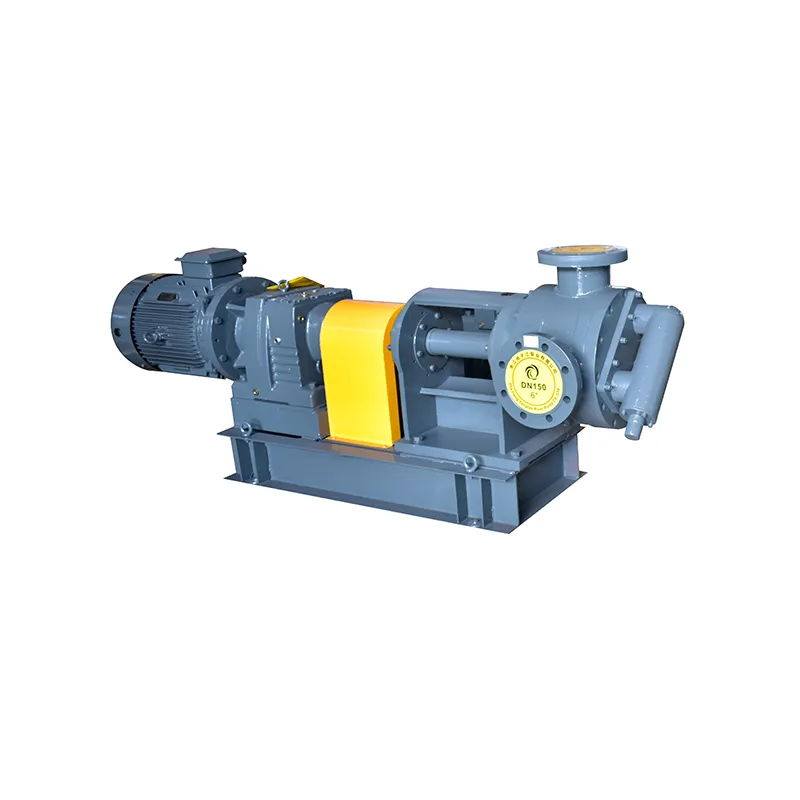 NYP High Viscosity Internal Gear Pumps
-
 Metal pneumatic diaphragm pumps QBK
-
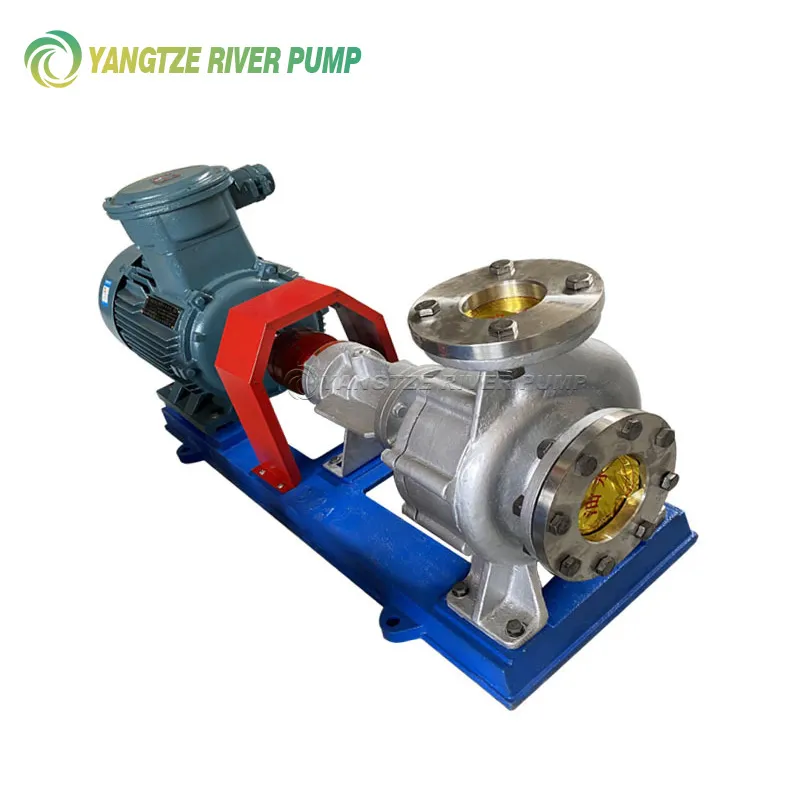 RY thermal oil pumps
-
 Corrosion-resistant stainless steel centrifugal pumps SFB and SFBX
-
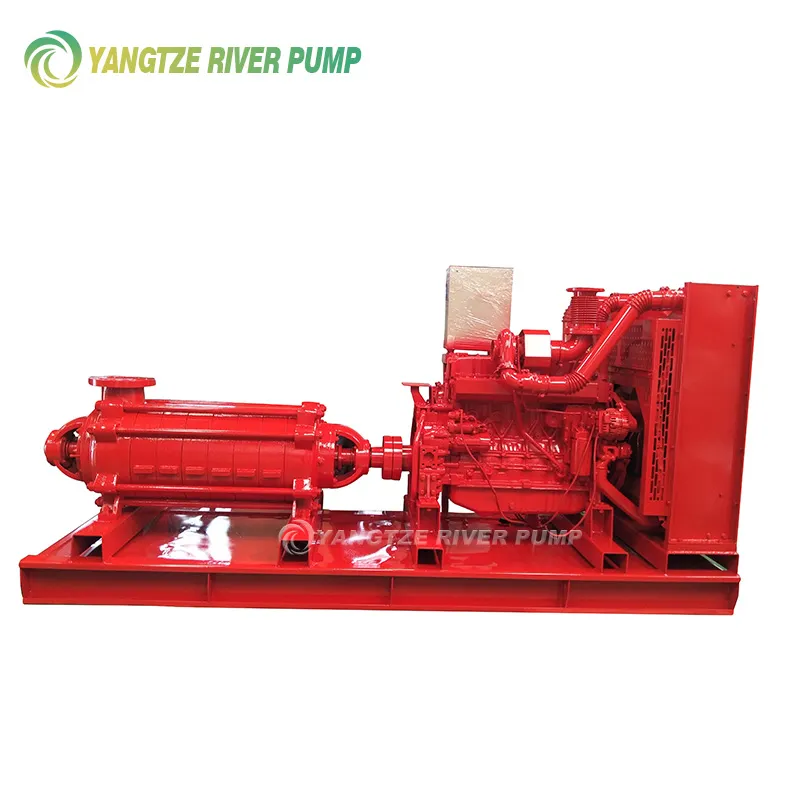 YZD Series Diesel Multistage Centrifugal Pumps
-
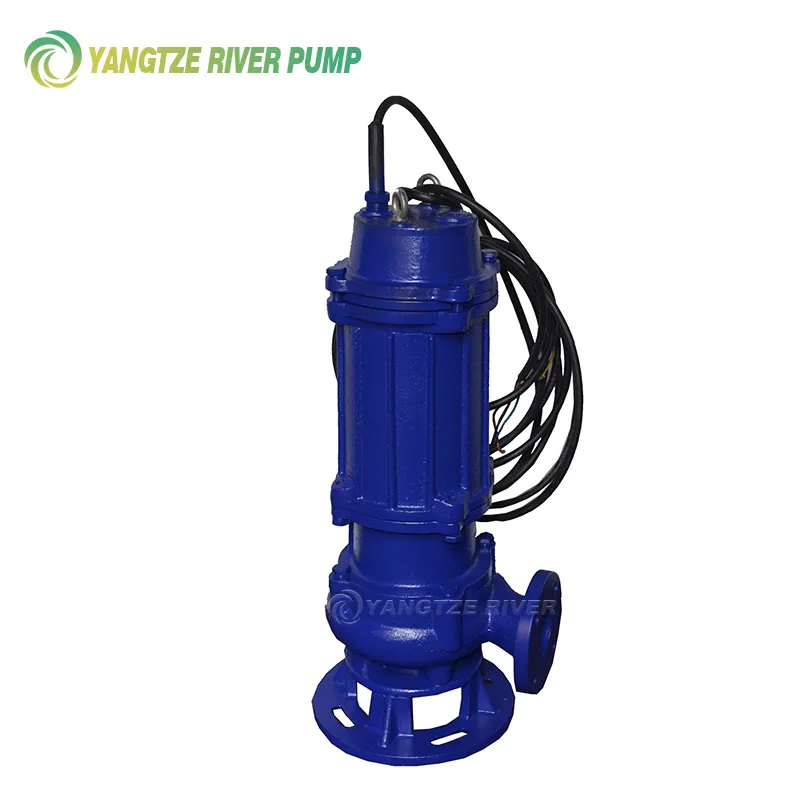 QW Non-clogging Submersible Sewage Pumps