









-
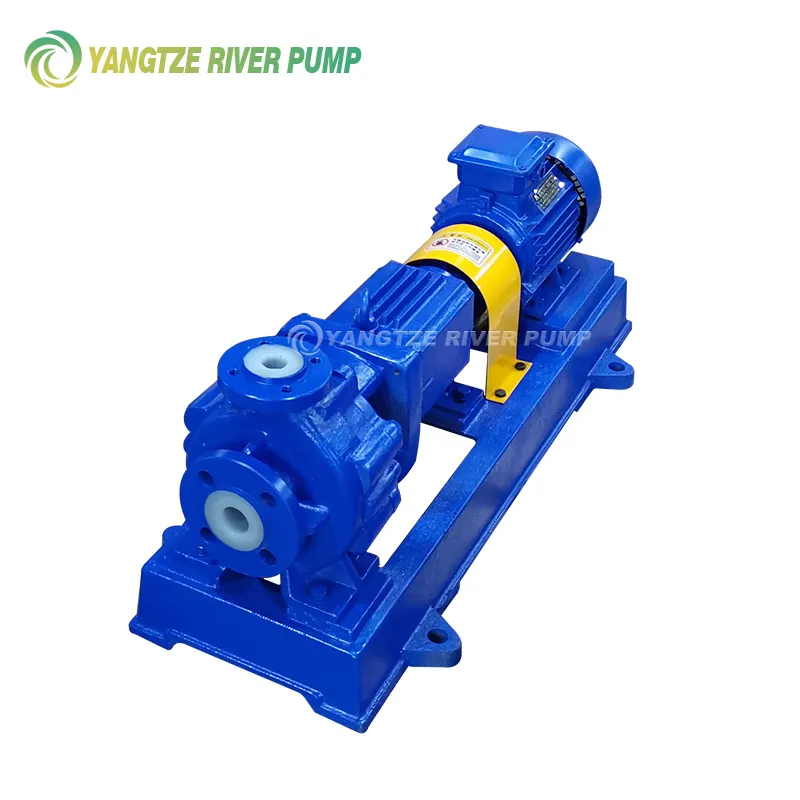
IHF PTFE Chemical Centrifugal Pumps
-
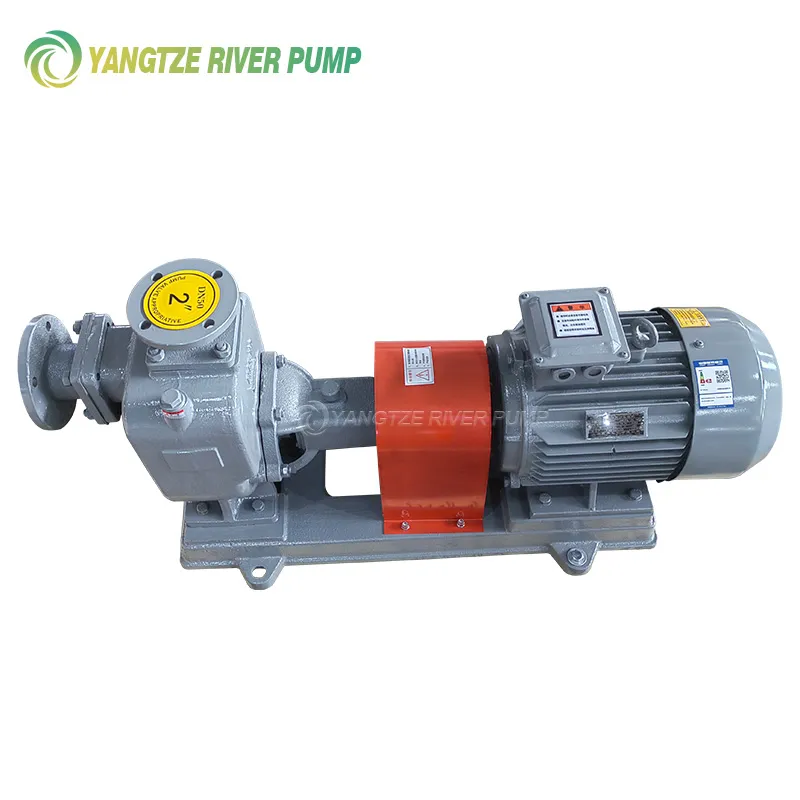
Non-clogging self-priming wastewater pumps ZW
-
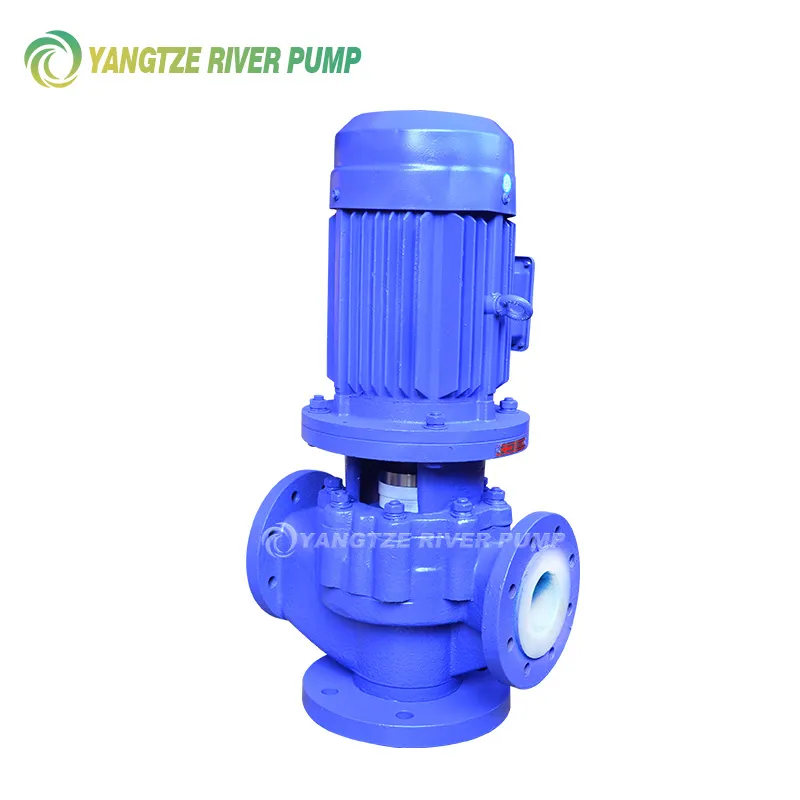
Vertical pumps with PTFE lining YQF
-
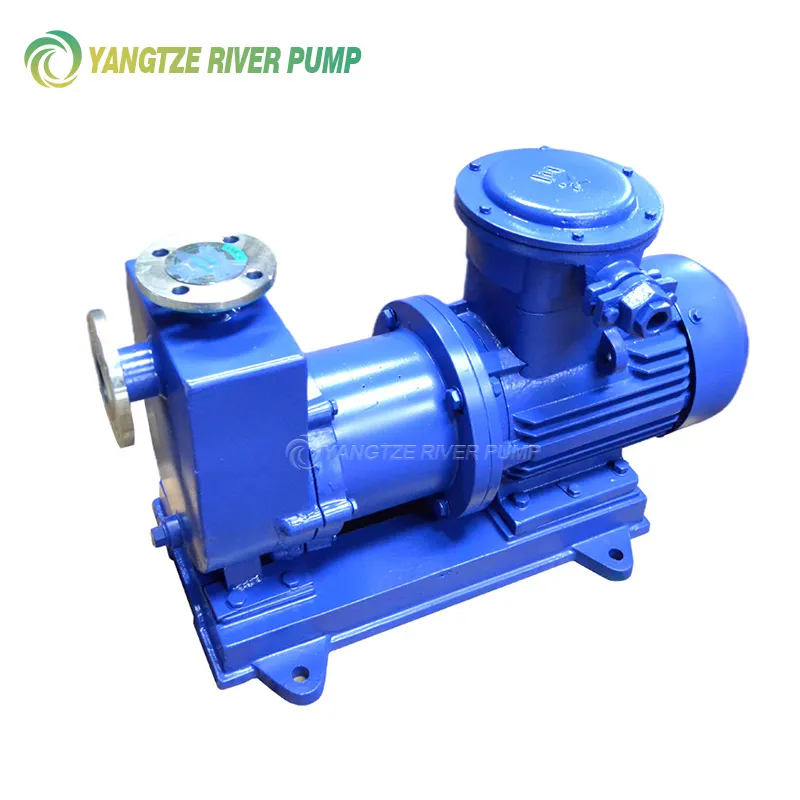
ZCQ Stainless Steel Self-Priming Magnetic Pumps
-
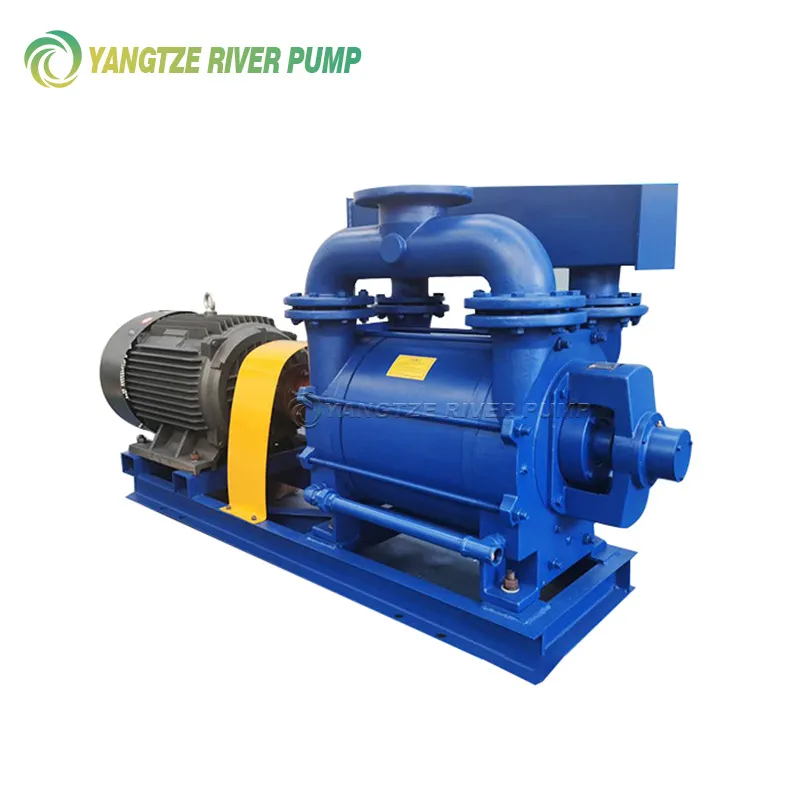
Liquid ring vacuum pumps type 2EB
-
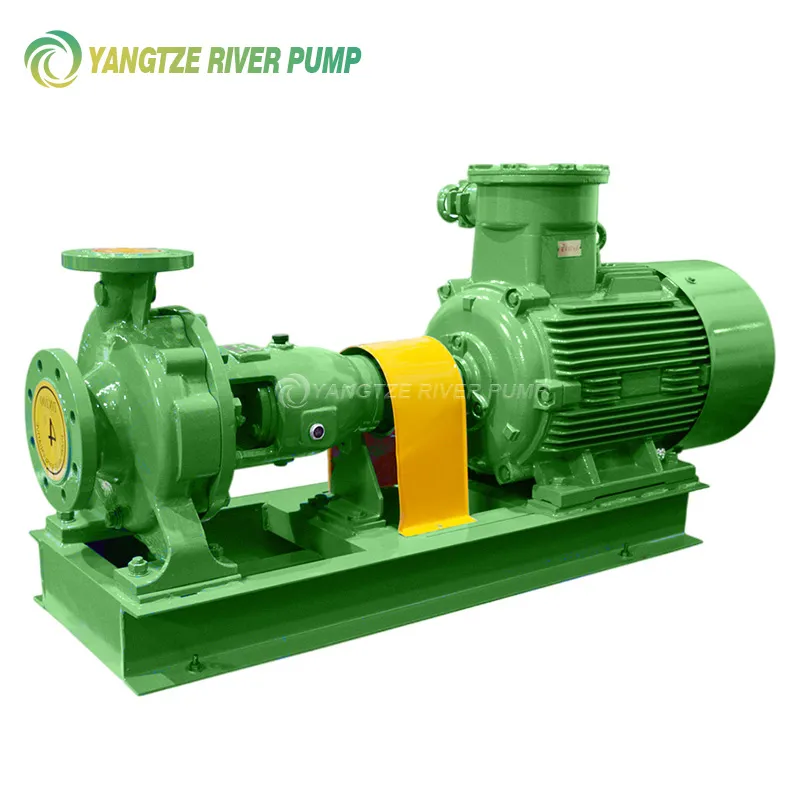
YCZ Chemical Process Pumps
-
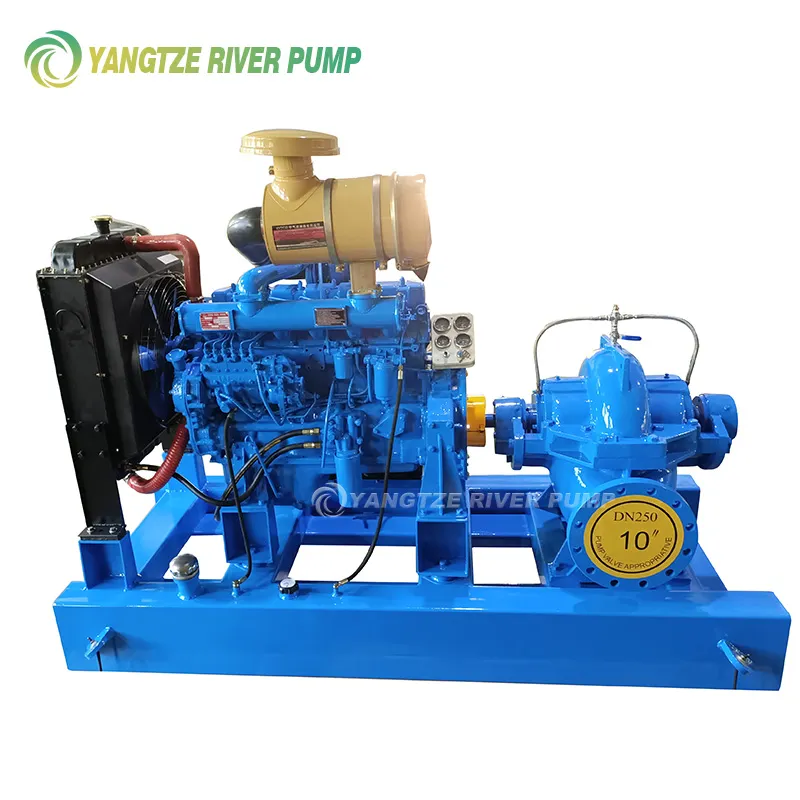
Diesel pumps with horizontal connector YZS and YZSH
-
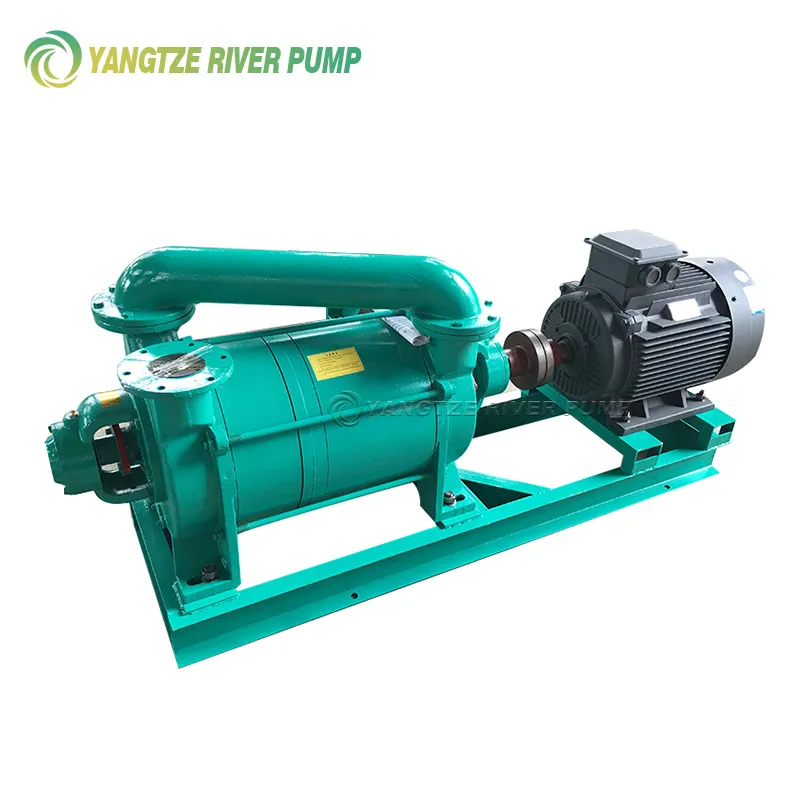
Liquid ring vacuum pumps type 2SK
-
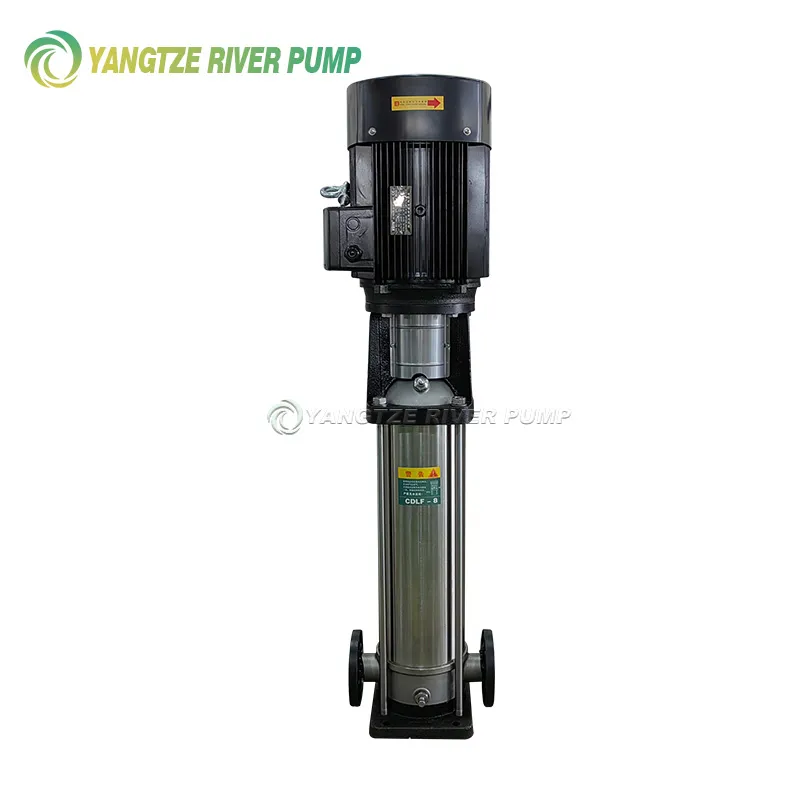
Vertical multistage centrifugal pumps made of stainless steel (light series) CDL and CDLF
-
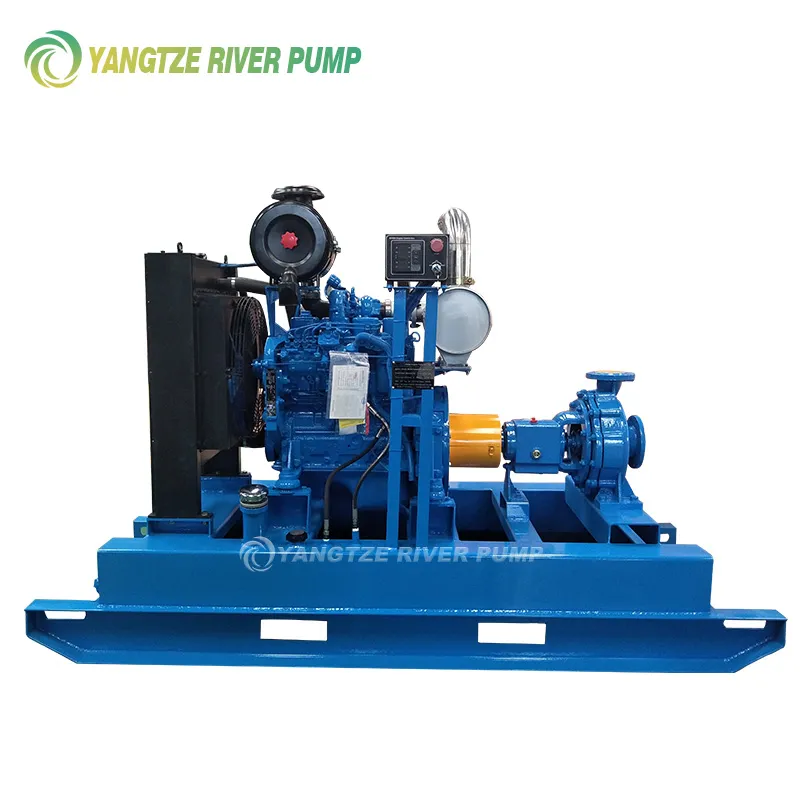
YZIS Diesel Single Stage Centrifugal Pumps
-
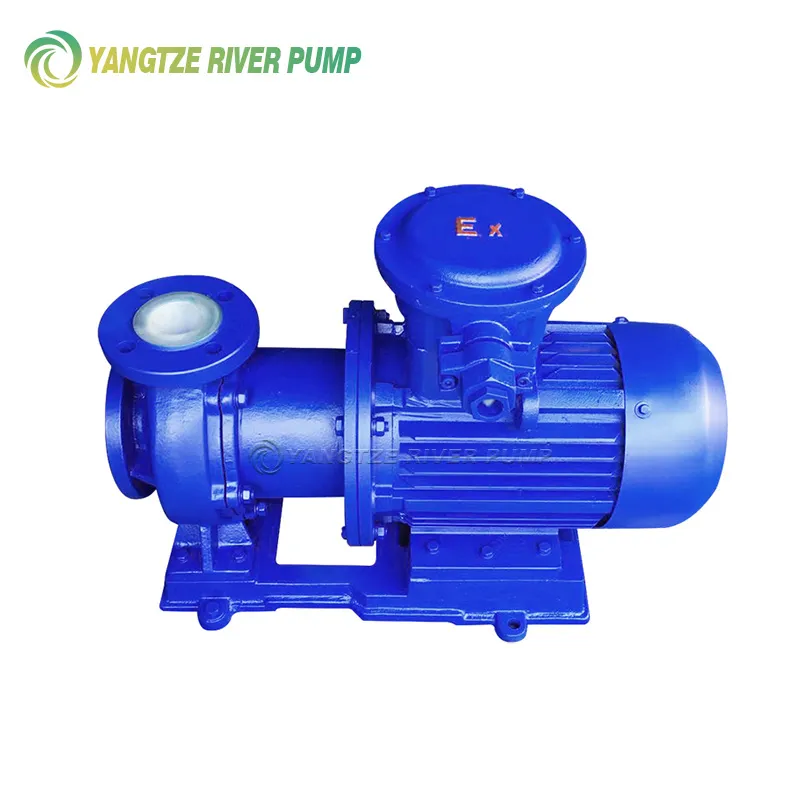
Magnetic pumps with fluoroplastic lining CQB-F
-
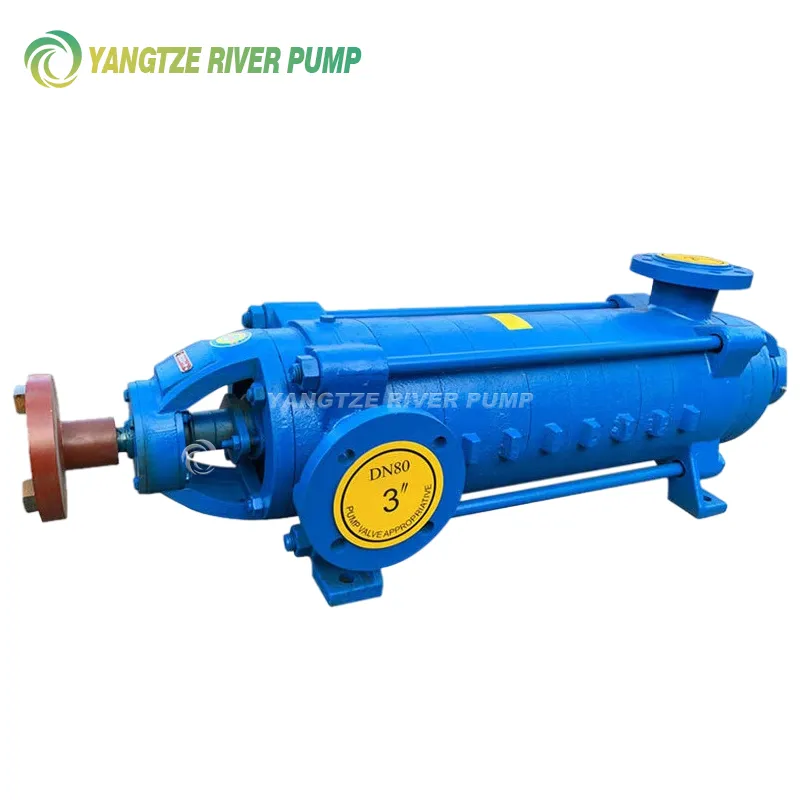
Horizontal multistage centrifugal pumps type D
-
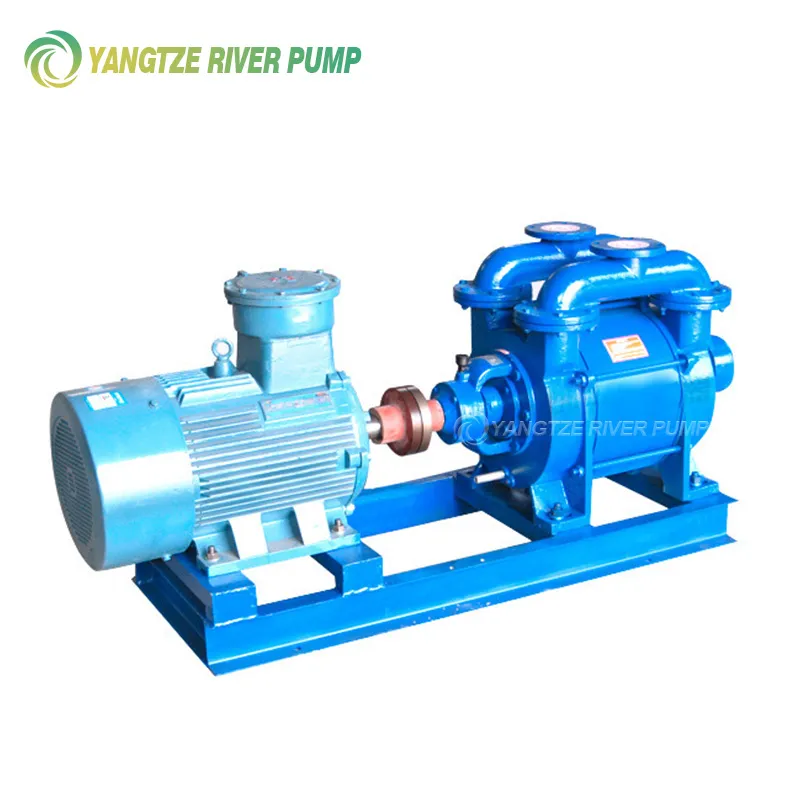
Liquid ring vacuum pumps type SK
-
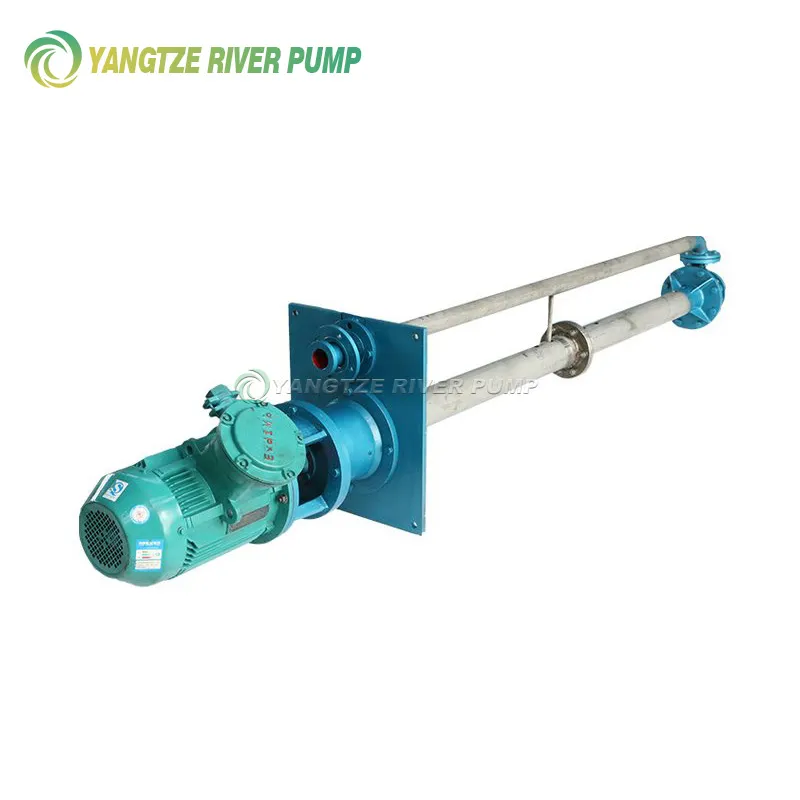
FY Submersible Chemical Pumps
-
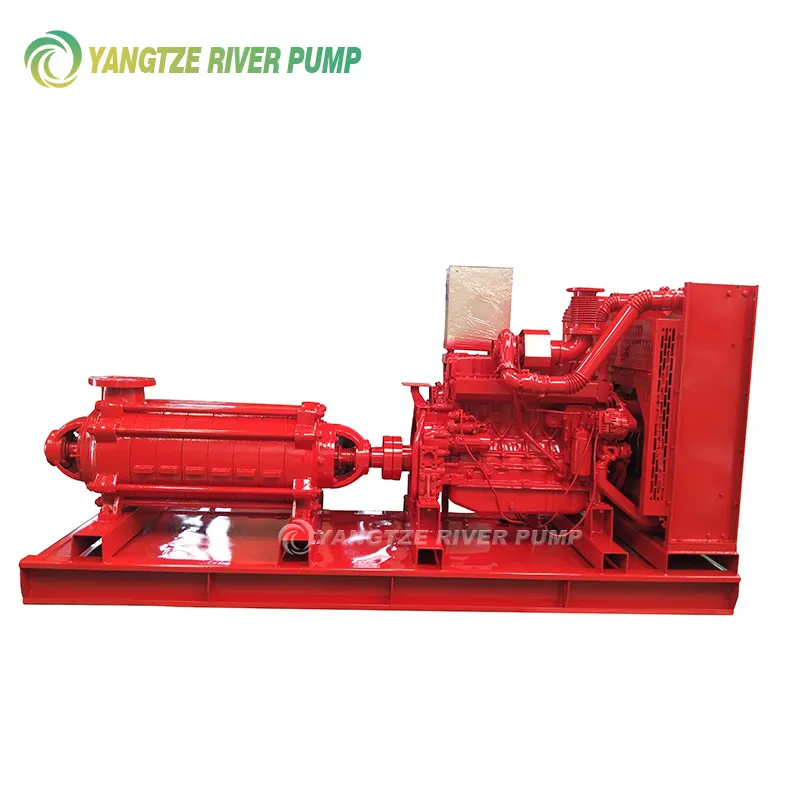
XBC Diesel Intelligent Fire Pumps
-
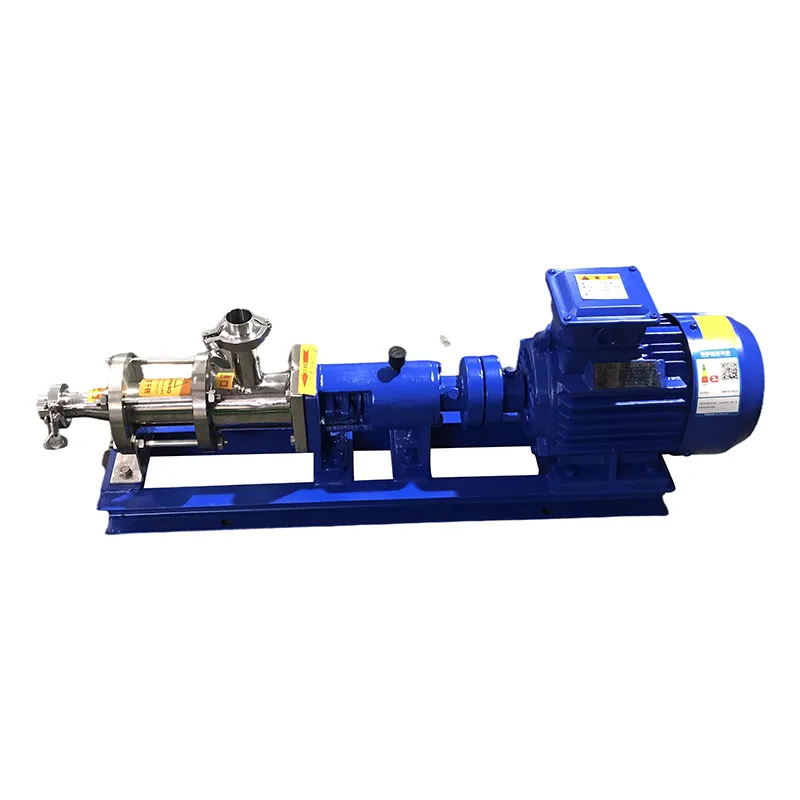
Sanitary screw pumps type GF
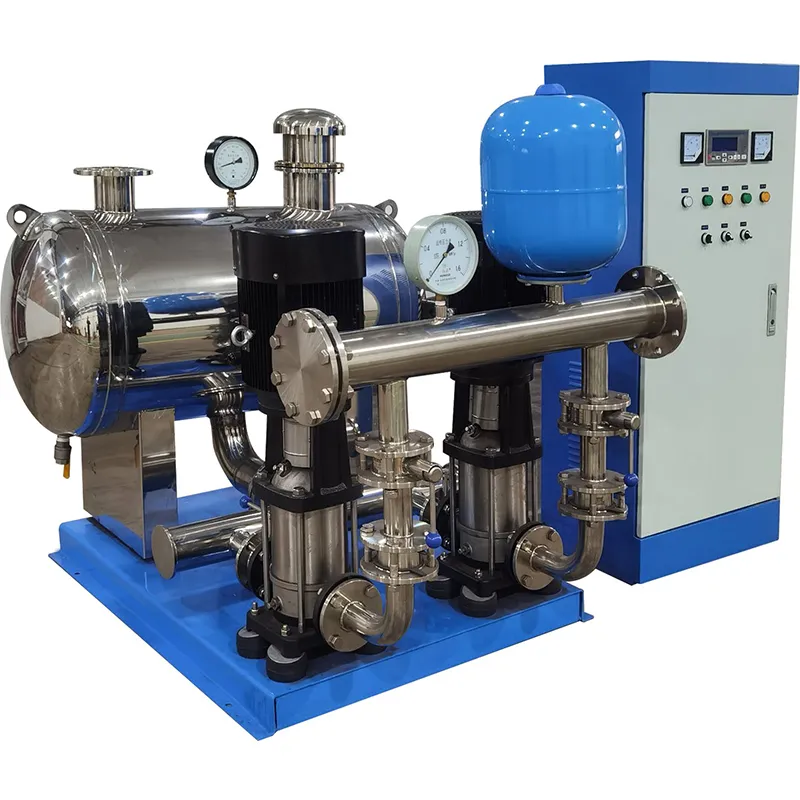


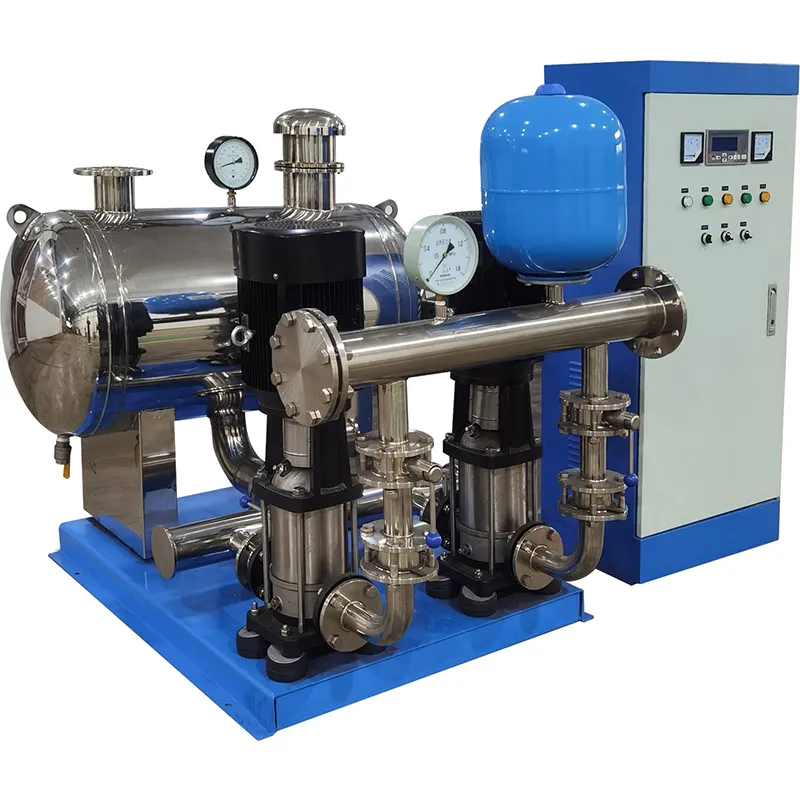
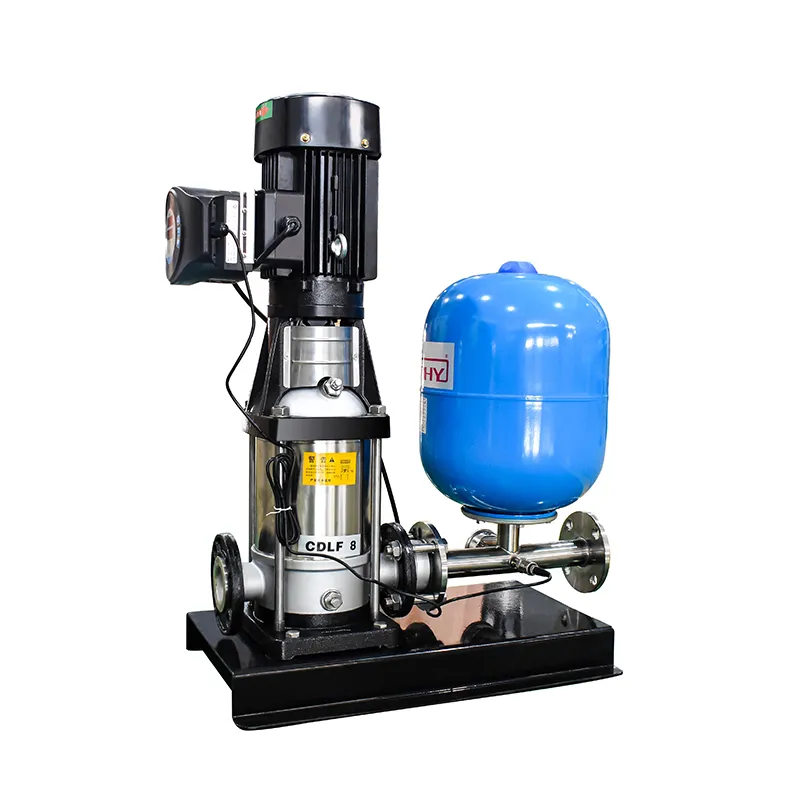
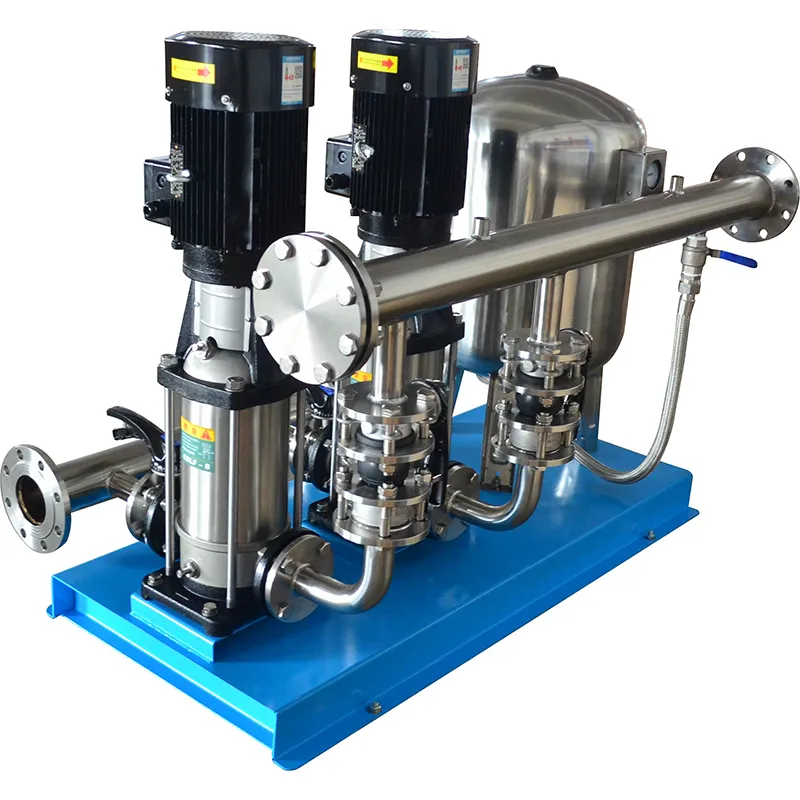
Complete water supply installations with frequency regulation and constant pressure CDLF
Constant water pressure variable frequency control equipment is a new mechatronic water supply equipment that combines frequency variable speed control technology and programmable control in automatic pump control devices, integrating them with a group of motors and pumps.
Description
marker
Product Description
Constant water pressure variable frequency control equipment is a new mechatronic water supply equipment that combines frequency variable speed control technology and programmable control in automatic pump control devices, integrating them with a group of motors and pumps.
The equipment consists of a closed-loop water control system with variable speed control, including an AC frequency converter, an industrial programmable controller (PLC), a digital PID controller, low voltage equipment, a pressure sensor, a liquid level controller and pumps. This system can automatically adjust the speed of the motors of one or more pumps, and connect or disconnect additional pumps depending on instantaneous changes in pressure in the pipeline network. This allows users to meet their water supply needs with constant pressure and variable flow or variable pressure and variable flow, maintaining constant pressure at the end of the water supply network and ensuring high energy efficiency of the entire system.
Application in water supply systems can replace traditional water supply methods such as water towers, overhead tanks or pneumatic systems, providing significant energy-saving effects.
Equipment composition
The complete set of constant water pressure variable frequency control equipment mainly consists of: main pump group, frequency variable speed water supply control system, stabilizing pump group (optional component), stabilizing pneumatic accumulator (optional component).
Main group of pumps: The main water supply group mainly consists of CDL type vertical multi-stage pipeline centrifugal pumps and a steel foundation welded from channel and steel sheet. Usually consists of 2~3 pumps of the same model. Variable speed variable speed water supply control system mainly consists of AC frequency converter, programmable controller (microcomputer), digital PID controller, external actuators and protection circuits, pressure sensor, tank water level controller (for water shortage protection), etc.
Group of stabilizing pumps: A group of stabilizing pumps mainly consists of one or two low-flow pumps, the pressure of which is greater than or equal to the pressure of the main pumps. They are automatically activated only when there is low or no flow in the network (for example, at night) to maintain network pressure, compensate for low flow or leaks in the pipes, while allowing the main pumps to remain stopped during low and no water consumption.
Pneumohydraulic accumulator: The pneumohydraulic accumulator is a sealed vessel. When water flow is high, pumps create pressure by compressing the gas inside the tank; at low or no flow, the compressed gas expands, displacing water stored in the tank into the distribution network, compensating for low flow or leaks, and also allowing the main pumps to remain stopped.
Equipment characteristics
1.Compact structure, small volume, small footprint, no need to build overhead pressure tanks or water towers, saving investment, quick installation, convenient centralized control.
2.Using frequency converter and related components, rational design, easy operation, reliable, fully automatic operation.
3.Equipped with various fault indications and inspection log, comprehensive protection functions such as automatic shutdown under under/over voltage, overload, short circuit, phase loss, water source shortage, ensuring safe use and easy maintenance.
4.Freely adjust the pressure in the network, adjust the speed of the pumps in accordance with the actual water consumption, which ensures their constant operation in an efficient mode; Using a group of low-power pumps instead of a single high-power pump is better suited for sudden changes in flow, avoiding the "big horse pulling a small cart" phenomenon, providing an even greater energy saving effect. Compared to water supply from constant speed pumps, losses due to overpressure and backflow are eliminated, achieving energy savings of 20-50%.
5.Soft start and stop of pumps using a frequency converter or soft starter, which protects the electrical network and pipeline from water hammer. The absence of water hammer significantly reduces the noise level during equipment operation and extends the service life of related equipment.
6.Various cyclic operating modes for several pumps, equalizing the operating time of each pump, preventing corrosion due to the downtime of any pump.
7.Direct supply of water to the consumer, preventing secondary water pollution.
8.Full range of standard sizes, possibility of custom configuration, wide range of applications.
9.Programmable control, the ability to implement various control modes at the request of the user. For example: system on/off timer, interaction with the fire system, automatic shutdown/sleep mode at low and zero flow, centralized control from the top level, etc.
10.Constant pressure in the water supply network avoids freezing and rupture of external pipelines; the ability to arbitrarily adjust the water pressure according to needs, meeting the water pressure requirements on the upper floors of buildings during peak hours.
Scope of application
1.Water supply for high-rise buildings, residential areas, enterprises and institutions.
2. Various types of industrial water supply (for example, circulation of cooling water and other technological needs that require water supply at constant pressure).
3.Various water intake stations, wastewater treatment stations, airports, agricultural pumping stations and irrigation stations.
4. Wastewater treatment, reverse osmosis systems, production lines, cleaning of industrial premises.
5. Constant pressure systems for transporting oil through pipelines, oil storage facilities, oil ports.
6.Modernization and replacement of old water supply systems (pneumatic-hydraulic accumulators, water towers, upper pressure tanks).
7.Feed stabilization systems for industrial boilers, hot water supply systems.
contact us
Related Popular Products
Non-clogging self-priming wastewater pumps ZW
The ZW self-priming, clog-free sewage pump combines self-priming ability with unobstructed waste pumping. Thanks to its axial recirculating external mix design, unique pump housing and wide impeller bore, it can operate without a foot valve, just like standard self-priming clean water pumps. Also, no filling water is required.
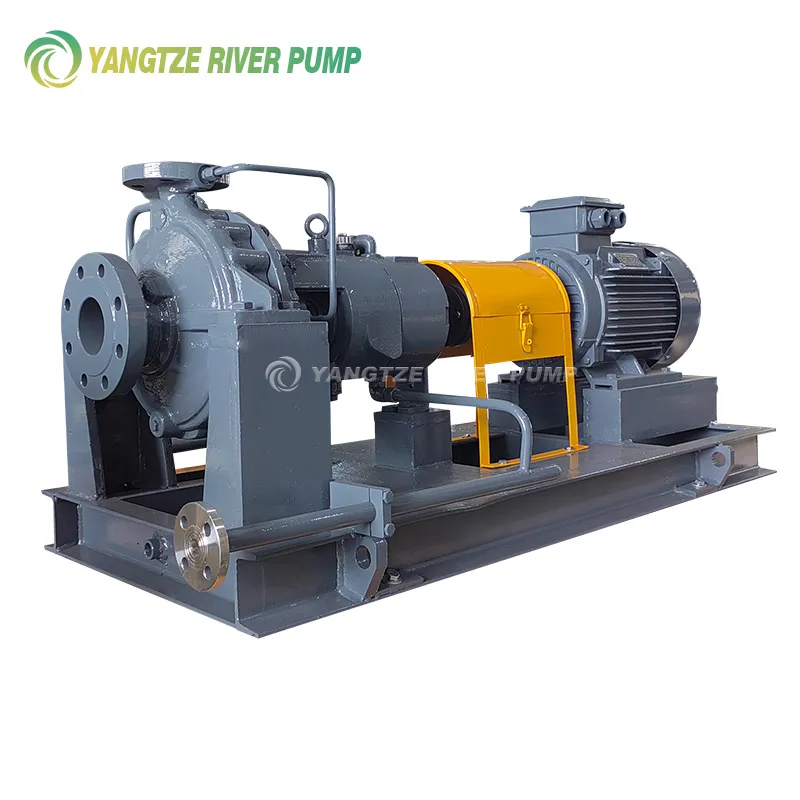
Petrochemical Process Pumps API 610 YZE
YZE series petrochemical process pumps are designed to API 610 standards and feature a foot-mounted OH2 configuration. With a wide performance range and a variety of intelligent design solutions, these pumps are suitable for pumping most process fluids.
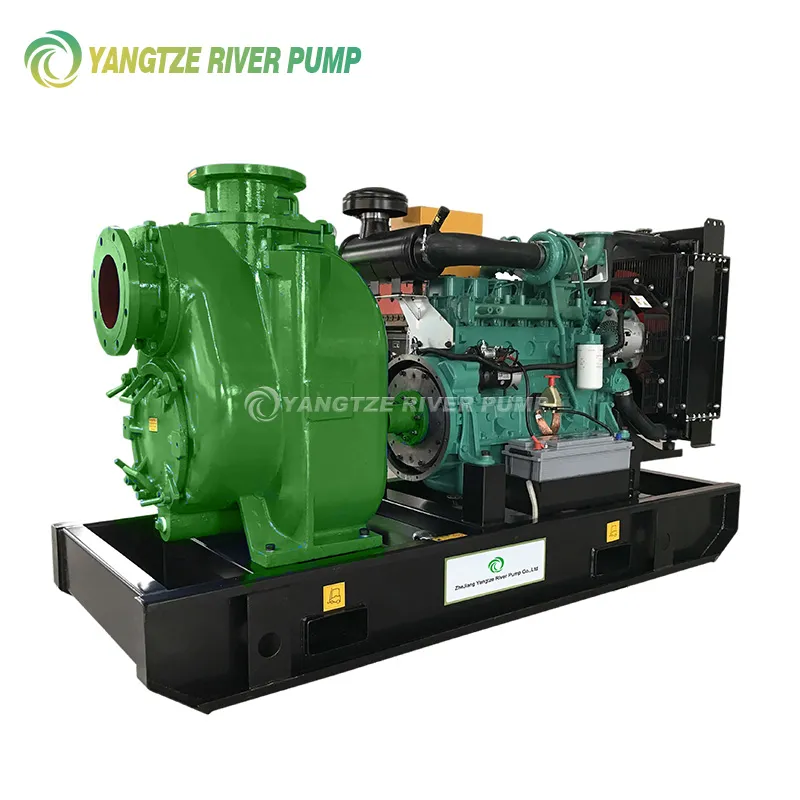
YZSP Diesel Self-Priming Pumps
YZSP Series Diesel Engine Self-Priming Pump is an innovative design of high-performance diesel-powered self-priming pumps that are not prone to clogging. Installation only requires the pump to be placed next to the sump and the suction piping must be below the liquid level to operate. The wide, non-clogging impeller design allows solids up to 76mm to pass through, and the retractable design facilitates quick maintenance and repair using standard tools. The SP Series Diesel Sprinkler Pump is recognized worldwide as the “King of Self-Priming Sewage Pumps.”
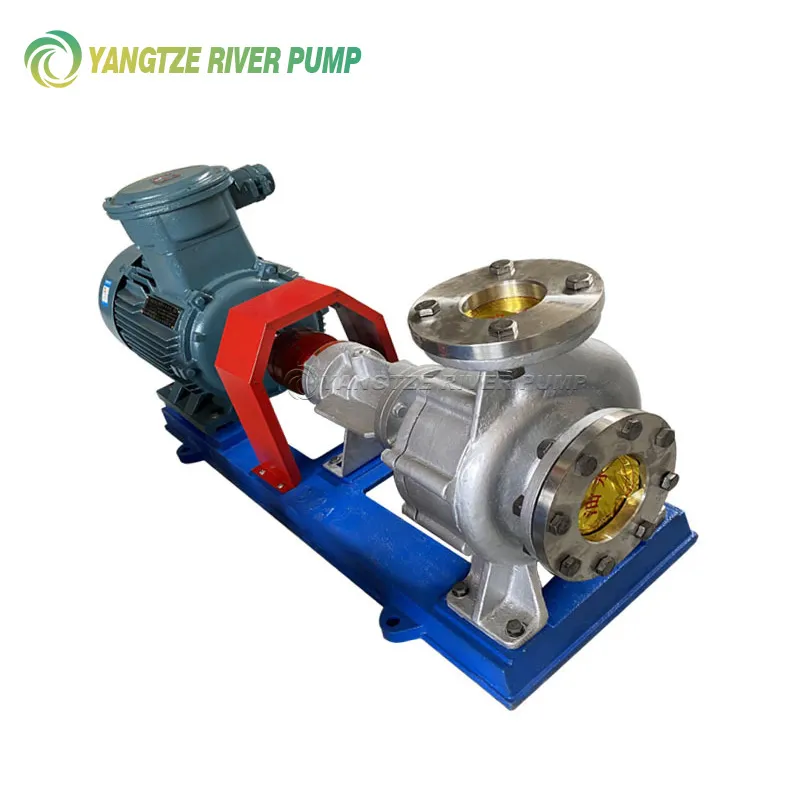
RY thermal oil pumps
RY series thermal oil pumps feature rational design, advanced technology, high efficiency, long-term stable operation at high temperatures, leak-proof performance, no need for additional cooling systems, and reliable safety.
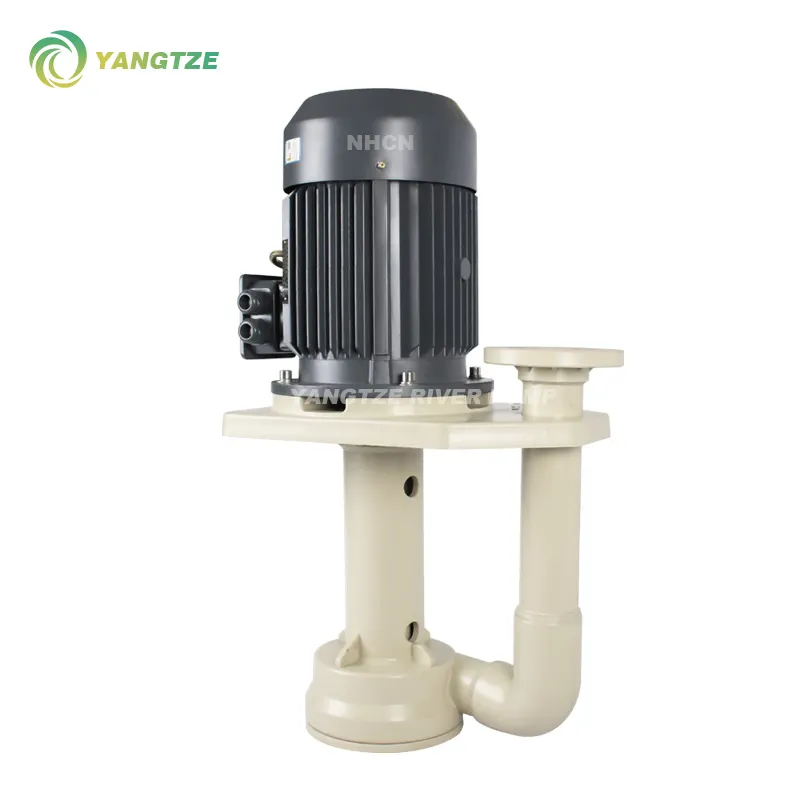
Vertical pumps for installation inside/outside tanks YZCN and YZCW
The YZCN vertical acid-alkali resistant pump with internal reservoir features an exceptionally wide range of applications. It is suitable for applications such as pickling lines, wastewater treatment equipment, washing columns, and for the circulation of various liquids in high temperature or crystalline chemical solutions, chemical mixing tanks or reaction vessels.
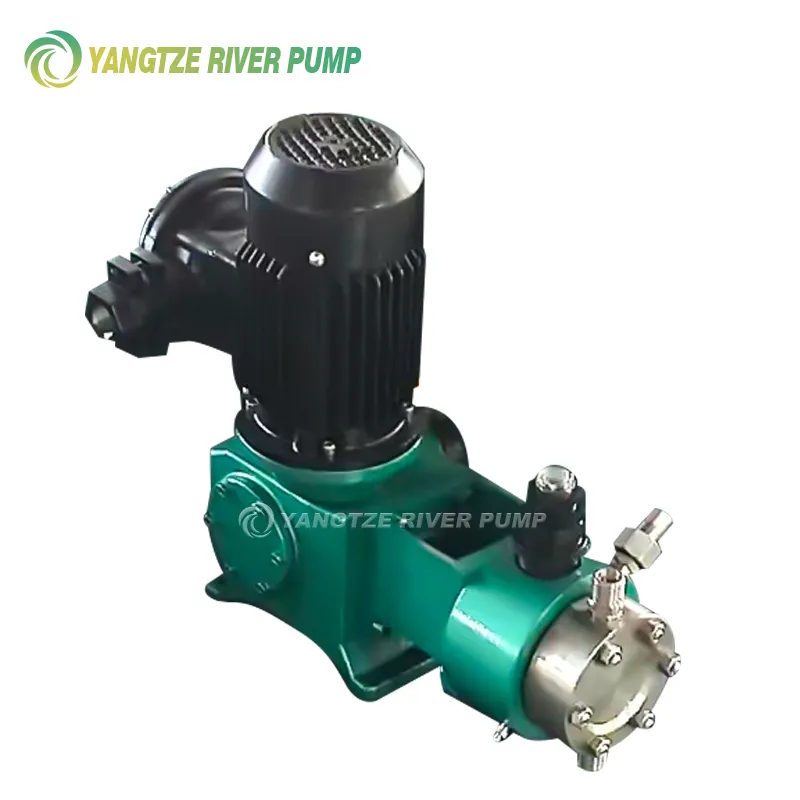
Plunger dosing pumps type DZ-X
The DZ-X piston type metering pump directly sucks in or pushes out the working medium through the reciprocating movement of the piston. Since both the piston and seals come into direct contact with the fluid, selecting appropriate piston materials and seal configurations ensures optimal pump performance during operation.
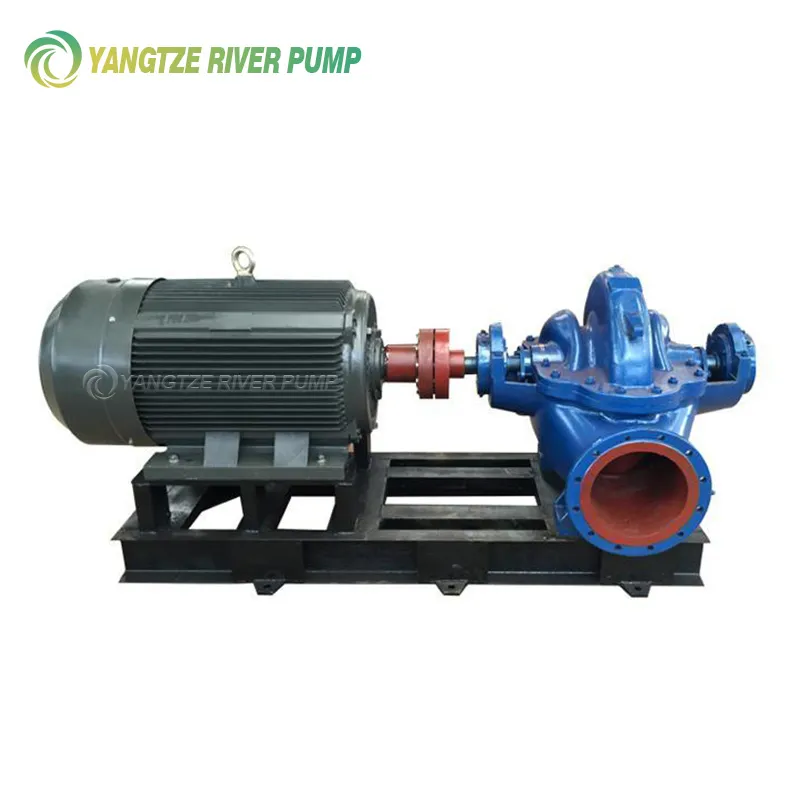
Single Stage Double Entry Centrifugal Pumps Type S
Centrifugal pumps with horizontally split casing type S/SH are single-stage pumps with double suction. Their key features are a wide range of performance characteristics, high efficiency, reliable operation and long service life. This series of pumps is distinguished by a full range of standard sizes, compact design, small footprint and excellent economic performance.
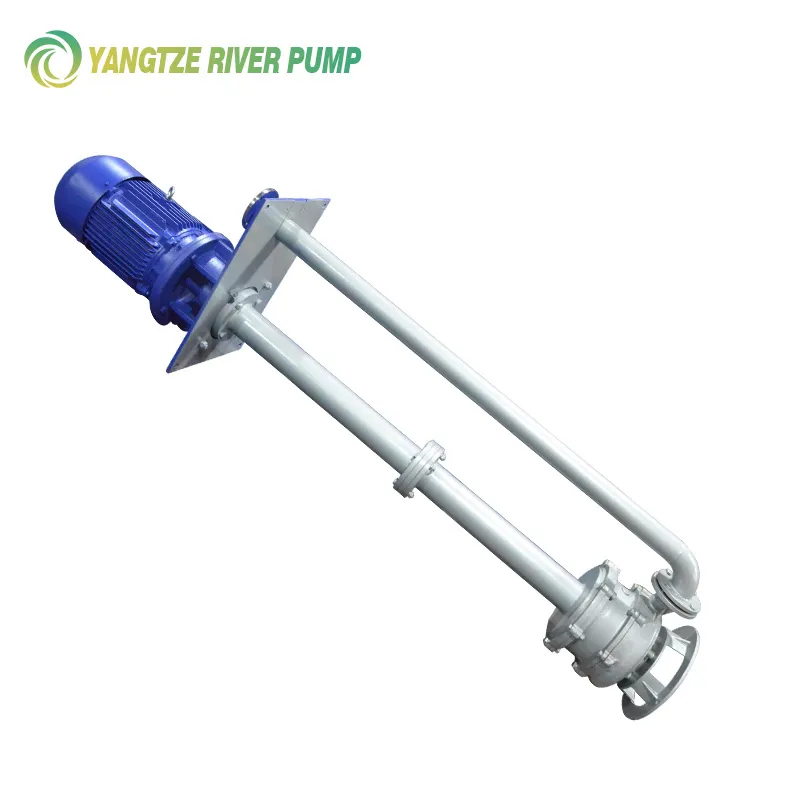
YW Vertical Submersible Sewage Pumps
YW anti-clogging submersible sewage pump is a specialized industrial drainage and wastewater treatment device, which is mainly used in chemical, petroleum, pharmaceutical, mining, pulp and paper, cement industries and power plants. It pumps liquids containing solids, fibers and corrosive substances. Developed with international advanced technology, this pump features high efficiency, energy saving, clogging resistance and low vibration. The highly efficient submersible sewage pump, which is not susceptible to clogging, is a new generation of pumping products.
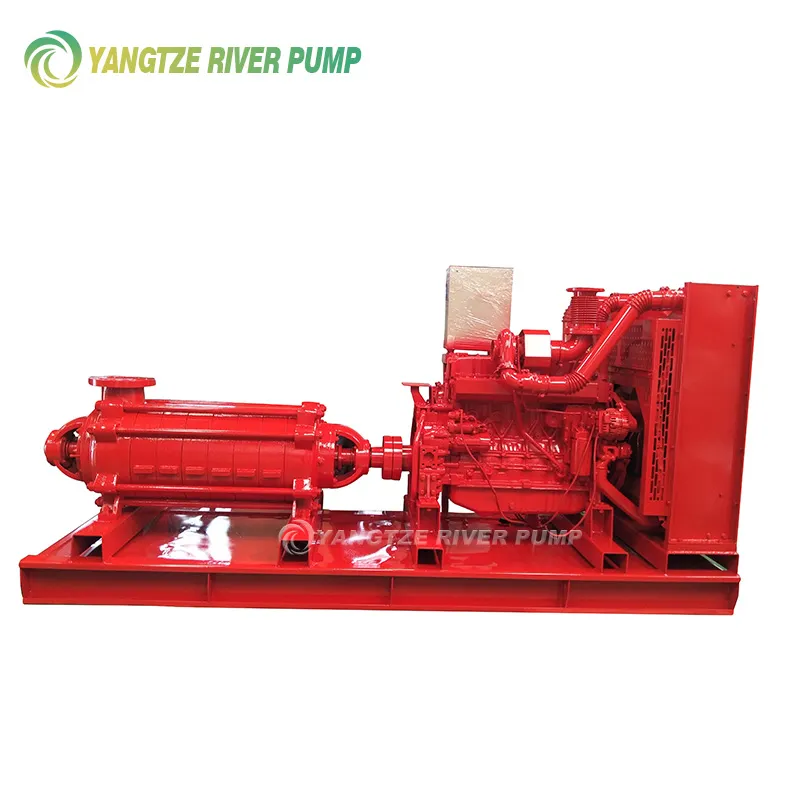
YZD Series Diesel Multistage Centrifugal Pumps
Our diesel irrigation pump sets are designed to provide the most cost-effective and reliable systems for agricultural production. All electric pumps are driven by a water-cooled diesel engine. Depending on the customer's flow and pressure requirements, the motor is connected to a suction end pump or a self-priming pump. YZD series diesel irrigation pumps, as high-pressure diesel pumping units, combine D-type multi-stage centrifugal pumps with diesel engines. Mainly used for mine drainage, urban drainage, pressure maintenance in automatic water supply networks, water supply for high-rise buildings, fire fighting, garden irrigation and water supply for refrigeration systems.
Sanitary screw pumps type GF
The GF stainless steel sanitary screw pump operates on the principle of counter-rotation of interacting elements with positive displacement. Designed to transport demanding food or pharmaceutical media, its main operating components include an eccentric screw (rotor) and a fixed bushing (stator). The unique geometric configuration of these two components creates separate, sealed chambers.
FY Submersible Chemical Pumps
FY series vertical submersible centrifugal pumps are an improved version of our company's traditional corrosion-resistant submersible pumps. By eliminating the mechanical seals typically found in other submersible pumps and employing a unique impeller design, these pumps are highly efficient, energy-saving, seal-free and have a long service life.
Liquid ring vacuum pumps type 2EB
2BE series water ring vacuum pumps and compressors are high-efficiency, energy-saving devices that are typically used for pumping gases that are free of solids, insoluble in water, and non-corrosive. This allows vacuum and pressure to be created inside sealed containers. Thanks to modifications of the construction materials, they can also be used for pumping corrosive gases or using corrosive liquids as the working fluid. Critical components such as the pump shaft, impeller and distributor plate have been optimized to solve dynamic balancing problems. The impeller and pump shaft are press fit with clearance, which ensures reliable operation and smooth running.
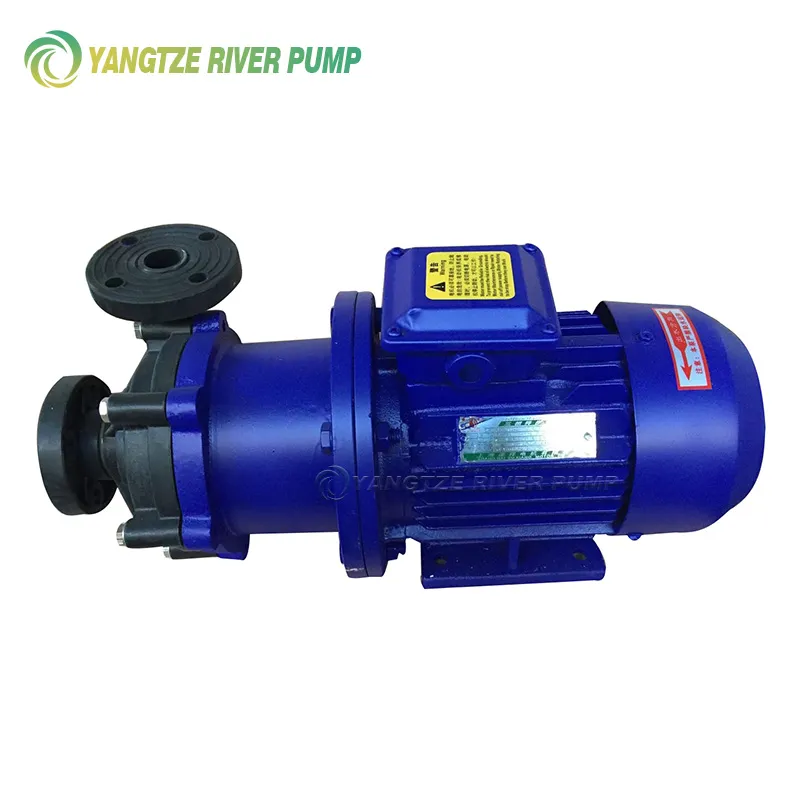
CQF Plastic Magnetic Pumps
The CQF engineered plastic magnetic drive pump uses static seals instead of dynamic seals to ensure complete sealing of wetted components. This design completely solves the problems of leaks and dripping during operation. The CQF miniature magnetic drive pump, made of ceramic and reinforced polypropylene, has exceptional corrosion resistance and guarantees complete cleanliness of the transported medium.
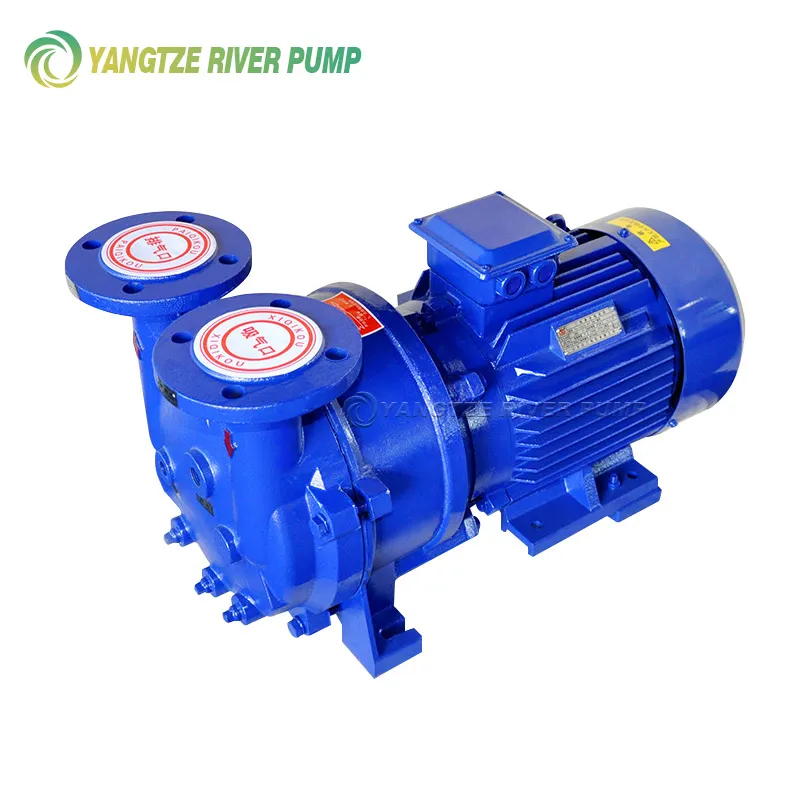
Liquid ring vacuum pumps type SKA and 2BV
Vacuum pumps of the SKA(2BV) series are suitable for pumping gases and water vapor, reaching an inlet pressure of 33 mbar absolute (97% vacuum). For continuous operation at inlet pressure below 80 mbar, a cavitation protection pipe must be connected to protect the pump. When installing an atmospheric ejector, the inlet pressure can reach 10 mbar. The ejector can be installed directly on the vacuum pump. When used as a compressor, it reaches pressures up to 0.26 MPa (absolute pressure).
YCZ Chemical Process Pumps
YCZ chemical process pump adopts horizontal single stage single suction design. Its dimensions and characteristics comply with DIN 24256/ISO 2858 and GB 5662-85 standards. At the same time, improvements were made to the standard YCZ chemical process pump to meet API 610 standards. These include optimization of seal chamber sizing and design, auxiliary piping systems, running clearances, bearing configurations, shaft stiffness, and material control for feed-through components.
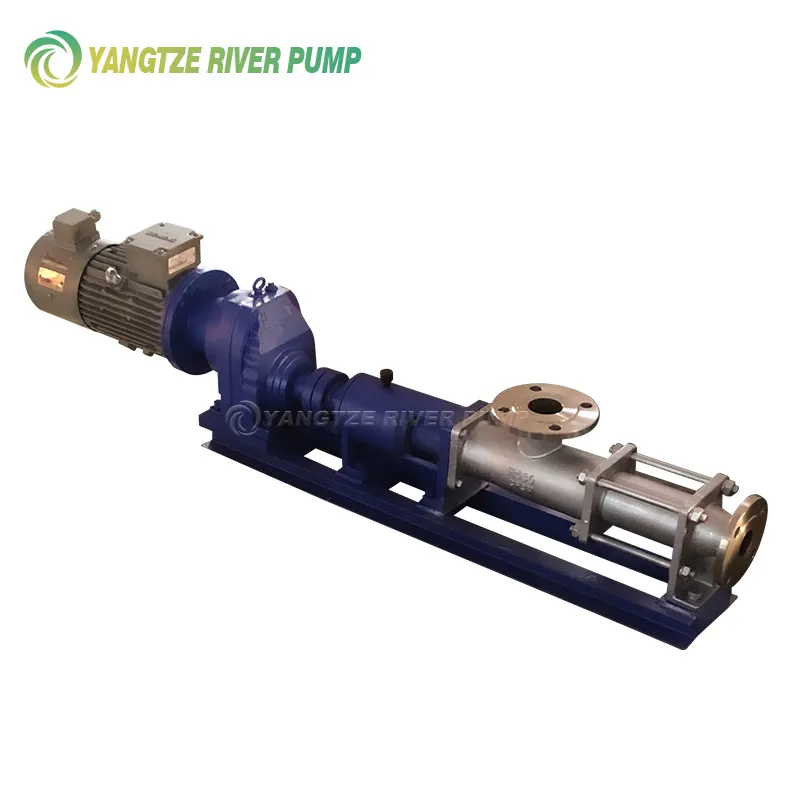
Geared screw pumps type G
The G-type gear screw pump is a new pump model that operates on the principle of positive displacement with rotary gearing. The main operating components are the eccentric screw (rotor) and the stationary bushing (stator). The special geometric shape of these two components creates separate sealed chambers.