







frame mounted centrifugal pumps
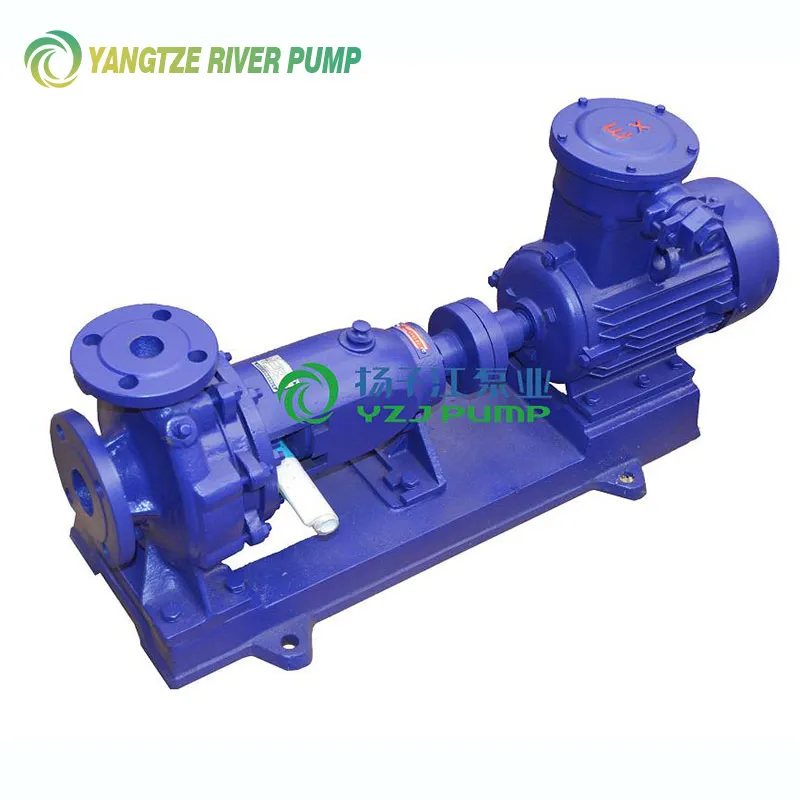
When people talk about centrifugal pumps on a frame, many people immediately imagine just a pump bolted to a piece of channel bar. In fact, this is a whole system where the frame is not just a “holder”, but an element that directly affects the alignment, vibration and, ultimately, the service life of the unit. A common mistake is to underestimate its calculation and manufacture, especially when it comes to powerful or multi-stage models. At Zhejiang Yangzijiang Pumping Industry LLC, we approach this differently: the frame is part of the pumping unit from the very design stage.
Frame design: what is important besides metal thickness
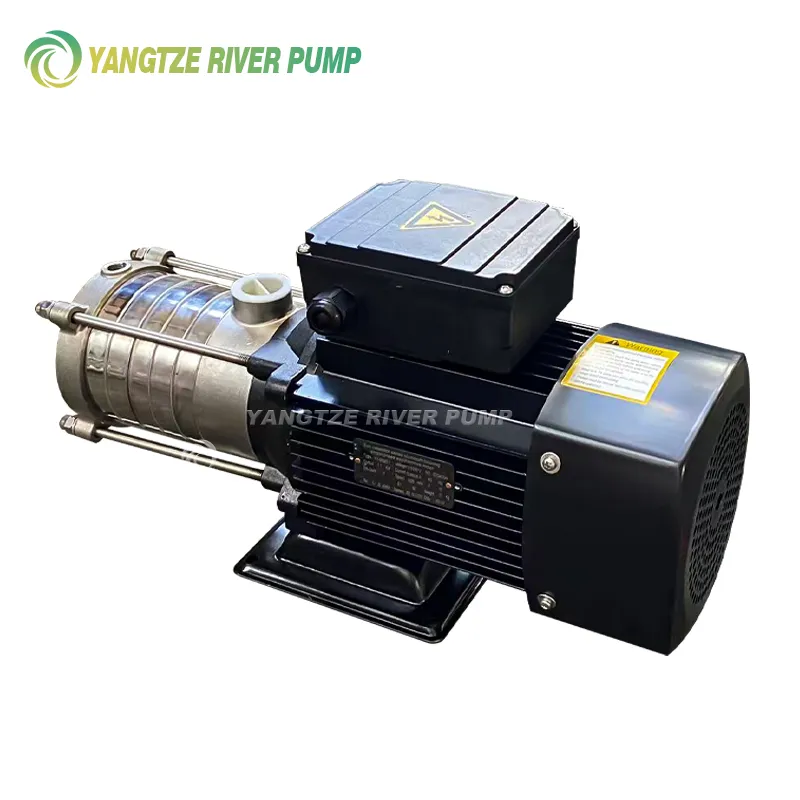
In appearance, everything is simple: steel profile, stiffeners, mounting platforms. But here’s a nuance: a frame for, say, a multistage centrifugal pump and a compact linear pump are different tasks. In the first case, torsional rigidity is critical to maintain alignment of the pump shaft and motor under thermal expansion and load. We have more than once encountered situations where, when ordering from third-party manufacturers, the frame was made by eye? — the metal seems to be thick, but after six months of operation vibration appears, the seals begin to leak. The reason is insufficient design rigidity, the frame “plays”.
That’s why we have a separate section in our workshop for the production of frames. We use not just welding, but strict control of the geometry after it - annealing to relieve stress, then mechanical processing of the landing planes for the pump and engine. This gives the same “zero” a plane on which the unit can be accurately aligned. It seems like a small thing, but this is precisely what allows you to avoid problems during installation at a site where the foundation is not always ideal.
Another point is unification. For standard series, the samecentrifugal pumps on frameseries ISG or IRG, we have standard base frames. But if the project is non-standard - for example, it is required to place a pump, motor and frequency converter on a common frame - then a separate calculation is carried out. Sometimes we even do a test assembly in the workshop to make sure it is easy to service (access to the stuffing box, drain plugs). Experience has shown that it is better to spend a day on this assembly than to later listen to complaints from operators who cannot access it with a key.
Assembly and alignment: where mistakes are most often made
The perfect frame is only half the battle. The second half is the correct assembly of the unit. The main enemy here is haste. Standard procedure: install the pump on the frame, fasten it “live”, then install the engine, carry out preliminary alignment along the coupling halves, tighten the fasteners, then do the final alignment using an indicator dial. It sounds trivial, but how many times have I seen how installers, in a hurry, skipped the preliminary alignment step after tightening the frame bolts to the foundation! But even the stiffest frame can lead a little. after anchoring.
Particularly capricious in this regardframe mounted centrifugal pumpswith magnetic coupling (magnetic pumps). There, the gap between the coupling halves is minimal, and a misalignment of even a couple of tenths of a millimeter can lead not only to vibration, but also to overheating of the magnets. We had a case at one chemical enterprise - the pump failed after a month. During disassembly, it turned out that the fault was not the product, but the installation: the frame was placed on an uneven foundation, placing steel plates of different thicknesses under the supports. Over time, vibration caused these gaskets to shift and the alignment was disrupted. I had to go out and do everything again, but using an epoxy leveling mixture for the frame. Since then, in the passport for such critical units, we have specified in a separate paragraph the requirements for preparing the foundation.
The advice I always give to customers is: don’t skimp on on-site alignment time. It’s better to spend a few extra hours than to deal with the consequences for months. And yes, an indicator watch is a must, and not by eye? by dipstick.
Materials and protection: different approaches for different environments
A standard frame is typically carbon steel, primed and painted. This is enough for most rooms. But if the pumping unit will operate outdoors, in a coastal area with salty air, or in a workshop with an aggressive atmosphere (vapors of acids, alkalis), then painting is not enough. We offer options with hot-dip galvanized frames or coating with special polymer compounds. This increases the cost, but for facilities in, say, the chemical or oil and gas industries, it is a necessity, not an option.
An interesting experience was with the supply of pumps for irrigation systems in a region with hard water. The problem was not in the frame, but in the fact that splashes and drops of water containing salts constantly fell on its surface. After a couple of years the regular paint started to bubble. The solution was found to be simple but effective: they began to make removable protective covers made of galvanized steel on the frames for the coupling connection and the engine. This prevented water from stagnating on the horizontal shelves of the frame. It’s a small thing, but the resource has increased noticeably.
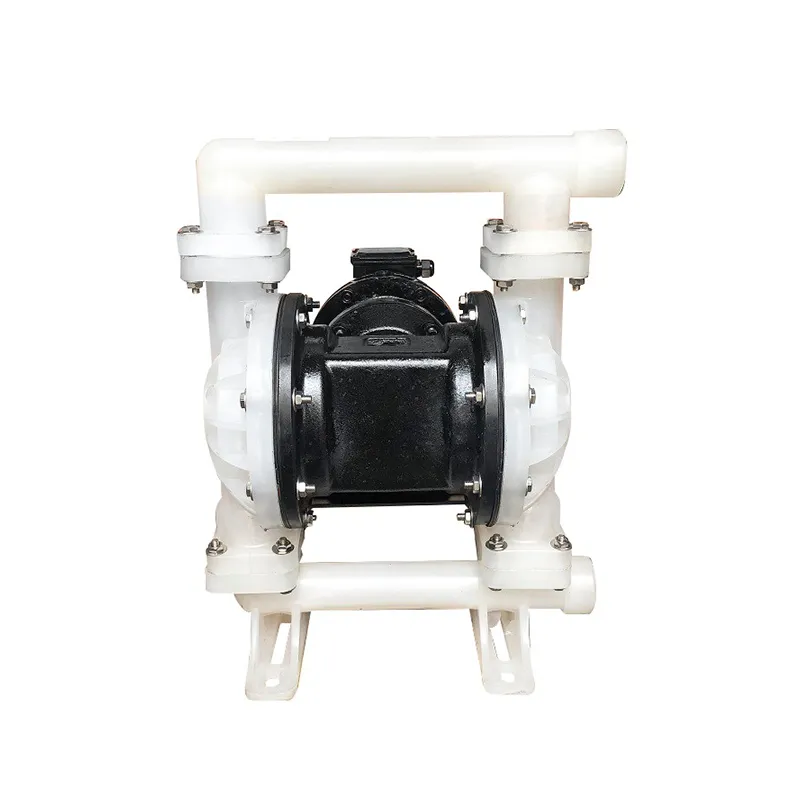
For plastic chemical pumps, which we also have in our line, the approach to the frame is special. The pump body itself is made of polypropylene or PVDF, and the frame is steel. Here it is important to ensure not only rigidity, but also proper fastening of the plastic case so as not to create local stresses. We use special gaskets and a special pattern for tightening the fastening studs. If you overtighten, you can crack the flange. This experience came, to be honest, after a couple of unsuccessful tests at the beginning of the production of such models.
Integration with other systems: more than just a pump
Modernframe mounted centrifugal pump- This is often not an isolated unit, but part of a production line. Vibration and temperature sensors and local control cabinets can be mounted on the frame. This must be taken into account in advance when designing. On our website yangtzeriverpump.ru in the product section you can see that for many models we offer the option of pre-installing sensors and even laying cable routes along the frame. This saves installation time on site.
There was a project for a food processing plant that required frequent cleaning of the units. The customer requested that there be no hard-to-reach places on the frame where dirt could accumulate. We had to revise the standard design: we made solid inclined surfaces instead of stiffening ribs in the form of a “ladder”, all welds were carefully ground. The result is a smooth, easy-to-clean surface. This is to the question that the frame should be designed for specific operating conditions.
Another trend is the request for compactness. Especially for modernizing old industries, where space is in short supply. Sometimes it is necessary to combine a self-priming pump and a receiver, or a submersible pump with a lifting system, on the same frame. Here you can’t do without an individual approach. Our design bureau often deals with such non-standard layouts, using proven serial components, but assembling them into a new “geometry”.
Testing and shipping: the last line of control
Our finished pump unit on a frame will not leave the factory without comprehensive testing. This is not only a hydraulic test of the pump for parameters (pressure, flow), but also a check of the assembled unit. The unit is started on a test bench, vibration on the bearing units and on the frame itself is measured, engine heating and operation in different modes are checked. Only after this the nameplate of Zhejiang Yangzijiang Pumping Industry Co.,Ltd is placed.
People often ask: why test a unit already assembled on a frame if the pump itself has already been tested? The answer is simple: to catch possible assembly defects. One day during testing they discovered increased vibration. The reason is a manufacturing defect not at our place, but at the engine supplier: the shaft fit was a little loose. If they had shipped it “as is?”, they would have looked for the problem on site in the installation, frame, whatever, wasting time. So this stage is insurance for both us and the customer.
Before shipment, the frame is inspected again, and if necessary, areas where paint may have been removed during alignment are touched up. Fasteners, keys, passport - everything is packed in a box. It seems like little things, but it’s details like these that give the impression of the supplier’s reliability. In the endframe mounted centrifugal pump- This is the face of the manufacturer, which is the first one seen on site. And it should speak about quality.
Correspondingproducts
Related Products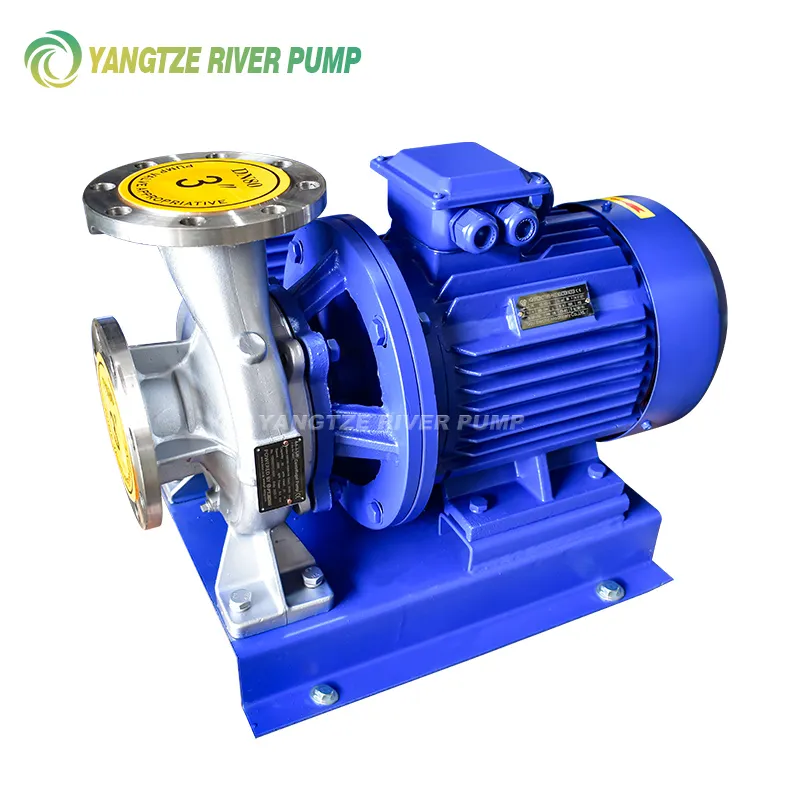

Best Sellingproducts
Best Selling Products-
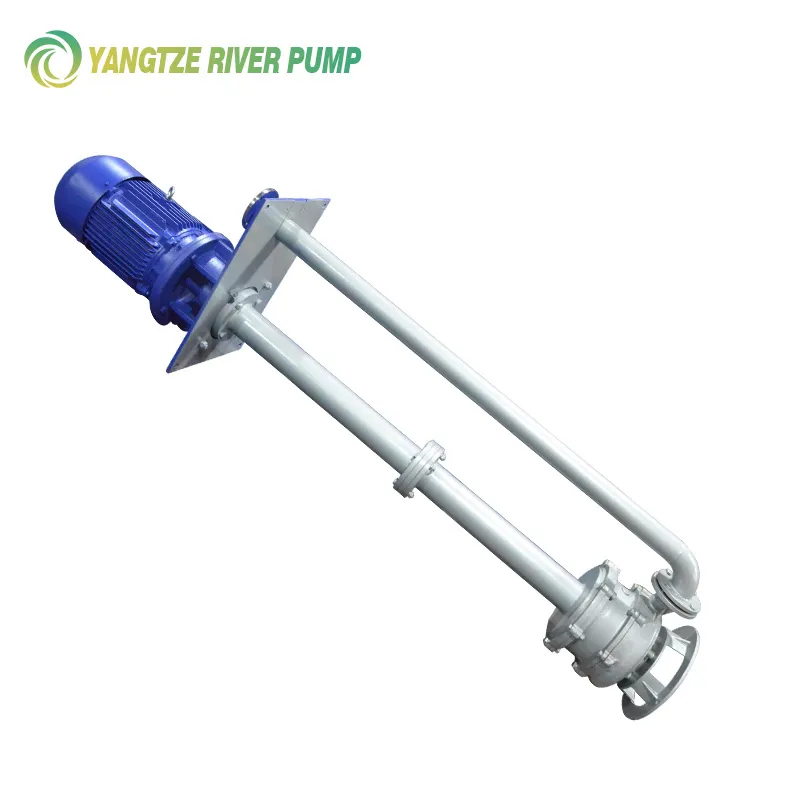 YW Vertical Submersible Sewage Pumps
-
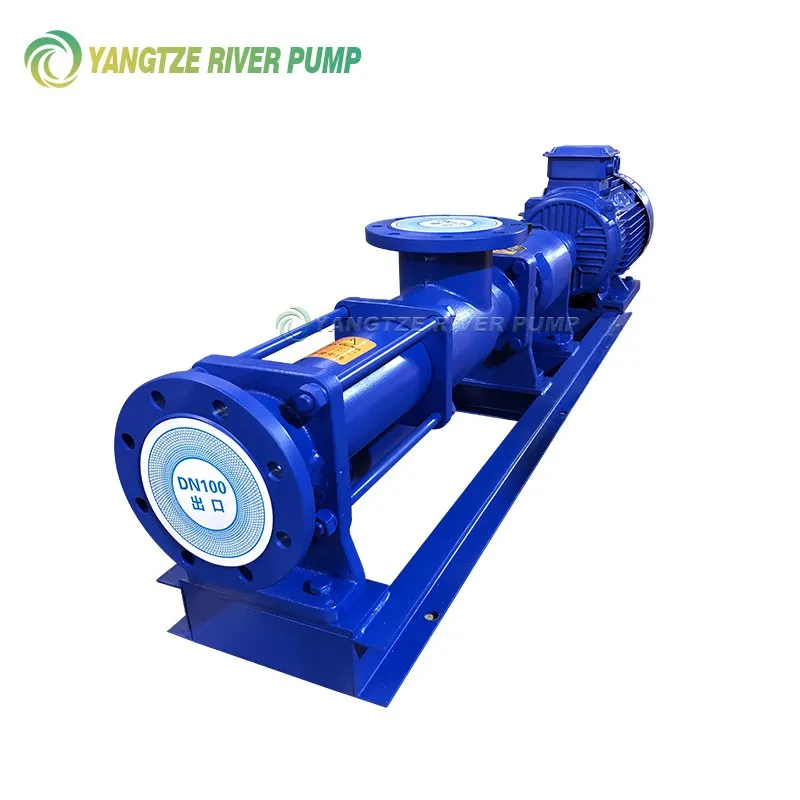 Single screw pumps type G
-
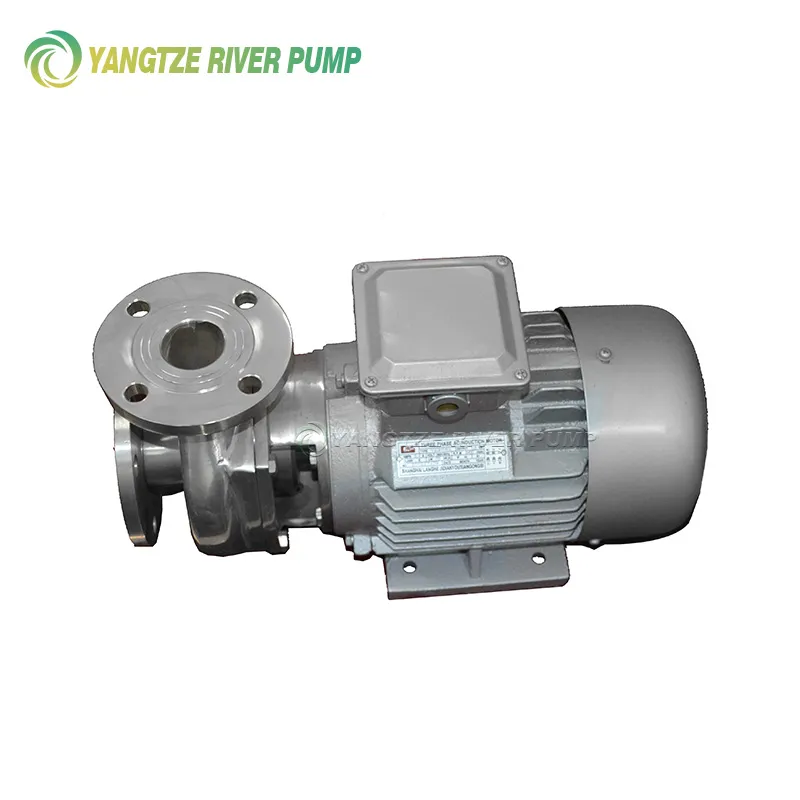 Corrosion-resistant stainless steel centrifugal pumps SFB and SFBX
-
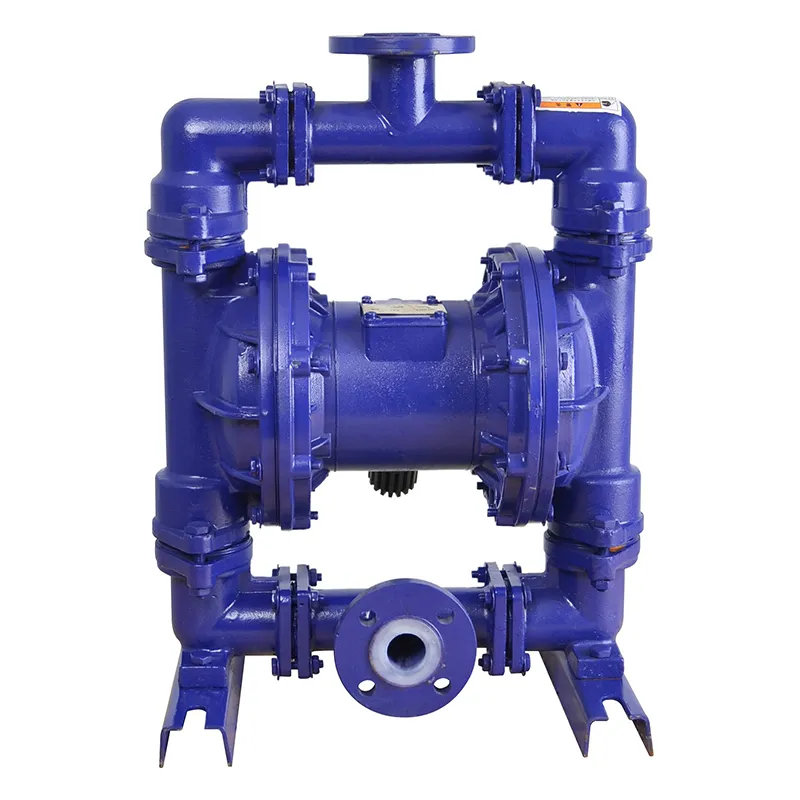 Metal pneumatic diaphragm pumps QBK
-
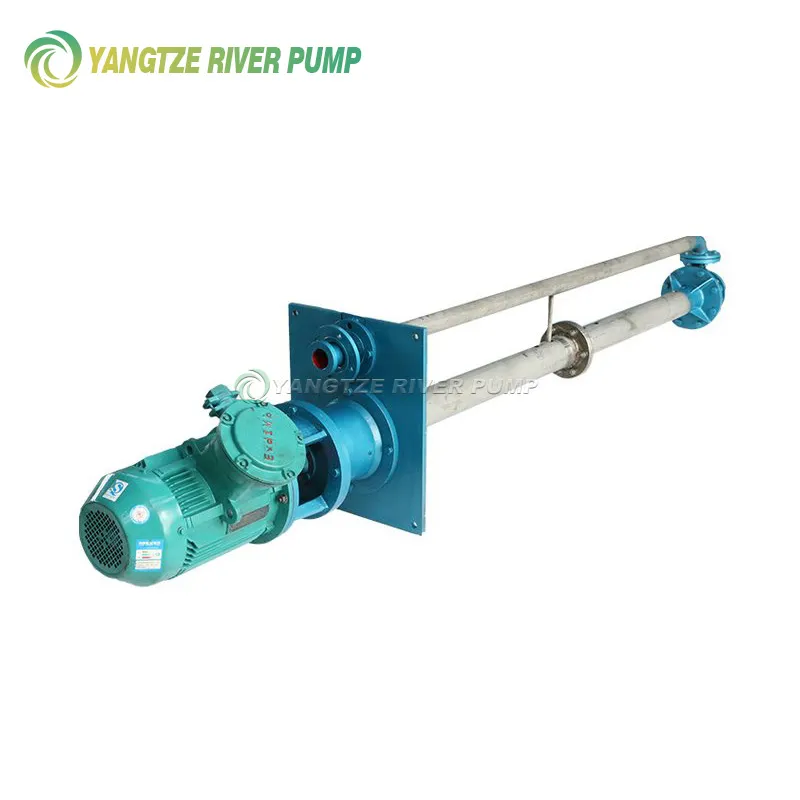 FY Submersible Chemical Pumps
-
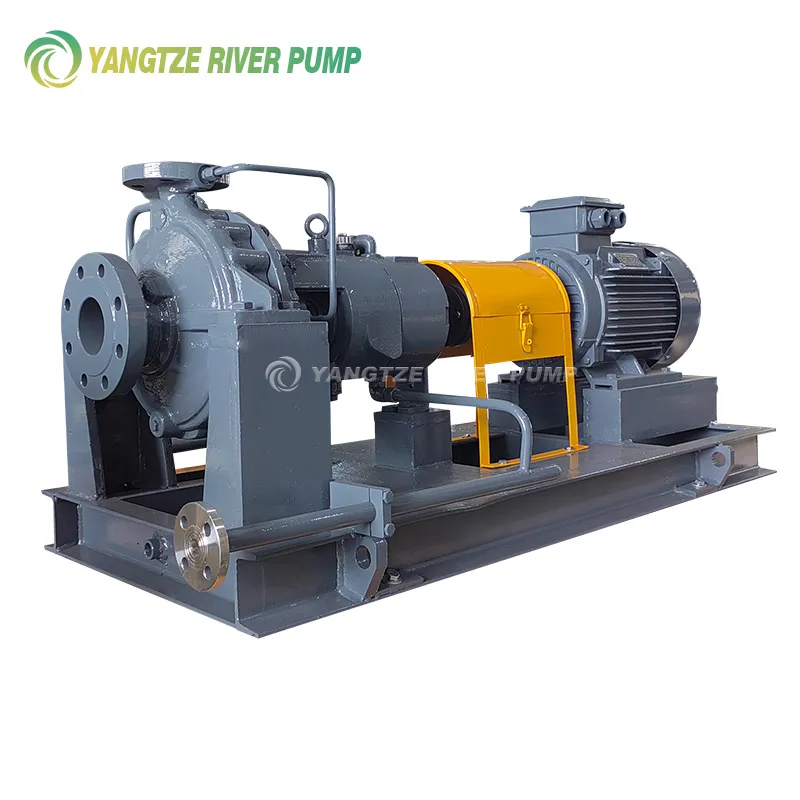 Petrochemical Process Pumps API 610 YZE
-
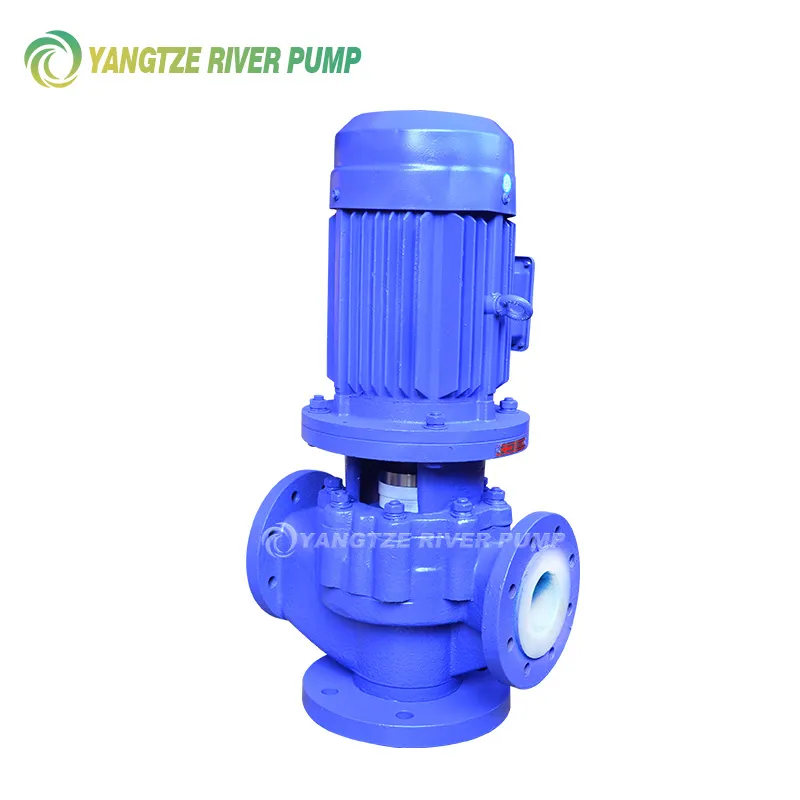 Vertical pumps with PTFE lining YQF
-
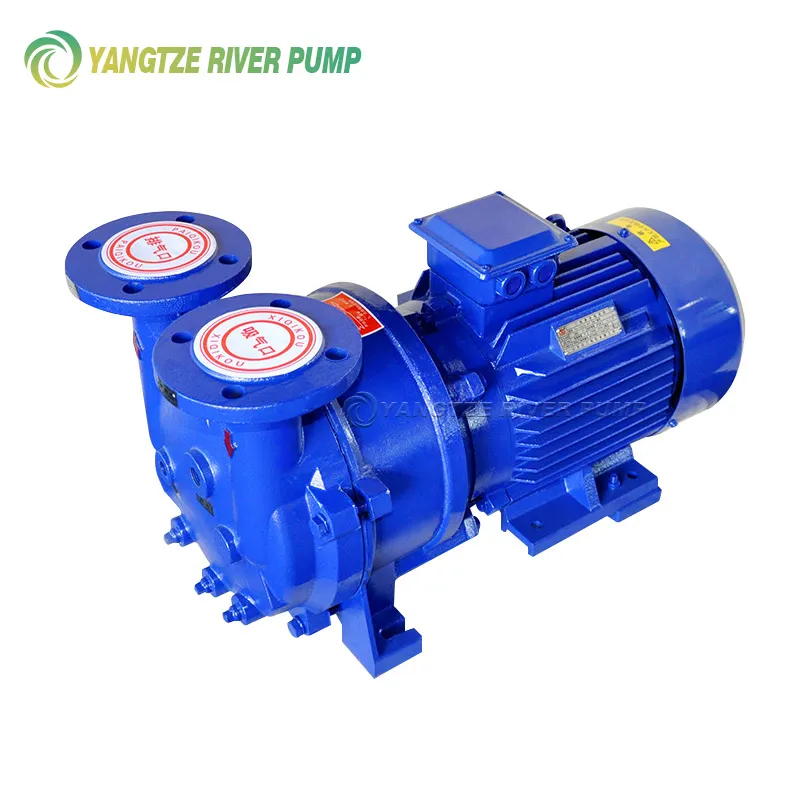 Liquid ring vacuum pumps type SKA and 2BV
-
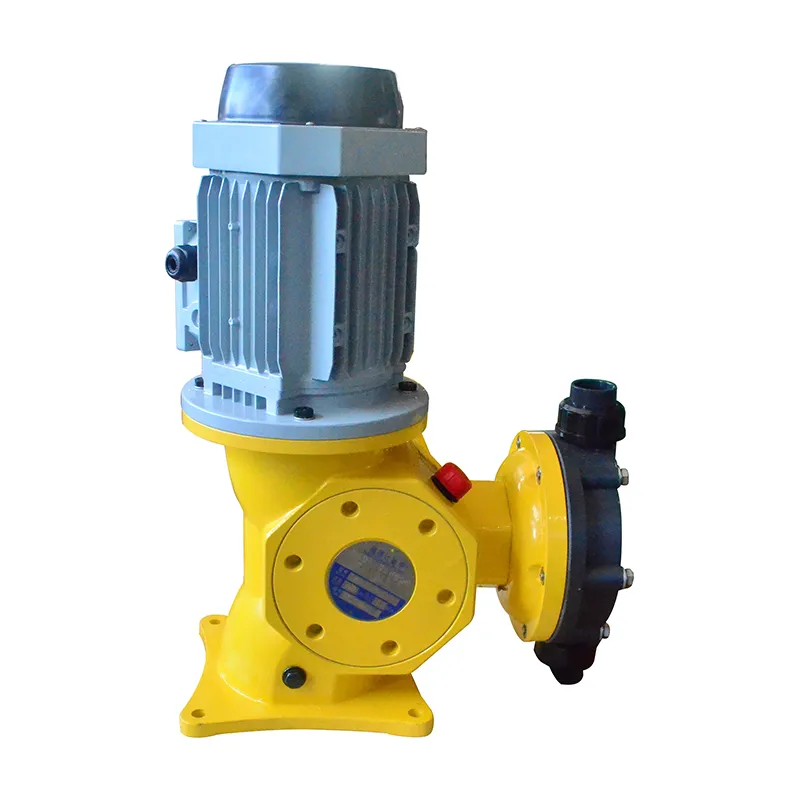 Mechanical diaphragm dosing pumps DJ-Z
-
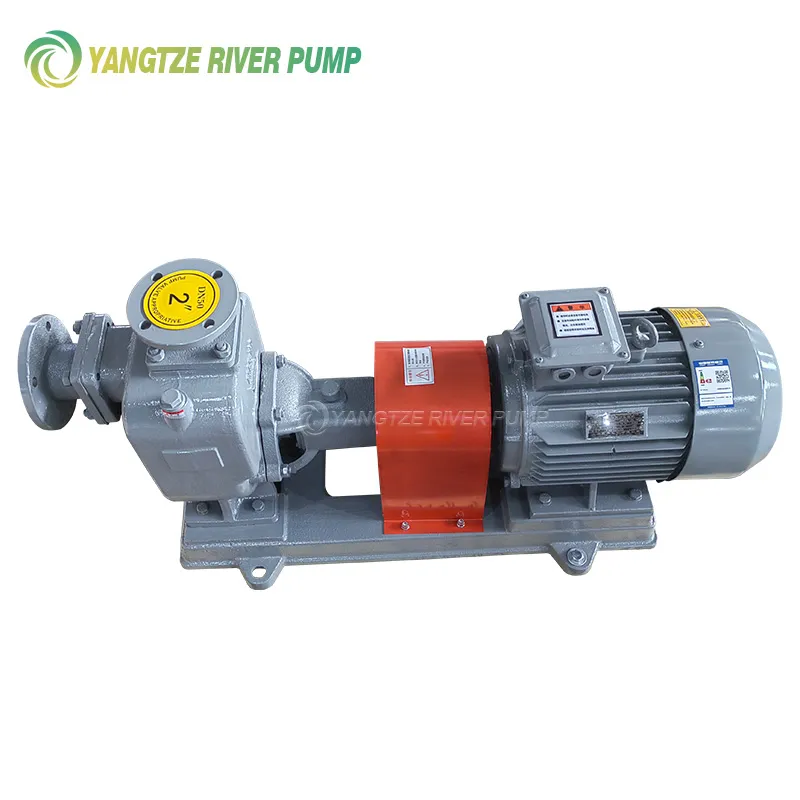 Non-clogging self-priming wastewater pumps ZW
-
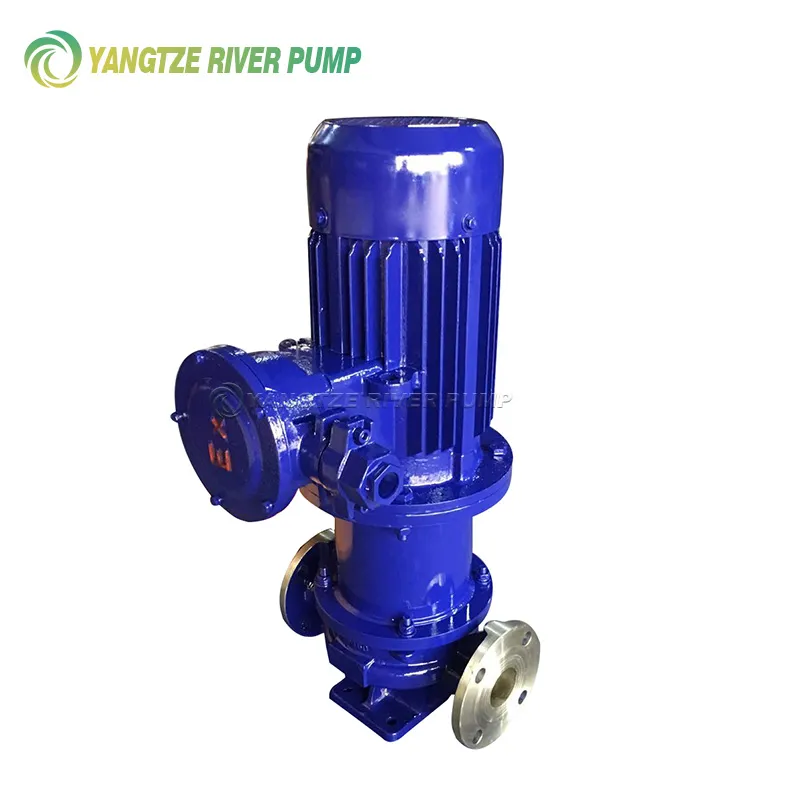 Vertical magnetic pumps CQB-L
-
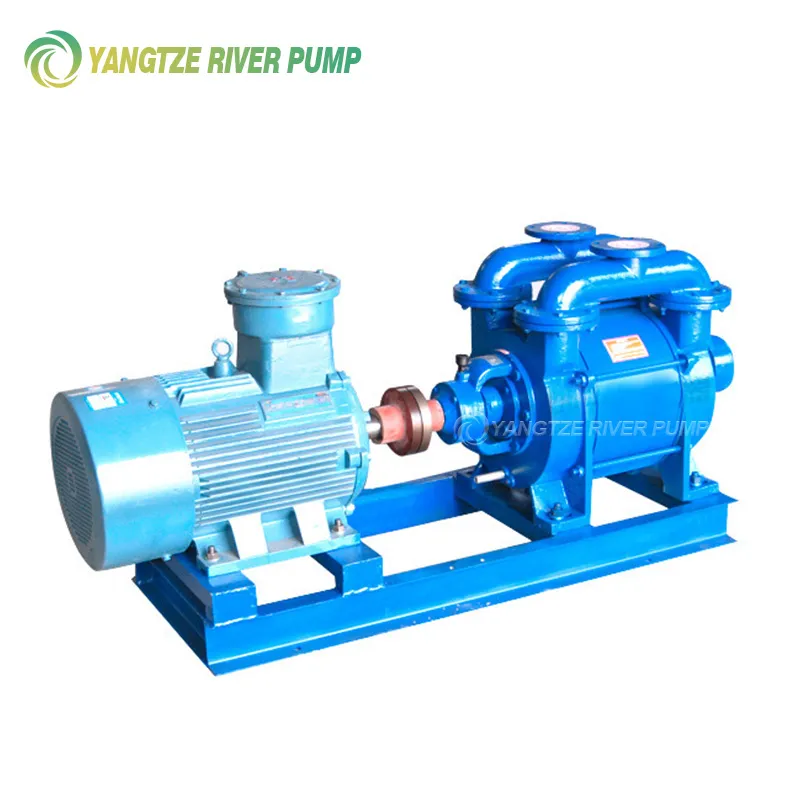 Liquid ring vacuum pumps type SK