







centrifugal condensate pump
When they say “centrifugal condensate pump?”, many people imagine just another centrifugal, only for hot water. This is fundamentally wrong and even dangerous. The difference is in the details that decide everything: in the material of the seals, in the calculation of the NPSH, in the configuration of the flow part for a specific saturation pressure. Make a mistake in the selection, and instead of reliable condensate return, you will end up with constant downtime disassembling and replacing seals, or, worse, erosion of the impeller due to cavitation. At our production facility at Zhejiang Yangzijiang Pump Industry Co., Ltd., dozens of modifications went through test benches before we approved several basic models that actually work in real, not ideal, conditions.
From theory to practice: where the pitfalls lie
Take, for example, the same NPSH. In the passport for a centrifugal condensate pump, the figure looks decent, but it is given for cold water. And when working with condensate under vacuum or at temperatures close to the boiling point, the available cavitation reserve of the system drops sharply. I have repeatedly encountered situations where a pump at a site, selected purely on the basis of pressure and flow, began to make “noisy” noise. and lose productivity. The reason is that they did not take into account the actual temperature of the condensate at the inlet and losses in the pipeline. We had to urgently change the model to a special one, with the first wheel of a larger input, and sometimes even modify the strapping scheme.
Another point is the material. It would seem that 304 stainless steel solves all problems. But for condensate, which may not just be distillate, but, say, contain traces of ammonia or other reagents from the process cycle, this is not enough. We had a case at a textile mill, where the standardcondensate pumpmade of 304 steel failed in six months. It turned out that the pair contained specific volatile compounds. We switched to a model with a flow part made of AISI 316 - the problem went away. Therefore, now we at Yangtzejiang Pump always carry out a detailed survey about the composition of the medium, and not just its temperature.
And, of course, seals. Stuffing box packing for hot condensate is a thing of the past, constant tightening and leaks. Mechanical mechanical seals are better, but there is a nuance here: single or double? For vacuum condensate return lines, where drying out due to loss of prime is possible, dual with barrier liquid is preferable. As a rule, we install exactly these types of units on our units, especially on critical components. This is more expensive at the start, but significantly reduces operating costs.
Manufacturing experience: from drawing to test bench
Our company, Zhejiang Yangzijiang Pumping Industry LLC, produces a wide range of pumping equipment, but the condensate line is a special article. It is not the most popular, but one of the most technologically advanced. All eight of our production lines are designed for a full cycle, and this is a key advantage. The design bureau developing the model is located in the same workshop with the machining area and welding station. This allows you to quickly make changes to the design if a weak point is identified during preliminary calculations or prototype assembly.
For example, when developing one of ourcentrifugal condensate pumpsKDN series there was a question with the case. The standard casting scheme provided acceptable strength, but under cyclic thermal loads (start-stop with a hot environment), microcracks appeared in the flange area. The designers, together with the technologists, switched to a welded body structure made from a forged billet, followed by machining. This makes the process more expensive, but completely eliminates the problem of metal fatigue. Such solutions are born only with deep integration of R&D and production, which is announced on our website https://www.yangtzeriverpump.ru.
Tests are a different story. We run pumps not only on water at 20°C. We have the opportunity to create conditions at the stand that are close to real ones: supplying heated water under vacuum, simulating a “dry” mode. stroke for a short time to check the reaction of the seals. Only after hundreds of hours of such tests does the model end up in the catalog. Often, after testing, we return to modifying the bearing units - they operate in difficult thermal conditions on condensate pumps.
Case study: repair or replacement?
I remember we came to the thermal power plant on call - it didn’t pumpcondensate pump. Local mechanics have already taken it apart and said: “The wheel is broken, it needs to be replaced, the bearings are noisy?” I looked at the impeller - there is indeed erosion, but not through. But the reason was not the quality of the wheel, but the incorrect piping: the suction line was too long and had two extra elbows, which provoked cavitation. Just putting on a new wheel means coming back with the same problem in six months. I convinced the customer not only to replace the pump with one more suitable for NPSH, but also to re-lay the pipeline. After this, the equipment works for years without complaints. This is to the question that selling a pump is not just a shipment of iron, but a solution to the customer’s problem. We at Yangtzejiang Pumping Industry try to look at it this way.
Evolution of requirements and adaptation of models
Previously, the main thing was pressure and delivery. Nowadays, built-in frequency converters are increasingly being requested to smoothly regulate performance depending on the amount of incoming condensate. This is logical - it saves energy and reduces water hammer in the system. We have started offering such complete solutions based on our proven models. Assembling the control cabinet is not a problem; it was more difficult to adapt the hydraulic part of the pump to operate in a wide range of rotation speeds, so that the efficiency does not drop catastrophically at low speeds. We had to recalculate and optimize the profile of the blades.
Another trend is a request for a complete set: pump, piping, check valve, shut-off valves, sensors - everything assembled, on a common frame, ready for connection. For condensate installations this is an ideal option as it minimizes installation errors on site. Our production allows us to make such “cassette” ones. solutions, and the demand for them is growing. Especially for modular boiler houses, where speed and cleanliness of installation are important.
At the same time, we must not forget about maintainability. No matter how good the design, the pump will someday require maintenance. We deliberately make the design somewhat more complex, making detachable brackets and increasing mounting clearances so that a mechanical seal or bearing can be replaced on site without dismantling the entire unit or disconnecting the pipelines. This is appreciated by operators.
Interaction with other types of pumps in the line
Although the topic iscentrifugal condensate pump, it should be noted that its work is often tied to other units. For example, the system may contain our own plastic chemical pump to supply corrosion inhibitors to the condensate line or a multistage centrifugal pump to feed the boiler. The advantage of working with a manufacturer that has a wide range, like Zhejiang Yangtzejiang Pumping Industry LLC, is that you can get solutions consistent in characteristics and materials for the entire process chain. This provides better interoperability and a single point of responsibility.
It happens that for the return of condensate with high temperatures and low pressure, not centrifugal, but, say, displacement pumps are considered. But our experience shows that for most tasks in thermal power engineering and industrial cycles, it is a correctly selected centrifugal unit that remains optimal in terms of reliability, efficiency and price. The main thing is not to skimp on the selection stage and not to ignore the “inconvenient” ones. environment parameters.
In the end, what I want to say. A condensate pump is not something you can cut corners on. Its selection and operation is always a compromise between cost, reliability and specific conditions at the site. Those hundreds of units that we shipped from the factory to https://www.yangtzeriverpump.ru and the feedback on them are the best proof that an approach based on in-depth study of details and real tests pays off with many years of problem-free operation. And this is perhaps the main result.
Correspondingproducts
Related Products

Best Sellingproducts
Best Selling Products-
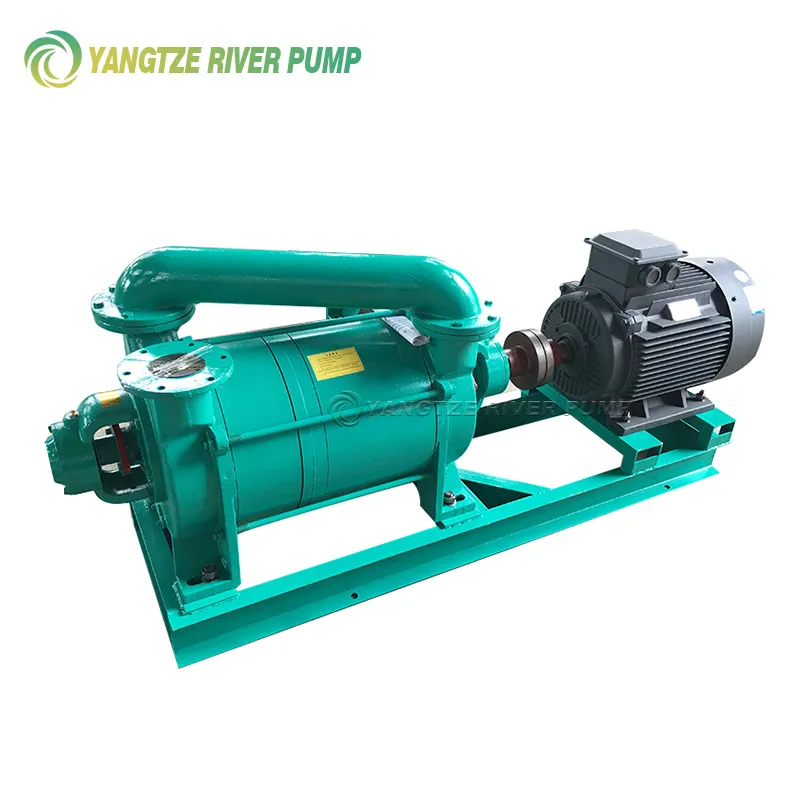 Liquid ring vacuum pumps type 2SK
-
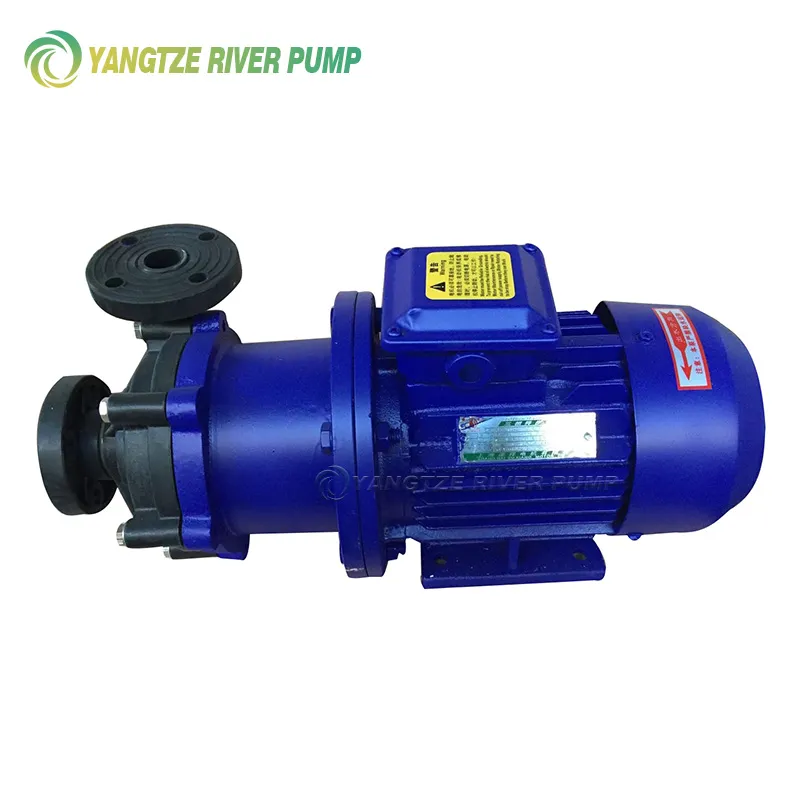 CQF Plastic Magnetic Pumps
-
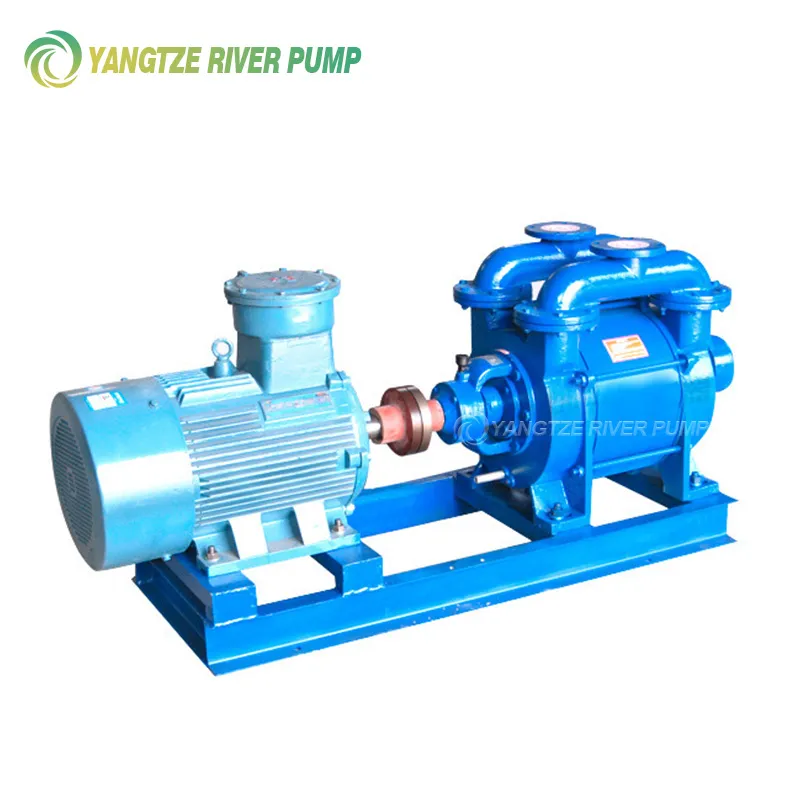 Liquid ring vacuum pumps type SK
-
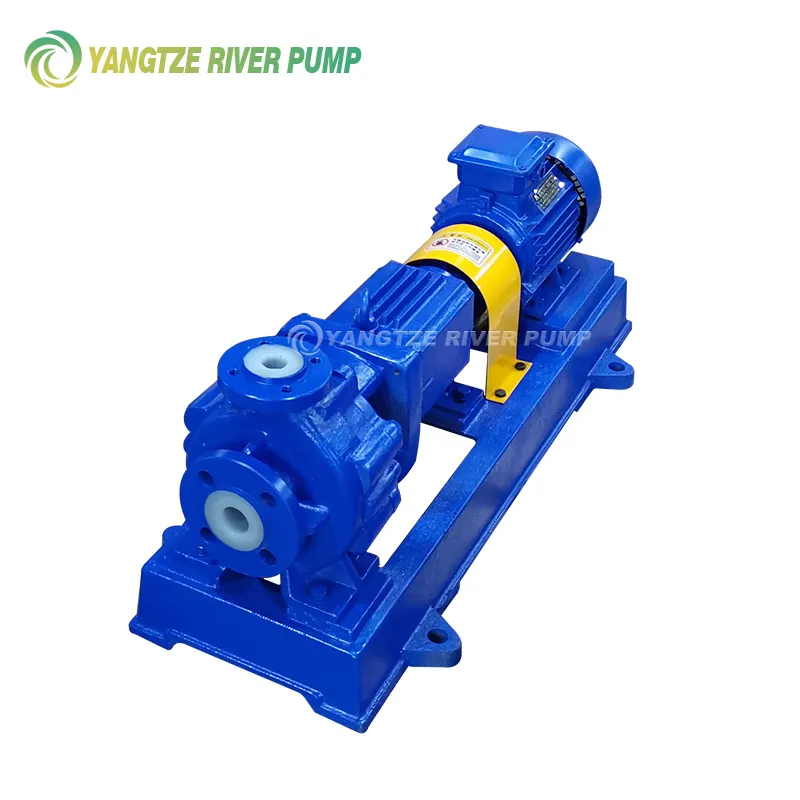 IHF PTFE Chemical Centrifugal Pumps
-
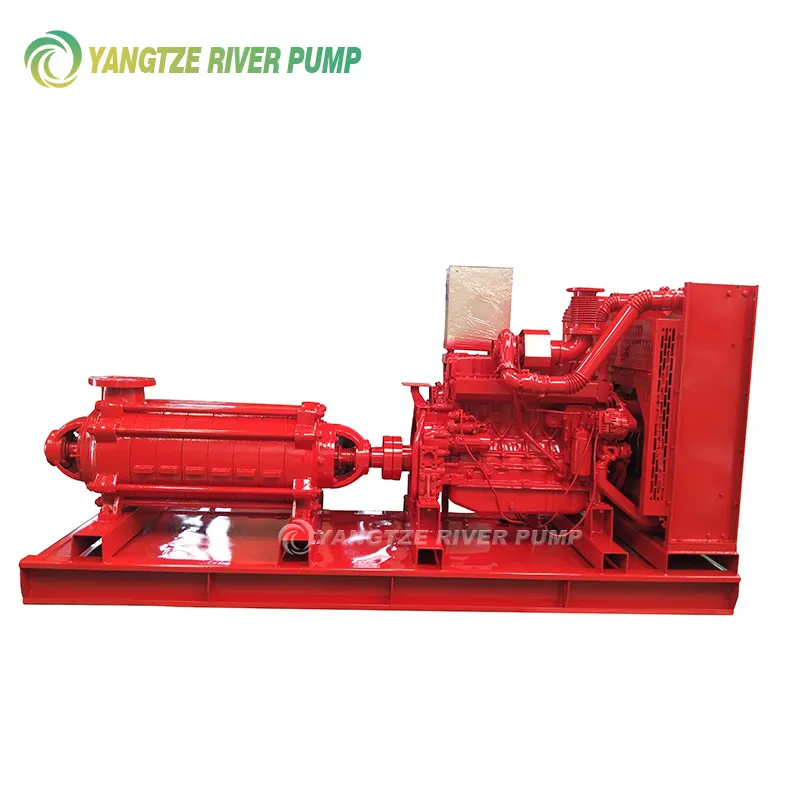 XBC Diesel Intelligent Fire Pumps
-
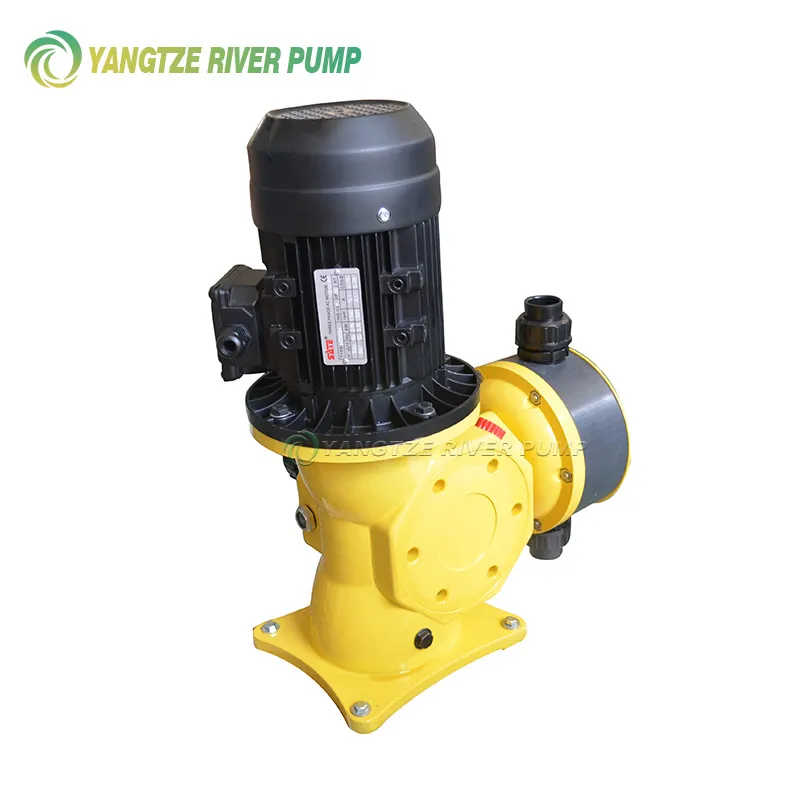 Mechanical diaphragm dosing pumps DJ-D
-
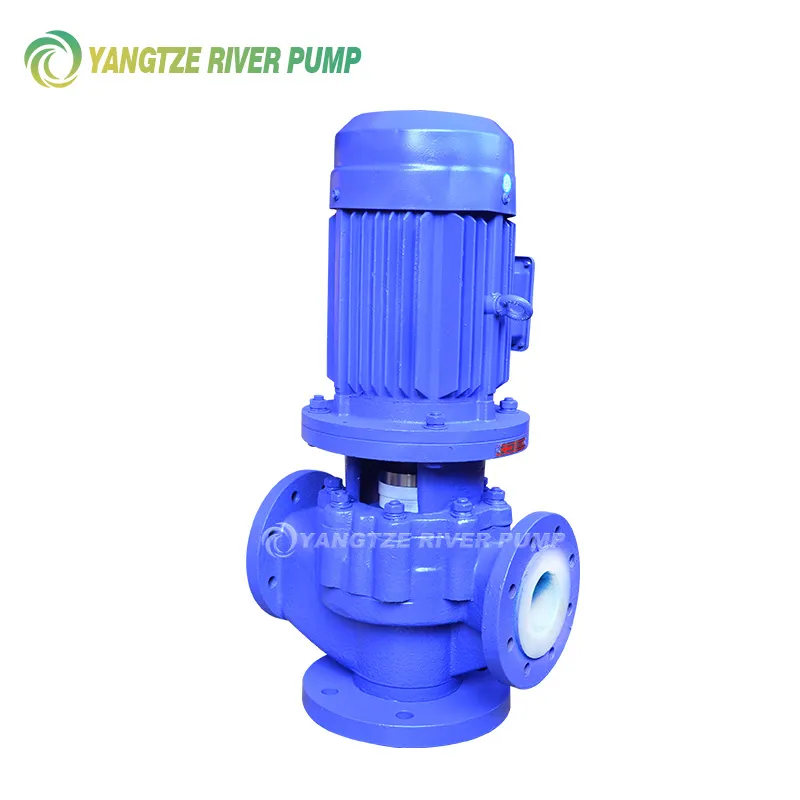 Vertical pumps with PTFE lining YQF
-
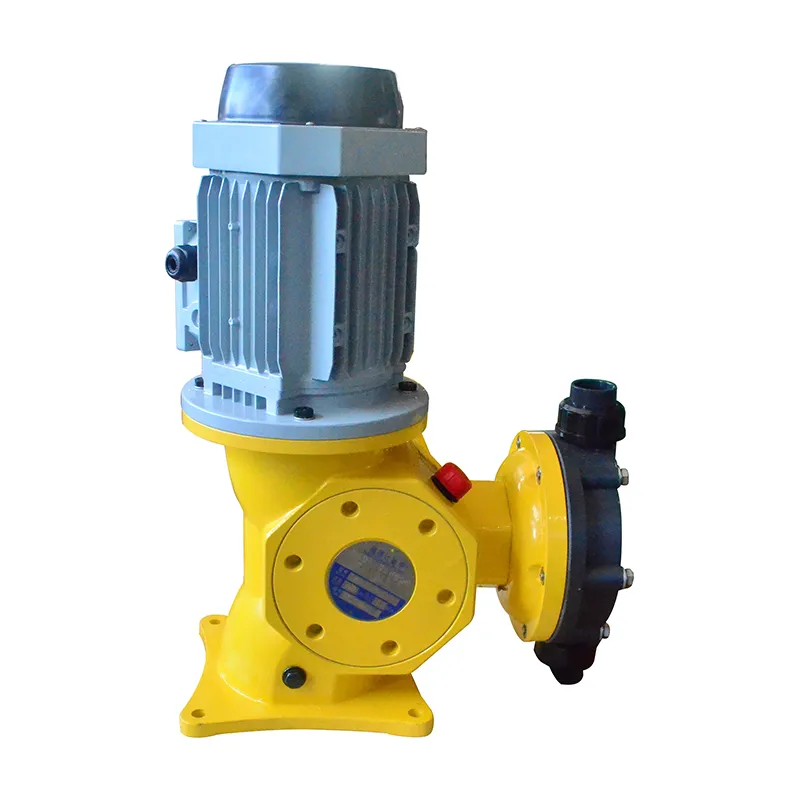 Mechanical diaphragm dosing pumps DJ-Z
-
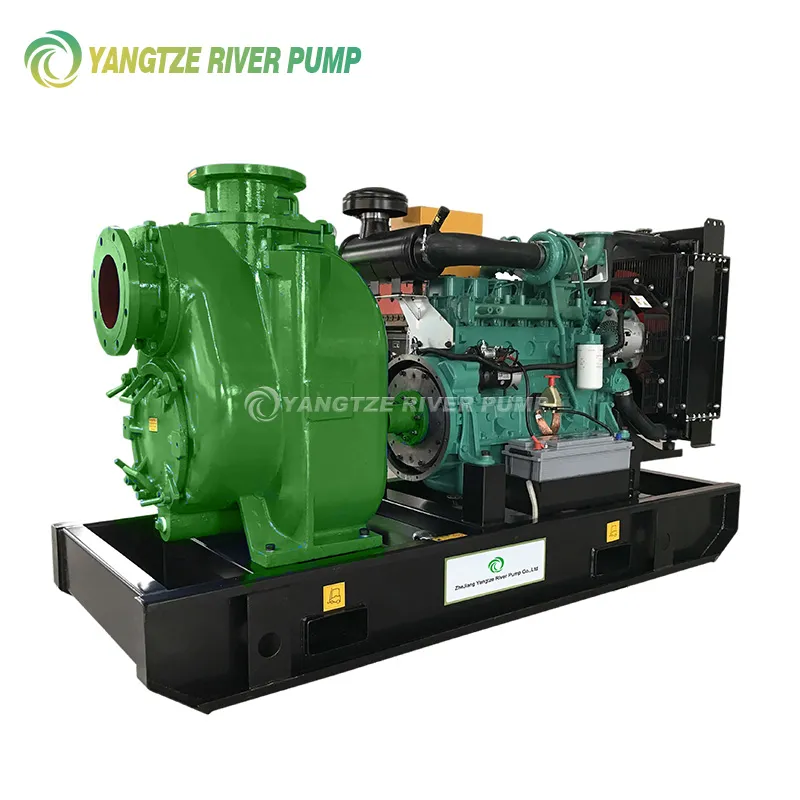 YZSP Diesel Self-Priming Pumps
-
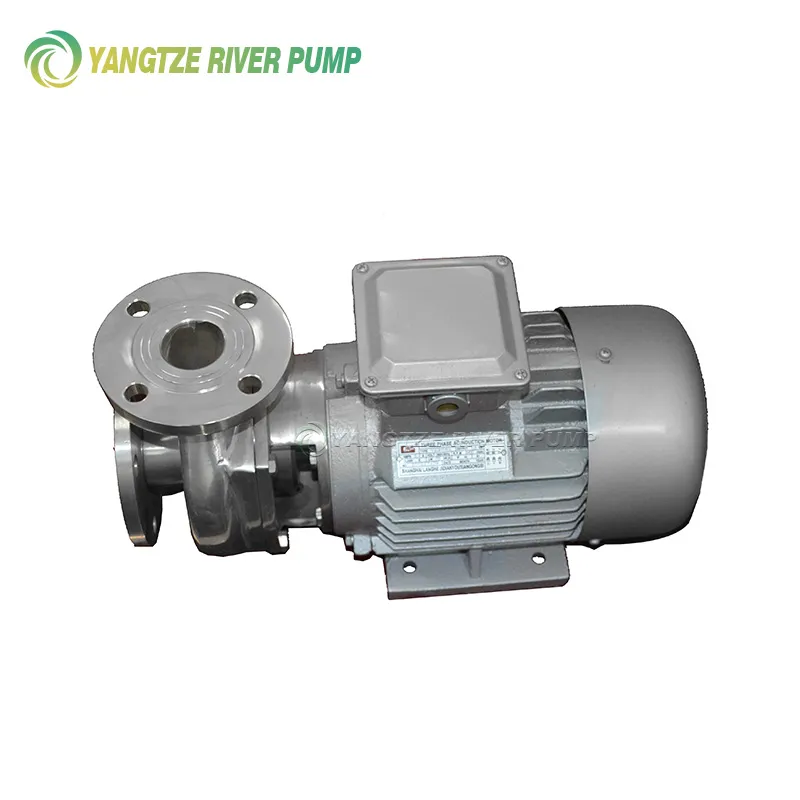 Corrosion-resistant stainless steel centrifugal pumps SFB and SFBX
-
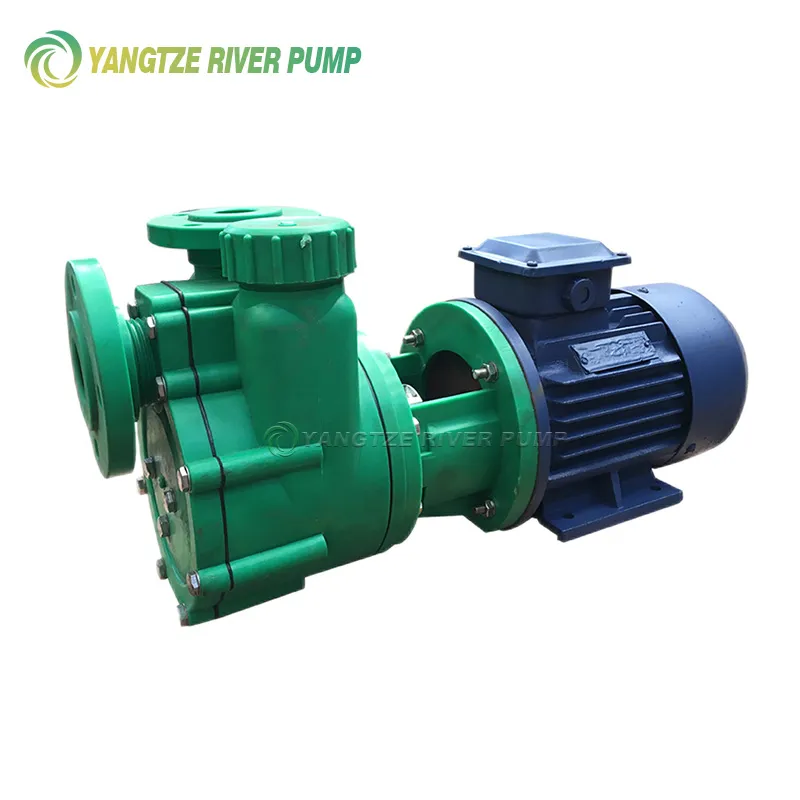 Plastic self-priming centrifugal pumps FP and FS
-
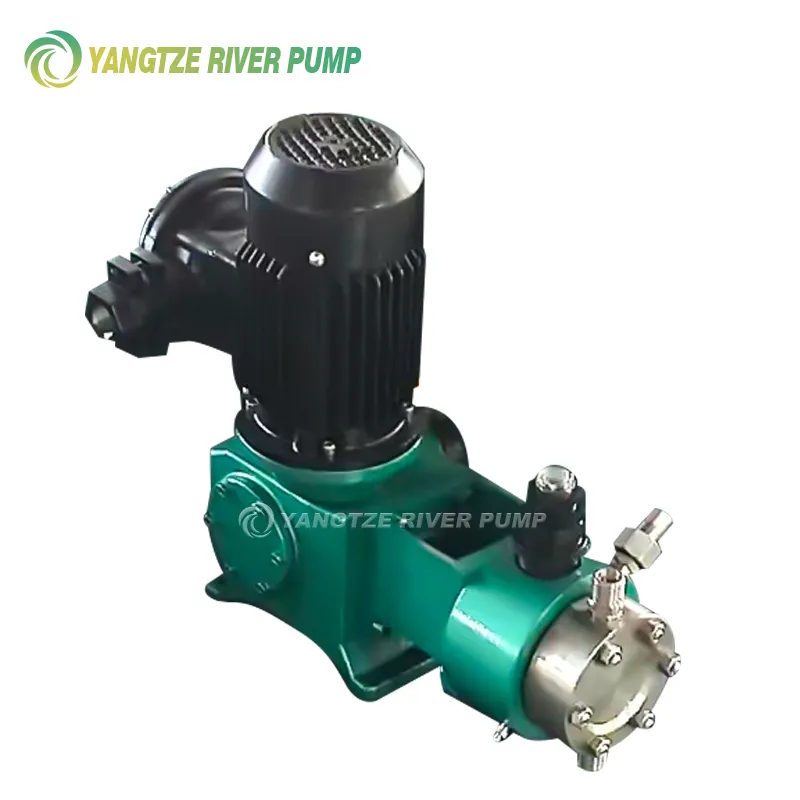 Plunger dosing pumps type DZ-X