







centrifugal pump plastic
When you hear “plastic centrifugal pump?”, the first thing that comes to mind is something cheap, for a summer residence, like those Chinese models that leak after the first season. But this is superficial. In fact, we are talking about a whole category of equipment for aggressive environments, where steel or cast iron simply gives up. Many people mistakenly believe that the main advantage is price. No. The main thing is chemical resistance. But even here, not everything is simple: “plastic?” - the concept is flexible. PP, PVDF, PTFE - each has its own temperature and concentration limits. I often see how customers take a polypropylene pump to pump hot nitric acid, and then are surprised at the deformation. This is not a lack of material, it is an error of choice.
What are “plastic” ones actually made of? centrifugals
If we ignore the everyday stuff, in industry we usually talk about housings and impellers made of thermoplastics. Polypropylene (PP) is the most common, but for strong oxidizing agents or high temperatures (above 80-90°C) it already looks towards PVDF. In our production, inZhejiang Yangzijiang Pumping Industry Co.,Ltd, lineplastic chemical pumpsjust tailored for this choice. We don’t just pour the casings, but first we look at the environmental passport: temperature, concentration, presence of abrasive suspensions. It happens that the medium is chemically compatible, but the particles wear out the impeller in a month. Then we are already thinking about options with coatings or other wheel materials.
Structurally, goodcentrifugal pump plastic- this is not a copy of cast iron, just cast in a different form. The thickness of the walls, the stiffening ribs, the method of attaching the pipes - everything is different. Plastic is not as rigid as metal, so vibration and water hammer can be critical. I saw samples from unknown manufacturers where the flange simply tore off after several on/off cycles on the valve. On ouryangtzeriverpump.ruYou can see this in the product section: weighted flanges with additional reinforcement, and this is not for beauty.
Another nuance is the seals. For plastic pumps, gland seals are often less preferred than mechanical mechanical seals. But even here you need to look at the environment: if there are crystallizing particles in it, then the mechanical seal can quickly fail. Sometimes it makes more sense to install a double flush seal. Based on my own experience of setting up a facility for pumping phosphate suspensions, I had to redo the compaction circuit - the initially supplied standard unit worked for a week.
Where do they really work and where do they not?
Classics of the genre - galvanic lines, etching, wastewater treatment with reagent residues. Hereplastic centrifugal pumpsout of competition. But I had a case at a small chemical production: they installed a PVDF pump to circulate hydrochloric acid. Everything matched the passport. But after a couple of months a leak appeared in the body. It turned out that during the process, heating to 110°C periodically occurred due to a malfunction in the heat exchanger, which the material was no longer designed for. Conclusion: the material is resistant to the environment, but not to extreme deviations of the technological regime. It is important to convey this to the technologists at the site.
But for pumping organic solvents - acetone, toluene - many plastics, such as polypropylene, are not suitable. Here you need a special one, for example, PTFE (Teflon), but this is a different price category and manufacturing complexity. We are inZhejiang Yangzijiang Co.,LtdWe make these to order, but we always honestly tell the client that for non-aggressive solvents it is sometimes more profitable to use stainless steel. Chasing ?plastic? It's pointless for the sake of plastic.
A common request is dosing pumps. Herecentrifugal plastic pump- not the best choice in its pure form. Its characteristics - pressure and flow - are nonlinear. For accurate dosing, peristaltic or diaphragm pumps are needed. But it happens that a centrifugal one is placed in a recirculation circuit with a metering valve. It is important to correctly calculate the hydraulics, otherwise there will be no dosing accuracy. I helped reconfigure such a system at a wastewater treatment plant - I had to change the installation location and install a frequency converter to stabilize the parameters.
About editing, which everyone underestimates
The most common problem during commissioning is incorrect piping and fastening. The plastic case does not forgive installation errors. Loads from the weight of the pipelines must be compensated, otherwise the housing may crack. I saw how installers screwed the pump to the base “pull-in”, leveling the frame not with gaskets, but by tightening the mounting bolts. The result is tension in the housing, which cracked at the first thermal load (from a hot environment). We always emphasize this in the instructions, but it seems they are rarely read to the end.
Another point is thermal expansion. Plastic has a higher coefficient of expansion than metal. If plastic piping is rigidly welded at the outlet and inlet, significant stress can occur when the temperature changes. Compensators or proper pipe suspension are needed. Once I had to go to a site where, after replacing a metal pump with a plastic one (of the same capacity), at night, when the line was disconnected and cooling down, the suction pipe burst. The reason is that the designer did not take this nuance into account.
Connecting the power supply is also not a small thing. For pumps with frequency converters, long cables can cause interference. And if the pump is in an open area, UV radiation is the enemy for some plastics (especially unstabilized polypropylene). Over time, the material becomes brittle. We recommend either enclosures or a choice of material with UV stabilizers. These are the details that are remembered only with experience, often bitter.
Tests and control: what does the “passport” hide?
At our factory, each unit undergoes hydraulic testing. But this is a water test. And the key question is: how will the pump behave with that same aggressive environment? Full scale acid testing of every batch is not economically feasible. Therefore, we follow the path of strict control of raw materials - each batch of plastic granules is checked for compliance with the brand. Plus tensile testing of samples cast from the same batch. This gives more confidence than general words in a catalog.
But there are parameters that are often not indicated in the passport, but are critical for the user. For example, noise. A plastic casing dampens vibration from the impeller worse than a massive cast iron casing. In some models this gives an increased hum at certain frequencies. When selecting a pump for rooms with constant presence of people (laboratories, for example), this is worth remembering. Sometimes the problem is solved by more accurate wheel balancing or rubber dampers.
And the last thing is maintainability. Good industrialcentrifugal pump plasticshould allow the impeller, seal and bearings to be replaced without much difficulty. There are designs where the body is made monolithically, and if the internal elements fail, everything has to be changed. In our model range we try to make detachable structures, this increases the service life of the entire unit. The client can replace consumables himself, having only a basic set of tools. This is appreciated by those who work away from large service centers.
Instead of a conclusion: thinking out loud
So, back to the beginning.Plastic centrifugal pump- this is not “budget” solution, but a specialized one. Its choice is always a compromise between chemical resistance, mechanical properties, temperature and cost. You can’t blindly trust catalogs; you need to dive into the details of the process. Sometimes it is more correct to take a stainless steel pump with a lining made of the same PTFE. And sometimes a solid plastic device is the only right way.
Our companyZhejiang Yangzijiang Pumping Industry Co.,Ltd, has been producing such pumps for several years. Eight complete lines - from R&D to service - are not just for show. This is an opportunity to experiment with materials, designs, test in real conditions and, importantly, receive feedback from objects. Therefore on the siteyangtzeriverpump.ruyou will find not just a list of models, but technical notes and recommendations born from practical, sometimes unsuccessful, cases. The ideal pump for all occasions? No. There is the right engineering selection, where plastic is one of the powerful tools in the arsenal.
The main thing is not to be afraid to clarify, ask and even demand calculations. Like that case with hot acid: if the technologist had immediately said about possible temperature surges, we would have recommended a different material or design. The pump is part of the system. And its reliability depends on how honestly and in detail the conditions of its work were discussed.
Correspondingproducts
Related Products

Best Sellingproducts
Best Selling Products-
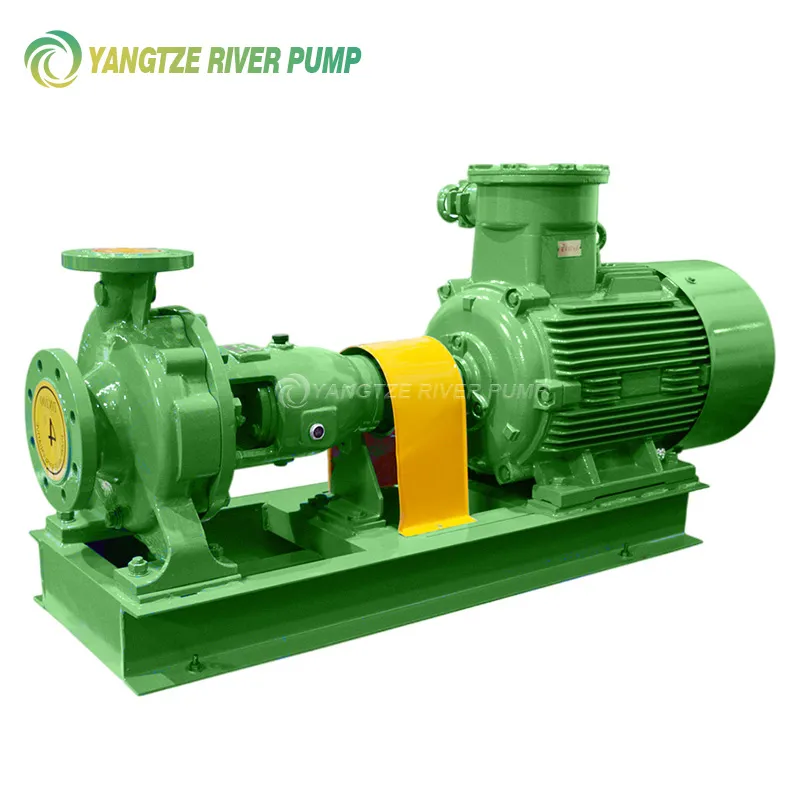 YCZ Chemical Process Pumps
-
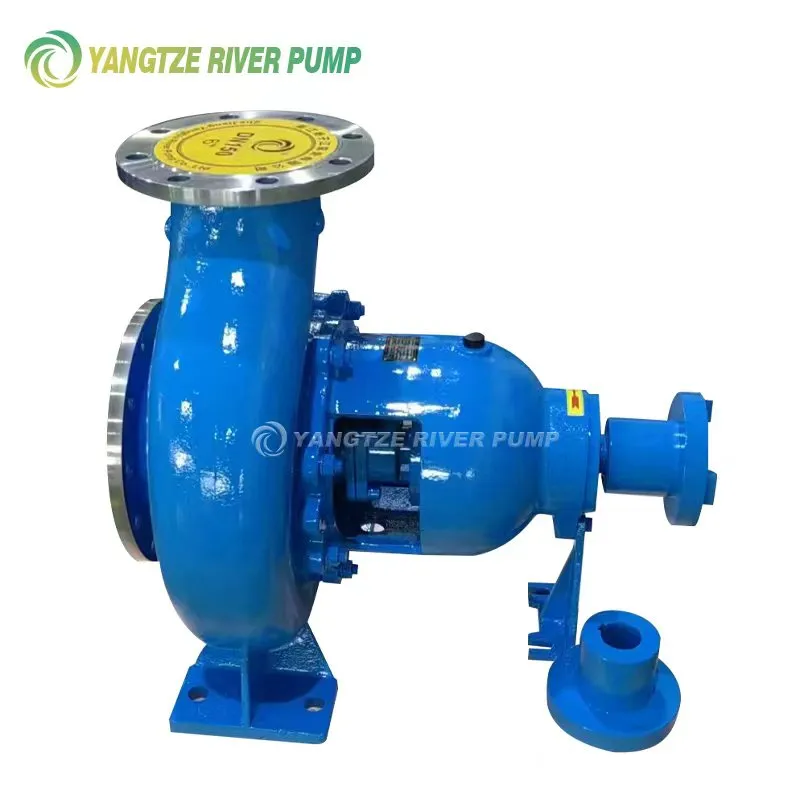 IH Stainless Steel Chemical Centrifugal Pumps
-
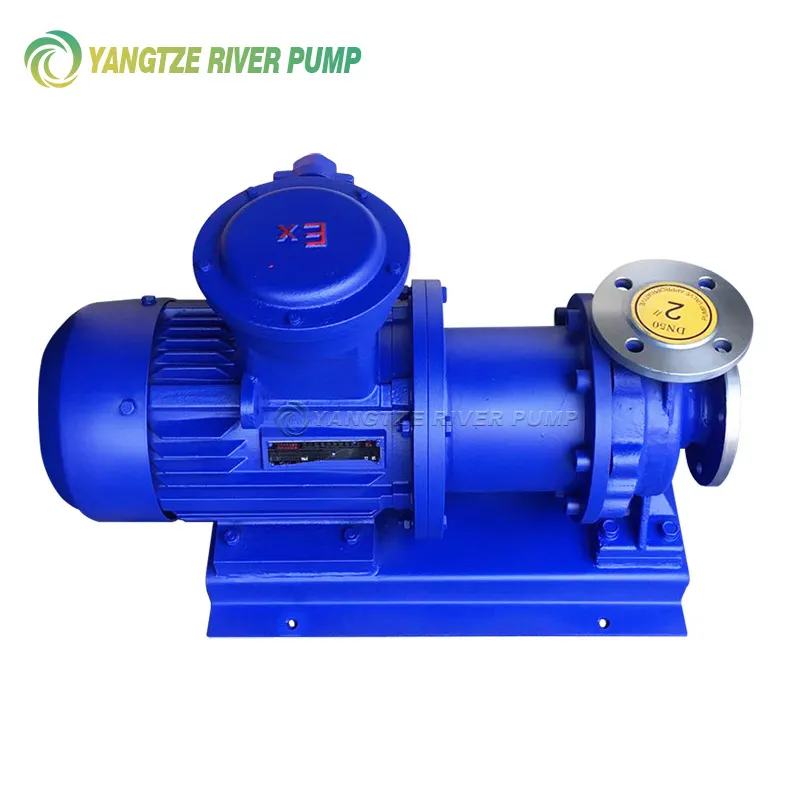 CQB Stainless Steel Magnetic Pumps
-
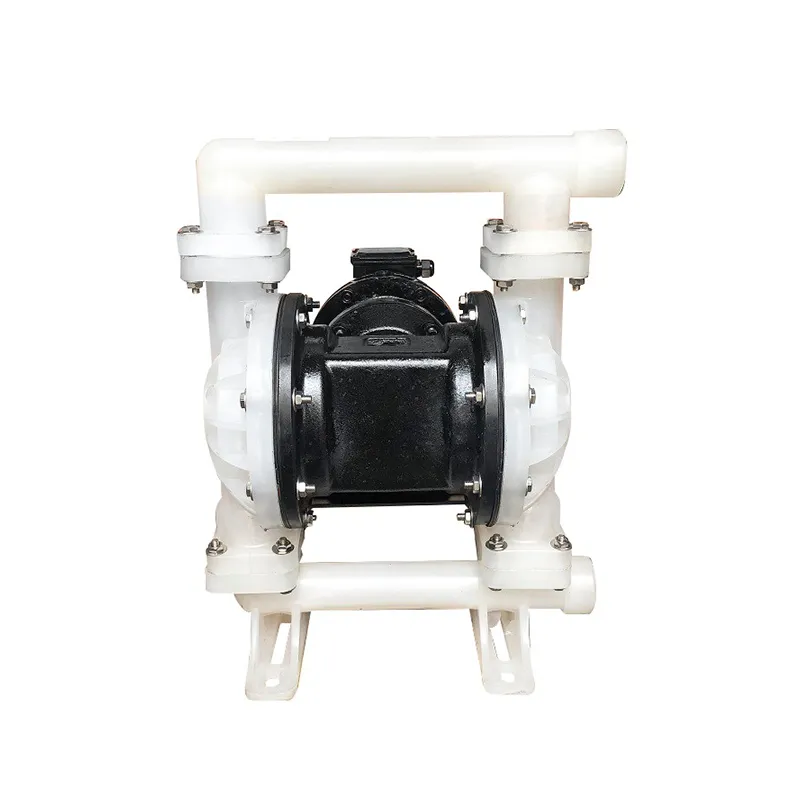 DBY Non-Metallic Electric Diaphragm Pumps
-
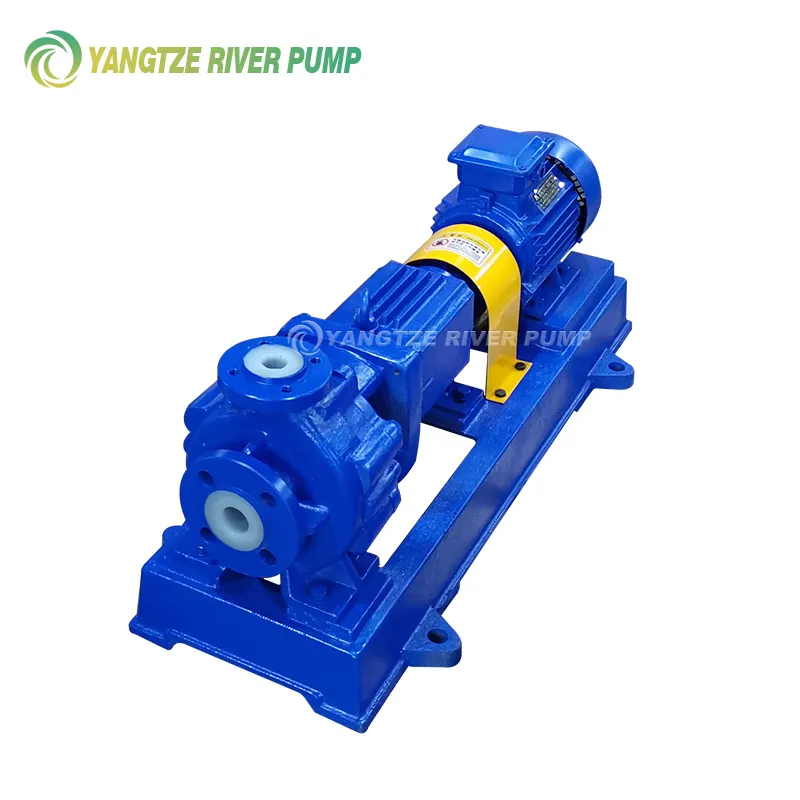 IHF PTFE Chemical Centrifugal Pumps
-
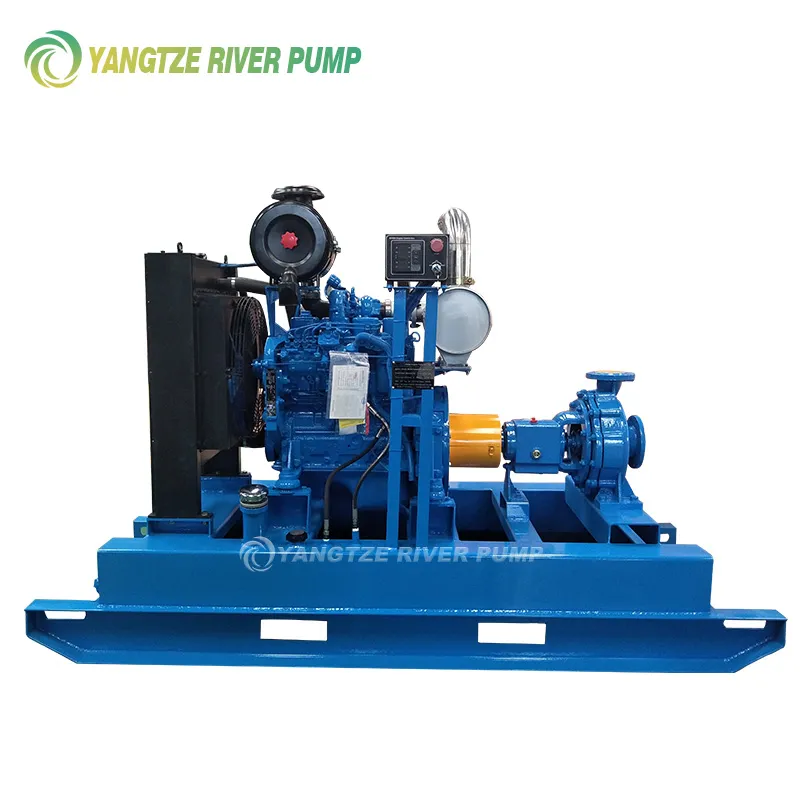 YZIS Diesel Single Stage Centrifugal Pumps
-
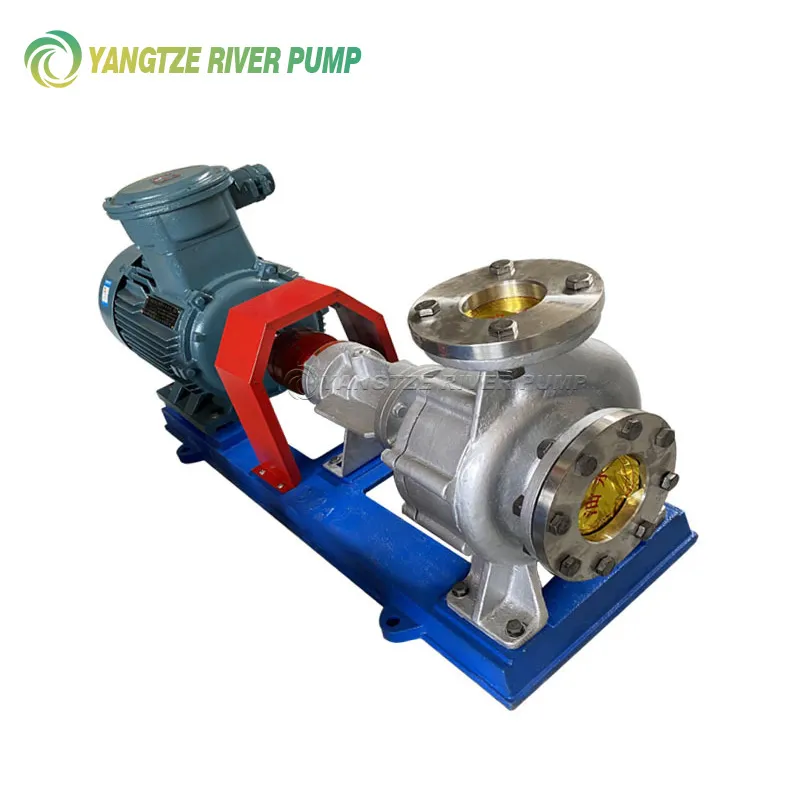 RY thermal oil pumps
-
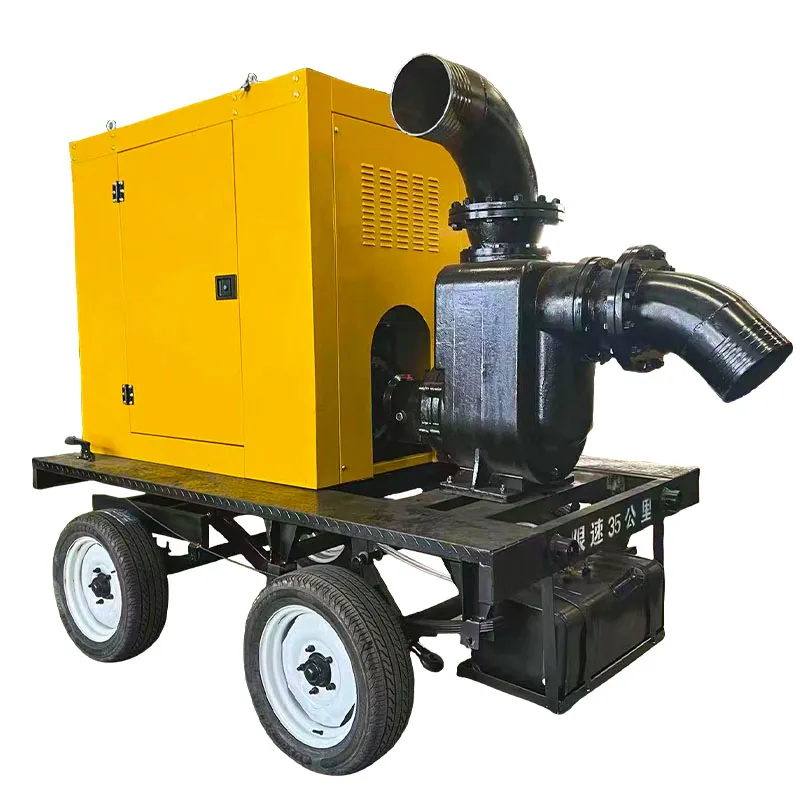 YZZW Diesel self-priming pumps
-
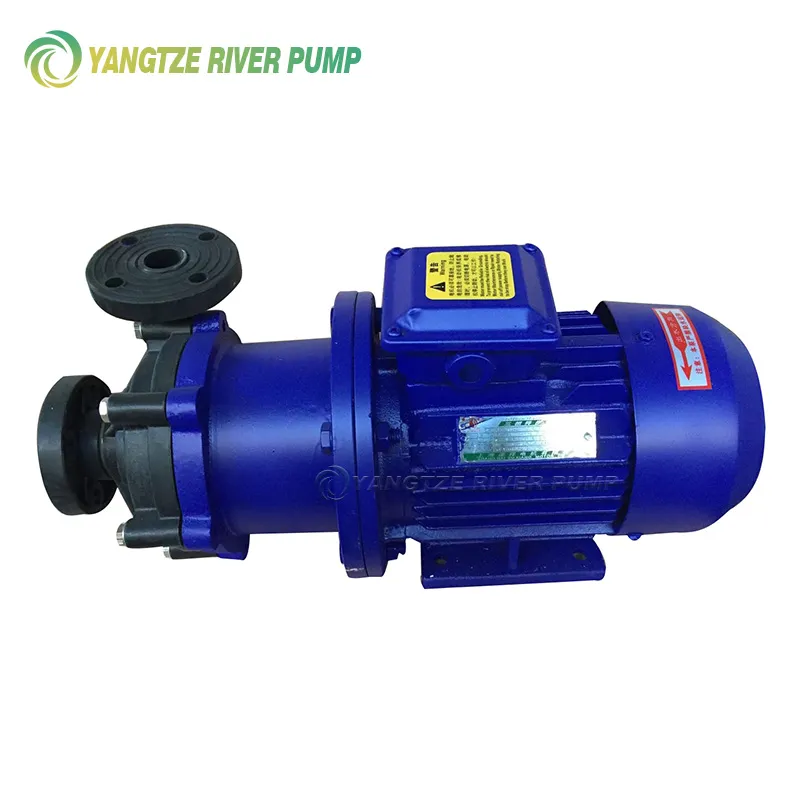 CQF Plastic Magnetic Pumps
-
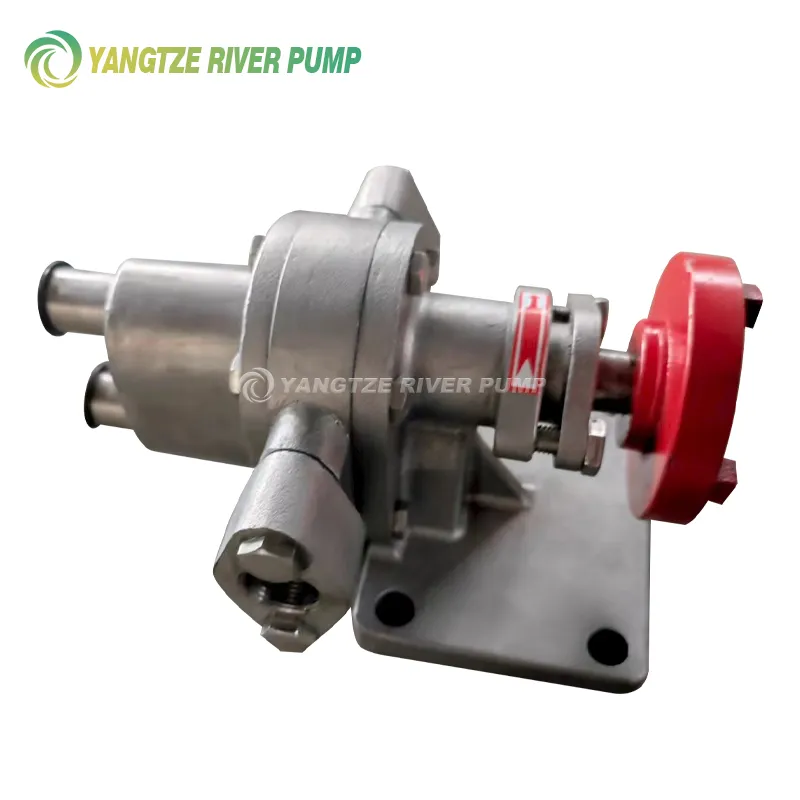 Gear oil pumps type KCB
-
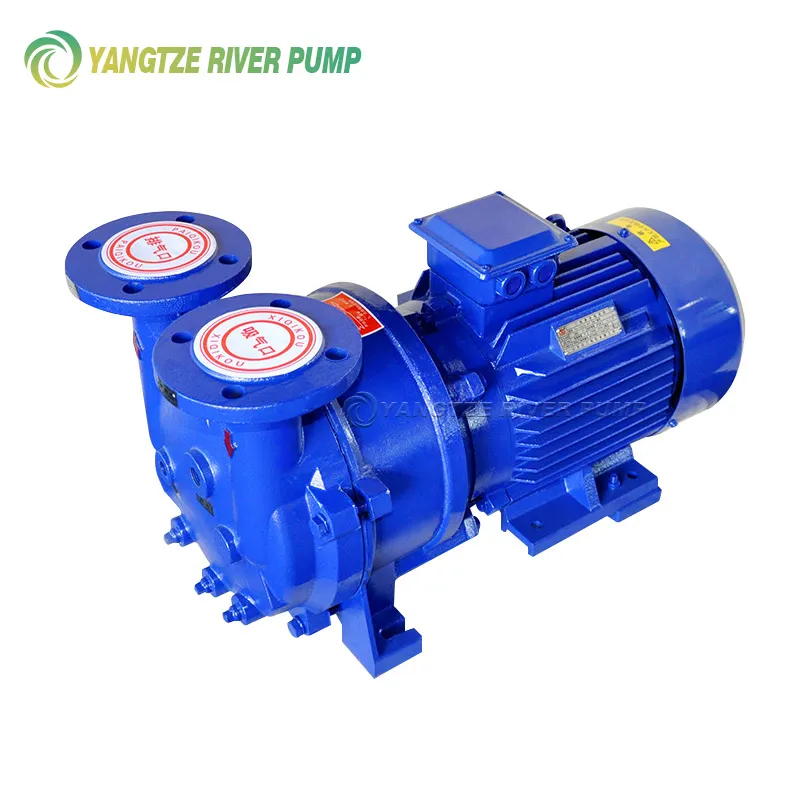 Liquid ring vacuum pumps type SKA and 2BV
-
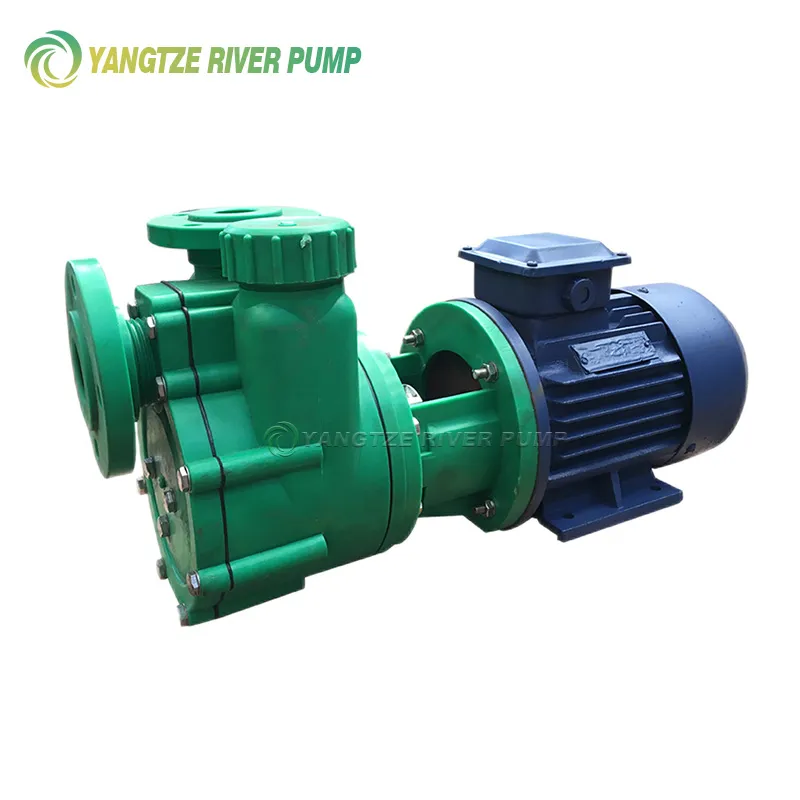 Plastic self-priming centrifugal pumps FP and FS