







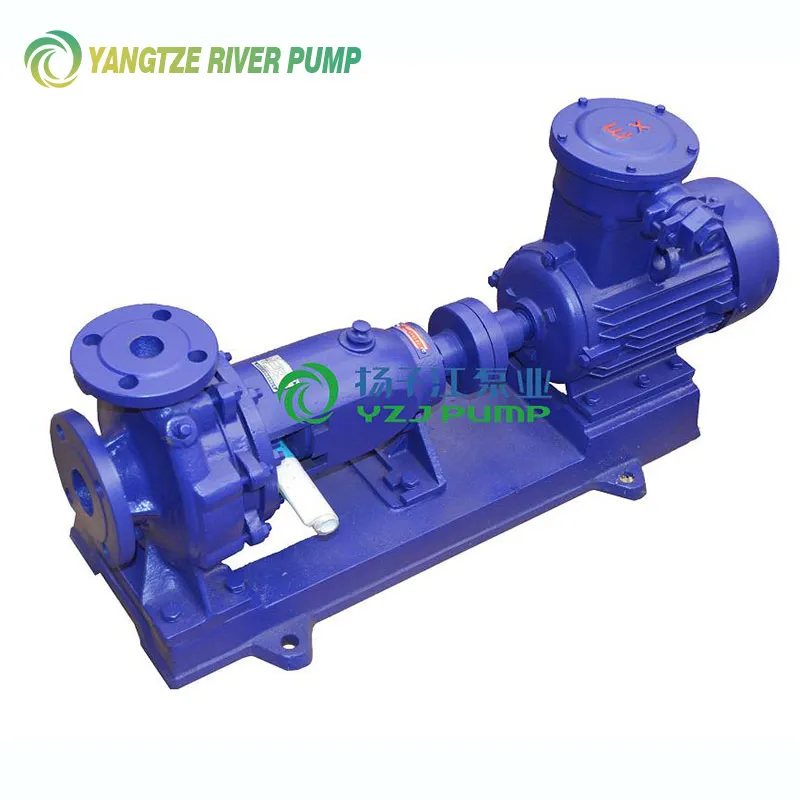
Horizontal single stage centrifugal pumps
So I look at this term - “horizontal single-stage centrifugal pumps?” — and I think how many times have I had to explain to customers that this is not just “basic?” or ?cheap? option. Many, especially at the start of projects, perceive them as something universal and almost trouble-free, like “set it and forget it”. But in reality, each instance requires its own approach, from the choice of material for the flow part to the nuances of the piping. In ourZhejiang Yangzijiang Pumping Industry Co.,LtdThe line of such pumps is one of the most popular, but there are a lot of questions about it. Especially when people try to save on small things like seals or foundations, and then are surprised by vibrations or leaks six months later. I went through this myself.
Design: where the pitfalls lie
If we take the classic scheme - housing, impeller, shaft, bearing units, seal. It would seem nothing complicated. But here, for example, is the material of the case. For water - cast iron, and that's fine. But when it comes to chemically active media, even weak solutions, we already need a stainless alloy or, as we often do, composite materials. On our websiteyangtzeriverpump.ruThis is described in detail in the product section, but customers don’t always get it. Personal experience: there was a project involving pumping warm water with chloride impurities. We installed a standard cast iron body - after 8 months, pockets of corrosion appeared. They changed it to AISI 304 - the problem went away, but the installers had to redo the piping, because the flanges did not match in thickness. A trifle, but time and money.
The impeller is a different story. Blades, their shape, angle of attack. It is often thought that for greater performance you just need to increase the diameter. But then the load on the shaft and bearings increases, and cavitation at the input may occur. You have to balance between parameters. On our production lines in China, this process has been streamlined - each unit is tested on a bench, but even so, during assembly at the site, if the inlet pipeline has a sharp bend in front of the pump, all the hydraulics get confused. I saw this during installation at a logistics center - the pump “swallowed?” air, although according to the passport everything was perfect.
Seals - shaft, flanges. Mechanical mechanical seals (oil seals) are a topic for an entire seminar. They put cheap graphite pairs in aggressive environments - they get a leak and fail within a month. For ourhorizontal single-stage centrifugal pumpsWe usually recommend ceramic or silicon carbide for difficult conditions, but this increases the cost of the design by 15-20%. Clients often save here and then spend three times as much on repairs and downtime. The most striking case was at a textile mill, where there were abrasive fibers in the liquid. The seal “ate away?” in two weeks. We had to switch to an option with flushing from an external source, which required modification of the system.
Installation and piping: theory vs reality
Everything in the passport is beautiful: a flat foundation, straight sections of pipes before and after the pump, perfect alignment. In practice, space is limited, pipelines are already installed with deviations, the foundation is poured “by eye”. I remember a site where installers installed a pump on a frame without properly checking the level - they say, we’ll tighten it up later. The result was vibration, which was transmitted to the entire line, and rapid wear of the angular contact bearings. They took it apart, rearranged it, checked it with a laser level - they lost three days. Now I always insist on the presence of our specialist during the initial installation, especially for powerful models.
Suction trim is critical. The lack of a straight section in front of the inlet flange (at least 5-7 pipe diameters) is a common cause of cavitation and noise. Also, installing a gate valve on the suction line instead of a check valve is a classic mistake that can lead to a “dry” problem. launch. You explain, they nod, and then at the site I see the same valve. It was in a food industry - a pump for syrup. After stopping, the line was drained, and when starting again, the impeller ran “dry” for several seconds. — result: shaft deformation and repair.
The electrical part is also not a small thing. Protection against “dry running”, overcurrent. They often skimp on high-quality frequency converters to regulate performance and install cheap analogues. And then they wonder why the engine overheats or the machine breaks down. In our company, with its full cycle from R&D to testing, each pump is tested with the recommended electrical circuit, but we cannot control what the customer will buy on the spot. We recommend specific brands - sometimes they listen, sometimes they don’t.
Operation in different industries: nuances
Water supply and drainage would seem to be the simplest environment. But there are pitfalls here too. For example, seasonal fluctuations in water temperature or the presence of sand and suspended matter. For such conditions in ourhorizontal single-stage centrifugal pumpsWe strengthen the impeller design (thicker blades) and offer options with wear-resistant inserts. But if the customer buys a ?standard? for clean water and drives drainage water through it - the resource is reduced significantly. I saw a pump that, under such conditions, worked not for 5-7 years, but for less than two.
The chemical industry is already stricter here. The materials of the body, wheel, and shaft must be inert to the environment. Our plastic chemical pump division does just that, but often customers want to use cheaperhorizontal single stage centrifugal pumpsmade of stainless steel for weak acids. This is acceptable, but an accurate analysis of the environment, temperature, and concentration is required. There was a mistake at one of the plants: they pumped a solution with a temperature of about 60°C, but the specification indicated “room temperature”. The material of the sealing rings could not stand it and began to leak. I had to urgently change to Teflon analogues.
Food and pharmaceutical industry - requirements for sanitary standards. Surfaces in contact with the product, polished, CIP-cleanable. Our models for such tasks have a special design - smooth surfaces, quick-release connections. But the cost is appropriate. Many small industries are trying to adapt conventional industrial pumps, which is fraught with risks to the product and problems with inspection authorities.
Service and diagnostics: prevent, not extinguish
The most important point, in my opinion, is not repair, but prevention. Regular monitoring of vibration, bearing temperatures, checking the condition of seals. In ourZhejiang Yangzijiang Pumping Industry Co.,LtdThe service department always insists on drawing up a maintenance schedule for each unit sold. But, alas, only a few follow it. Until it knocks. A classic example: a heating pump. It works seasonally and is idle in the summer. We didn’t carry out preservation - in the spring, during startup, the bearing jammed due to corrosion. The cost of repairs is comparable to half of a new pump.
Diagnosis based on indirect signs - this is not taught at the institute, only experience. By changing the sound of operation, you can determine the onset of cavitation. A small leak around the shaft indicates that the oil seal will soon require replacement. If the housing heats up on the drive side, suspect overload or poor alignment. Many times this saved us from serious damage. At one of the sites for pumping lye, I noticed a slight vibration that was not there before. They stopped it and checked it - it turned out that the fit of the impeller on the shaft had become loose. They tightened the key - and that’s it, the problem was solved in an hour, and not in a week of downtime.
Having spare parts in stock is critical to minimizing downtime. We try to create spare parts packages for specific models, especially for critical applications. But logistics from China, where our main production lines are located, takes time. Therefore, for serialhorizontal single-stage centrifugal pumpsWe recommend purchasing key components (sealing kits, bearings) in advance. This is not a fad, but savings in the long run.
Looking forward: what is changing in approaches
The trend now is towards intellectualization. Vibration and temperature sensors built directly into the pump body, with data output to the control panel. This is no longer the future, but the present for many new projects. Our engineers in the R&D department are actively working on such solutions, integrating them into classic designs. This allows you to switch from planned repairs to repairs based on actual condition, which saves resources.
The materials don't stand still either. New polymers and composites are emerging that are more resistant to wear and chemicals. We test them on our test benches before offering them to customers. For example, for abrasive suspensions, the use of tungsten carbide for surfacing impeller blades looks promising. Expensive, but the service life increases several times.
And yet, despite all the innovations, the basic principles of reliable operationhorizontal single-stage centrifugal pumpsremain unchanged: competent selection for the task, high-quality installation, careful operation. Without this, even the most advanced unit will become a source of problems. And this is, perhaps, the main thing that I learned from my experience working with this seemingly simple and long-known technique. It requires respect for detail.
Correspondingproducts
Related Products
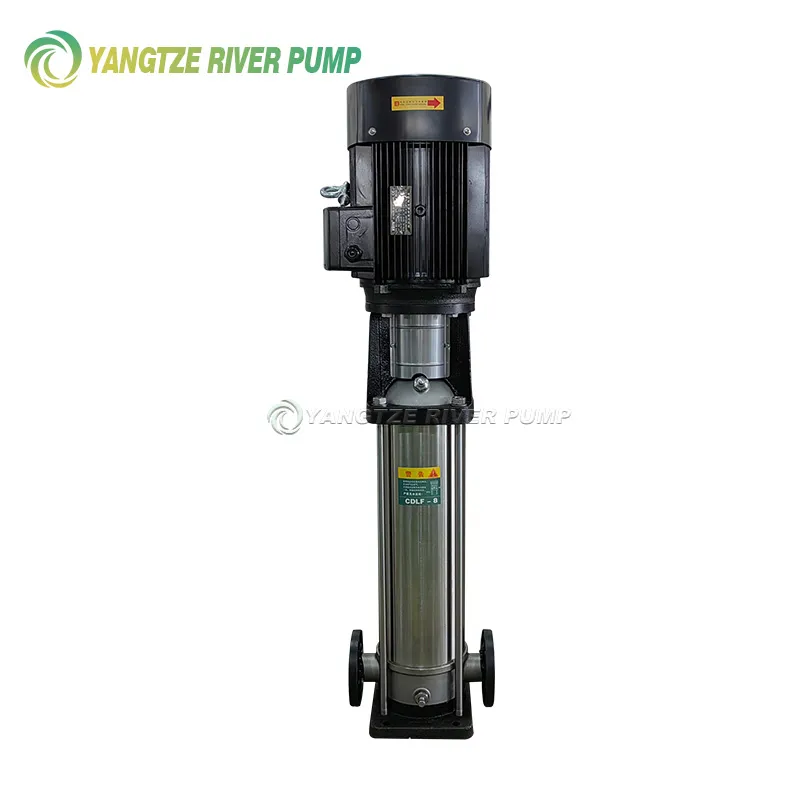

Best Sellingproducts
Best Selling Products-
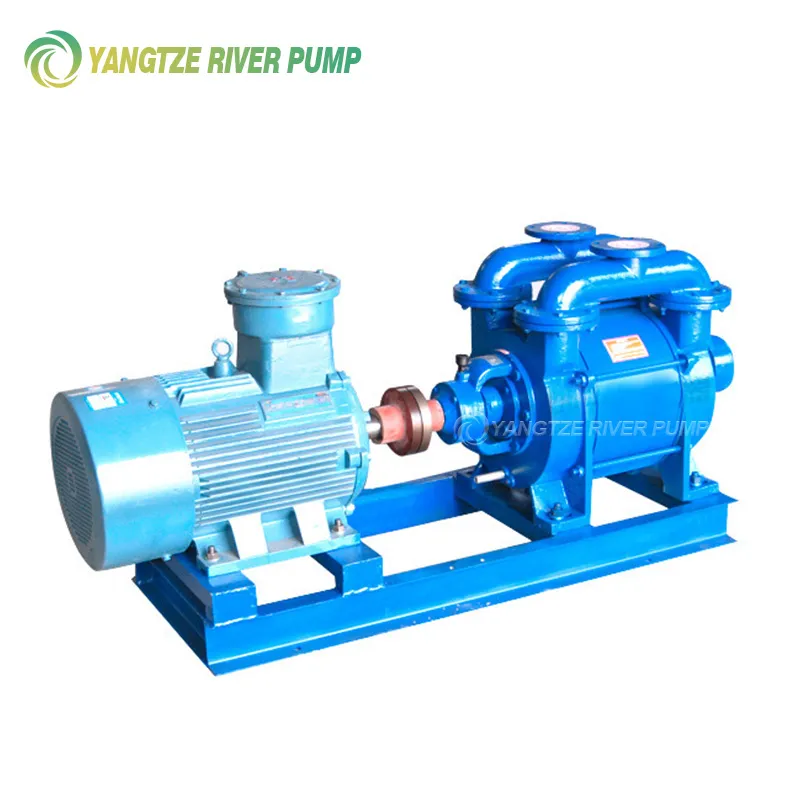 Liquid ring vacuum pumps type SK
-
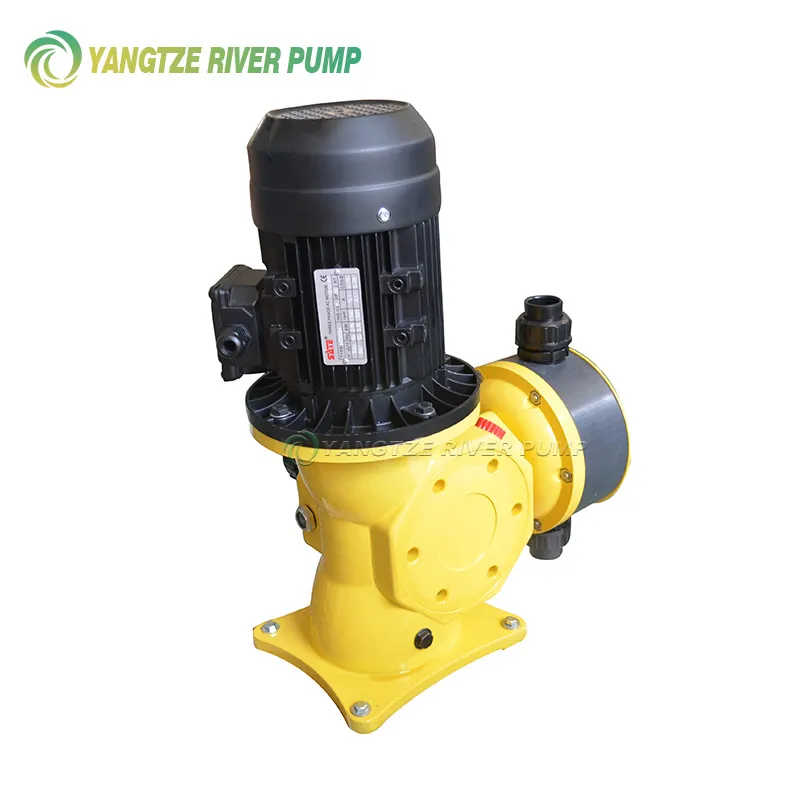 Mechanical diaphragm dosing pumps DJ-D
-
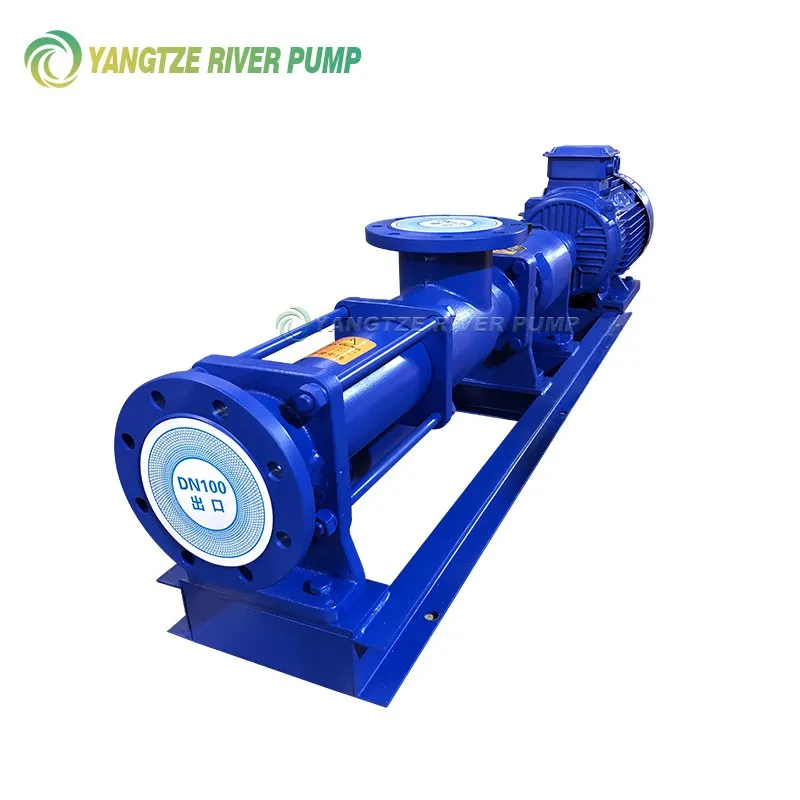 Single screw pumps type G
-
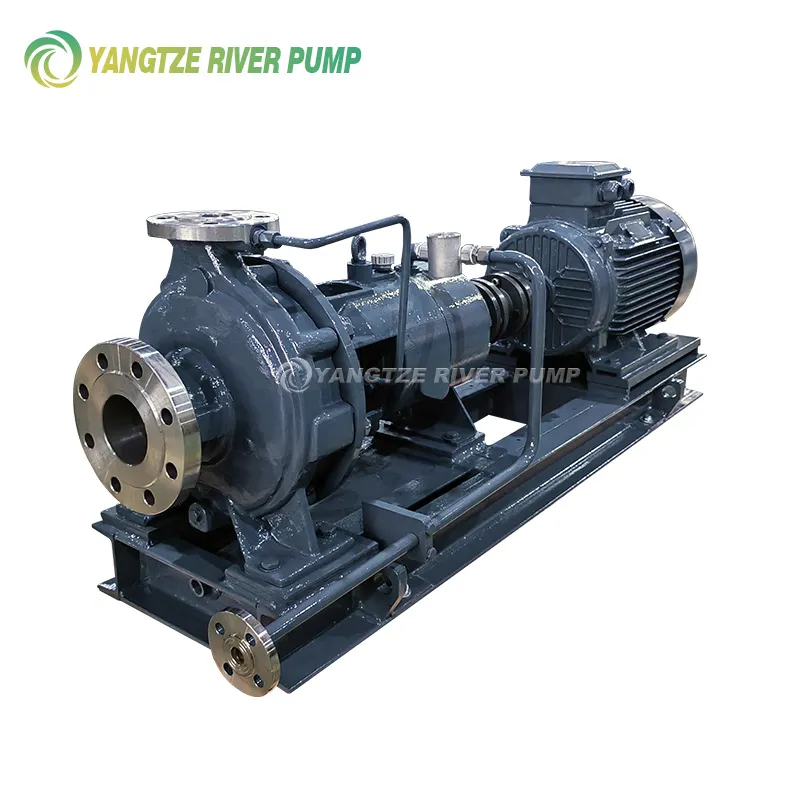 Petrochemical Process Pumps API 610 YZA
-
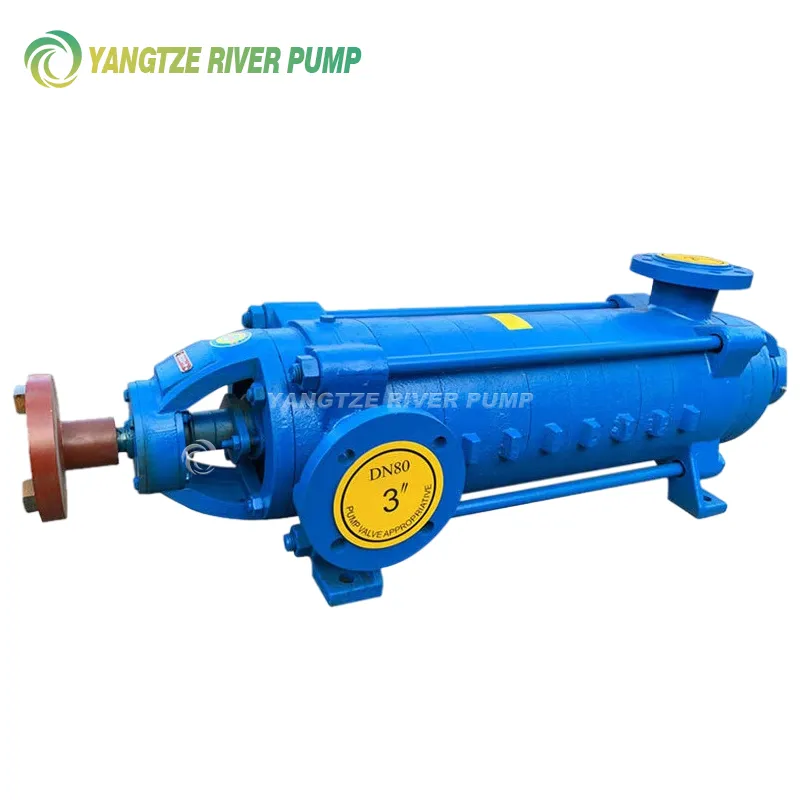 Horizontal multistage pumps for feeding DC boilers
-
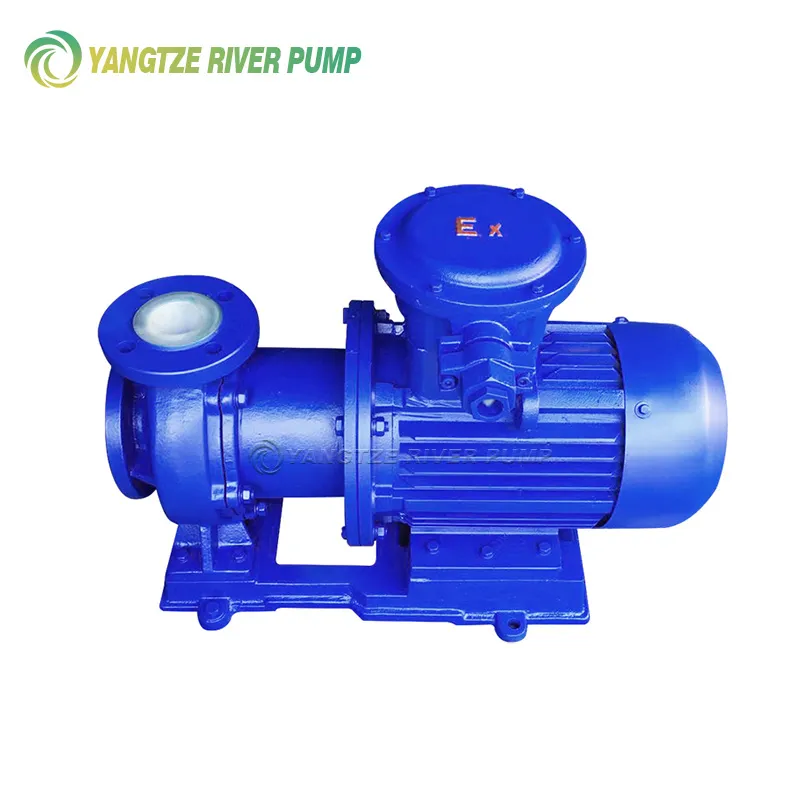 Magnetic pumps with fluoroplastic lining CQB-F
-
 YCB Type Circular Gear Pumps
-
 Diesel pumps with horizontal connector YZS and YZSH
-
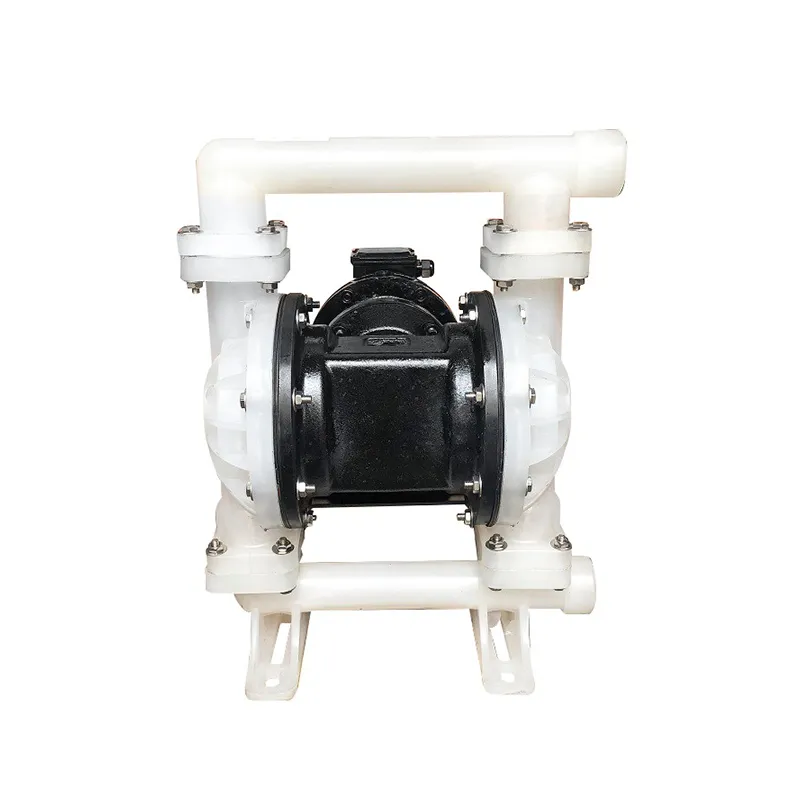 DBY Non-Metallic Electric Diaphragm Pumps
-
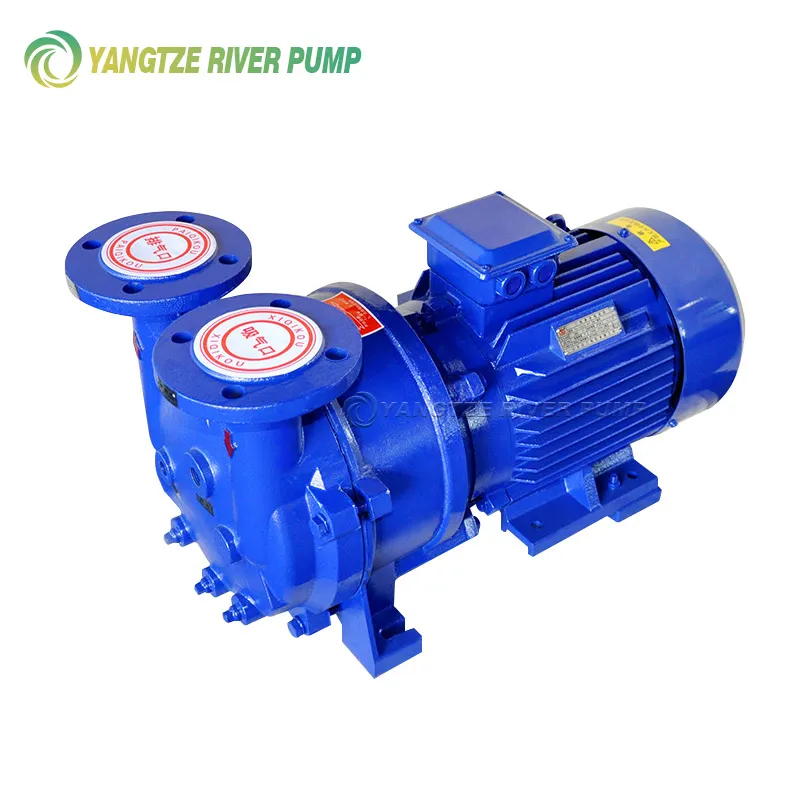 Liquid ring vacuum pumps type SKA and 2BV
-
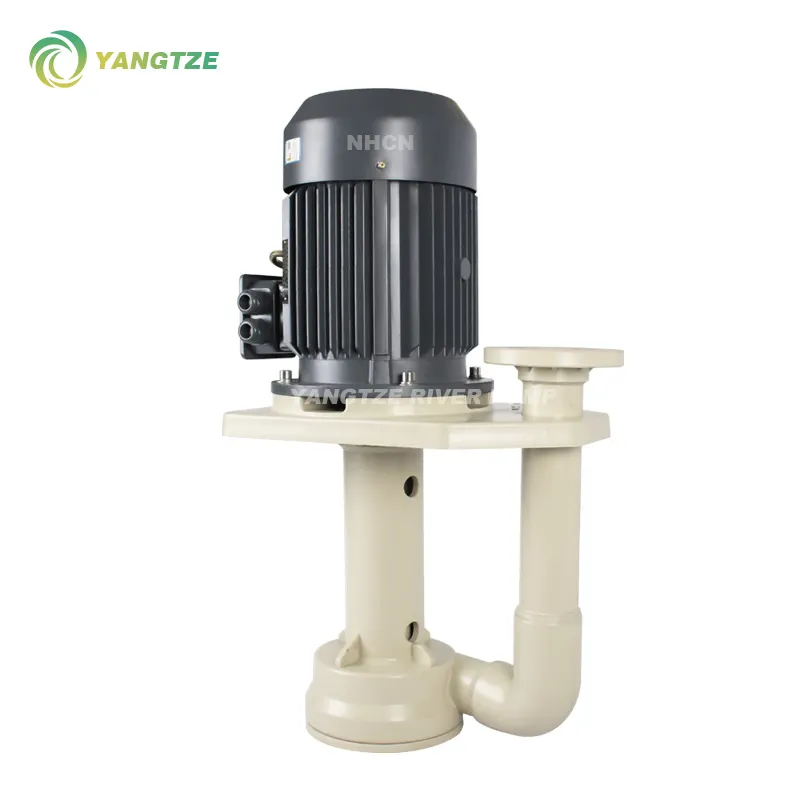 Vertical pumps for installation inside/outside tanks YZCN and YZCW
-
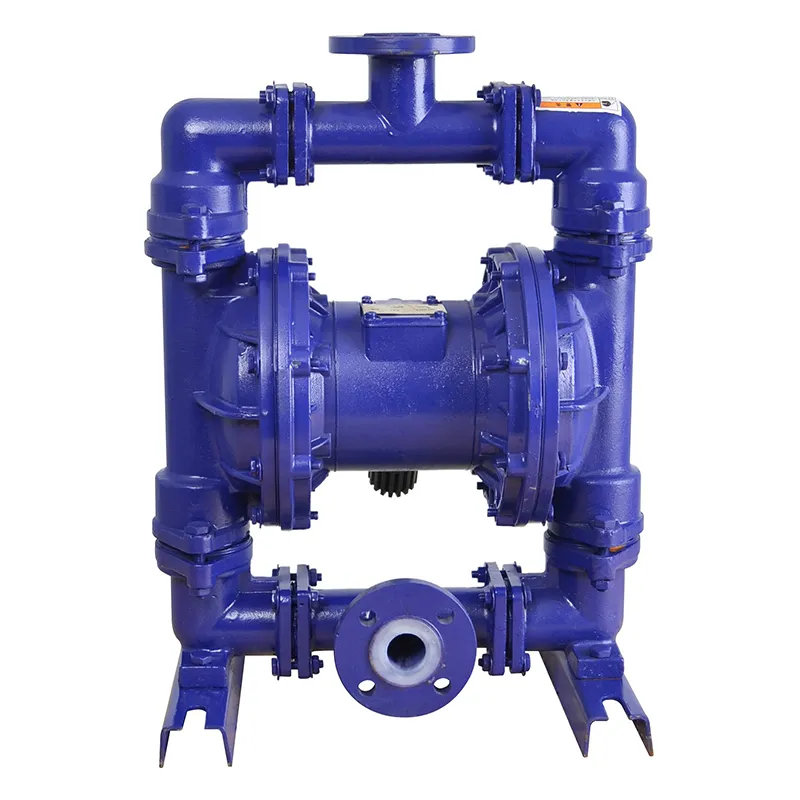 Metal pneumatic diaphragm pumps QBK