







6 inch deep well pump
When you hear “6 inch deep well pump”, the first thing that comes to mind is, of course, the diameter. But if you've worked with them in the field, you know that this figure is just the beginning of the story. Many people, especially those who are just purchasing equipment, think that the main thing is compliance with the well. But in fact, selection by diameter is at least a third of the success; the rest is the design, materials, and that very “motor” that is hidden inside. A common mistake is to choose a pump only for the size of the casing pipe, forgetting about the flow rate, sand, and possible bends of the trunk. I went through this myself.
What's behind those six inches?
So, 6 inches is approximately 150 mm. Seems like a lot of space. But when you start disassembling the unit from, say, YangtzeRiver Pump, you realize that the space is filled wisely. We are not talking about a simple pipe with an impeller. Inside there is a multi-stage sectional design. Each stage has its own efficiency, its own pressure. The more there are, the higher the pressure, but also the more sensitive the pump is to water quality. For sand wells, it is sometimes wiser to choose a model with fewer stages, but with reinforced bearings and impellers made of composite materials. At our production site inZhejiang Yangzijiang Pumping Industry Co.,LtdThey are just following the path of variability: one basic platform is 6 inches, and there are already different “fillings” for it. - for clean water, for water with abrasive, for high temperatures.
The material of the flow part is a separate story. Stainless steel 304 is the standard, but for aggressive environments or sea water you already need 316L or even duplex. I saw how a pump made of ordinary stainless steel in a well with a high content of chlorides became covered with corrosion points over the course of a season. After this, I insist on a chemical analysis of the water before selecting it. On our websiteyangtzeriverpump.ruin the submersible pumps section it is emphasized that we can select or manufacture a model for specific environmental parameters. This is not marketing, this is a necessity.
And one more thing - the cable. It would seem like a small thing. But poor-quality insulation, incorrectly selected cross-section for the length of the line - and the voltage drop is such that the pump either will not start or will burn out. I always advise clients to reserve cable power and take moisture-resistant versions with a water seal. A small thing that saves you from major downtime.
Field testing: where theory meets reality
I remember one project in the Lipetsk region. The well is 120 meters long, the casing is just 6 inches, the water seems to be clean. Installed standard6 inch deep well pumpQS series. I worked for two weeks and started ?consumer? complain about a drop in pressure. They pulled out - and on the entrance grate and the first steps - dense silt, which was not there during testing. It turned out that the well was under-pumped after drilling, and fine sediment began to flow. I had to flush the well and install a pump with an upper water intake and wider flow channels. Conclusion: even water analysis will not always show potential mechanical impurities. You need to know the history of the well.
Here is a successful case with a farm in the Krasnodar region. We needed a pump for irrigation from a deep well with a high static level. Not only high consumption was important, but also efficiency. We selected a multi-stage model 150QJ. The client initially doubted the reliability of the ?Chinese? pump, but when he explained that we have a full cycle - from R&D to bench testing, and showed test reports for pressure and efficiency, he agreed. It has already been working flawlessly for three years, even taking into account seasonal continuous operation.
There were failures too. There was an attempt to use a standard 6-inch pump in a well with a slight bend in the barrel. The pump passed, but during operation, due to vibration, it began to hit the casing. The sound was terrible. I had to urgently lift it. Now, for such cases, we have in our assortment lines with shortened sections or reinforced casings that better withstand such loads. Experience bought by problems.
Service and pitfalls installation
The biggest headache is not the pumps themselves, but their incorrect installation. It would seem that there are instructions. But no: they don’t use a stainless steel cable, but hang it on ordinary steel, which rusts and breaks. Then they don’t install a check valve, and every time the pump is turned off, it experiences water hammer and the bearings suffer. We are inZhejiang Yangzijiang Co.,Ltdthey even started making video instructions on tying and lowering, because it’s one thing to sell, and another thing to ensure that the equipment serves its useful life.
Another nuance is protection against “dry running”. People often save on level relays or frequency converters with this function. And then the pump, exposed to air, overheats and jams. This is especially critical for wells with low flow rates. For our pumps, we always offer comprehensive solutions with automation, because a pump is a system, not a separate unit.
Spare parts. It is important that they can be obtained promptly. Thanks to our own production, this issue is resolved faster. No need to wait for a container from overseas. For the client, this is often a deciding factor, especially when water is a life-sustaining issue and not just watering.
Technology evolution: where the market is heading
Now the trend is towards “smart” pumps. Not just an engine with hydraulics, but a system with sensors for temperature, vibration, and current consumption. This allows you to predict breakdowns. In our new lines, for example, for industrial applications, we are already introducing the possibility of connecting such sensors. This is no longer the future, but the present for critical objects.
Energy efficiency. New motor windings, optimized flow path hydraulics - all this allows you to squeeze out additional percentages of efficiency. For a pump that has been running for years, even 5% savings is a huge amount of energy costs. Our engineers are constantly testing new blade and channel shapes on test benches that we have at our disposal as part of the complete production cycle.
Another observation is that the demand for specialized solutions is growing. Not just6 inch deep well pump, and a pump for geothermal circuits, for the extraction of brines, for fire extinguishing systems. Each task has its own requirements for materials and tolerances. There are fewer universal solutions.
Instead of a conclusion: personal opinion
Having worked with submersible pumps for so many years, I came to the conclusion that the magic is not in the technology itself, which is generally known. The magic is in the details and understanding the context. The same 6-inch pump can be both a problem child and a trouble-free workhorse. It all depends on how accurately it is selected for the conditions, how well it is assembled and installed.
Therefore, when people come to me for advice, I always ask for maximum data on the well and targets. And I’m not ashamed to say: “For your conditions, this standard model from our website will not work, let’s look at a custom version or another series?” Honesty is more valuable in the long run than a quick sale.
And yes, looking at the range that we produce - from centrifugal to screw and diaphragm - I understand thatdeep well pumpis just one tool in a large arsenal. The main thing is to apply it correctly. And for this you need not only to know the pumps, but also to understand the water, the well and the tasks of the person who presses the “start” button. Everything else is technical details, which, however, make this work interesting.
Correspondingproducts
Related Products



Best Sellingproducts
Best Selling Products-
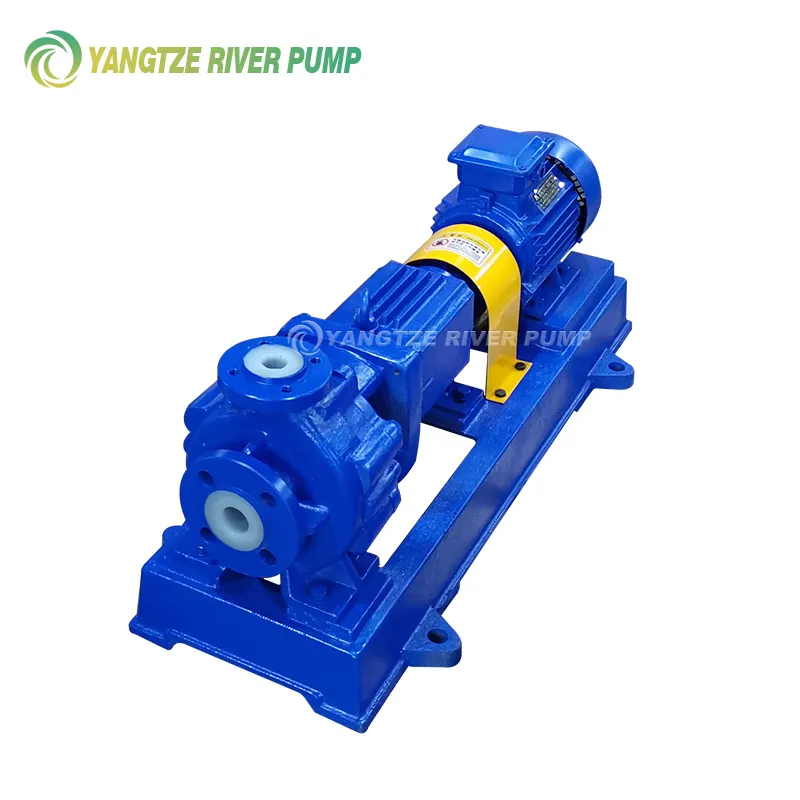
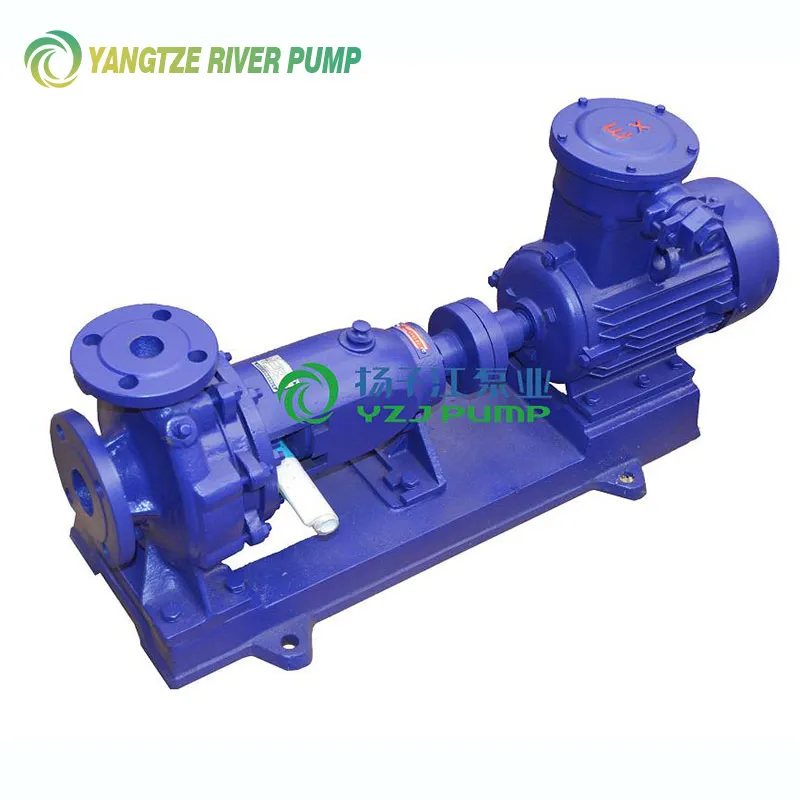 Horizontal chemical centrifugal pumps types IS and IR
-
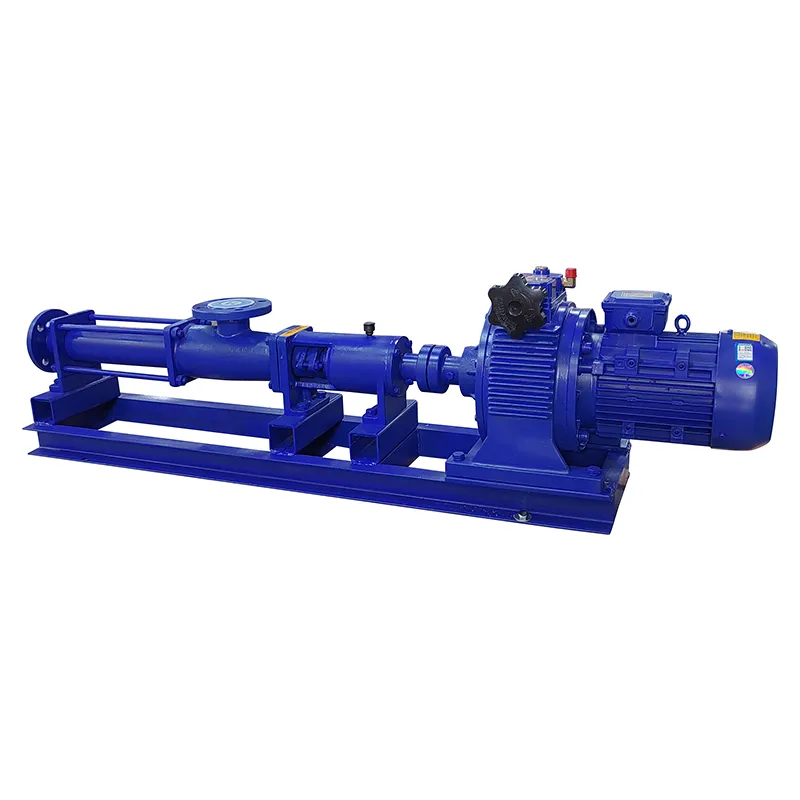
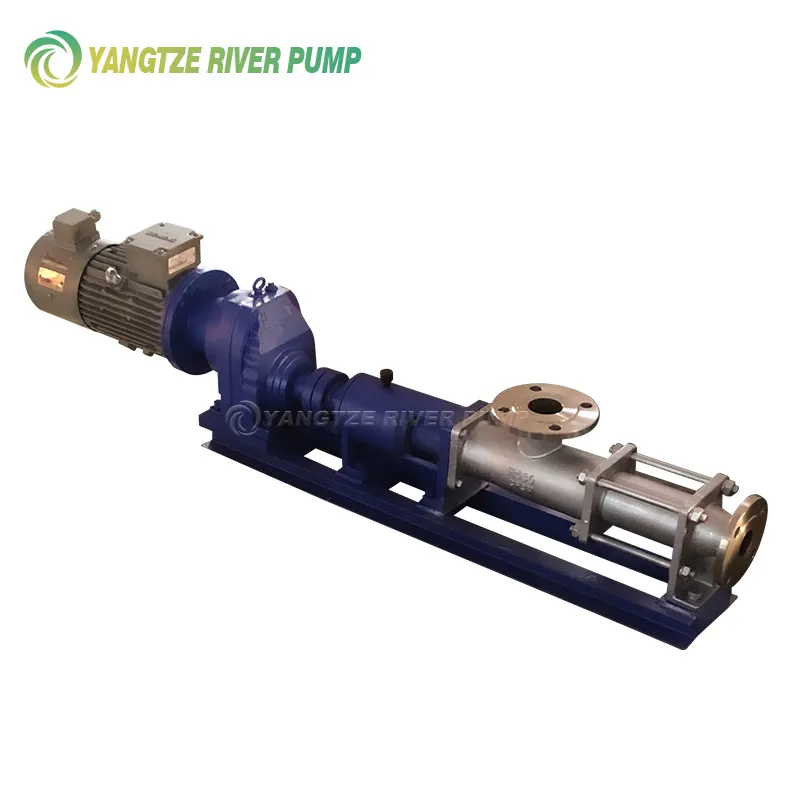 Geared screw pumps type G
-
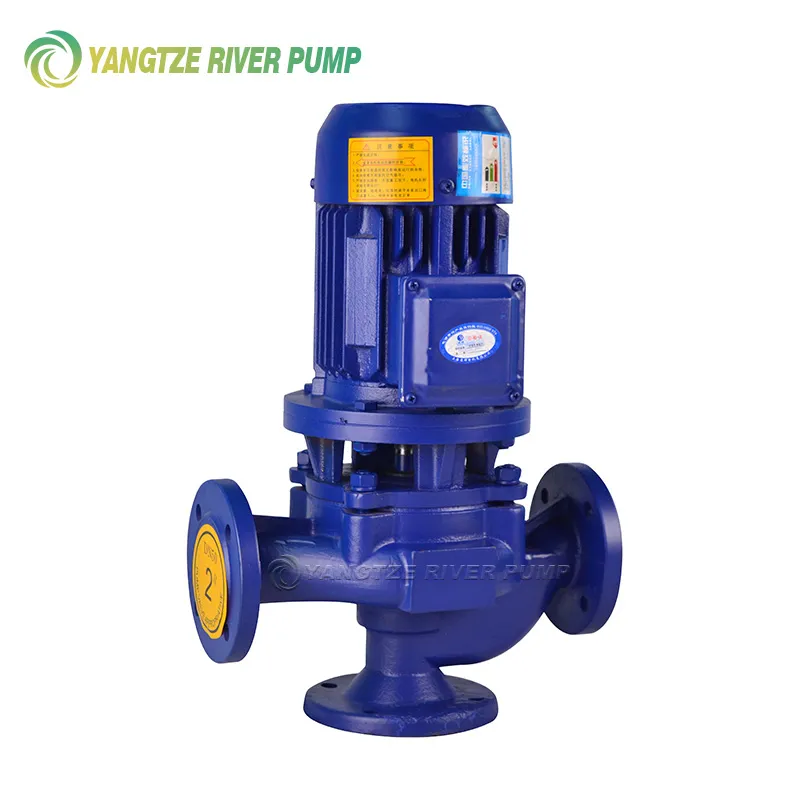 Pipeline wastewater pumps GW
-
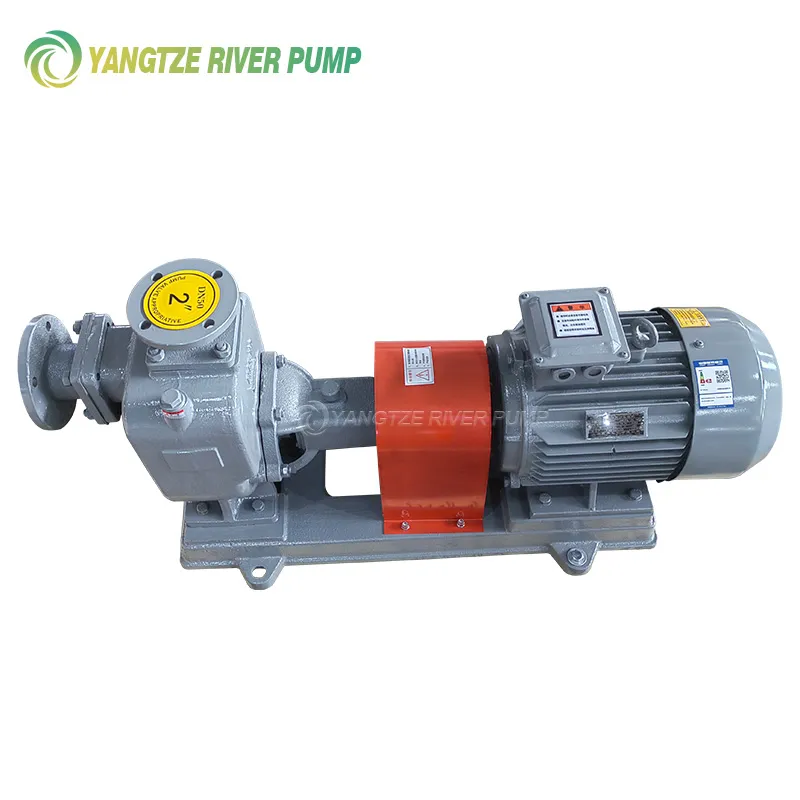 Non-clogging self-priming wastewater pumps ZW
-
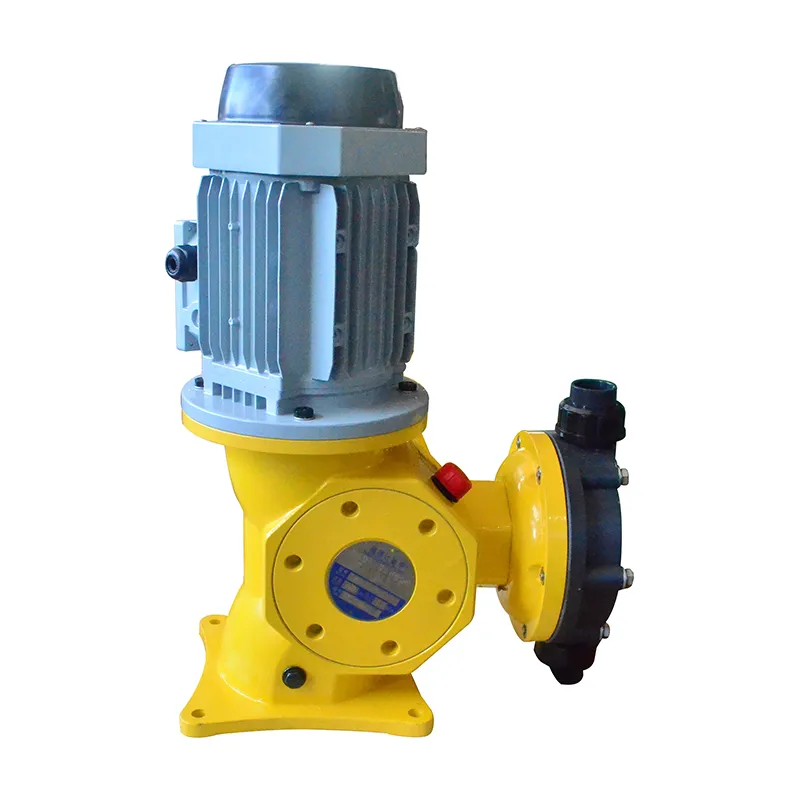 Mechanical diaphragm dosing pumps DJ-Z
-
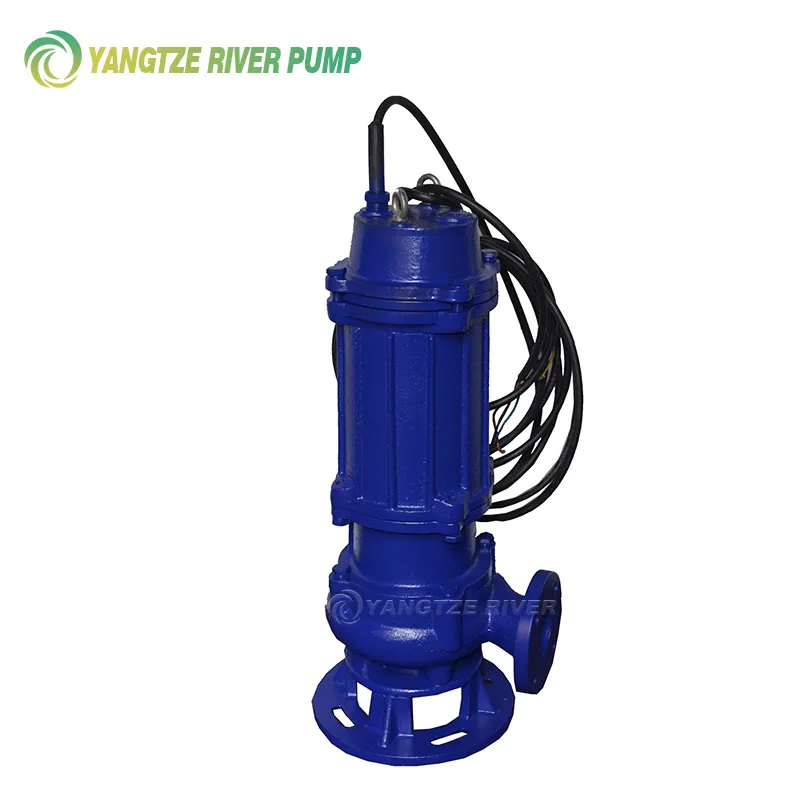 QW Non-clogging Submersible Sewage Pumps
-
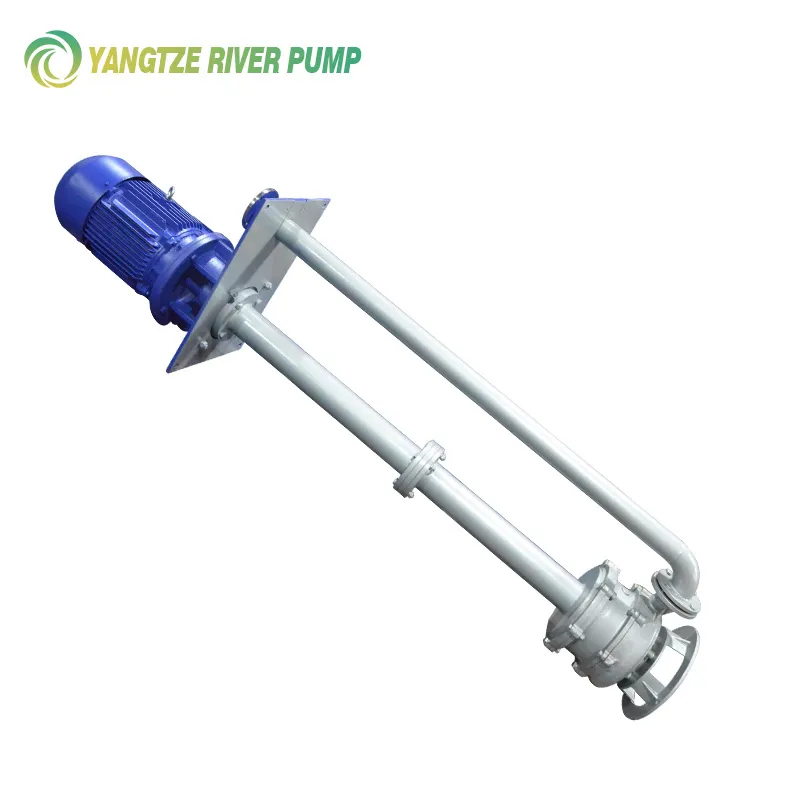 YW Vertical Submersible Sewage Pumps
-
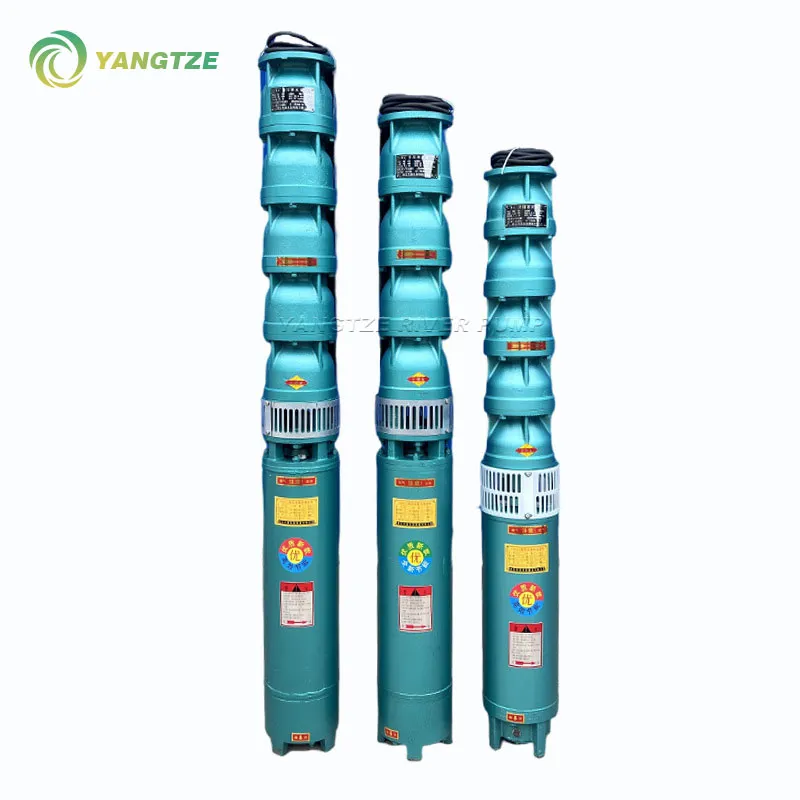 QJ type borehole pumps
-
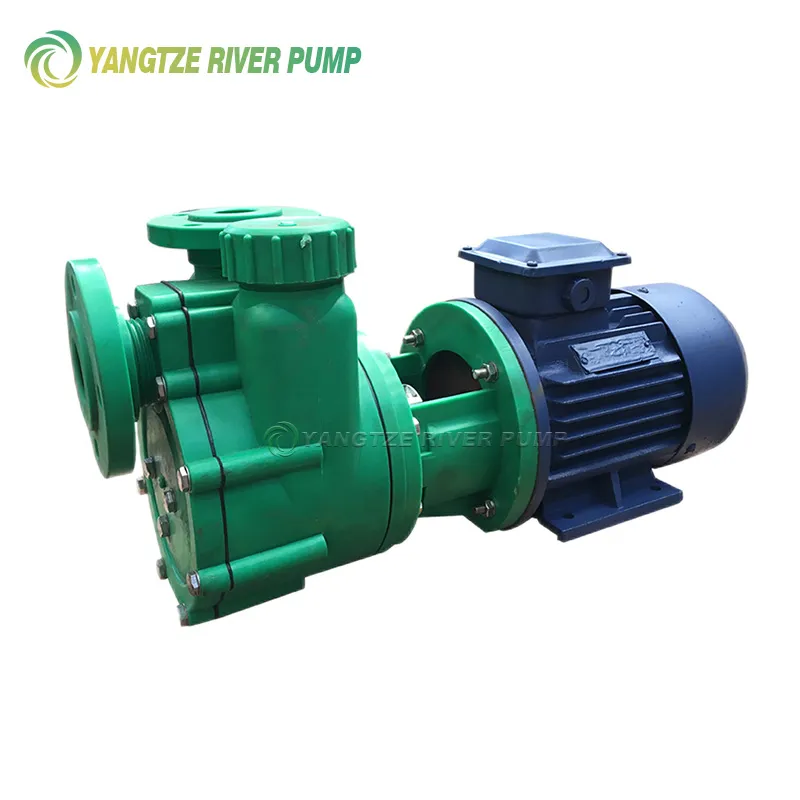 Plastic self-priming centrifugal pumps FP and FS
-
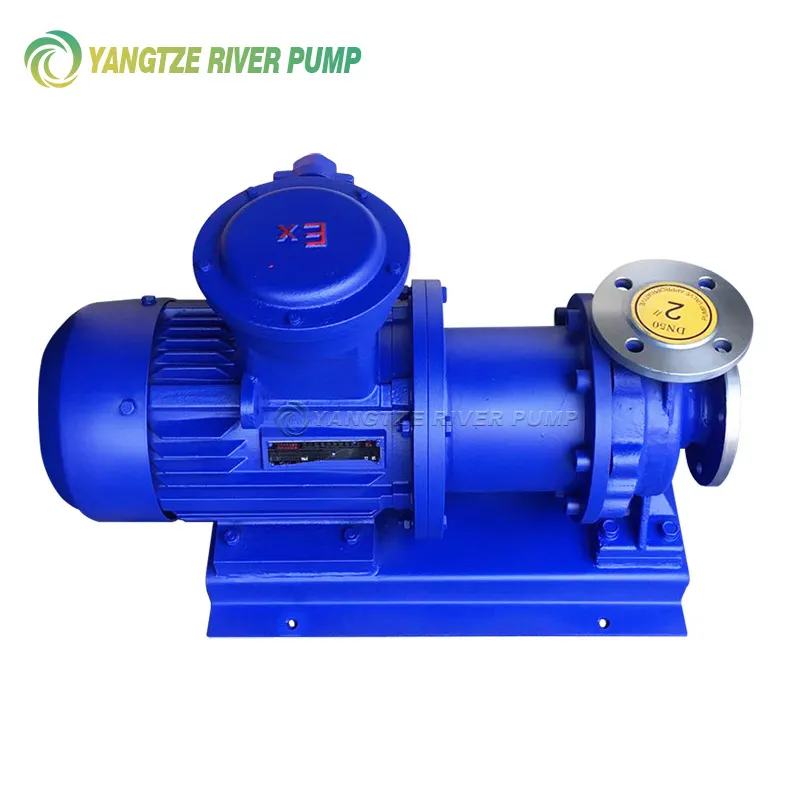 CQB Stainless Steel Magnetic Pumps
-
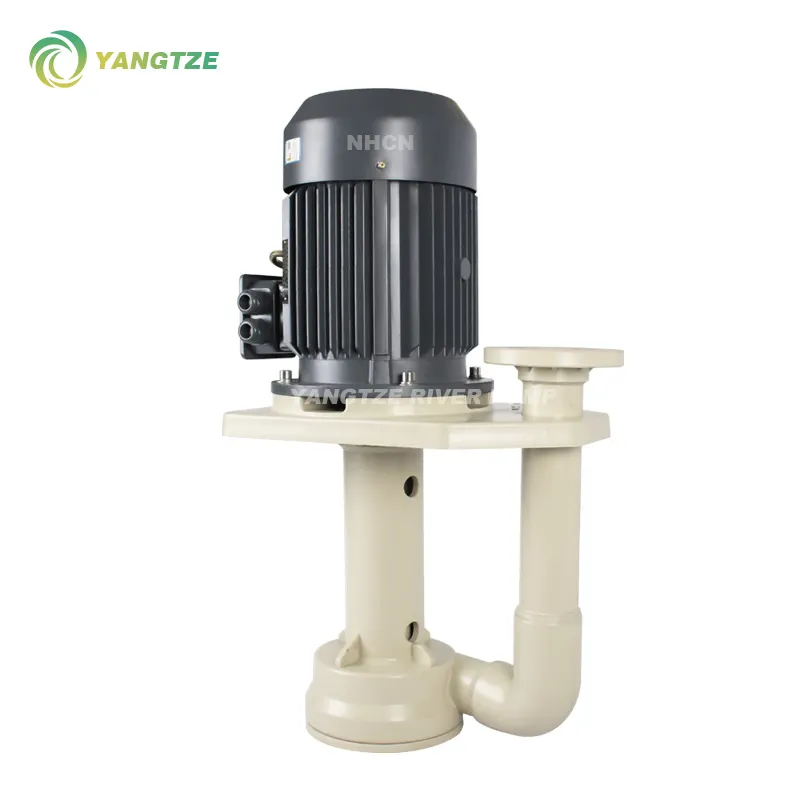 Vertical pumps for installation inside/outside tanks YZCN and YZCW
-
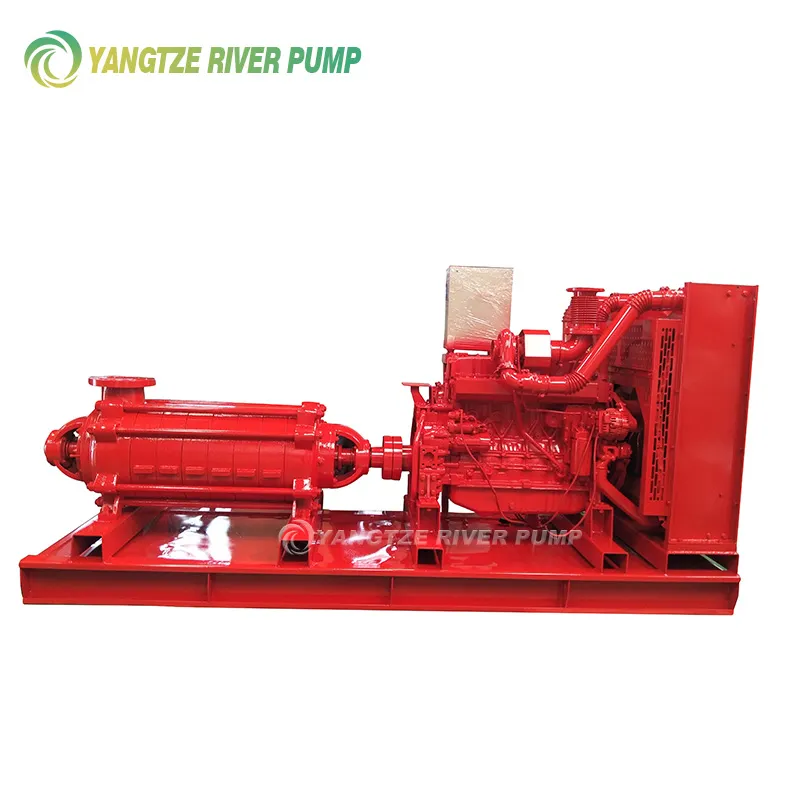 YZD Series Diesel Multistage Centrifugal Pumps