









-

Sanitary screw pumps type GF
-
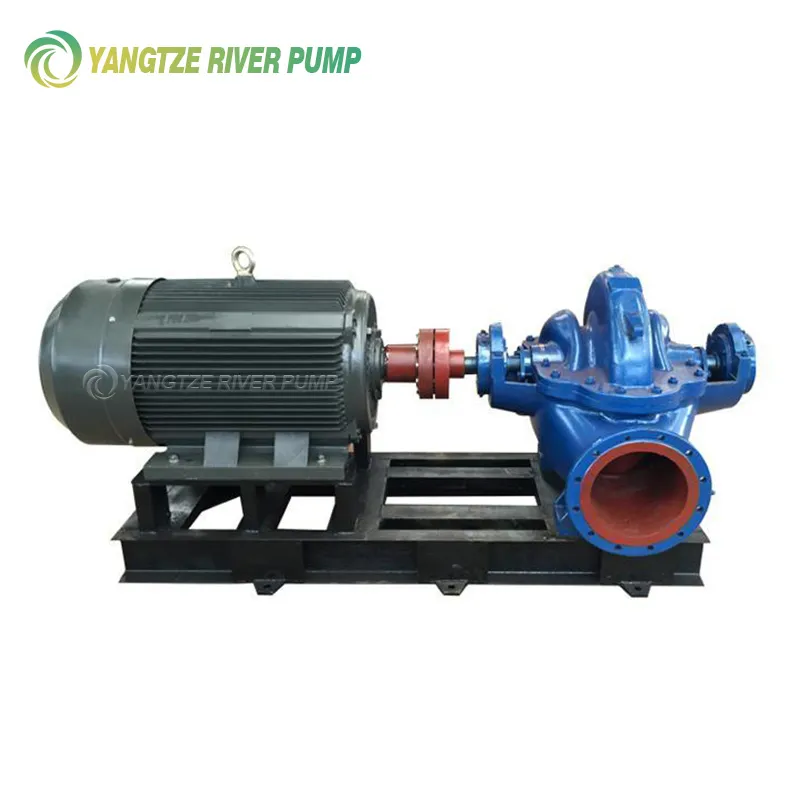
Single Stage Double Entry Centrifugal Pumps Type S
-

Metal pneumatic diaphragm pumps QBK
-

Non-clogging self-priming wastewater pumps ZW
-
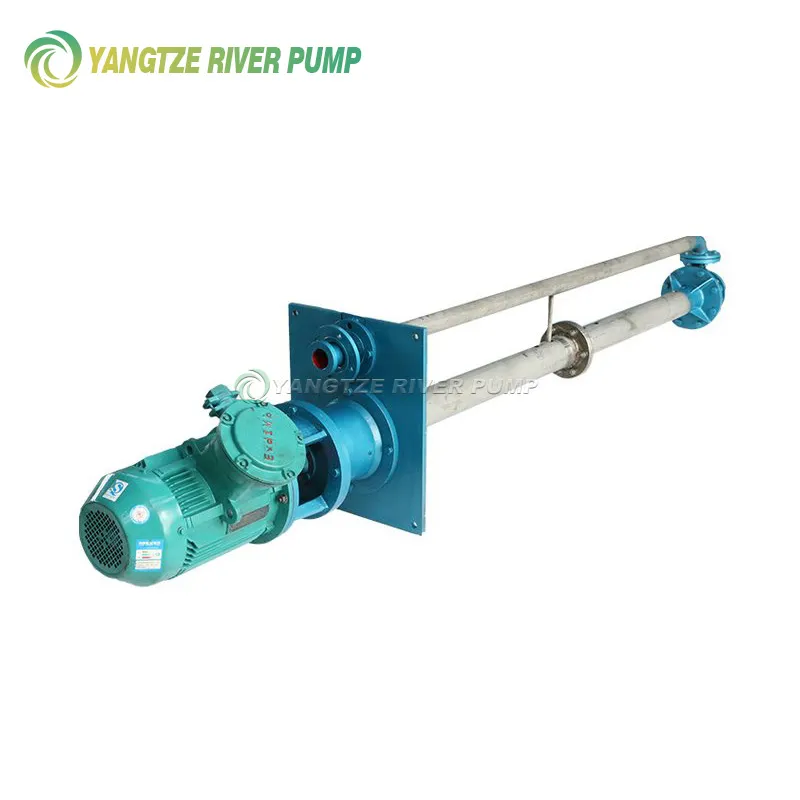
FY Submersible Chemical Pumps
-
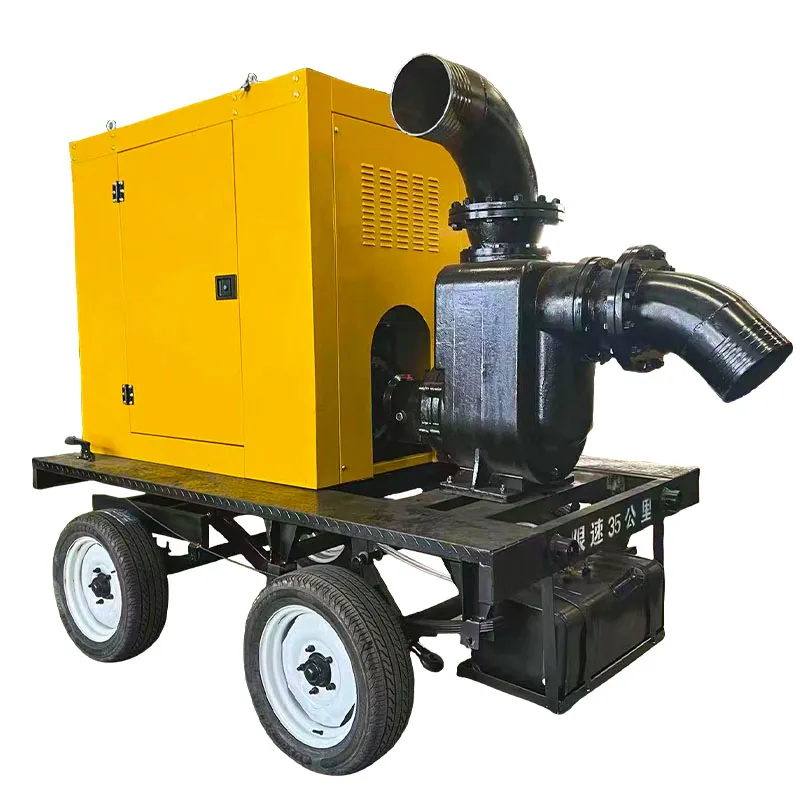
YZZW Diesel self-priming pumps
-
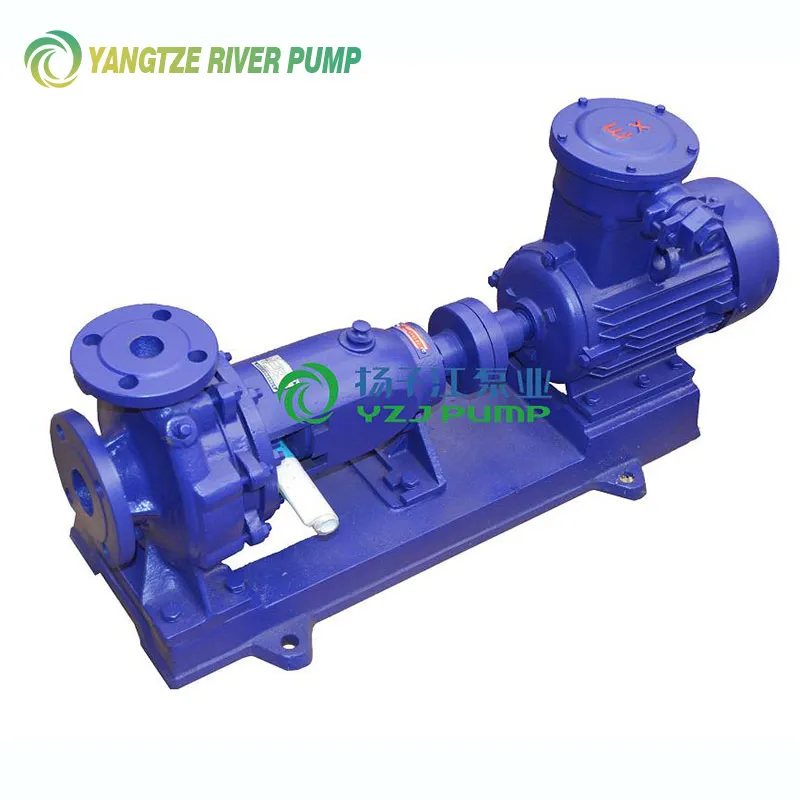
Horizontal chemical centrifugal pumps types IS and IR
-

Horizontal multistage centrifugal pumps type D
-
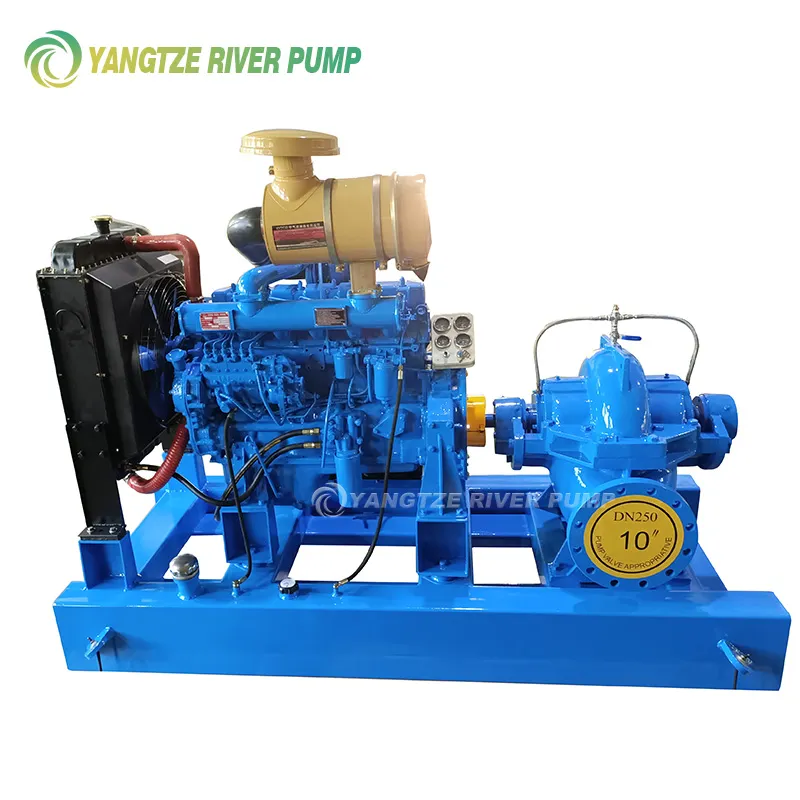
Diesel pumps with horizontal connector YZS and YZSH
-
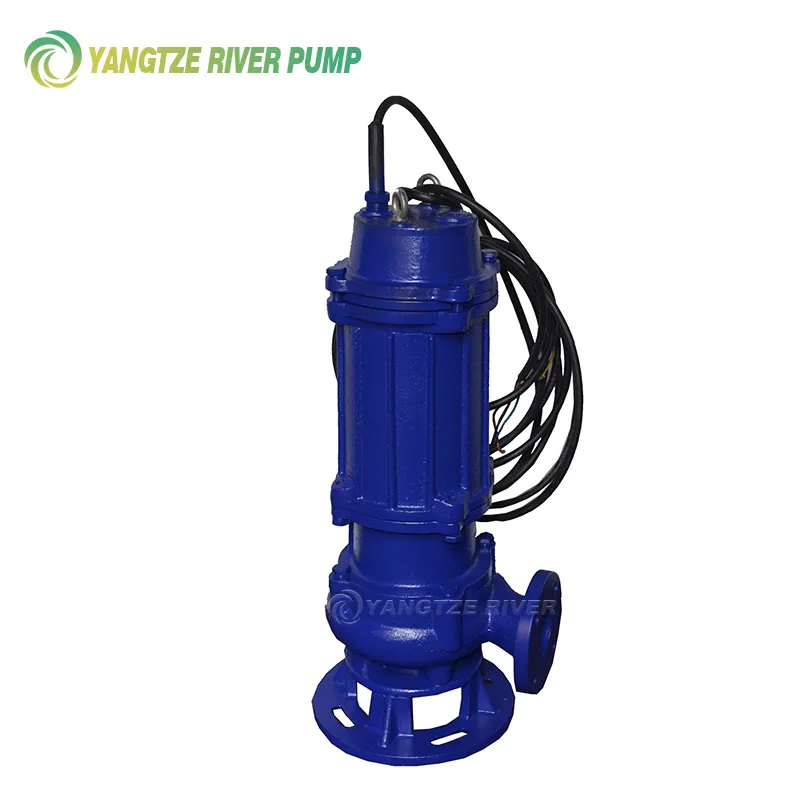
QW Non-clogging Submersible Sewage Pumps
-
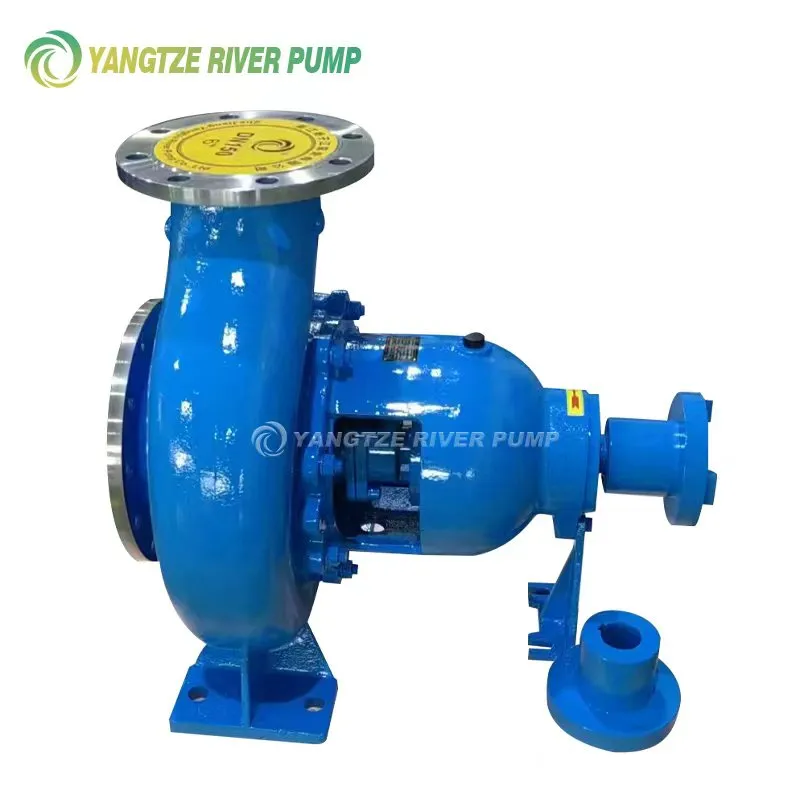
IH Stainless Steel Chemical Centrifugal Pumps
-
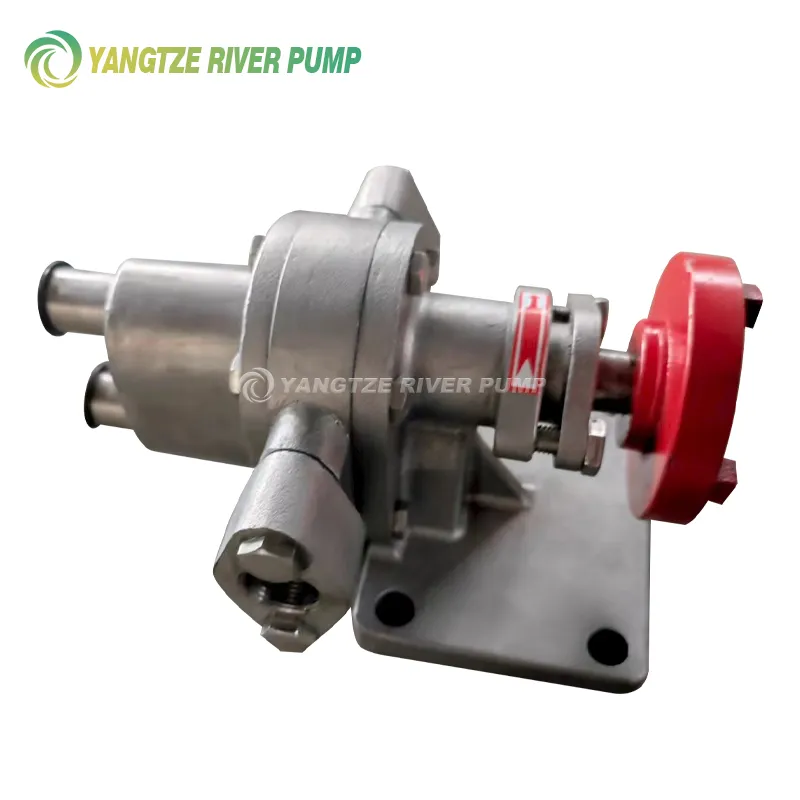
Gear oil pumps type KCB
-

YCZ Chemical Process Pumps
-
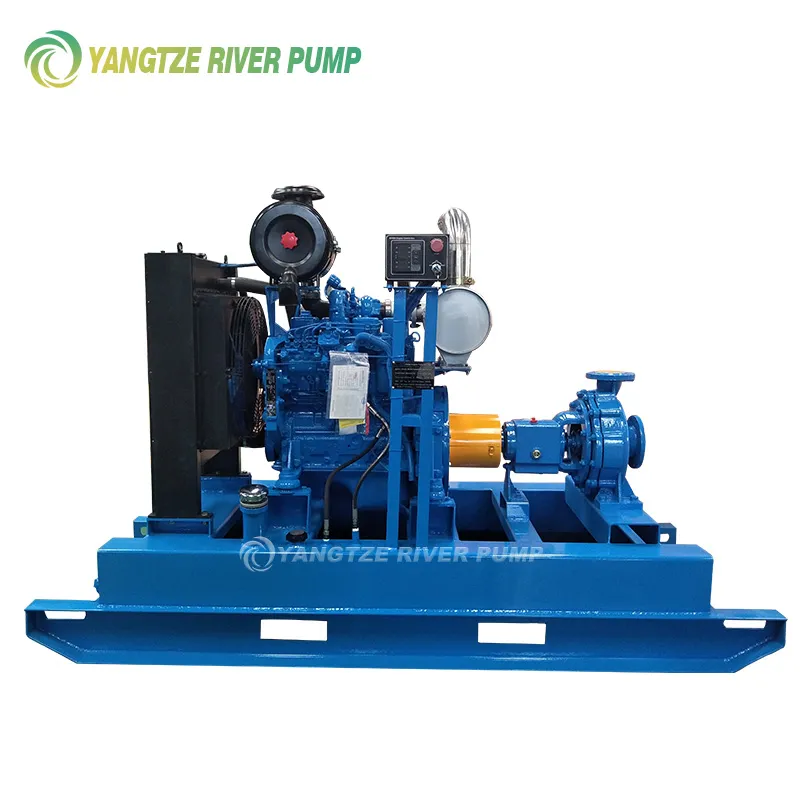
YZIS Diesel Single Stage Centrifugal Pumps
-
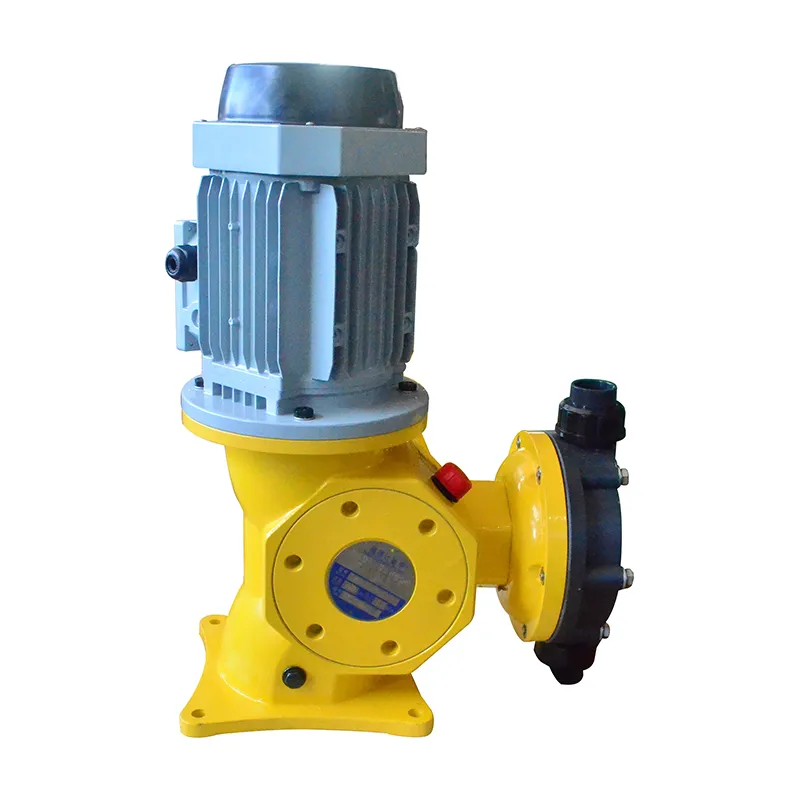
Mechanical diaphragm dosing pumps DJ-Z
-

YW Vertical Submersible Sewage Pumps
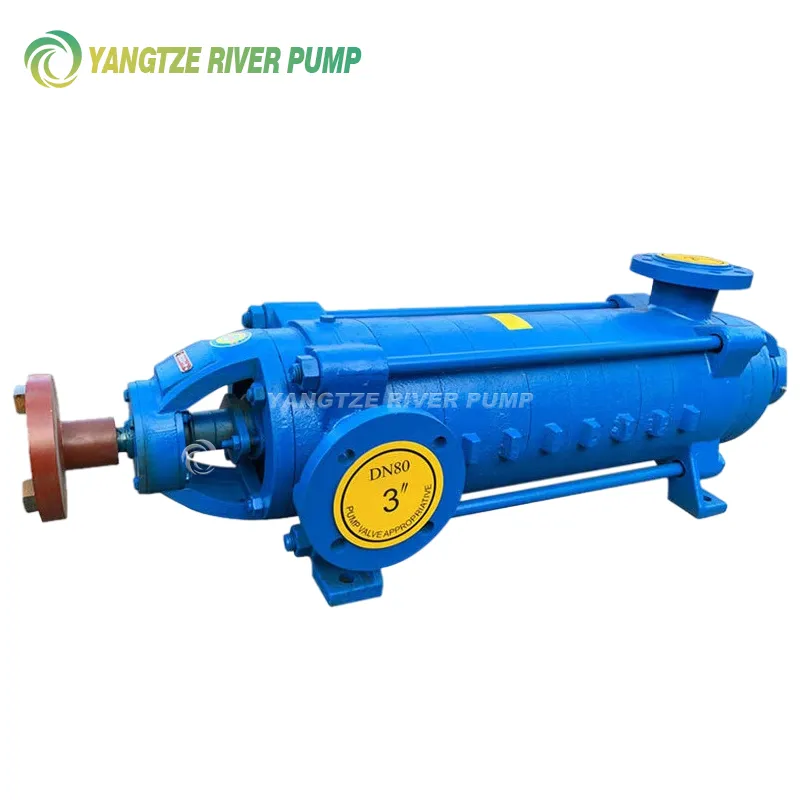


Horizontal multistage pumps for feeding DC boilers
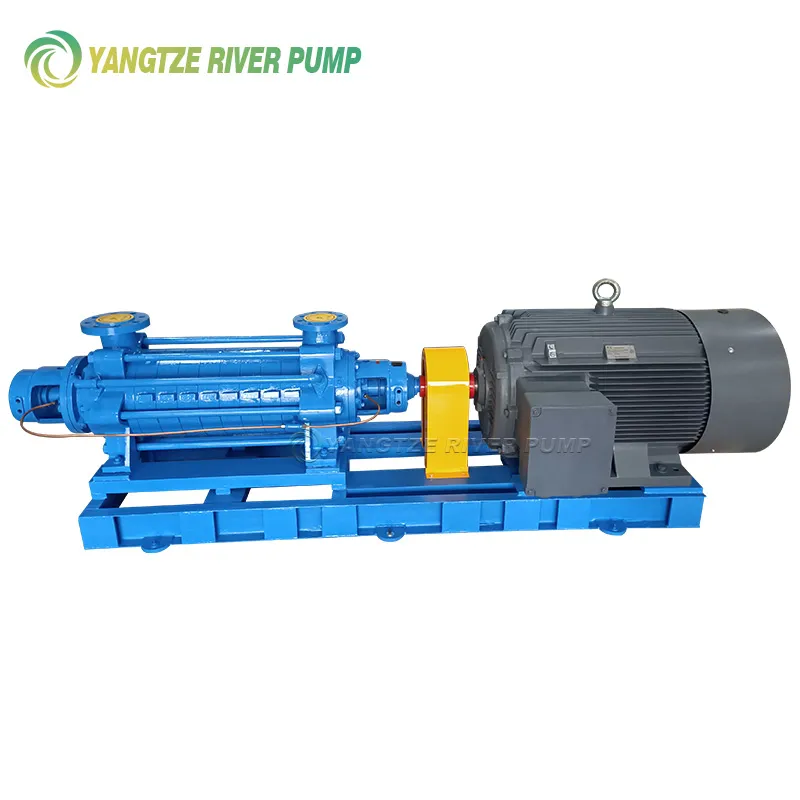
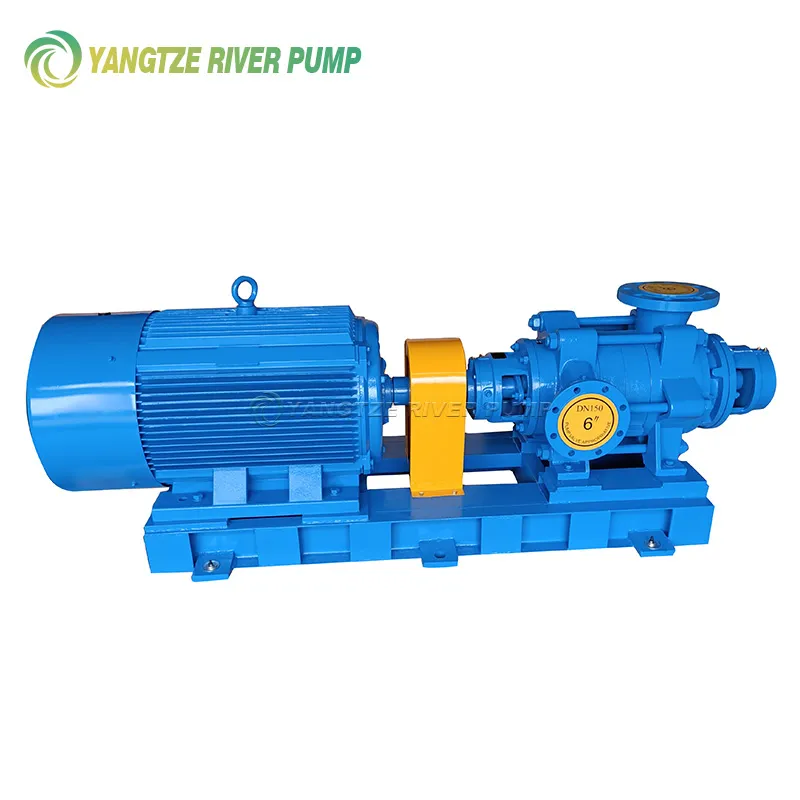
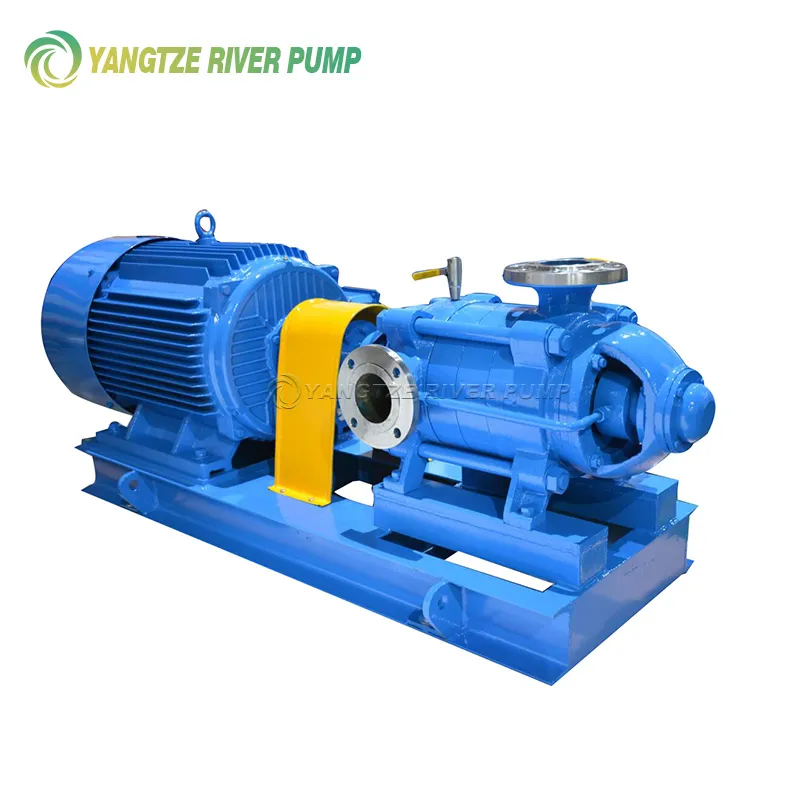
The GC series of multi-stage boiler feed pumps are horizontal, single-stage suction, multi-stage sectional centrifugal pumps designed and optimized using computer technology. They have high efficiency, a wide range of performance characteristics, safe and stable operation, low noise, long service life, ease of installation and maintenance.
Description
marker
Product Description
The GC series of multi-stage boiler feed pumps are horizontal, single-stage suction, multi-stage sectional centrifugal pumps designed and optimized using computer technology. They have high efficiency, a wide range of performance characteristics, safe and stable operation, low noise, long service life, ease of installation and maintenance. Designed for pumping clean water with temperatures below 104°C or other non-corrosive liquids whose physico-chemical properties are similar to water.
Operating conditions
- Advanced hydraulic model, high efficiency, wide performance range. The pump runs smoothly with low noise.
- The mechanical shaft seal is made in the form of a soft stuffing box or mechanical seal, which ensures reliable sealing, simple structure and easy maintenance.
- The shaft has a fully protected design, which guarantees no contact with the environment, prevents corrosion and ensures a long service life.
Scope of application
Suitable for industrial and municipal water supply and drainage, pressurization of water supply to high-rise buildings, irrigation of parks and gardens, pressurization of fire extinguishing systems, long-distance pumping, heating, pressurization of hot and cold water circulation systems in bathrooms and related equipment, especially suitable for supplying water to small boilers.
Performance Options
| Model | Number of steps | Flow (m³/h) | Head (m) | Speed (rpm) | Efficiency (%) | Power (kW) | |
| Shaft power | Engine power | ||||||
| 1.5GC-5 | 2 | 6 | 46 | 2900 | 38 | 2 | 3 |
| 3 | 69 | 2900 | 38 | 3 | 4 | ||
| 4 | 92 | 2900 | 38 | 4 | 5.5 | ||
| 5 | 115 | 2900 | 38 | 5 | 7.5 | ||
| 6 | 138 | 2900 | 38 | 6 | 7.5 | ||
| 7 | 161 | 2900 | 38 | 7 | 7.5 | ||
| 8 | 184 | 2900 | 38 | 8 | 11 | ||
| 9 | 207 | 2900 | 38 | 9 | 15 | ||
| 2GC-5 | 2 | 10 | 64 | 2900 | 39.6 | 4.4 | 7.5 |
| 3 | 96 | 2900 | 39.6 | 6.6 | 11 | ||
| 4 | 128 | 2900 | 39.6 | 8.8 | 15 | ||
| 5 | 160 | 2900 | 39.6 | 11 | 15 | ||
| 6 | 192 | 2900 | 39.6 | 13.2 | 18.5 | ||
| 7 | 224 | 2900 | 39.6 | 15.4 | 22 | ||
| 8 | 256 | 2900 | 39.6 | 17.6 | 30 | ||
| 9 | 288 | 2900 | 39.6 | 19.8 | 30 | ||
| 2.5GC-6 | 5 | 20 | 135 | 2900 | 47.4 | 15.5 | 18.5 |
| 6 | 162 | 2900 | 47.4 | 18.6 | 22 | ||
| 7 | 189 | 2900 | 47.4 | 21.7 | 30 | ||
Malfunctions and their elimination
| Malfunction | Reason | Elimination method |
| 1. The pump does not suck in water. The pressure gauge and vacuum gauge needles fluctuate greatly. | There is not enough water in the pump. There is air leakage in the pipeline or devices. | Add water to the pump. Tighten connections, eliminate air leaks. |
| 2. The pump does not suck in water. The vacuum gauge shows a high vacuum. | The check valve does not open or is clogged. The resistance of the suction pipe is too high. Suction lift too high. | Check and repair or replace check valve. Replace the suction pipe. Reduce suction lift. |
| 3. The pressure gauge shows pressure, but the pump does not supply water. | Pressure pipe resistance is too high. Incorrect direction of rotation. Impeller clogged. Insufficient pump speed. | Check and shorten the pipeline, check the electric motor. Remove the pipe and clean the impeller. Increase the pump shaft rotation speed. |
| 4. Flow rate is below design requirement. | Pump clogged. Severe wear on O-rings. Insufficient rotation speed. | Clean the pump and pipes. Replace the O-rings. Increase the pump shaft rotation speed. |
| 5. Pump power consumption is too high. | Tightening the stuffing box too tightly, causing the stuffing box to overheat. Impeller wear. Increase pump flow. | Loosen the stuffing box. Replace the impeller. Increase the pressure line resistance to reduce flow. |
| 6. Unusual noise inside the pump, the pump does not supply water. | Too much consumption. The resistance of the suction pipe is too high. Air leakage at the suction point. The temperature of the pumped liquid is too high. | Increase the pressure line resistance to reduce flow. Check the pump suction line. Check the check valve. Reduce suction lift. Eliminate air leaks. Reduce liquid temperature. |
| 7. Pump vibration. | The pump axis and the motor axis are not aligned, or the pump shaft is bent. | Align the pump and motor axes. |
| 8. Overheating of bearings. | Lack of lubrication. The pump axis and the motor axis are not aligned. | Add lubricant. Align the axles. Check or clean the bearing housing. |
contact us
Related Popular Products
Sanitary screw pumps type GF
The GF stainless steel sanitary screw pump operates on the principle of counter-rotation of interacting elements with positive displacement. Designed to transport demanding food or pharmaceutical media, its main operating components include an eccentric screw (rotor) and a fixed bushing (stator). The unique geometric configuration of these two components creates separate, sealed chambers.

YCB Type Circular Gear Pumps
The YCB gear pump uses a composite double-arc sine curve tooth profile, making involute gear pumps obsolete. This series of arc gear pumps are mainly composed of gears, shafts, pump bodies, pump covers, bearing bushings and shaft end seals.
Liquid ring vacuum pumps type 2SK
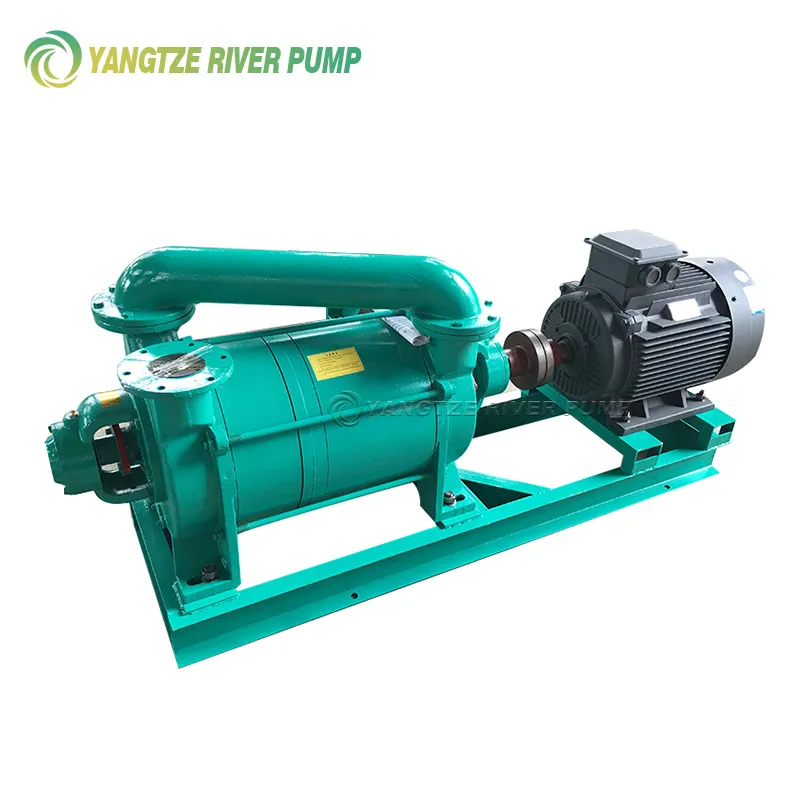
2SK Series Liquid Ring Vacuum Pumps and 2SK-P1 Series Two Stage Liquid Ring Vacuum Pumps with Atmospheric Ejector are used to pump air and other non-corrosive, water-insoluble, particulate-free gases to achieve high vacuum levels in sealed containers.

QJ type borehole pumps
A QJ type well pump is a water lifting unit in which the electric motor and pump are directly connected into a single unit, submerged in water for operation. It is suitable for lifting groundwater from deep wells, and can also be used in water lifting projects on rivers, reservoirs, canals, etc.

Plastic self-priming centrifugal pumps FP and FS
FP (FS) series chemical pumps have a direct coupled design in which the pump body and bracket are connected to the motor flange. The bracket supports the housing and impeller, which are directly connected to the motor via a shaft. The PVDF chemical centrifugal pumps equipped with mechanical seals are designed using international advanced technologies and formulations, using CFR-PP and advanced ARS as pump materials to fully realize their complex design. We offer the following design options with straight and long connections.

Vertical multistage centrifugal pumps made of stainless steel (light series) CDL and CDLF
The CDL/CDLF series of lightweight vertical multistage stainless steel centrifugal pumps are designed and manufactured using advanced domestic and foreign technologies. These are non-self-priming vertical multi-stage centrifugal pumps that use a standard vertical motor and a quick release mechanical seal, making them very easy to replace.
Non-clogging self-priming wastewater pumps ZW
The ZW self-priming, clog-free sewage pump combines self-priming ability with unobstructed waste pumping. Thanks to its axial recirculating external mix design, unique pump housing and wide impeller bore, it can operate without a foot valve, just like standard self-priming clean water pumps. Also, no filling water is required.
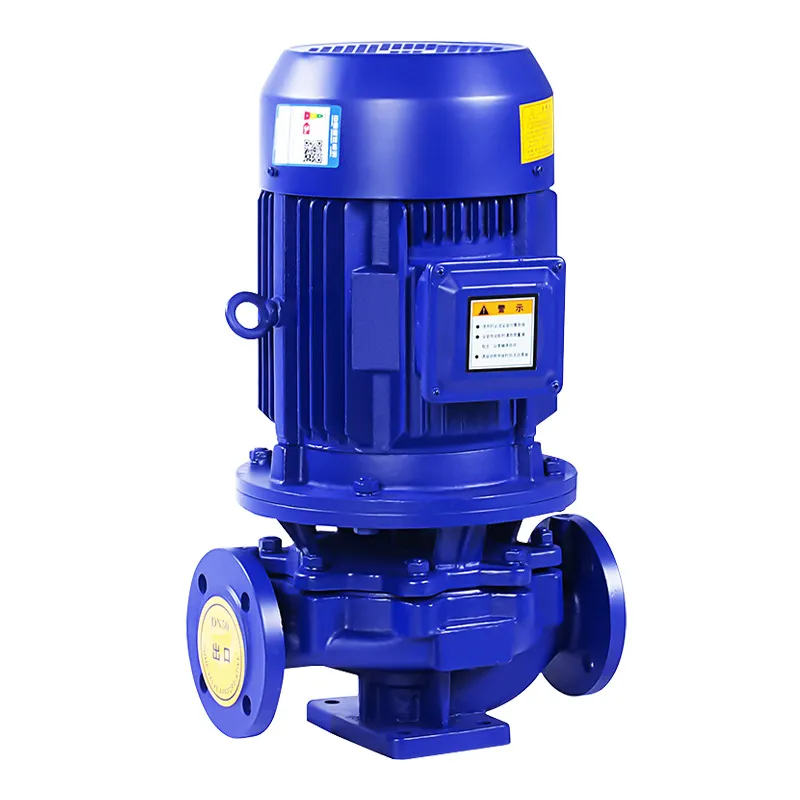
Vertical single-stage pipeline centrifugal pumps ISG and IHG
ISG/IHG single stage vertical pipeline centrifugal pumps are an innovative development of our technical team in collaboration with domestic pump experts. They are based on an optimized hydraulic model using the performance characteristics of IS centrifugal pumps and are a clever combination design based on a standard vertical pump.
IH Stainless Steel Chemical Centrifugal Pumps
The Type IH chemical pump is a single-stage, single-suction centrifugal pump designed for pumping corrosive liquids with a viscosity similar to that of water and free of solid particles. Its nominal performance characteristics and dimensions are indicated in accordance with international standards.
Gear oil pumps type KCB
KCB gear pumps are suitable for pumping various oils such as heavy oil, diesel fuel and lube oil. When equipped with bronze gears, they can handle low flash point liquids such as gasoline and benzene. Stainless steel gear pumps are suitable for pumping beverages and corrosive liquids, but are not suitable for liquids containing solids or fibres. The applicable viscosity range is from 5×10⁻⁶ to 1.5×10⁻³ m²/s (5-1500 cSt). The maximum operating temperature is 300 °C.
QW Non-clogging Submersible Sewage Pumps
The QW anti-clogging submersible sewage pump combines advanced German technology and the dedicated efforts of our technical staff to position it among similar products in both the domestic and international markets. This pump is highly energy efficient and has a unique design.

YZSP Diesel Self-Priming Pumps
YZSP Series Diesel Engine Self-Priming Pump is an innovative design of high-performance diesel-powered self-priming pumps that are not prone to clogging. Installation only requires the pump to be placed next to the sump and the suction piping must be below the liquid level to operate. The wide, non-clogging impeller design allows solids up to 76mm to pass through, and the retractable design facilitates quick maintenance and repair using standard tools. The SP Series Diesel Sprinkler Pump is recognized worldwide as the “King of Self-Priming Sewage Pumps.”

Geared screw pumps type G
The G-type gear screw pump is a new pump model that operates on the principle of positive displacement with rotary gearing. The main operating components are the eccentric screw (rotor) and the stationary bushing (stator). The special geometric shape of these two components creates separate sealed chambers.

CQF Plastic Magnetic Pumps
The CQF engineered plastic magnetic drive pump uses static seals instead of dynamic seals to ensure complete sealing of wetted components. This design completely solves the problems of leaks and dripping during operation. The CQF miniature magnetic drive pump, made of ceramic and reinforced polypropylene, has exceptional corrosion resistance and guarantees complete cleanliness of the transported medium.
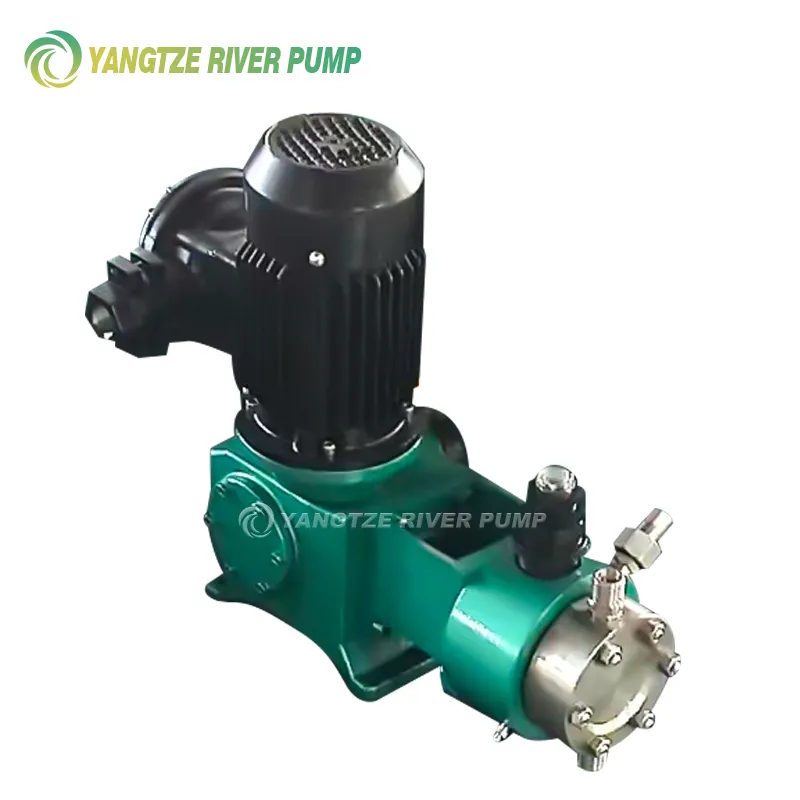
Plunger dosing pumps type DZ-X
The DZ-X piston type metering pump directly sucks in or pushes out the working medium through the reciprocating movement of the piston. Since both the piston and seals come into direct contact with the fluid, selecting appropriate piston materials and seal configurations ensures optimal pump performance during operation.
YCZ Chemical Process Pumps
YCZ chemical process pump adopts horizontal single stage single suction design. Its dimensions and characteristics comply with DIN 24256/ISO 2858 and GB 5662-85 standards. At the same time, improvements were made to the standard YCZ chemical process pump to meet API 610 standards. These include optimization of seal chamber sizing and design, auxiliary piping systems, running clearances, bearing configurations, shaft stiffness, and material control for feed-through components.