







electric centrifugal pumps
When people talk about electric centrifugal pumps, many people immediately imagine just a motor mounted on a shaft with an impeller. But in practice, especially in industrial applications, this is just the tip of the iceberg. The main confusion I encounter is when customers focus only on pressure and flow, forgetting about the material of the flow part, the type of mechanical seal and, critically, the operating mode of the pump in a particular system. This is where both success and premature failure lie.
Design: where the pitfalls lie
Let's take, for example, a classic cantilever pump. It would seem that everything is simple. But here’s the point: how is the axial force unloaded? In cheap models, they often simply install thrust ball bearings, which do not last long under constant load in, say, a chemical environment. What if a suspension with abrasive is pumped? Then the wear of the sealing rings and gaps grow by leaps and bounds, the efficiency drops, and energy consumption increases. I saw this at sites where they tried to save money at the initial stage.
Material is a different story. 304 stainless steel is not a panacea. For some active media, such as chlorides, 316L or even Hastelloy-type alloys are needed. And for hot alkalis? Cast iron can work here too. Once there was a case in a textile production, where, due to the high temperature and concentration of the liquor, ordinary “stainless steel” was used. cracked the body. I had to change the entire unit.
Or take multistage pumps. An excellent solution for high pressure. But their main enemy is cavitation in the first stage when deviating from the operating point. Vibration, erosion of the blades, and after six months the pump no longer meets the parameters. Often the problem is not even in the pump itself, but in insufficient pressure at the suction or a narrowed suction line. This needs to be calculated in advance.
Selection and application: from theory to workshop
This is where experience tells you where to look. The data sheets are good, but they were taken on water at 20°C. What if a more viscous liquid is pumped? Friction losses will increase, the pressure curve will “sag”. You need to either take a pump with a reserve, or, what is more correct, recalculate the characteristics. Not all manufacturers provide such curves for different viscosities.
Another common mistake is installation. The pump was placed on a rigid foundation, the piping was made under strong stress - the flanges were not aligned. The installers say: “We’ll tighten it with bolts, no big deal?” Scary. Radial force on the shaft, rapid wear of the oil seal or mechanical seal, overheating of the bearings. The result is an unscheduled stop of the line. You should always request an alignment check after final tightening of all connections.
With the electrical part, too, not everything is clear. Protection against "dry running" - Required for most applications. But for self-priming models at the beginning of operation there is a short-term “dry” period. regime is the norm. This means you need to either set a time delay or use pressure/flow sensors. I saw how, due to an incorrectly configured relay, the pumps at the water intake constantly turned off during startup, the crew was furious.
Brands and production: an inside look
There are many players in the market, from European giants to Asian manufacturers. The quality, of course, varies. But sometimes a more expensive brand is not a guarantee of success for an ordinary task. It's interesting to see companies that focus on broad range and customization. Here, for example,Zhejiang Yangzijiang Pumping Industry Co.,Ltd(websiteyangtzeriverpump.ru). Their description shows that they cover the full cycle - from R&D to service, and produce almost all main types: single- and multi-stage centrifugal, magnetic, linear, self-priming and others. This approach suggests the possibility of a comprehensive solution, rather than selling one standard product.
For me as a practitioner, it is important when a manufacturer not only sells a unit, but can advise on its integration into my specific system. The same plastic chemical pumps - their use highly depends on the exact composition of the medium and temperature. Does the company have its own testing facility to check compatibility? If yes, that's a big plus. The company in question claims eight production lines that include testing. In theory, this allows testing to be carried out before shipment, reducing risk for the end user.
But even with a good manufacturer you need to work carefully. For example, when orderingmultistage centrifugal pump, you need to provide not just parameters, but complete data on the medium (including fine suspensions), work schedule (constant/cyclic), requirements for seal material. Often, it is in this dialogue that the optimal configuration is born, and not just a choice from a catalog.
Case studies and lessons
We had a project - an irrigation system for a large agricultural enterprise. We installed standardelectric centrifugal pumpsfor water. But the water was from an open reservoir, with sand and silt. Two months later, the supply dropped by half. We disassembled it - the impeller and sealing rings made of ordinary cast iron were thoroughly machined. Error - the abrasive was not taken into account. The solution was to install pumps with wear-resistant wheels made of special cast iron with a high chromium content and replace the mechanical seal with a simpler, but repairable stuffing box seal with a soft packing that could be tightened. Have worked for several seasons already.
Another example is installing a submersible pump in a well. Everything was done according to the instructions, but the power cable was tied to the pressure pipe with tension. Over time, vibration wears through the insulation, causing a short circuit and failure. Lesson - the cable fastening should be free, with a reserve, with special clamps. It’s a small thing, but it can stop the entire water supply system.
Here's a good case. It was necessary to pump a volatile solvent. Risk of leakage, explosive atmosphere. Selectedmagnetic pump(they are also produced by the mentioned Yangtze River Pump). The hermetic drive principle via magnetic coupling eliminates the stuffing box or mechanical seal - there is no potential leak point. We selected the material of the internal parts for a specific chemical. Works for years without complaints. Sometimes choosing the right pump type is more important than choosing within one type.
Instead of a conclusion: what you should always remember
So, back to the topicelectric centrifugal pumps. This is not just a piece of hardware that you turn on and forget about. This is a system node that lives in specific conditions. Its durability and efficiency are determined by three pillars: competent selection (for the environment and mode), high-quality installation (without distortions and stresses) and proper operation (without working on a closed valve, without “dry running?”).
Working with suppliers, be it a large European brand or an integrated company such asZhejiang Yangzijiang Pumping Industry Co.,Ltd, you need to describe the task in as much detail as possible. The more details you give engineers at the selection stage, the fewer problems will arise later on site. Their stated R&D and testing capabilities are exactly what they need.
And one last thing. Always keep a supply of critical spare parts in stock: mechanical seals, bearing units. Even the most reliable pump may require maintenance. And stopping production due to waiting for a small part from abroad is the most unjustified losses. Think about this during the system design phase.
Correspondingproducts
Related Products


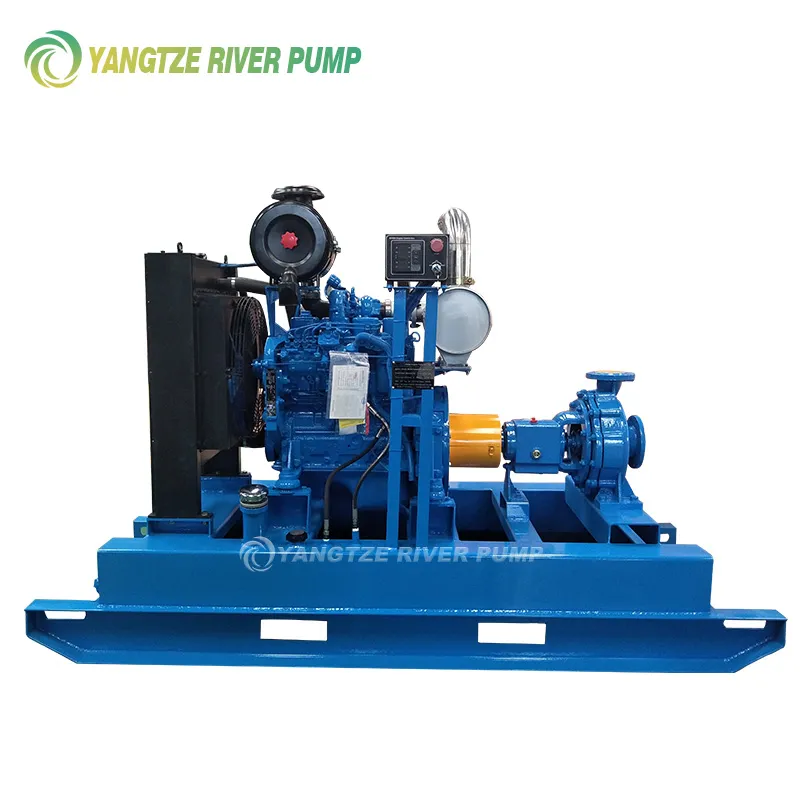


Best Sellingproducts
Best Selling Products-
 Metal pneumatic diaphragm pumps QBK
-
 Horizontal multistage pumps for feeding DG boilers
-
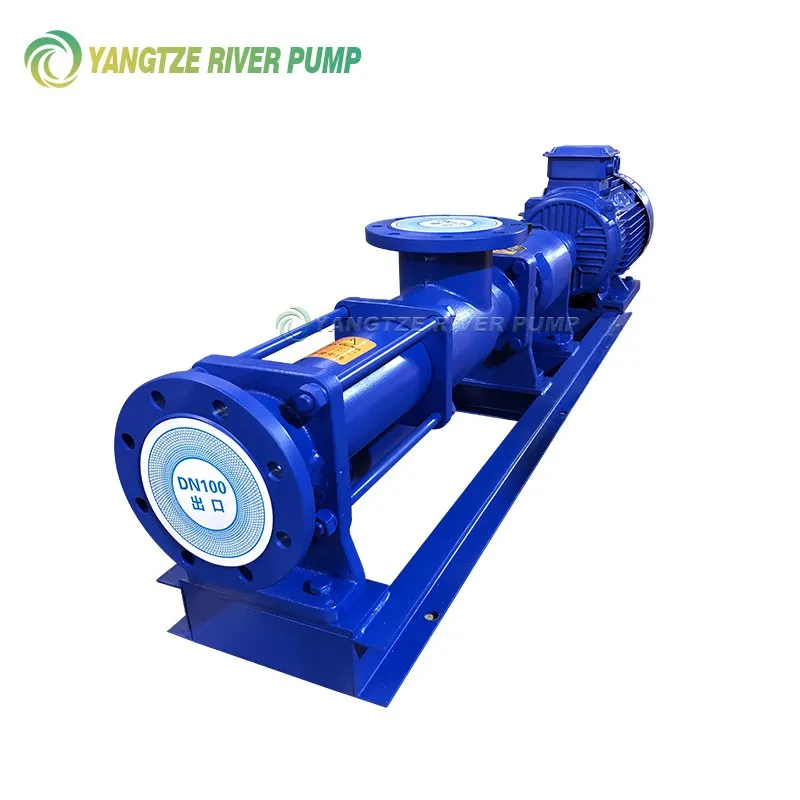 Single screw pumps type G
-
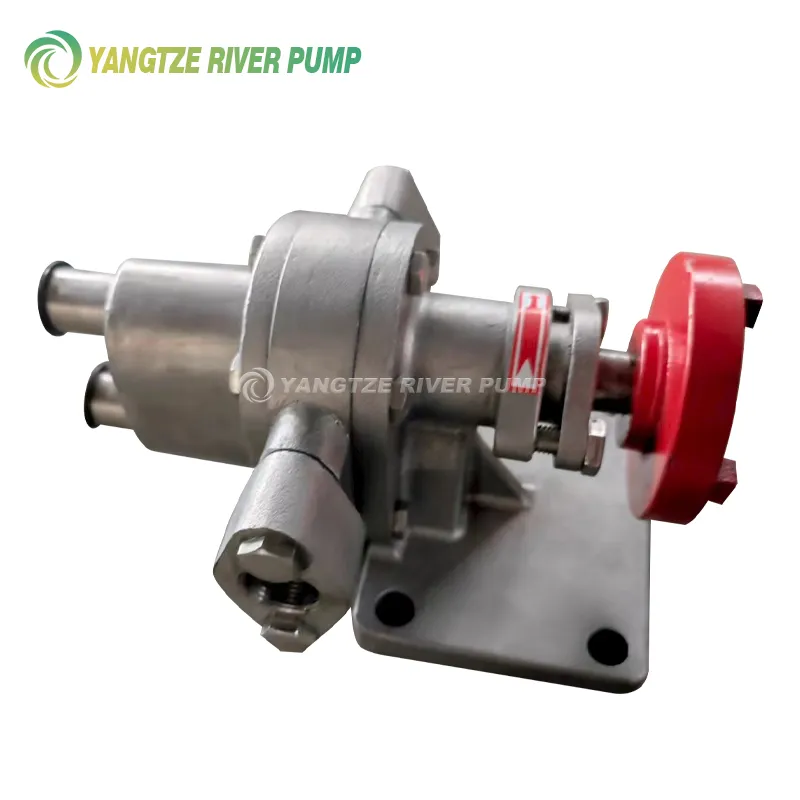 Gear oil pumps type KCB
-
 Infinitely variable screw pumps type G
-
 Vertical pumps with PTFE lining YQF
-
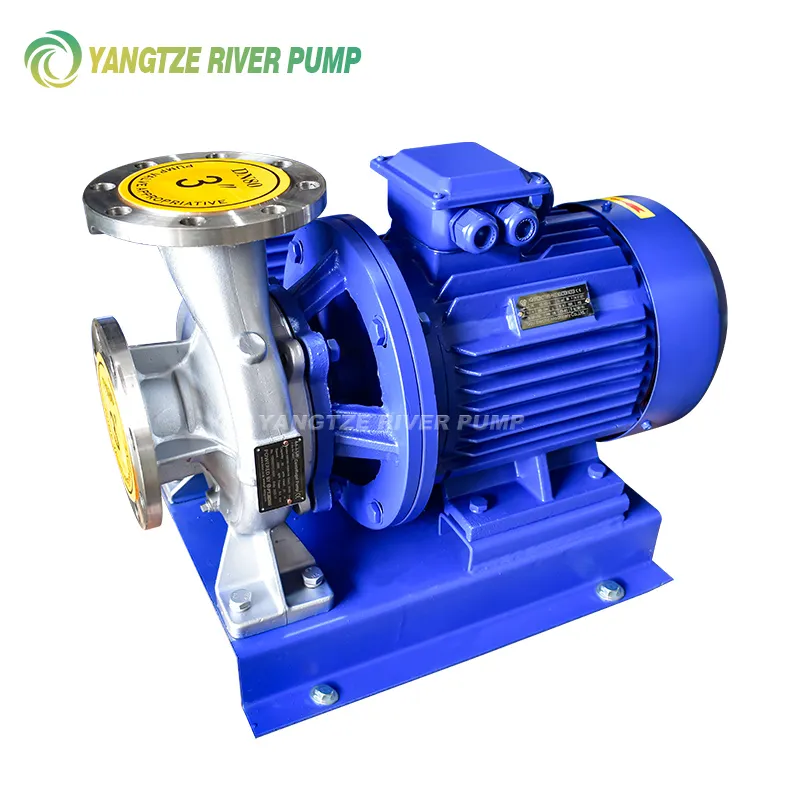 ISW and ISWH Single Stage Horizontal Pipeline Centrifugal Pumps
-
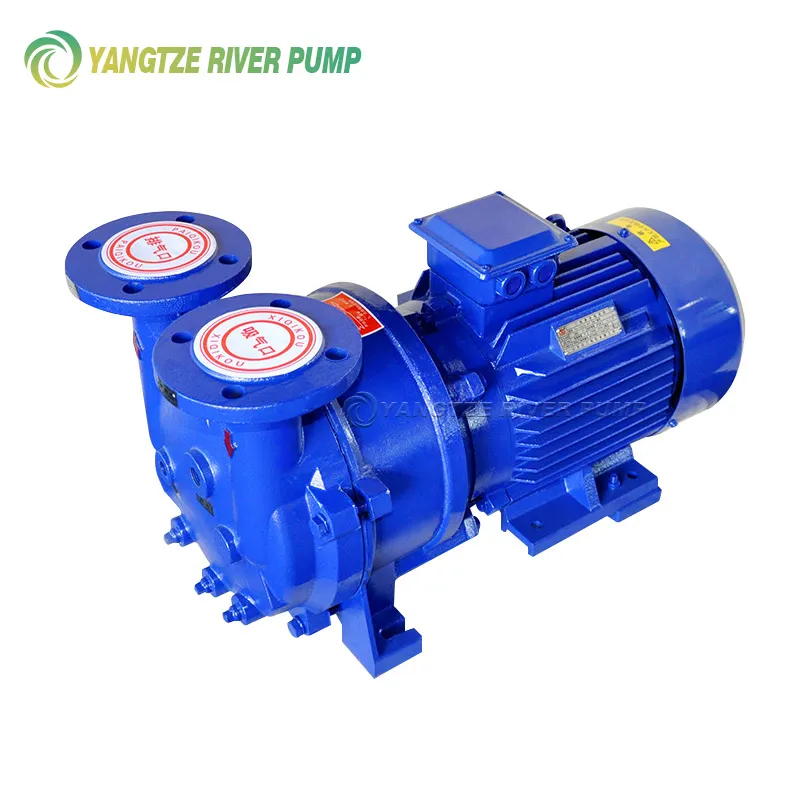 Liquid ring vacuum pumps type SKA and 2BV
-
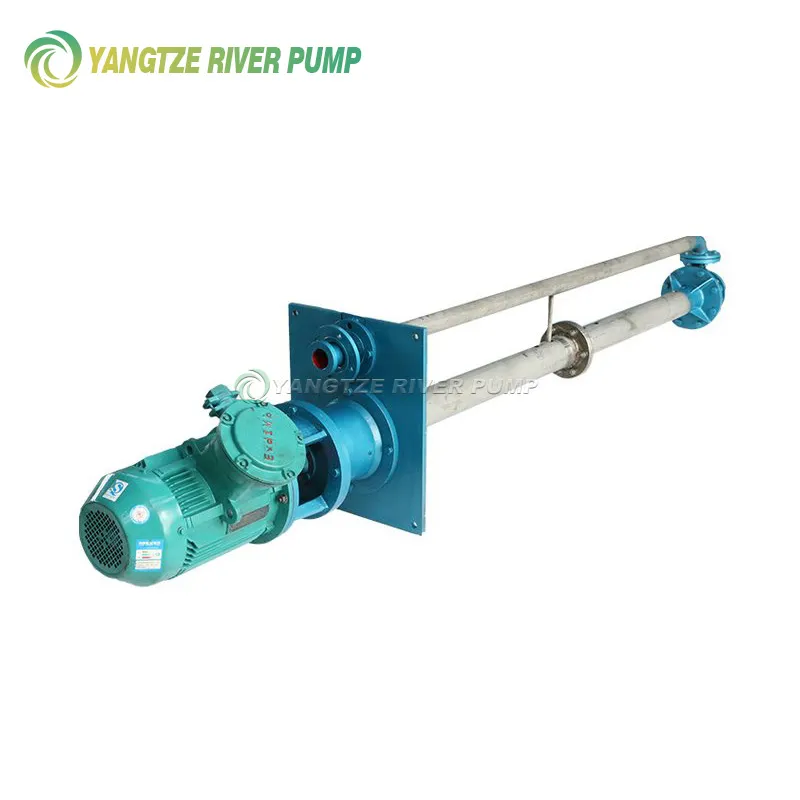 FY Submersible Chemical Pumps
-
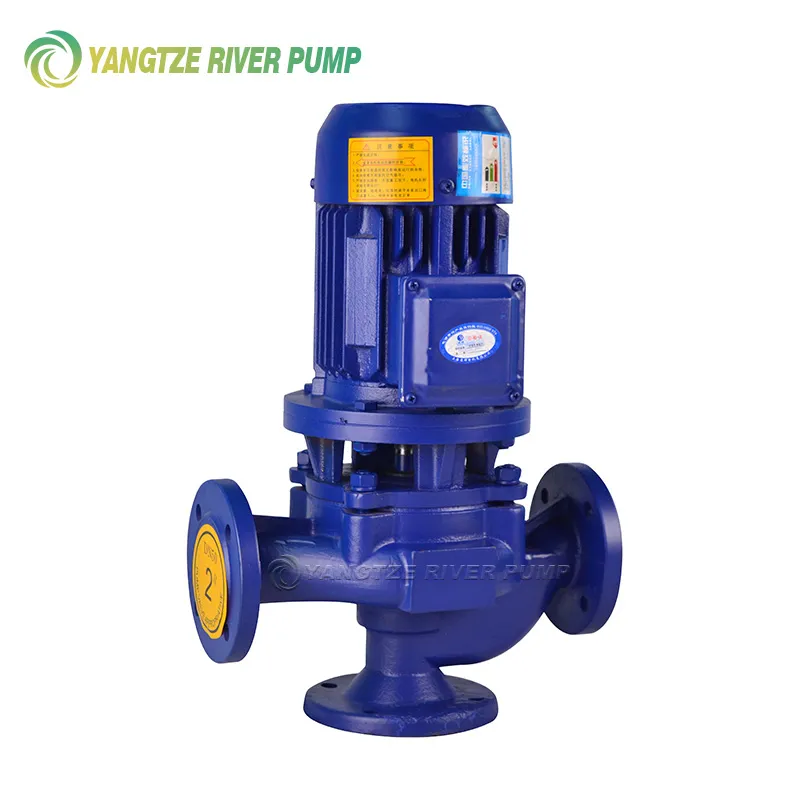 Pipeline wastewater pumps GW
-
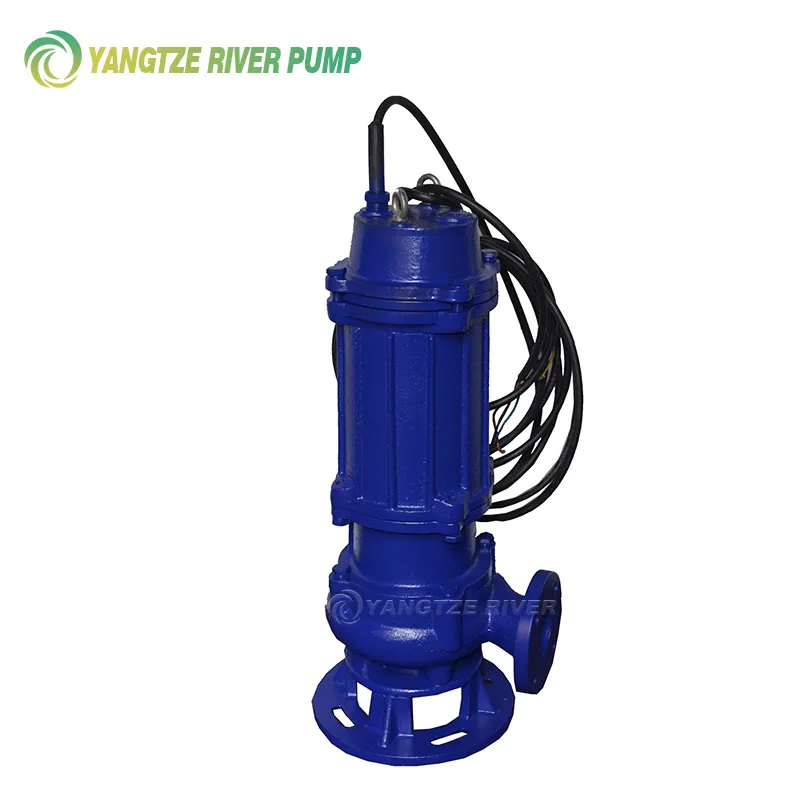 QW Non-clogging Submersible Sewage Pumps
-
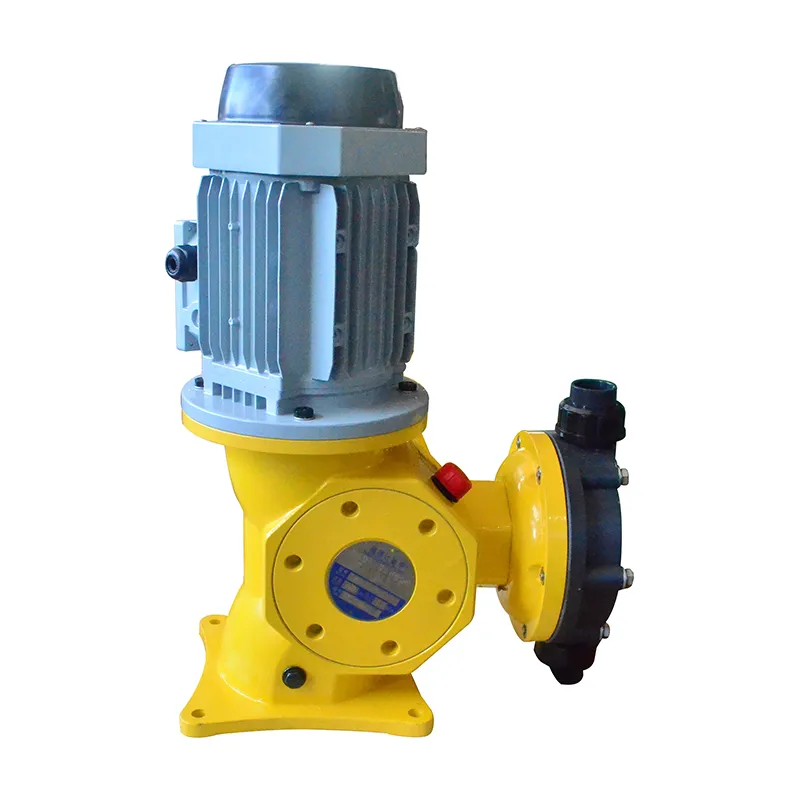 Mechanical diaphragm dosing pumps DJ-Z