







centrifugal pumps for heating systems
When they talk aboutcentrifugal pumps for heating systems, often it all comes down to tabular parameters: pressure, flow, power. But in practice, especially in old high-rise buildings or extended private systems, the key becomes something completely different - how the pump behaves under variable conditions, how tolerant it is to contaminated coolant and, importantly, how its resource relates to inter-seasonal downtime. The mistake of many is to take a pump with a reserve pressure “just in case?”. Is this a "case"? often results in cavitation, noise and extra kilowatts. You need to look at the characteristic curve, especially the flat section, and understand how the system will behave when the thermostatic valves are partially closed.
From theory to “hardware”: what is really important in a design
If we specifically disassemble pumps for heating, then the material of the flow part is often undeservedly ignored. Cast iron is cheap and reliable for clean water, but in systems where the coolant has not been changed for years, intense corrosion begins, especially at the junction with brass or bronze fittings. Stainless steel or, say, reinforced polymers are preferable in this regard, although more expensive. In our production, on siteZhejiang Yangzijiang Pumping Industry Co.,Ltd, this problem is well known. Therefore, in the heating line, in addition to standard cast iron ones, there are always models with a body made of stainless steel or wear-resistant composites - they are suitable for facilities with strict durability requirements.
Another point is the type of seal. Oil seal packing in domestic heating is already archaic; almost everywhere they have switched to mechanical seals. But there is a nuance here: for high-temperature systems (above 110°C) seals with graphite or ceramic pairs are needed; standard EPDM or carbon-graphite ceramics may not work. During testing, we specifically run pumps in “heating-cooling” cycles. with simulating pressure surges to check this particular unit. Because leaking after a couple of years is not a manufacturing defect, it is often an unaccounted for operating mode.
And of course, the rotor. Balancing is critical for heating. Vibration is not just noise, it is the gradual destruction of bearings and seals. In ourcentrifugal pumpsFor this area, balancing is done in two planes, and at operating speeds. This adds time to production, but sharply reduces the number of complaints about bearing units. This is especially important for multi-stage models, where the shaft is longer and the rigidity requirements are higher.
Scenarios from practice: where mistakes are usually made
I will give a typical case from the site. Replacing a pump in an old-school ITP. We installed a modern high-speed pump with a “steep” characteristic. Six months later - complaints about a hum in the risers. The reason is that the pump produced excess pressure when the temperature dropped at night and the regulators were partially closed, cavitation occurred. I had to change it to a model with a flatter characteristic and, importantly, with the possibility of smooth adjustment. Now many manufacturers, including our company, immediately offer pumps for such cases with a built-in frequency converter or, at a minimum, with three-stage speed control. This is not marketing, it is a necessity for modern variable flow systems.
Working with glycol mixtures is a different story. Antifreeze changes everything: both density and viscosity. A standard pump, selected for water, with 40% propylene glycol can lose up to 20% of pressure and overheat the engine due to the increased load. Therefore, the technical documentation for our heating pumps always contains separate tables or correction factors for glycol mixtures of different concentrations. Ignore this and you are guaranteed to end up with an engine replacement in the middle of winter.
And about “quiet progress?”. Often the customer demands “not to be heard at all?” But silence is not only about low revs. This includes the correct piping: installation on vibration bases, the use of flexible inserts, correct orientation of the body. Sometimes you arrive at a site and the pump is ours, but the noise is so loud that you can’t talk in the next room. You start to understand - it is mounted close to the wall, on rigid brackets, plus the pipes are clamped. We moved it to the correct slab, added compensators - the noise went away. Therefore, we now often include a mounting kit in the delivery package for large models to minimize such risks.
Connection with other equipment and service
The pump in the system is not an island. Its operation greatly depends on the condition of the filters, expansion tank, even on the boiler settings. The classic problem is ?floating? pressure in the system due to a faulty expansion tank. The pump begins to work with overloads, surges are possible. The first thing we ask when complaining about unstable operation is when was the last time the pressure in the air chamber of the membrane tank was checked? In 70% of cases the reason is there.
As for service, for heating pumps it is not so much repair that is critical, but rather prevention. Before each season - check for rotor jamming (especially after a long period of inactivity), control current consumption. On the websitehttps://www.yangtzeriverpump.ruWe post short reminders on seasonal maintenance for installers. This is not an advertisement, but an attempt to reduce the number of false calls. Because when you come often, the problem is not in the pump, but in airiness or a clogged filter.
And about spare parts. For heating circulation pumps, the most common element after the seals is the impeller. In systems with abrasive particles (rust, scale), it wears out over time and efficiency decreases. It’s good when a manufacturer, like ours, keeps in stock not only complete units, but also the main components of the flow part for quick replacement. This allows you not to replace the entire pump, but to restore its performance in a couple of hours.
Evolution of requirements and what's ahead
Previously, the main question was “will it pump or not?” Now the focus has shifted to energy efficiency and integration into smart systems. A constant speed pump in a modern weather-controlled building is an anachronism. The future lies with pumps with adaptive control, which themselves adjust the pressure to the current hydraulic resistance of the system. We are inZhejiang Yangzijiang Pumping Industry Co.,LtdWe are already testing such prototypes, where the algorithm analyzes the power curve and independently searches for the point of optimal efficiency.
Another trend is reducing the content of rare earth metals in engines. This is not only a matter of cost, but also of ecology. Switching to other types of magnets or even to asynchronous motors with increased efficiency is a challenge for the design, but movement is moving in this direction. At the same time, the requirements for maintainability are increasing: in order to replace the motor or control unit, it is not necessary to remove the entire pump from the pipes.
As a result, choosingcentrifugal pump for heating system, today you need to look not only at passport data. It is important to understand how it will behave in a real, non-ideal system, how resistant it is to typical Russian problems (coolant quality, voltage drops, long downtime), and whether the manufacturer has not only sales, but also full technical support with an understanding of these nuances. It is at this junction of ?iron? and practice often determine whether the pump will work for one season or ten years without unnecessary hassle.
Correspondingproducts
Related Products

Best Sellingproducts
Best Selling Products-
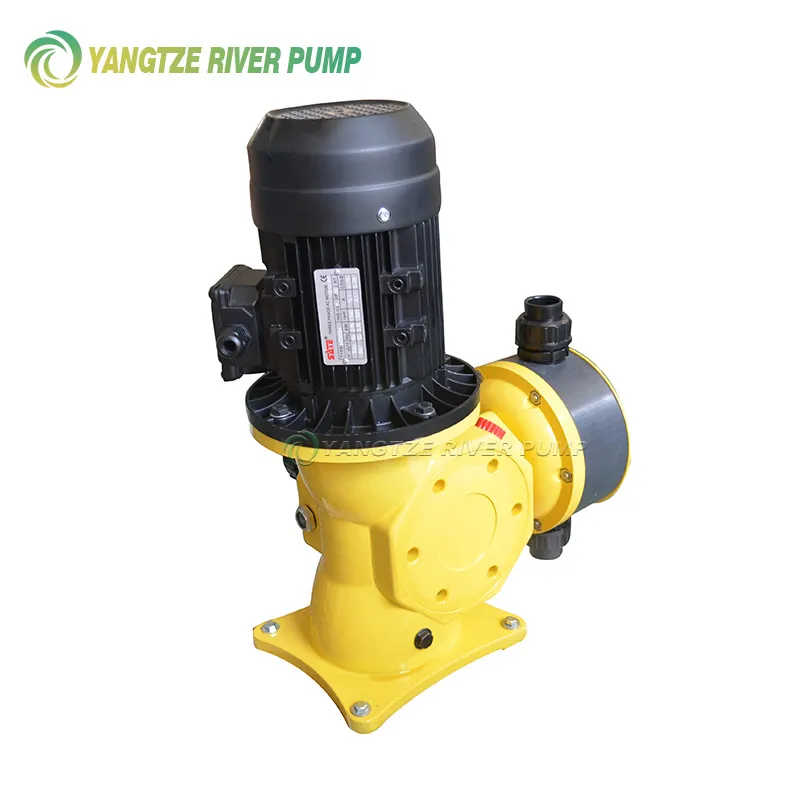 Mechanical diaphragm dosing pumps DJ-D
-
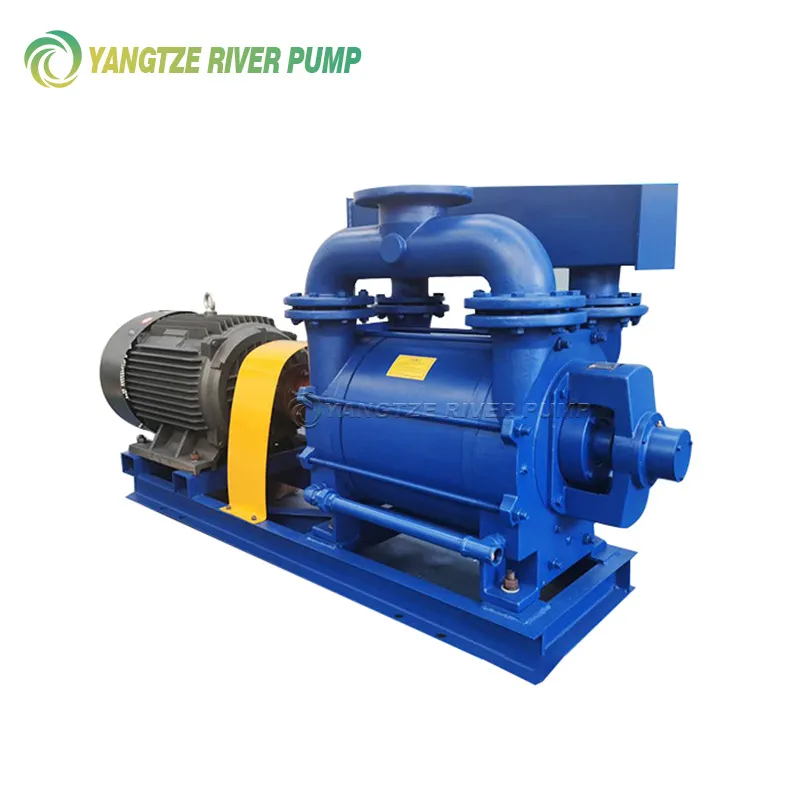 Liquid ring vacuum pumps type 2EB
-
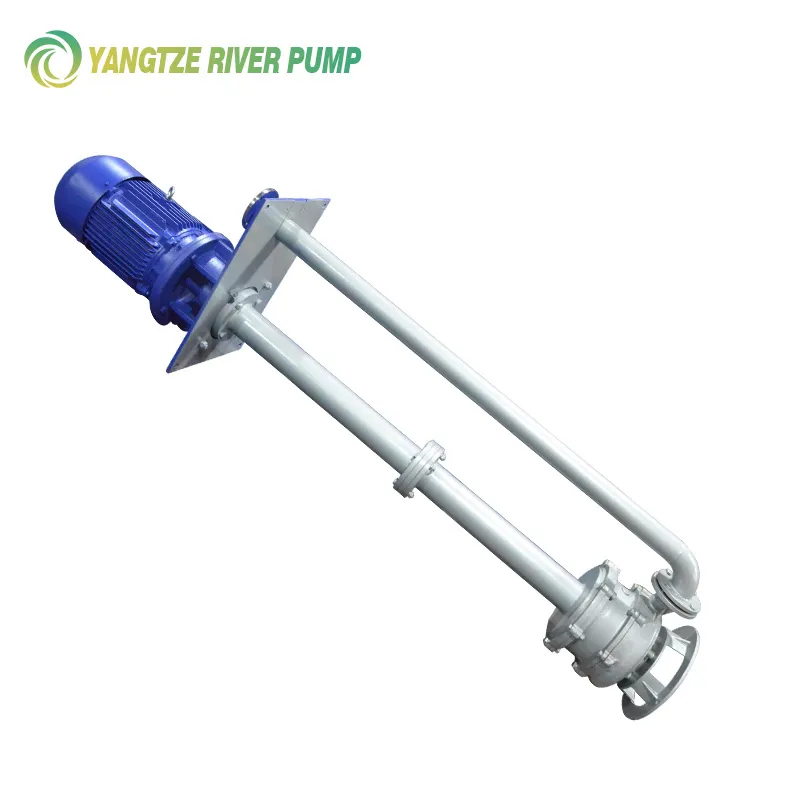 YW Vertical Submersible Sewage Pumps
-
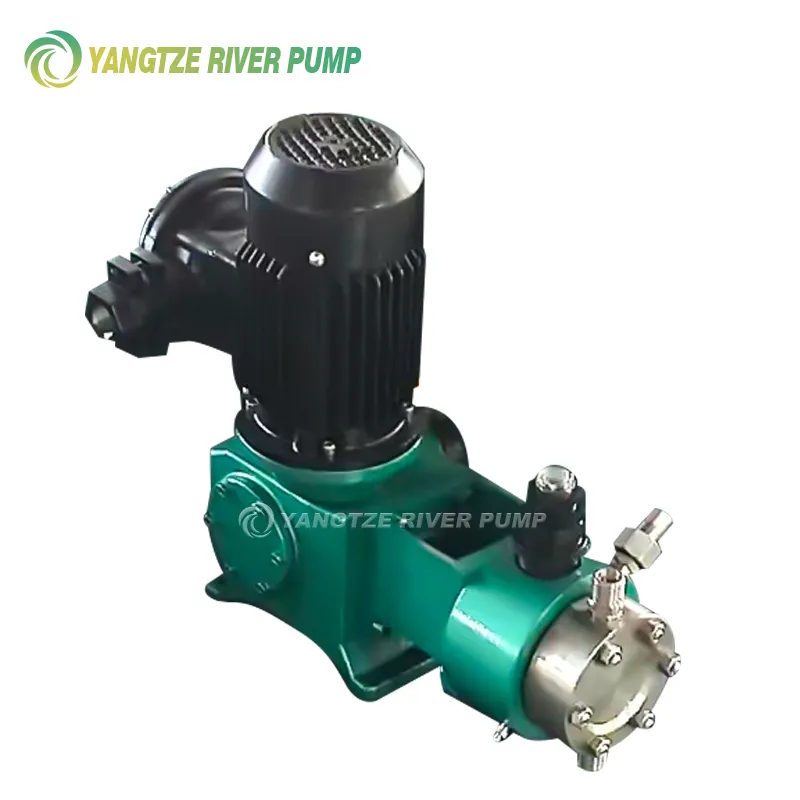 Plunger dosing pumps type DZ-X
-
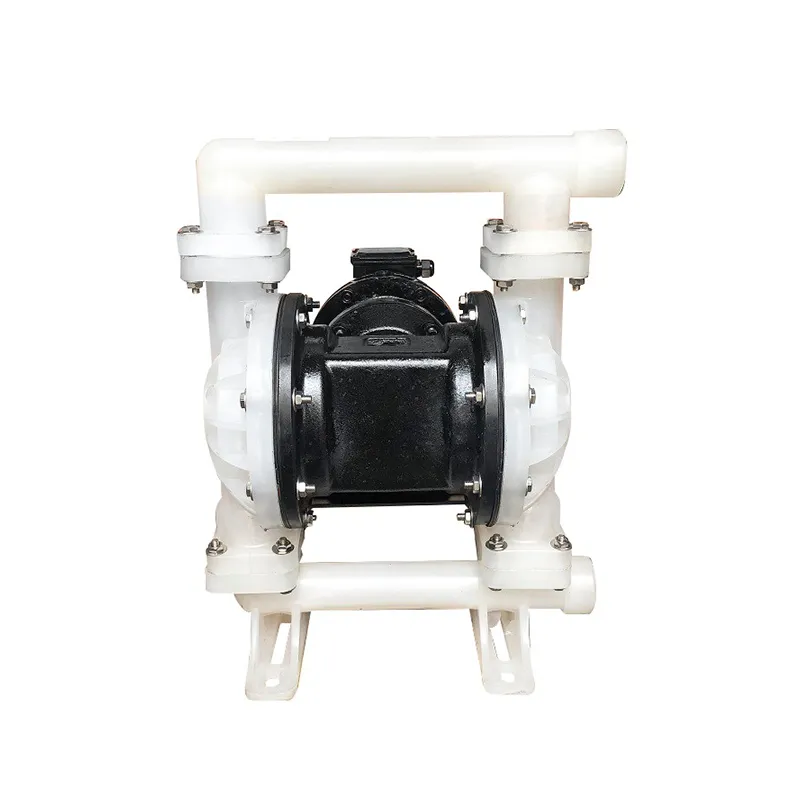 DBY Non-Metallic Electric Diaphragm Pumps
-
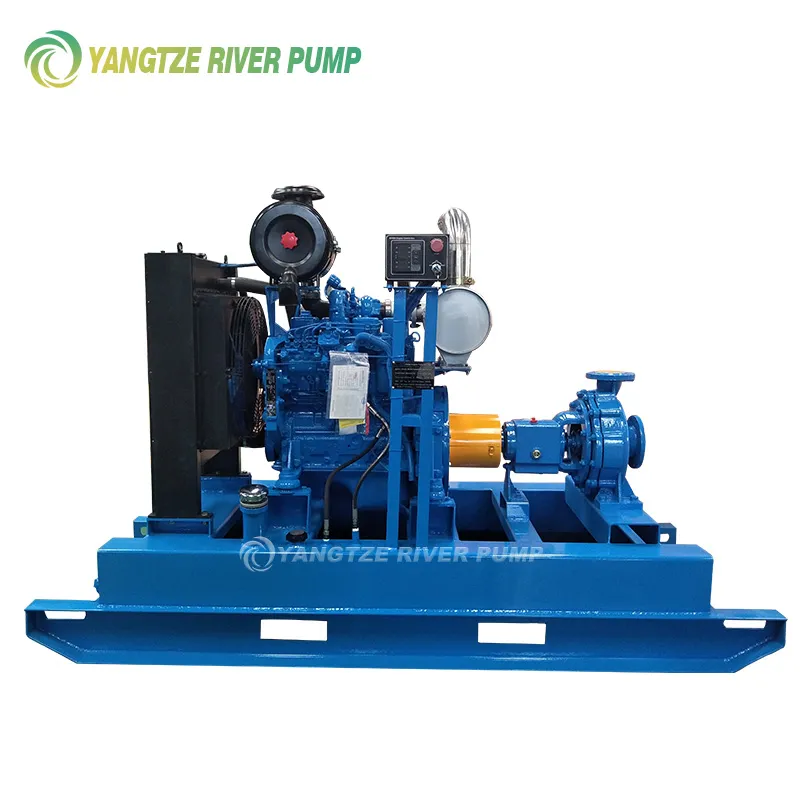 YZIS Diesel Single Stage Centrifugal Pumps
-
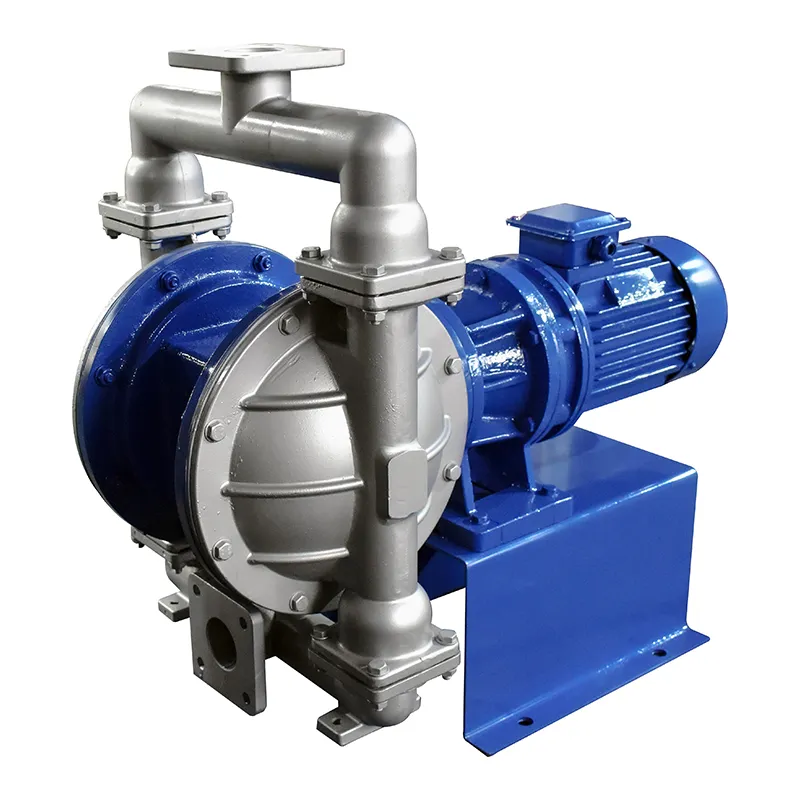 Metal electric diaphragm pumps DBY
-
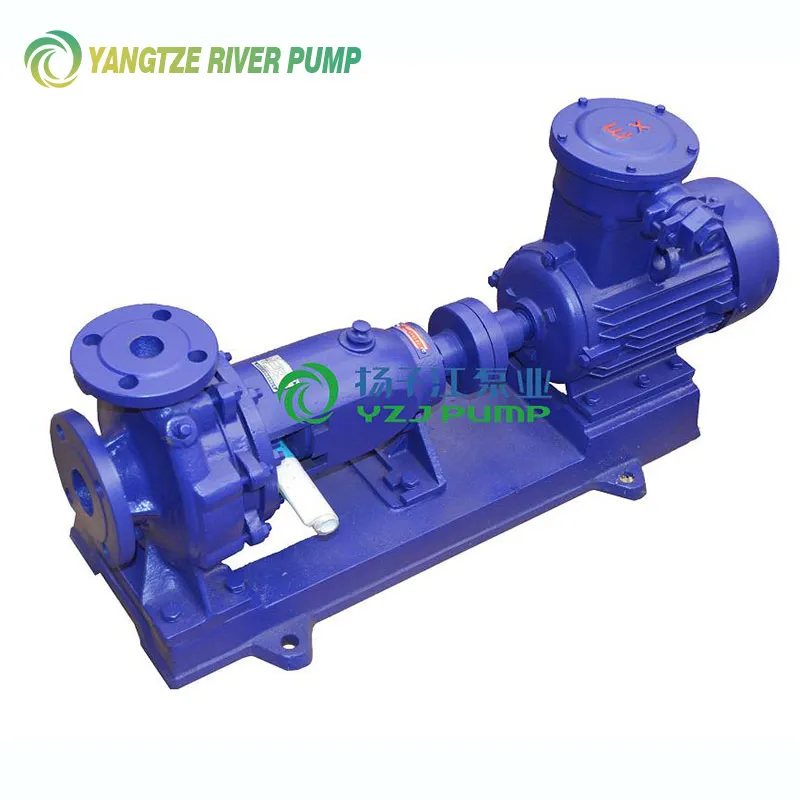 Horizontal chemical centrifugal pumps types IS and IR
-
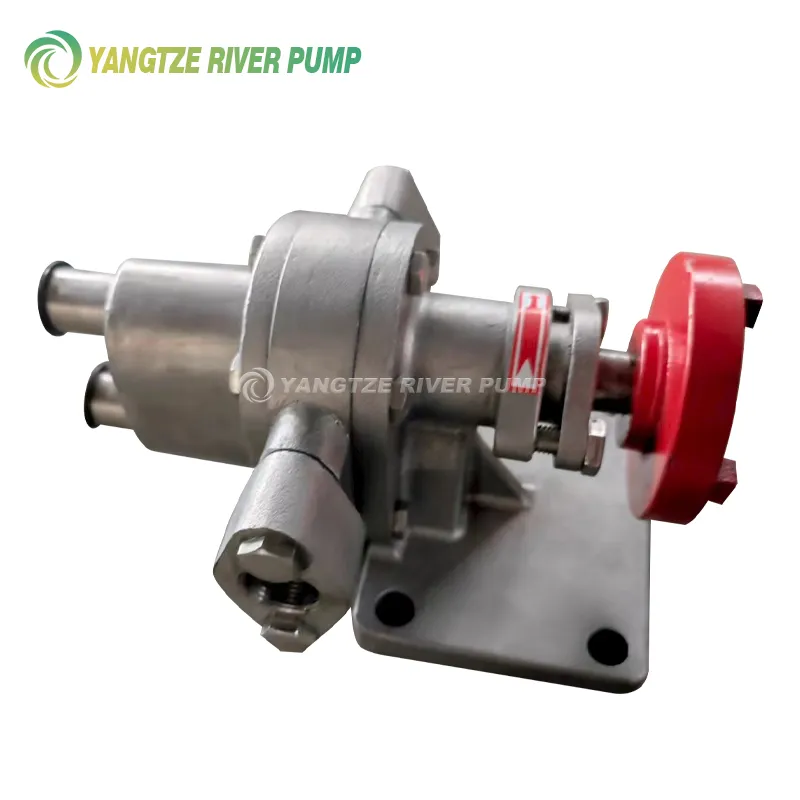 Gear oil pumps type KCB
-
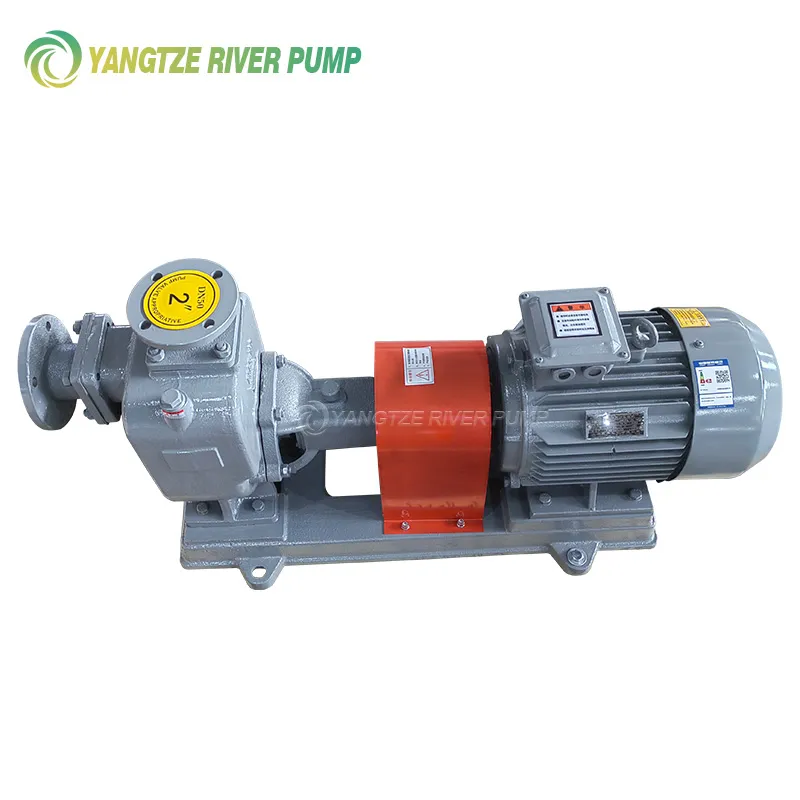 Non-clogging self-priming wastewater pumps ZW
-
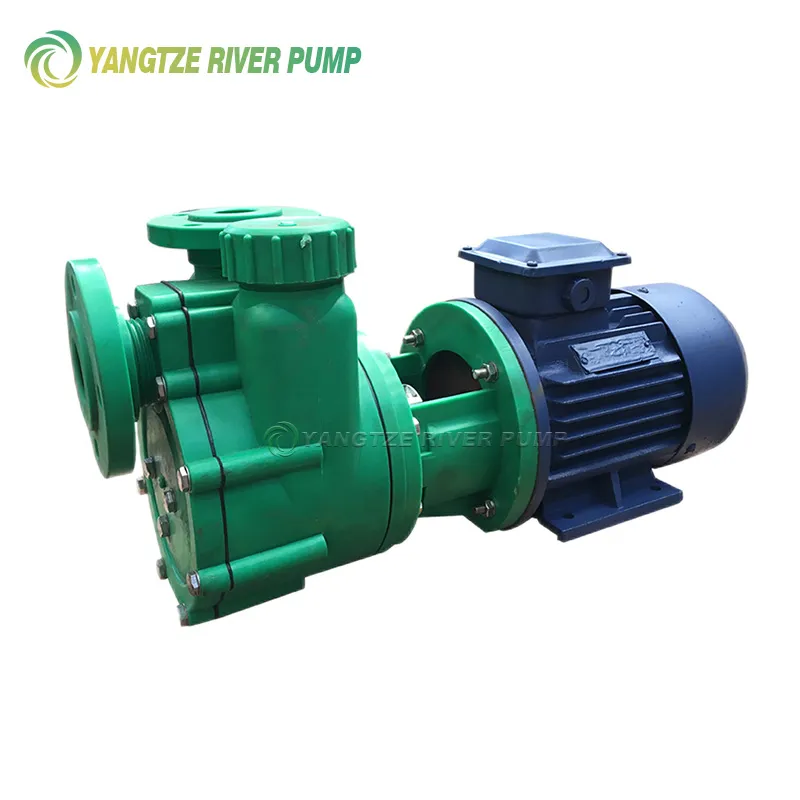 Plastic self-priming centrifugal pumps FP and FS
-
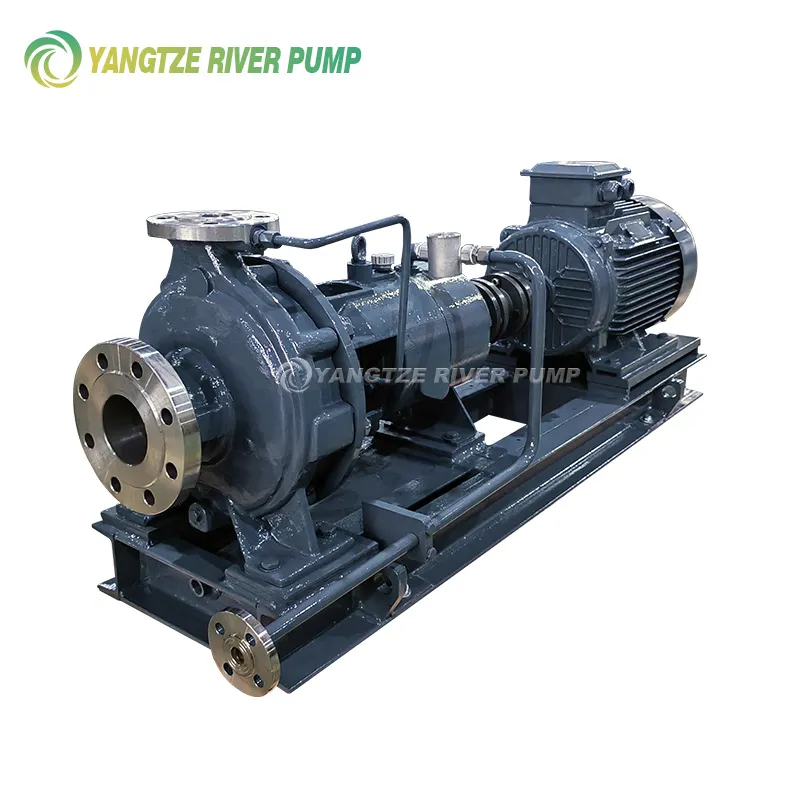 Petrochemical Process Pumps API 610 YZA
Relatedsearch
Related Search- CDLF Complete water supply plants with frequency regulation and constant pressure
- gear pump operating principle
- centrifugal pump 1.1 kW
- high temperature thermal oil pumps
- centrifugal pump 32 m
- diaphragm pump purpose
- CQF Plastic Magnetic Pumps
- vacuum pump 220
- submersible deep well pump
- positive displacement jet centrifugal pumps