







submersible well pump 220v
When they say “submersible borehole pump 220V”, many immediately imagine just “a unit that was lowered into a pipe and forgotten?” This is the main mistake. The 220 volt voltage is not just a household outlet, it is a whole layer of limitations and possibilities that directly affect the depth, flow rate and, most importantly, the durability of the entire system. I often come across the fact that people take the first model they come across, focusing only on the price or the seller’s promises, and then they wonder why problems begin after a season - from overheating to complete failure. Let's figure it out without water.
What is hidden behind the numbers 220V in a real well?
The main point that many people miss is the voltage drop along the length of the cable. In theory, you have 220 volts in your house, but at a depth of 30-40 meters, especially if the line from the pole is old, the actual voltage at the motor terminals can drop to 200V and lower. The motor begins to work with overload, heats up, and the insulation ages many times faster. Therefore, I always advise you to reserve power and be sure to measure the voltage on the pump itself during a test run, and not at the outlet. This is not paranoia, this is saving on future repairs.
Another practical aspect is inrush current. Usubmersible well pumpswith a single-phase 220V motor it can be 3-5 times the rated value. If the well is in the country, and the wiring is weak, the machine may simply knock out every time you turn it on. The solution is to use a soft start (frequency converter) or, at a minimum, check the cross-section of the supply cable along the entire length from the panel to the well. I myself have seen cases when a 2.5 mm2 cable was pulled for a 1.5 kW pump, and old aluminum “junk” was hanging in the area from the pole to the house. at 4 mm2 - everything worked, but the pump burned out after 8 months.
And of course, protection. RCD or differential circuit breaker is a must. And not just any, but with a leakage current of no more than 10 mA (for damp conditions). Water and electricity are dangerous neighbors. Simple automation alone will not save you from a short circuit in the event of an insulation breakdown in a well.
Design features that make all the difference
This is where the field for professional choice begins. Talking aboutborehole pump 220v, you can't think only about the engine. Frame. For shallow wells with relatively clean water, plastic is sometimes used - it’s cheaper. But if there is even a hint of an aggressive environment or sand, only stainless steel. Not ?stainless steel? in general, but specific brands that are resistant to chlorides. In our production at Zhejiang Yangzijiang Pump Industry LLC, for serial submersible models we use AISI 304 for standard conditions and AISI 316 for more stringent ones. This is not advertising, it’s a fact - savings on case material come back to bite after a couple of years with corrosion holes.
Impeller. A multi-stage design is not a whim, but a necessity for lifting from depth with a limited well diameter. A 4-inch single-stage pump simply will not create the required pressure from 50 meters. Therefore, our engineers always look at the well data sheet: dynamic level, static level, flow rate. And the number of stages in the pump is selected according to them. It happened that they brought a pump with “passport documents” for testing. 70 meters of pressure, but in a real well with the same dynamic level it gave only 50 - because the data in the passport was for clean water, but there was suspension in the well.
Cooling system. Bsubmersible pumpThe engine is cooled by water flowing around it. If the pump is selected incorrectly and operates at the top of the well's flow rate (turns on and off frequently), it may end up in a "dry" state. section of the casing pipe and overheat. Therefore, correct installation is so important - below the dynamic level, but not at the very bottom, so as not to capture sand.
Installation errors that kill even a good pump
I could talk here for hours. The most common problem is hanging on a regular HDPE water pipe or, even worse, on a steel cable without insulation. The HDPE pipe stretches under weight, and over time the load is placed on the connections. And a steel cable is a bridge for stray currents, which are guaranteed to lead to electrochemical corrosion. That's right - it's a food-grade stainless steel cable in a polymer sheath, and the pump is additionally secured with clamps to the safety cable. Yes, more expensive. But replacing a pump due to a break is even more expensive.
There is no check valve immediately above the pump and another one at the top, in front of the accumulator. Without the first, a column of water when stopped will put pressure on the impeller and bearings, causing reverse spin-up and premature wear. Without the second, all the water from the pipeline system in the house will flow back into the well every time it is turned off, and the pump will be turned on more often for pumping.
Ignoring casing diameter. The pump should not be “butted” into it. The minimum gap is 10-15 mm for normal water circulation and cooling. Have you seen the “brilliant” one? installation where a 4-inch pump was inserted into a 110-th HDPE pipe (internal diameter about 100 mm). It seems to be passing. But six months later the engine “glued the fins together?” — there was no cooling.
Service and durability: myths and reality
Many people believe thatwell pump 220v- This is a one-time installation for 10-15 years. Alas, no. This is a mechanism that works in extreme conditions. Even for high-quality models, like those that we produce on our lines at Zhejiang Yangtzejiang Pumping Industry LLC, the resource is laid with an eye on the conditions. Actual durability depends on water. High iron content? The impellers and gaps will become overgrown. Fine sand? This is an abrasive for all rubbing parts.
Therefore, the most important point is not choosing the “most expensive” one. pump, and proper preparation of water at the entrance to the house system. Even the simplest coarse mesh filter after the well head will extend the life of the pump part several times. And regular (once every 1-2 years) monitoring of parameters - current consumption, pressure, flow rate - will allow you to catch the problem before a disaster. A drop in performance at the same current is most likely a clog or wear of the impellers. An increase in current means problems with mechanics or jamming.
And yes, maintainability. Some models are assembled as a ?monolith? — the engine failed, and the entire unit was scrapped. Others, more thoughtful, allow you to replace the engine or working chamber on site. When choosing, you should look at the technical documentation and understand what you will do in 5 years if it breaks down. We try to make a modular design in our line precisely for this reason.
Conclusions that come with experience
So,submersible pump for well 220 volt- this is not just a product from a catalogue. This includes calculation, installation and maintenance. The key is an adequate assessment of the conditions of the well and the power grid. Do not chase maximum power, but take a model that will work in optimal, and not in maximum, mode. Be sure to use all protection elements - both electrical and mechanical.
From a production point of view, I see that the trend is not towards cheaper prices, but towards “intellectualization”. Simple pumps with direct start from a pressure switch are gradually giving way to systems with frequency regulation, even for a single-phase network. This provides a smooth start, maintaining constant pressure in the system and, as a result, saving energy and increasing service life. On our production lines, where R&D, production and testing are combined, we are actively developing this area.
Ultimately, reliable well operation is a complex issue. Pump, pipeline, automation, protection. Neglecting any link leads to problems. And the main advice I always give is: don’t skimp on the little things (cable, cable, fittings, protection). A stingy person, as we know, pays twice, and in the case of deep-seated equipment, he also pays for expensive excavation work to remove it. Choose consciously, install correctly, maintain regularly - and the unit will last its full life, or even longer.
Correspondingproducts
Related Products


Best Sellingproducts
Best Selling Products-
 YW Vertical Submersible Sewage Pumps
-
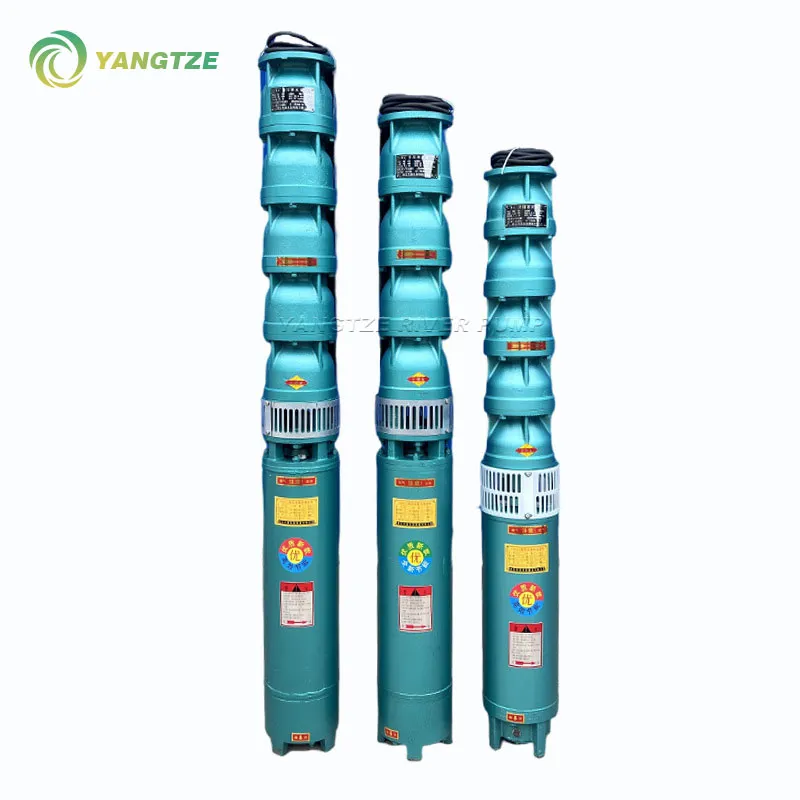 QJ type borehole pumps
-
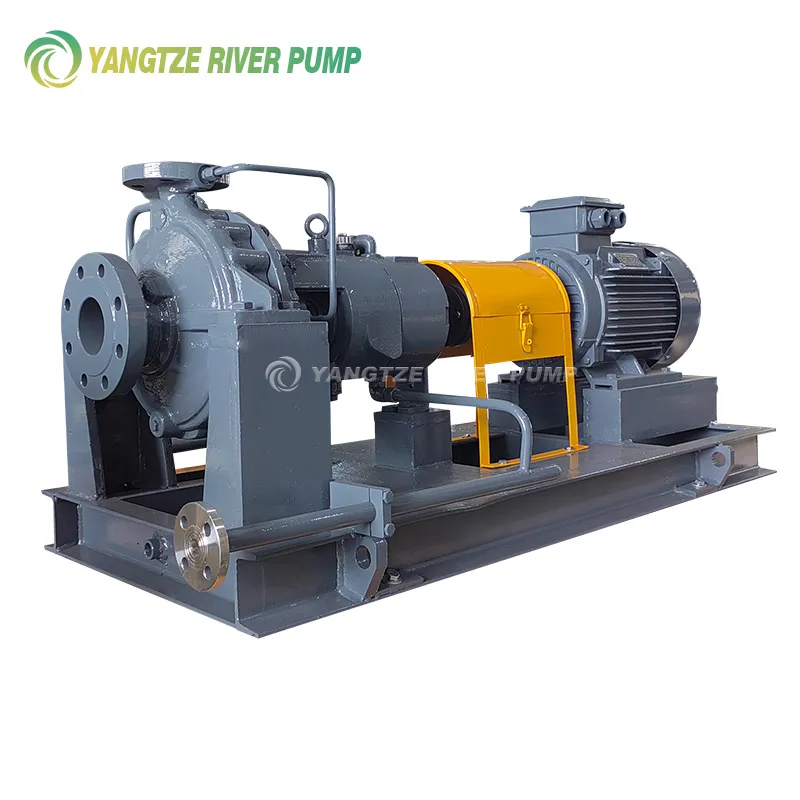 Petrochemical Process Pumps API 610 YZE
-
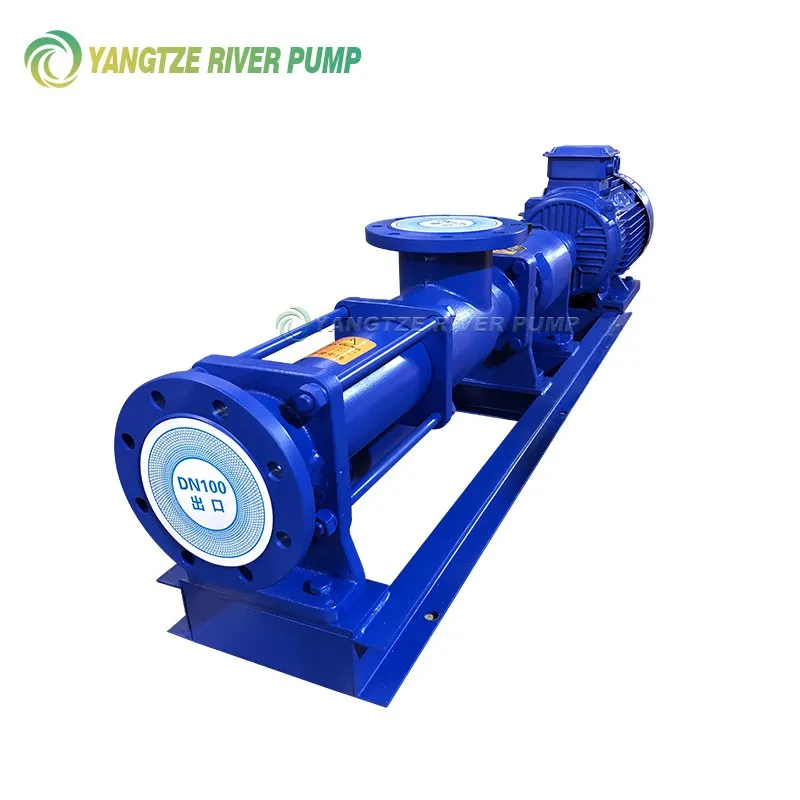 Single screw pumps type G
-
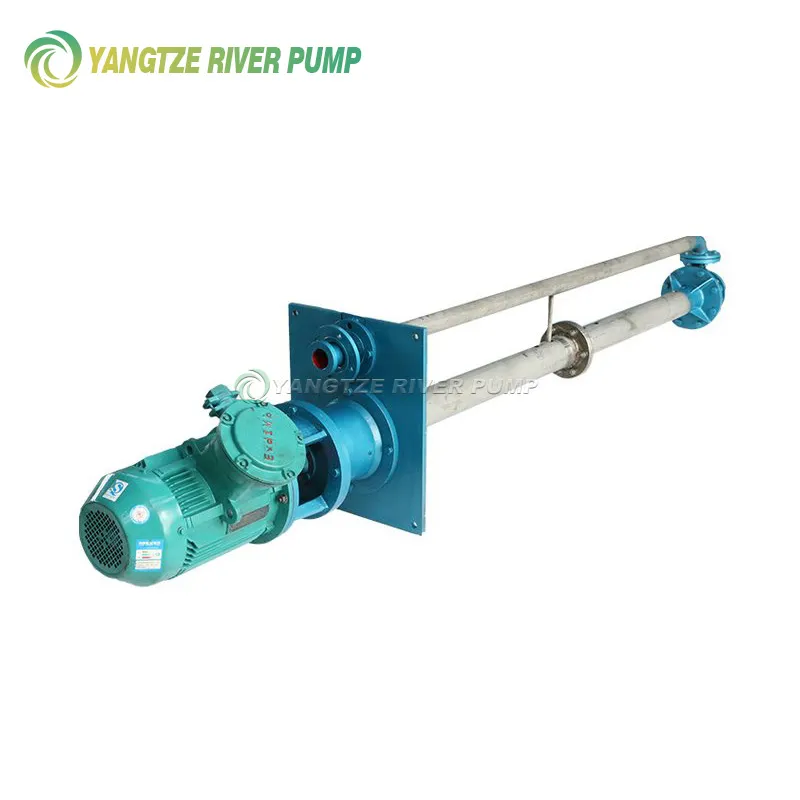 FY Submersible Chemical Pumps
-
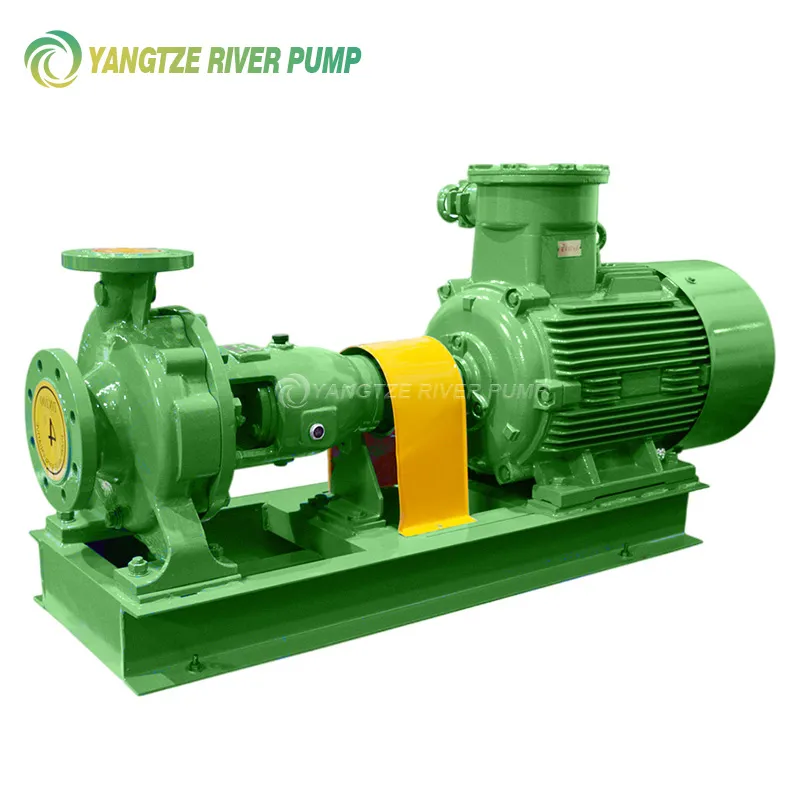 YCZ Chemical Process Pumps
-
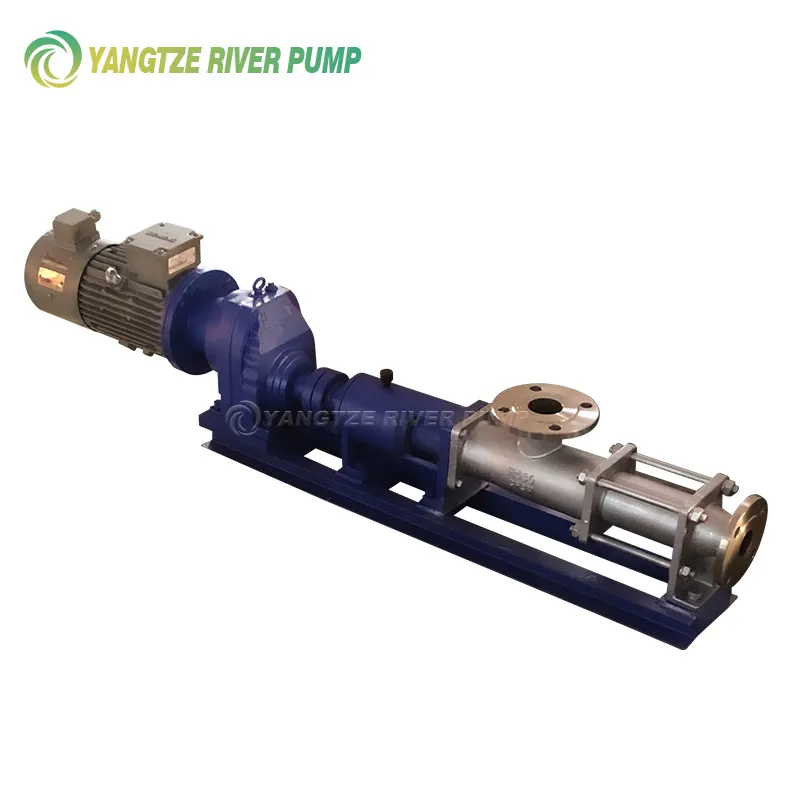 Geared screw pumps type G
-
 Mechanical diaphragm dosing pumps DJ-D
-
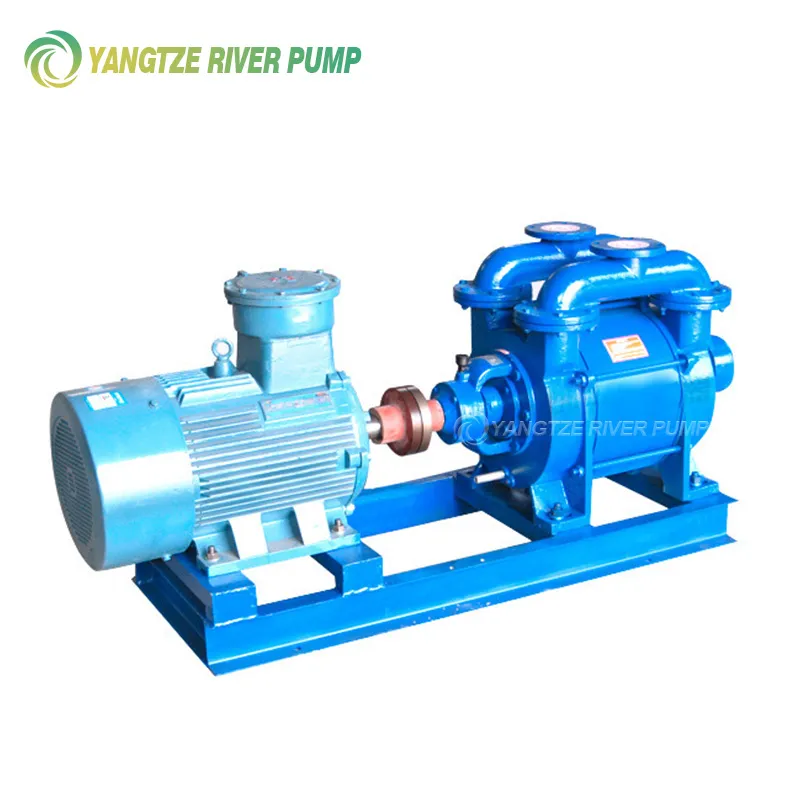 Liquid ring vacuum pumps type SK
-
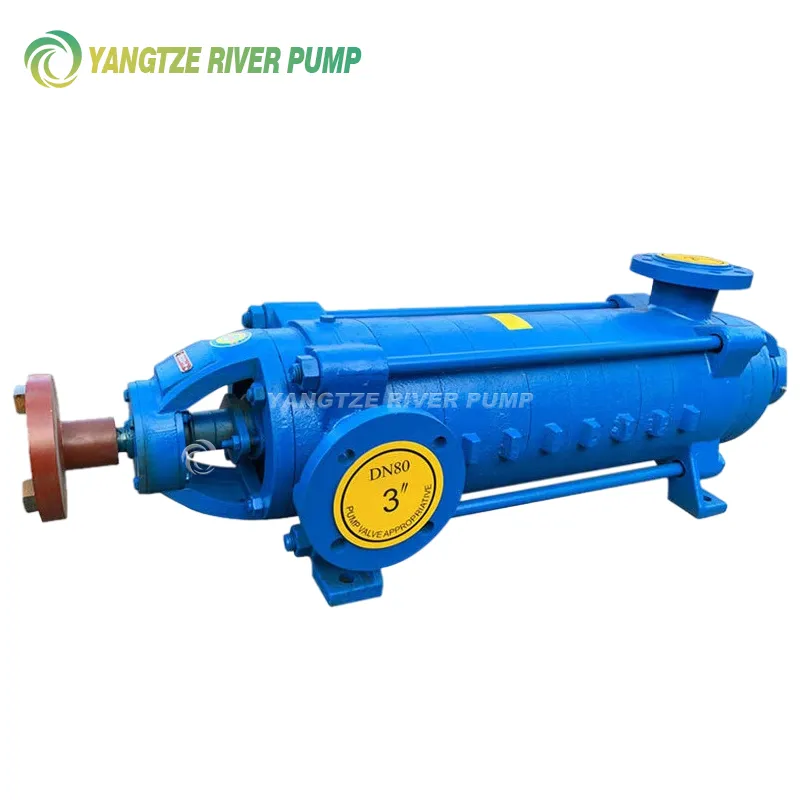 Horizontal multistage centrifugal pumps type D
-
 Non-clogging self-priming wastewater pumps ZW
-
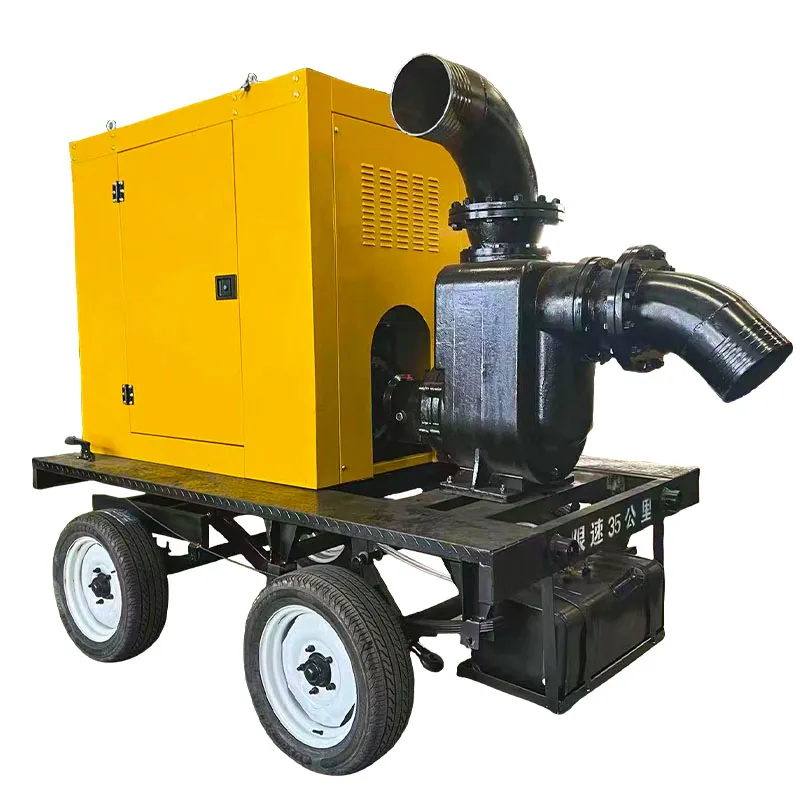 YZZW Diesel self-priming pumps
Relatedsearch
Related Search- YZCW Vertical pumps for installation inside/outside tanks
- large centrifugal pumps
- Plastic self-priming centrifugal pumps
- ZW Non-clogging self-priming wastewater pumps
- water vacuum pump
- waste water pumps
- laboratory screw pump
- centrifugal pump 550W
- manufacturing of centrifugal pumps
- ZE Petrochemical Process Pumps API 610