







deep well pump 120
Look at the marking “deep pump 120”? and you think - everything is clear, 120 meters of pressure. And then at the site it turns out that with the same success it was possible to lower the bucket on a rope. The problem is that many, especially those who are just starting to purchase equipment, perceive this figure as an absolute truth, without taking into account losses in the pipeline, well flow rate, or water composition. I went through this myself until I got into trouble.
What's really behind the number 120?
When we are in production at Zhejiang Yangzijiang Pump Industry Co., Ltd. we test ourdeep well pumps, then 120 meters is a parameter obtained in ideal laboratory conditions on clean water at a certain temperature. In reality, if you have a well with sand or high salt content, this figure can drop by 15-20%, or even more. Therefore, our technical support department always asks for the well passport first.
There was a case at one of the facilities in the Moscow region - a customer bought a pump marked 120 from another supplier, complained that the water flowed in jerks, the pressure was unstable. We arrived and looked - and there the casing was a little narrower than expected, plus several bends in the main line. The pump was working at its limit, the motor was overheating. I had to change it to a model with a reserve of pressure, although according to the passport, the old one seemed to be enough. So much for ?120?.
Hence the conclusion that we always voice to our clients on the website yangtzeriverpump.ru: the key parameter is not the maximum pressure, but the operating range in which the unit maintains efficiency. When selecting, our engineers always build a characteristic curve and look at the point of optimal operation. Blindly buying based on the highest number is a sure way to frequent breakdowns.
Design features that are not written about in brochures
If we talk specifically about the line with index 120, then it is important what the impellers and shafts are made of. For aggressive environments, we in Yangtzejiang offer an option with wheels made of AISI 304 or even 316 stainless steel. But many are trying to save money and use regular technopolymer. And then they wonder why productivity dropped after a season - because the wheels were corroded or the sand wore them down.
Another nuance is the cooling system. Bdeep-well pumpswith a large lifting depth, the motor is cooled by water flowing around it. If the well flow rate is small and the pump periodically runs “dry”, overheating is inevitable. We began to install temperature sensors and multi-stage protection in our models, but this, naturally, affects the price. Competitors often save on this, but then their stator windings fail - a classic.
When assembling on our lines, special attention is paid to sealing the cable entry. It would seem like a small thing. But through a poor-quality gland at this junction, moisture gradually reaches the terminal box along the cable. Have you seen such “drowned” ones? pumps cannot be repaired. Therefore, we have this unit undergo a separate pressure test.
What problems usually arise during commissioning?
The most common mistake is incorrect installation of the check valve. It needs to be installed not only at the outlet of the pump, but sometimes additionally - higher, especially if the vertical section of the pipeline is long. Without this, when the water column stops, it creates a hydraulic shock that hits the impeller and bearings. Once we had to lift the entire column because the valve was jammed with scale from old pipes; we had to recommend installing a coarse filter in front of the pump.
Another point - electrics. For a pump with 120 meters of head, as a rule, you need a three-phase motor with serious power. And if the voltage in the network drops, it simply will not reach the rated speed. There was a project where it was necessary to additionally install a stabilizer and lay a reinforced cable, although initially the customer considered this an unnecessary expense. After the first season of work, he himself admitted that without this the pump would not have pulled.
And of course, commissioning cannot be carried out “by eye”. It is necessary to measure the actual flow and pressure and compare it with the passport curve. We are in production for every piece of equipment, be itcentrifugal pumporsubmersible pump, we take this data and attach a test report. This is not for show - this is so that the installers on site can understand whether the system is working correctly.
Why there are no universal solutions
The request often comes: “Give me a 120 deep well pump?”. That's all. And then you start to figure out: is the water for irrigation or for the home? If for a home, then what is the number of simultaneous analysis points? Is there a hydraulic accumulator? Are you planning to work with a water treatment system that creates additional resistance? Without this data, the recommendation will be useless.
For example, for water supply to a cottage with several bathrooms, a multi-stage system is better suitedcentrifugal pump— its characteristic is smoother, it better maintains constant pressure at variable flow rates. And for watering a large area, where maximum volume is more important than pressure stability, it is sometimes more profitable to consider a single-stage model. We have both in our assortment at Zhejiang Yangzijiang Pumping Industry LLC - but you need to select them for the task.
Sometimes the optimal solution is not one powerful pump, but a cascade of two less efficient ones operating alternately. This increases the resource and provides a reserve in case of breakdown. We also calculate such schemes, although it seems difficult for the client. But then he doesn’t remember problems with water for years.
Service and durability: what you shouldn’t skimp on
Anyone, even the most reliabledeep well pumpsooner or later it will require attention. And here it is important how the service is organized. For our part, we build maintainability into the design: for example, a modular assembly, so that if it wears out, it is possible to replace not the entire unit, but a block with impellers or an electric motor. This is ultimately cheaper for the consumer.
But a lot depends on the user. Regularly checking insulation resistance and monitoring current consumption are simple procedures that can predict an impending problem. We try to teach this to our partners; we post training manuals on the website yangtzeriverpump.ru. Because sudden failure most often occurs due to accumulated minor faults that were not noticed in time.
As a result, returning to the “deep pump 120” - this is not a magic wand, but a tool. Its effectiveness depends on wise selection, high-quality installation and reasonable operation. Our production, with its full cycle from R&D to testing, can guarantee the quality of “iron”. But correct application means joint work with those who use this pump. And this, perhaps, is the main secret of long and trouble-free operation of any equipment, not just pumping equipment.
Correspondingproducts
Related Products
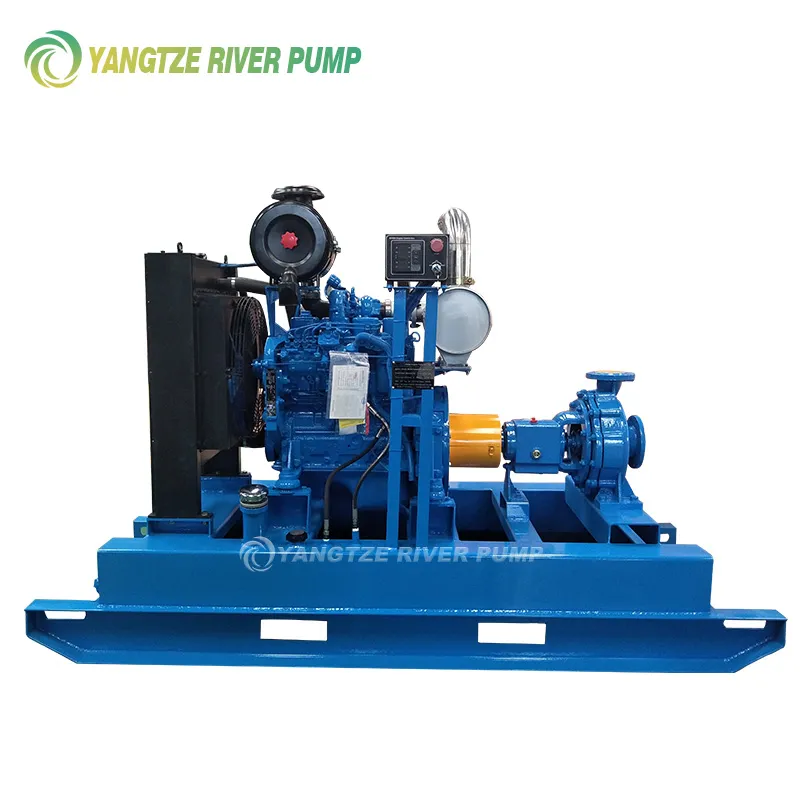
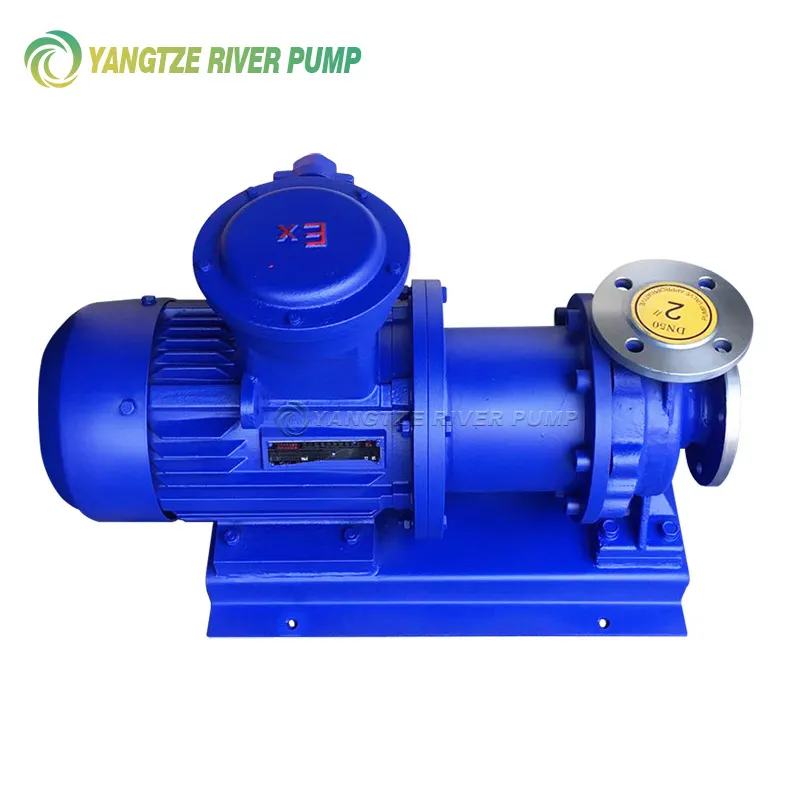

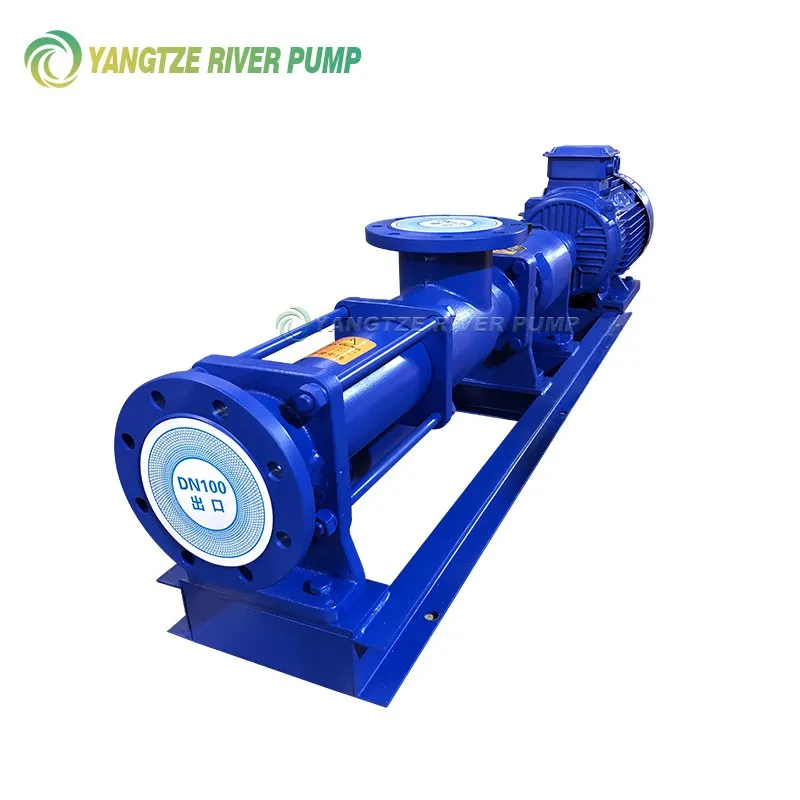

Best Sellingproducts
Best Selling Products-
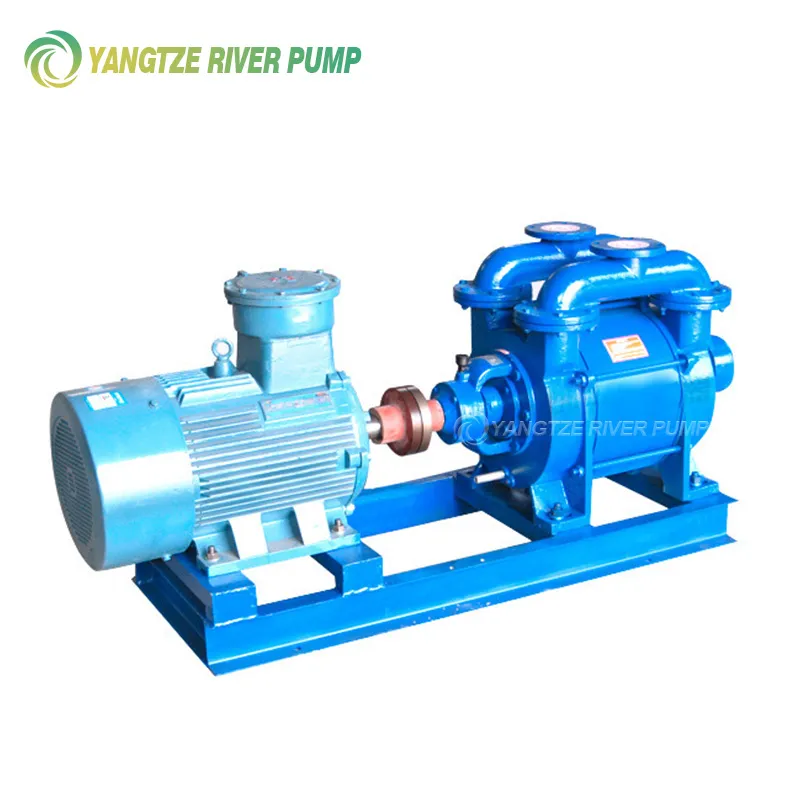 Liquid ring vacuum pumps type SK
-
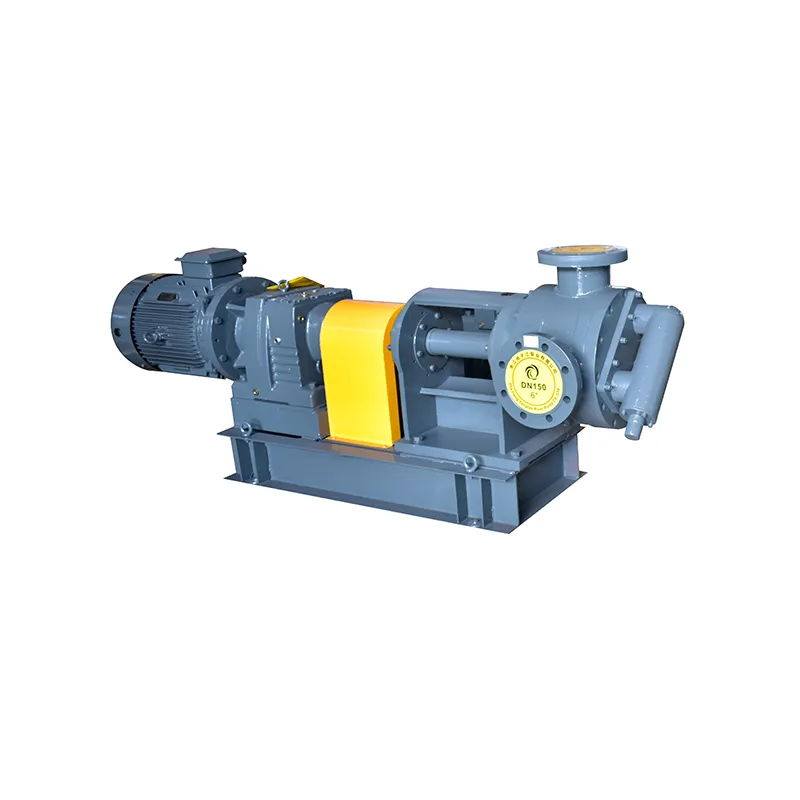 NYP High Viscosity Internal Gear Pumps
-
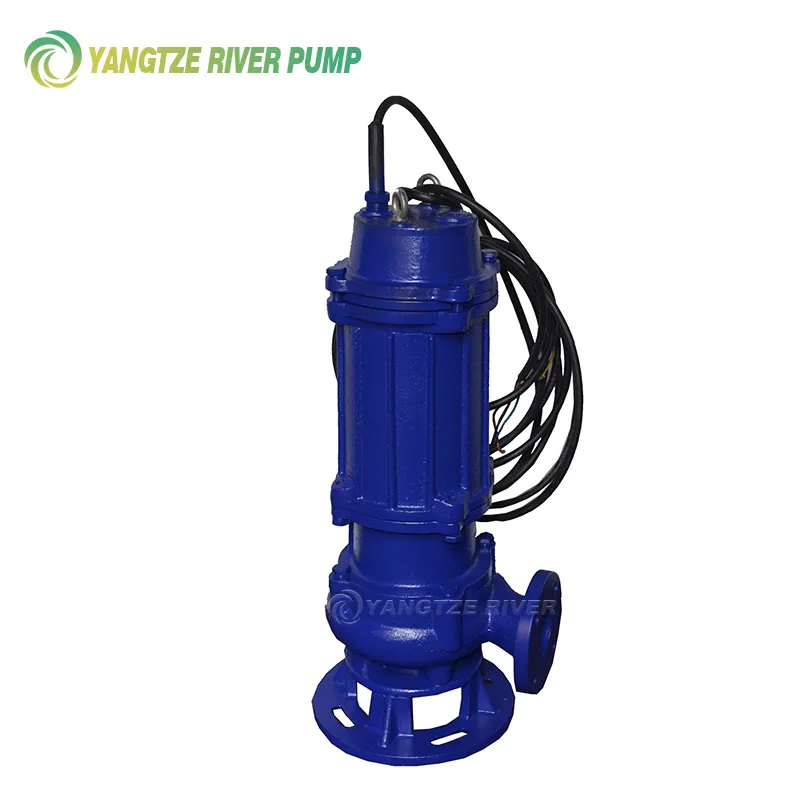 QW Non-clogging Submersible Sewage Pumps
-
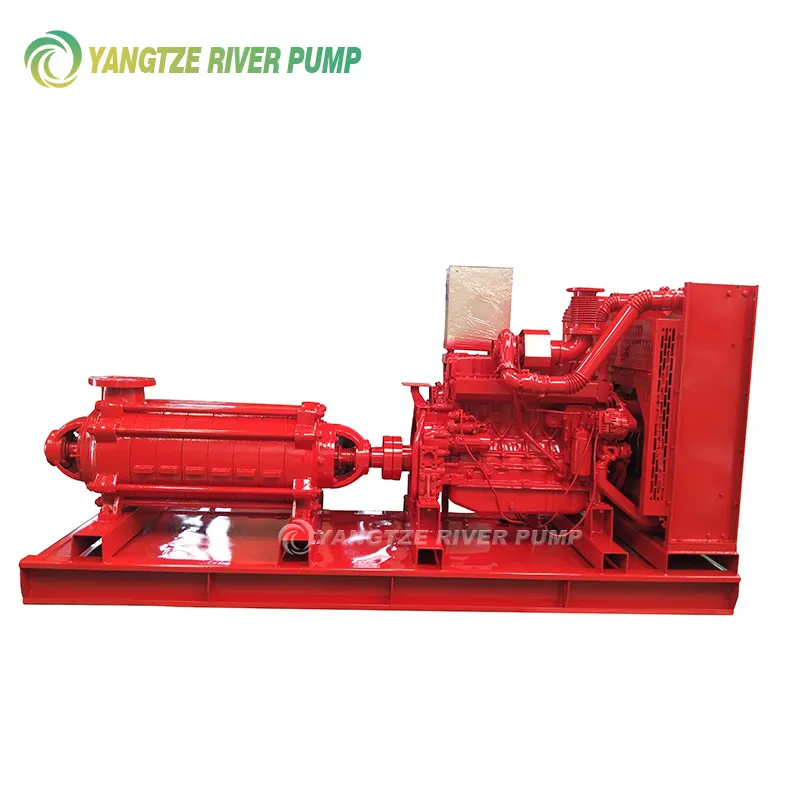 XBC Diesel Intelligent Fire Pumps
-
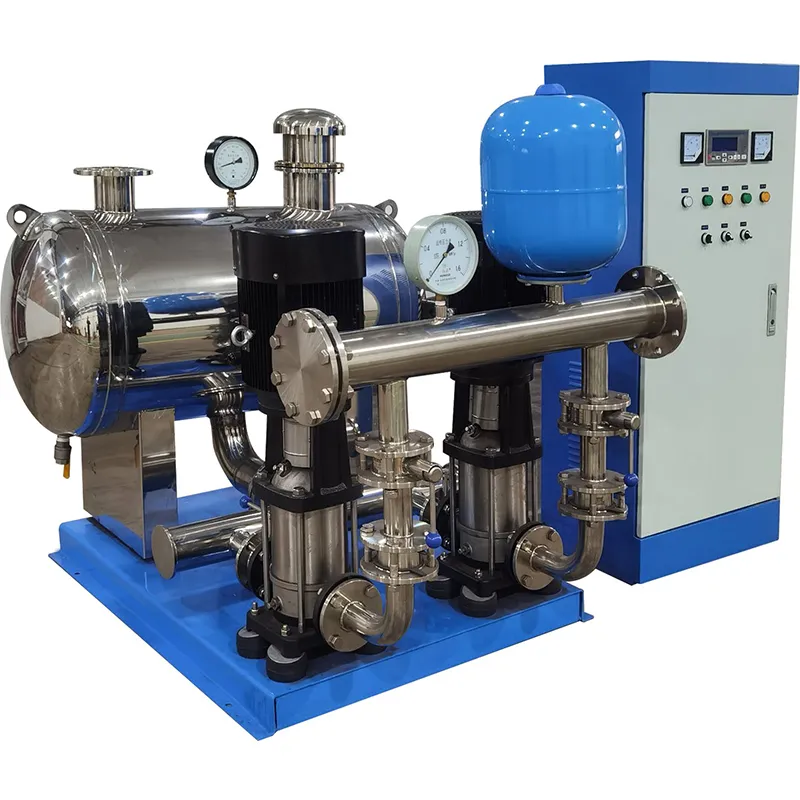 Complete water supply installations with frequency regulation and constant pressure CDLF
-
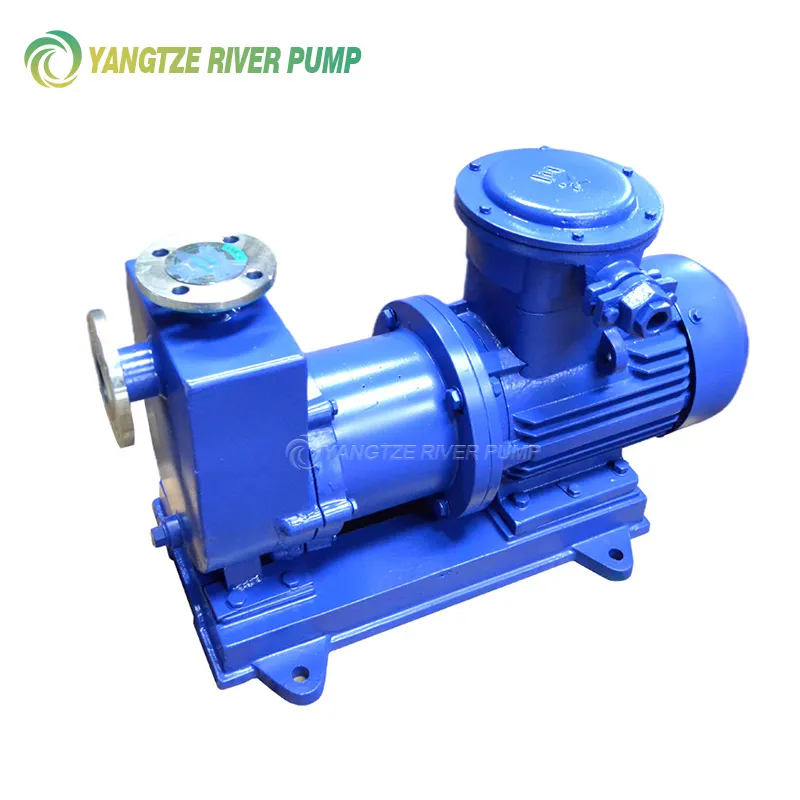 ZCQ Stainless Steel Self-Priming Magnetic Pumps
-
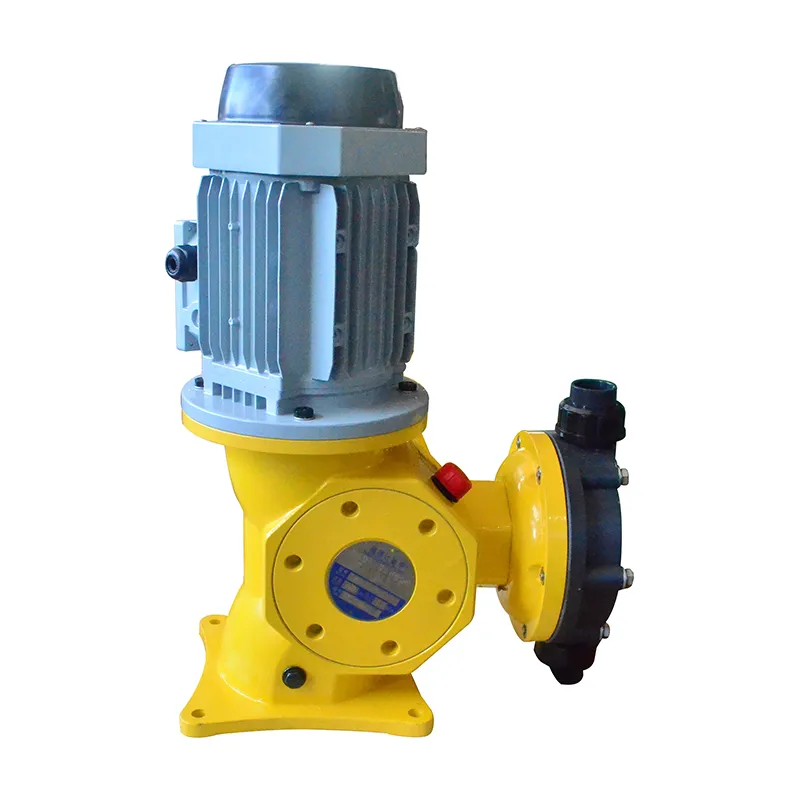 Mechanical diaphragm dosing pumps DJ-Z
-
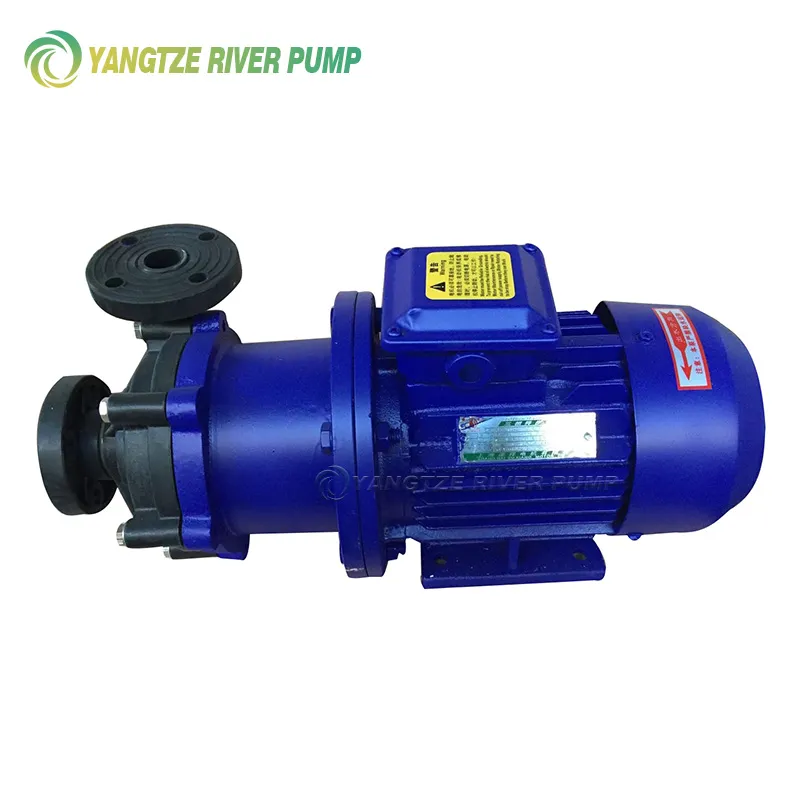 CQF Plastic Magnetic Pumps
-
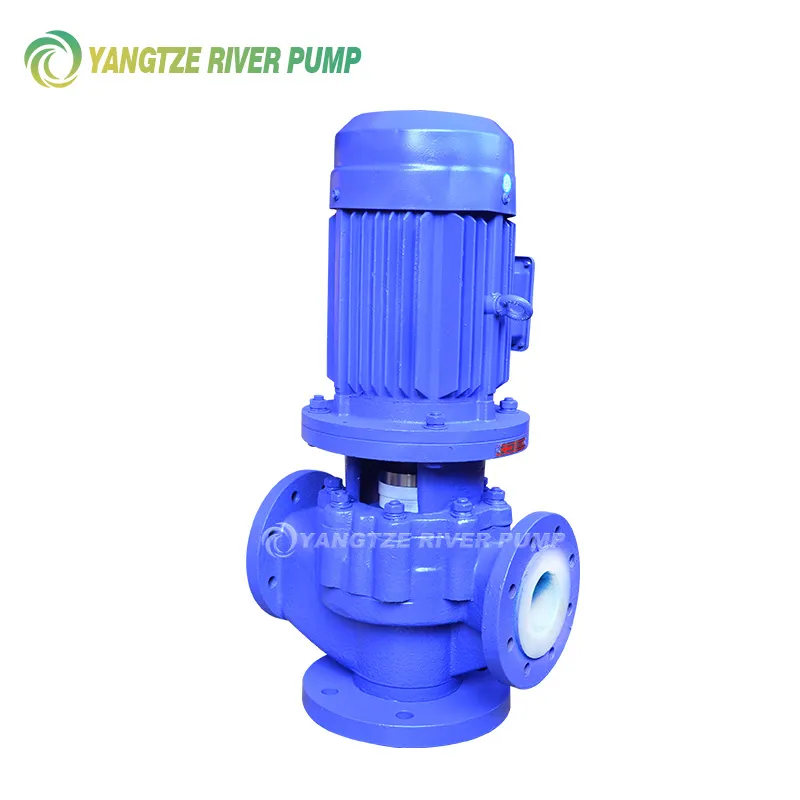 Vertical pumps with PTFE lining YQF
-
 Mechanical diaphragm dosing pumps DJ-D
-
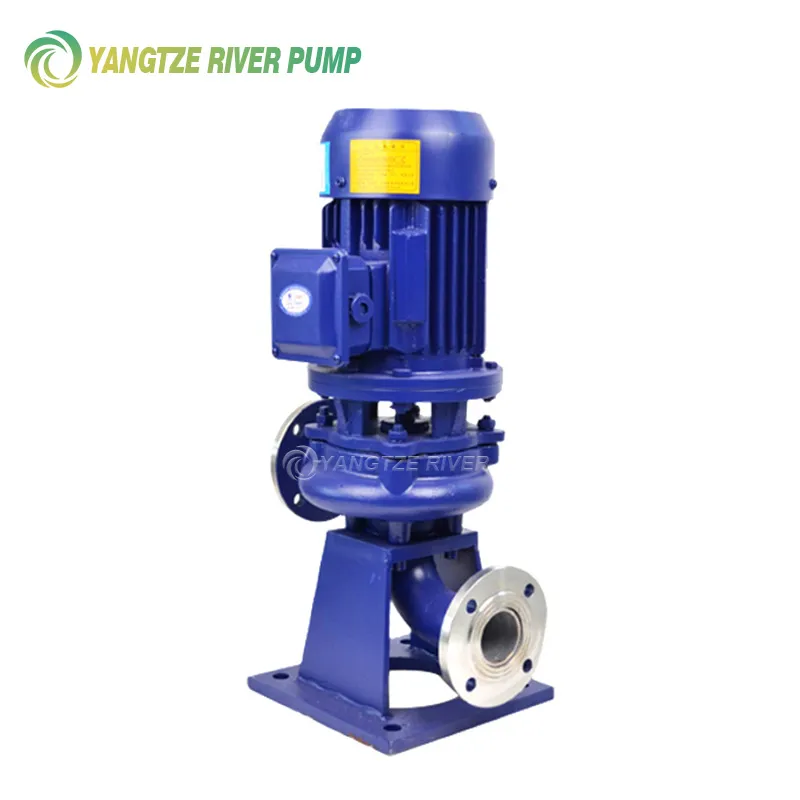 Non-clogging vertical wastewater pumps LW
-
 Liquid ring vacuum pumps type 2EB