







Horizontal centrifugal pumps
When you hear “horizontal centrifugal pumps,” many people imagine just a horizontal casing with a shaft and impeller. But in practice, the difference between ?just a pump? and a reliable unit that will work for years without whims, lies in details that are often not written in catalogs. Too often I have encountered the fact that the customer selects based on pressure and flow, and then suffers from vibration, overheating of bearings or cavitation. And it’s okay if it’s on water, but when it comes to chemically active media, the consequences are expensive. This is where the real work begins.
Design: where the problems are hidden
Let's take a shaft for example. It would seem that steel is steel. But for long-term work with variable loads, especially in the samehorizontal centrifugal pumpsfor pumping suspensions, material and heat treatment are everything. I have seen cases when a shaft made of the wrong grade of steel began to “play?” already six months later, although according to the passport all the parameters were normal. Insufficient rigidity - and there are vibrations and wear of the seals.
Frame. Cast construction is a classic, but there's a lot of talk these days about welded housings for specialty applications. In our production, at the site of Zhejiang Yangzijiang Pumping Industry LLC, both options are available. For aggressive environments, a welded body made of special stainless steel is often preferable, because it is possible to better control the weld zones and minimize internal stresses. But it is both more expensive and technologically more difficult. Not every customer is willing to pay for this difference, although it pays off in the long run.
And here is the support frame (base plate). It would seem like a minor detail. But if it is not rigid enough or poorly processed at the installation site of the unit, the pump will “walk”. Particularly critical for powerful multi-stage horizontal pumps. I had to go to sites where they complained about constant oil seal leaks. The reason is not the pump, but a weak foundation and incorrect alignment due to a deformed frame. This is the same “trifle” on which many projects fail.
Flow path materials: choice determines the environment
Impeller and guide vane. Cast iron, 304 stainless steel, 316 stainless steel, duplex steel, Hastelloy, ceramic, polypropylene... The choice is huge. And here you can’t just take “stainless steel”. For weak acids, say a certain concentration of sulfur, 316 steel may be suitable. But if there are chlorides in the environment, expect pitting corrosion. There was experience with pumping brines in food production. We installed pumps with wheels made of standard AISI 316. After a few months - pitting, loss of balance, vibration. I had to change it to wheels made of super duplex steel. Expensive, but there was no other choice.
Therefore, in our company, when we designhorizontal centrifugal pumpsfor chemistry, we always ask the client for the full composition of the medium, temperature, and the presence of abrasive particles. Often the technologist at the customer plant himself does not know all the impurities. Then we offer a trial run or install pumps with the most chemically resistant materials from our range, for example, with a flow part made of ETFE (fluoroplastic) - we also do these. You can't take risks.
Seals. A topic for a separate conversation. Stuffing box seals are cheap, but require maintenance and leakage is acceptable. Mechanical mechanical seals (single, double, cartridge) are on another level. But here, too, the material of the friction pairs is important: carbon-ceramics, tungsten carbide-silicon carbide. For high temperatures or dry runs (which is absolutely unacceptable, but sometimes happens), the choice of seal makes all the difference. I have seen more than once how they saved money on a seal for hot condensate, installed a standard one - and it failed within a week, flooding the engine.
Applications and common installation errors
Where are horizontal centrifugal pumps most often used? Water, heat power (network pumps, make-up pumps), chemical industry, petrochemicals, mining industry for hydraulic transport. It would seem that it has been worked out. But mistakes are repeated.
The most common is incorrect suction piping. A long horizontal section in front of the pump, insufficient pipe diameter, lack of a straight section to stabilize the flow in front of the inlet pipe. This is a direct path to cavitation. The pump begins to make noise, as if gravel had been poured into it, and the wheel quickly erodes. You explain to the customer that you need a receiver or a change in the pipeline, and he points to the dimensions of the workshop: “There’s no room?” Then you have to look for a compromise - maybe install a pump with a large cavitation reserve or a self-priming design, although this is more expensive.
The second mistake is ignoring thermal expansion. On long pipelines with hot media, a rigidly mounted pump can turn into a retaining wall. The loads on the flanges and body are monstrous. Compensators or the correct installation scheme “on sliding supports” are definitely needed. Once I had to deal with an accident at a thermal station: a flange on the pump housing burst because of this. The repair took three days in the cold.
Third, installation without maintenance. The unit was pushed into a corner; it was impossible to get to the mechanical seals or bearing units. To carry out a scheduled inspection, you need to disassemble half the assembly. This is unprofessional, but, alas, it happens all the time. We always emphasize this in our installation recommendations, but not all installation engineers read the documentation to the end.
Connection with other equipment and testing
The pump rarely works alone. More often this is part of a cascade or system with filters, heat exchangers, and instrumentation. Coordination of characteristics is important. You put a powerful onehorizontal centrifugal pump, and the outlet valve is closed, or the filter is clogged - working with a closed valve or at low flow leads to overheating of the liquid in the housing, deformation, and again to cavitation. Bypass lines, recirculation systems or frequency converters are needed for smooth regulation.
Tests. At our plant, each pump undergoes hydraulic testing on a stand. We check the flow, pressure, power consumption, vibration level, bearing temperature. But bench tests are water, 20 degrees. And the client will pump alkali at 90°C. The viscosity is different, the density is different. This is why recalculation of characteristics is so important. Sometimes clients ask to test it in a real environment - it is possible, but difficult and expensive. Usually we limit ourselves to selection according to curves and guarantee operation within a given range.
A special topic is NPSH tests. This is a critical parameter, especially for pumps that suck from containers or with heated liquids. If you underestimated it, the service life of the wheel drops significantly. We always build not only the main Q-H curves, but also NPSH curves for key models. And we require from the customer accurate data on inlet pressure and temperature.
Case study and why the full production cycle is important
I would like to cite a case from a chemical plant near Novosibirsk. They needed a pump to pump hydrochloric acid mixed with fine abrasive (iron oxides). Wednesday is hard. The task is to replace imported pumps that often fail. We looked at different options, including diaphragm pumps, but we needed more performance.
Specialists from Zhejiang Yangzijiang Pumping Industry Co., Ltd. proposed a special-design horizontal centrifugal pump. The body and impeller are made of high-silicon cast iron with a PTFE coating for acid resistance. The mechanical seal is double, with a barrier liquid under pressure so that the acid does not leak even in the form of vapor. The frame was made reinforced, with vibration-isolating gaskets.
But the main thing was different. Since we have a full cycle - from R&D to testing and service - we were able to quickly produce a prototype of the flow part from an alternative material (aluminum oxide ceramics) and conduct accelerated corrosion and erosion tests in the laboratory. It turned out that for this particular mixture, although ceramics are more fragile, they last longer in this operating mode. The client agreed to this option.
The pumps have been in operation for two years; a scheduled inspection showed wear within normal limits. For me, this example is an indicator that it is important not just to sell a unit from a catalog, but to delve into the process. Having our own production lines, casting, machining and, critically, our own testing station allows us to do such things. Don't just be an assembler, but be an engineering company. This applies not only to chemical pumps, but also to the same multi-stage horizontal pumps for boiler rooms or linear centrifugal pumps for water supply - an individual approach is needed everywhere.
Instead of a conclusion: about reliability and expectations
People often ask: “What is the service life?” The standard answer is 10-15 years. But this is subject to: correct selection, correct installation, correct operation and timely maintenance. The reality is that the pump can fail within a month if any of these conditions are violated. And it's not always the manufacturer's fault.
Therefore, our position is not just to ship the equipment, but to accompany the project: provide detailed installation diagrams, startup instructions, and train personnel. And if something goes wrong, quickly leave or remotely analyze telemetry data, if available. The company's website https://www.yangtzeriverpump.ru is not just a showcase, it is a portal where you can find technical data, catalogs, and most importantly, contact engineers. This is important for us.
A horizontal centrifugal pump is ultimately a tool. Reliable, effective, but requiring competent hands. And the more complex the task, the more important the dialogue between those who make this pump and those who will use it. Without this dialogue, even the most perfect design is just iron. And with it, it’s already part of the technological process, working for years. This is what we strive for.
Correspondingproducts
Related Products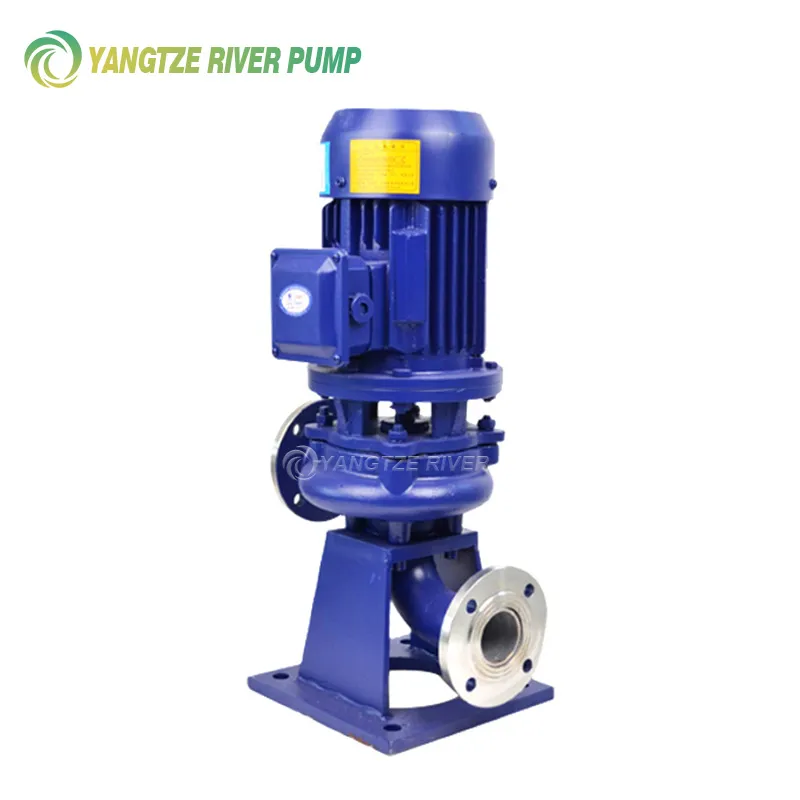
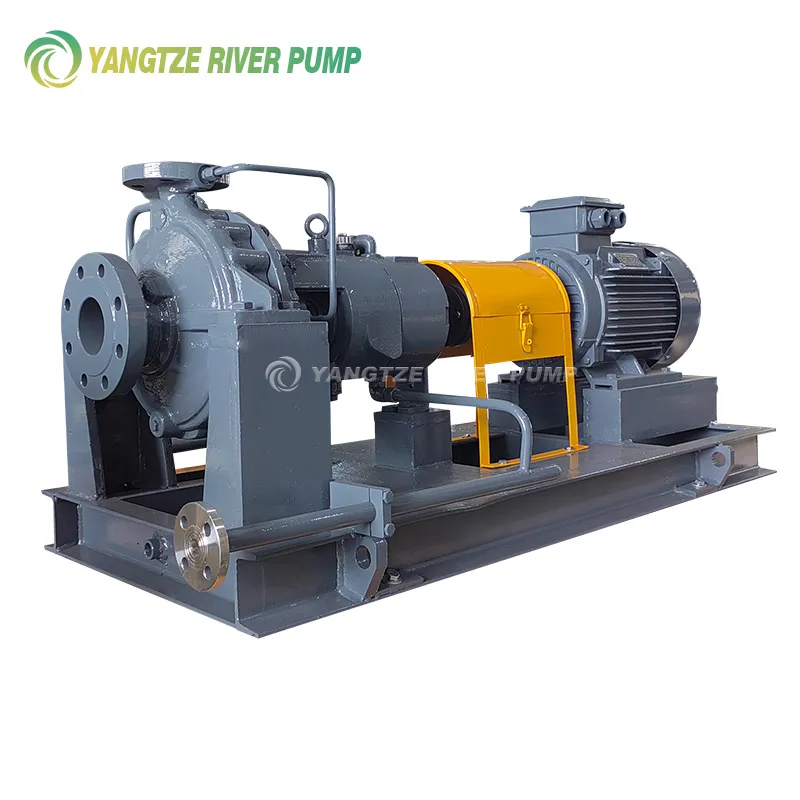
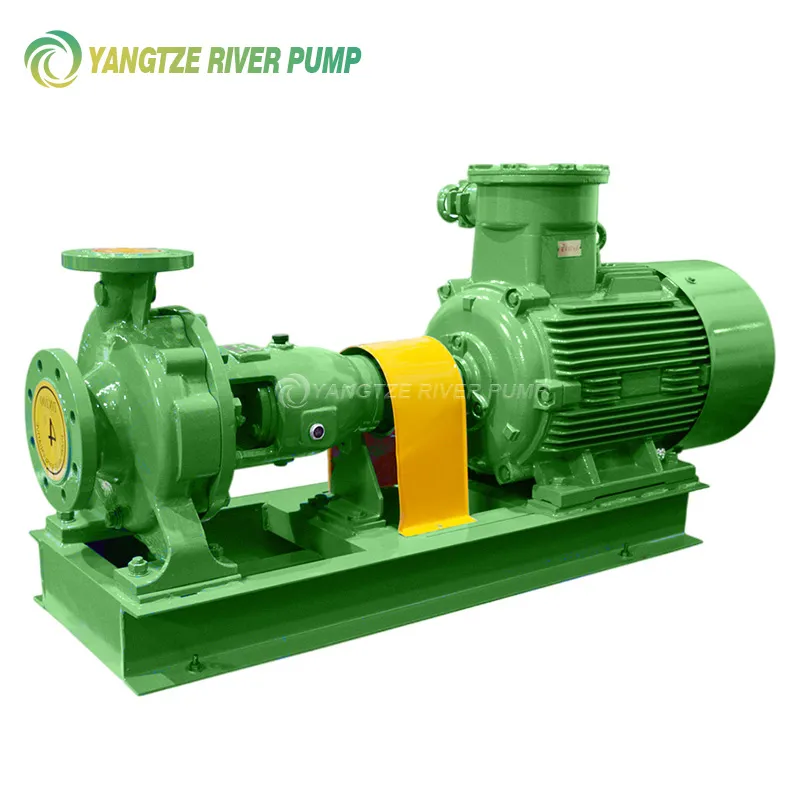
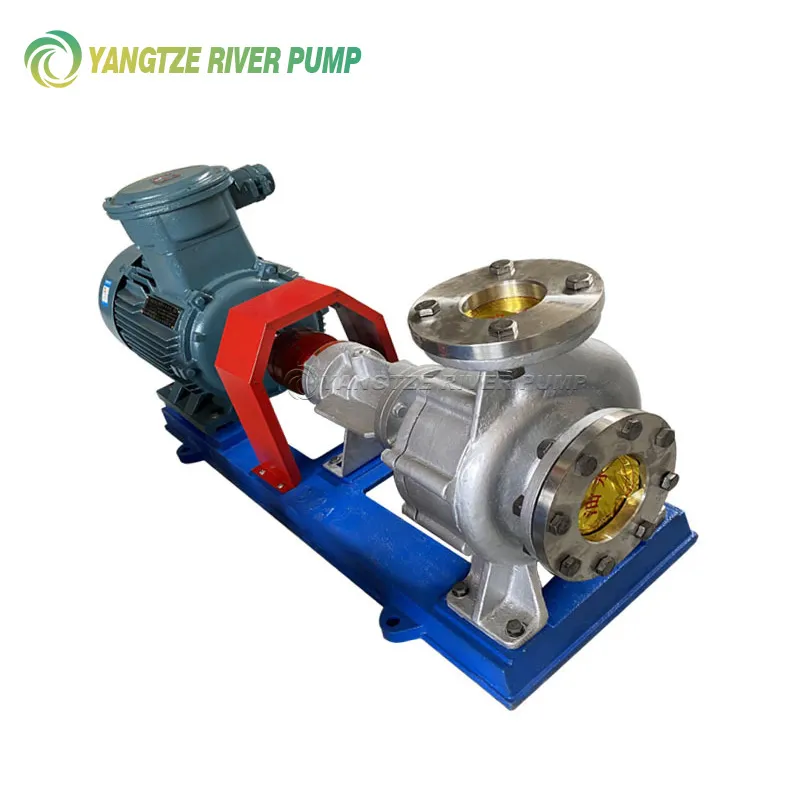

Best Sellingproducts
Best Selling Products-
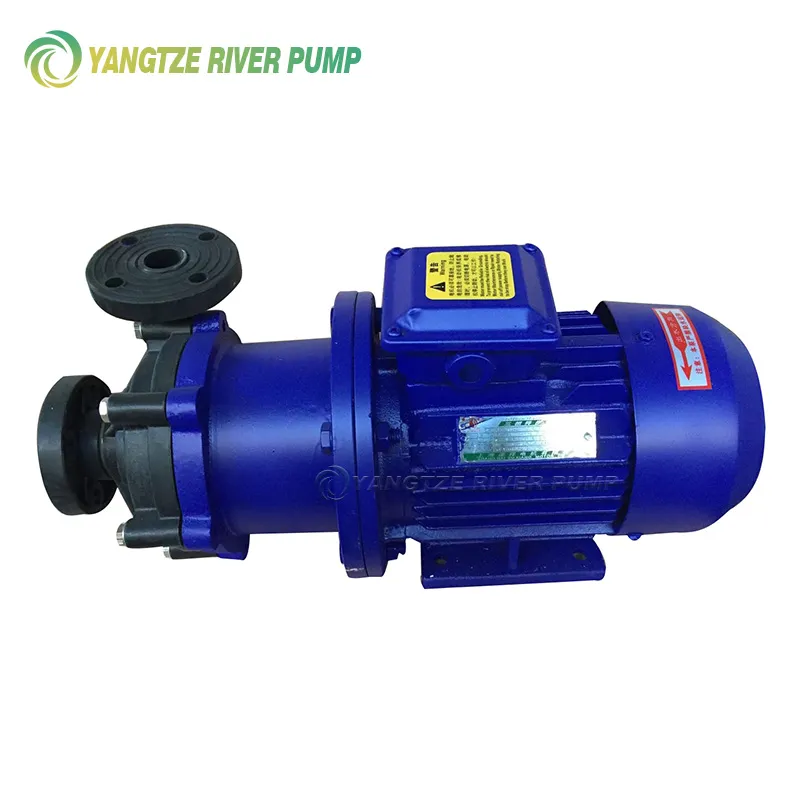 CQF Plastic Magnetic Pumps
-
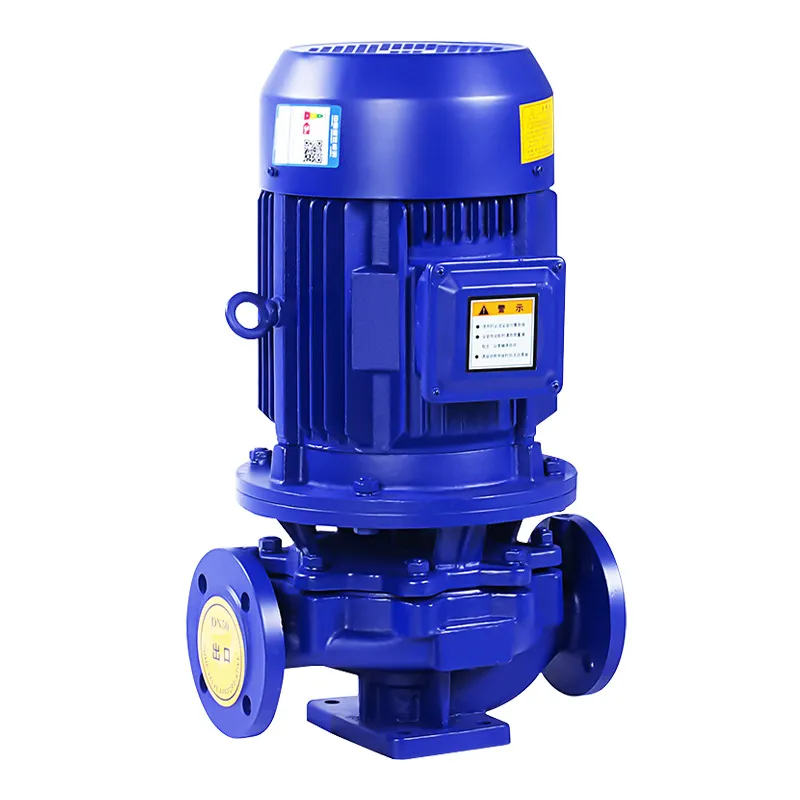 Vertical single-stage pipeline centrifugal pumps ISG and IHG
-
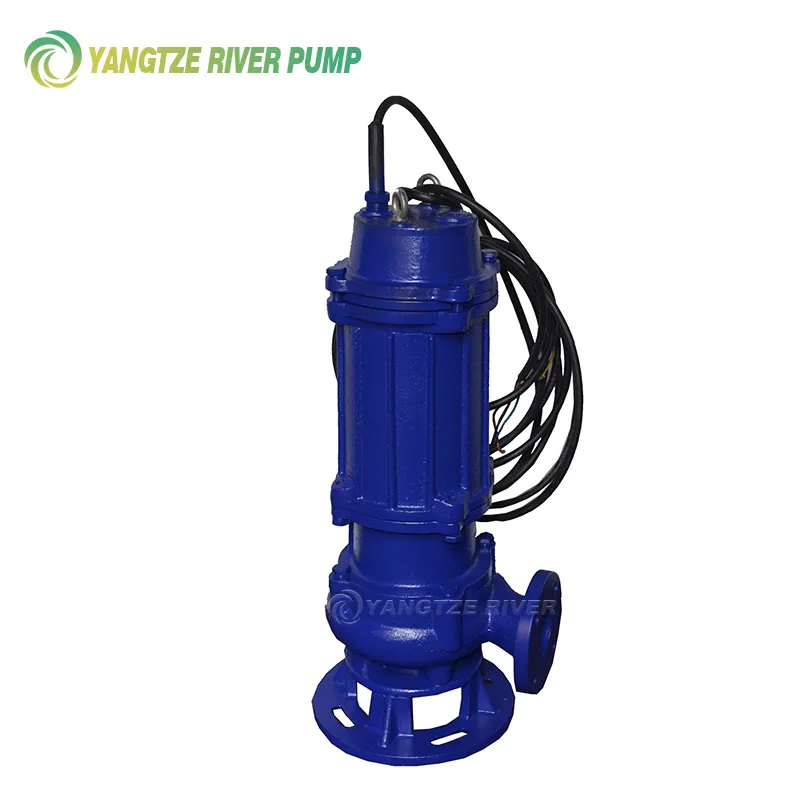 QW Non-clogging Submersible Sewage Pumps
-
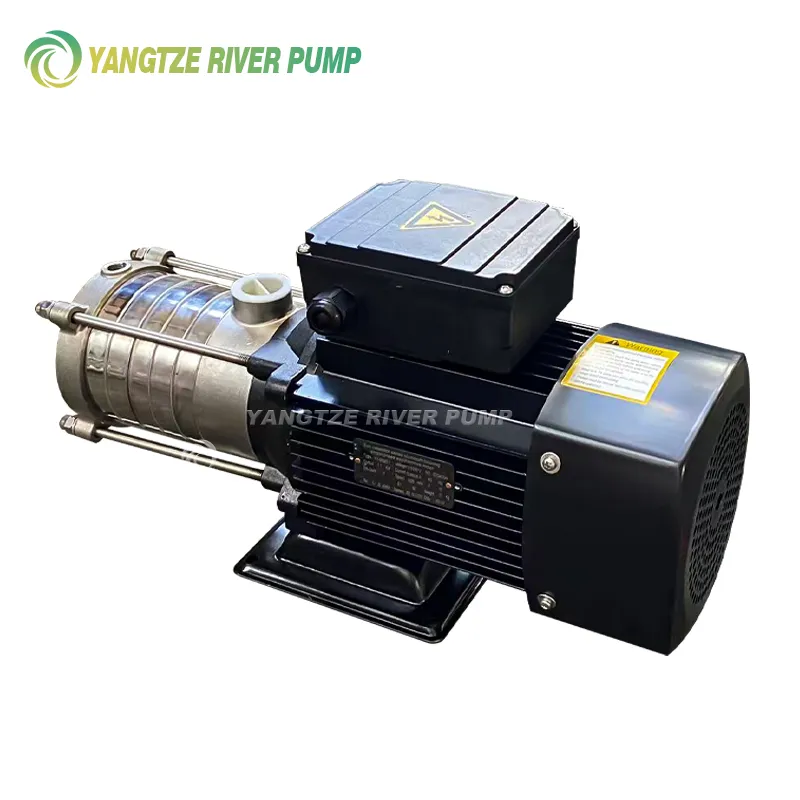 Horizontal multistage centrifugal pumps (light series) CHL and CHLF
-
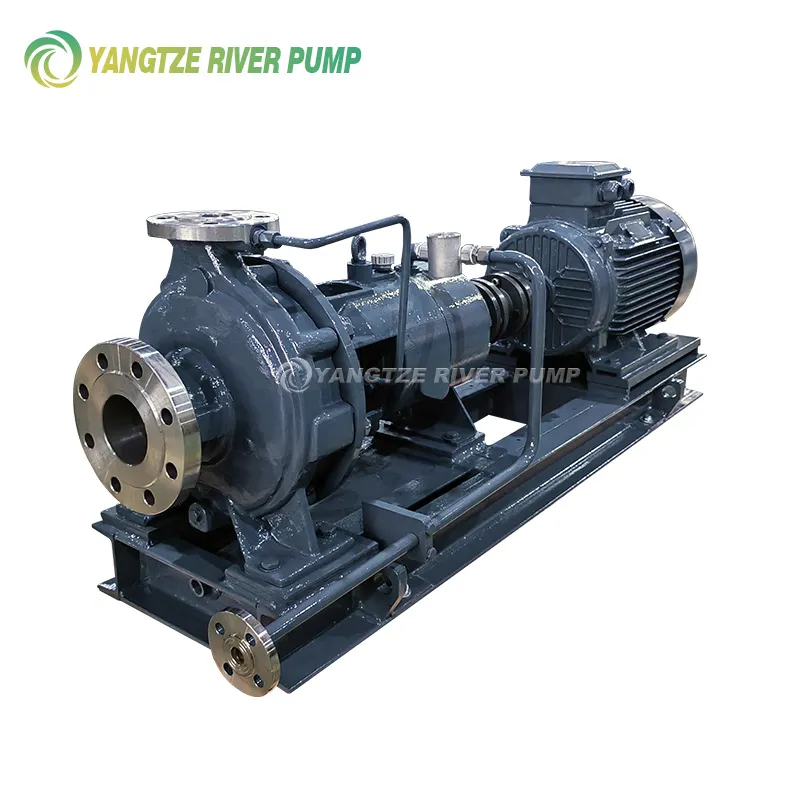 Petrochemical Process Pumps API 610 YZA
-
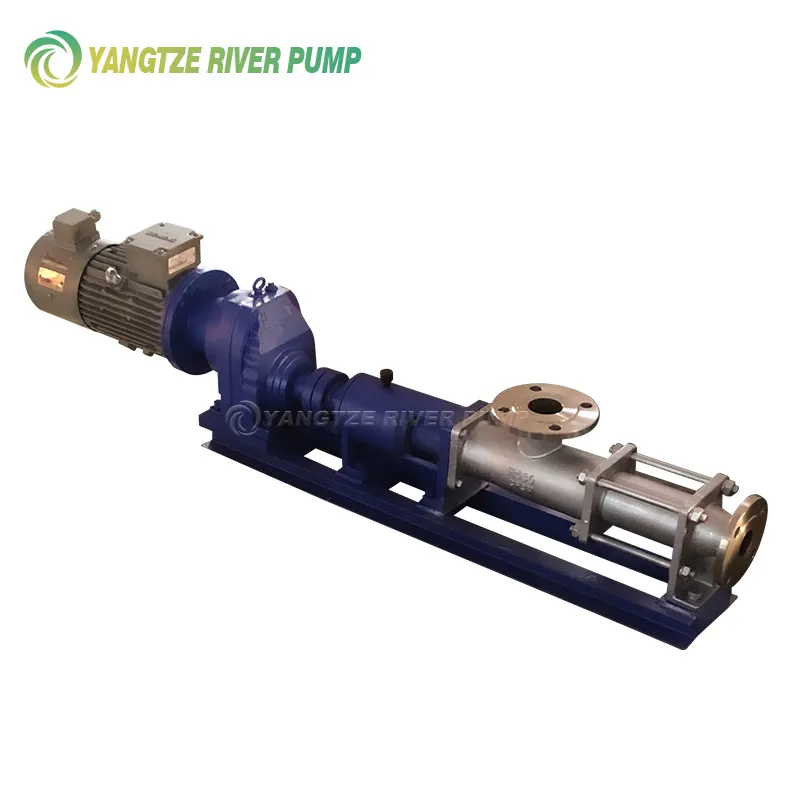 Geared screw pumps type G
-
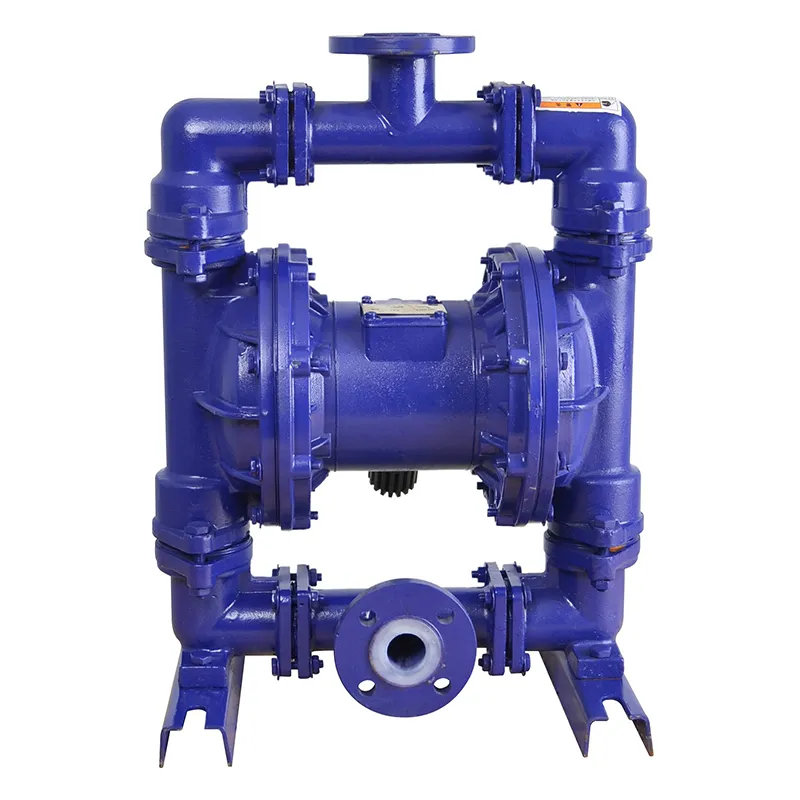 Metal pneumatic diaphragm pumps QBK
-
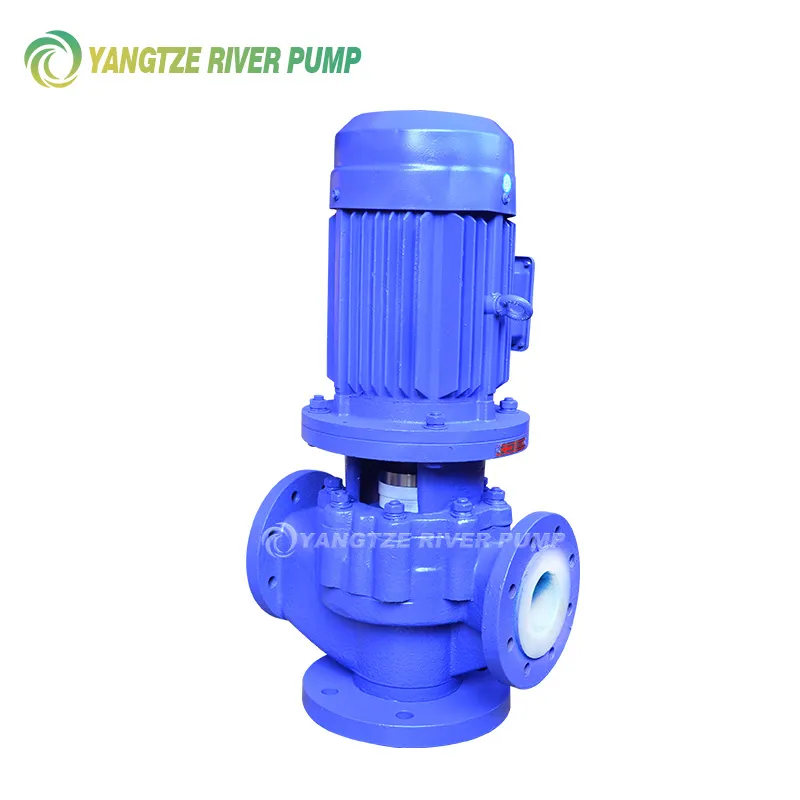 Vertical pumps with PTFE lining YQF
-
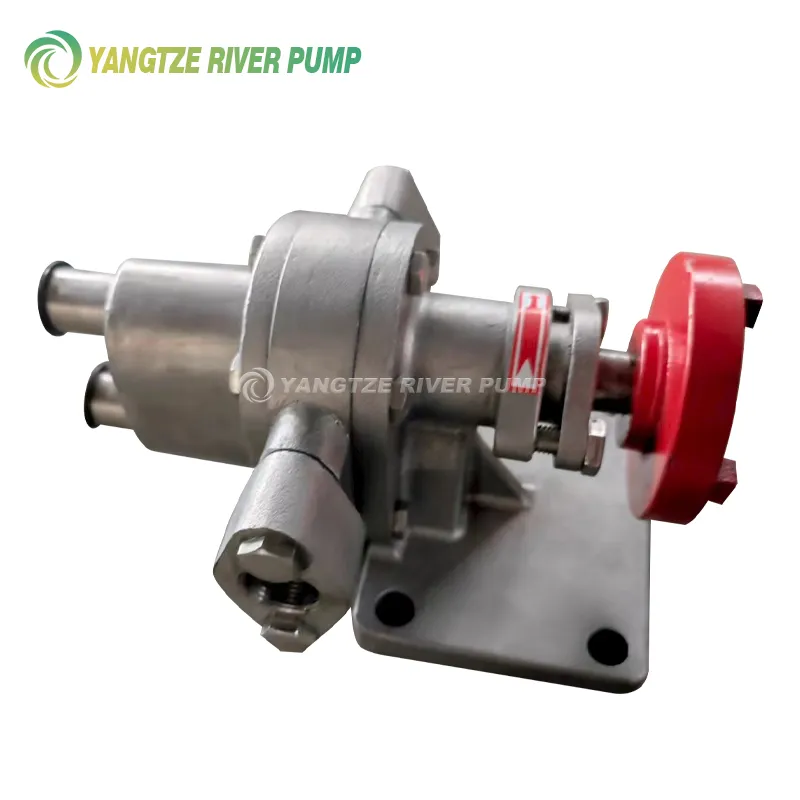 Gear oil pumps type KCB
-
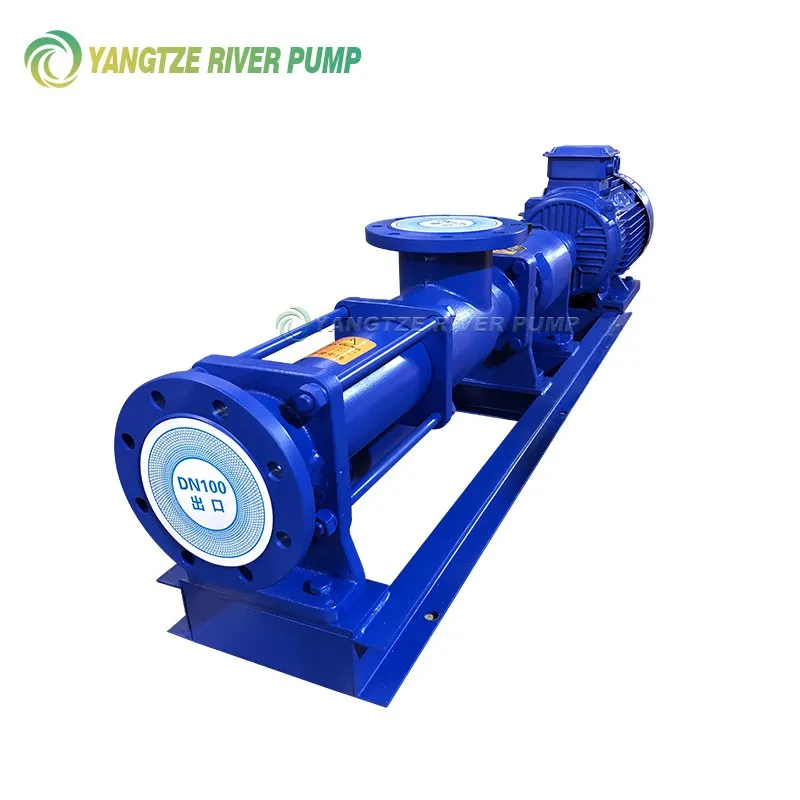 Single screw pumps type G
-
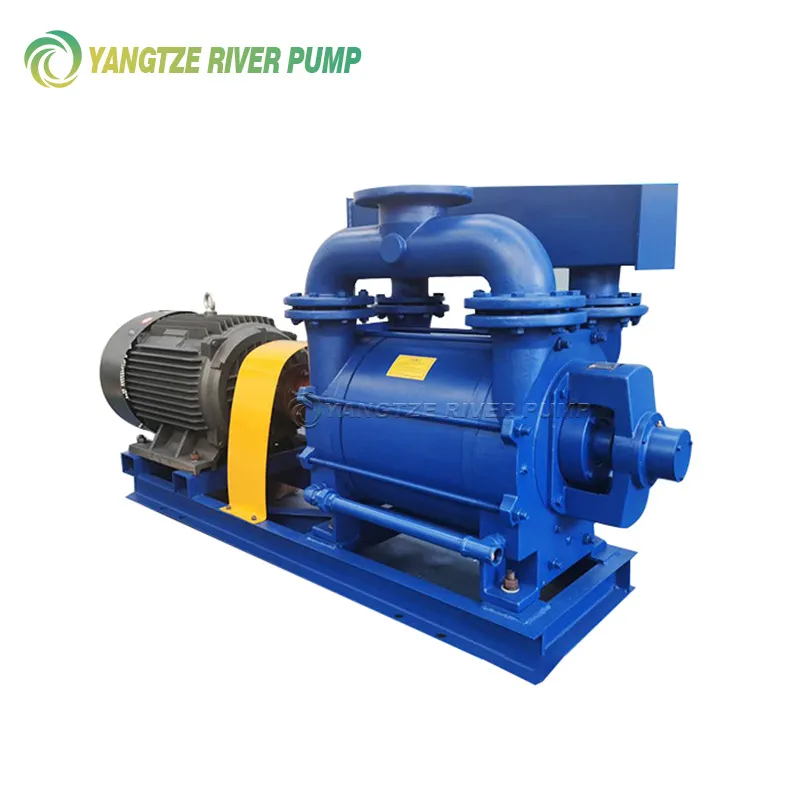 Liquid ring vacuum pumps type 2EB
-
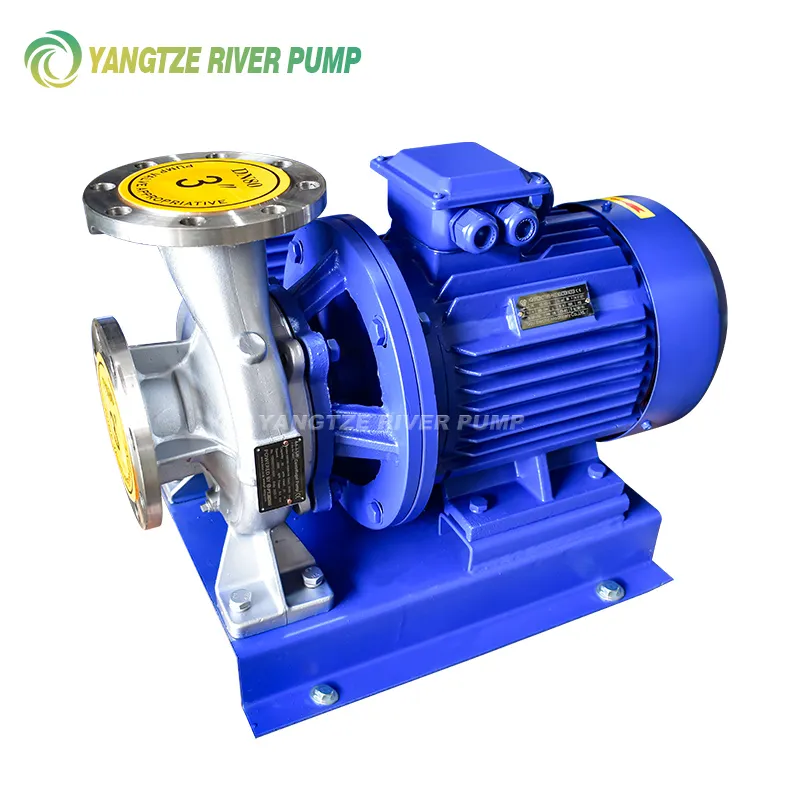 ISW and ISWH Single Stage Horizontal Pipeline Centrifugal Pumps
Relatedsearch
Related Search- submersible centrifugal pump 25
- deep well pump 120
- centrifugal pump 2 25
- industrial wastewater pumps
- magnetic transfer pump
- Lightweight vertical multistage centrifugal pumps
- SFB Corrosion Resistant Stainless Steel Centrifugal Pumps
- centrifugal pump 2 2 kW
- CDLF Complete water supply plants with frequency regulation and constant pressure
- Plastic magnetic pumps