







deep-well pumps with a diameter of 50
When they talk aboutdeep-well pumps with a diameter of 50, many immediately imagine just a downhole unit that can be inserted into a 50-mm casing pipe. But in practice, this figure is the beginning of a whole story with pitfalls. A common mistake is to think that the main thing is that the pump physically fits into the pipe, and the rest is a matter of technology. In reality, this is where the nuances begin: the gap between the body and the pipe wall, real performance for such a small diameter, issues of engine cooling and, of course, durability in sandy or aggressive environments. At Zhejiang Yangzijiang Pumping Industry LLC, we have passed many such models through test benches, and I can say that there is no universal solution, each case requires its own approach.
Why exactly 50 mm? Context of application
This size is not an accident. It is often dictated by geology and economics. Many private wells, especially for sand, are drilled under a casing pipe of exactly this diameter - this is a common, relatively inexpensive option. But the customer wants to get the maximum amount of water from such a well, and here a conflict arises: the small diameter limits both the engine power and the pump performance. We have to find a balance.
Our line of submersible pumps includes models for such tasks. But when they come to us with the request “need a 50 mm pump?”, the first question is always not about the diameter, but about the well’s flow rate, dynamic level and required pressure. It happened that the client insisted on maximum productivity, and after a short period of operation the pump failed - the well simply did not have time to replenish the intake, the pump was “enough?” air and overheated. This is a classic selection mistake.
Therefore, now we always clarify: is the flow rate sufficient for the planned consumption? Sometimes it is more correct to recommend a model with lower performance, but with dry-running protection and high-quality heat dissipation. On the websiteyangtzeriverpump.ruIn the submersible pumps section, we try to give not just technical specifications, but selection recommendations based on such field cases.
Design features and bottlenecks
Design reliabledeep well pumpin a 50 mm case is an engineering puzzle. All components - motor, impellers, shaft - must be miniature, but at the same time maintain strength and efficiency. One of the key limitations is cooling. The engine operates in a confined space, heat removal occurs only through the circulation of pumped water around the housing. If the water contains a lot of suspended matter, this circulation deteriorates.
In our multi-stage centrifugal models for these diameters, we use special heat-resistant insulation and try to maximize the clearance for water flow. But this, again, reduces efficiency. We have to compromise. During testing, we run pumps in well emulators with different sand contents and look at temperature conditions. Not all prototypes pass this test - some show excellent hydraulic characteristics in clean water, but “boil”? in suspension.
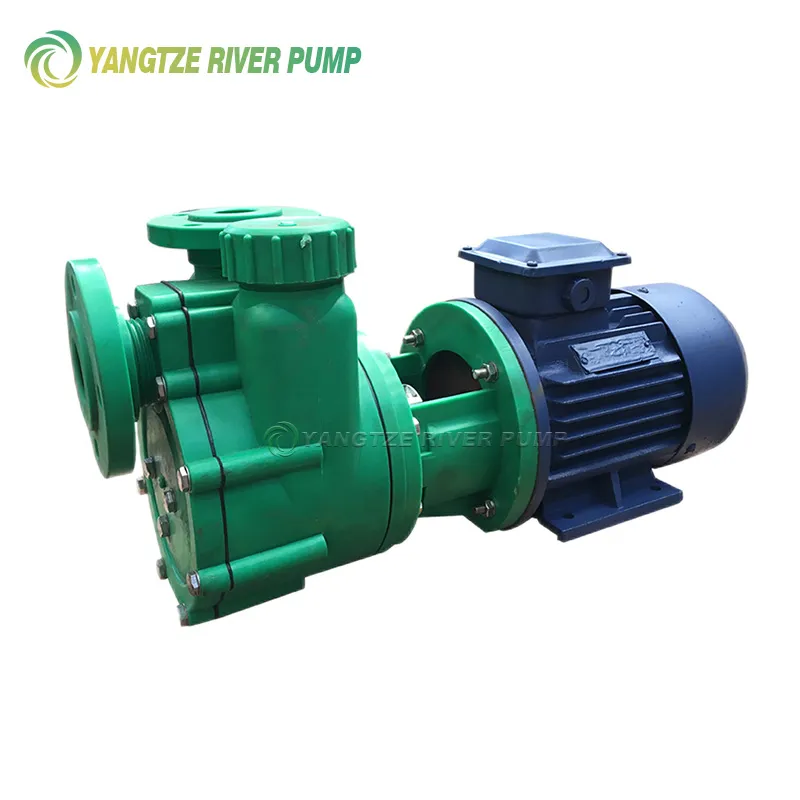
Another point is the material. For clean water, stainless steel is sufficient. But if, according to the client, the water is aggressive, with a low pH, we consider the option of a body made of composite materials. We have plastic chemical pumps in our assortment, and we adapt some technological solutions from there for small-diameter submersible well models. This is not a mass story, but a piecemeal decision, but it is the only correct one.
From the practice of installation and maintenance
Theory is one thing, but running a pump into a real, non-ideal well is quite another. A casing pipe of 50 mm is very small. Any bend, narrowing or limescale on the inner wall becomes an insurmountable obstacle. It has happened more than once that a pump that was ideal in terms of characteristics simply did not fit into the declared “fifty” range. due to defective or deformed pipe. Therefore, now in the instructions we strongly recommend calibrating the well with a simple cylindrical template before installation.
Another headache is the hanging rope and cable. They also need to be carefully placed in this narrow space so that they do not rub against the walls and interfere with possible future lifting. We equip pumps with reinforced insulation cables, but we still advise customers to use additional protective clips or clamps. Trifle? Until the pump gets stuck halfway down or the cable breaks due to chafing.
Maintenance of such pumps is also specific. Due to their small diameter, they are almost impossible to disassemble in the field for cleaning or replacing the impeller. Most often, a failed unit is transported to the base. This leaves an imprint on the logistics of warranty repairs. In our company, where production and service are combined, this process is streamlined, but for a client from a remote area, well downtime can become critical. It is also important to warn about this in advance.
Comparison with other pump types in our portfolio
Sometimes the problem they are trying to solve usingdeep-well pump with a diameter of 50, may be resolved differently. For example, if the well is shallow and the water is relatively clean, you might consider a self-priming surface pump. This will eliminate all the problems with installation in a narrow pipe. But here it is important not to make a mistake with the suction depth.
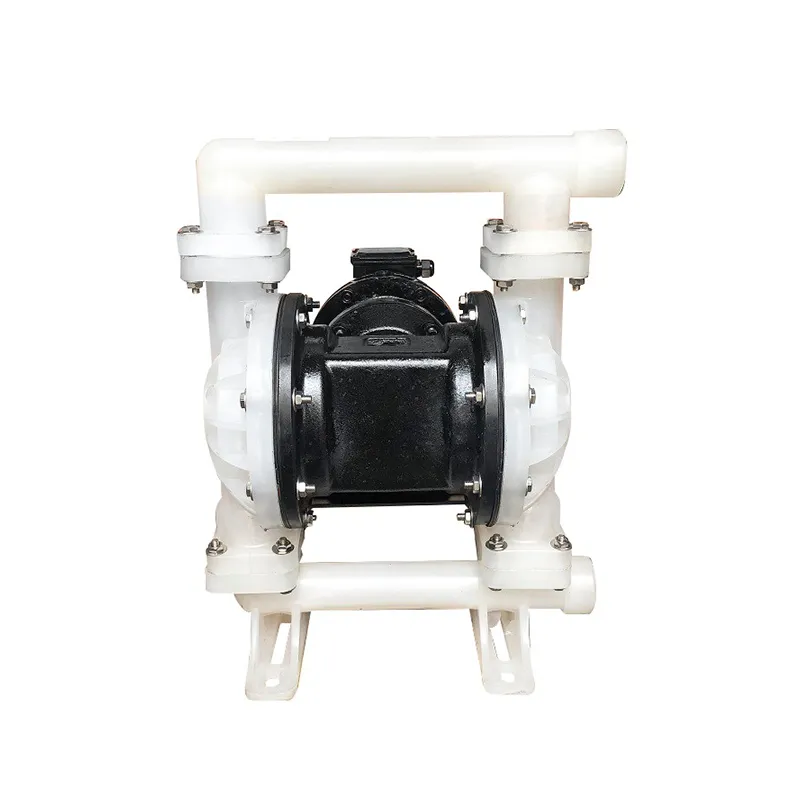
Or another scenario: water is needed for a chemical process, and the well is the source. Then, perhaps, it would be more correct to install a magnetic pump or a diaphragm pump on the surface, which cope better with aggressive media, and lift water from the well with a simple, cheap submersible pump. This is already a system solution, and our sales engineers often work out such schemes, and do not just sell a single unit.
That's why our production includes eight complete lines - from R&D to service. This allows you not to get hung up on one type of product, but to look at the client’s task comprehensively. Sometimes the correct answer is not simply “here’s a 50mm pump?”, but rather a suggestion to upgrade part of the system or use a combination of equipment. True, not all clients reach such a dialogue; many just want a “boxed” product. solution.
Looking to the Future: Where Technology is Heading
Judging by the requests, the need for compact and efficientdeep-well pumpssmall diameter will only grow. Densification of buildings, arrangement of wells in limited areas - all this dictates its own conditions. Our R&D department is experimenting with new composite materials that are lighter and stronger than steel, which will make it possible to accommodate a more powerful engine or a larger flow path with the same outer diameter.
Intelligent control systems with pressure and flow sensors, which can be built into the pump itself or placed in a separate unit, are also being actively tested. For a 50 mm pump, built-in electronics are difficult, but possible. But this will make it possible to precisely adjust the work to the well’s flow rate, preventing “dry” operation. and saving resources.
Ultimately, the ideal pump in its class is not necessarily the one that pumps the most. This is one that will reliably serve its term in specific, far from ideal conditions. And we, at Zhejiang Yangzijiang Pumping Industry Co., Ltd., are moving towards this goal through constant testing, feedback from installers and willingness to offer non-standard solutions when the situation requires it. As practice shows, this approach ultimately turns out to be the most economical for the client, even if the initial price is slightly higher.
Correspondingproducts
Related Products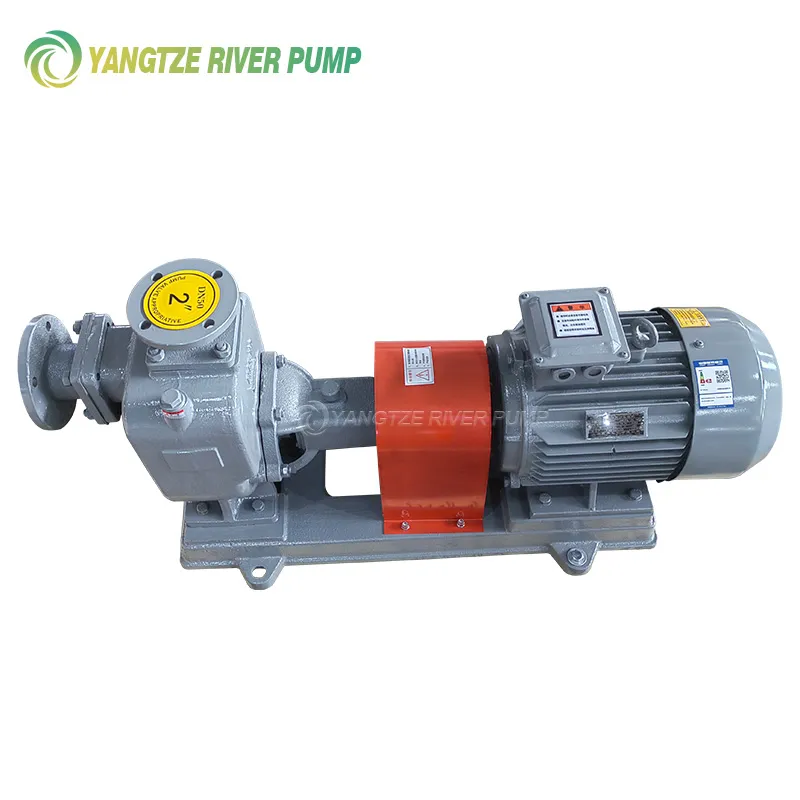

Best Sellingproducts
Best Selling Products-
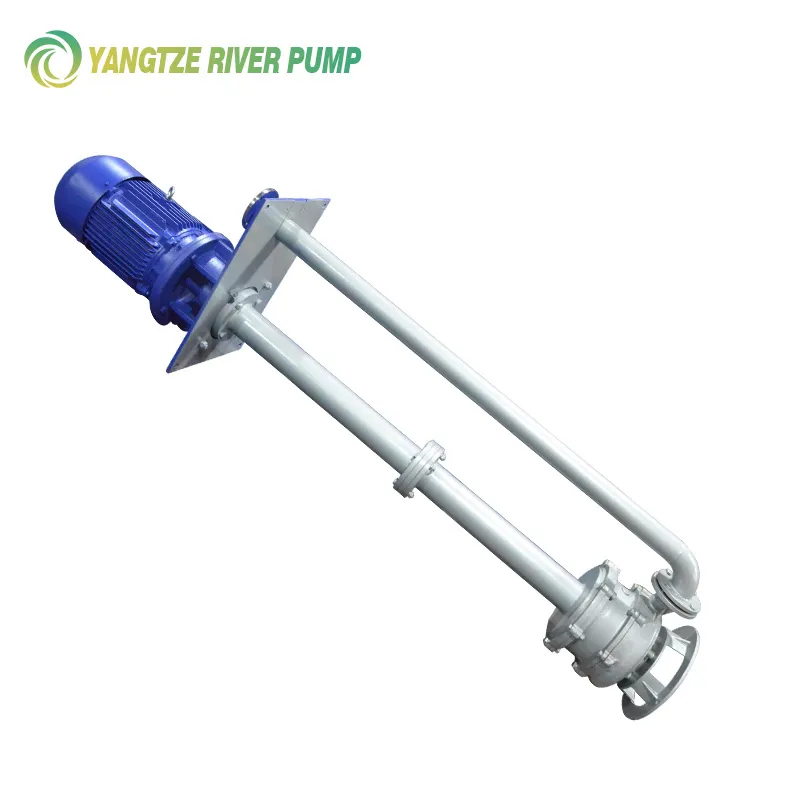 YW Vertical Submersible Sewage Pumps
-
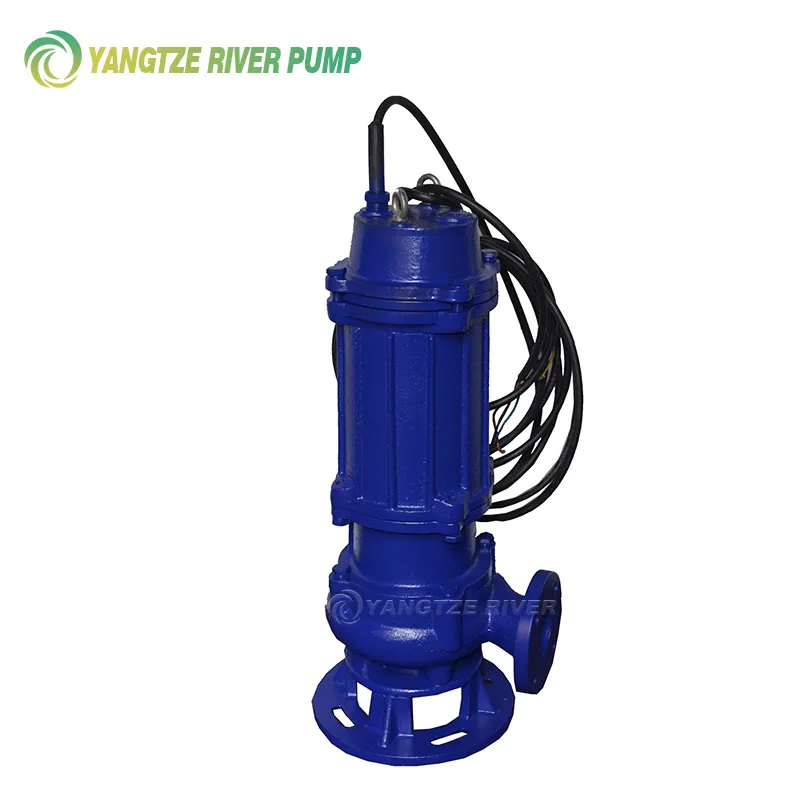 QW Non-clogging Submersible Sewage Pumps
-
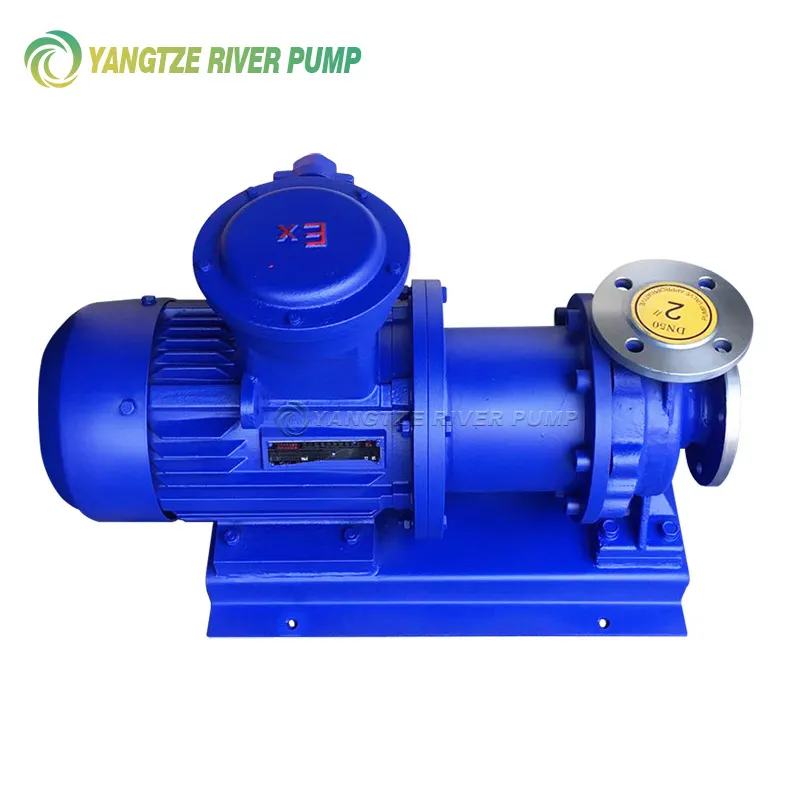 CQB Stainless Steel Magnetic Pumps
-
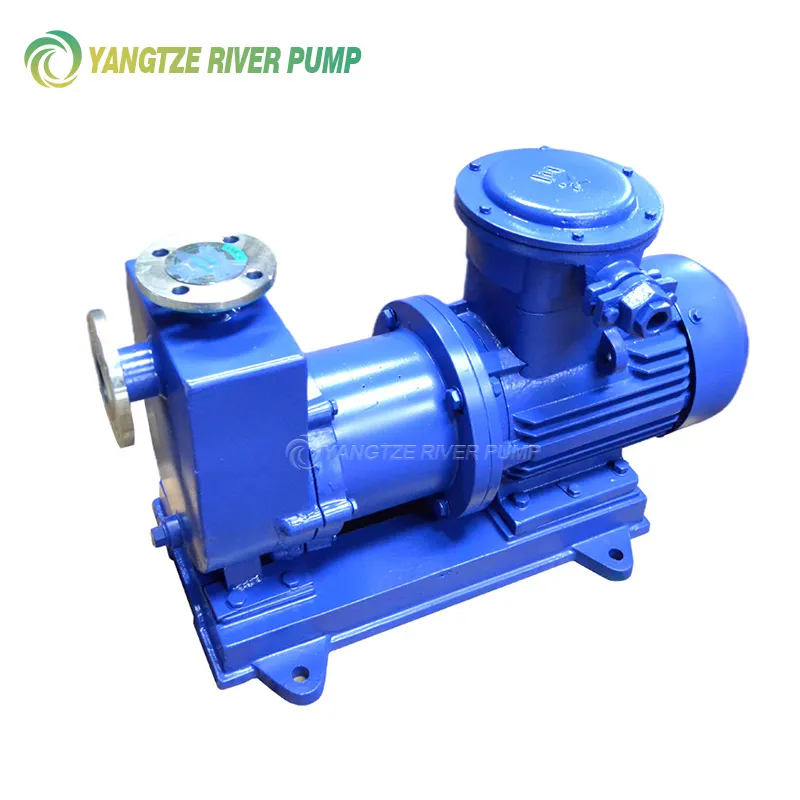 ZCQ Stainless Steel Self-Priming Magnetic Pumps
-
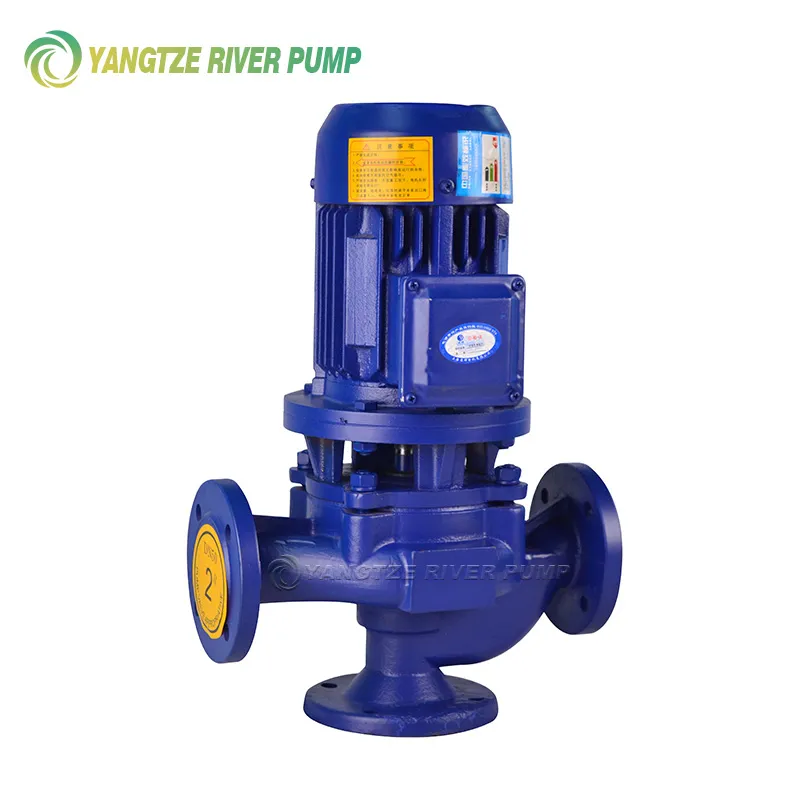 Pipeline wastewater pumps GW
-
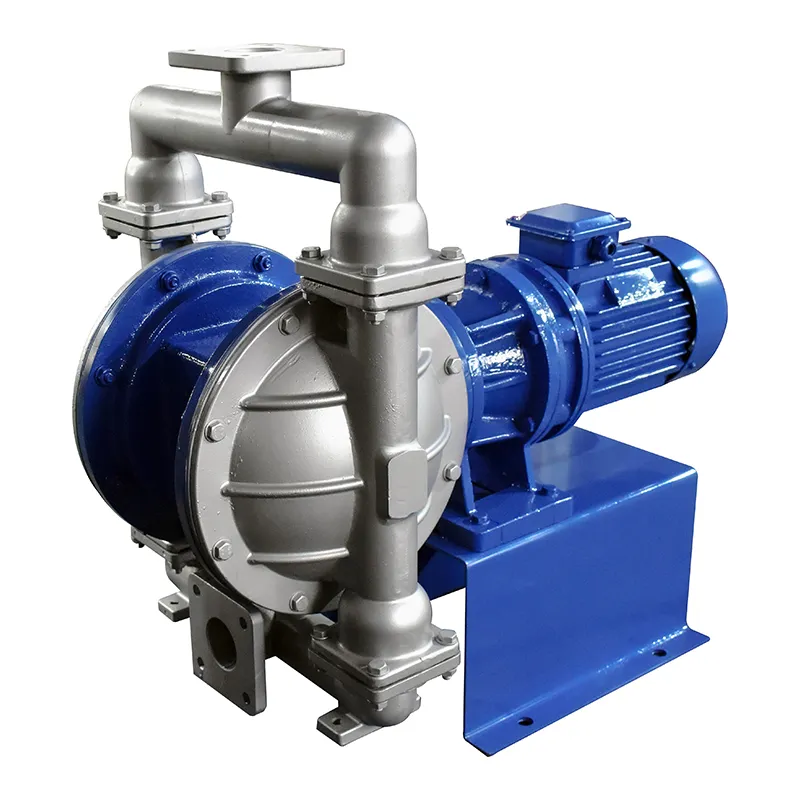 Metal electric diaphragm pumps DBY
-
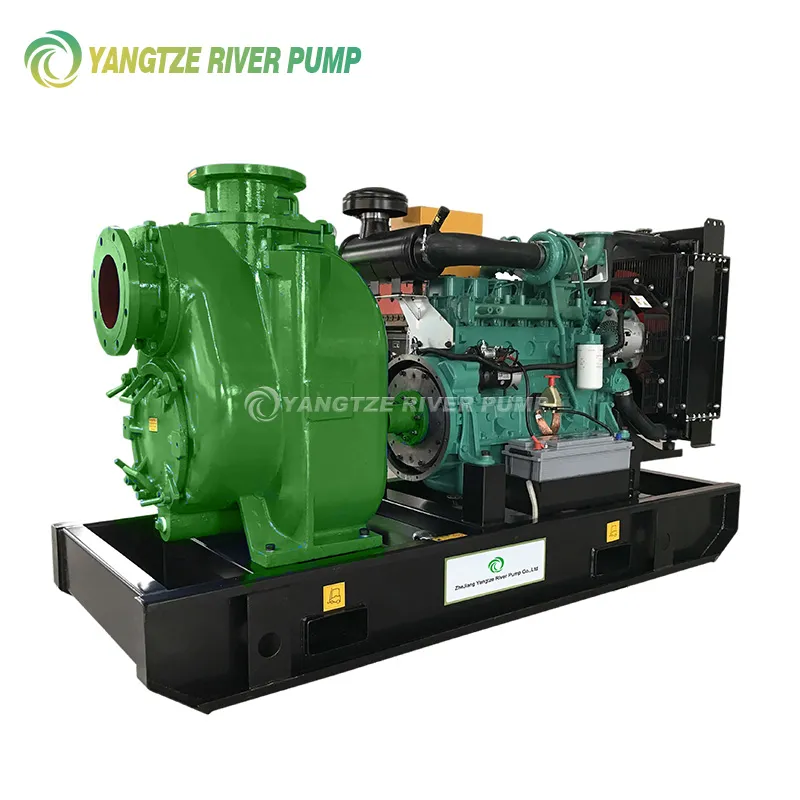 YZSP Diesel Self-Priming Pumps
-
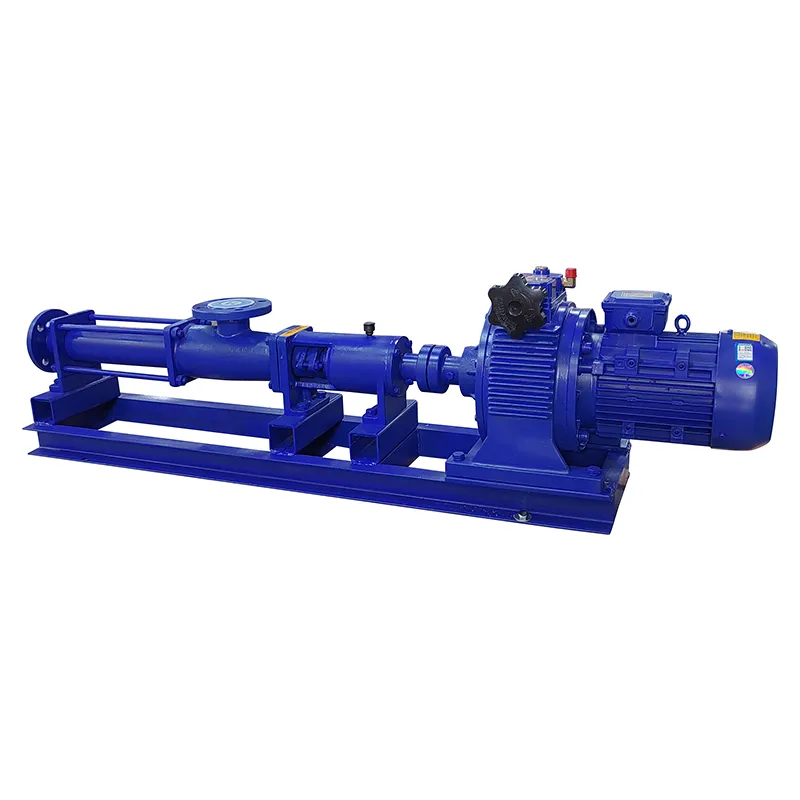 Infinitely variable screw pumps type G
-
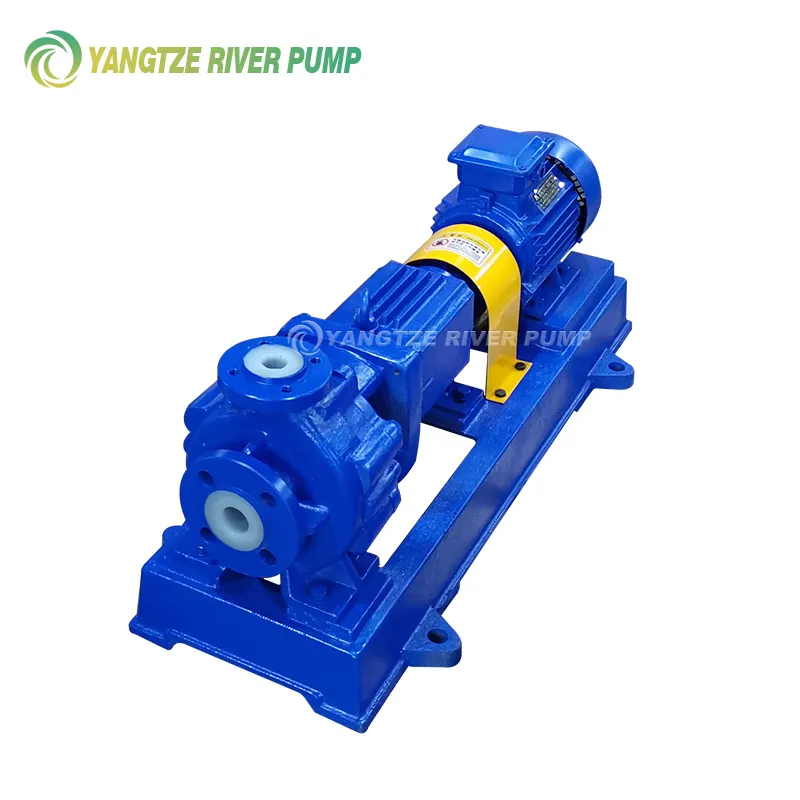 IHF PTFE Chemical Centrifugal Pumps
-
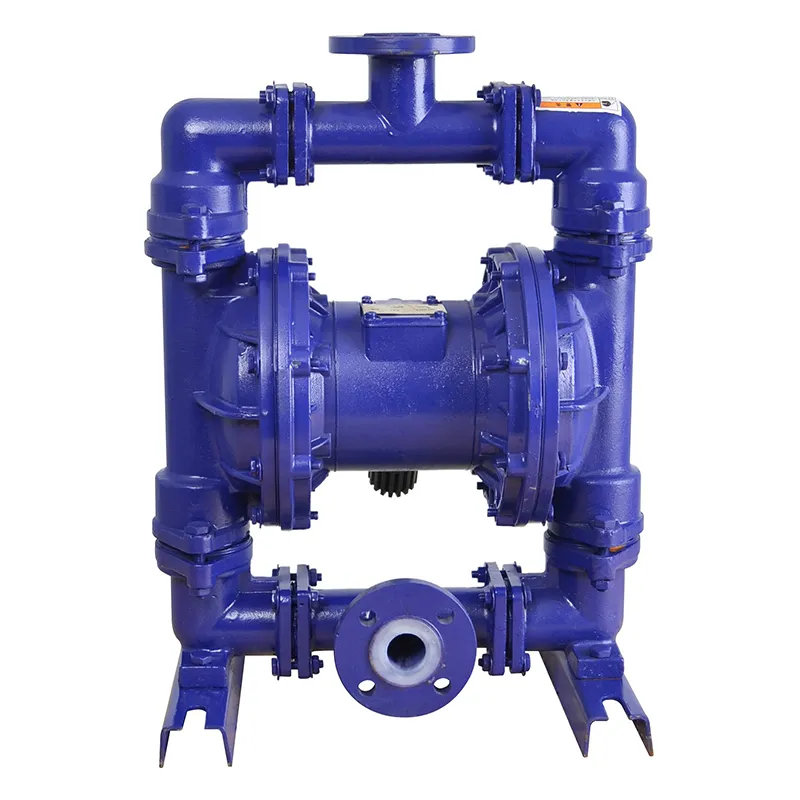 Metal pneumatic diaphragm pumps QBK
-
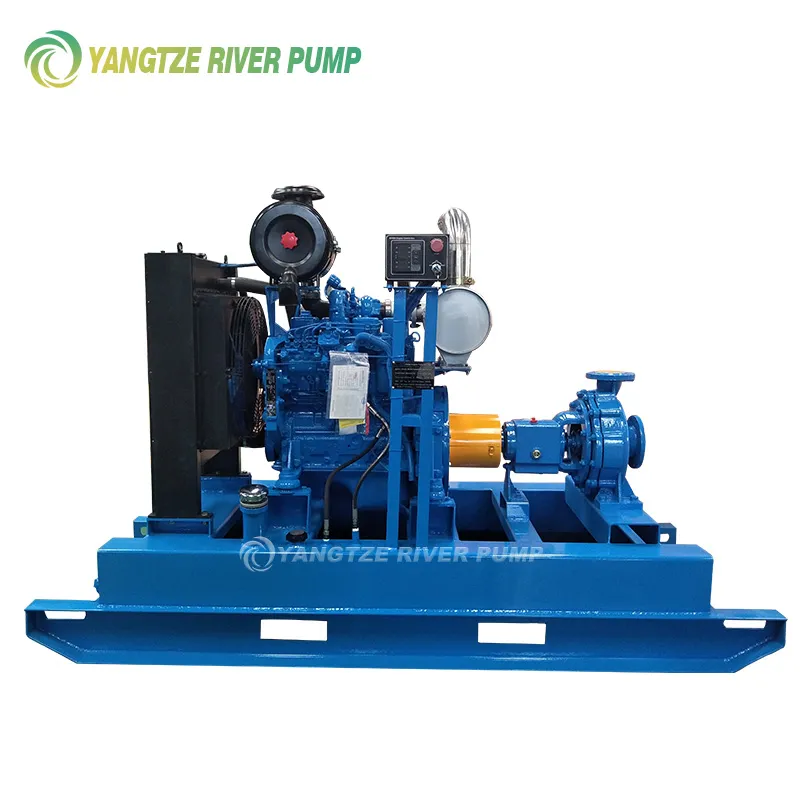 YZIS Diesel Single Stage Centrifugal Pumps
-
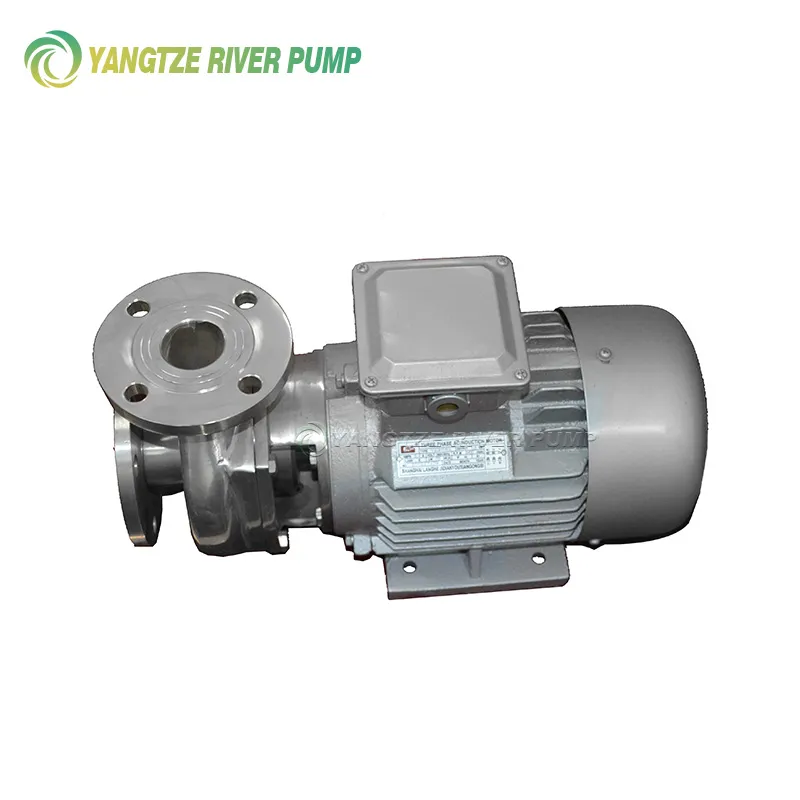 Corrosion-resistant stainless steel centrifugal pumps SFB and SFBX