







deep pump 150 meters
When they say “150 meter deep pump”, many people immediately think of a simple task - lower it, turn it on, and the water starts flowing. But in reality, when it comes to stable work at such depth, everything comes down to details that are often not written in catalogs. The most common mistake is to assume that any pump marked ?150 m? this resource will work. In practice, especially in wells with sand or aggressive media, the declared depth is ideal conditions, but real conditions, alas, are rarely ideal.
Why exactly 150 meters is a special category
From a practical point of view, the 150-meter mark is already a transition to the category of serious equipment. Light household models are no longer suitable here. We are talking about multi-stage structures, where each stage is additional pressure. In our production line, for example, for such tasks we focus specifically onmultistage submersible pumps. Why? Because a single-stage at such a depth will work at the limit, with a huge load on the engine and impeller, which sharply reduces the resource.
I had a case where I had to disassemble the pump after six months of operation at the stated 140 meters. The client complained about a drop in pressure. They opened it up and there was erosion on the impellers, characteristic of cavitation. It turned out that the well's flow rate was lower than calculated, the pump often ran “dry,” and although the dry-running protection seemed to work, microscopic water hammer did its job. Conclusion - for 150 meters, not only the depth is critically important, but also the consistency of the pump’s performance with the capabilities of the well itself.
And one more thing about the materials. For such depths, AISI 304 stainless steel is the minimum. Better yet, 316L, especially if there is at least a hint of chlorides or increased mineralization in the water. We at Zhejiang Yangzijiang Pumping Industry Co., Ltd. specially run pumps on a test bench in simulating such environments in order to see wear not after a year, but after a few weeks of testing. This gives you an idea of what material will really hold up.
Key components to look at when choosing
Engine. Everything is simple here - it must be filled. The stator cavity filled with compound is not just protection from moisture, it is also better heat dissipation. At a depth of 150 meters, cooling occurs only due to flowing water, and if its flow is insufficient, the engine can overheat even in a high-quality device. Therefore, in the passport we always look at the minimum permissible flow rate for cooling.
Impellers and diffusers. For deep-well pumps at 150 meters, wheels made of technopolymers (PPS type) or, again, stainless steel are most often used. Polymer ones are lighter and often more resistant to abrasive, but there is a caveat - with prolonged work at extreme pressures, “fatigue” may appear. material. Metal is more predictable in this regard. In oursubmersible pumpsfor such conditions we combine: somewhere we put polymer to reduce weight and inertia, and in pressure-critical stages we use metal.
Cable and sealed lead-in. A trifle on which many “burn?”. The cable must be submersible, with waterproofing designed to withstand the constant pressure of the water column. And the sealed gland (gland) at the cable entrance to the pump is generally a point of increased attention. It would be better if it was a double seal. I remember a story when, at a facility, water entered the engine not through the housing, but through the cable, due to poor-quality crimping of the sealed lead-in. The cost of the repair was almost equal to that of a new pump.
Installation and operation: where the risks lie
The most common installation mistake is incorrect suspension. The pump should not touch the walls of the casing, but hanging on the cable in the middle is also wrong. There is a risk of vibration and impacts against the wall during startup. We always recommend using centralizers, especially in the first 10 meters from the pump where vibrations are most likely. And the cable is only made of stainless steel; galvanizing in the well means future rust and breakage.
Commissioning. It would seem that it was connected and started. But at such depths it is important to control the smoothness of the transition to operating mode. A sudden start creates a pressure surge (water hammer) in the entire system, from the well to the accumulator. This is a load on both the pump check valve and the pipeline. It is advisable to use soft starters or at least make the first start by slightly opening the tap on the surface to relieve excess pressure.
Operational control. You can’t just “set it and forget it?” Even the most reliabledeep well pumprequires attention. A simple pressure gauge at the well outlet and an hour meter can tell a lot. A drop in pressure at a constant flow rate is a possible signal of wear on the impellers or clogged filter. A sharp increase in current consumption means problems with the bearing or jamming. On our website yangtzeriverpump.ru in the support section we post typical graphs of pressure versus operating time for different models - this helps customers diagnose deviations in a timely manner.
Production and testing experience in Yangzijiang Pump Industry
When we design a pump to operate at 150 meters, we do not only rely on design parameters. Our eight production lines are a closed cycle from drawing to testing. For example, formultistage centrifugal pumpsdeep, we have a separate test stand that simulates depths of up to 200 meters with variable flow rate. We can create conditions that are “tough?” water or add fine abrasive to see how the flow part behaves.
This allows us to refine designs at the R&D stage, rather than receive complaints from the field. One of these improvements is the shape of the channels in the diffuser, which minimizes turbulence during an unstable water flow. It seems like a small thing, but it is precisely such turbulence that causes cavitation and vibration, which kill the pump within a season.
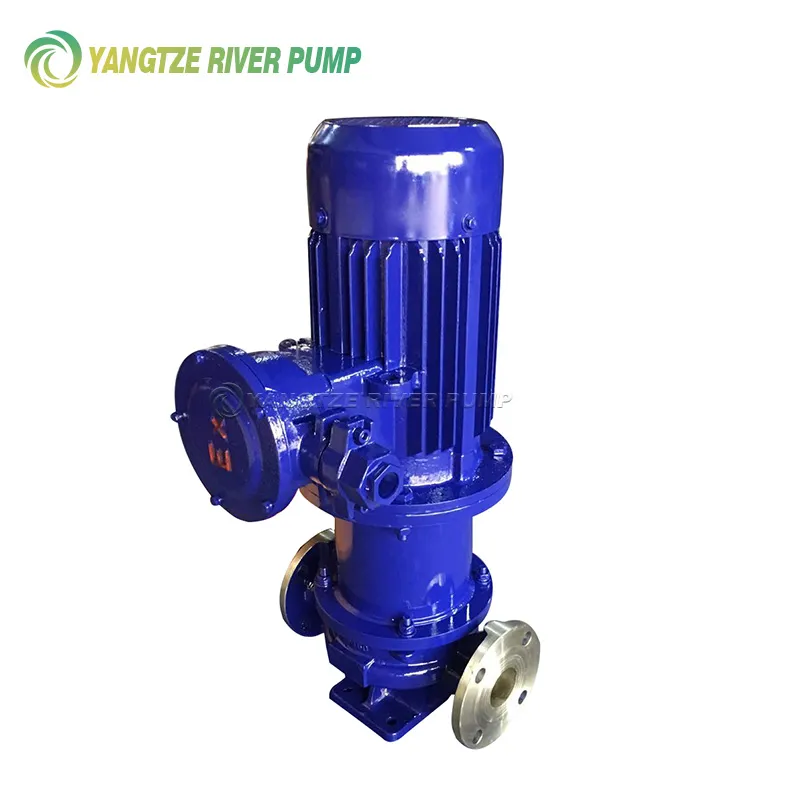
Therefore, when we talk about a pump for 150 meters, we are offering not just a product from a catalog, but a device that has been tested at our stands in conditions close to extreme. And this applies not only to deep ones, but also to other types, for example,magnetic pumpsorplastic chemical pumpsfor specific media, which we also produce. There is only one principle - to understand where the device will work and test it under similar conditions.
Summary: what to bet on when ordering
So, to sum it up. If you need a pump for stable operation at 150 meters, look not at the pretty picture, but at the dry technical details. The first is the correspondence of the materials of the body and the flow path to your water (chemical analysis of water before purchase is not a whim, but a necessity). The second is the design: multi-stage circuit, flooded motor, high-quality sealed lead-in. Third, the manufacturer has full testing, and not just certificates of conformity.
Fourth is an understanding of installation and operating conditions. A good supplier, such as our company Zhejiang Yangzijiang Pumping Industry LLC, is always ready to advise on the nuances of installation, because it is important for us that the pump serves its life and does not fail due to a trifle. All information and technical support are available on our resource https://www.yangtzeriverpump.ru.
Ultimately, choosing a submersible pump is an investment in long-term, uninterrupted water supply. The money saved at the initial stage can result in multiple costs for repairs and downtime. Therefore, it is better to delve into the details once and choose equipment created with an understanding of real loads, and not just assembled to the stated figures.
Correspondingproducts
Related Products



Best Sellingproducts
Best Selling Products-
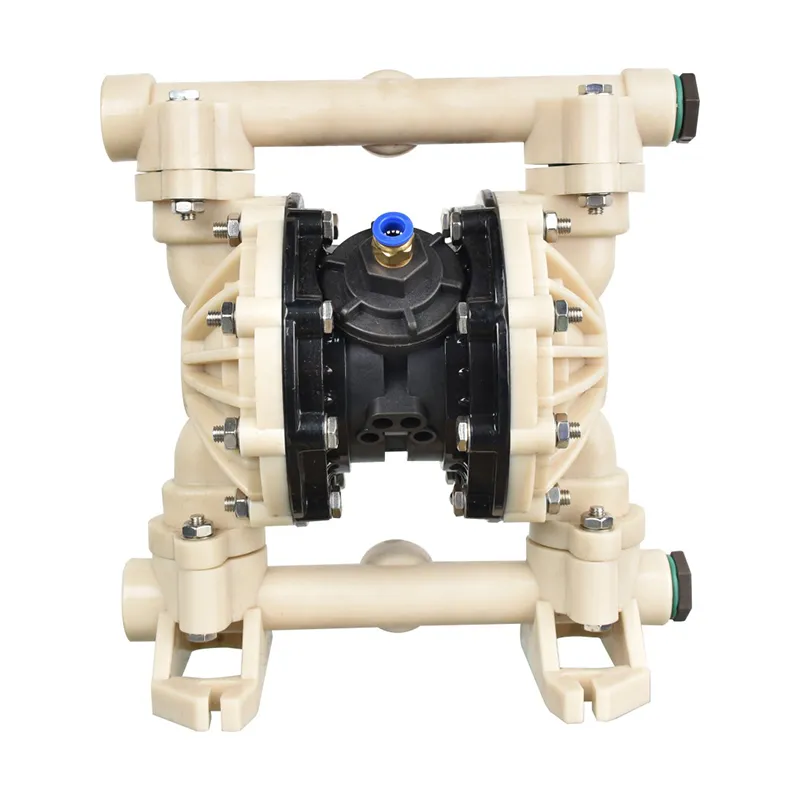 QBK Non-Metallic Air Operated Diaphragm Pumps
-
 Horizontal multistage pumps for feeding DG boilers
-
 Complete water supply installations with frequency regulation and constant pressure CDLF
-
 YCB Type Circular Gear Pumps
-
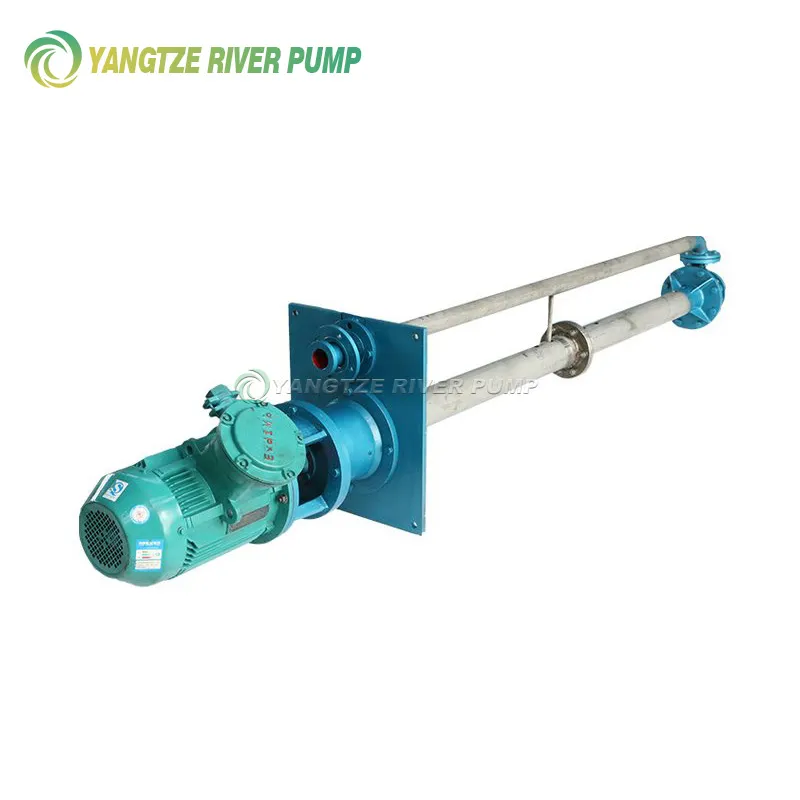 FY Submersible Chemical Pumps
-
 Metal electric diaphragm pumps DBY
-
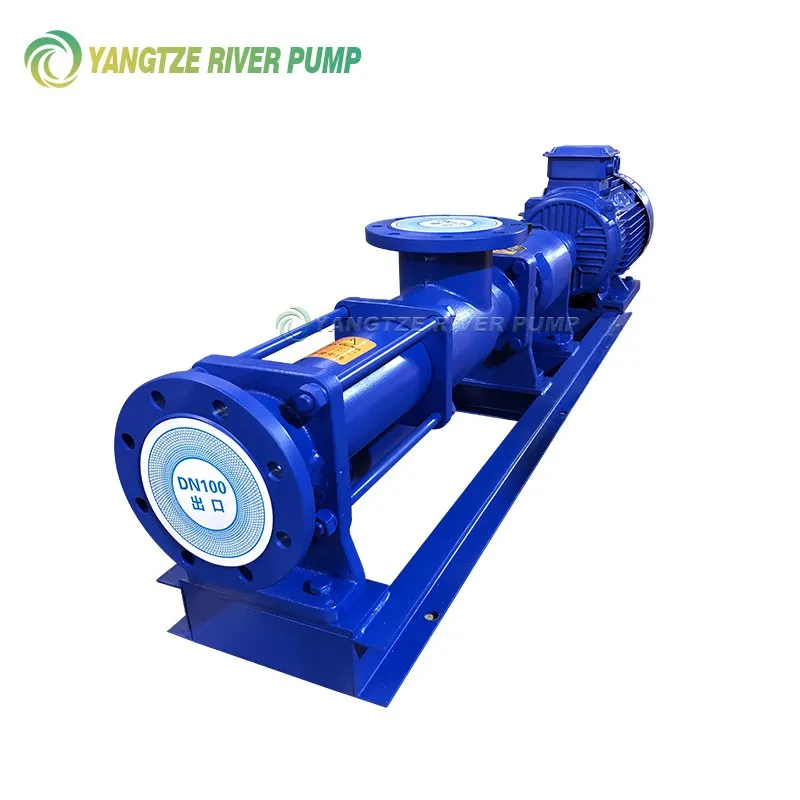 Single screw pumps type G
-
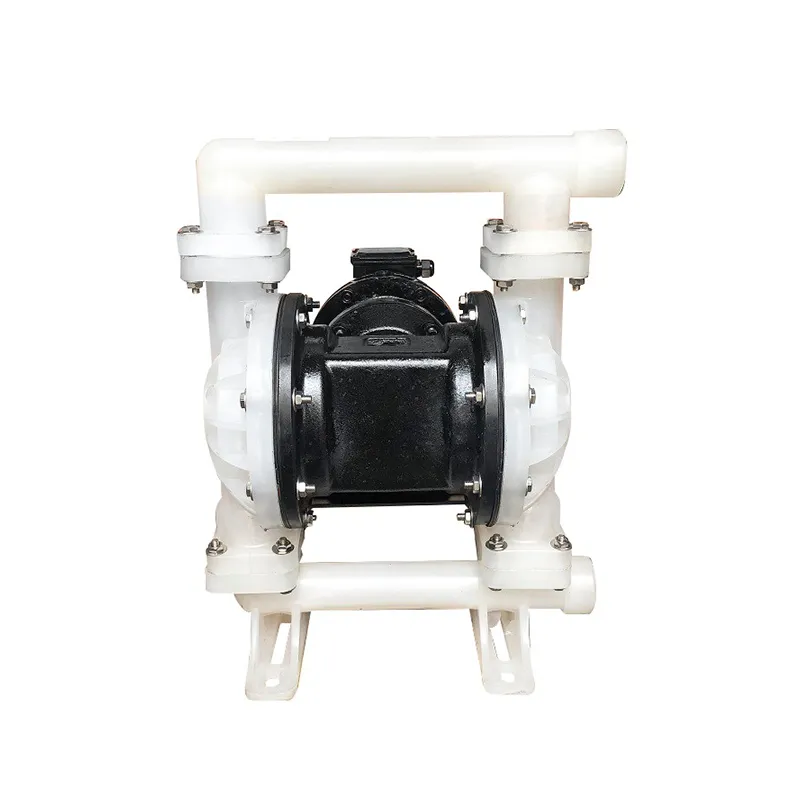 DBY Non-Metallic Electric Diaphragm Pumps
-
 Mechanical diaphragm dosing pumps DJ-D
-
 QJ type borehole pumps
-
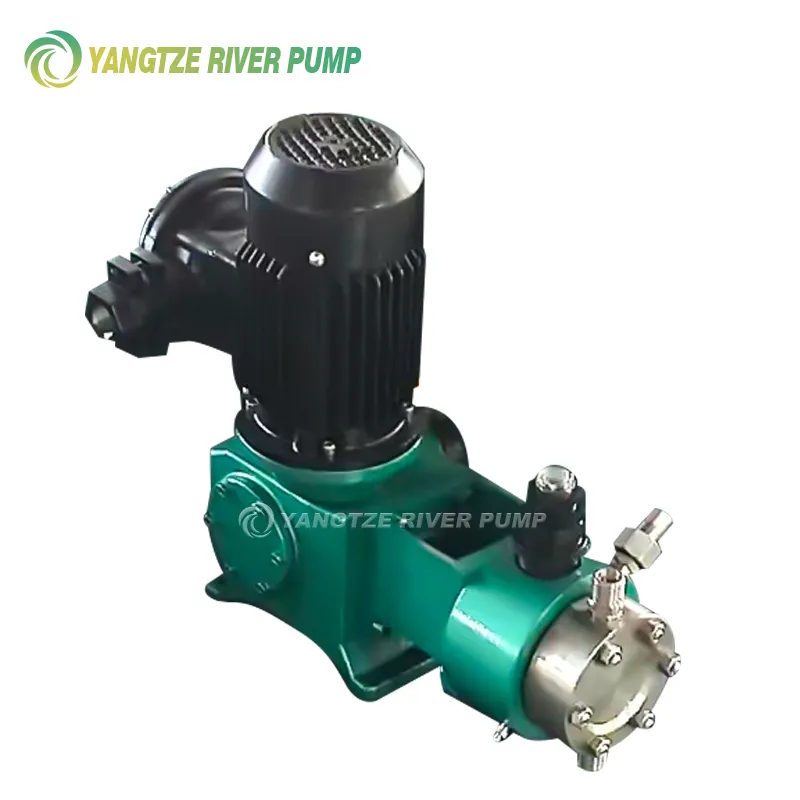 Plunger dosing pumps type DZ-X
-
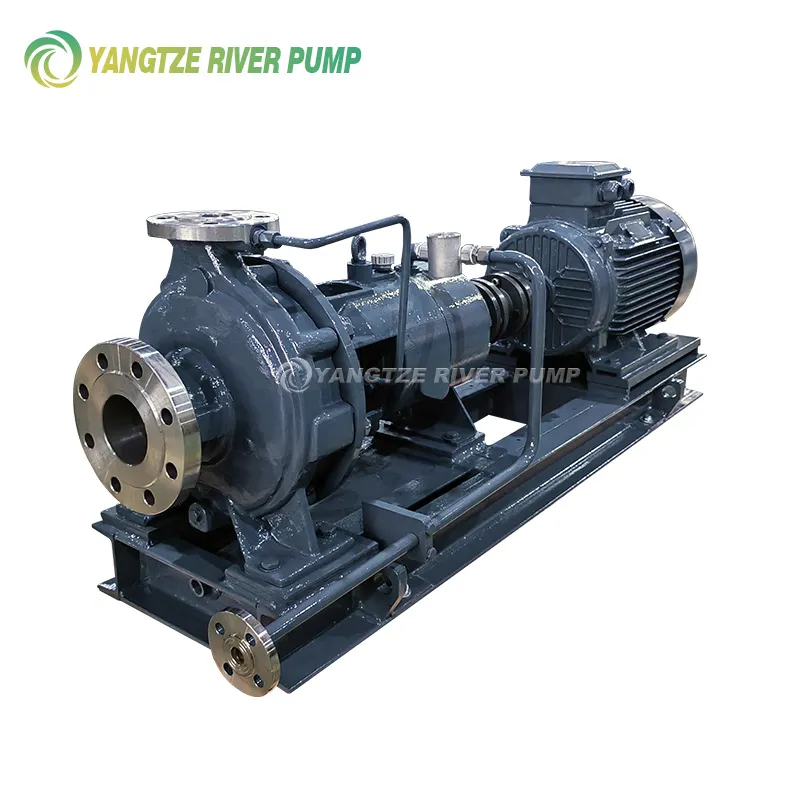 Petrochemical Process Pumps API 610 YZA