







centrifugal pump 80 50 200
When you see “centrifugal pump” in a specification or request, the first thing that comes to a beginner’s mind is simply the standard size. But in reality, these three numbers - inlet and outlet diameters plus impeller diameter - are just a starting point. It is much more important what is behind them: pressure, flow, characteristic curve, and most importantly - for what specific environment and technological task it will work. A common mistake is to select a pump only based on these numbers, without delving into the details. We at Zhejiang Yangzijiang Pumping Industry LLC have encountered this more than once when a client sent a request literally copied from old design documentation, without taking into account current conditions.
What do these numbers really mean?
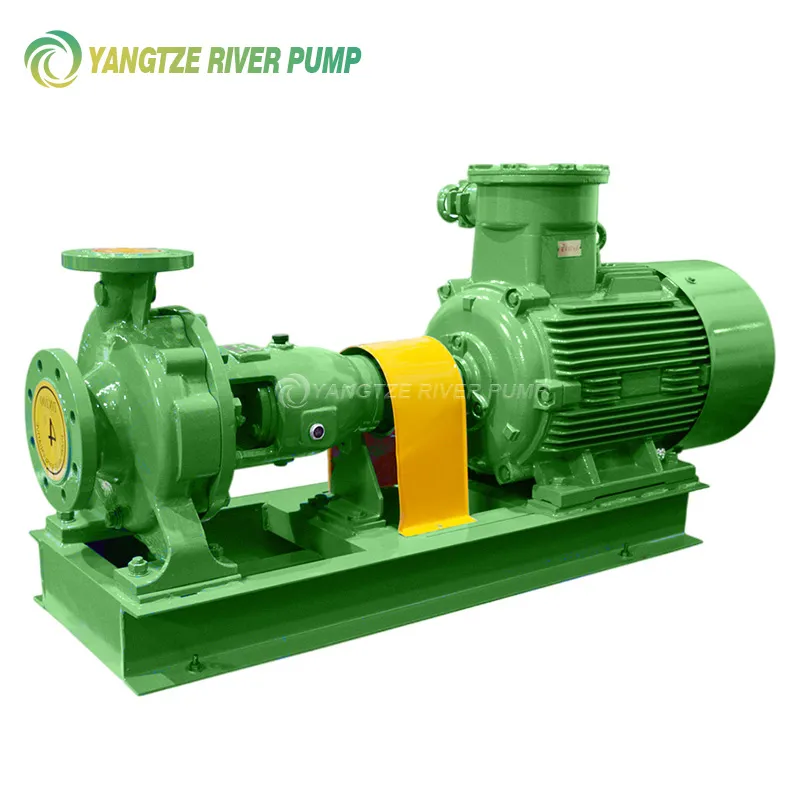
Let's take our standardcentrifugal pumpseries close to these parameters. 80 is the nominal inlet diameter in millimeters, 50 is the outlet diameter. This determines the connecting dimensions, but not the performance. The key number is 200, the diameter of the impeller. It is this that primarily forms the pressure-flow characteristic. But here’s a nuance: the same wheel diameter, but with different blade geometry (angle, shape, width) will give completely different results. We constantly take this into account in production, especially when it comes to modifying the base model for a specific order.
For example, for pumping clean water for irrigation or water supply, a standard wheel with a certain efficiency is suitable. But as soon as we talk about a slightly aggressive environment or a liquid with a fine suspension, we immediately look at the material of the wheel - cast iron, stainless steel, and maybe polypropylene, if we are talking about our plastic chemical pumps. And we already select the geometry so as to minimize cavitation and wear. Just take the ?pump? from the catalog is a lottery. It may work, but its resource and efficiency will be in question.
Therefore, our sales department always checks: temperature, density, viscosity, presence of abrasive particles. There was a case when they wanted to supply a standard single-stage pump with a D200 wheel for food production, but it turned out that the liquid was a syrup with a temperature of under 85°C. We had to reconsider the seal material and clearances, essentially creating a custom version. This is not a whim, it is a necessity.
Experience of trials and frequent ?pains?
At our test station, all newly developed and production models are tested on real parameters. For conditional ?? we take a full characteristic: not only the nominal point, but also the entire graph - from the closed valve to the maximum flow. It is here that you can see where the pump is working efficiently and where the area is cavitation or overload of the electric motor.
A common problem that users encounter is the operation of the pump in a mode that is greatly shifted from the design point. Let's say we installed a pump to supply water from a well to a tank, but the system was installed with an excessive number of turns and narrowed sections. The actual hydraulic resistance is higher, the pump “rests”, operates at a lower flow rate, but with increased pressure, overheats, and consumes excess energy. And, of course, the equipment is to blame. It's a matter of designing the harness.
Hence my personal conviction: sellcentrifugal pumpwithout consultation on the installation diagram - this is a half-measure. We at Yangtzejiang Pump try to give basic recommendations: minimum straight pipe at the inlet, correct installation of the check valve, avoidance of air pockets. Sometimes we even ask the client to send a diagram of the planned installation. This saves you from future claims and warranty cases.
Line and variations: not only single-stage
In our assortment, which can be seen onyangtzeriverpump.ru, there are several lines where similar standard sizes are found. ?? – these are, as a rule, cantilever single-stage centrifugal pumps. They are workhorses for thousands of applications. But if you need more pressure at the same flow rate, we look towards multi-stage models. There are completely different mechanics, but the client’s request often begins with the same three numbers, because they are the only ones he knows.
There have been projects, especially in irrigation or pressure boosting systems in high-rise buildings, where a single-stage pump with a 200 mm wheel did not extract pressure. They installed a cascade of two or switched to a vertical multistage pump. The efficiency of the system as a whole increased, although the initial investment was higher. It is important to convey this logic to the customer: sometimes it is better to pay more for the right equipment than to overpay for years for electricity and repairs of an unsuitable unit.
By the way, about the material. For chemical environments we offer plastic or fully lined fluoroplastic options. A pump with the same connection dimensions 80/50, but made of polypropylene, has a completely different price and a different production cycle. But this is the only correct solution for many acids and alkalis.
Case study: when the numbers were deceiving
I would like to recall one non-obvious case. The client requested a pump for pumping condensate, the parameters for pressure and flow ideally fit the curve of ourcentrifugal pumpwith impeller 200 mm. Everything came together and it was shipped. A month later - a complaint: the pump is noisy and vibrates, the pressure is fluctuating.
Our service engineers have left. It turned out that the condensate at the facility was overheated, close to the boiling point. When passing through a zone of low pressure at the entrance to the wheel, intense cavitation occurred - vaporization and collapse of bubbles. This is the very situation when a purely hydraulic calculation without taking into account the physical properties of the medium fails. The solution was a small modification - installing a backup tank in front of the pump to reduce the temperature and provide guaranteed backup. After that the pump started working like clockwork. This case is now like a textbook case in our training department.
Conclusion: the terms of reference should be as detailed as possible. Our production and R&D departments can adapt many parameters, but this requires initial data. We are not just assemblers, we are an engineering company.
Production and control: why it matters
The website of Zhejiang Yangzijiang Pumping Industry Co., Ltd. states that we have eight complete production lines. To the end user, this may just be words. But in practice this means control at all stages: from casting housings and impellers to dynamic shaft balancing and final load testing.
The casting quality of a wheel with a diameter of 200 mm directly affects its imbalance. Even a small deviation causes vibration, which will eventually break the seal and bearings. We balance each wheel, especially for high-speed models. This is not an expense item on which you can save if you want the pump to last through the warranty period and far beyond it.
It's the same with tests. Each serial pump, before being delivered to the warehouse, is checked for leaks and trial run. Selected models from the batch undergo full performance testing. This is our insurance and reputation. In conditions when the market is flooded with cheap analogues of dubious quality, it is precisely such details that determine the choice of a serious client.
Instead of a conclusion: thinking out loud
So, back to the “centrifugal pump”. This is not a code to order, it's more of a talking point for an engineer. This is the starting point for selection, which should be followed by dialogue: “What will you download?” Under what conditions? What is your network??? Only then will it be possible to talk about the specific model, material, type of seal (oil seal or mechanical), and engine power.
Our task as a manufacturer is not just to sell a unit with the required flanges, but to ensure its long and efficient operation in the customer’s system. Sometimes this means dissuading someone from the original choice and offering another solution. But this is a professional approach. In the end, a satisfied customer for whom everything works smoothly is the best advertisement for any brand, including ours - YangtzeRiver Pump.
Choose your pumps wisely, don't hesitate to ask questions and demand detailed specifications. And we, for our part, are ready to provide both, relying on the capabilities of our full production cycle from development to service.
Correspondingproducts
Related Products

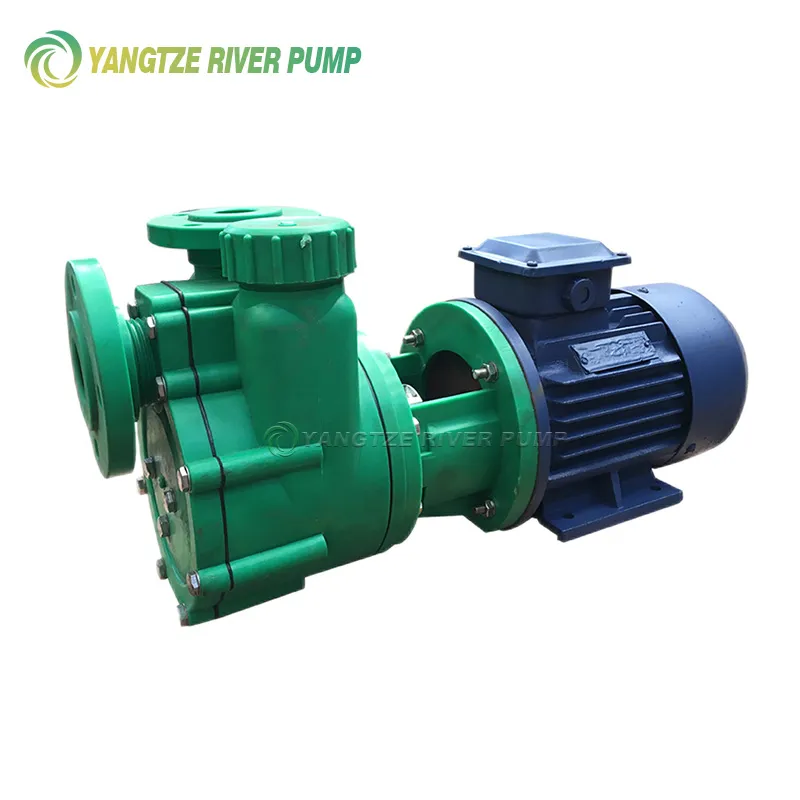

Best Sellingproducts
Best Selling Products-
 YCB Type Circular Gear Pumps
-
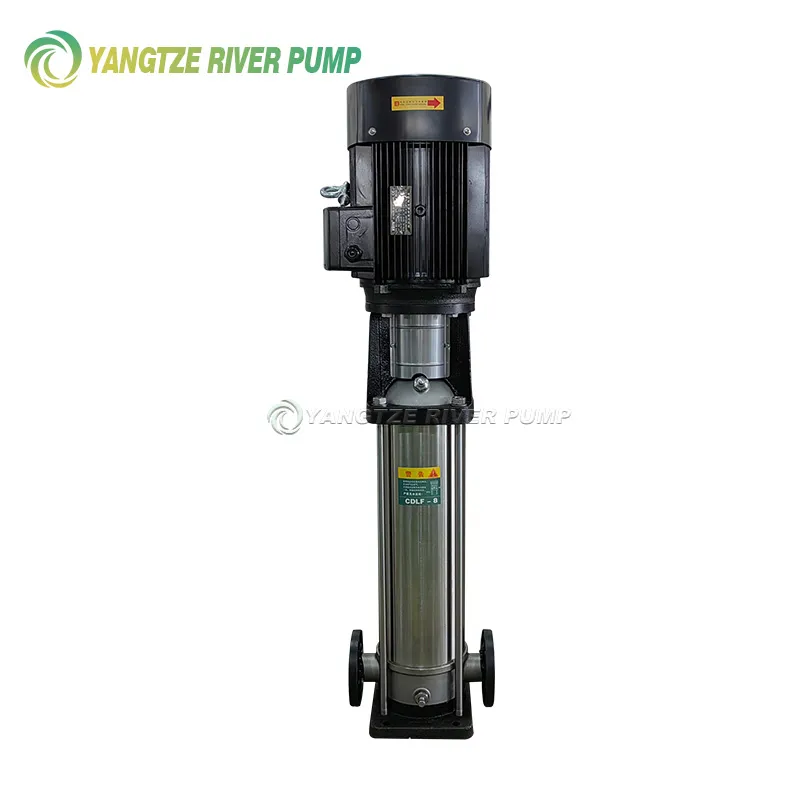 Vertical multistage centrifugal pumps made of stainless steel (light series) CDL and CDLF
-
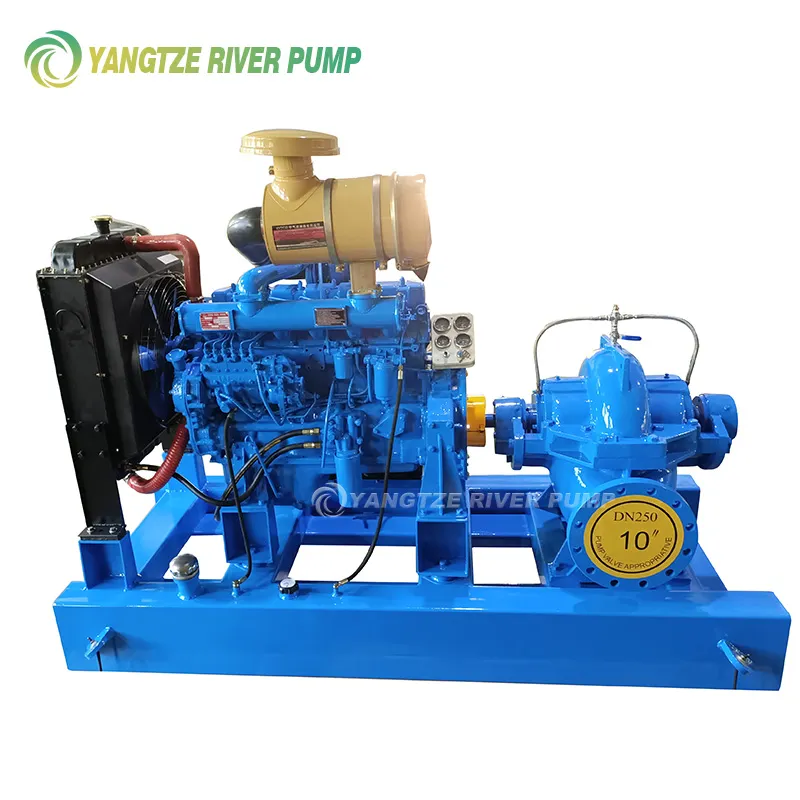 Diesel pumps with horizontal connector YZS and YZSH
-
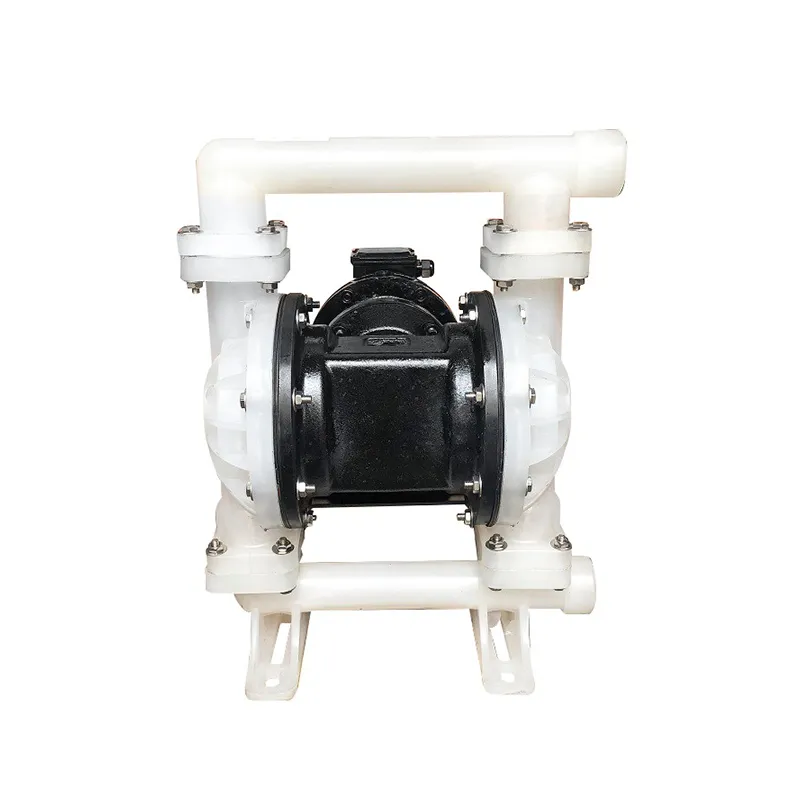 DBY Non-Metallic Electric Diaphragm Pumps
-
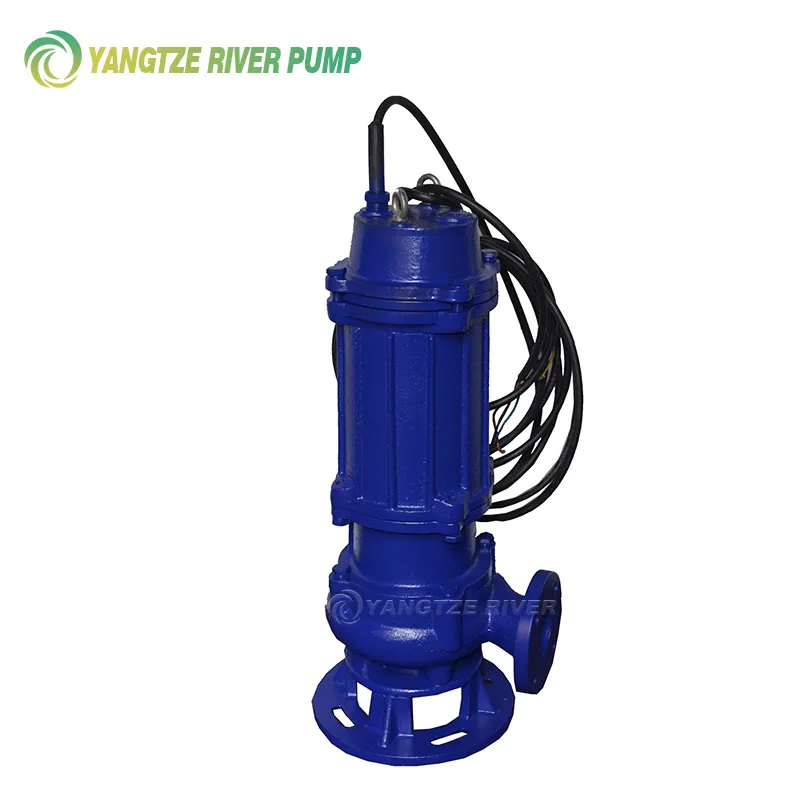 QW Non-clogging Submersible Sewage Pumps
-
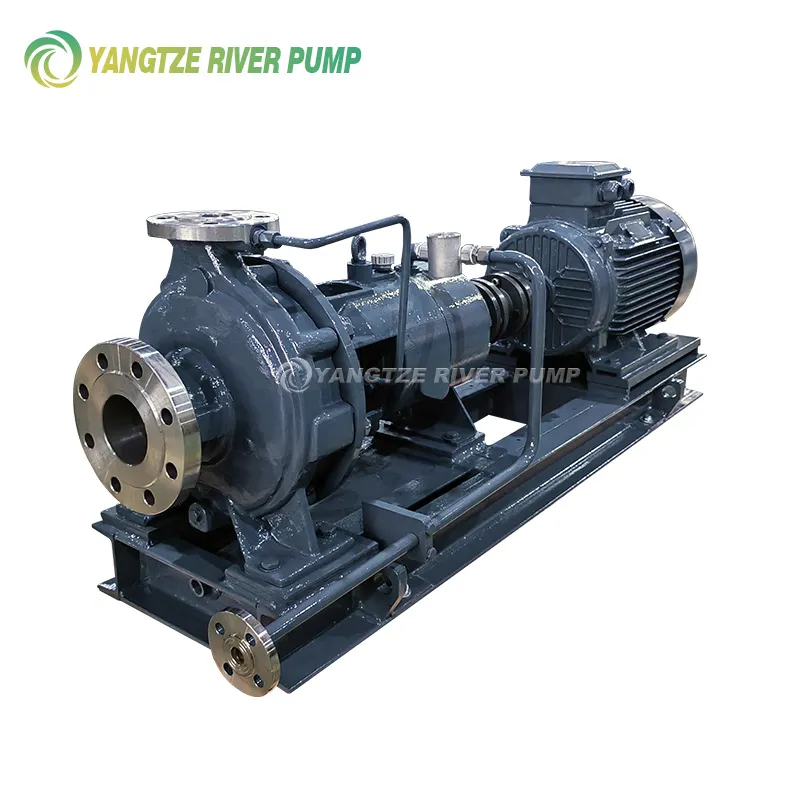 Petrochemical Process Pumps API 610 YZA
-
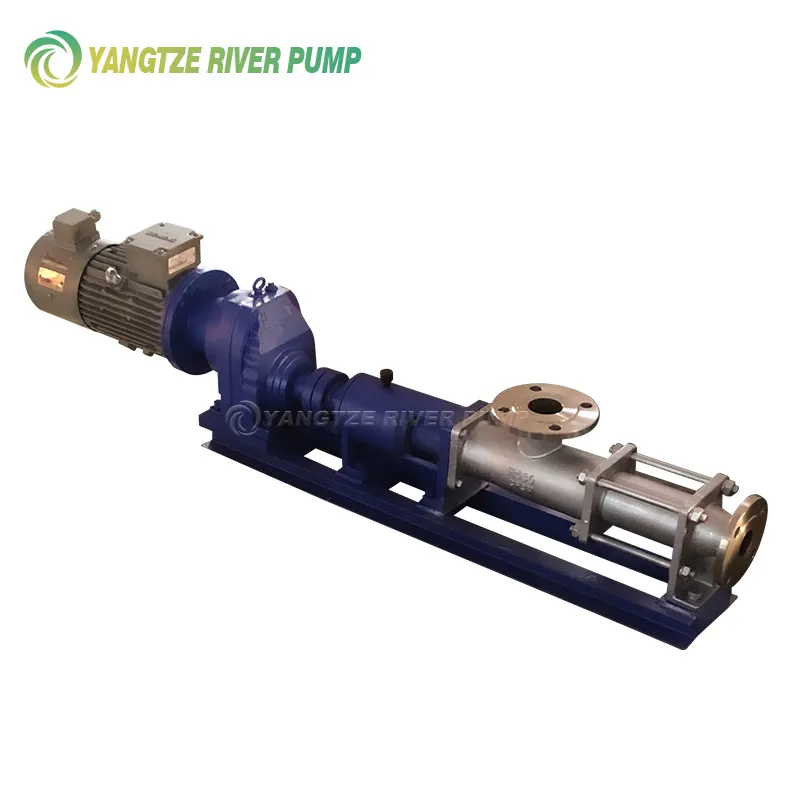 Geared screw pumps type G
-
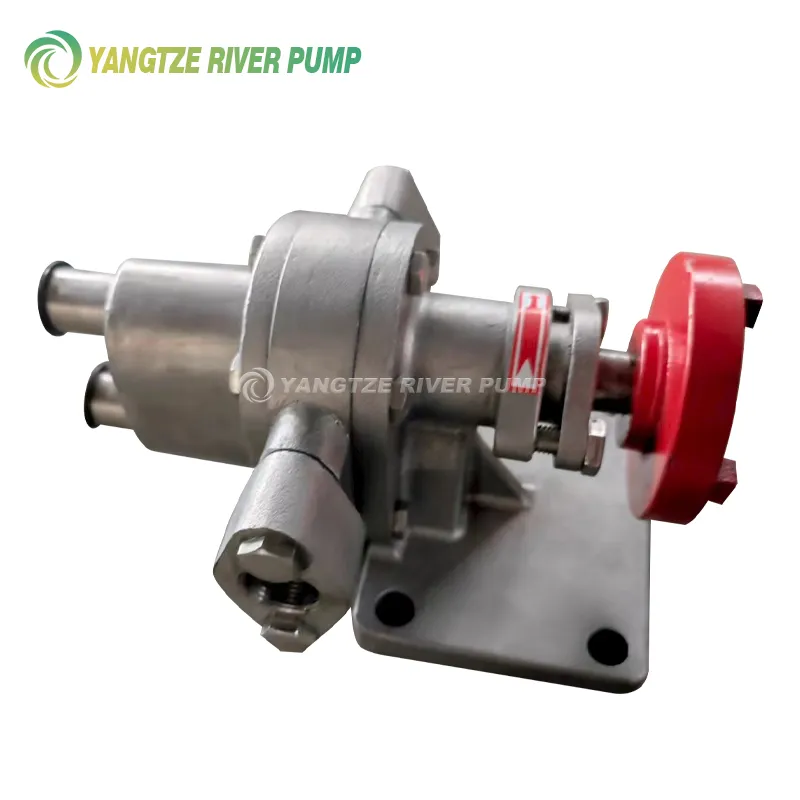 Gear oil pumps type KCB
-
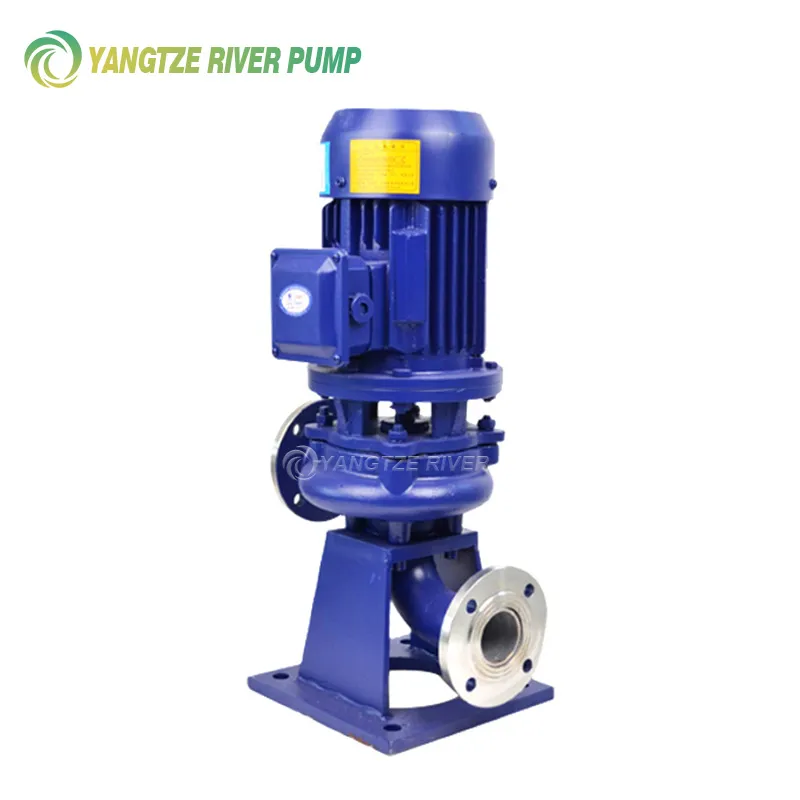 Non-clogging vertical wastewater pumps LW
-
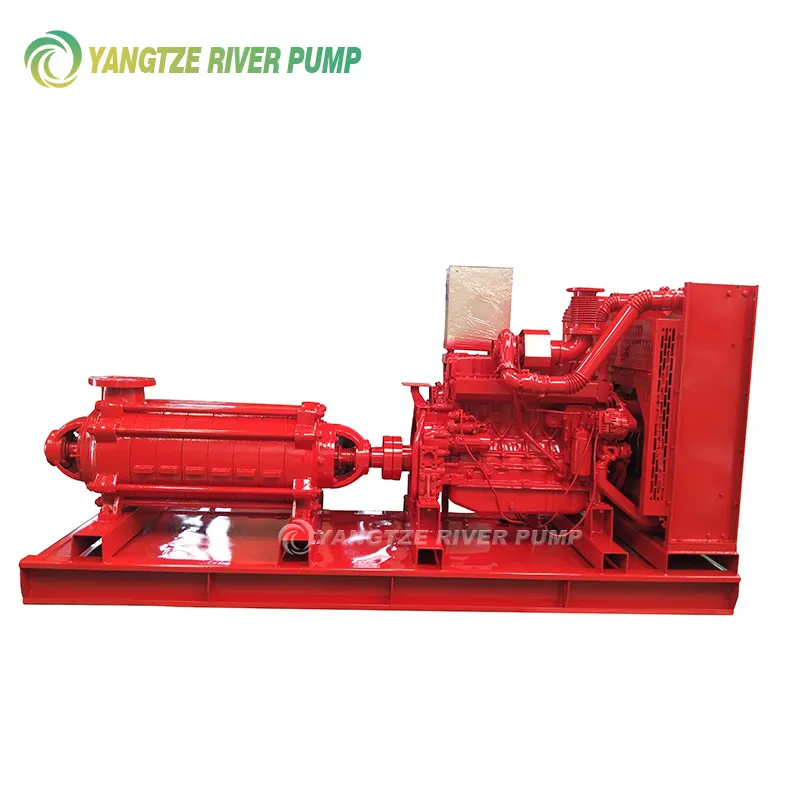 XBC Diesel Intelligent Fire Pumps
-
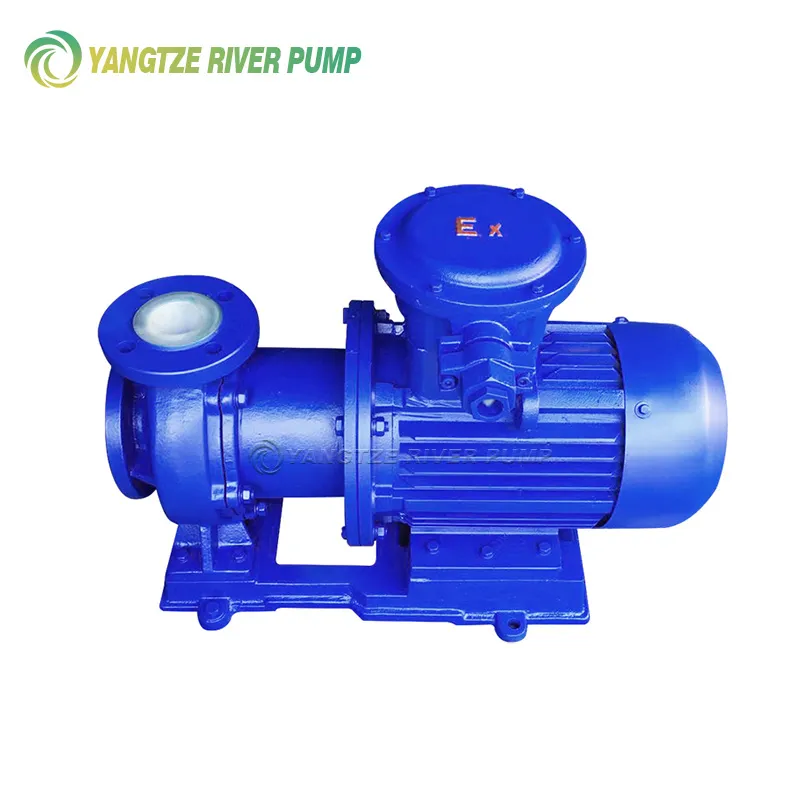 Magnetic pumps with fluoroplastic lining CQB-F
-
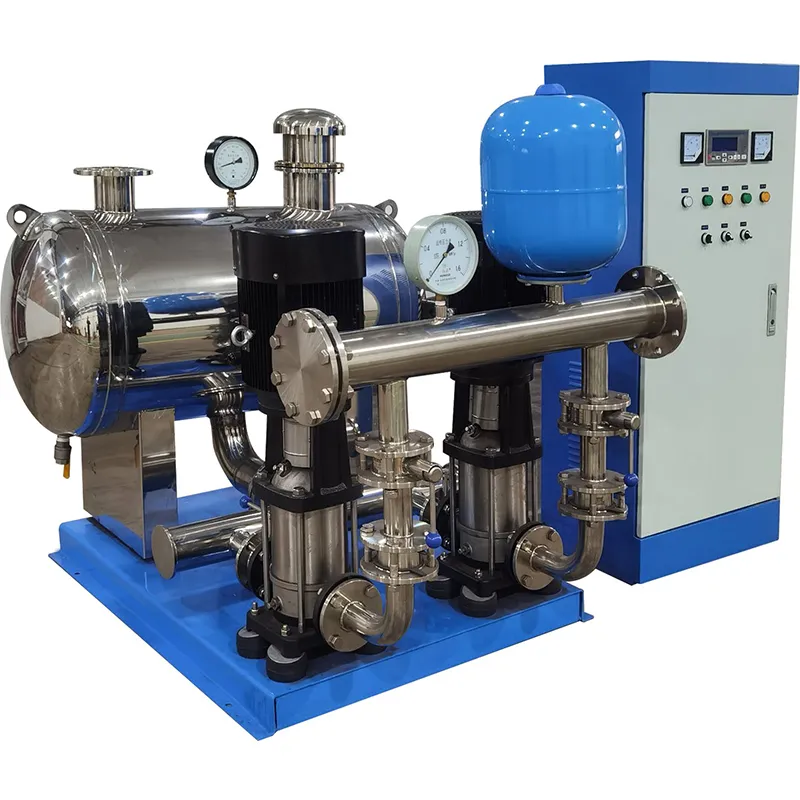 Complete water supply installations with frequency regulation and constant pressure CDLF