







Horizontal centrifugal pumps made of stainless steel
When they talk abouthorizontal centrifugal pumps made of stainless steel, the first thing that comes to mind for most is, of course, the chemical industry and aggressive environments. But if you dig deeper, working with them on real objects, you understand that choosing a steel grade is only the beginning of a long story. I often encounter the fact that the customer, upon hearing “stainless steel?”, relaxes, believing that all problems have been solved. And then at the commissioning stage nuances emerge: from vibration at certain speeds to cavitation, which “eats up” even the most resistant AISI 316. It is these pitfalls that I would like to speculate on, based on our experience in production.
Why horizontal design? Not a tribute to fashion, but a matter of convenience
At our company, Zhejiang Yangzijiang Pump Industry Co.,Ltd, we produce various types of pumps, including submersible and vertical pumps. But for stationary systems, especially where easy access to the shaft and seals for routine maintenance is important,horizontal centrifugal pumpsoften out of competition. I remember a project for a food factory: it was necessary to pump hot syrup. A vertical pump would save space, but servicing the mechanical seal located at the bottom would literally require dismantling half the line. The horizontal one allowed technicians to quickly check and tighten the packing without stopping adjacent areas. This was a key argument for the client.
At the same time, the horizontal layout is not a panacea. It requires more careful alignment with the electric motor. The slightest misalignment and vibration is guaranteed. We specifically simulate such conditions at our test bench in Yangtzejiang to check the reliability of the assembly. It has happened that a pump that worked perfectly during testing began to “sing” at the site. - and almost always the reason was in the installation, and not in the unit itself. I had to go out and explain to the crew how to use the laser centerer correctly.
Another point is the foundation. It seems that this is obvious, but how many times have I seen how a common plate with the engine is poured under a horizontal pump, saving on vibration isolators. And then they wonder why the bearings fail ahead of schedule. For stainless steel pumps that often pump abrasive suspensions, this is critical: vibration accelerates wear not only of the mechanics, but also of the internal surfaces of the impeller.
Stainless steel: AISI 304, 316 or something else? Choice is a compromise
Specifications often simply say “stainless steel”. But for a professional this is an empty phrase. In our production workshop forhorizontal centrifugal pumps made of stainless steelWe mainly work with AISI 304 and 316. And the difference is not only in price. 304 is good for water and food products without high concentrations of chlorides. But as soon as even a weakly chloride environment appears, pitting corrosion begins.
There was an indicative case at a pulp and paper plant. The customer saved money and purchased pumps made of 304 steel to pump recycled water. Six months later they sent a photo of the shells on the body. Analysis showed that traces of bleaching agents periodically appeared in the water. I had to change the line to 316, with a higher molybdenum content. After this, we always persistently ask the client not only about the current environment, but also about possible accidental impurities in the process cycle.
Sometimes more specialized alloys are required, for example, with the addition of titanium. But this is already a piece product, and the cost skyrockets. For most applications in the chemical, pharmaceutical or food industries, for which our lines at https://www.yangtzeriverpump.ru are tailored, AISI 316 is a reasonable and reliable working option. The main thing is to ensure proper passivation of the surface after machining in order to strengthen the protective oxide layer. We pay special attention to this stage in the finishing area.
Actuator interface and seals: where people often go wrong
The pump itself can be made perfectly, but its operation in the system depends on its “neighbors”. The most painful issue is the seals. For aggressive environments, stuffing box packing is often not suitable - leaks and constant tightening. Install mechanical mechanical seals (TMU). But there are pitfalls here too.
Once we supplied a batch of pumps to a dairy plant. Medium - hot whey. TMU with graphite rings was used. A month later - call, leak. It turned out that the medium contained microparticles of milkstone, which acted as an abrasive, destroying the friction pair. We had to quickly change to seals with a ceramic pair and provide additional filtration at the suction. Now we review this case with each new sales engineer so that he asks the client the right questions about the purity of the pumped liquid.
The drive is no less important. Often customers want to save money and install a frequency converter (FC) of the cheapest brand. And then they complain about engine overheating or vibration at low speeds. For centrifugal pumps, especially when working with viscous liquids, the correct acceleration and stopping profile in an emergency is important. On our website yangtzeriverpump.ru in the support section we even posted standard recommendations for setting up PID controllers for our pumps in order to minimize such problems.
Testing and debugging: what you won’t see in the passport
Any pump from our lines undergoes hydraulic testing. But the passport data is ideal conditions: clean water, 20°C. Everything is different in life. Therefore, we always insist on providing accurate environmental parameters: temperature, density, viscosity, presence of solids.
We had experience with the supply of pumps for pumping molasses. The customer gave the viscosity “about the same as syrup?”. We made calculations and selected a model. At the site, the pump did not reach the required capacity. It turned out that the viscosity was one and a half times higher, plus the temperature in the workshop was lower than the calculated one. The molasses has thickened. We had to urgently change the electric motor to a more powerful one and modify the impeller profile for a more viscous medium. Now in our selection questionnaire there is a separate large section about the rheological properties of the medium.
That is why our production includes not only an assembly workshop, but also a full-fledged test bench where we can simulate different modes. Sometimes skeptical clients come - they want to see in person how the pump will work on their conditional “liquid”. And that's right. It's better to spend a day testing than spending months troubleshooting problems in the production line.
Maintenance and durability: what can be predicted
A horizontal centrifugal pump made of stainless steel is a reliable device, but not eternal. Its resource greatly depends on the operating mode. The most destructive mode is working “on a closed valve?” or with low consumption. Cavitation occurs, which eats away the material of the impeller and volute. Even stainless steel can't stand it.
We always equip pumps with outlet pressure gauges and recommend installing flow sensors. This is not just an additional expense, but an investment in a long service life. At one of the chemical plants, after our audit and installation of a simple flow control system, the overhaul period of the pumps almost doubled. They simply stopped working in the forbidden areas of their characteristics.
Another simple but effective practical tip is to regularly check the condition of foundation bolts and alignment. Especially after the first 100 hours of operation, when natural “shrinkage” occurs. and sediment. Often this check is skipped, and then they look for the cause in a “defective bearing”. At our company Zhejiang Yangzijiang Pumping Industry Co., Ltd., we include such recommendations in the mandatory operating manual, trying to convey to the client that the pump is a living part of the system, and not “install and forget”.
As a result, selecting and operating a horizontal stainless steel centrifugal pump is always a complex task. This is not just buying equipment from a catalogue. This means environmental analysis, accurate calculations, competent installation and thoughtful maintenance. And our experience, accumulated on all eight production lines - from R&D to service - is precisely aimed at helping the client go through this path without unnecessary errors and downtime. After all, in the end, the reliability of a pump is determined not only by the grade of steel, but also by attention to detail at all stages.
Correspondingproducts
Related Products

Best Sellingproducts
Best Selling Products-
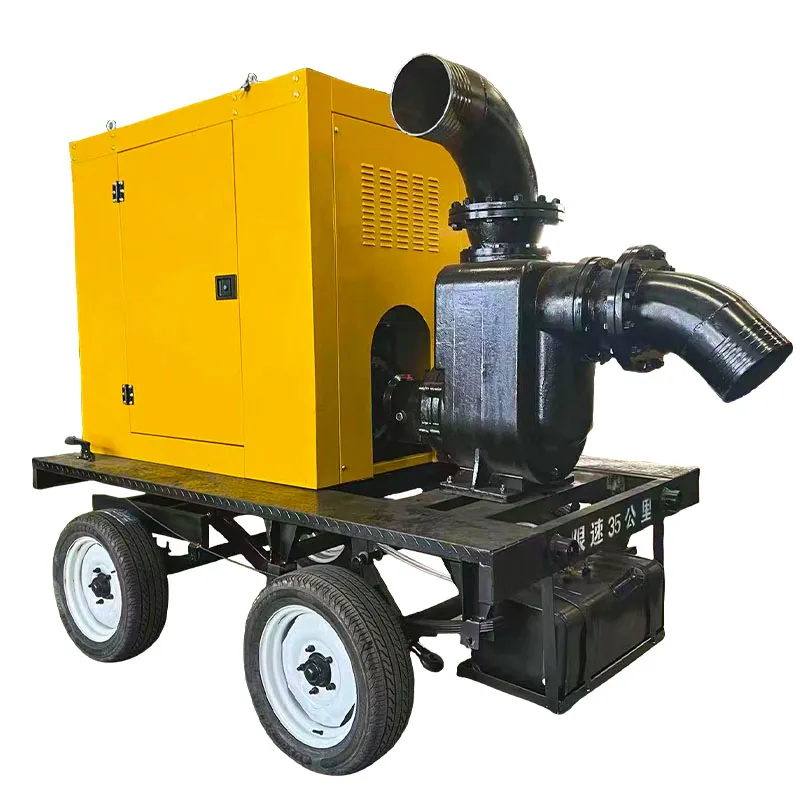 YZZW Diesel self-priming pumps
-
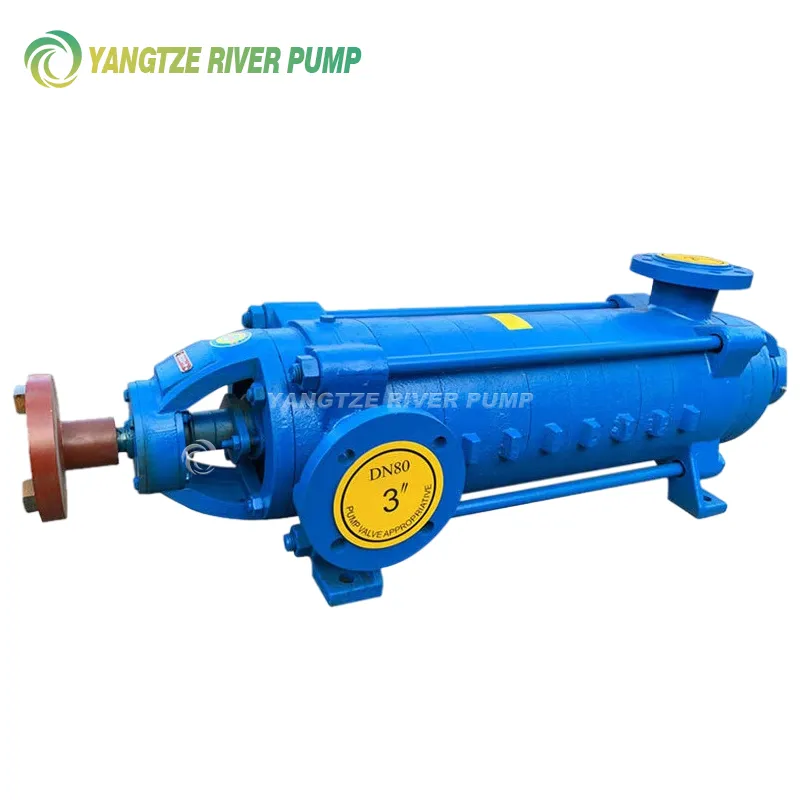 Horizontal multistage pumps for feeding DC boilers
-
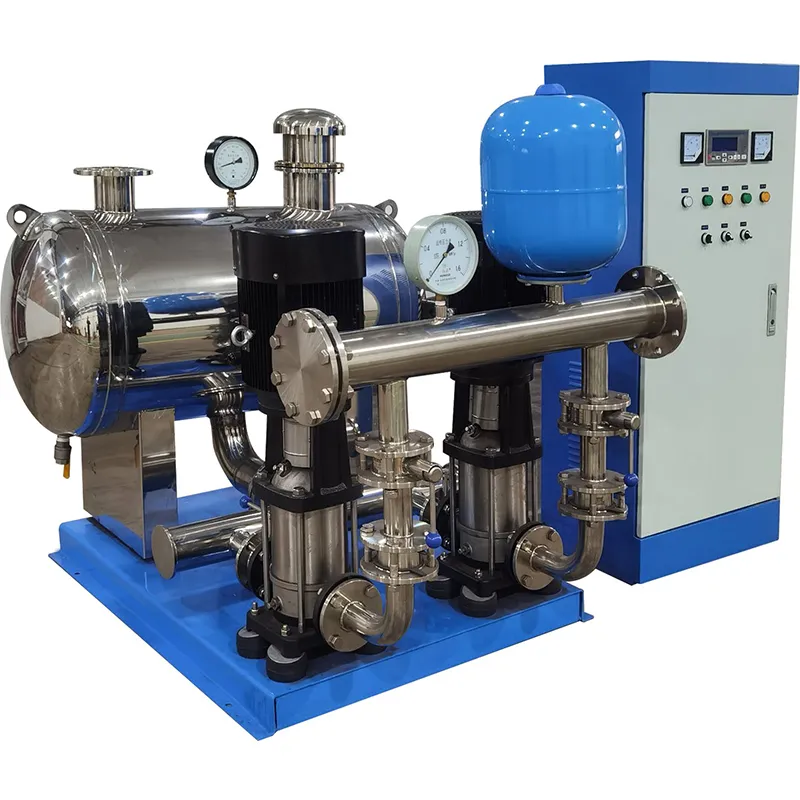 Complete water supply installations with frequency regulation and constant pressure CDLF
-
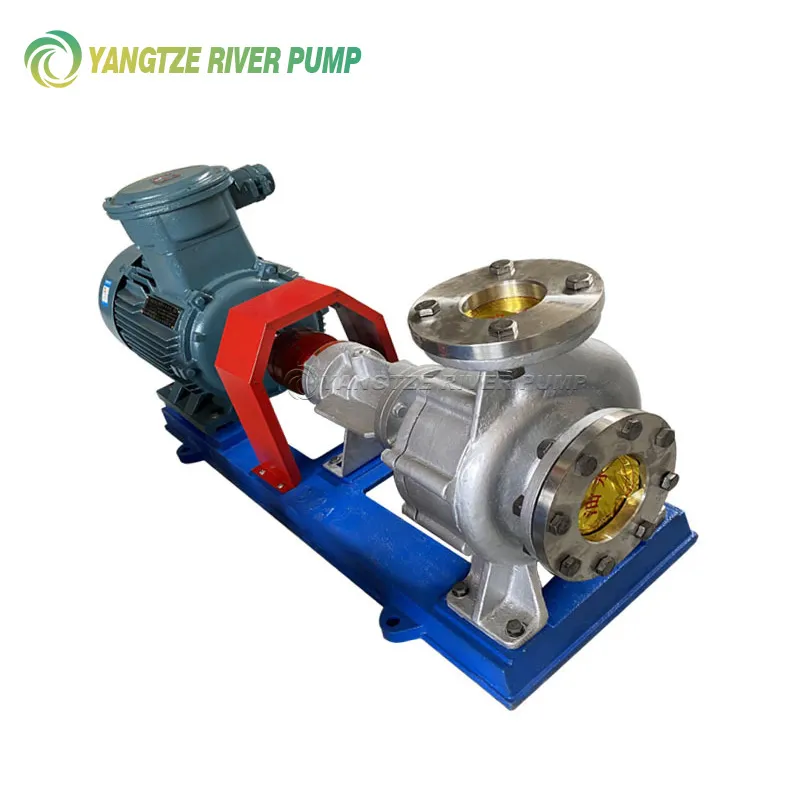 RY thermal oil pumps
-
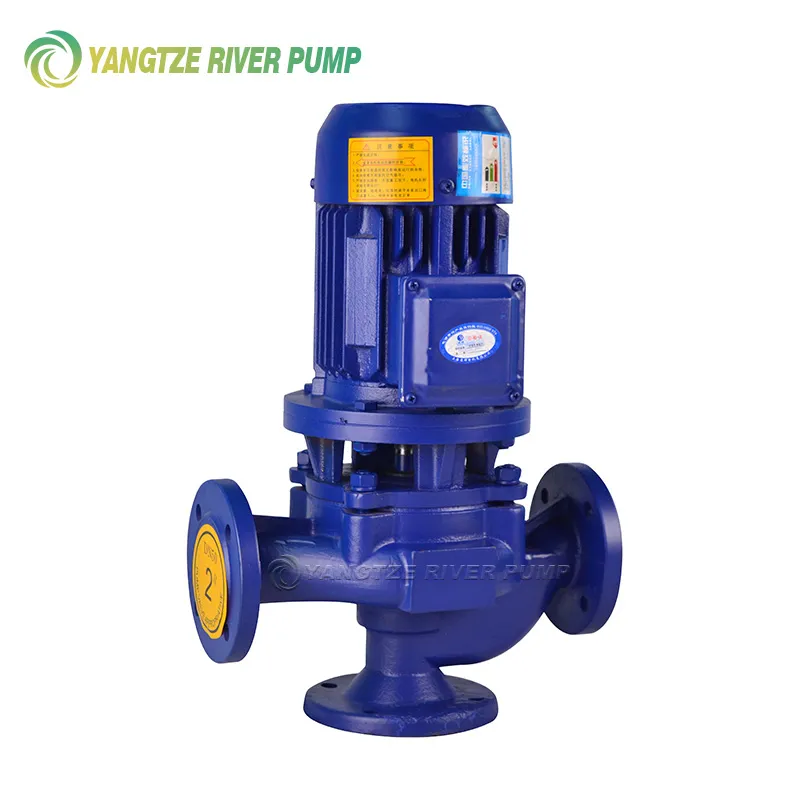 Pipeline wastewater pumps GW
-
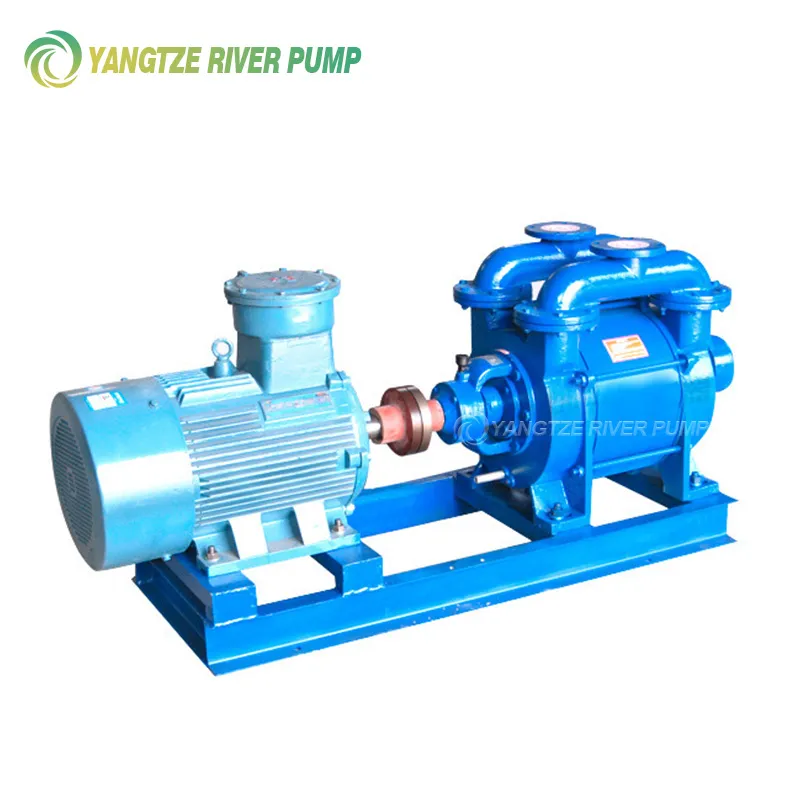 Liquid ring vacuum pumps type SK
-
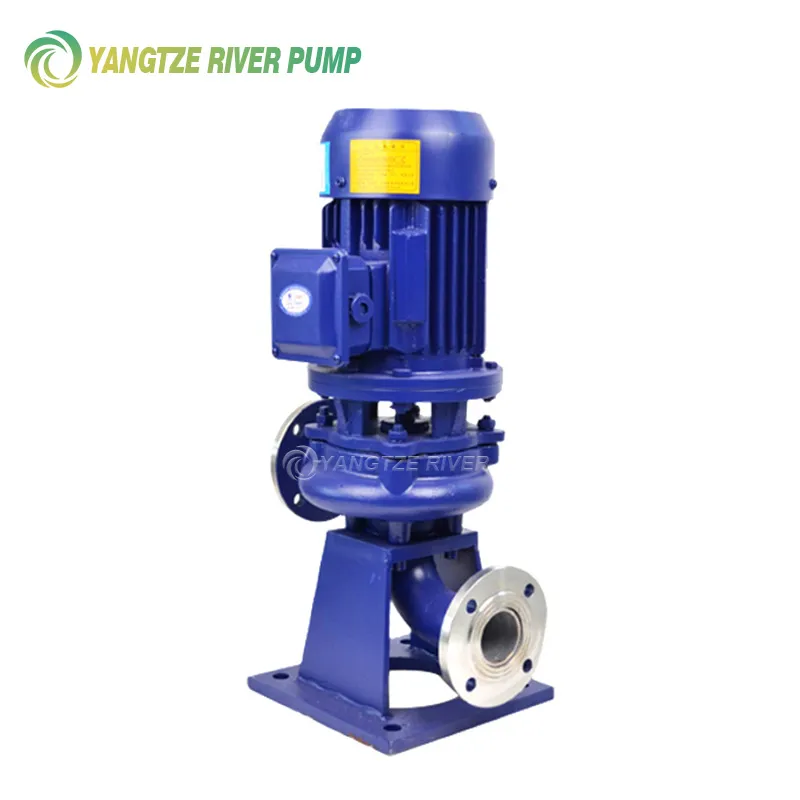 Non-clogging vertical wastewater pumps LW
-
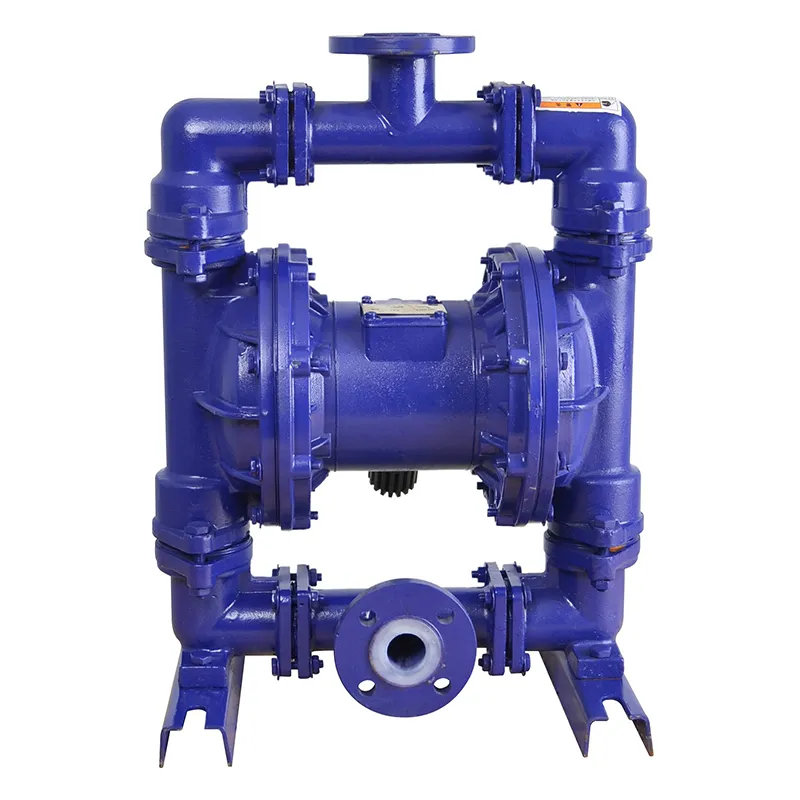 Metal pneumatic diaphragm pumps QBK
-
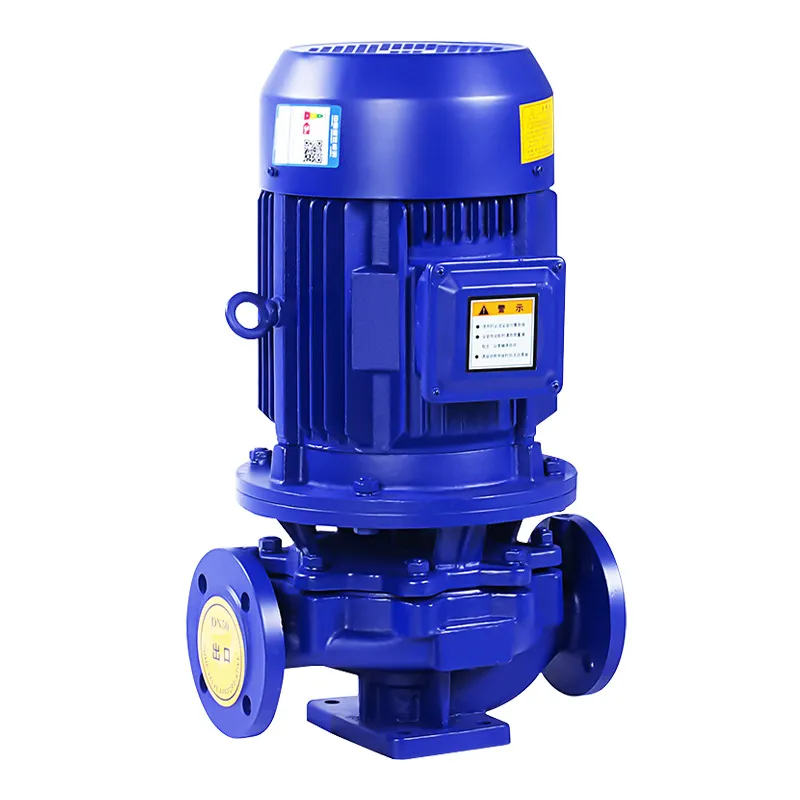 Vertical single-stage pipeline centrifugal pumps ISG and IHG
-
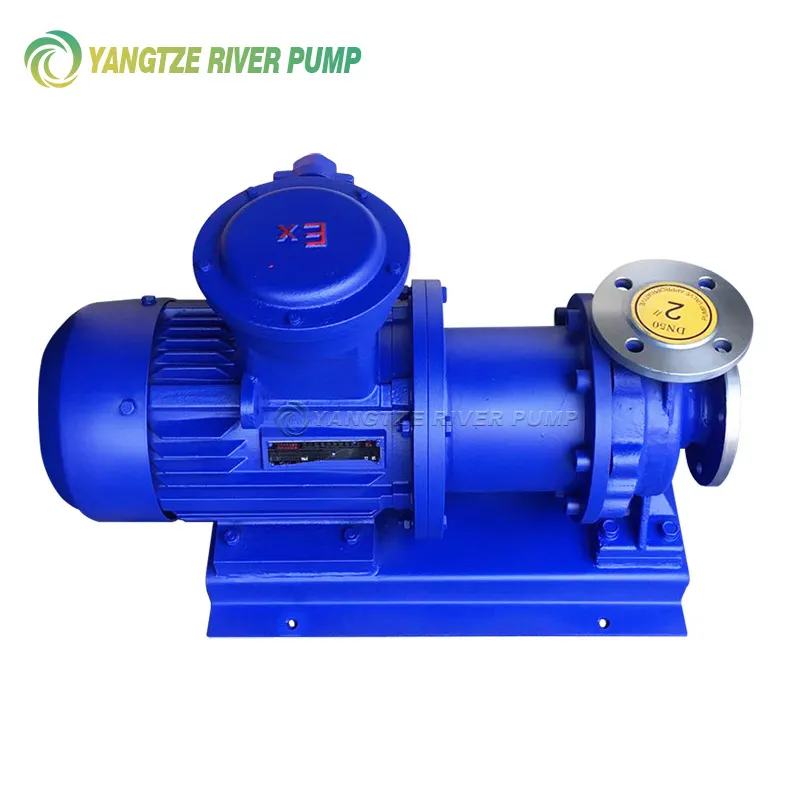 CQB Stainless Steel Magnetic Pumps
-
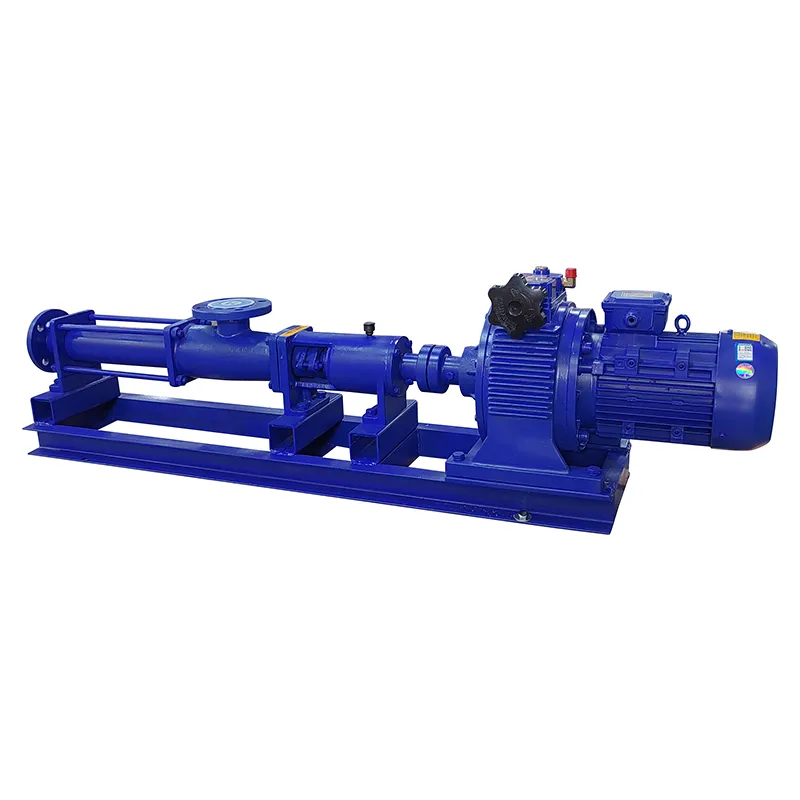 Infinitely variable screw pumps type G
-
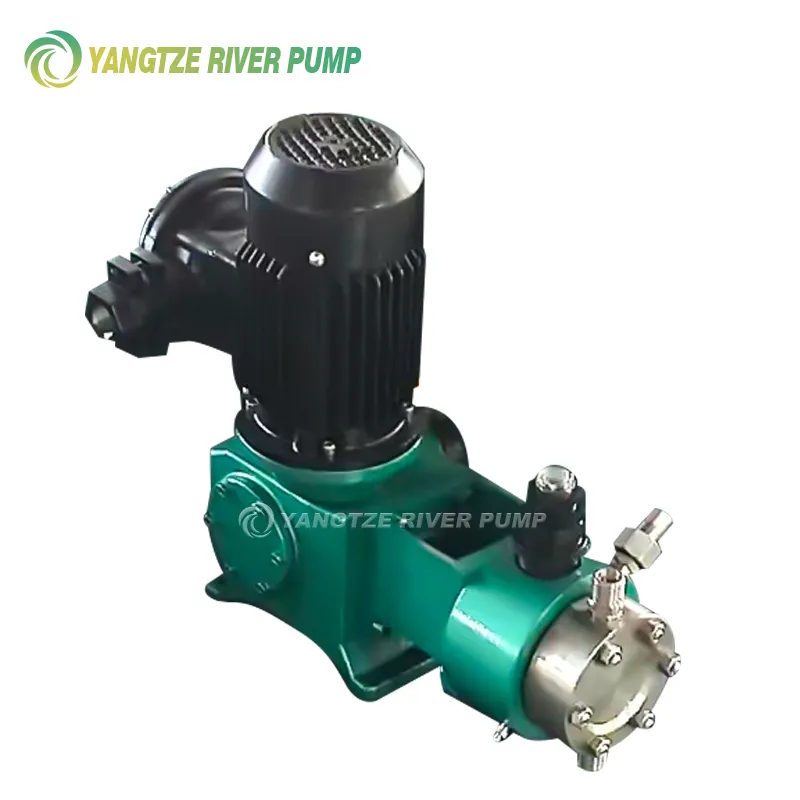 Plunger dosing pumps type DZ-X