







submersible borehole pump BTsPE
When you hear “submersible borehole pump BTSP”, many people imagine just a long cylinder that is lowered into the water - and it works. In fact, this is a whole story with pitfalls, where the BCPE marking is only the beginning. A common mistake is to assume that all such pumps are the same, and the choice depends only on the well flow rate and pressure. In practice, little things like the material of the impeller, the type of dry-running protection, or even the way the cable is attached decide whether the unit will work for a season or ten years. Here at Zhejiang Yangzijiang Pumping Industry Co., Ltd., hundreds of samples have passed through the test bench, and I have seen how non-obvious nuances “kill?” Seems to be a reliable design.
What is hidden behind the abbreviation BCPE
BTsPE - household centrifugal submersible electric pumps. The key word is “household”. This doesn't mean "weak" or “simplified?”. This means optimization for typical conditions: wells with a diameter of 100 mm, relatively clean water without a large amount of abrasive, periodic or constant, but not round-the-clock industrial operation. Structurally, it is a multistage centrifugal pump, with a motor at the bottom, and water intake through a mesh filter at the bottom. It seems simple.
But here is the first fork: the material of the steps. Plastic (polyamide, technopolymer) or stainless steel? Plastic is cheaper, quieter, but for water with questionable pH or temperatures above +25°C it is a risk. Stainless steel is more reliable, but more expensive and is not always needed in an ideal artesian well. In our production, we often see requests for both options, and here we cannot give template recommendations - you need to know the water analysis. Sometimes a client sends a photo of salt deposits on an old pump, and it’s immediately clear - only stainless steel, otherwise the impellers will “foul” in six months.
Another point is the engine cooling system. It occurs due to the flow of water along the engine body. If the pump is selected "butt-to-tail" in diameter to the casing pipe or installed in a well with a low flow rate, where the water around it hardly moves, the motor will overheat, even if the hydraulics cope. I have seen cases when, after replacing an old 3-inch pump with a new 4-inch one in the same pipe, the problem of overheating disappeared - there was simply a gap for convection.
Selection of parameters: where mistakes are most often made
The main parameters are pressure and productivity. From experience, most private sector customers overestimate both values “with a margin”. As a result, the pump operates in a non-optimal, often extreme left part of the characteristic curve, with overcurrent and increased wear. You explain to the person that a house with three water points and a well 30 meters deep does not need a unit with 100 meters of pressure and 5 cubic meters per hour. 40-50 meters and 2-3 cubes are enough. He nods, but there is disbelief in his eyes: “What if?” This ?suddenly? It costs him extra money when purchasing, a higher electricity bill, and the risk of earlier failure.
The real pressure is not just the depth of the well. This is the depth of the dynamic level + height to the upper point of analysis + losses in the horizontal pipeline (10 horizontal meters are approximately equal to 1 meter of pressure) + margin for the resistance of filters and pressure switches. People often forget about the horizontal section from the well to the house. There was a case: a pump with characteristics of 60 m of pressure did not add pressure? water to the second floor. It turned out that there was a 20-meter well, and 50 meters was a horizontal pipe in a trench to the house. Losses - another 5 meters. In total, a minimum of 75 meters was needed. I had to change the model to a more powerful one.
Productivity is the second stumbling block. It must be correlated with the well's flow rate. If the pump pumps 3 m3/h, and the well produces 1 m3/h, it will often turn off when running dry or empty the water column, sucking sand from the bottom. Ideally, the pump performance is 15-20% less than the well flow rate. To do this, you need at least the simplest flow rate measurement with a bucket and a stopwatch. But who does it?
Design features and “diseases” BCPE
Structurally goodborehole submersible pumpBCPE is a balance. A long shaft, several impellers, each in its place. The problem area is the plain bearings (bushings) that center the shaft. They are made of graphite-filled material or ceramics. If there is sand in the water, even a fine suspension, these bushings will wear out the fastest. The shaft begins to beat, the wheels touch the diffusers, efficiency drops, and the load on the motor increases. The solution is either a high-quality mesh filter at the inlet (but it also gets clogged), or, what is better, proper casing and pumping of the well during startup.
Another ?disease? - cable and its input. The point where the cable enters the top cover of the pump is a critical point. There is an oil seal or heat-shrinkable coupling. If the cable is pulled or twisted during installation, the seal may be broken. The water travels through the cable to the terminal box - and that’s it, there’s a short circuit. In production, we pay special attention to this unit, we do double sealing, but when installing it “on the elbow?” this is often ignored. The result is that the pump, which has been working for a month, fails “for some unknown reason”.
Dry running protection. Built-in thermal protection in the motor is the final frontier. It will work when the winding is already overheated. Better - an external relay or electronic control unit that monitors current or pressure. But for the budget segment this is rare. Therefore, correct installation is so important: the pump must be immersed to a sufficient depth, below the dynamic level, especially during the irrigation season.
Experience in production and assembly at our enterprise
Our company, Zhejiang Yangzijiang Pump Industry Co.,Ltd., produces submersible pumps including. When we launched the linesubmersible well pumps, then we immediately followed the path of separation: for clean water - with polymer wheels, for difficult conditions - completely made of stainless steel. This is not marketing, but practice. With eight production lines, from R&D to testing, we can afford such variations. A test bench is not just “switch on and look”. We run pumps in water with sand, check operation at reduced voltage, and simulate frequent starts and stops. It is in such tests that you can see where the “raw” is. design, and where - reliable.
For example, during the development of one of the BCPE models, we encountered vibration at certain speeds. It turned out that the problem was the resonance of the shaft at a specific length. I had to change the material of the bushings and recalculate the stiffness. This problem is no longer present in the production model, but it was present in the prototype. Without a full cycle of R&D and testing, such things come out to the user.
Assembly is also not a conveyor belt in its pure form. Each assembled pump undergoes hydraulic tests on a stand, where its real characteristics (pressure-performance) are measured and the no-load current and under load are checked. Sometimes, due to tolerances in parts, two pumps from the same batch may differ slightly in parameters. Those that do not fit into the permit are disassembled and see what the reason is. Often - a microscopic burr in the diffuser channel or a slightly higher tightening force on the shaft. Little things, but they have an impact.
Installation and operation: what is not written in the instructions
The instructions say: use a stainless steel cable, do not pull the cable. In reality, they are often hung on a galvanized cable or, worse, on a steel chain. After a year or two, the cable rusts and breaks at the point of contact with water. The pump remains at the bottom of the well. Expensive lifting operation. I always recommend using only a stainless steel cable and plastic clamps for attaching the cable to it, without tension.
Another point is the check valve. It is often placed directly at the pump outlet. But if the pipe string is long and the valve is not ideal, there may be water hammer or airing when stopping. It is better to place the valve at the top, in a caisson or adapter. And be sure to attach the safety rope not to the HDPE pipes, but to the well head - the pipes may burst from frost or for other reasons.
Winter operation. If the pump is located in the well below the freezing level, nothing will happen to it. But the upper part, the head, the caisson must be insulated. Condensation entering the terminal box is a common cause of malfunctions. I saw how a supposedly sealed caisson collected half a bucket of water from condensation over the winter. All compounds have oxidized.
Instead of a conclusion: what to look for when choosing today
So, to summarize.BCPE pump- a good, proven solution for a private home. When choosing, do not chase the maximum numbers. Look at: 1) Real pressure taking into account all losses. 2) Match the productivity to the flow rate of your well. 3) The material of the flow part is suitable for your water. 4) Availability of all levels of protection (at least thermal protection in the motor). 5) The quality of the cable and its input.
Feel free to ask the retailer or manufacturer exactly how the pump is tested. Our enterpriseZhejiang Yangzijiang Pumping Industry Co.,Ltd, is always ready to provide data on testing specific models. This is not a trade secret, but an indicator of confidence in the product.
And one last thing. The most reliable pump can be killed in a day by improper installation. If you are not confident in your abilities, it is better to invite a specialist who knows not only how to tighten the fitting, but also how to calculate the system. Savings on installation often translate into the cost of a new pump and the work required to lift it. Tested on more than a dozen objects.
Correspondingproducts
Related Products



Best Sellingproducts
Best Selling Products-
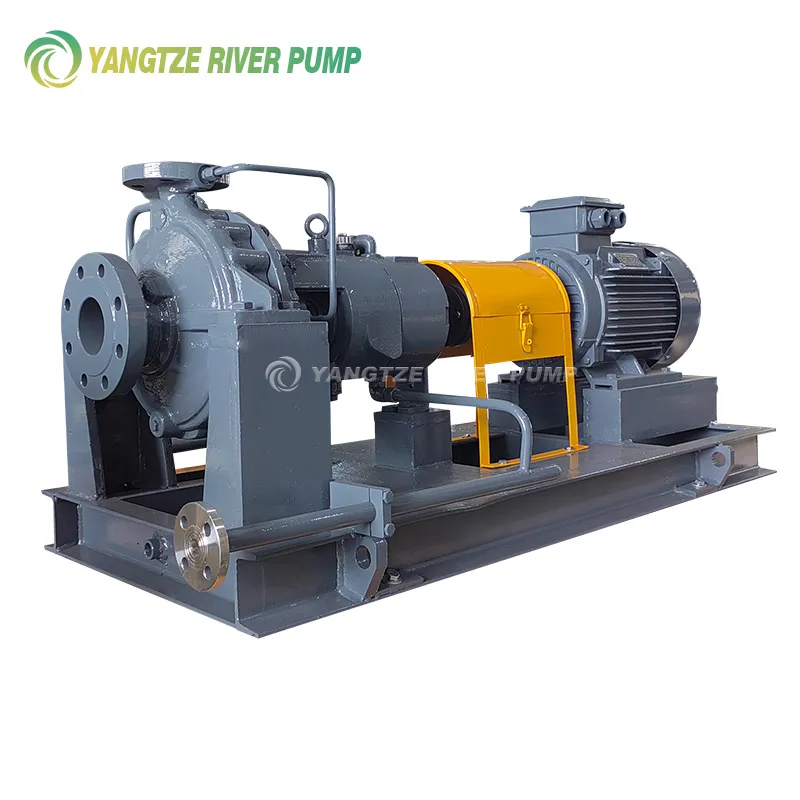 Petrochemical Process Pumps API 610 YZE
-
 Infinitely variable screw pumps type G
-
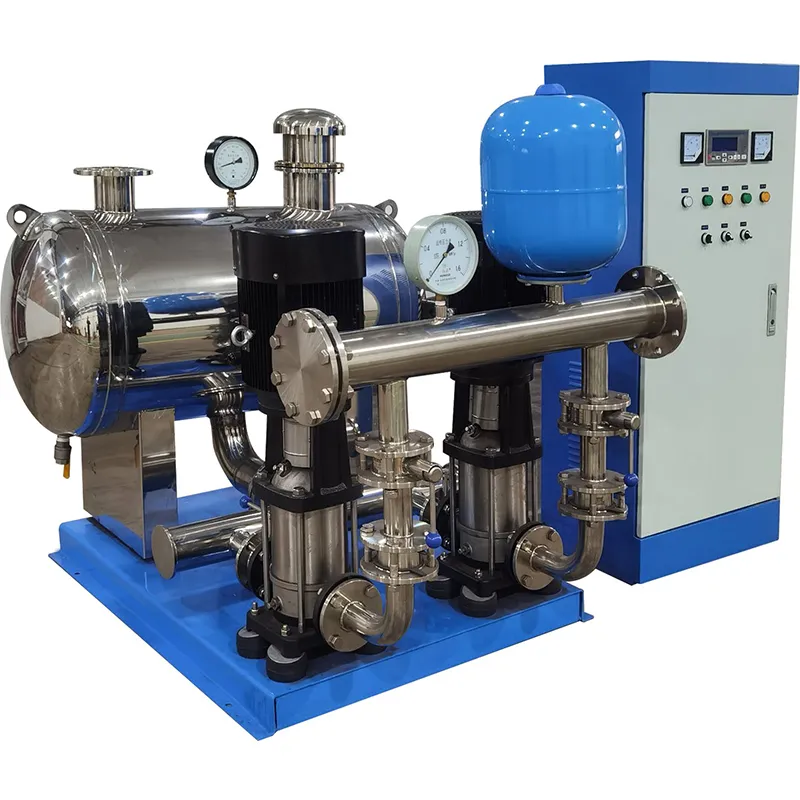 Complete water supply installations with frequency regulation and constant pressure CDLF
-
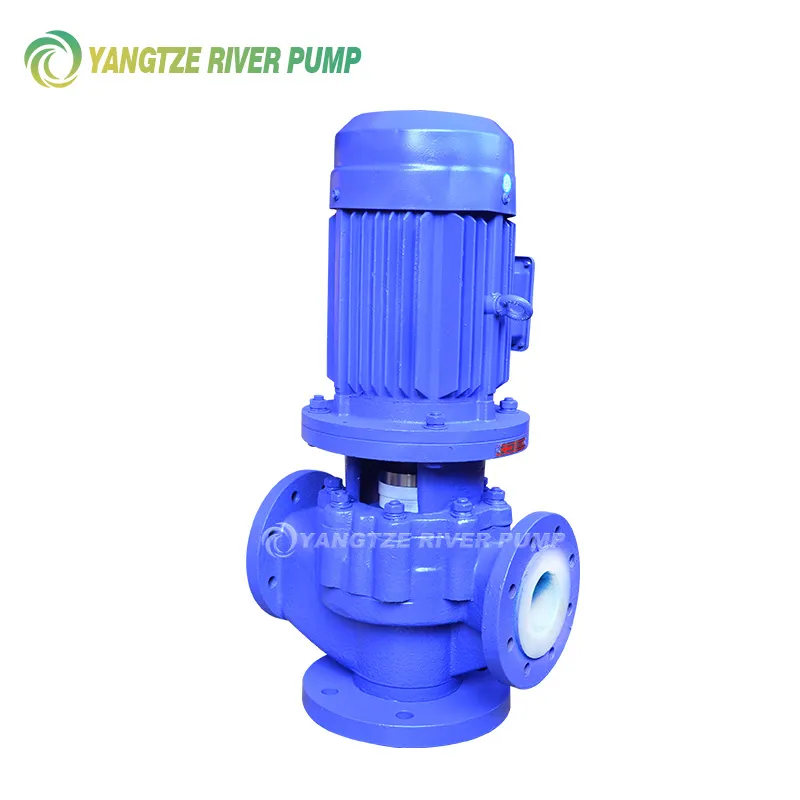 Vertical pumps with PTFE lining YQF
-
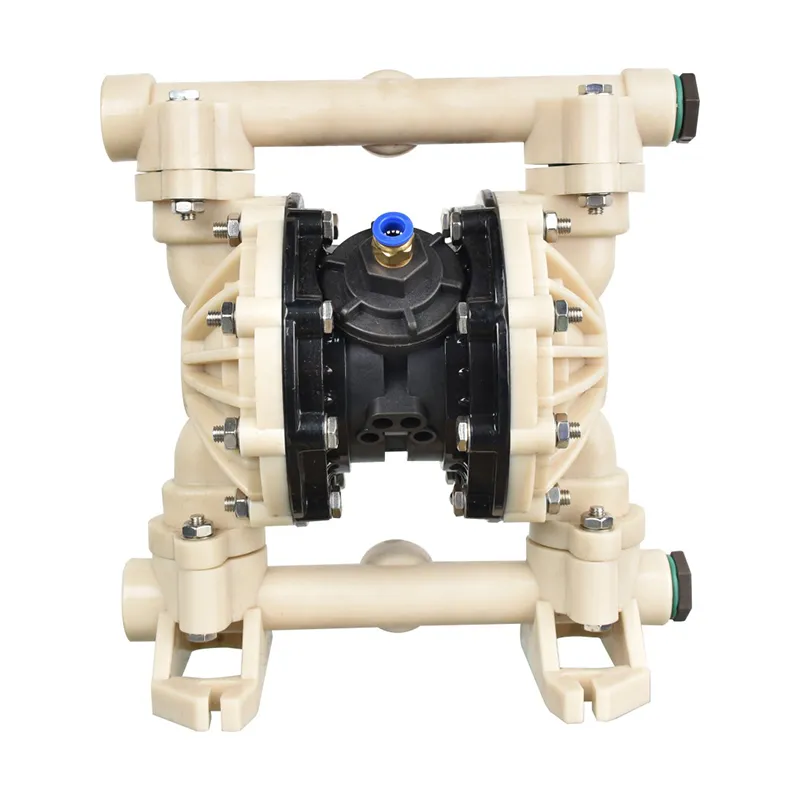 QBK Non-Metallic Air Operated Diaphragm Pumps
-
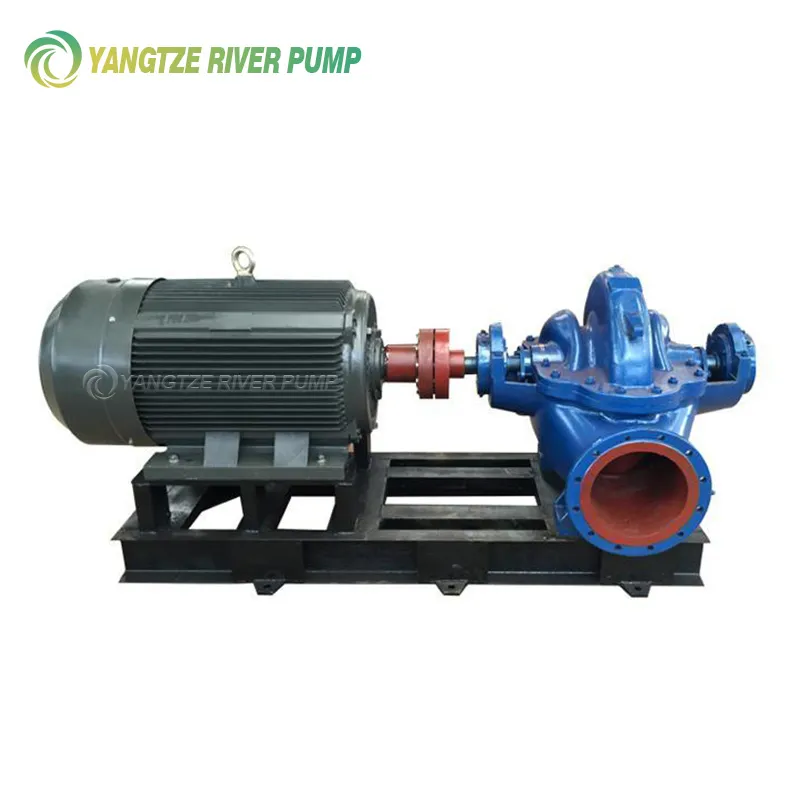 Single Stage Double Entry Centrifugal Pumps Type S
-
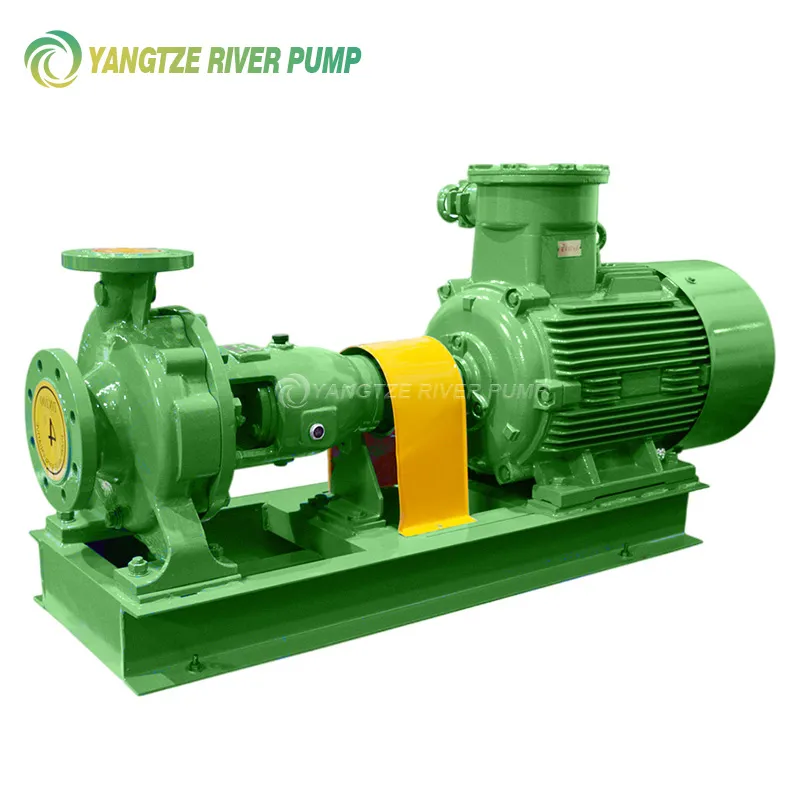 YCZ Chemical Process Pumps
-
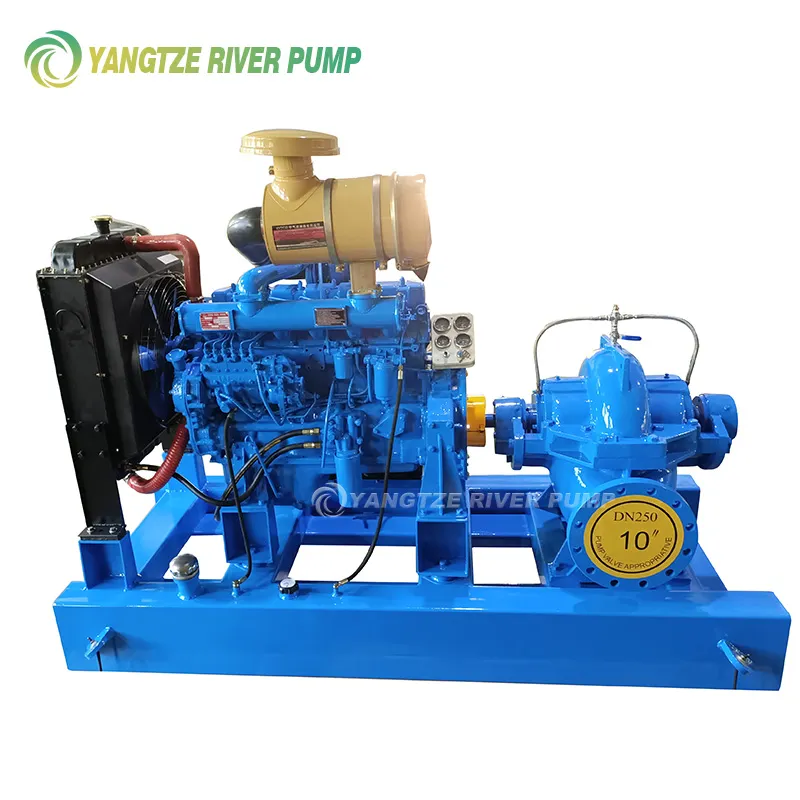 Diesel pumps with horizontal connector YZS and YZSH
-
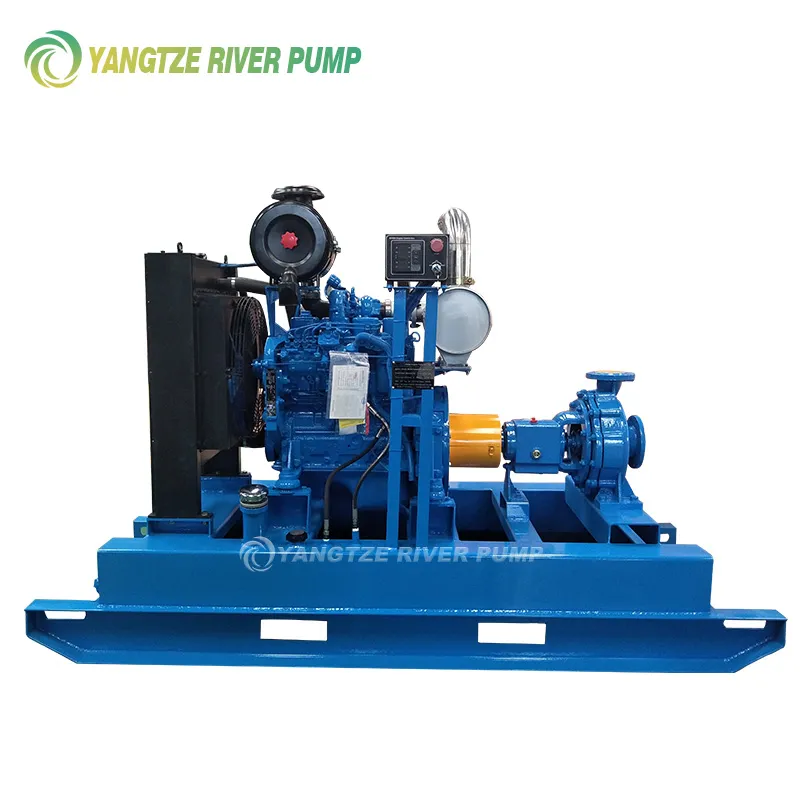 YZIS Diesel Single Stage Centrifugal Pumps
-
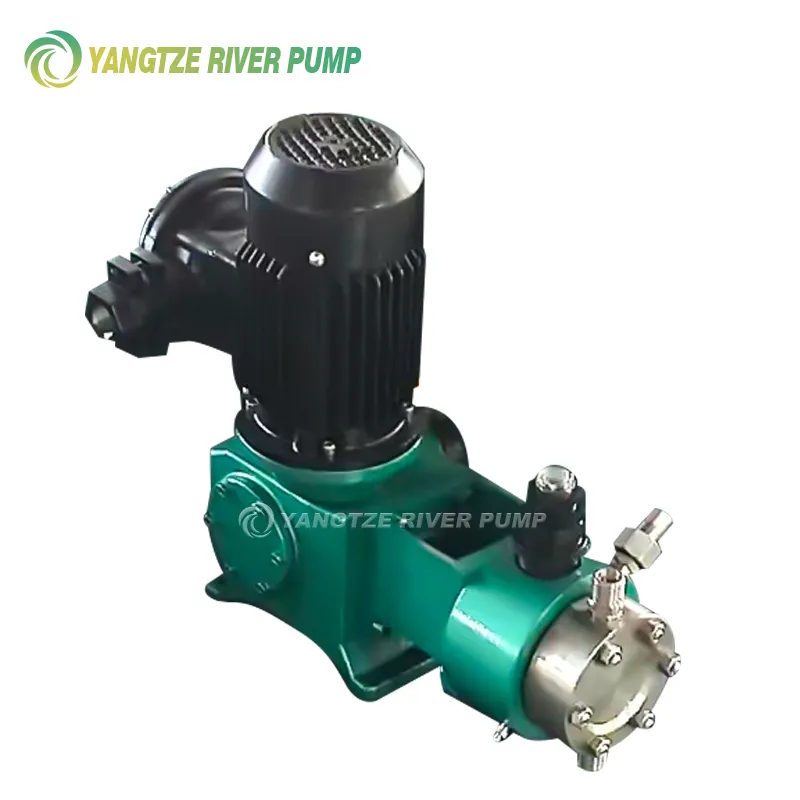 Plunger dosing pumps type DZ-X
-
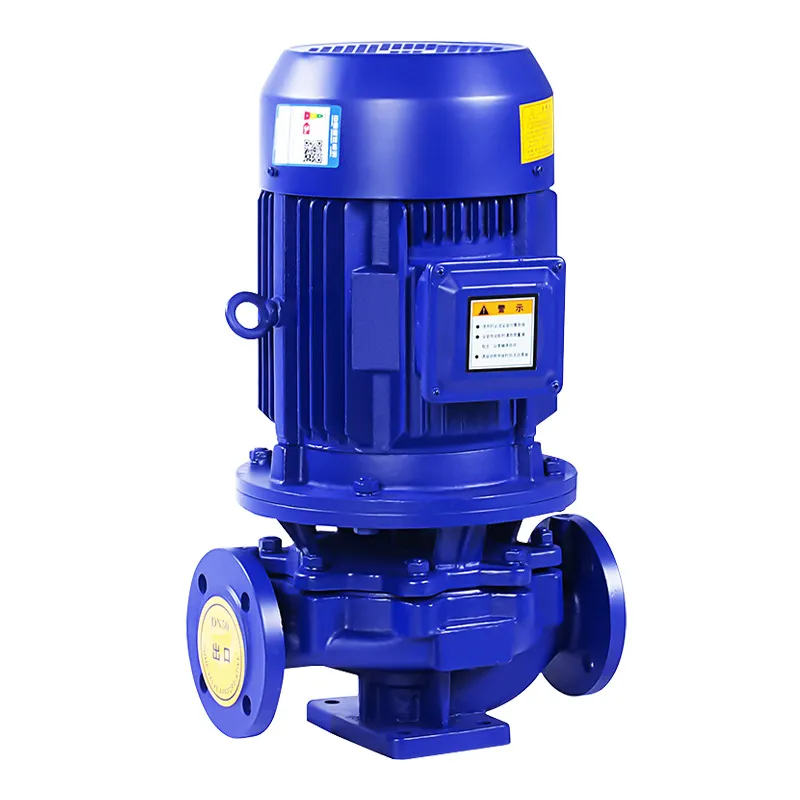 Vertical single-stage pipeline centrifugal pumps ISG and IHG
-
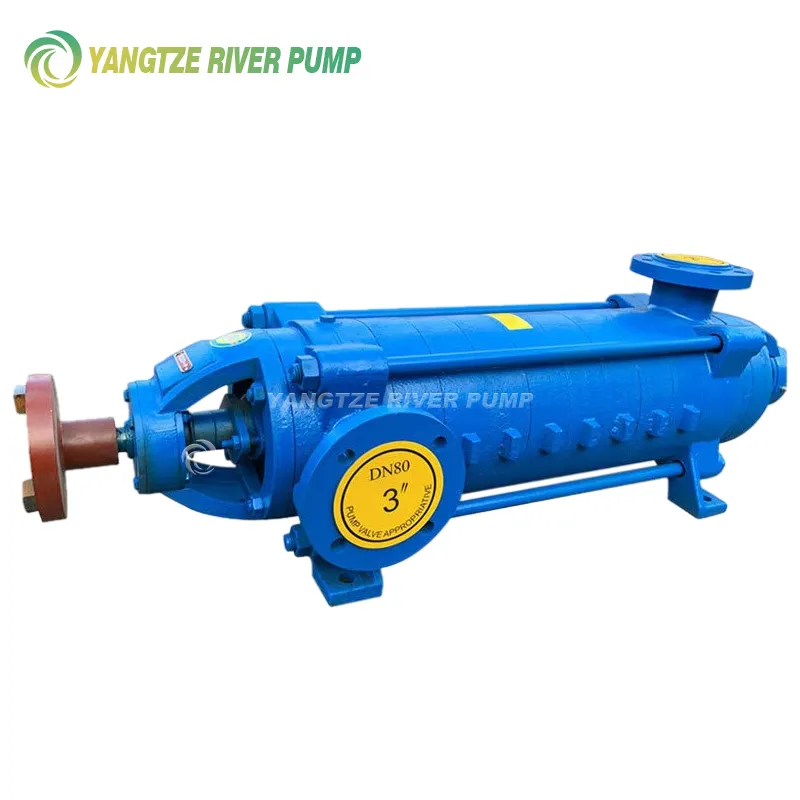 Horizontal multistage pumps for feeding DG boilers