







centrifugal sewage pumps
When you hear 'centrifugal sewage pumps', many people immediately think of something simple: a motor, an impeller, a housing - and that's it. But in practice, especially when it comes to pumping wastewater with fibers, suspensions, and especially abrasive particles, this apparent simplicity turns into a lot of nuances. The main mistake is to assume that any centrifugal pump will cope with sewage if it has the appropriate pressure and flow rate. In fact, the design of the flow path, the material used and, what is often overlooked, the configuration of the impeller itself are critically important. It’s these details that are not written in large numbers in catalogues, but which decide everything on site, and I want to speculate.
From theory to practice: where the pitfalls lie
Take, for example, the classic single-channel impeller. In theory, excellent throughput for polluted environments. But at one of the facilities where the wastewater contained long-fiber inclusions from textile production, such wheels were constantly clogged. I had to figure it out. It turned out that for such environments wheels with a vortex design or so-called free-vortex wheels performed better. They create a cavity through which solid inclusions pass without practically contacting the blades. This was an important lesson: choosing the type of end effector is the first thing you need to look at, and only then the steel grade or engine power.
Another point is the material. Cast iron is good for domestic wastewater, but if there are aggressive components in the water, even in small concentrations, it begins to act up. I remember an incident with a pumping station at a food plant. Over the course of a year and a half, wastewater with residues of organic matter and detergents “ate” the cast-iron body of a conventionalcentrifugal sewage pump. We switched to AISI 304 stainless steel - the problem went away. But here, too, there are some subtleties: for media with chlorides, grade 316 is already needed. These are the very details that are often skimped on in a project, and then spend years patching up the consequences.
And of course, we must not forget about the reliability of the seals. Oil seal packings for sewage pumps are a thing of the past, constant tightening and leaks. Mechanical mechanical seals are standard. But here too there is a choice: single, double, with flushing. For sewer applications where sludge may accumulate in the seal area, I highly recommend double seals with external flushing with clean water. This makes the design more expensive, but increases the resource significantly. Saving on this node almost always leads to unplanned downtime.
Delivery experience and adaptation to real conditions
When working with manufacturers, you always pay attention to their approach to testing. You can make a beautiful 3D model, but how will the pump behave in a real, non-ideal environment? In our company,Zhejiang Yangzijiang Pumping Industry Co.,Ltd, special attention is paid to this. All eight of our production lines are tailored to the full cycle: from R&D to after-sales service. This is not for show. For example, when developing a linecentrifugal sewage pumpsWe carry out not only hydraulic tests on water, but also tests on special stands with imitation sand and fibers. This allows you to immediately modify the design, rather than receiving complaints from the site.
Our websiteyangtzeriverpump.ruis, in fact, a showcase of our approach. There you can see not only standard models, but also learn about the possibility of modifications. Because often the task is non-standard: you need a pump for sewerage, but with a special flange connection, or to work as part of a vertically mounted pumping station, or with an enlarged passage channel. Our production allows us to implement such things without turning the project into a 'golden' one.
By the way, about vertical installation. This is a separate topic for centrifugal sewage pumps. The requirements for shaft rigidity and bearing units are more serious here. We went through this when we supplied pumps for a high pumping station. The usual horizontal design, converted 'on the knee' to a vertical one, did not last even a month - vibrations, overheating of the bearings. I had to go back to the drawings and design the model from scratch, with a reinforced shaft and a special support structure. Now this is in our line as a separate solution.
Neighborhood in the catalog: why assortment is a plus
Our company not only producescentrifugal sewage pumps. The catalog includes submersible, screw, and diaphragm pumps. This is not just wishful thinking marketing. In practice, a situation often arises when a complex system requires different types of pumps. For example, at the entrance to a treatment plant there is a grate and behind it a powerfulcentrifugal sewage pumpto lift the wastewater, and to dose the reagents at the next stage, precise diaphragm or peristaltic pumps are needed. The ability to obtain a complete solution from a single supplier, who is responsible for the interaction of all equipment, is a huge advantage for the customer in terms of both cost of ownership and technical support.
Moreover, experience in manufacturing, say, chemical plastic pumps gives us a deep understanding of the corrosion resistance of materials. We directly apply this knowledge when choosing materials for the flow part of our centrifugal pumps that operate with aggressive wastewater. We don’t just say “stainless steel,” but we know exactly which brand and with which coating will last longer in the specific environment specified in the technical specifications.
Or take self-priming pumps. The technologies developed during their creation help us optimize the cavitation characteristics of centrifugal models, especially those that operate with a variable level in the receiving chamber. Everything is interconnected.
Failures that teach: the story of one 'drain'
There were also mistakes, we couldn’t live without them. One was particularly memorable. The customer asked for an inexpensivecentrifugal sewage pumpfor pumping out storm water from the warehouse territory. The technical specifications stated 'water with sand'. We supplied a standard model with a cast iron wheel, designed for solid inclusions. But they didn’t take into account that the “sand” at that site is actually fine abrasive slag from the unloading of construction materials. In three months, the impeller turned into a sieve. The client was, to put it mildly, unhappy.
The investigation showed that it was necessary to dig deeper into the question of the composition of the environment. Now in our selection form we have not just a “type of medium” column, but a whole list of clarifying questions: fraction of solid particles, their approximate Mohs hardness, concentration. And for abrasive environments, we immediately offer the option of a wheel made of wear-resistant cast iron with a high chromium content or even with a polyurethane coating. This story forced us to reconsider the entire technical consulting process.
The conclusion is simple: even for a seemingly ordinary task - pumping contaminated water - the dialogue with the customer should be as detailed as possible. Often people at the site themselves do not know all the features of the environment, and the specialist’s task is to ask the right questions to extract this information. It’s better to spend an extra day on correspondence than to deal with broken equipment for a month.
Looking to the future: efficiency and smart management
Now the trend is not just reliability, but energy efficiency. Especially for pumps operating around the clock, for example in large sewage pumping stations. Moderncentrifugal sewage pumpsare increasingly equipped with variable speed motors (VFDs). It's not just fashion. This is real savings. The pump can adapt to the actual influx of wastewater, and not always work at maximum. But there is a caveat here: not every impeller and hydraulic part operates effectively over a wide range of flow rates. When selecting, you need to look at the performance map (HQ curve) - how flat it is and whether it allows regulation without the risk of cavitation.
We are inZhejiang Yangzijiang Pumping Industry Co.,LtdWe are actively working on this. Our engineers select or design the wheel geometry so that the efficiency remains high not only at the design point, but also during deviations. This is a complex task that requires numerous CFD simulations and subsequent full-scale tests on our benches. But the result is worth it - reduced operating costs for the client.
And of course, integration. A modern pump is not a piece of hardware with a terminal box. This is a device that is ready to provide data on temperature, vibration, and current consumption. In the future - predictive monitoring and predictive maintenance. So that the seal or bearing is replaced according to the wear schedule, and not based on the fact of failure. Our new models are already prepared for connecting sensors and transmitting data to SCADA systems. This is no longer the future, but the present for critical objects.
In the end, back to the beginning.Centrifugal sewage pumpsThis is far from basic equipment. This is the result of a trade-off between throughput, durability, power consumption and cost. The right choice is always a deep analysis of the problem and an honest dialogue between the supplier, who has his own production and testing facilities, and the customer, who knows (or should know) all the pitfalls of his facility. This is the only way to avoid headaches for years to come.
Correspondingproducts
Related Products
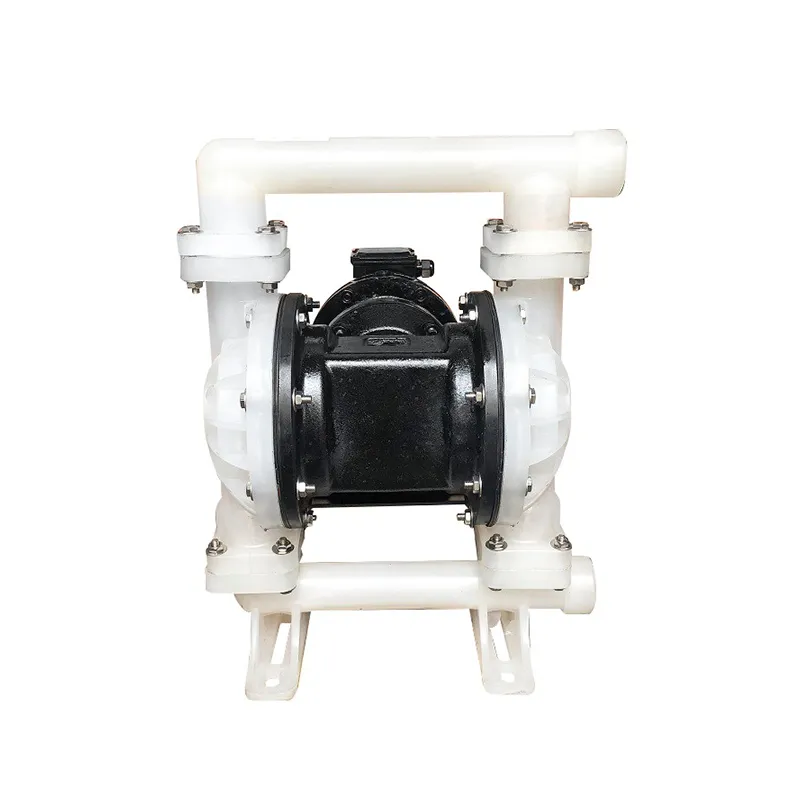

Best Sellingproducts
Best Selling Products-
 YCB Type Circular Gear Pumps
-
 Infinitely variable screw pumps type G
-
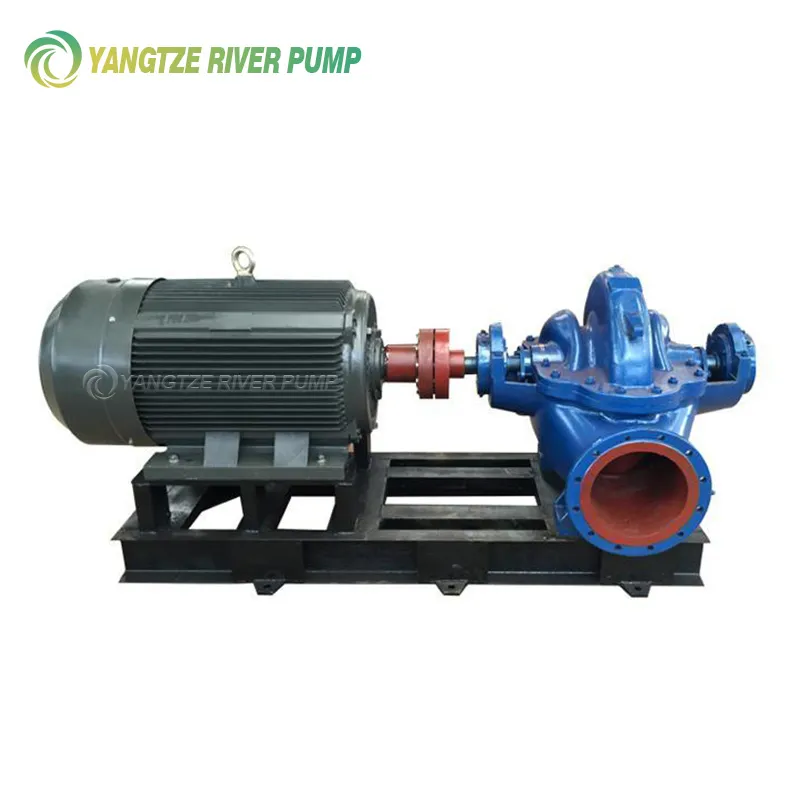 Single Stage Double Entry Centrifugal Pumps Type S
-
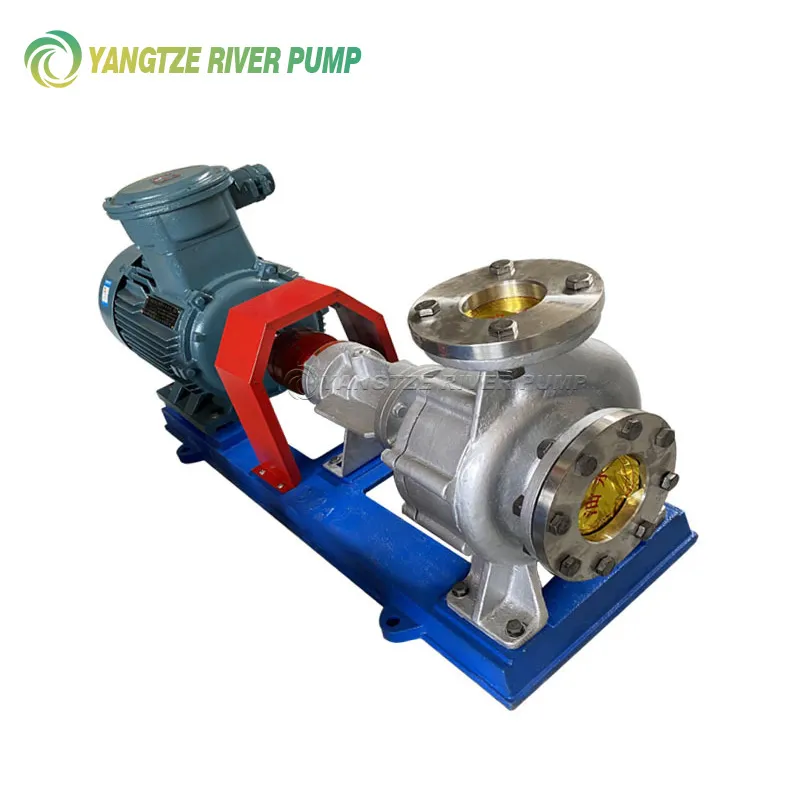 RY thermal oil pumps
-
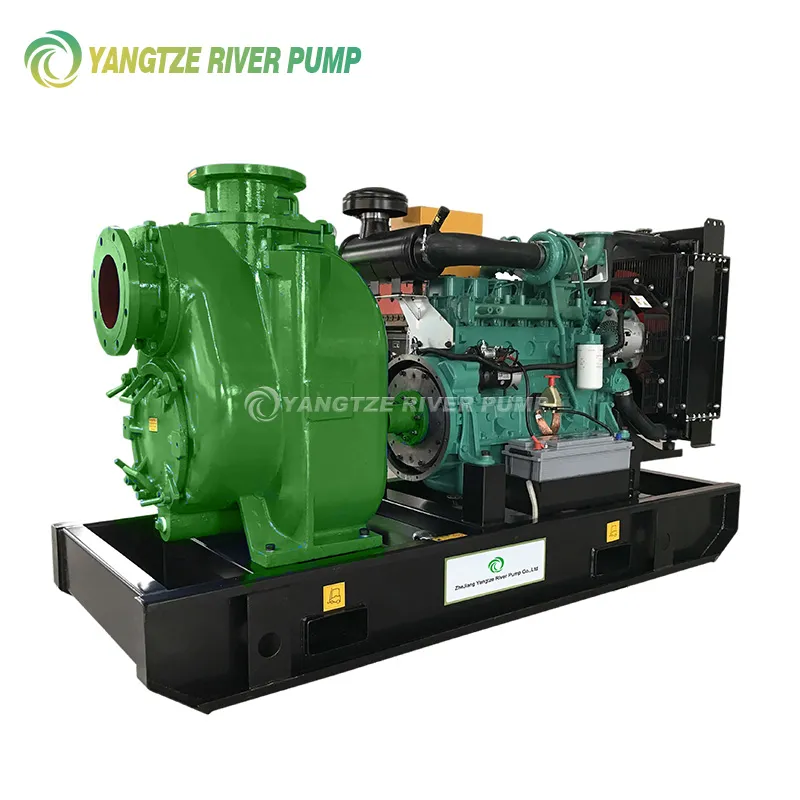 YZSP Diesel Self-Priming Pumps
-
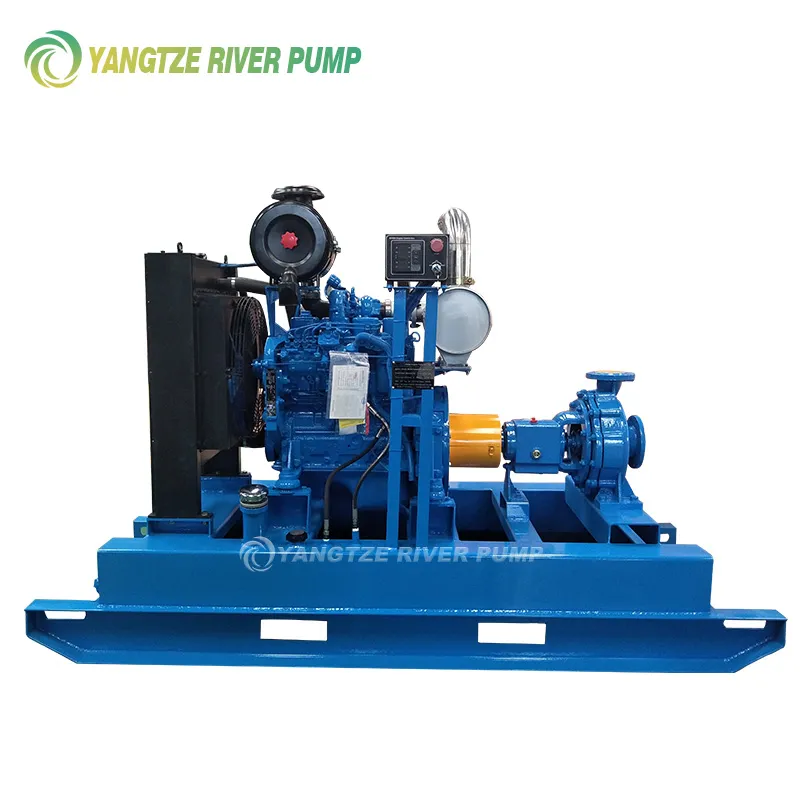 YZIS Diesel Single Stage Centrifugal Pumps
-
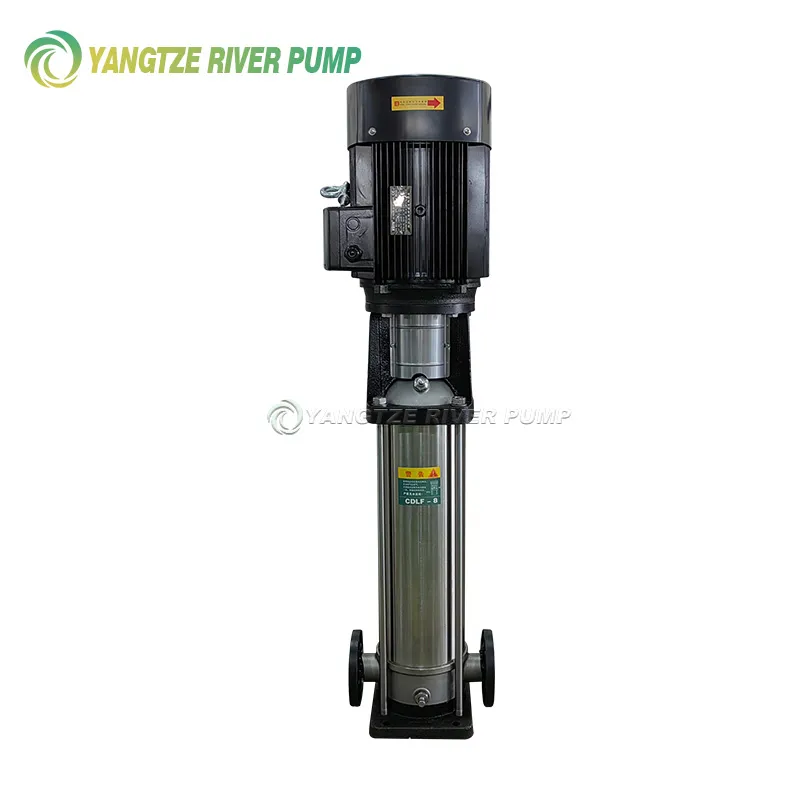 Vertical multistage centrifugal pumps made of stainless steel (light series) CDL and CDLF
-
 Liquid ring vacuum pumps type 2EB
-
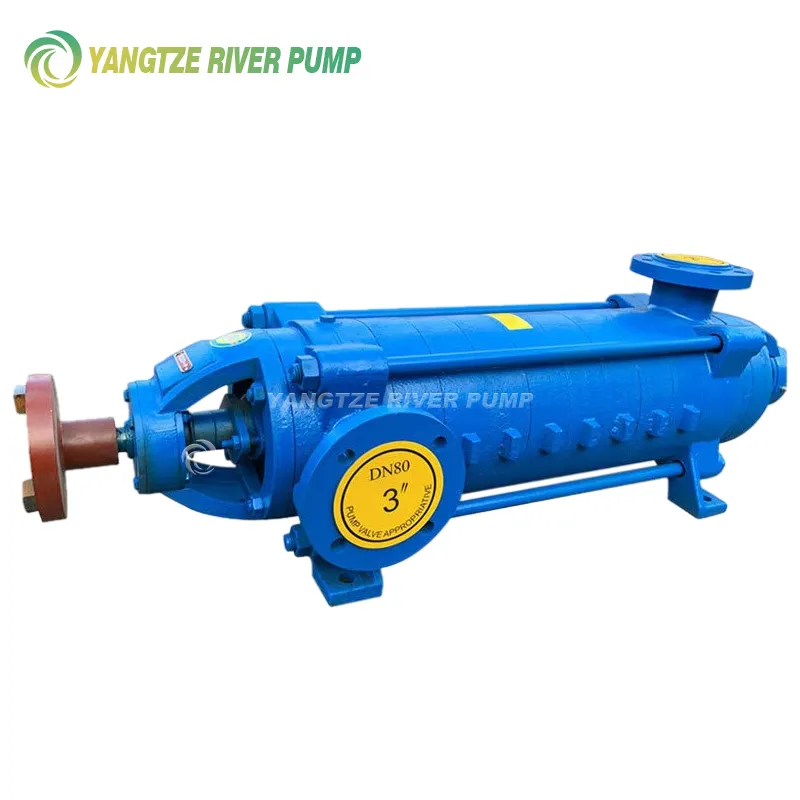 Horizontal multistage pumps for feeding DG boilers
-
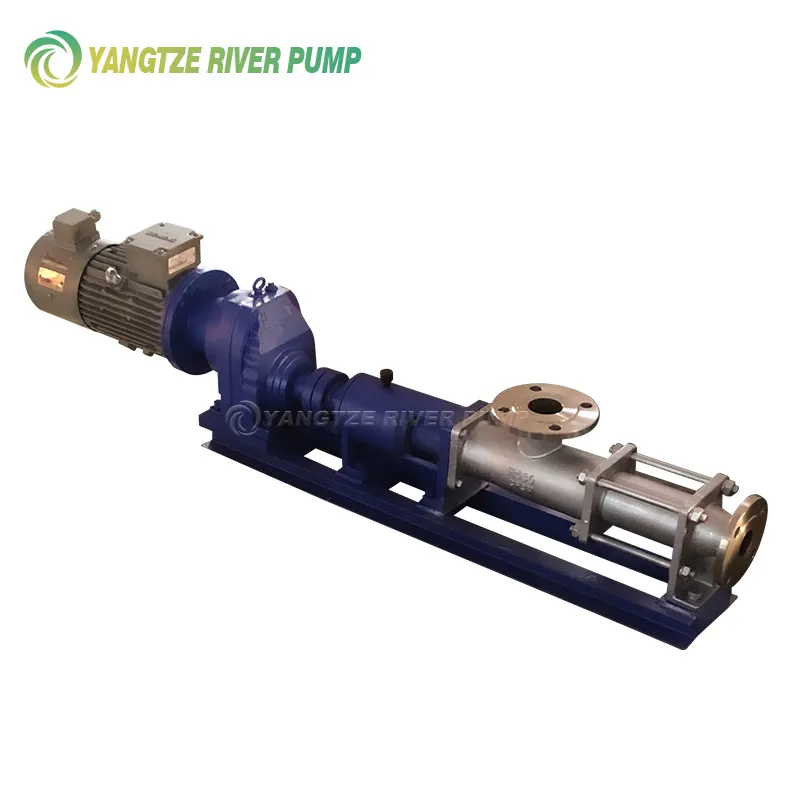 Geared screw pumps type G
-
 Mechanical diaphragm dosing pumps DJ-D
-
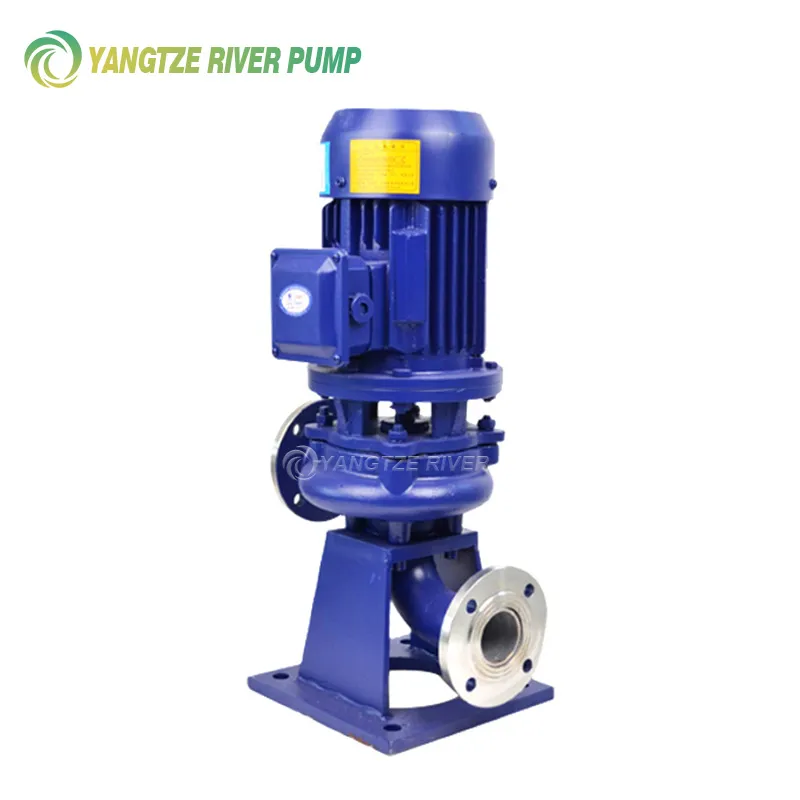 Non-clogging vertical wastewater pumps LW