







deep well pump motor
When they talk aboutdeep well pump motor, many people imagine just a sealed electric motor that was lowered into the well and forgotten. In fact, this is perhaps the most critical node of the entire system, and its choice is always a compromise between power, reliability, economics and... the geology of the site. A common mistake is to chase maximum speed or cheapness, without taking into account the composition of the water and the operating mode. I have personally encountered situations where “budget?” the engine failed not because of a manufacturing defect, but because of simple overheating in a sand well due to irregular pumping. Even the stainless steel of the case can’t save you here.
Design: What's inside matters
If you look at a typicaldeep well pump motorfor a well, the key thing is the cooling and insulation system of the windings. The engine operates in cramped conditions, surrounded by water, which acts both as a coolant and as a potential source of problems. Oil-filled models are good for stable temperatures, but when it comes to seasonal fluctuations or aggressive environments, preference is often given to those filled with a special liquid or even models with a dry rotor in a sealed compartment. At our production facility at Zhejiang Yangzijiang Pumping Industry LLC, we test different schemes, and for chemically active environments, for example, we often follow the path of using durable polymer insulation and ceramic seals.
Another nuance is the starting point. For deep wells with variable flow rates, it is important that the engine starts reliably even when partially submerged or in the presence of suspended matter. Frequency converters, of course, solve many problems, but they increase the cost of the system. In practice, it has happened that for a simple country well, a reliable asynchronous motor with a higher protection class (IP68 is a must have) turned out to be more optimal than a complex system with frequency regulation, which could be “capricious” in field conditions.
When talking about materials, we cannot ignore the shaft and bearings. The stainless steel shaft is standard, but the bearings are the weak point. Sliding bearings made of graphite composite or ceramics perform better than ball bearings under abrasive wear conditions. I remember an incident at one of the facilities in Siberia, where after replacing standard bearings with ceramic ones with a supply of clean water for lubrication, the mean time between failures increased significantly. This is the case when the little things make all the difference.
Pump compatibility: not everything is so simple
Often the customer selects the pump and motor separately, based on the passport data. But passport data is ideal laboratory conditions. In practice, the efficiency of a tandem ?pump-motor? may sag due to hydraulic losses in the casing or imperfect alignment. For our submersible pumps, we at Yangzijiang Pump Industry select or produce motors with a power reserve of 10-15%, especially for multi-stage models. This is not wastefulness, but an insurance against working at the limit, which is detrimental to isolation.
An important point is the electrical part. Cable length. It would seem like a small thing. But the voltage drop on a long cable for a well of 100+ meters can be critical. The engine will not reach rated power and will overheat. Have you seen “inexplicable” things? breakdowns caused by a simply thin or poor-quality cable, which heated up more than the engine itself. Therefore, in the specifications we always indicate the recommended cross-section of the cores depending on the depth and power.
There is also a downside - when the engine is too powerful for the pump. This leads to cavitation at the pump inlet, vibrations and premature wear. This happens when you try to “push?” water through a clogged filter or when selecting equipment with a large reserve “for the future”. Optimal selection is the work of an engineer, and not just selection from a table from the Internet. On our websiteyangtzeriverpump.ruWe post not just catalogues, but selection manuals based on real tests on our production lines.
Operational pitfalls and how to avoid them
The biggest problem is working “dry”. Even short-term operation without coolant killsdeep well pump motorin minutes. Protection against "dry running" - required. But there is a nuance here: simple float sensors may not work in a narrow casing pipe. More reliable are pressure switches with a shutdown delay or flow sensors built into the electronic control unit. However, they complicate and increase the cost of the system. For shallow wells with a constant flow rate, sometimes a simple but high-quality thermal relay in the motor winding is sufficient.
Another pitfall is voltage ripple in rural networks. A stabilizer is not a luxury, but a necessity. A burned out winding due to a power surge is a typical non-warranty story. We always emphasize this in our recommendations. By the way, for remote sites we are increasingly considering options with motors adapted to operate from solar panels via DC/AC inverters. This is a separate topic, but the future is apparently behind it.
Maintenance. The myth that a submersible motor requires no maintenance persists. Regular (at least once a season) lifting and visual inspection for corrosion of the cable gland, checking the insulation resistance - this extends life by years. I myself saw how an engine that had worked for 5 years was saved from complete replacement by simply replacing the sealing collar on the cable, through which moisture began to ooze.
Case studies: successes and failures
We had a project - water supply to the village from an artesian well with high mineralization. Installed standard powerfuldeep well pump motor. After six months - a drop in productivity, overheating. Upon opening, it was discovered that the cooling cavities were clogged with salt deposits. Conclusion: for such water, an engine with increased clearances in the cooling circuit and, possibly, with titanium components was needed. We changed it, took it into account - now it works. This is an expensive lesson that is now factored into pre-sales consultations.
Here's a positive example. Drainage in a coal mine required a solids slurry pump. Standard engines failed due to abrasive wear of the shaft in the area of the seals. Together with the technologists of our company, we modified the standard model: we installed an additional mechanical seal made of tungsten carbide and used a shaft with a hardened coating. The resource has tripled. This is to the question that there is no ready-made solution for all occasions; sometimes adaptation is needed.
There was also an outright failure when they rushed to propose an engine for a very deep well (under 200m) without taking into account the sufficient thickness of the housing wall. At depth it was slightly “flattened” pressure, the rotor began to rub. It’s good that the current protection worked and everything turned off. We had to urgently look for a specially designed engine with a reinforced housing. Fortunately, the client was cooperative, seeing that we were quickly solving the problem at our own expense. Reputation is more valuable.
Looking Ahead and Final Thoughts
Where is the industry heading? The trend is for “smart” motors with built-in vibration, temperature and humidity sensors in the stator. Real-time data allows you to predict failure rather than just detect it. For industrial facilities this is already a reality. It’s still a bit expensive for the mass segment, but in five years it will become the standard. At our test benches at Zhejiang Yangzijiang Pump Industry Co., Ltd. we are already testing such prototypes for our submersible pumps.
The second trend is materials. Polymer composites that do not corrode and are lighter than steel. This will reduce weight and increase resistance to aggressive environments. This is especially true for our line of plastic chemical pumps, where the motor often works in conjunction with a corrosion-resistant pump.
In the end, the choicedeep well pump motor- this is always a story for a specific task. You can’t just take the one that’s cheaper? or “the one that is more powerful?”. You need to look at the depth, water chemistry, operating mode, reliability of the electrical network, and even who will maintain the system and how. This is not just a component, it is the heart of the system, which must beat for a long time and without failures. And the main advice I always give is: don’t skimp on consulting with an engineer. It is better to spend time and money on proper selection on shore than on emergency recovery and replacement of equipment at the height of the season. As they say, the miser pays twice, and in our case, he also pays for expensive earthworks.
Correspondingproducts
Related Products



Best Sellingproducts
Best Selling Products-
 Complete water supply installations with frequency regulation and constant pressure CDLF
-
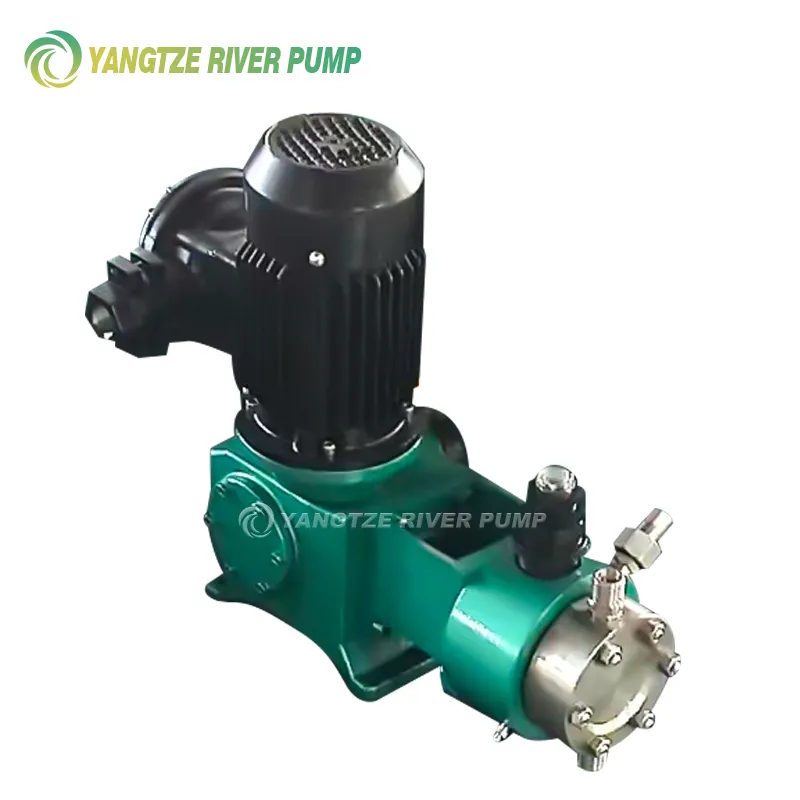 Plunger dosing pumps type DZ-X
-
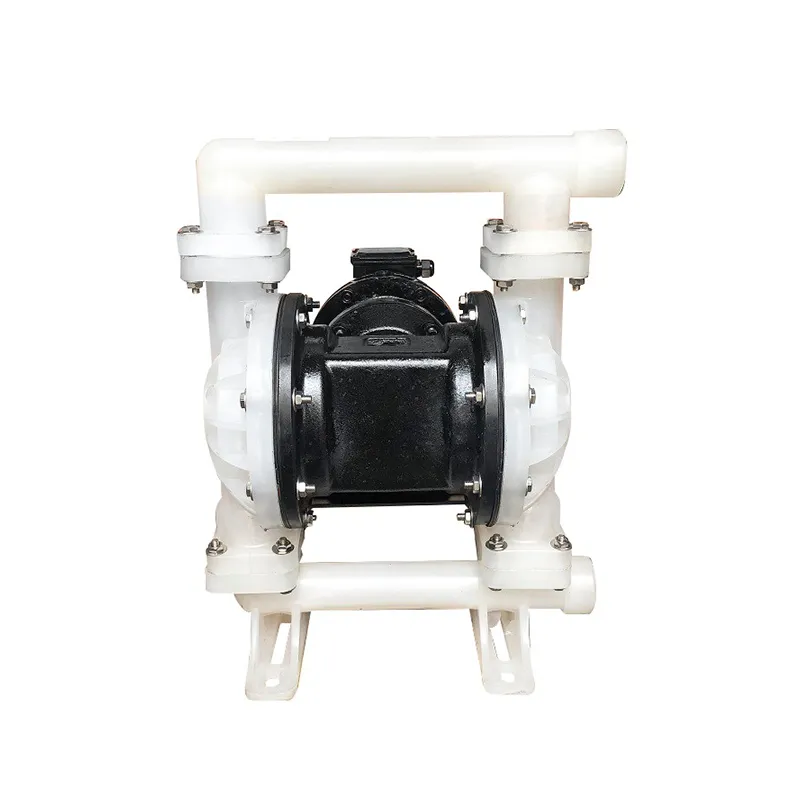 DBY Non-Metallic Electric Diaphragm Pumps
-
 IHF PTFE Chemical Centrifugal Pumps
-
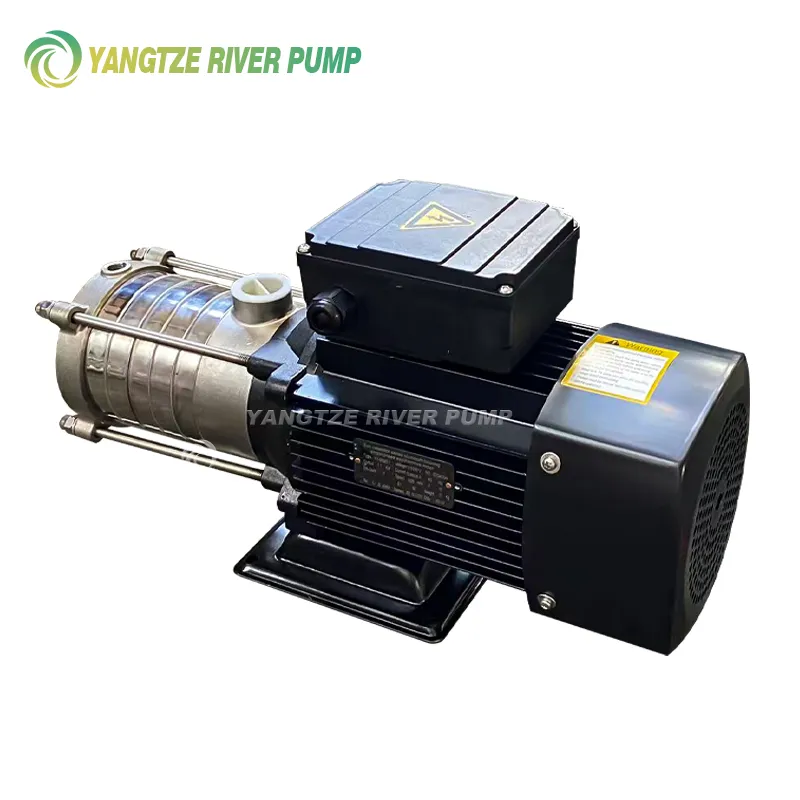 Horizontal multistage centrifugal pumps (light series) CHL and CHLF
-
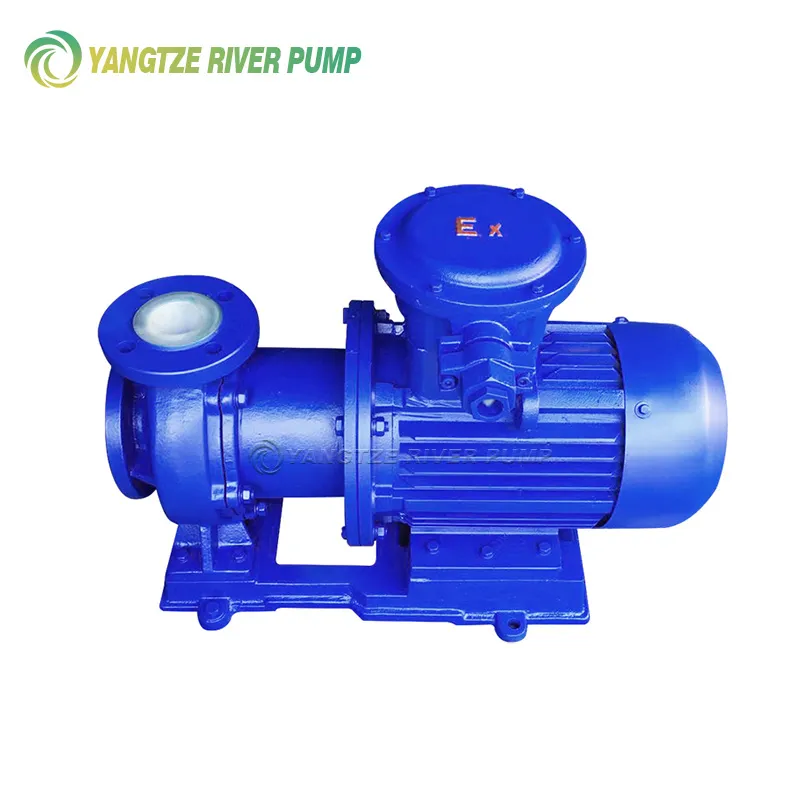 Magnetic pumps with fluoroplastic lining CQB-F
-
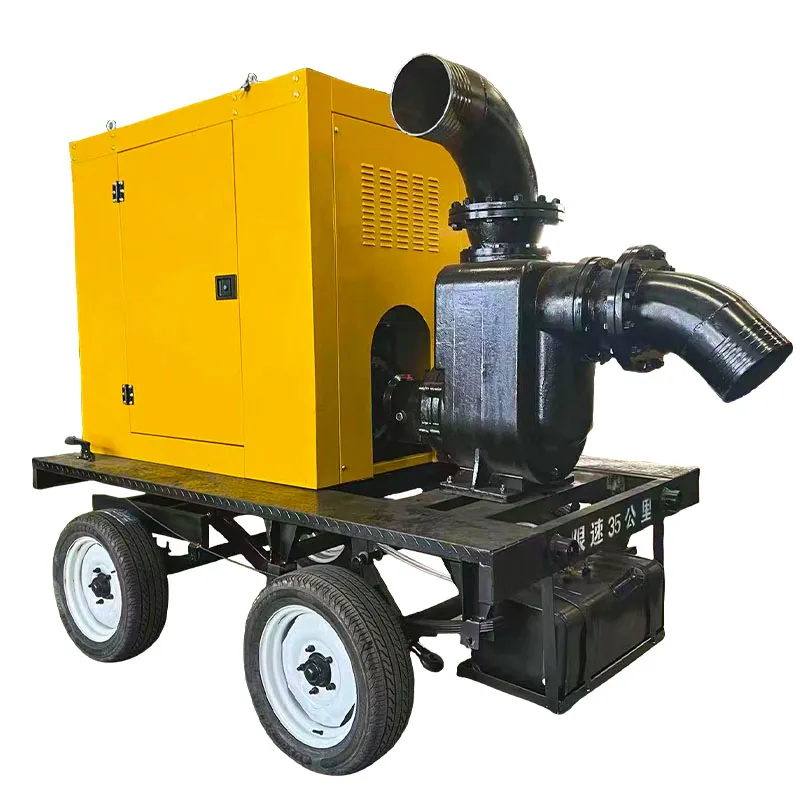 YZZW Diesel self-priming pumps
-
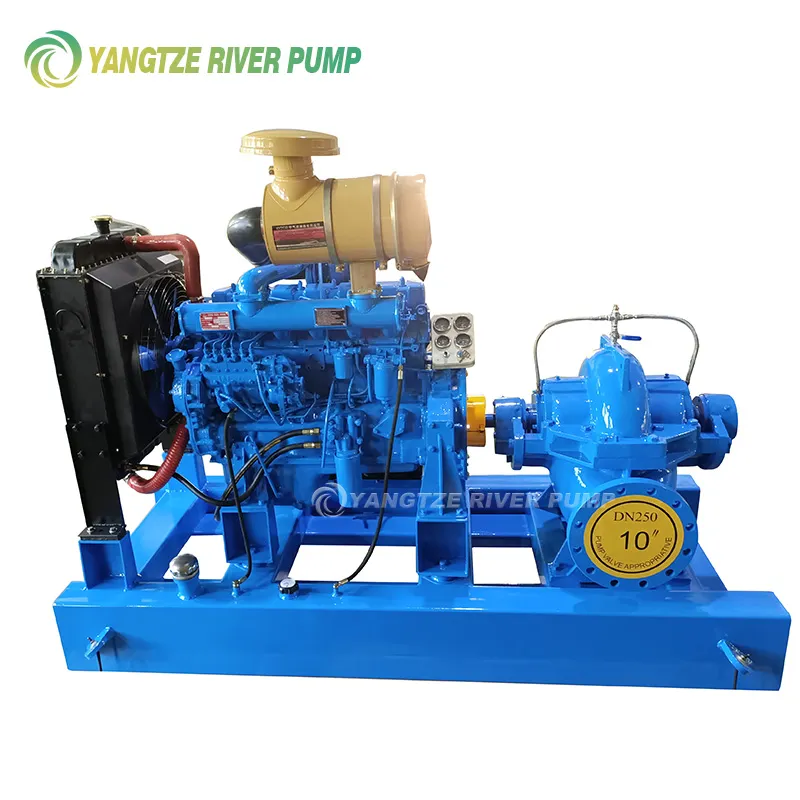 Diesel pumps with horizontal connector YZS and YZSH
-
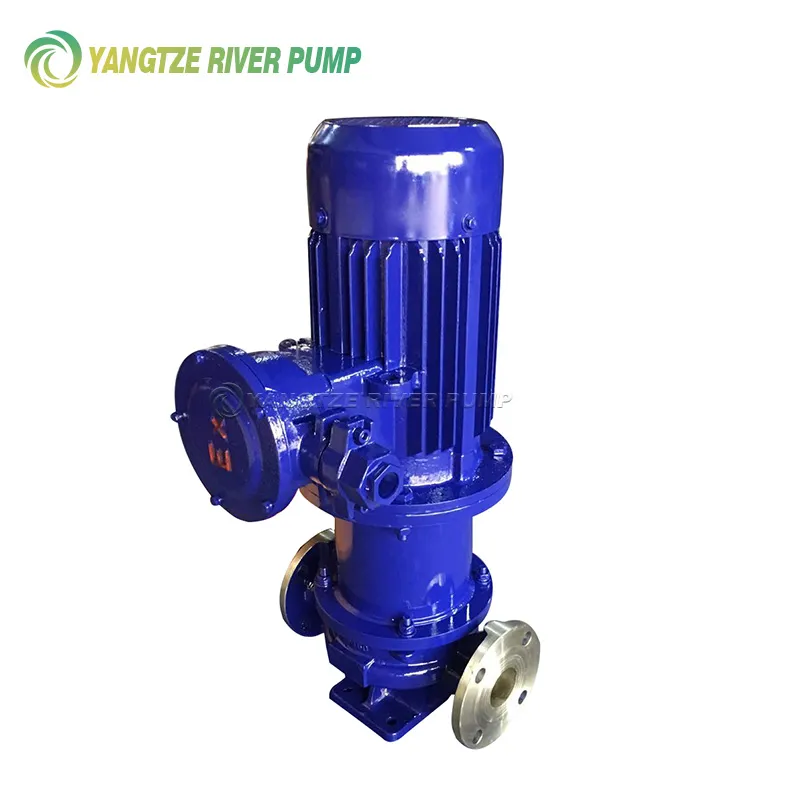 Vertical magnetic pumps CQB-L
-
 Plastic self-priming centrifugal pumps FP and FS
-
 Non-clogging self-priming wastewater pumps ZW
-
 QJ type borehole pumps