







centrifugal pump stage
When people say 'centrifugal pump stage', many people immediately think of an impeller. And in general it is correct, but this is only part of the picture, and the most noticeable one. In practice, a step means a whole functional unit: the sameimpellerplus a guide vane (or a spiral outlet, depending on the design), which together provide one cycle of energy conversion. This node is the core. A common mistake is to assume that the more stages, the automatically “cooler” the pump. Everything depends on a specific task: pressure, flow, properties of the pumped medium. Sometimes a multi-stage design is a necessity, and sometimes it is an unnecessary complication and unnecessary points of potential failure.
What does a step consist of in practice?
If we take it apart, there are two key elements. The first is the impeller. Its geometry (shape of the blades, angle of entry and exit, width) determines what energy we impart to the flow. The second is an element that converts this energy into pressure and directs the flow further. In cantilever pumps this is usually a volute chamber. In sectional multistage pumps, there is a guide vane that not only converts speed into pressure, but also correctly supplies the flow to the next stage.
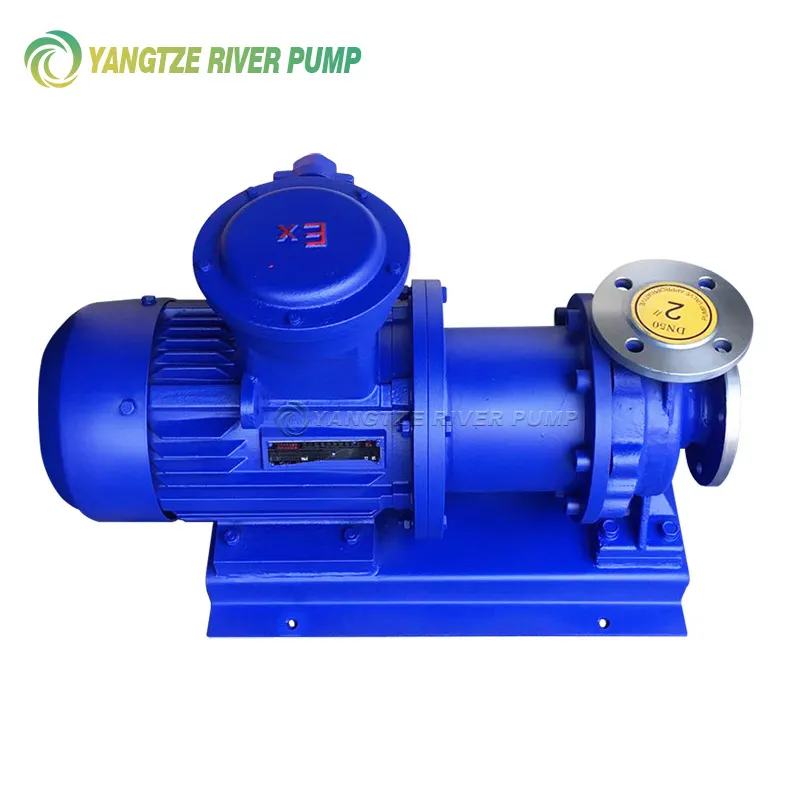
Materials are a separate story. Cast iron or stainless steel are suitable for water. But in our practiceYangtzeriverpump.ruWe constantly encounter chemical environments. Here special alloys, ceramics, and polymers like PVDF or PP are already used. For example, to pump aggressive acids we often use plastic chemical pumps with a PVDF flow part - the stages in them are cast and monolithic, which minimizes the risk of leaks through the gaps.
Gaps... This is what is rarely written about in catalogs, but what is critical in practice. The radial clearance between the wheel and the housing, the axial clearance in multistage pumps - all this directly affects the efficiency. Over time, due to wear or cavitation, the gaps increase, the pressure drops, and the pump begins to “thresh” idle, wasting energy. Regular monitoring and the ability to adjust are a sign of a quality design.
Single-stage vs multi-stage: not competition, but different niches
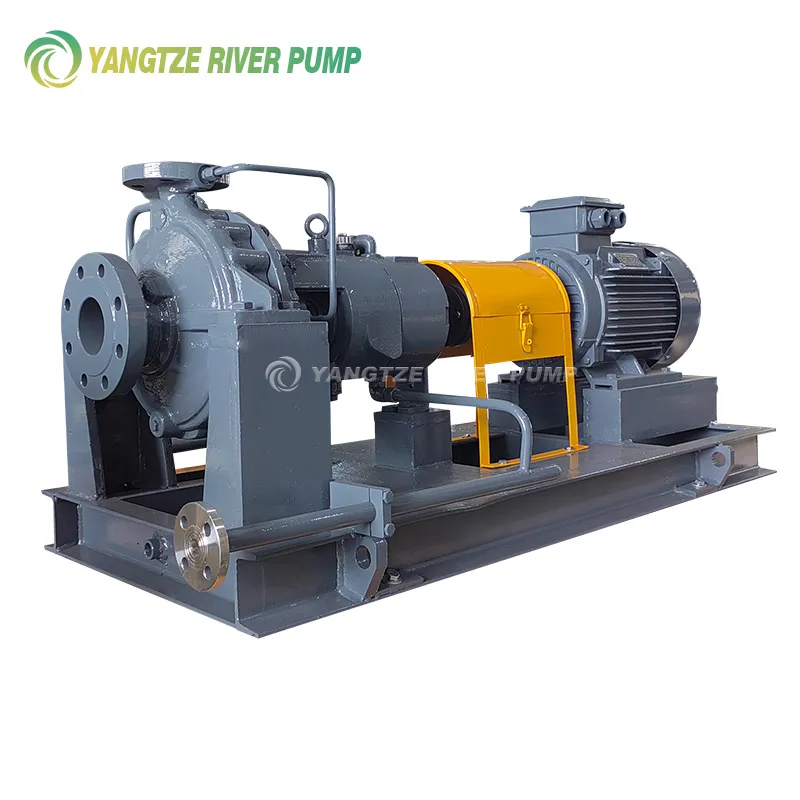
In ourZhejiang Yangzijiang Pumping Industry Co.,Ltdthere are both in production. And the choice always begins with a question to the customer: 'What pressure do you need?' For water supply and irrigation systems, where a large flow is needed at a relatively moderate pressure (conditionally, up to 100-150 meters), single-stage cantilever pumps are almost always optimal. Simpler design, fewer seals, easier maintenance.
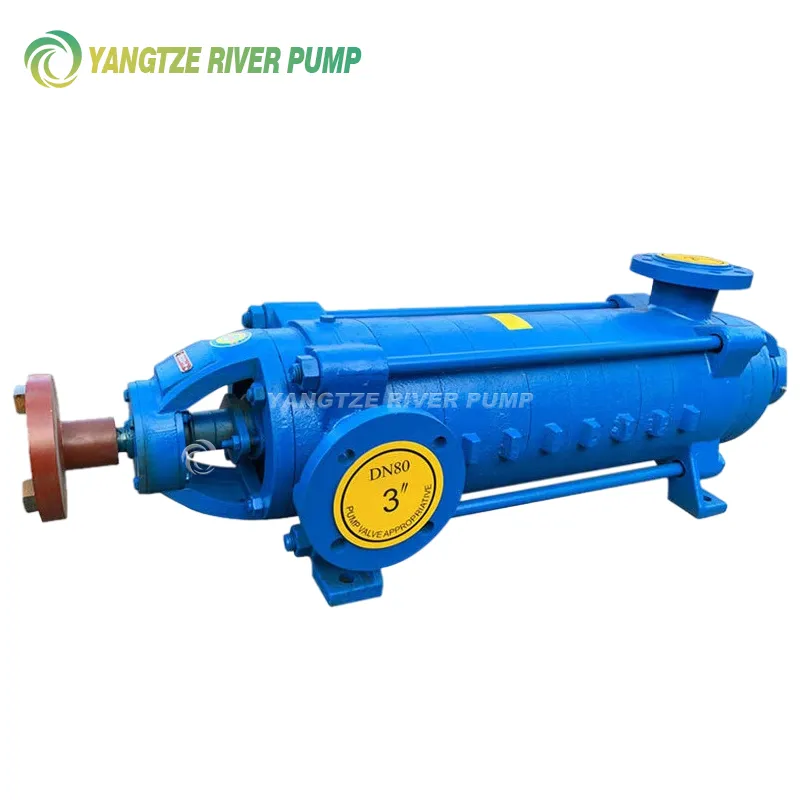
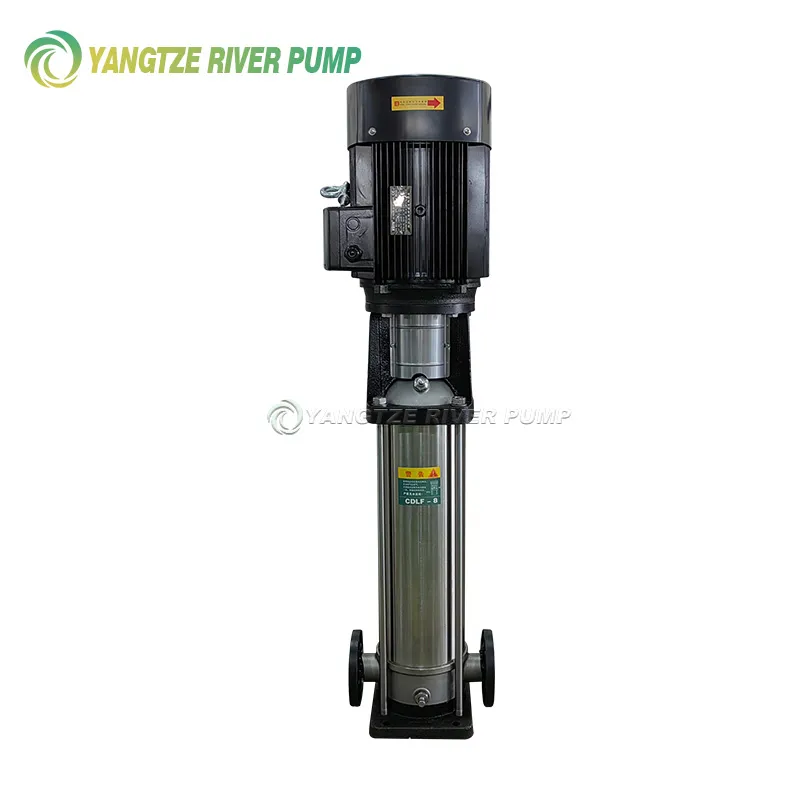
Multistage vertical or horizontal sectional pumps are already in the area of high pressures. Boiler rooms, reverse osmosis systems, high pressure washing. Here, several stages sitting on the same shaft operate sequentially, each adding its own portion of pressure. But the complexity is also increasing: there are more mechanical seals, higher requirements for shaft balancing, the purity of the pumped medium is critical - solid particles quickly kill the tight gaps between the stages.
We had a case with an order for a feed pump for a small boiler room. The customer wanted to save money and supply a powerful single-stage pump. They calculated that in order to produce the required pressure, a wheel of enormous diameter and an exorbitant rotation speed would be required. Noise, cavitation, service life of several months. We were persuaded to buy a compact multi-stage one. Works for years, although the original price was higher.
Problems you encounter in the 'field'
Theory is one thing, but actual use throws up surprises. One of the main troubles for the stage is cavitation. It occurs not only due to errors in selection, but also due to incorrect operation at partial loads or when the ambient temperature changes. Steam bubbles collapse on the surface of the impeller blades, gnawing away at the metal. First, the efficiency drops, then vibration appears, and eventually the wheel turns into a sieve. In multistage pumps, it is often the first stage, where the pressure is lowest, that suffers first.
Another point is shaft misalignment or imbalance. Even a small one, but it leads to the fact that the impeller begins to work with a variable radial clearance. On the one hand, wear is stronger, on the other, a hydrodynamic force arises, which bends the shaft even more. A vicious circle. That’s why high-quality assembly and alignment at the installation site is so important, which installers often forget about.
And chemical pumps have their own story. For example, when pumping viscous media or suspensions, standard stages with narrow channels quickly become clogged. You have to either go for special designs with enlarged flow channels (as in some of our single-screw or diaphragm pumps for complex media), or use self-cleaning open-type impellers, but at the expense of efficiency.
Assembly, balancing and final inspection
Manufacturing a stage is more than just casting and turning. After rough mechanics, dynamic balancing of each impeller follows on a special machine. An unbalanced wheel at high speeds causes vibration, destruction of bearings and seals. Bmultistage centrifugal pumpsThey balance the entire rotor assembly - all the wheels mounted on the shaft.
Then comes the assembly of the steps into the body. The key point here is the correct sequence of tightening the bolts of the body covers so that there is no misalignment. We use torque wrenches. This is especially critical for sectional high-pressure pumps, where misalignment will lead to rubbing of the rotor against the guide vanes.
And the final chord is hydraulic tests. We run the assembled pump on a test bench and measure real characteristics: flow, pressure, power consumption, efficiency. We compare it with the curve from the catalog. It happens that due to micropores in the casting or minimal deviations in size, the characteristic 'creeps'. Then we sort it out and look for the reason. Without this stage, it is impossible to produce a product - our eight production lines are designed for a full cycle, including our own testing center. Otherwise, it’s just “hardware” and not a pump with guaranteed parameters.
Thoughts on maintenance and repair
The design of the stage must provide not only efficiency, but also maintainability. Ideally, a worn impeller or guide vane can be replaced without replacing the entire pump housing. In some cheap models with a cast body, this is a problem - you have to change the entire assembly.
By the way, we also have self-priming pumps in our assortment. The stage has its own specifics - it must work effectively not only with liquid, but also in the mode of removing air from the suction line during startup. The design of the first stage or special gas chamber is decisive here.
In the end, back to the beginning.Centrifugal pump stageis a balanced unit, the result of a compromise between hydraulics, mechanics and economics. It cannot be designed in isolation from specific operating conditions. And when oncompany websiteWe write that we produce both single- and multi-stage pumps; this is not just a list, but an understanding that each task requires its own tool. The main thing is to choose it correctly, and then use it correctly. Experience shows that half of the failures are associated not with manufacturing defects, but with operation in off-design modes. But this is a topic for another conversation.
Correspondingproducts
Related Products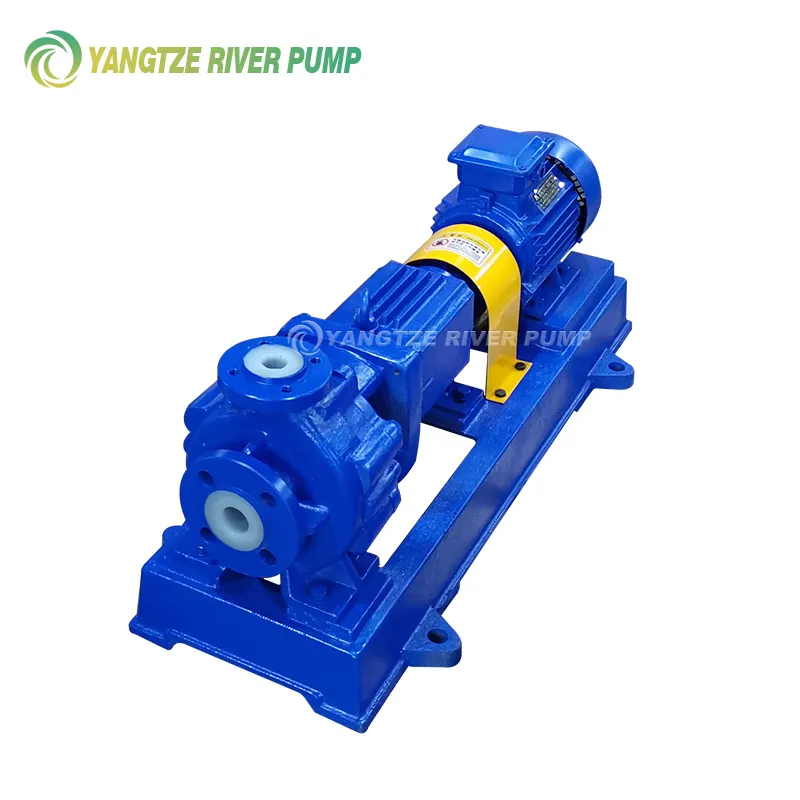

Best Sellingproducts
Best Selling Products-
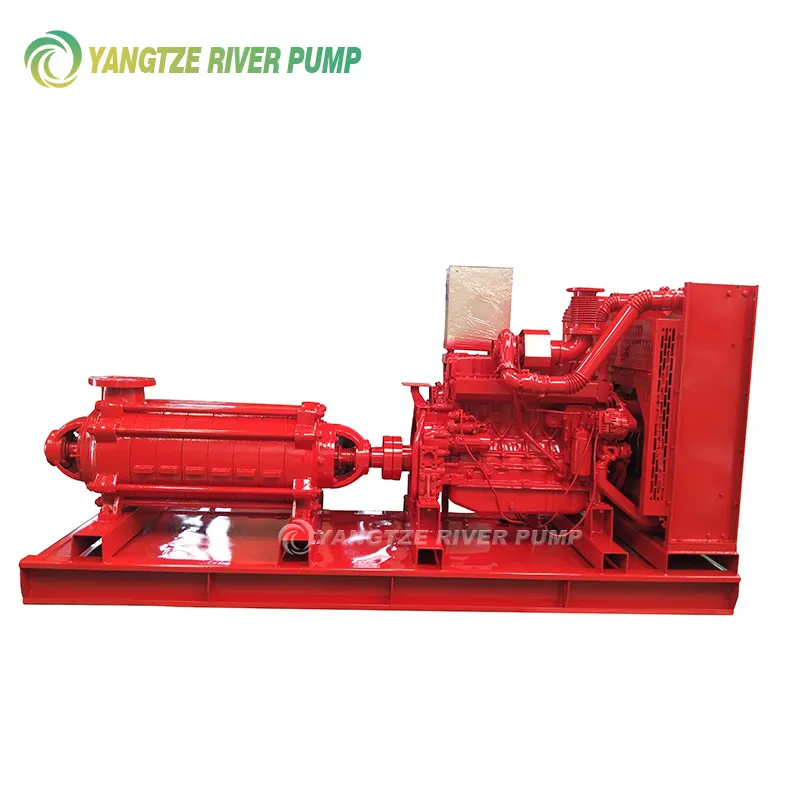 XBC Diesel Intelligent Fire Pumps
-
 YCB Type Circular Gear Pumps
-
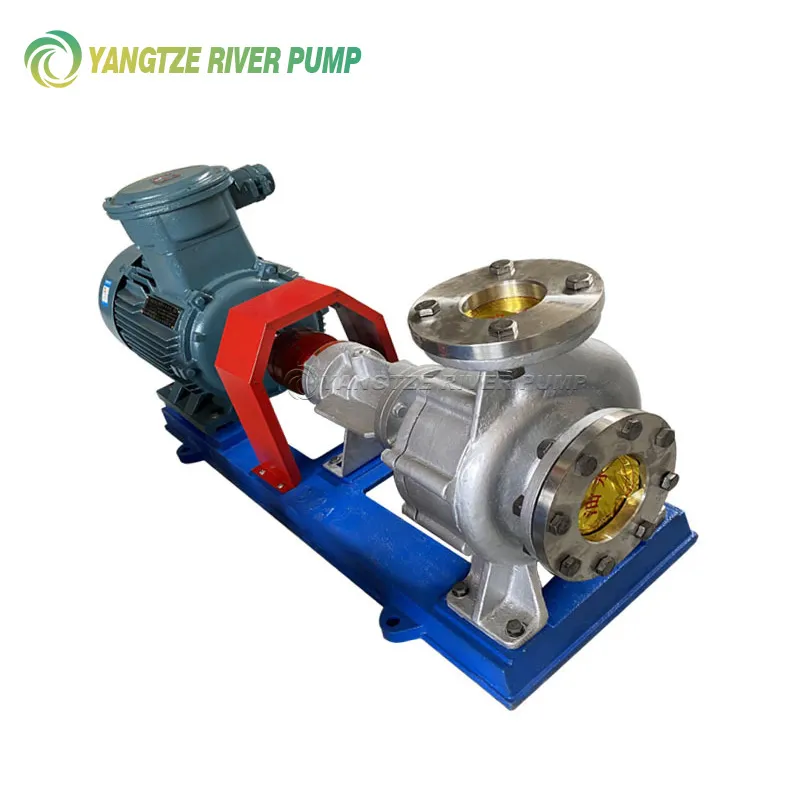 RY thermal oil pumps
-
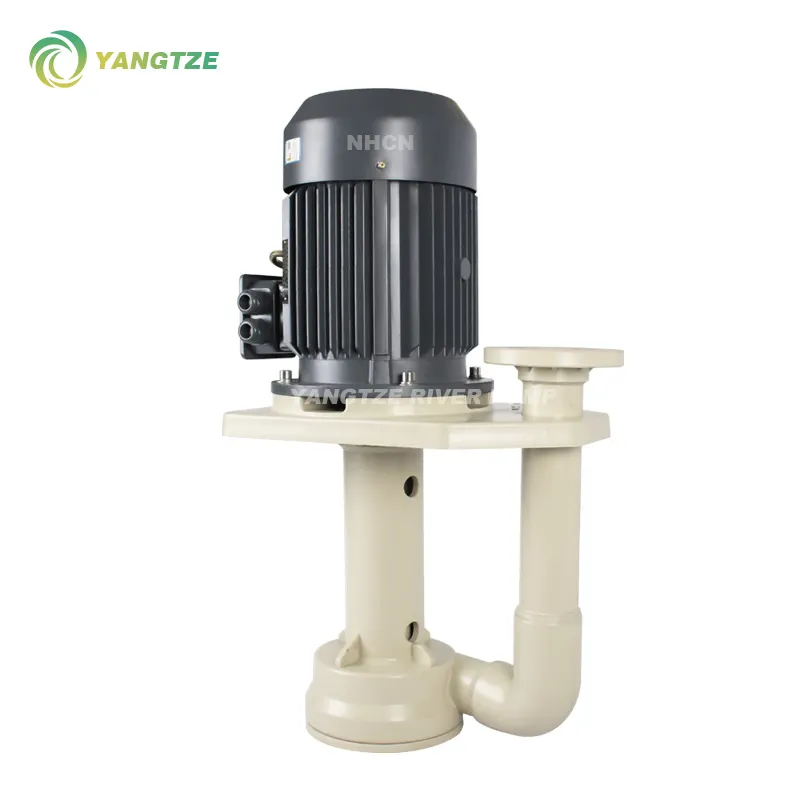 Vertical pumps for installation inside/outside tanks YZCN and YZCW
-
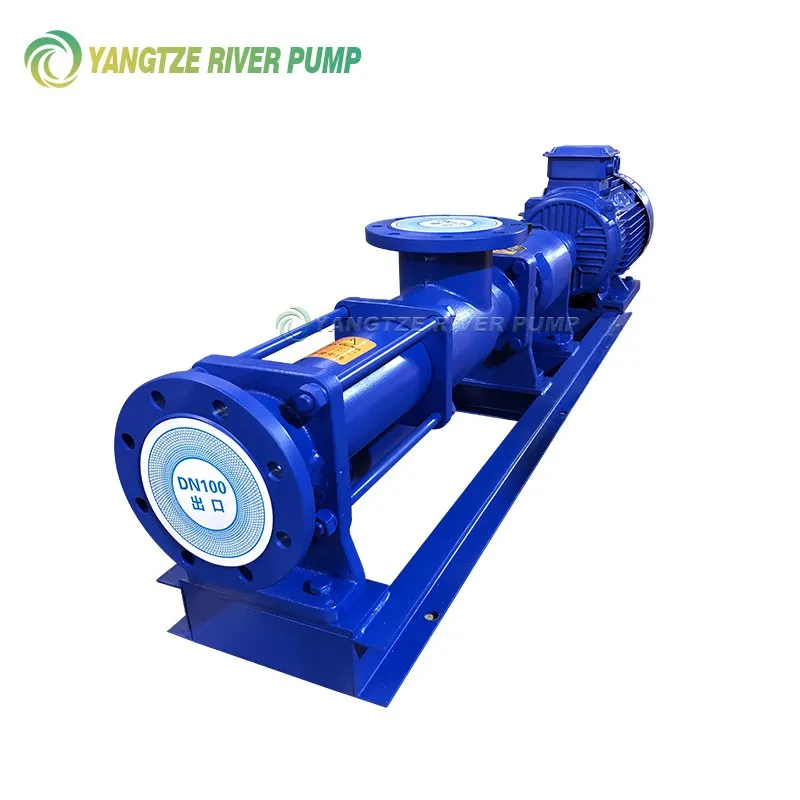 Single screw pumps type G
-
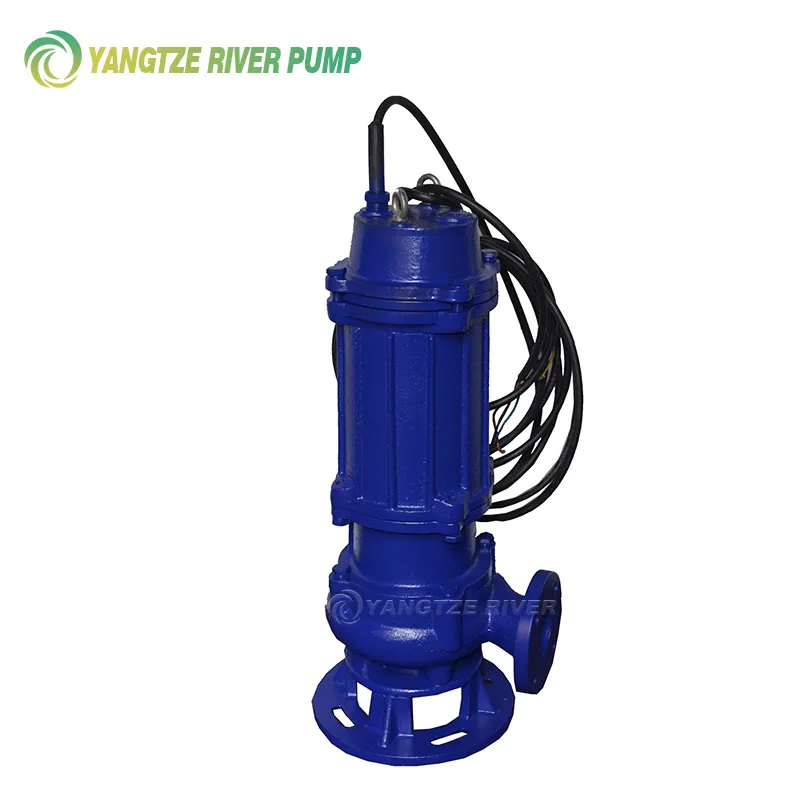 QW Non-clogging Submersible Sewage Pumps
-
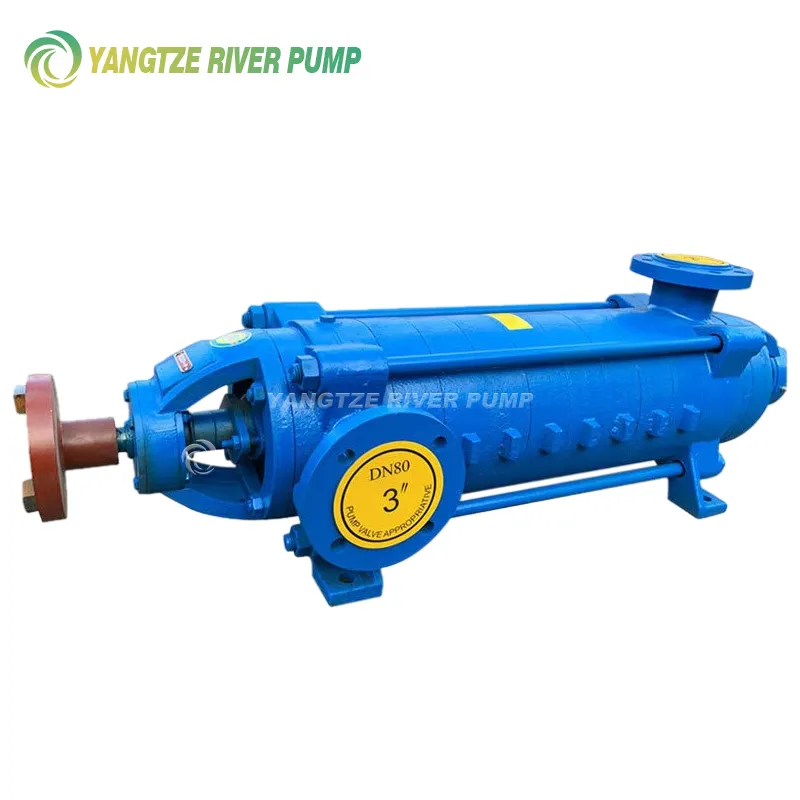 Horizontal multistage pumps for feeding DG boilers
-
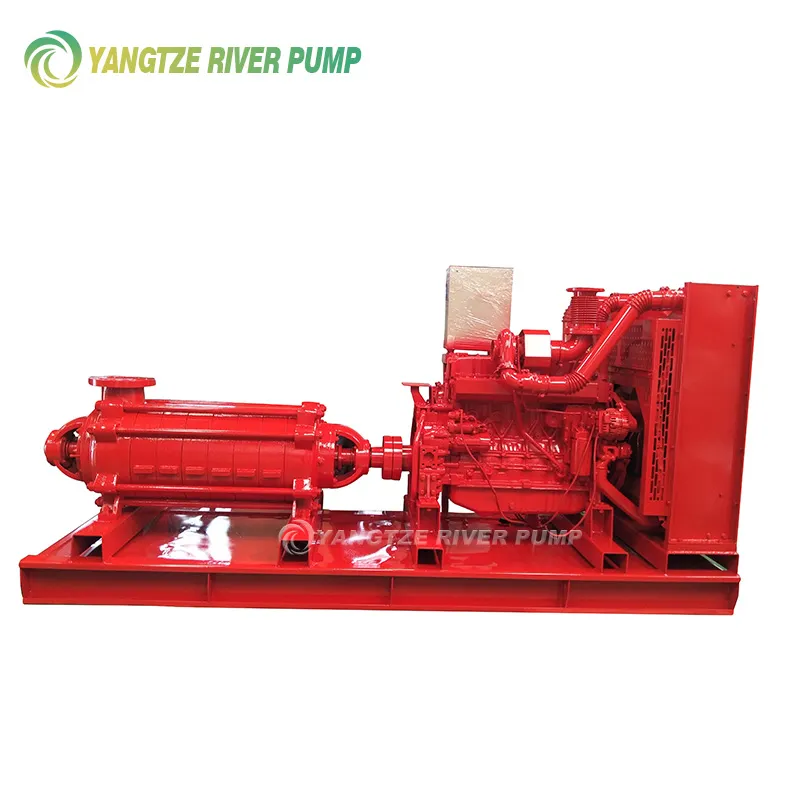 YZD Series Diesel Multistage Centrifugal Pumps
-
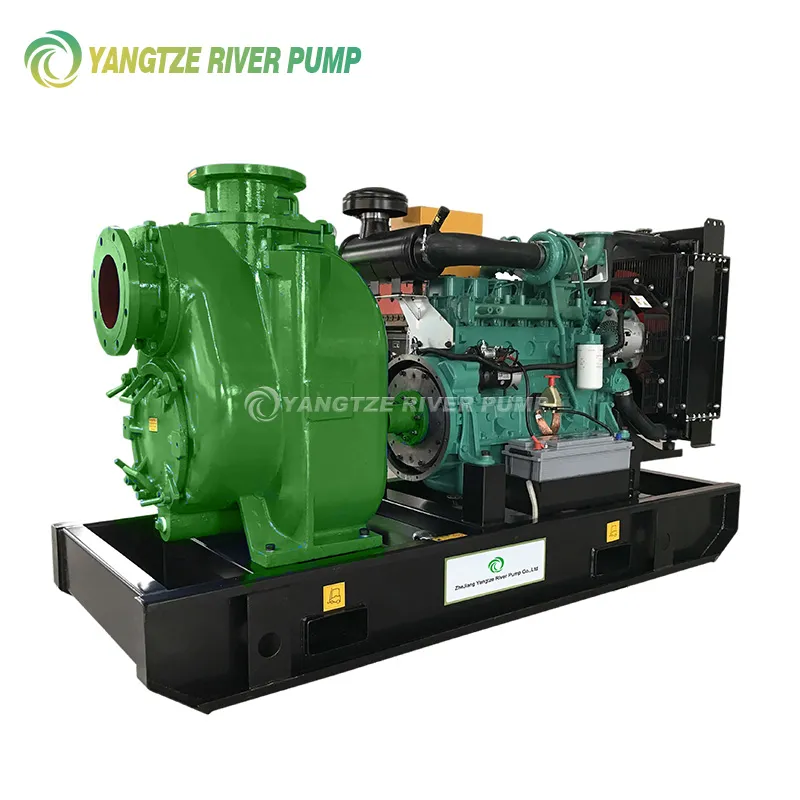 YZSP Diesel Self-Priming Pumps
-
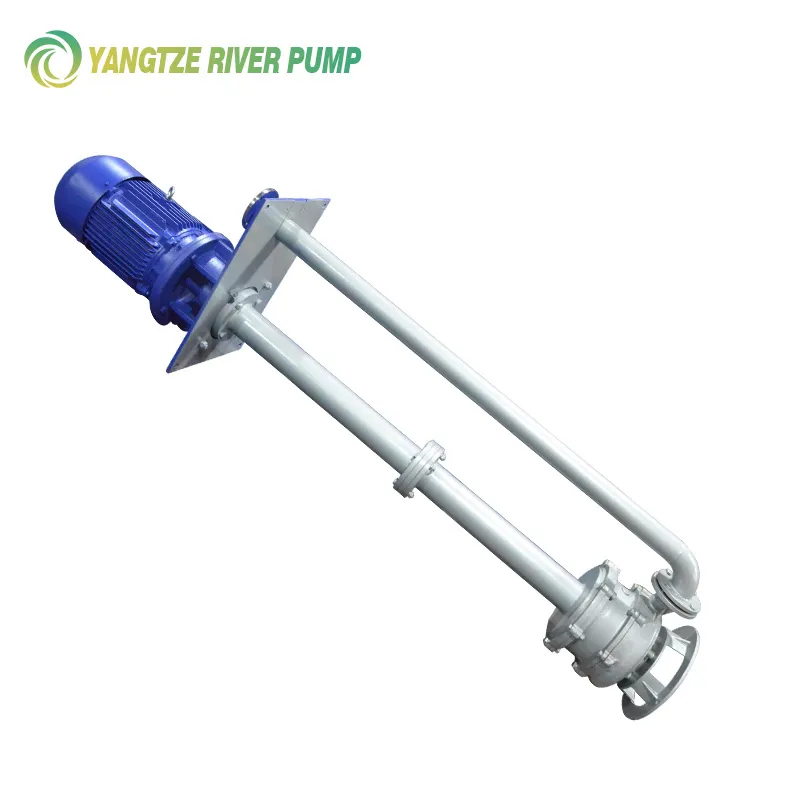 YW Vertical Submersible Sewage Pumps
-
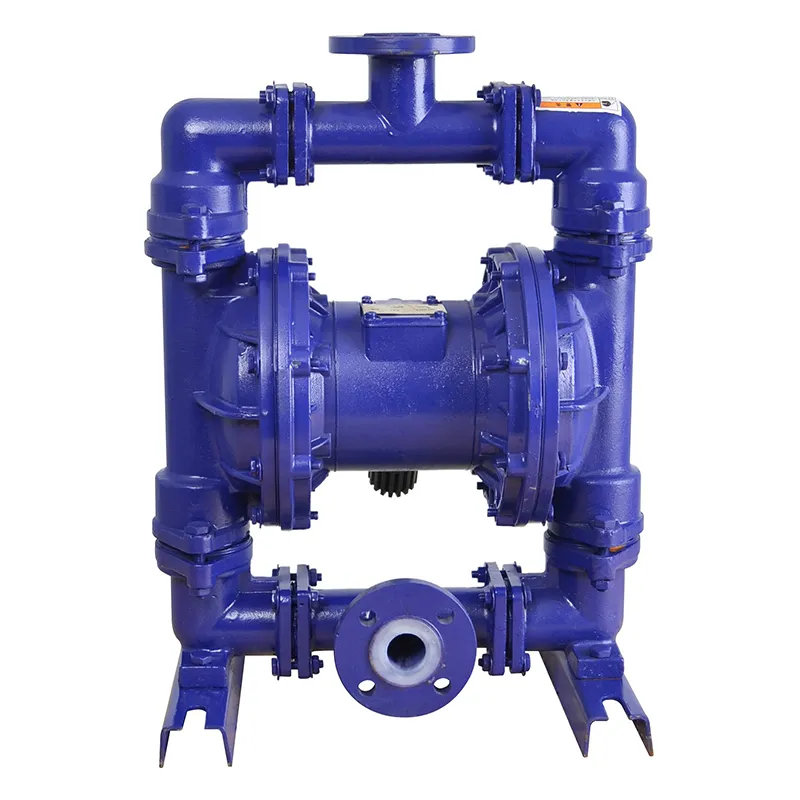 Metal pneumatic diaphragm pumps QBK
-
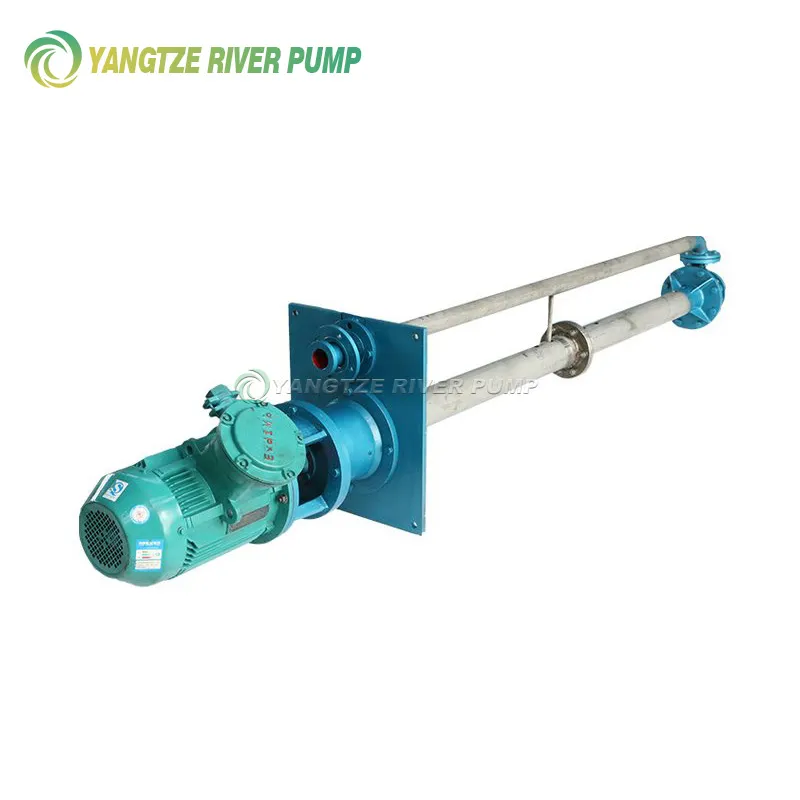 FY Submersible Chemical Pumps
Relatedsearch
Related Search- Automatic pressure booster pumps with frequency control and constant pressure
- electric vacuum pump
- Pumps for petrochemical processes
- deep well pump 8
- non-self-priming single-stage centrifugal pump
- Vertical centrifugal pumps
- Vertical pumps for installation inside/outside tanks
- Type S Single stage double entry centrifugal pumps
- Type DZ-X Plunger dosing pumps
- liquid ring vacuum pump diagram