







flanged centrifugal pump
When they say “flanged centrifugal pump?”, many immediately imagine a standard picture from a catalog: a casing, an impeller, two flanges for connection. As if the whole point is in these very flanges. But in practice, especially when you deal with different environments and pressures, you understand that the key is often not in the type of connection, but in what is hidden behind it. The material of the flow part, the design of the seal, cavitation characteristics - this is what ultimately determines whether the pump will work for a year or ten years. The flange is simply an interface, a connection point to the system. And sometimes this is where the first problems begin, if you do not take into account the nuances of installation or inconsistency of standards.
From drawing to stand: where unobvious difficulties lie
Take manufacturing, for example. At our enterprise ?Zhejiang Yangtzejiang Pumping Industry Ltd.? The lines are lined up so that from R&D to testing - everything is in one cycle. It would seem that you have debugged the process - and stamp it. But with flanged versions there is always a moment of adjustment. The customer has the wrong GOST for the flange, a slight misalignment during installation on site - and now the load on the shaft is not the same, vibration has started. We went through this in the early stages, when we thought it was enough to do it according to our own standard. It turned out that you need to have several options for flanges in stock or be ready for prompt alterations for a specific project. Now onlineyangtzeriverpump.ruWe directly indicate by what standards we can deliver, but previously such issues arose during installation, which created a lot of inconvenience for the client.
Tests are a different story. Everyoneflanged centrifugal pumpwe drive on the stand under load. And here it is important not just to check the pressure and flow, but to simulate real connection conditions. Sometimes we put it on a test bench with an imitation of a pipeline of the same length and configuration as the customer’s. It's more expensive and takes longer, but avoids surprises. I remember the case with a multistage pump for a boiler room: everything was perfect on the stand, but on site there was increased noise. It turned out that due to the rigid attachment of the flanges to the pipeline, vibration was transmitted to the structure. We had to modify the support frame and recommend flexible inserts. Now we take this experience into account when designing.
Another point is the material of the flanges. For plastic chemical pumps, this is typically polypropylene or PVDF welded to the housing. It seems simpler. But the coefficient of thermal expansion of plastic and steel pipelines is different. Temperature cycles may cause stress to occur at the fastening points. There were complaints about leaks after several months of working in a hot environment. We looked into it - the reason was not the quality of the welding, but the fact that the installers tightened the bolts “to the heart”, without a calibrated torque wrench, and even when it was cold. The plastic was deformed. Now, in the instructions, we set out in a separate paragraph the requirements for the installation of flange connections for polymer pumps, and sometimes we provide on-site training for critical facilities.
Single-stage vs multi-stage: the choice is not only based on pressure
Our range includes both single-stage and multi-stageflanged centrifugal pumps. Often a client comes with a request: “I need 10 atmospheres, give me something?”. The logic is simple: a multistage one will give high pressure with compact rotor sizes. And often this is the right choice. But not always. If the media contains abrasive particles or is prone to crystallization, a multistage pump can be a headache. More chambers, more seals between stages - a higher risk of blockages and wear. For such tasks, sometimes a powerful single-stage pump with a large cavitation margin looks more reliable, even if its dimensions are larger.
We once worked with a filter washing system where there was a suspension of sand in the water. We installed a multi-stage flanged pump - after six months there was a drop in productivity. Disassembled - the impellers of the first stages are worn out, the flow channels are enlarged. We switched to a single-stage version with a reinforced, thicker-walled impeller made of wear-resistant alloy. The resource has grown significantly. Yes, for the same pressure it was necessary to install a more powerful engine, but the overall cost of moisture due to rare maintenance was lower. We now often give this example when we advise on choice.
There are also opposite situations. For supplying clean water to a high-rise building or for pressurized irrigation systems, the multistage flanged pump has no competition. Compact, smooth characteristics, efficiency is often higher. We produce series where special attention is paid to balancing the shaft with all the wheels assembled. An imbalance in a multi-stage design immediately results in vibration and rapid wear of the seals. Therefore, on the production line, after the assembly of each such unit, a mandatory dynamic balancing procedure follows on a special stand. Without this, even the highest quality flange will not save you from problems.
Self-priming and linear models: flange as part of the design
When it comes toflanged self-priming pump, many people think that this is just a centrifugal pump with a special housing. Partly so. But its flanged design imposes its own limitations. The inlet flange is often larger in diameter than that of a conventional pump with the same parameters, because it is important to minimize hydraulic suction losses for reliable water intake. If you install a standard flange, you can lose the cavitation reserve and face the problem of supply failure. We are at ?Zhejiang Yangzijiang Pump Industry Co.,Ltd? For our self-priming models, we sometimes use flanges with a transition to a larger nominal bore on the suction side. This is not always obvious from the drawing, but is critical to the job.
Linear centrifugal pumps are a special topic. They are often used when compact installation in a straight pipeline is important. Here the flange is not just a connecting element, but part of the supporting structure. The pump body is held on the pipeline through flanges. Therefore, the requirements for their strength and quality of processing of landing planes are increased. The slightest misalignment - and the pump works “at odds”, causing wear of the mechanical seal or oil seal. Our process sheets for assembling linear pumps include a separate item for checking the alignment of mounting flanges using calibrated mandrels. If you skip this step, you get a warranty claim.
There was a chemical production project where it was necessary to embed a pump into an existing stainless steel pipeline. The customer specifically wanted a linear flanged pump for pumping the reagent. We supplied a model with a stainless steel body. The difficulty was that the customer’s pipeline flanges were old, with a small ellipse. The installers, without thinking twice, tightened it with bolts - it didn’t seem to leak. A month later - leakage along the shaft. During disassembly, we saw that the shaft had traces of bending load. The compaction operated in off-design mode. Conclusion: for linear pumps, not only the high-quality flange on the pump itself is critically important, but also the condition of the counter flange on the pipeline. Now, in commercial offers for such tasks, we often recommend a service for diagnosing or replacing counter flanges.
Submersible and auger: where flange meets specificity
It would seem that this has nothing to do with itflange pumpto submersible models? But there are overlaps here too. We are talking about well-type submersible pumps, where the pressure pipe often ends with a flange for connection to an above-ground pipeline. The peculiarity is that this flange operates under constant stress from the weight of the pipe string and the pump itself. Structurally, it should not just be welded, but reinforced. We have encountered situations where, in deep wells, a standard flange on a pipe cracked along the weld after several years of operation due to fatigue loads. We had to revise the welding technology and introduce an additional stiffener. This is now a standard option for depths greater than 80 meters.
Single-screw (screw) pumps are a completely different hydraulics, but they are often supplied in flanged versions. The most important nuance here is alignment. Due to the small clearances between the rotor and stator, misalignment caused by non-parallelism of the flanges can lead to jamming or rapid wear. When installing such a pump, we always insist on using a torque wrench for uniform tightening and mandatory checking of alignment with a laser device after connecting to the pipeline. This may seem like overkill to some installers, but one emergency stop due to a jammed auger is worth more than all these precautions. On our website, in the section with manuals for screw pumps, this point is especially highlighted.
An interesting experience is associated with diaphragm pumps. They also come in flanged versions. But here the flange serves not only to connect pipes, but is also often part of the collapsible structure of the body - the chamber part. That is, the flange connection provides access to the diaphragm and valves for maintenance. The requirements for the flatness and surface cleanliness of such a flange are prohibitive. Even a small scratch or grain of sand can lead to the leakage of aggressive media. We have moved to grinding these flange surfaces after machining and packaging them with protective plugs. Previously, it used to happen that a pump would arrive to a client, and the flanges would show signs of transportation or corrosion—and that’s all; it would need to be reworked on site. Now there are practically no such cases.
Chemical plastic pumps: flange as weak link?
Plastic chemical pumps are perhaps the most demanding segment in terms of flange connections. Corrosion resistance is one thing, but mechanical strength is another. The polypropylene flange welded to the body is a monolithic structure. But polypropylene itself has the property of “creeping”. under constant load. If the steel pipe to which the pump is attached has residual stress or vibration, the plastic flange may become deformed over time. We saw this in installations where the pump operated in an alkaline environment at a temperature of about 60°C. After a year and a half, drops began at the junction. The reason is the constant load from the weight of the pipeline and temperature cycles.
The solution we have started to implement is an independent pipe support just upstream of the pump flange. That is, we remove not only the medium pressure from the pump flange, but also the weight of the pipes. This is a simple but effective measure. In the technical documentation now for plasticflanged centrifugal pumpsThere is always a recommended installation diagram indicating support points. Another point is the bolts. For plastic flanges, conventional long-length steel bolts cannot be used. When tightened, they create a bending moment that can crack the flange. You need either shorter bolts or studs with wide washers to distribute the pressure. It’s a small thing, but it’s these little things that determine the success or failure of a project.
In conclusion, I would like to say that behind the dry term “flanged centrifugal pump?” a huge layer of practical knowledge is hidden. It's not just a connection type. This is a whole range of issues on materials science, hydraulics, installation and maintenance. At our production in ?Zhejiang Yangtzejiang Pumping Industry Co., Ltd.? We've gone through a lot of trial and error with flange connections in a variety of applications. From balancing the shaft of a multistage pump to tightening bolts on a plastic housing, these are all links in the same chain. And the goal is to make this connection the most reliable element in the system, which you can simply forget about after installation. So far it’s working out, but there’s always room for improvement; every new non-standard order teaches us something new.
Correspondingproducts
Related Products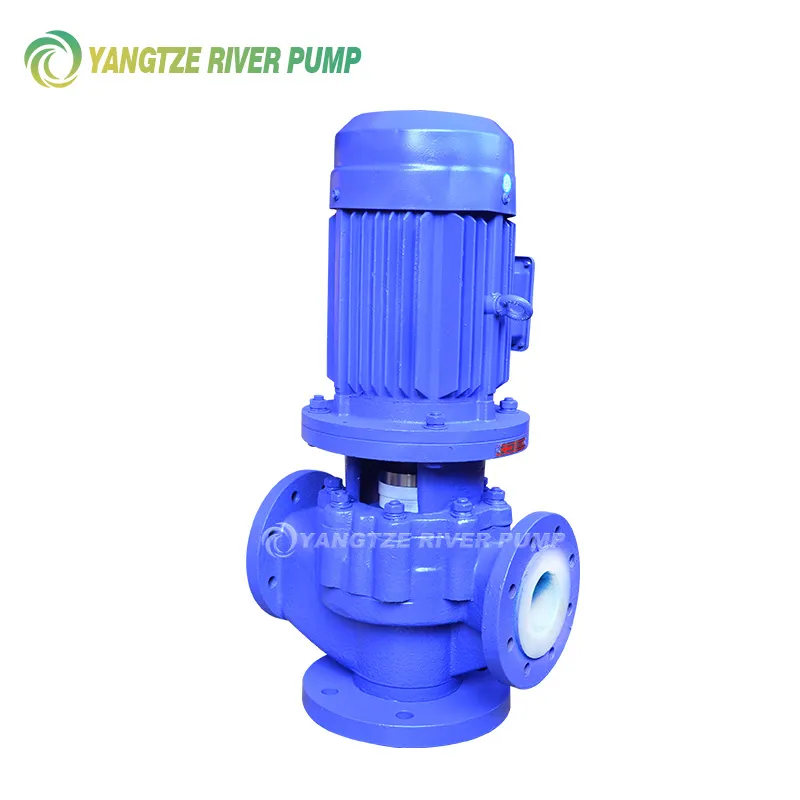

Best Sellingproducts
Best Selling Products-
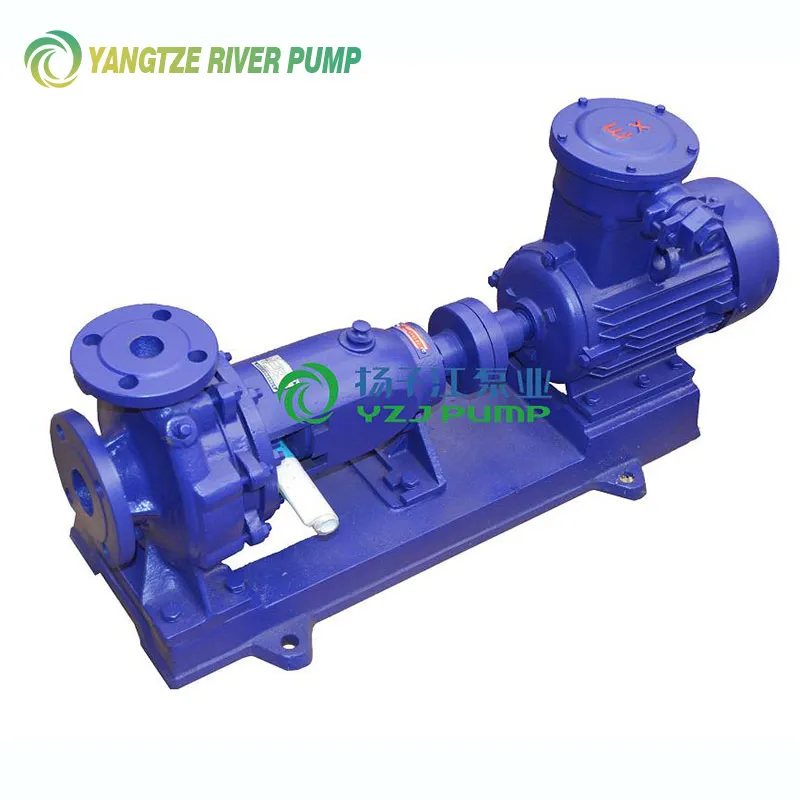 Horizontal chemical centrifugal pumps types IS and IR
-
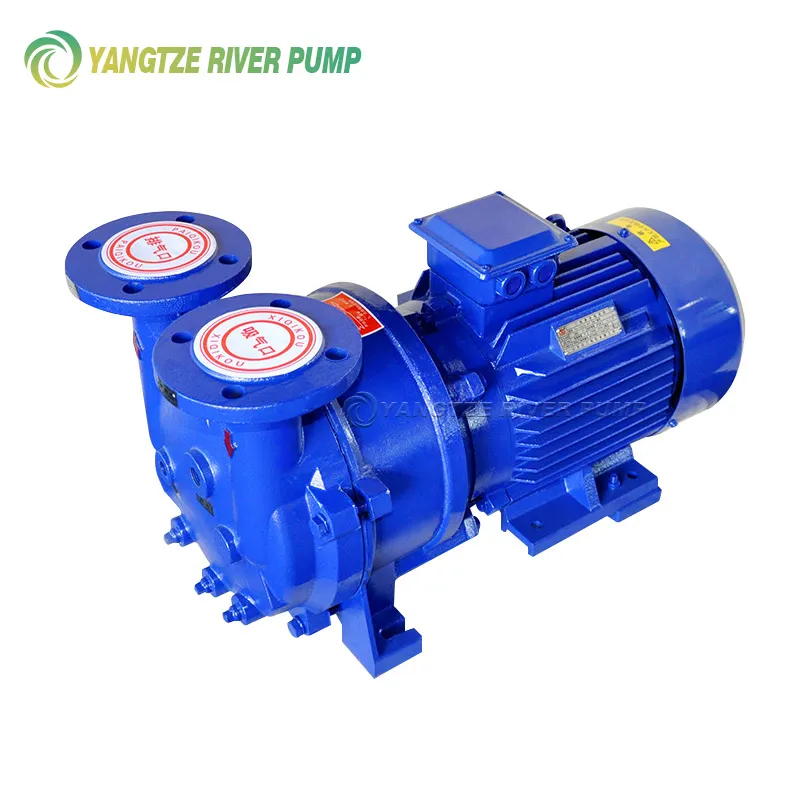 Liquid ring vacuum pumps type SKA and 2BV
-
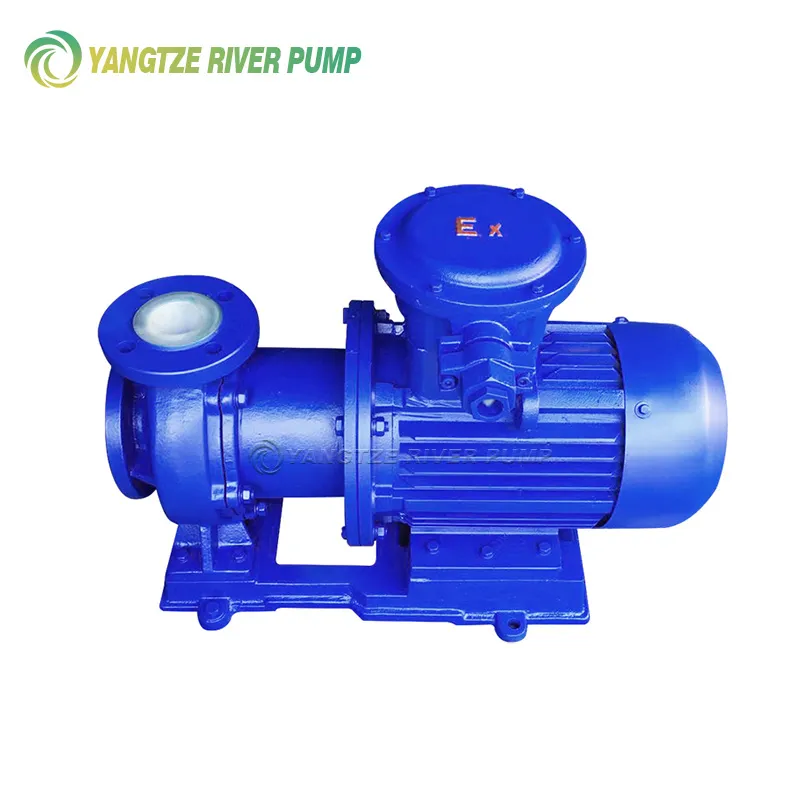 Magnetic pumps with fluoroplastic lining CQB-F
-
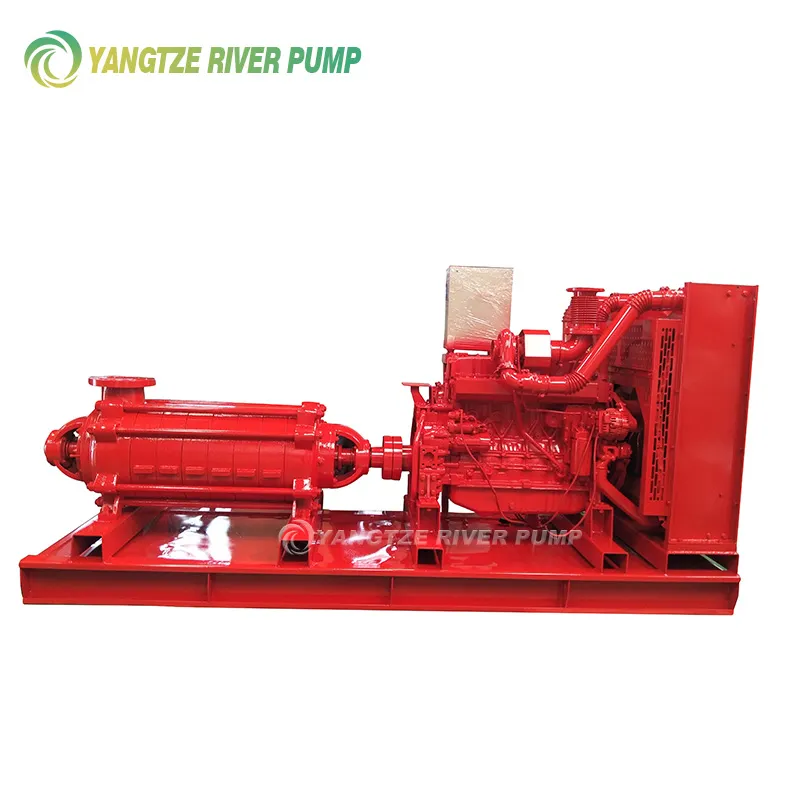 YZD Series Diesel Multistage Centrifugal Pumps
-
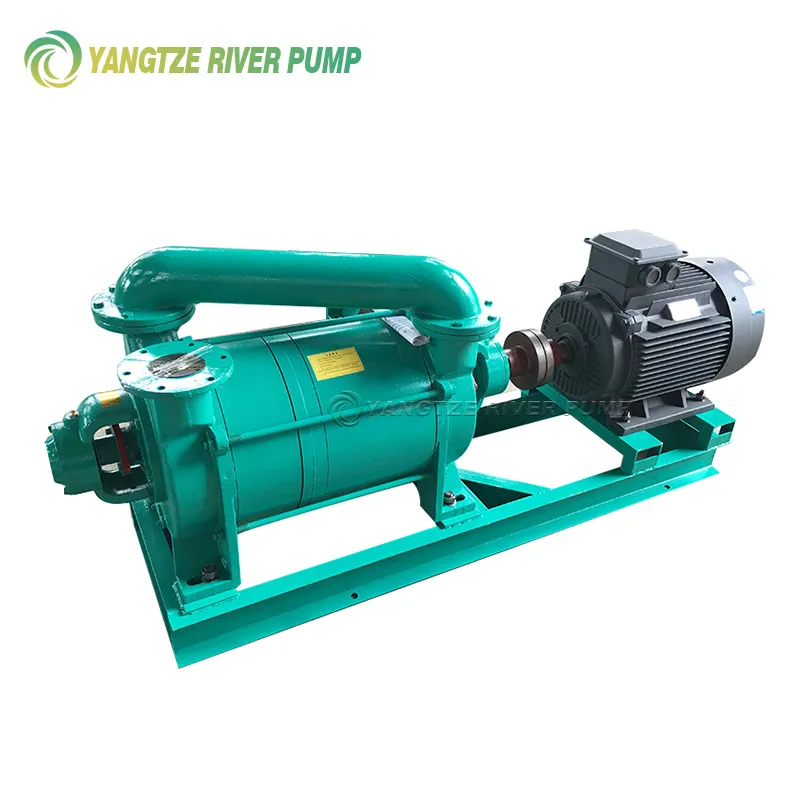 Liquid ring vacuum pumps type 2SK
-
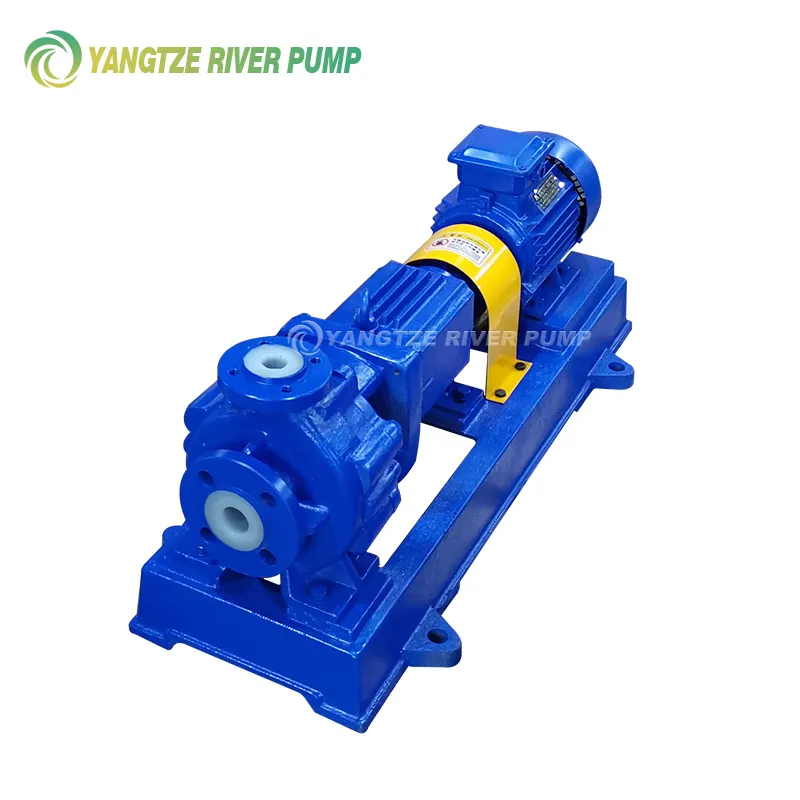 IHF PTFE Chemical Centrifugal Pumps
-
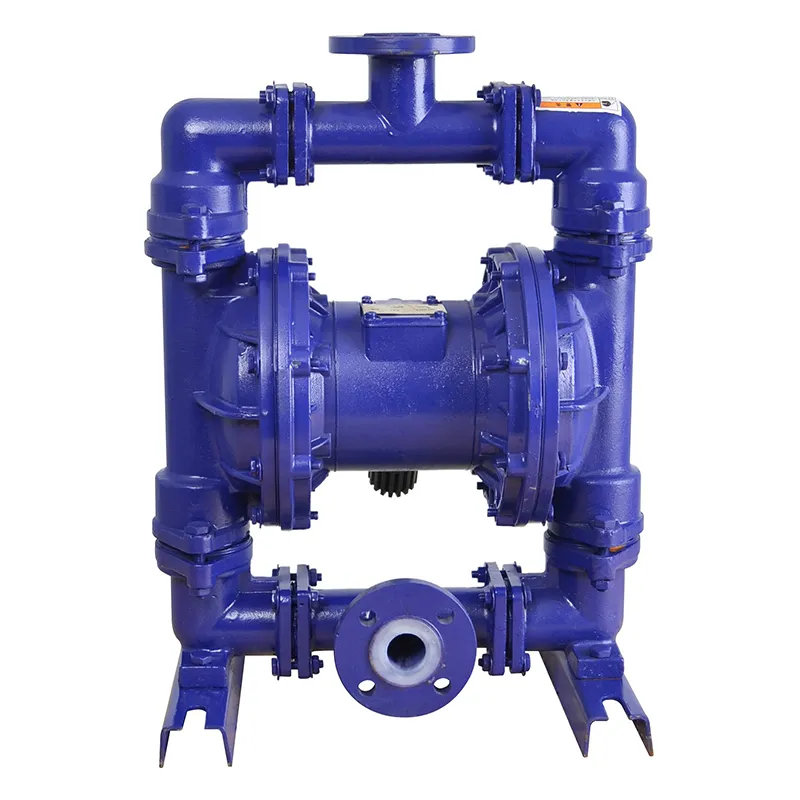 Metal pneumatic diaphragm pumps QBK
-
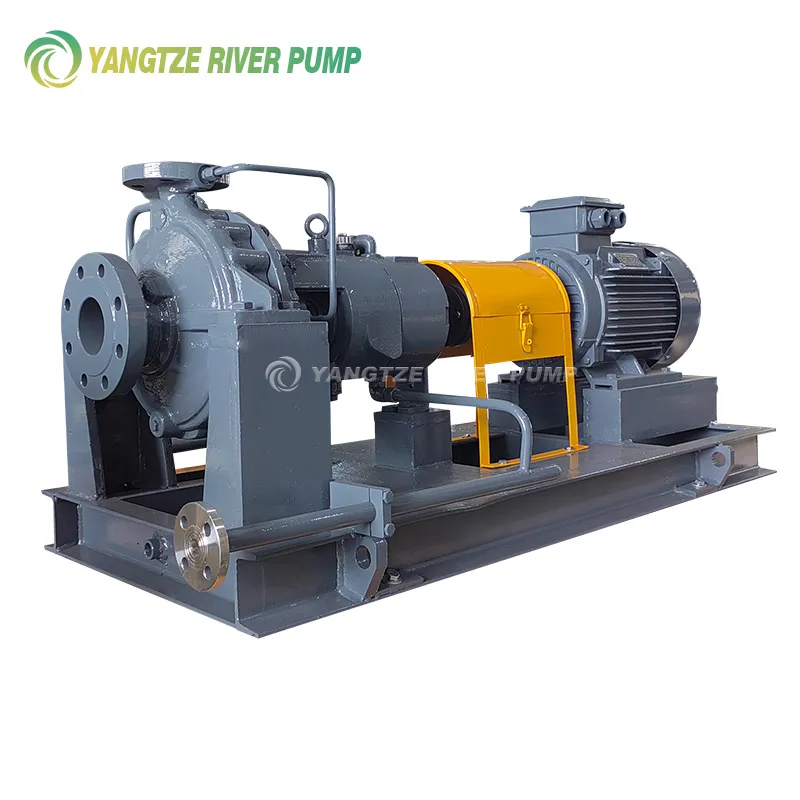 Petrochemical Process Pumps API 610 YZE
-
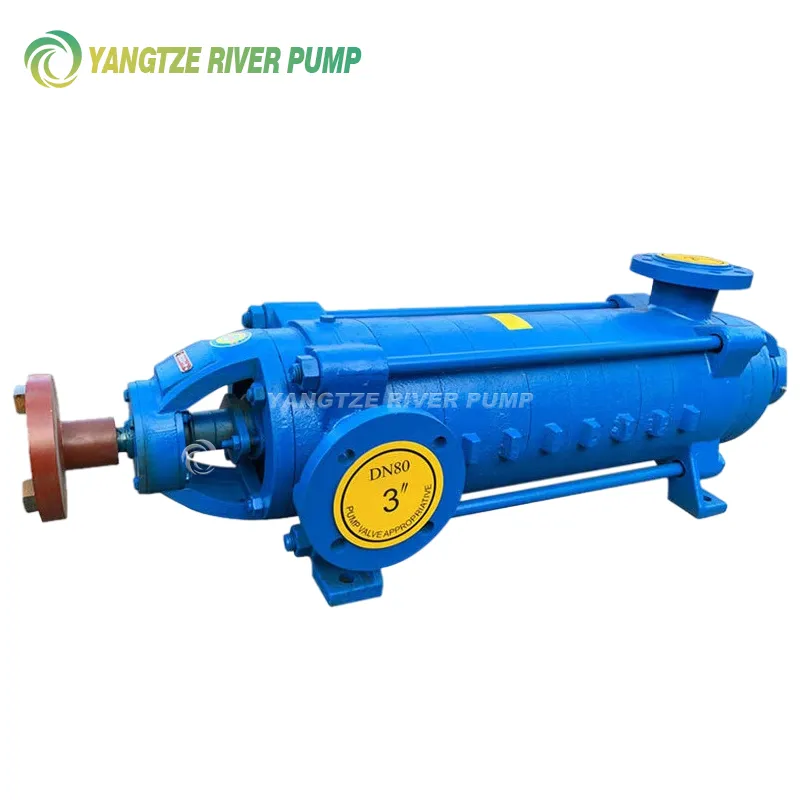 Horizontal multistage pumps for feeding DC boilers
-
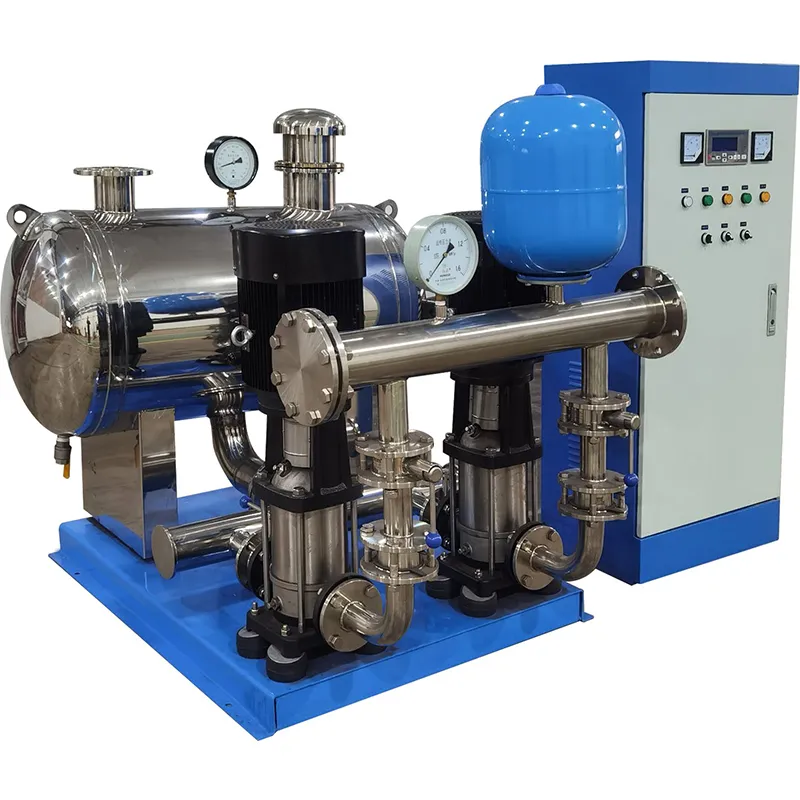 Complete water supply installations with frequency regulation and constant pressure CDLF
-
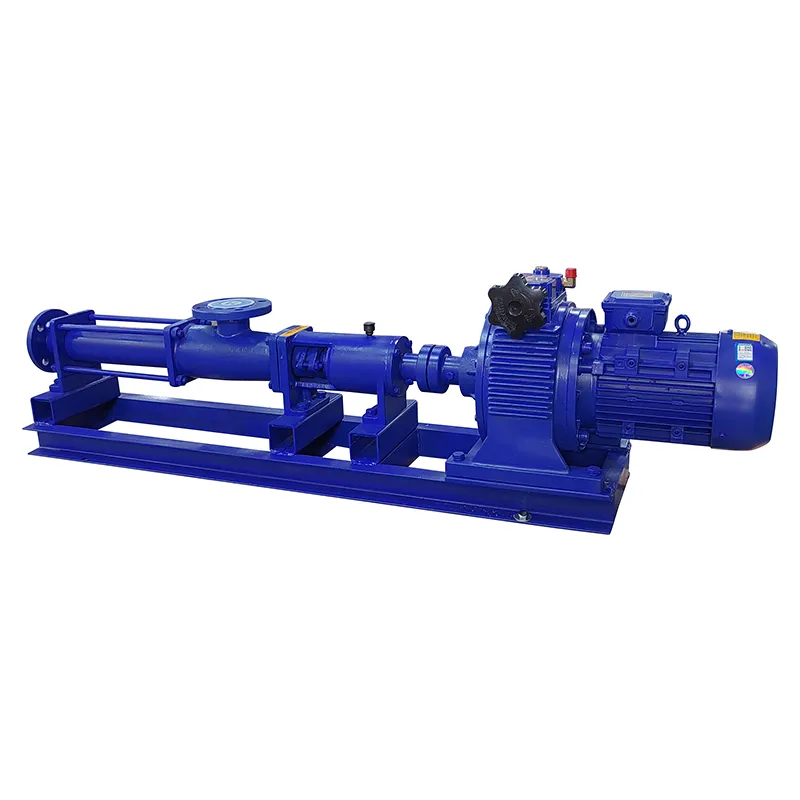 Infinitely variable screw pumps type G
-
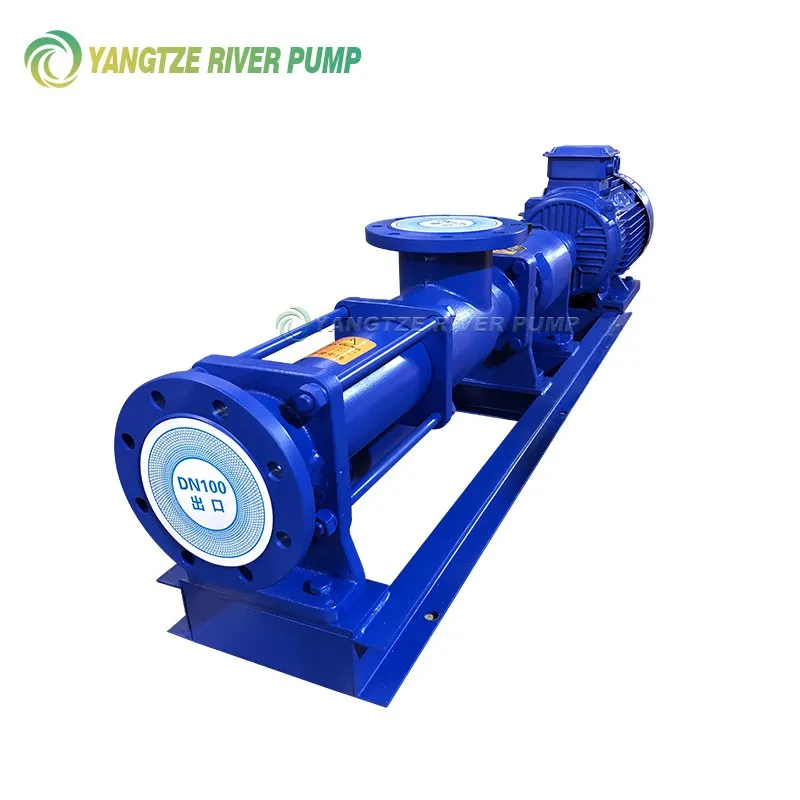 Single screw pumps type G