







centrifugal pump 250 kW
When you hear “centrifugal pump 250 kW?”, the first thing that comes to mind is a powerful unit for pumping large volumes. But this power hides a lot of nuances that are often forgotten when choosing. Many people mistakenly believe that the main thing is to meet the pressure and flow parameters, and the rest is a secondary matter. In fact, a unit of such power is already a whole system, where every component is important: from the material of the flow part and the type of mechanical seal to the start-up method and cooling system. Working with such machines, you understand that the difference between “works?” and ?works reliably and efficiently? measured not only in kilowatts, but also in the intricacies of design and assembly.
Power 250 kW: between necessity and redundancy
The choice of a 250 kW pump is often dictated by the technological process: water supply to a large facility, circulation in the cooling system of an industrial enterprise, pumping of petroleum products or chemical media in main sections. However, there is a trap here - the temptation to take the unit “with a reserve”. I have seen more than one case when a pump with a clearly overestimated performance was installed on a site “just in case?”. The result is operation far from the optimal efficiency point, increased wear, cavitation and constant problems with seals due to overloads. Correct selection is an art of balance, which takes into account not only the peak load, but also the operating mode throughout the entire service life.
For example, for water supply systems with variable flow rates, more than one solution is often more rational.centrifugal pump 250 kW, operating with throttling, and a cascade of two or three units of lower power with frequency regulation. This is more expensive at the procurement stage, but saves huge amounts of money on electricity and repairs in the long run. Unfortunately, this understanding often comes after the launch of unsuccessfully selected equipment.
In our practice onZhejiang Yangzijiang Pumping Industry Co.,Ltdthe approach is different. When requesting such a powerful unit, we first request a detailed load schedule, and not just maximum parameters. Sometimes, after analysis, it turns out that the client does not need a ready-made standard unit, but a modified design, adapted to a specific mode “long-term operation at 70% of the maximum with rare peaks.” This allows you to optimize the hydraulic part and select an electric motor with a suitable efficiency class, which ultimately results in real savings.
Design features: what is hidden behind the body
Talking aboutcentrifugal pumpssuch power, you can’t reduce everything just to the engine. The heart of the unit is its hydraulic part. Single-stage models with double-sided inlet (Double Suction type) are often preferable for clean water - they are balanced and place less load on the bearings. But for viscous or contaminated media, sometimes single-stage cantilever pumps with freer flow channels are more reliable. Multistage horizontal or vertical pumps are a different story for high pressures.
The key point is materials. For water, cast iron and stainless steel are suitable, but for seawater, alkalis or hydrocarbons, special alloys are needed. I remember a project where they saved on impeller material for pumping process water with abrasives. A wheel made of ordinary stainless steel “ate”? in six months. Replacing with a hard-coated wheel solved the problem, tripling the overhaul interval. This is about the question of “standard”? decisions.
In our production, where we combineR&D, production, testing, we can afford non-standard solutions. If for standardcentrifugal pump 250 kWThe catalog offers a cast iron body, but the environment is aggressive; we offer an option with a body made of duplex stainless steel or even with an internal polymer coating. The test bench allows you to check the operation on a surrogate customer environment, which minimizes risks during commissioning.
Seals and bearing units: points of special attention
At powers above 200 kW, mechanical mechanical seals (MSS) become a critical component. An error in choosing a friction pair (ceramics-graphite, tungsten carbide-graphite, etc.) or a seal cooling/lubrication system is guaranteed to lead to leaks and stoppages. Dry running tests on a bench are good, but they do not always simulate the actual thermal deformations of the shaft and housing during prolonged operation under load.
Bearing units are another point. Shafts of large diameters and high speeds often require not just rolling bearings, but double bearings with a forced lubrication system. Neglecting this leads to overheating, vibrations and, ultimately, jamming. In our units we often use the SKF system or analogues - this is more expensive, but it saves the client from weekly monitoring of the oil level and its frequent replacement.
Start-up and operation: theory versus practice
Starting a 250 kW electric motor is always an event for the facility’s electrical network. Direct starting causes voltage sags that may affect other equipment. Therefore, the use of soft starters (SFDs) or frequency converters (FCs) is increasingly becoming mandatory. But there is a nuance here too. The soft starter heats up and requires installation in a ventilated cabinet, while the state of emergency, in addition to soft start, makes it possible to regulate, but introduces harmonic distortion into the network and requires the installation of input chokes.
In reality, in many older plants, the electrical network is not designed to handle such inrush currents. I saw how they tried to start a pump at a weak substation - the protection was triggered. We had to urgently install a control device, which was not originally included in the project. Now we are always one of the first to raise this question.
Operation is monitoring. Vibration, bearing temperature, current consumption are parameters that need to be monitored. Modern systems allow you to display this to the control panel. But many facilities still rely on mechanics making rounds with a thermometer and a vibration meter. Reliability of our equipment that has gone through a full cycleproduction, testing, reduces risks, but does not eliminate the need for scheduled maintenance.
Case study and why the full production cycle is important
We had an order forcentrifugal pumpfor pumping condensate to thermal power plants. The parameters are standard, the medium is hot water. The unit was assembled and shipped. A month later there is a call: it is flowing along the shaft. The standard TMU could not withstand constant thermal expansion due to the unstable temperature schedule of the environment. The situation is unpleasant. Our service engineers came out and replaced the seal with a double bellows seal, which is more heat-resistant. The problem is gone.
This case once again confirmed the importance of having your owncustomer servicein the company structure. We didn't just sell the pump, we took responsibility for its operation. Moreover, this experience was transferred to the R&D department. We now offer bellows seals as an option by default and for some positions as standard for environments with temperatures above 110°C and variable duty. Resellers who simply carry equipment from a catalog do not have such feedback.
Full cycle, from drawing to service that practicesZhejiang Yangzijiang Pumping Industry Co.,Ltd, is not a marketing slogan. This is an opportunity to quickly respond to non-standard tasks, make changes to the design at the production stage and be confident in the test results. When you yourself control the casting of the housings, the machining of the shafts and the assembly, you can vouch for the quality of every detail in this verycentrifugal pump 250 kW.
Instead of a conclusion: thinking out loud
A pump like this is an investment that lasts for years. His choice is not a search in the catalog with the minimum price. This is an analysis of technology, a dialogue with a manufacturer who understands the essence of the process, and does not just sell hardware. This is attention to detail: the grade of steel, the type of seal, the method of connection. Sometimes it seems that the main thing in our work is not to sell the most expensive unit, but to choose one that will silently and efficiently work for many years, so that they simply forget about it. And when a client calls five years later not because of a breakdown, but to order another one of the same kind for a new facility, this is the best assessment.
Therefore, when considering options, always look not only at the numbers in the passport, but also at who makes this pump and how. Does the manufacturer have its own machines, its own designers, its own test bench? Can they deviate from the standard drawing to suit your task? Are their engineers willing to discuss not pressure and flow, but the actual schedule of your production line? The answers to these questions are often more important than small differences in price or delivery time. Our companyZhejiang Yangzijiang Pumping Industry Co.,Ltd, builds its work precisely on this approach, and this is perhaps the main thing that distinguishes just a product from a reliable technological solution.
Correspondingproducts
Related Products
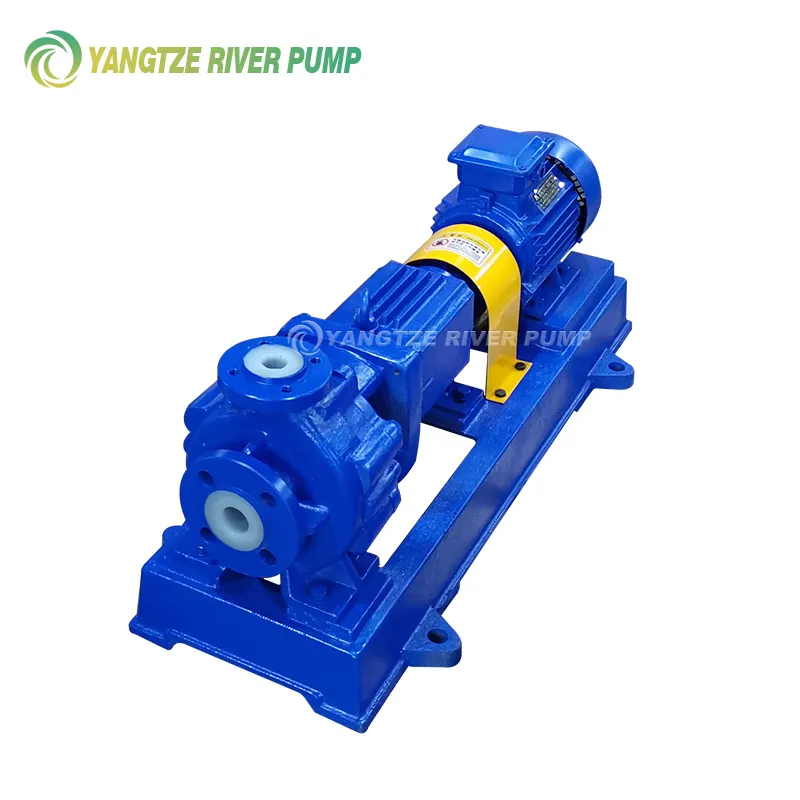

Best Sellingproducts
Best Selling Products-
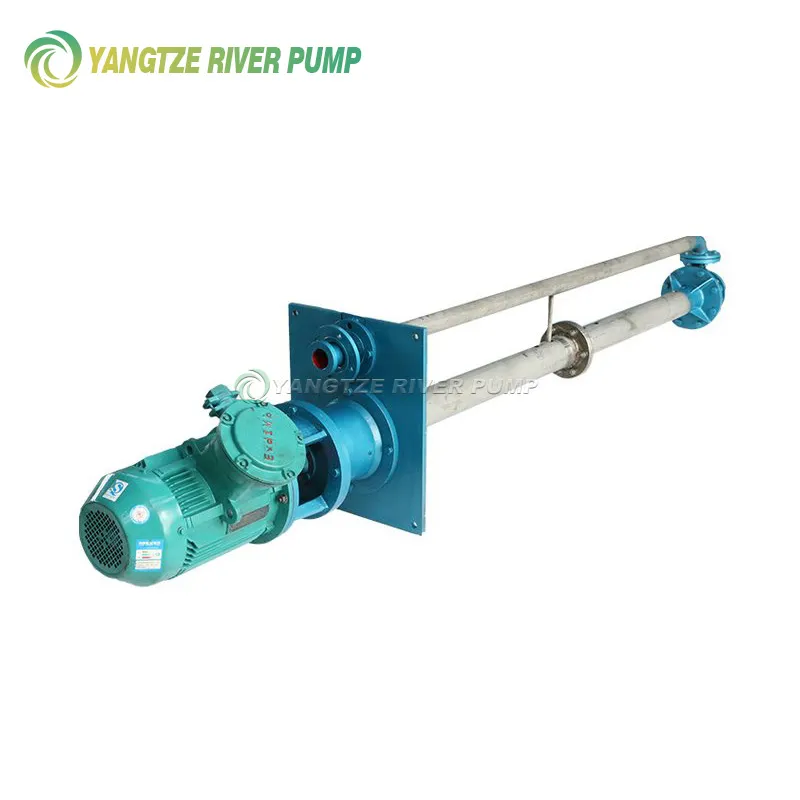 FY Submersible Chemical Pumps
-
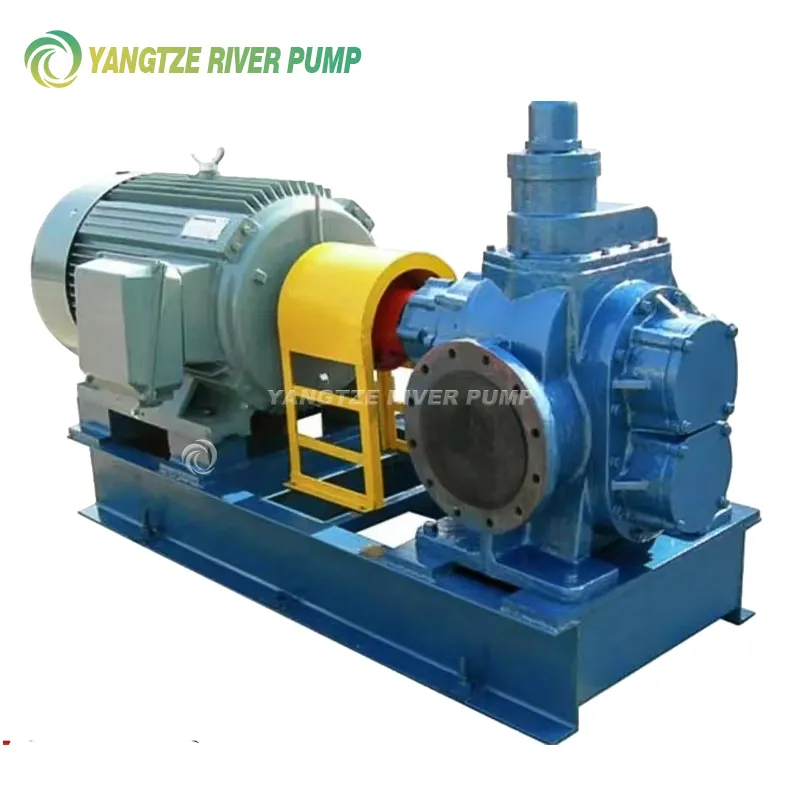 YCB Type Circular Gear Pumps
-
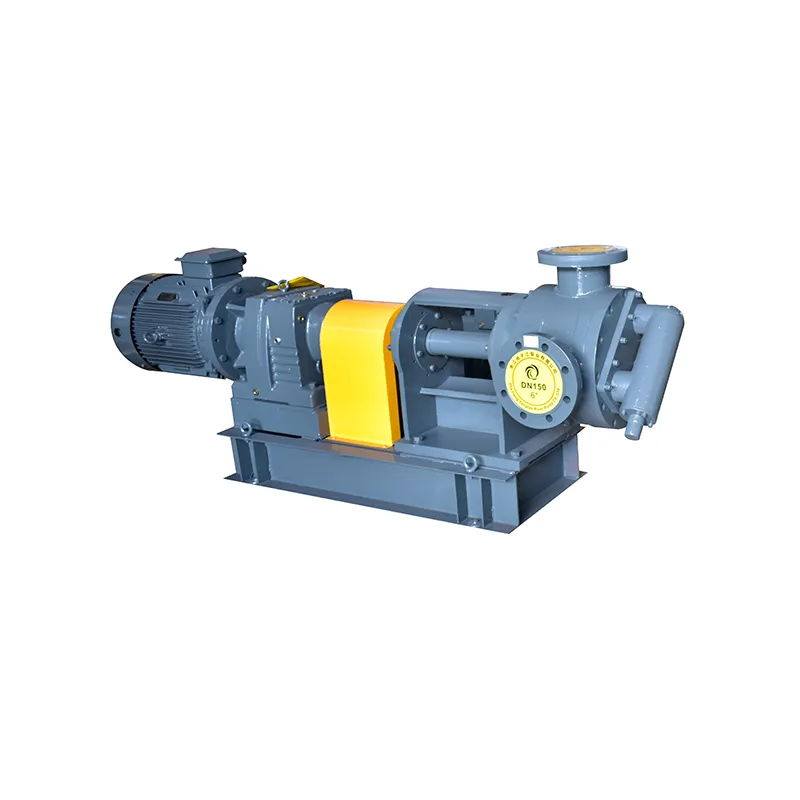 NYP High Viscosity Internal Gear Pumps
-
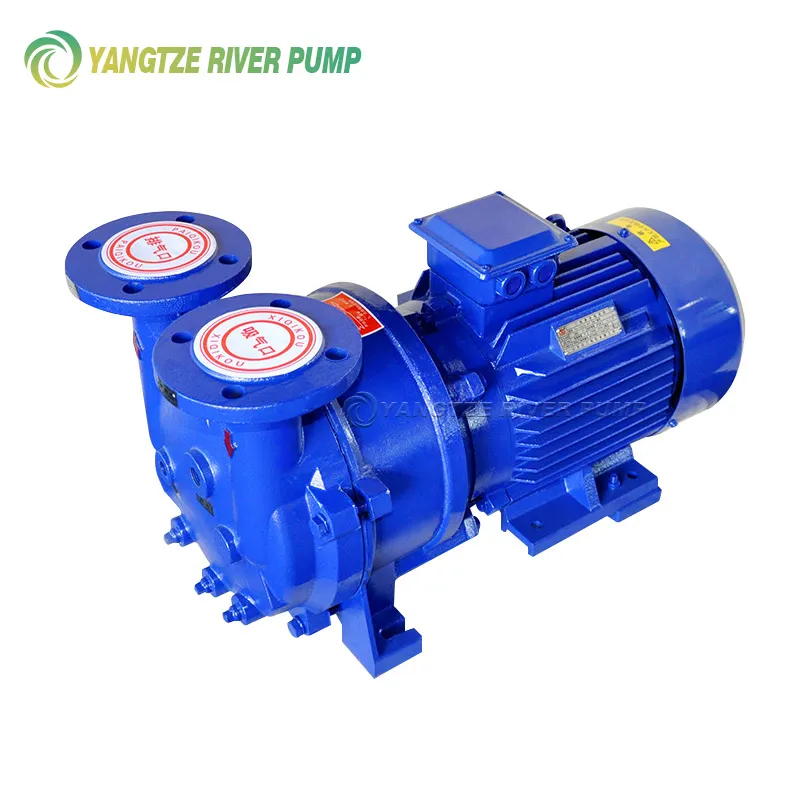 Liquid ring vacuum pumps type SKA and 2BV
-
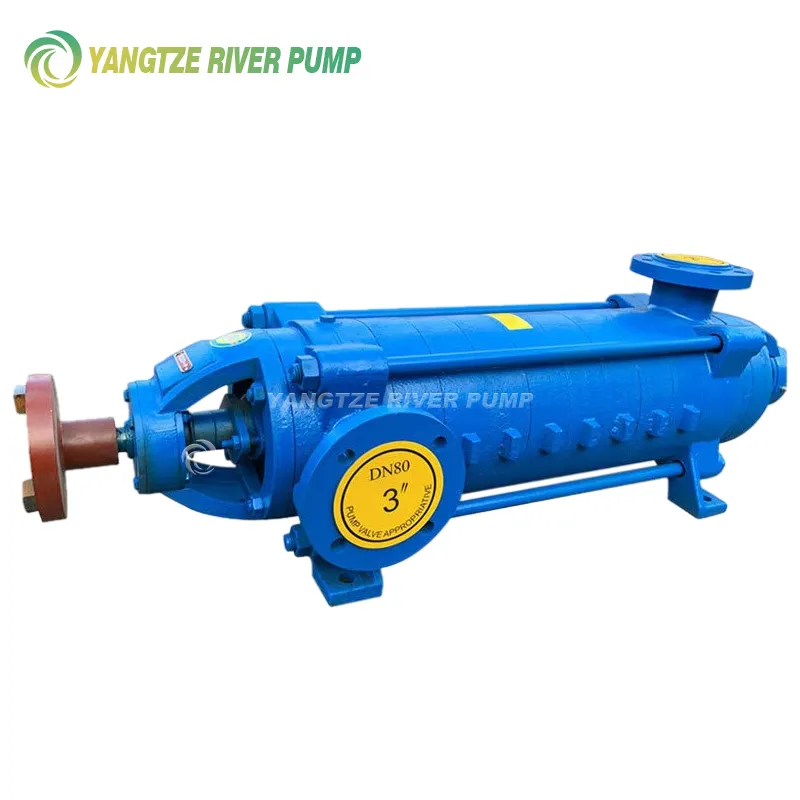 Horizontal multistage pumps for feeding DG boilers
-
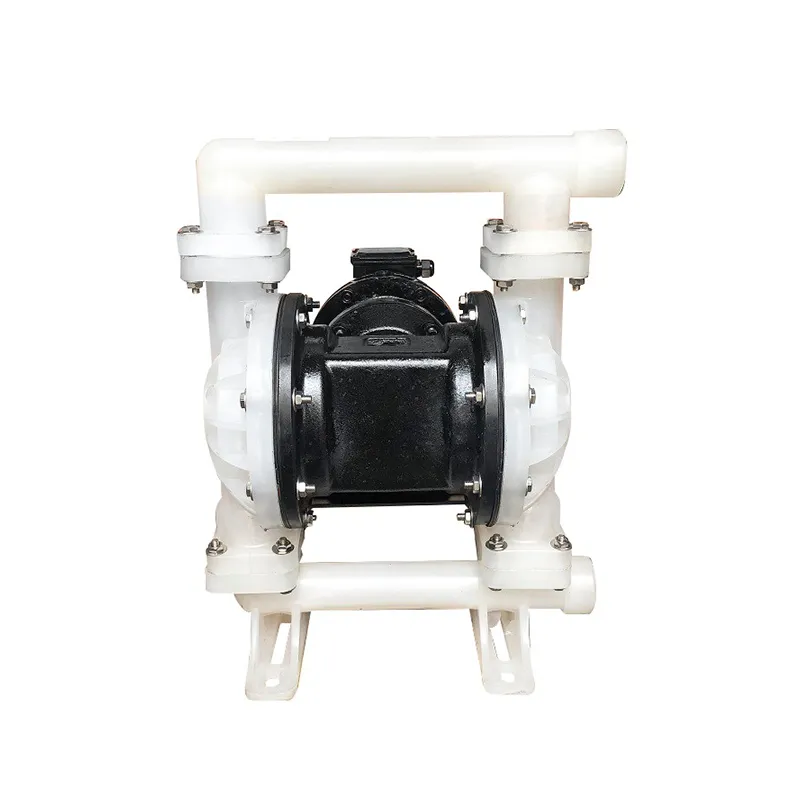 DBY Non-Metallic Electric Diaphragm Pumps
-
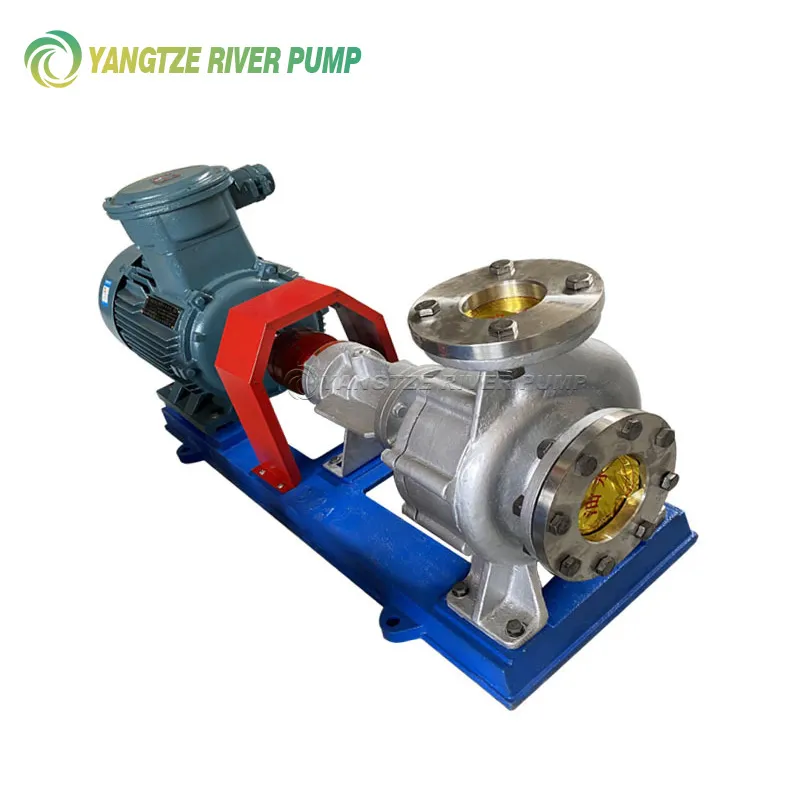 RY thermal oil pumps
-
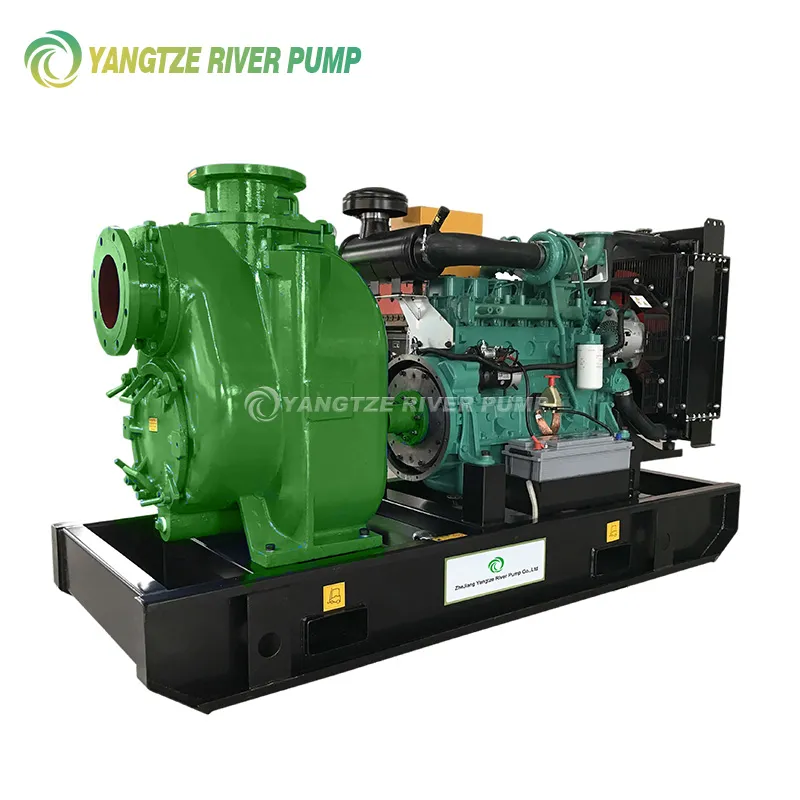 YZSP Diesel Self-Priming Pumps
-
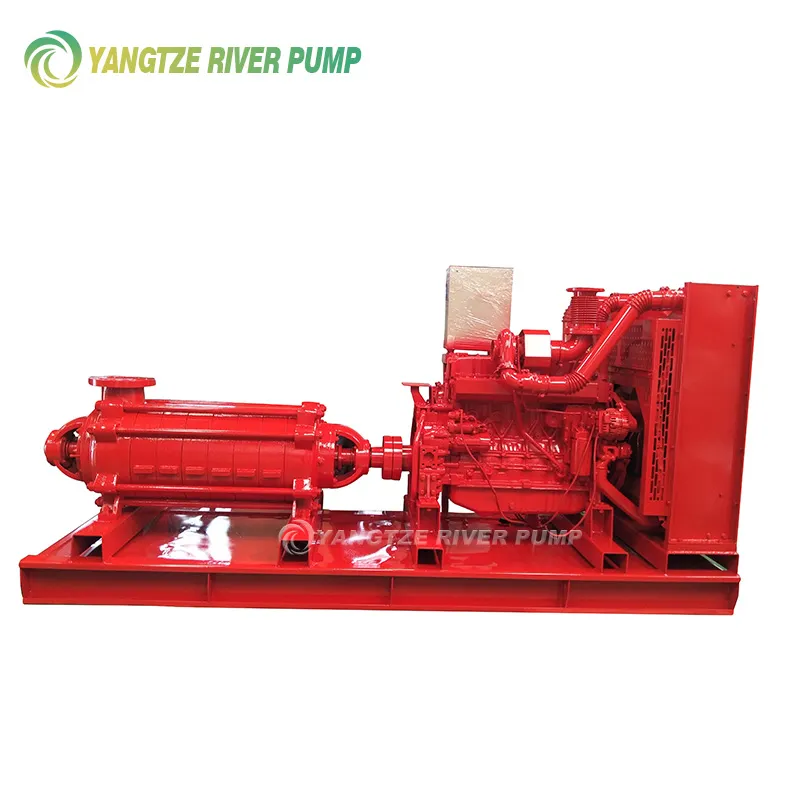 YZD Series Diesel Multistage Centrifugal Pumps
-
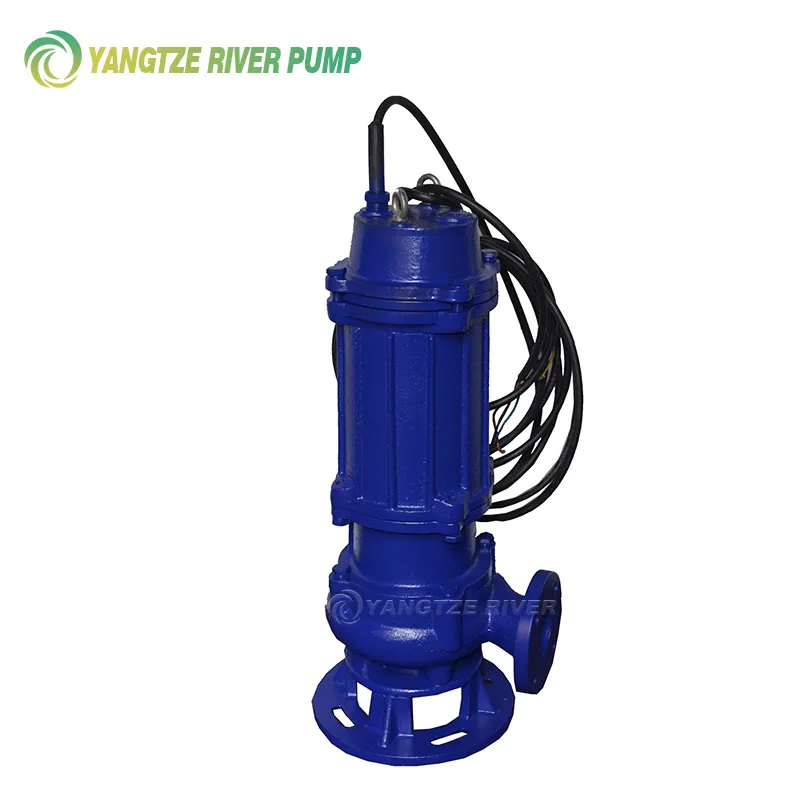 QW Non-clogging Submersible Sewage Pumps
-
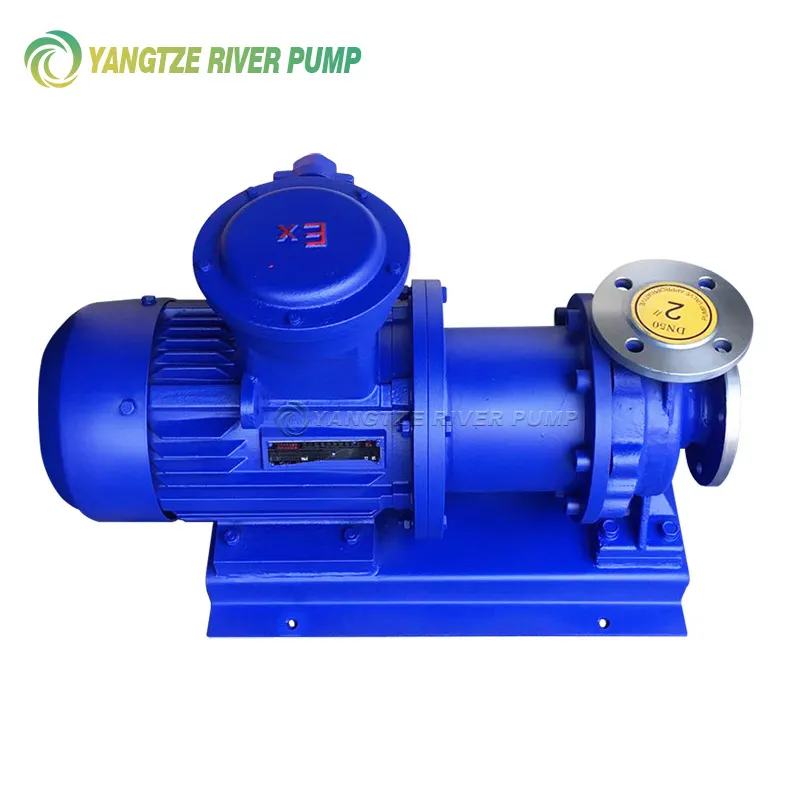 CQB Stainless Steel Magnetic Pumps
-
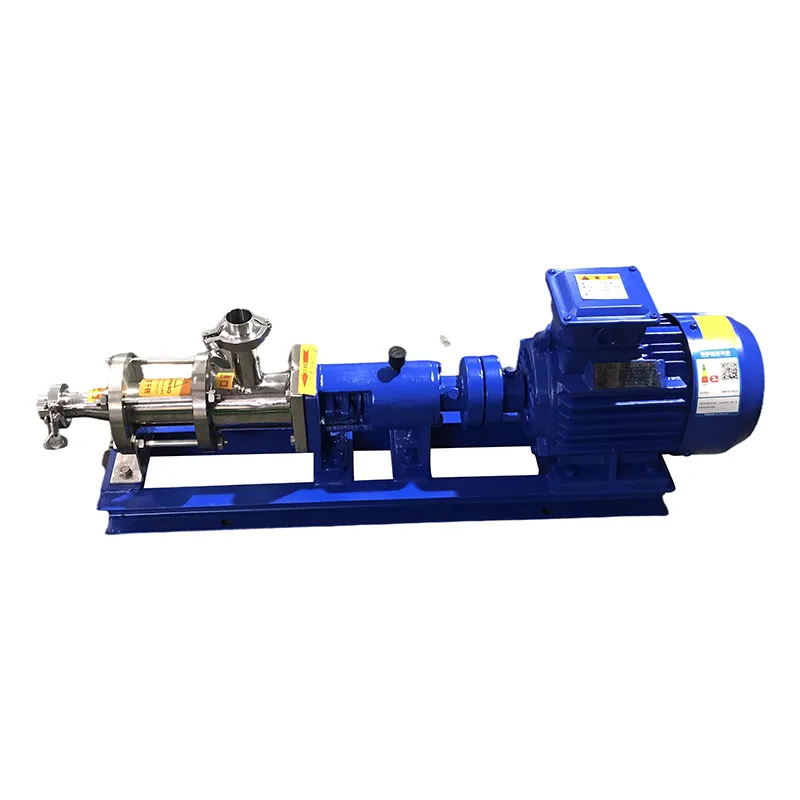 Sanitary screw pumps type GF