







deep well pump 80 meters
When they say “80 meters deep well pump”, many people immediately think about the passport number. But in reality, this figure is not a guarantee, but rather ideal laboratory conditions. They often forget that we are talking about the dynamic level, about the flow rate of the well, and about the fact that the pump must not just “reach?” to the depths, and work there steadily for years. The biggest myth is that you can take any pump marked 80 m and forget about problems. In fact, if the well has, say, a flow rate of 1.5 cubic meters per hour, and the pump pumps 3 cubic meters, you will quickly get a “dry run”. and a burnt out engine. Or another nuance - many do not take into account the horizontal part from the well to the house, and these are additional meters of pressure that “eat up” overall performance. Therefore, the key is not just depth, but comprehensive selection for specific hydrogeological conditions and water needs.
Selection experience: from numbers to reality
In our production practice at Zhejiang Yangzijiang Pumping Industry Co., Ltd., we always start by asking questions to the customer. Not “what depth?”, but “what is the well passport?”. The static and dynamic level, casing diameter, and flow rate are important. For 80 meters, multi-stage submersible models are often suitable - they create high pressure due to several impellers. But if the water contains sand, even fine sand, the multi-stage structure may be vulnerable. Here we are already looking towards special designs with wear-resistant materials.
There was a case: the customer insisted on the most powerfuldeep well pumpfor my 80 meters, I wanted a huge reserve. Installed. Six months later - complaints about a drop in pressure. It turned out that the well’s flow rate did not have time to recover, the pump often worked on the edge, the protection was triggered, and cavitation began. I had to change the model to a less productive one, but with a smoother start and adjustment. Conclusion: the reserve must be reasonable, and the pump must correspond to the capabilities of the source.
Another practical point is the material. For clear water, standard composite wheels may be considered. But if, according to chemical analysis, there is an increased content of aggressive elements, even weak ones, it is better to immediately install stainless steel. It's more expensive, but saves on replacement costs in the long run. On our websiteyangtzeriverpump.ruIn the submersible pumps section you can see just this choice - from standard to corrosion-resistant versions.
Design features and pitfalls
When talking about the pump for 80 meters, we cannot ignore the electric motor. It must be designed for long-term operation under the pressure of a column of water. Not only power is important here, but also the cooling system. The engine is cooled by the flow of rising water. If the pump's performance is close to the well's flow rate, the flow is weak and the motor overheats. That's why we are in our lines, for example, in some seriessubmersible pumps, we provide thermal protection with a reserve and optimize the hydraulic part to ensure the minimum required flow even at low speeds.
The cable and sealed lead-in seem to be a trifle, but they are often the cause of failure. At a depth of 80 meters, the water pressure is significant. Poor sealing of the cable entry at the top of the pump will sooner or later lead to leakage. We pay special attention to this in production, using multi-stage seals. Customers rarely ask about this, but for us it is one of the key control points at the test station.
And, of course, protection against “dry running”. For deep-well pumps this is a must-have. But not everyone understands how it works. Most often this is a thermal relay that turns off the power when it overheats. But it’s better when there is an additional electronic system that monitors engine operating parameters. Ideally, use it together with a pressure switch and a hydraulic accumulator, which will control the pump, preventing it from turning on too often when the water intake is low.
Installation and operation: mistakes that can be avoided
The most common mistake during installation is skimping on the safety rope and hoisting rope. The pump does not hang on a pipe, but on a stainless steel cable. The cable must be designed to support a minimum weight of five. And it needs to be secured correctly - not with ordinary clamps, but with special clamps. I have seen situations where a pump fell into a well due to a frayed cable. Getting it is a separate expensive operation.
Another nuance is the check valve. It is placed immediately above the pump so that water does not flow back into the well when it stops. But if the valve is of poor quality, it can “stick?” or create a lot of resistance when starting. This is an additional load on the engine. We equip our pumps with valves that have been tested for cycling - tens of thousands of openings and closings without loss of performance.
Operation is a regular, although infrequent, control. At least once every year or two it is worth lifting the pump for a visual inspection and checking the cable insulation resistance. If the water is hard, scale may build up on the outer casing and inlet screens. It needs to be cleaned carefully. Many people think: “set it and forget it?”. This is possible, but only if all the parameters were ideally selected from the beginning, and this, alas, is rare.
Why the value chain matters
When a company controls the full cycle from R&D to testing and service, as we do at Zhejiang Yangzijiang Pumping Industry Co., Ltd., it brings practical advantages. For example, we can quickly adapt a standard model to a non-standard well diameter. Let's say the client needsdeep well pump 80 meters, but the casing is not 4 inches, but 3. In this case, we can offer a model with a narrower body, while maintaining performance by optimizing the flow path. This is the result of the work of our own design bureau and testing at stands.
Tests are a different story. Before shipment, each of our pumps is tested on real parameters: flow, pressure, current consumption, leak testing. This is especially important for deep models. We simulate working under pressure to be sure that at a depth of 80 meters all seals will hold. It's not just a check mark. in the process, but a necessity that saved a lot of time for both us and our clients, preventing possible returns.
The presence of eight production lines allows us not only to assemble pumps from purchased components, but to manufacture key components ourselves. Casting of housings, production of shafts and rotors. This is quality control at every stage. For the end user this means more predictable and longer service life. When you make a part yourself, you are responsible for it and know all its weak points that need to be strengthened.
Instead of a conclusion: practical advice
So, to summarize my experience: when choosing a pump for an 80-meter well, do not get hung up on one number. Request a well passport, calculate the total required pressure (vertical + horizontal to the house + reserve for losses in pipes and filters), estimate the real flow rate. Based on this, select a model with suitable productivity (cubic m/hour) and pressure (meters).
Pay attention to the details: the material of the impellers and housing, the type of motor protection, the quality of the cable and sealed lead-in. Look for a manufacturer that provides clear technical advice rather than just selling a box. As, for example, we try to do - all technical data, pressure curves, recommendations for use are publicly available onyangtzeriverpump.ru.
And lastly: even the most reliable pump is part of the system. A good hydraulic accumulator, high-quality piping, correct installation - all this is just as important. A deep well pump at this level is a long-term investment in comfort. And you should approach its choice not as if you were purchasing household appliances, but as if you were approaching a small but important engineering project. Taking into account all the nuances, you can get a system that will work flawlessly for many years, and will not become a headache after the first season.
Correspondingproducts
Related Products


Best Sellingproducts
Best Selling Products-
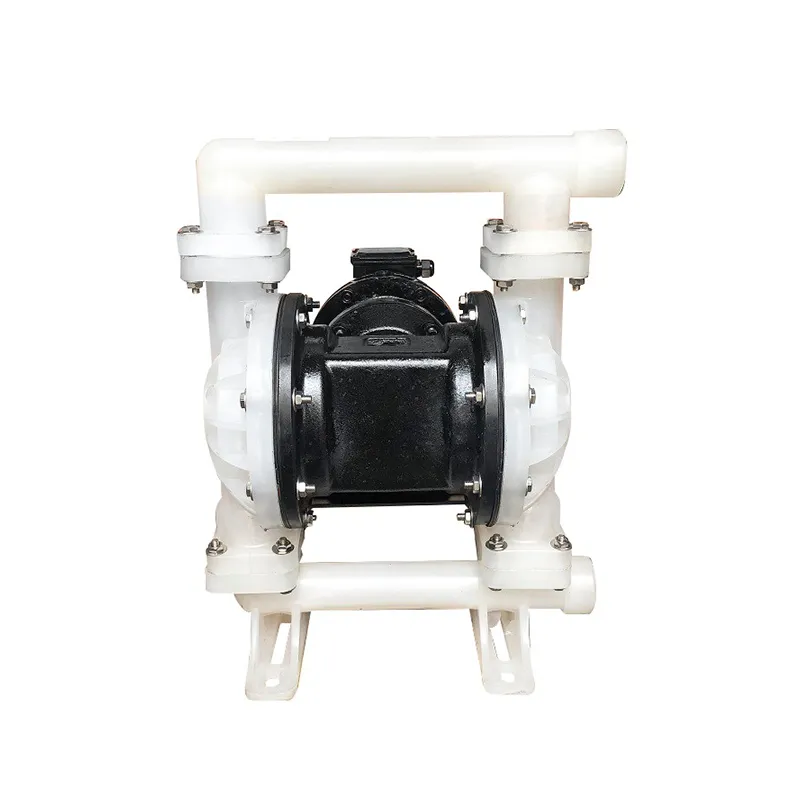 DBY Non-Metallic Electric Diaphragm Pumps
-
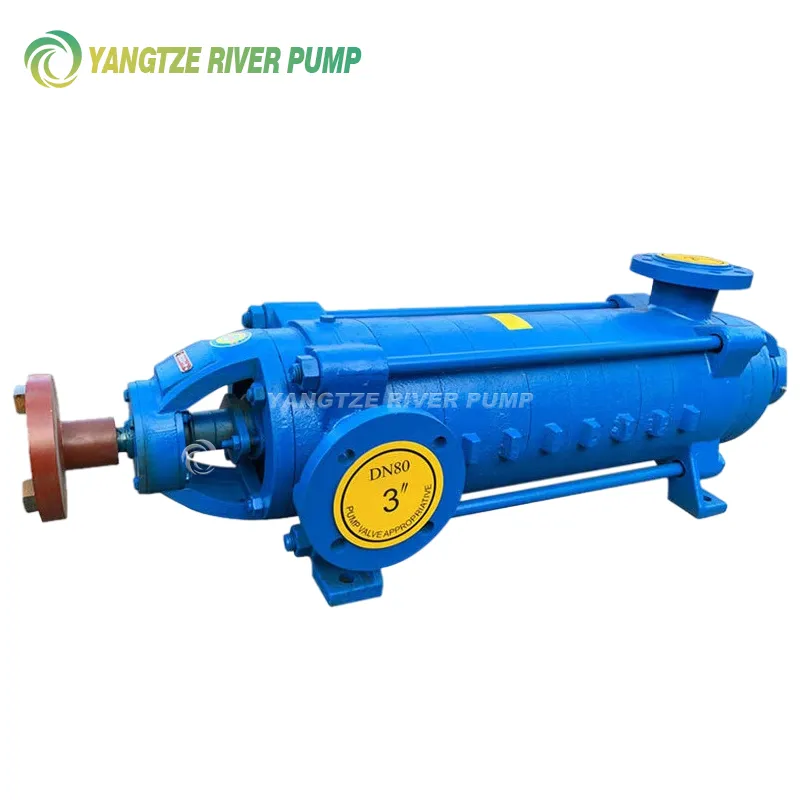 Horizontal multistage pumps for feeding DC boilers
-
 Vertical multistage centrifugal pumps made of stainless steel (light series) CDL and CDLF
-
 YCB Type Circular Gear Pumps
-
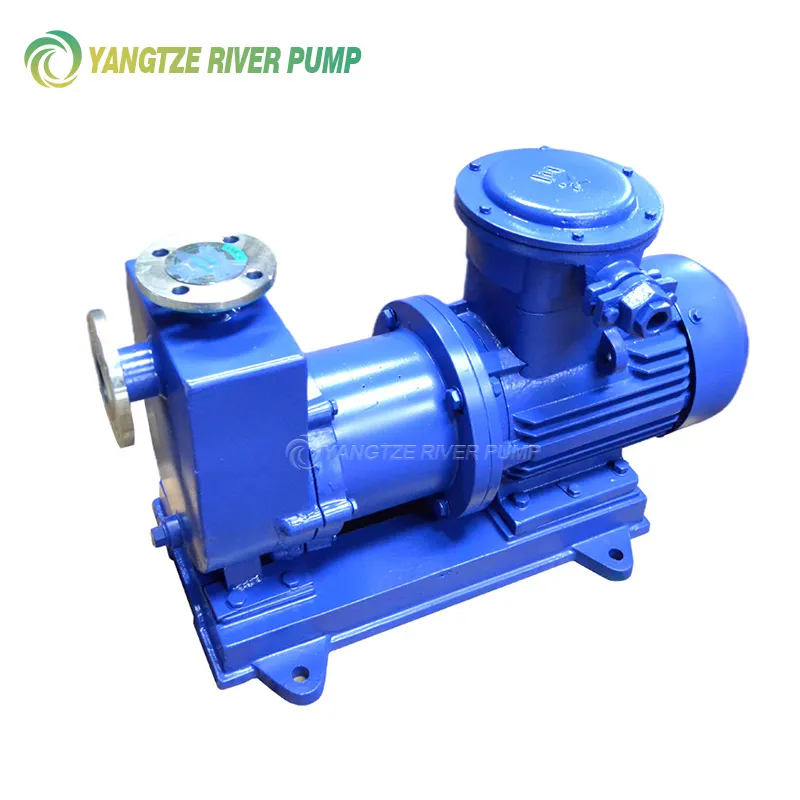 ZCQ Stainless Steel Self-Priming Magnetic Pumps
-
 Horizontal multistage pumps for feeding DG boilers
-
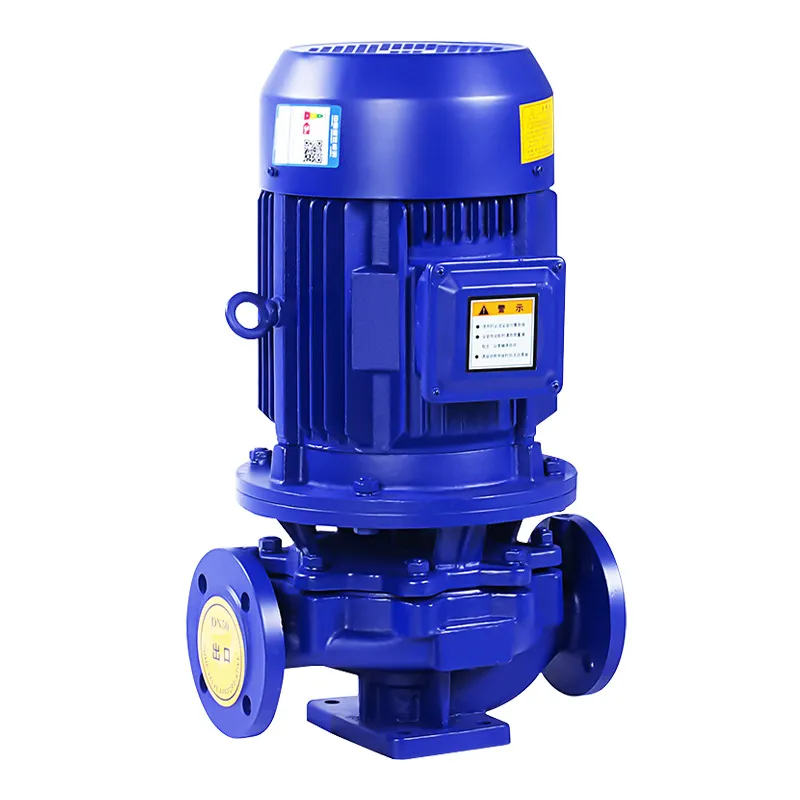 Vertical single-stage pipeline centrifugal pumps ISG and IHG
-
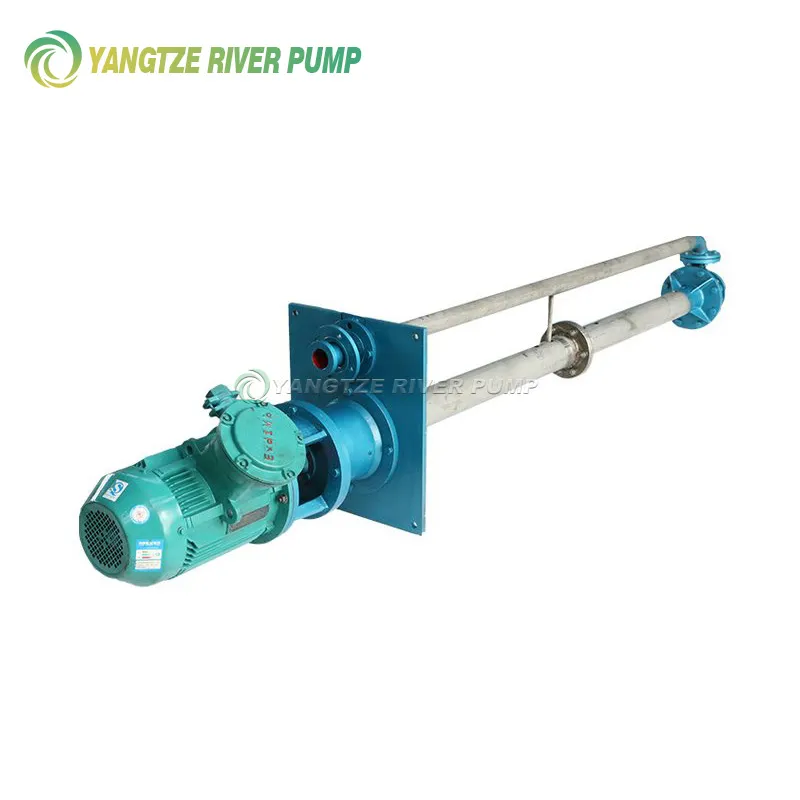 FY Submersible Chemical Pumps
-
 Metal electric diaphragm pumps DBY
-
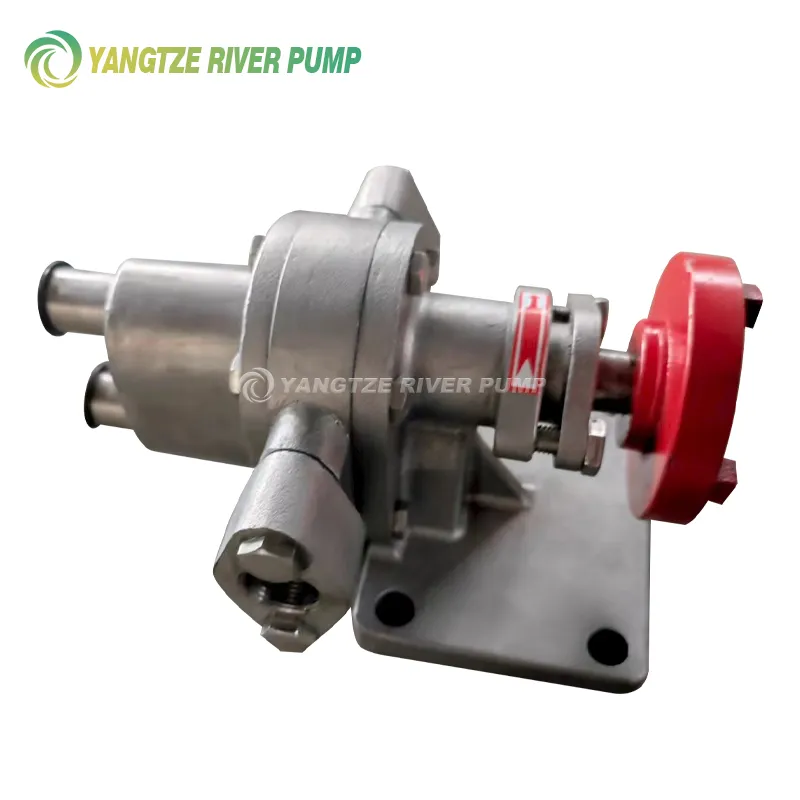 Gear oil pumps type KCB
-
 YZSP Diesel Self-Priming Pumps
-
 Infinitely variable screw pumps type G