







centrifugal pump 40 m3 h
When you see the request “centrifugal pump 40 m3 h”, the first thing that comes to mind is that a person is looking for a unit for a specific task. But here’s the catch: many people think that it’s just a standard size, a “box?” with the specified parameters. In fact, these numbers hide a whole layer of nuances - from the characteristic curve and material of the flow part to the type of shaft seal. I’ll say right away that if you just need a pump with a capacity of 40 cubic meters per hour, there are plenty of offers on the market. But if you need a device that will work in a specific environment (say, with an abrasive or a temperature of 90°C) without frequent stops for repairs, then the real engineering work begins. In ourZhejiang Yangzijiang Pumping Industry Co.,LtdDozens of modifications under this conditional “40 m3/h” have been passed through the test bench, and for almost every case there is a solution.
Why ?40 cubic meters? - this is not a point, but a range
Take our ISG series single stage horizontal centrifugal pump for example. Nominally it gives the same 40 m3/h at a pressure of, say, 32 meters. But according to the experience of installation at facilities for pumping recycled water, the real operating range is rarely kept strictly at nominal value. The pump can operate stably at both 35 and 45 m3/h, but the efficiency and cavitation reserve will be different. A common mistake is to choose a device “back to back”. to maximum demand, leaving no reserve. Then they wonder why the engine overheats or the seal starts leaking prematurely.
The important thing here is to look at the full Q-H curve. We are inZhejiang Yangzijiang Pumping Industry Co.,LtdFor key models we always include detailed graphs taken on our own test bench. This is not for show - they show where the pump is operating in the optimal zone, and where the risk zone begins. For the samecentrifugal pump 40 m3 hthe optimal zone often lies between 85% and 110% of nominal. If technologists give parameters “exactly 40”, we usually advise looking at a model with a slightly larger performance margin, but shifted to the high efficiency zone.
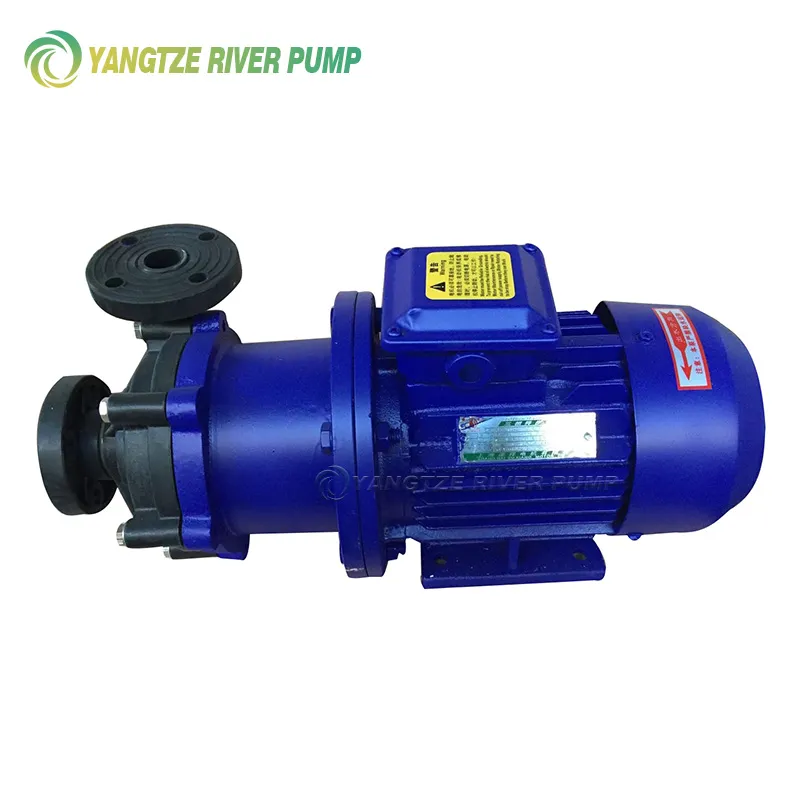
There was an incident at one of the chemical plants near Ufa. The customer required a pump strictly at 40 m3/h to pump a weak alkali solution. We looked at the technical process - it turned out that there are seasonal fluctuations in viscosity and planned modes with a capacity of 38 and 42 cubic meters. Installed ourcentrifugal pumpfrom the chemical line, plastic, with a magnetic coupling. But that wasn't the key. We selected the engine and designed the trim so that the operating point “floats” in the flattest part of the curve. As a result, the unit has been operating for three years without intervention, although initially the technologist was concerned about the stability of the pressure.
Materials and environment: the main thing that is forgotten in the specification
A productivity of 40 m3/h is, roughly speaking, hydraulics. But what the pump will pump is often a secondary question for the buyer, but paramount for its service life. You can install a powerful cast iron pump on clean water, and it will last for decades. But the same model with sea water or a suspension with fine sand - and after six months the impeller and housing will need to be replaced.
We have eight production lines, and this is not for beauty. The line of plastic chemical pumps, for example, is almost entirely designed for aggressive environments. For the same flow rate of 40 m3/h we have options with flow parts made of PP, PVDF or ETFE. The choice depends not only on pH and temperature, but also on the presence of abrasive particles. Polypropylene (PP) is good for many acids, but is susceptible to mechanical wear. Therefore, if there is a suspension in the acid, a compromise is often made - a PP body with a reinforced impeller made of AISI 316 stainless steel. This is not ideal from the point of view of chemical resistance, but it gives a gain in service life.
One of our common mistakes in early projects is underestimating the temperature. It seems that the medium is non-aggressive, water. But if it has a stable 85°C at the outlet of the heat exchanger, then a standard mechanical seal with EPDM cuffs may not withstand it. We had to get into trouble until we implemented a multi-level questionnaire for the technical specifications. Now when asked forcentrifugal pump 40 m3 hWe make sure to clarify not only the chemical composition, but also peak temperatures, the presence of vapor locks, and operating mode (constant/cyclic). This allows us to immediately offer the option of a shaft seal made of heat-resistant materials, such as graphite and ceramics.
Self-priming, submersible options and other “branches” from basic type
A classic horizontal centrifugal pump is often an “under-flood” pump. But what if the source is a well or an open container where it is difficult to ensure constant backup? Then self-priming models come into play. We have in our assortment self-priming pumps, which, with the same productivity of 40 m3/h, can create a vacuum to lift water from several meters. An important nuance that is known only in practice: self-priming capacity strongly depends on the actual losses in the suction pipeline. If the facility uses a corrugated hose or there is an extra turn, the numbers from the catalog may be unattainable.
Another direction is submersible pumps. For wells or pumping from reservoirs. Here the parameter 40 m3/h is often combined with high pressure. We make multi-stage submersible models that, at this flow rate, can lift water from 100 meters or more. Structurally, this is a different story - miniature steps, special bearings that work in water, the problem of engine cooling. When choosing such a pump, it is critical to know not only the flow rate of the well, but also its diameter so that the device physically fits into it.
There was a demonstration project for an agricultural enterprise in the Krasnodar region. It was necessary to organize irrigation from a canal with variable water levels. The horizontal pump was not suitable due to the seasonal drop in level. Submersible - due to possible clogging with silt. We settled on a self-priming centrifugal pump with a capacity of about 40 m3/h, installed on a pontoon. The design turned out to be mobile, and the pump coped even with a significant decrease in the level in the channel. The main lesson was that the suction filtration system had to be further modified - the standard mesh was not enough against plant debris.
Tests and “run-in” — what we do before shipment
Many customers think that the pump comes off the assembly line and can be immediately loaded into a container. This is partly true for standard models. But for critical applications or non-standard materials, we carry out full-scale testing. On our websiteyangtzeriverpump.ruin the section about the company it is mentioned that we have a full cycle, including testing. These are not just words.
For a pump with parameters, for example, 40 m3/h and 50 meters of head, the test includes not only a check at the nominal point. We are ?racing? it in different modes, remove vibration, control the temperature of the bearings and seals. Sometimes the process reveals minor casting defects or impeller imbalances that are not noticeable during static inspection. We eliminate them immediately. This is the same “run-in” that saves the customer weeks on commissioning at the site.
We especially thoroughly test pumps with magnetic couplings (magnetic pumps) and plastic chemical pumps. For the first ones, we check the slipping moment of the coupling during overload. For the second, the integrity of the welds and the absence of internal stresses in the plastic after assembly. I remember just for one order forcentrifugal pump 40 m3 hfrom PVDF for pumping hydrochloric acid, tests revealed heterogeneity of the material in the batch from the supplier. The batch was rejected and a new impeller was manufactured. It’s better to waste time at the plant than to receive a complaint and stop the client’s chemical workshop.
Instead of a conclusion: what you should talk about with an engineer before ordering
So, if you need a centrifugal pump with a capacity of about 40 cubic meters per hour, do not limit yourself to a line in the catalog. Request a Q-H curve. Check whether it was taken for water or for a specific liquid (viscosity changes the picture). Be sure to discuss the environment: composition, temperature, presence of solid particles. This will determine the material and type of seal.
Think about your operating hours. If there are frequent starts and stops or work on a closed valve? (which you can’t do, but happens in practice), this is a reason to consider options with protection or choose a model with a flat characteristic. And don’t forget about the piping - a properly selected check valve, filter and shut-off valves will increase the service life of any, even the most reliable pump.
BZhejiang Yangzijiang Pumping Industry Co.,LtdWe have structured the process so that these issues are raised at the technical consulting stage. Our engineers, who themselves participate in testing and analysis of complaints, often ask “uncomfortable” questions. questions regarding technical specifications. This is not nitpicking, but an attempt to avoid problems at the site. Because ultimately, you don’t just needcentrifugal pump 40 m3 h, but a stably operating node in the system that will not require unscheduled attention. And this is achieved with details that are often not included in the specification.
Correspondingproducts
Related Products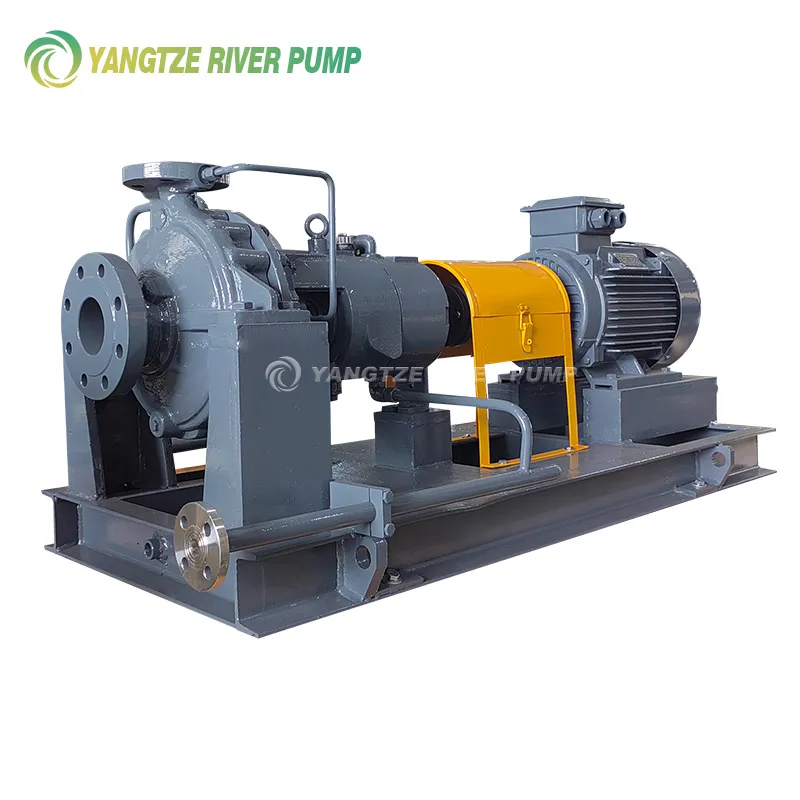
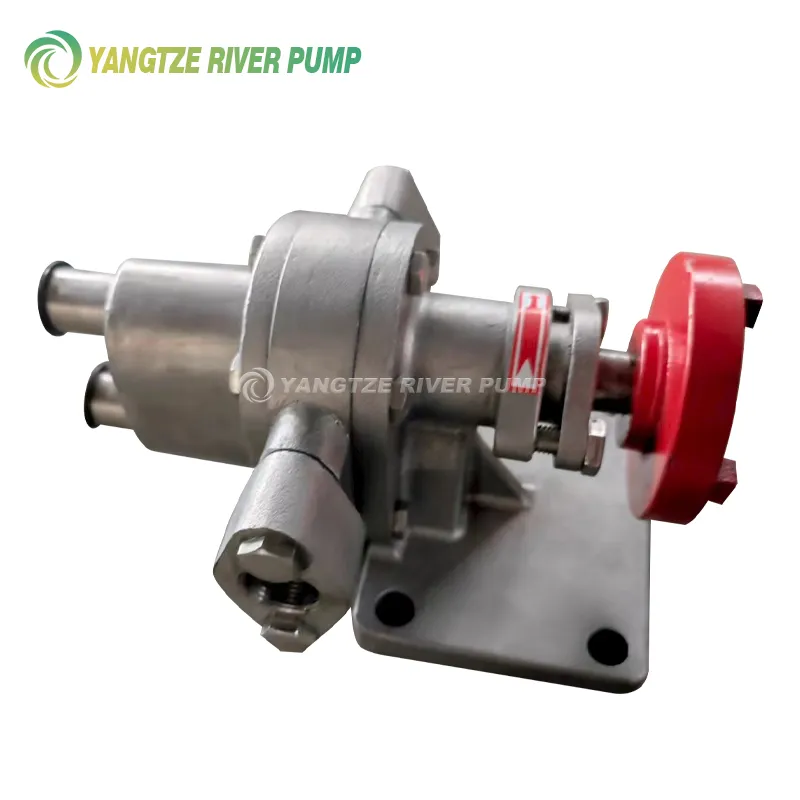
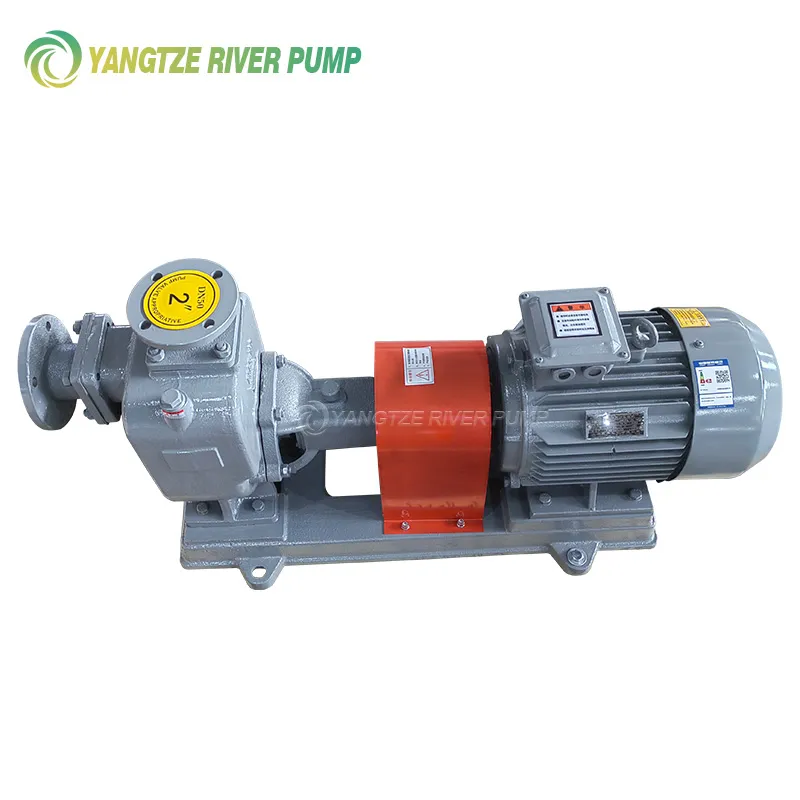
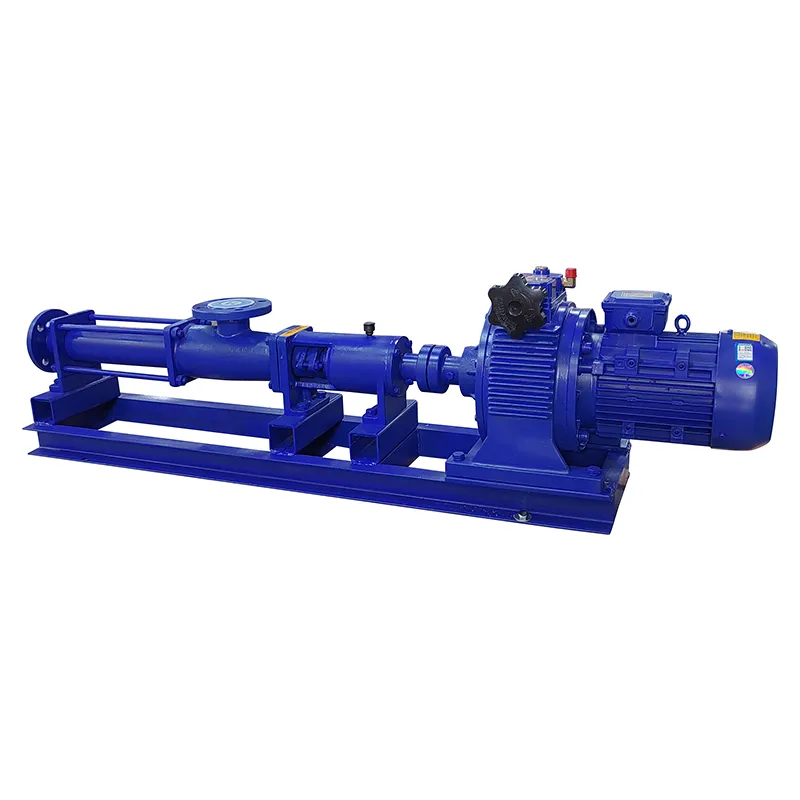
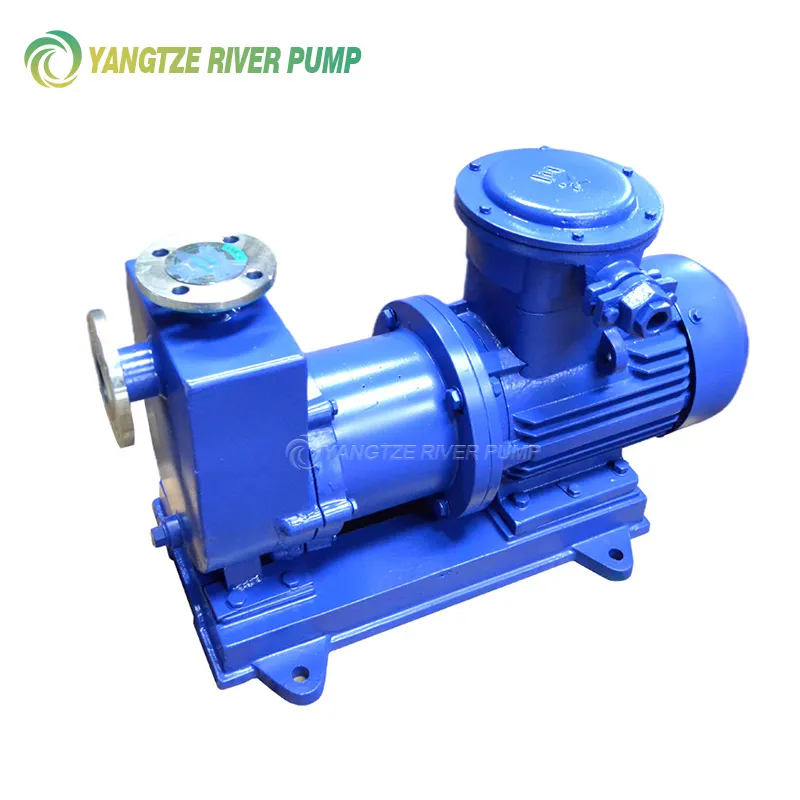

Best Sellingproducts
Best Selling Products-
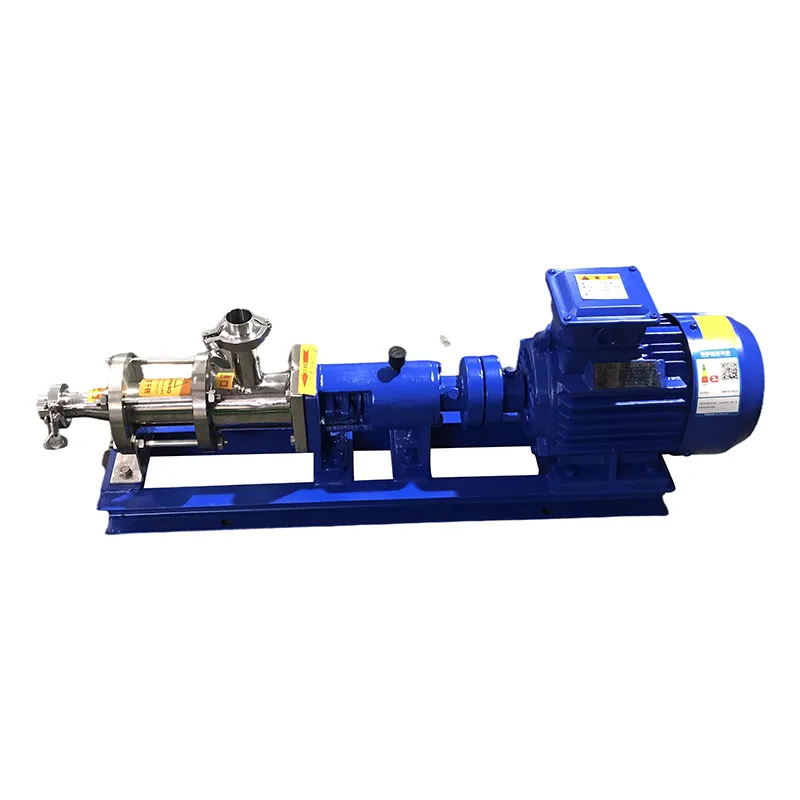 Sanitary screw pumps type GF
-
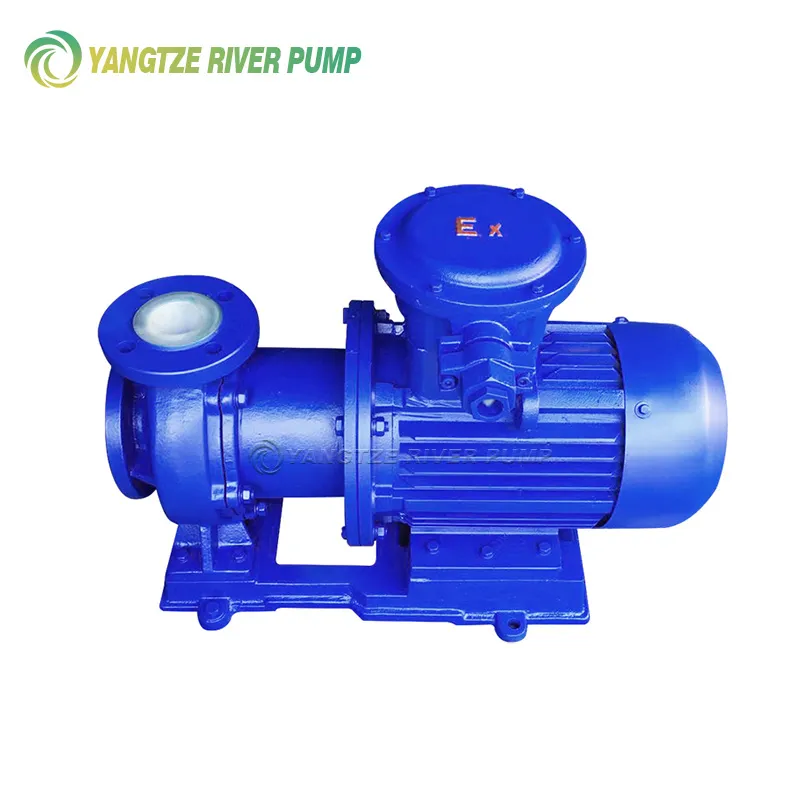 Magnetic pumps with fluoroplastic lining CQB-F
-
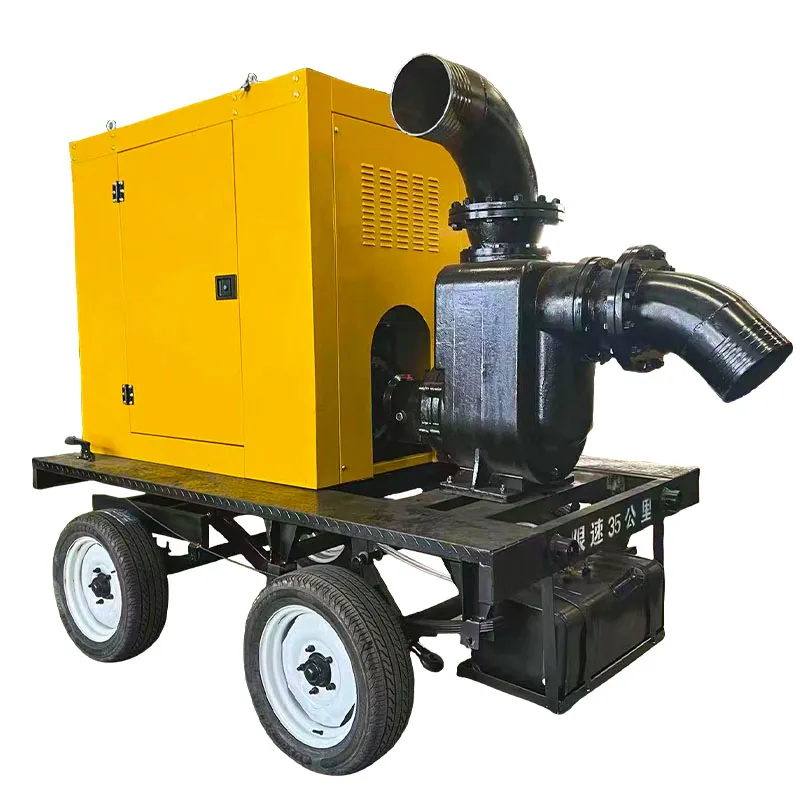 YZZW Diesel self-priming pumps
-
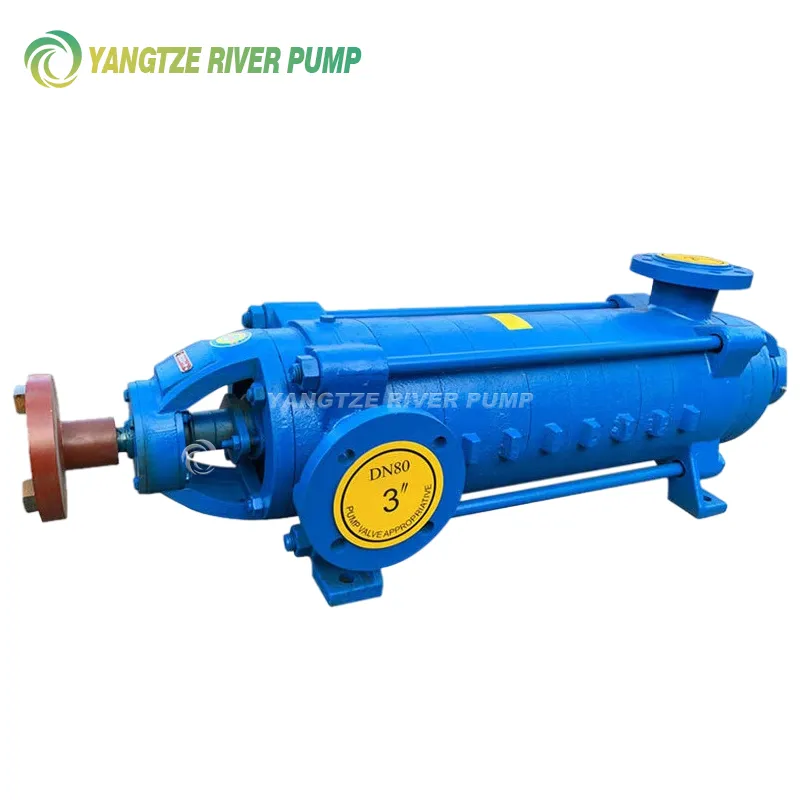 Horizontal multistage centrifugal pumps type D
-
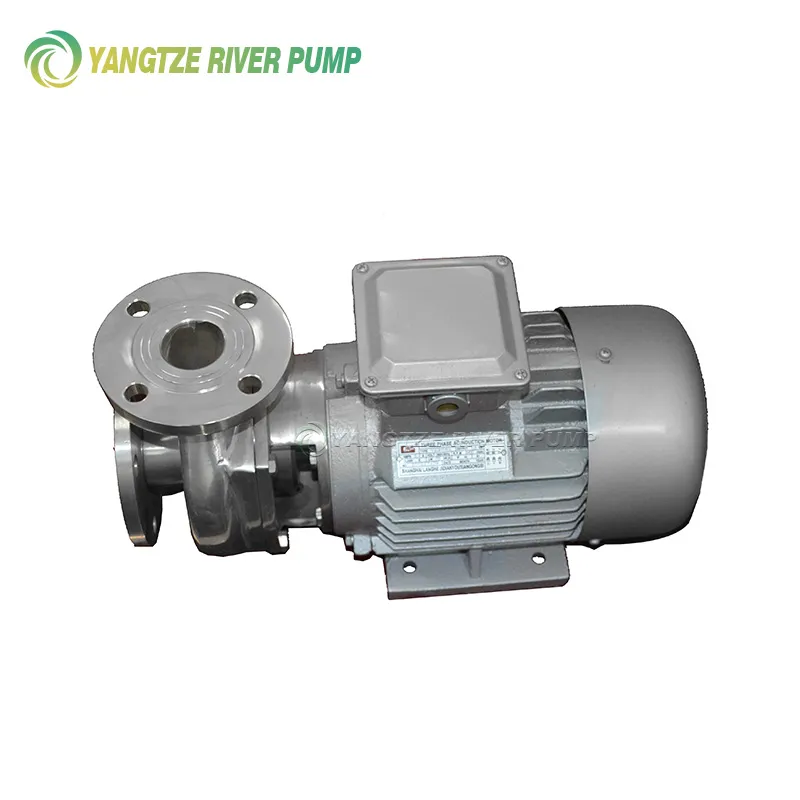 Corrosion-resistant stainless steel centrifugal pumps SFB and SFBX
-
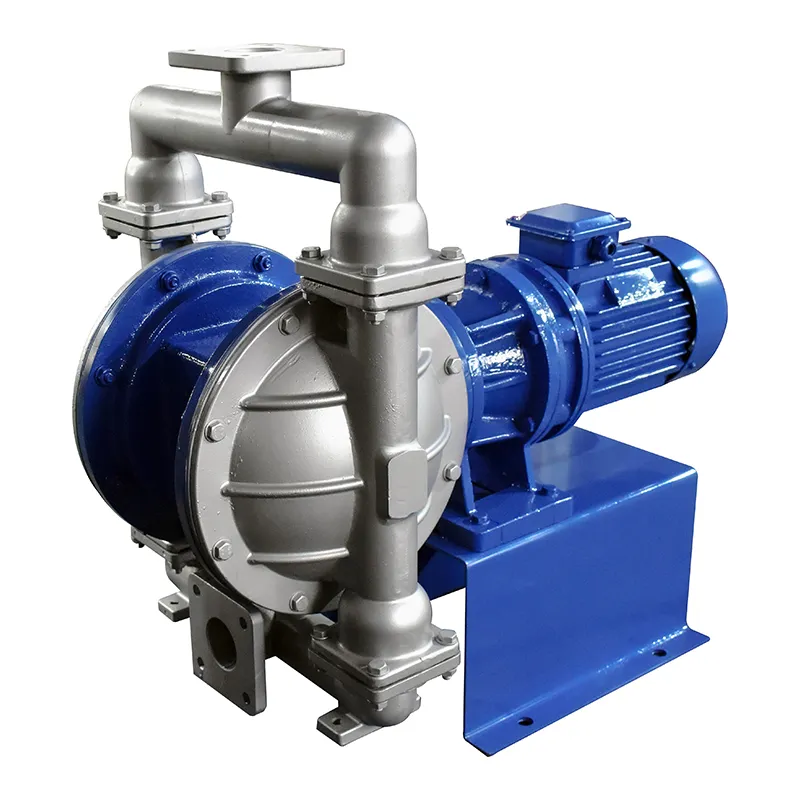 Metal electric diaphragm pumps DBY
-
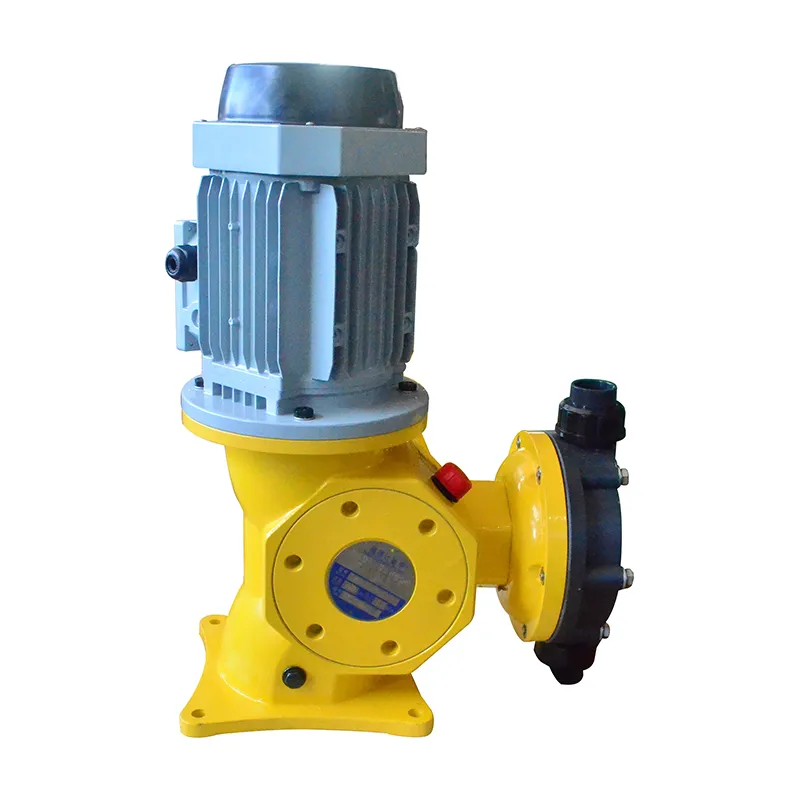 Mechanical diaphragm dosing pumps DJ-Z
-
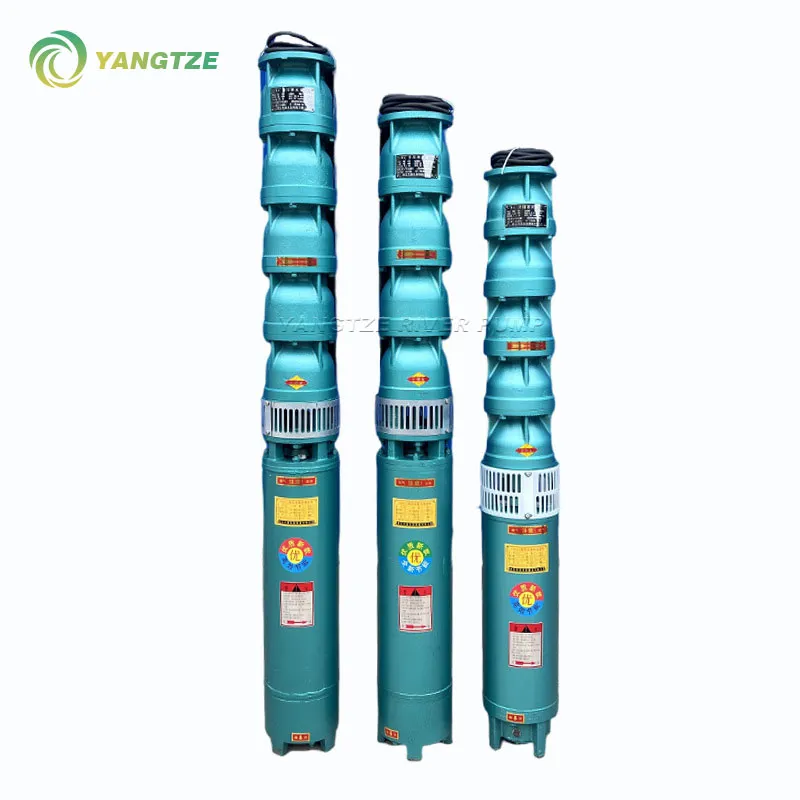 QJ type borehole pumps
-
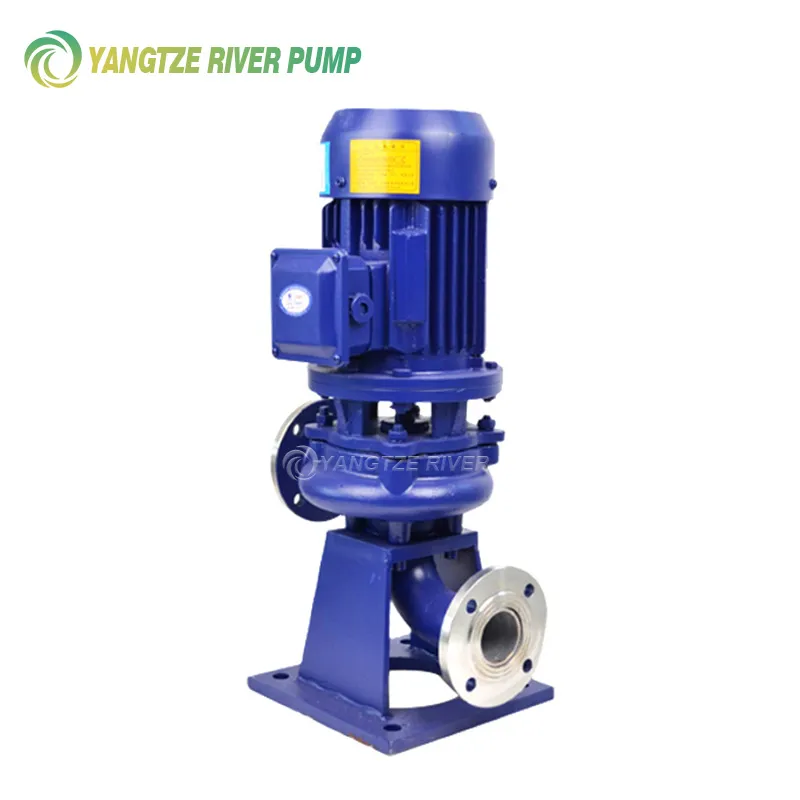 Non-clogging vertical wastewater pumps LW
-
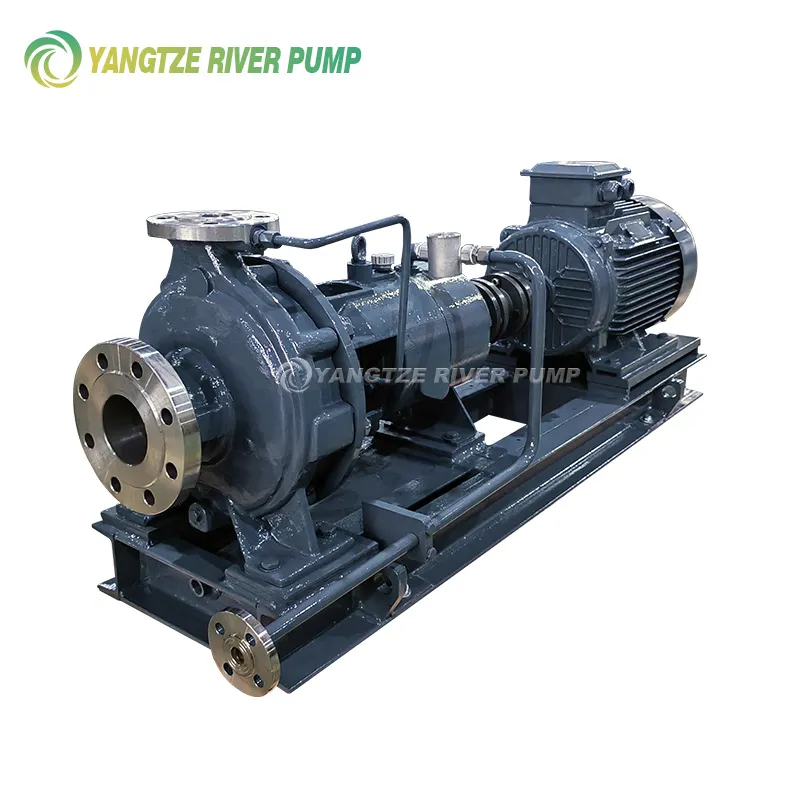 Petrochemical Process Pumps API 610 YZA
-
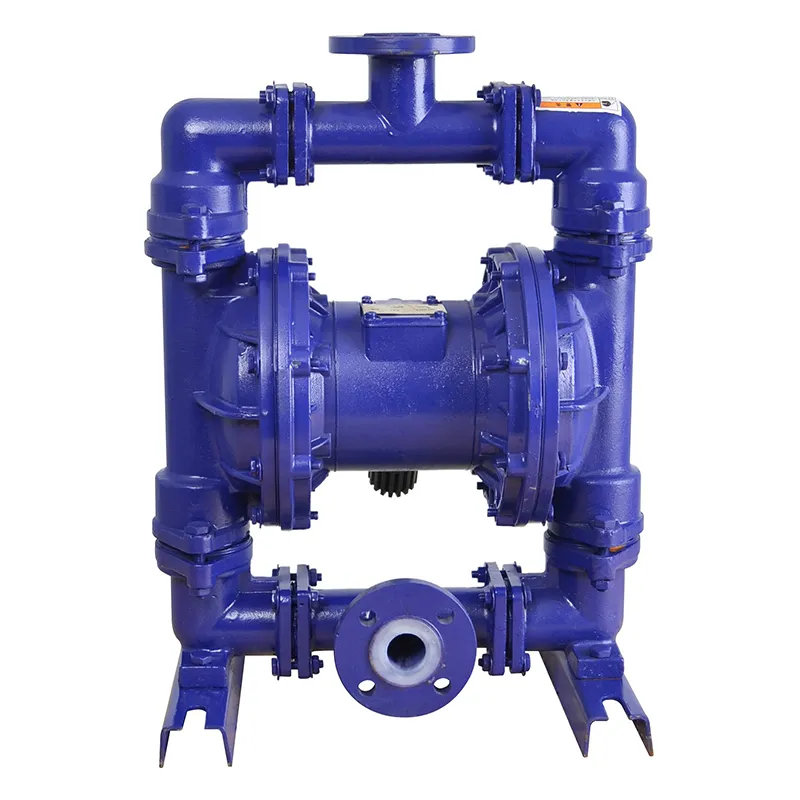 Metal pneumatic diaphragm pumps QBK
-
 CQF Plastic Magnetic Pumps