







deep well pump 220
When you hear “deep pump 220”, the first thing that comes to the mind of an inexperienced buyer is just a pump that runs from a regular outlet. And here lies the main trap. Because 220 volts is only a power parameter, and not a characteristic of performance or, more importantly, reliability when working at depth. Over the years of working with equipment, including productsZhejiang Yangzijiang Pumping Industry Co.,Ltd, I was convinced: the key thing is precisely the design, materials and that same “margin of safety” that allows the motor not to burn out when the pressure characteristics are at the limit.
What does ?220 actually mean? for well
Let's go in order. Voltage 220V is the standard for household and many industrial networks in Russia. It would seem convenient: plug it into a socket and it works. But a deep well pump is not a submersible drainer for a well. It descends to tens of meters, where the pressure of the water column is enormous, and the cooling conditions for the motor are only due to the water flowing around it. And if this water flows slowly or the gaps in the housing are incorrectly calculated, the 220-volt motor will overheat and fail just as quickly as any other.
I remember one incident at a facility near Kazan. The customer bought a ?powerful?deep well pump 220unknown origin at an attractive price. The well is 40 meters long, the flow rate is good. Three weeks later - silence. They picked it up. The winding has turned black. It turned out that the manufacturer saved on thermal protection and used aluminum winding instead of copper. The motor simply could not withstand prolonged operation at the upper limit of its characteristics. This is a classic mistake - chasing volts, forgetting about amps, materials and thermal conditions.
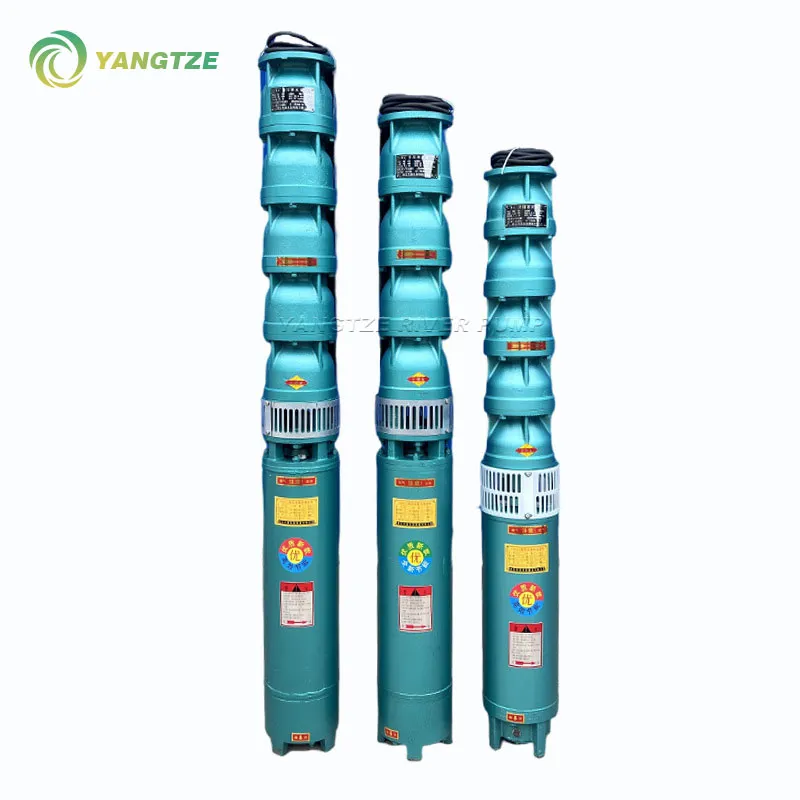
Therefore, in our company,Zhejiang Yangzijiang Pumping Industry Co.,Ltd, when designing a linesubmersible pumpsfor wells, including 220V models, engineers rely on reinsurance in terms of current and temperature. These are not just words. On our websiteyangtzeriverpump.ruit can be seen that full lines are involved in production, including in-house test benches. The pumps are driven in conditions close to extreme, testing resistance to overheating. It is more expensive, but this is what distinguishes the product from the nameplate.
Design features that are not visible at first glance
If we disassemble ourdeep well pump, say, a series for clean water, then in addition to the standard AISI 304 stainless steel in the impeller and housing, attention should be paid to the shaft. It should be stainless steel, not regular carbon steel. In an aggressive (even conditionally) well environment, this is a matter of several years, or even months of corrosion. And then runout and imbalance are guaranteed.
Another nuance is the sealing system. Many people think that since the pump is submersible, water will not get inside the motor. This is a misconception. Moisture can be sucked in through the cable entry and joints between sections (in multi-stage models). We use a multi-level system of seals and gaskets, which are tested using a vacuum tester. This is a routine but critical operation on a production line.
And of course, the cable. Fordeep well pump 220it should not be PVC, but rubber, with a cross-section corresponding to inrush currents. Starting overload is the second killer after overheating. windings We equip our pumps with cables with a spare cross-section to reduce resistance along the length and minimize voltage drop. This is a small thing that is often saved on, but it directly affects the service life.
Application scenarios and typical installation errors
Where are these pumps most often used? Dacha, private house, small agricultural facility. Wells are from 20 to 80 meters, the flow rate is average. It seems that the installation is simple: lower it, connect it, turn it on. But the devil is in the details. For example, people often forget about the check valve immediately above the pump. Without it, at each shutdown, the water goes back into the well, and the next time the pump is started, it starts “dry”. or with water hammer. This is stressful for the engine.
Another mistake is incorrect selection of pressure. The client looks at the maximum pressure of 70 meters and thinks: “That’s enough for me?” But you need to take into account horizontal sections (10 horizontal meters are approximately equal to 1 meter of vertical pressure), losses in the pipeline, and the required pressure at the point of analysis. If the pump constantly operates in a mode close to maximum pressure, its efficiency decreases and wear increases. It is better to take with a margin of 10-15%, but at the same time make sure that the automation (pressure switch, frequency converter) will not allow it to work in a “locked” state. point - zero feed.
Based on our experience, collecting feedback from installers, we even made changes to the instructions for some models, more clearly specifying the requirements for installing the hydraulic accumulator and setting up the relay. This is the very moment when production and service, combined in one company, provide real benefits. Because you don’t see an abstract breakdown, but a specific repeating scenario on objects.
Comparison with three-phase models and the expediency of choice
People often ask: isn’t it better to take a three-phase one at once?deep well pumpat 380V? It is more powerful and reliable. Not always. For a domestic well, where there are no three phases, running a separate line is a huge additional expense. Yes, a three-phase motor starts up smoother and usually has a longer service life. But modern single-phase 220V motors with capacitor starting and a good thermal protection system, as in our pumps, show excellent endurance when used correctly.
The main advantage of 220V is its versatility. I connected it through a stabilizer (which I highly recommend for rural networks with floating voltage) - and the system works. Our industry produces just such models, designed for a wide range of input voltages. This is checked on a test bench: we supply 190V, then 250V - the pump should remain operational without overheating.
The conclusion here is simple: if you do not have a ready-made three-phase network and the well is no deeper than 100-120 meters, a high-qualitydeep well pump 220- the optimal choice. Its maintainability is also higher in a small village: it is easier to find a specialist to rewind a single-phase motor.
About service and long-term perspective
Nothing lasts forever. Even the most reliable pump will require attention after several years of intensive use. And here again the difference between the “nameplate” is visible. and engineering thought. In our designs, whethermultistage centrifugalmodels for greater depths or simpler single-stage versions, with built-in serviceability. You can replace impellers, seals, and bearings without replacing the entire engine compartment.
This is important because lifting a pump from depth is an operation that requires equipment and money. It is much cheaper to carry out preventative maintenance once every 5-7 years, replace worn parts and lower the same body back. On our website in the product section for each type of pump, not only the characteristic curve is indicated, but also recommendations for the service interval. This is not marketing, this is data obtained during resource tests at our own facilities.
In the end, back to the beginning.Deep well pump 220- this is not a magic wand, but a complex unit, whose reliability is determined by a hundred factors, from the chemical composition of the water to the literacy of the installer. When choosing it, you need to look not at the bright label, but at the design, materials of the manufacturer and his willingness to provide full technical information and support. As our company does, for example, where the full cycle - from R&D to service - allows us to control quality at all stages and bear responsibility for the product that goes into the well for many years.
Correspondingproducts
Related Products

Best Sellingproducts
Best Selling Products-
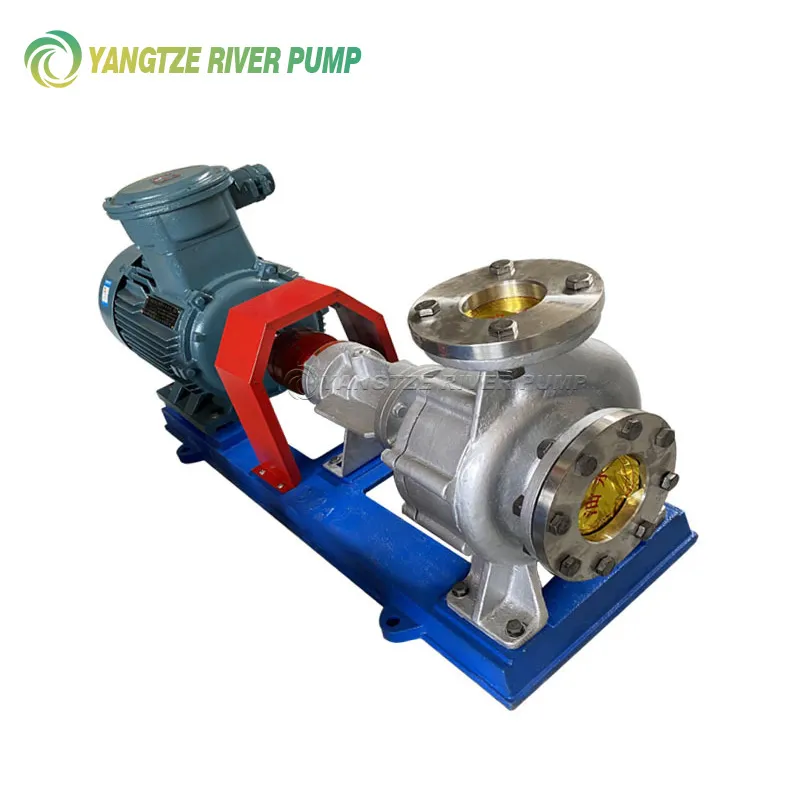 RY thermal oil pumps
-
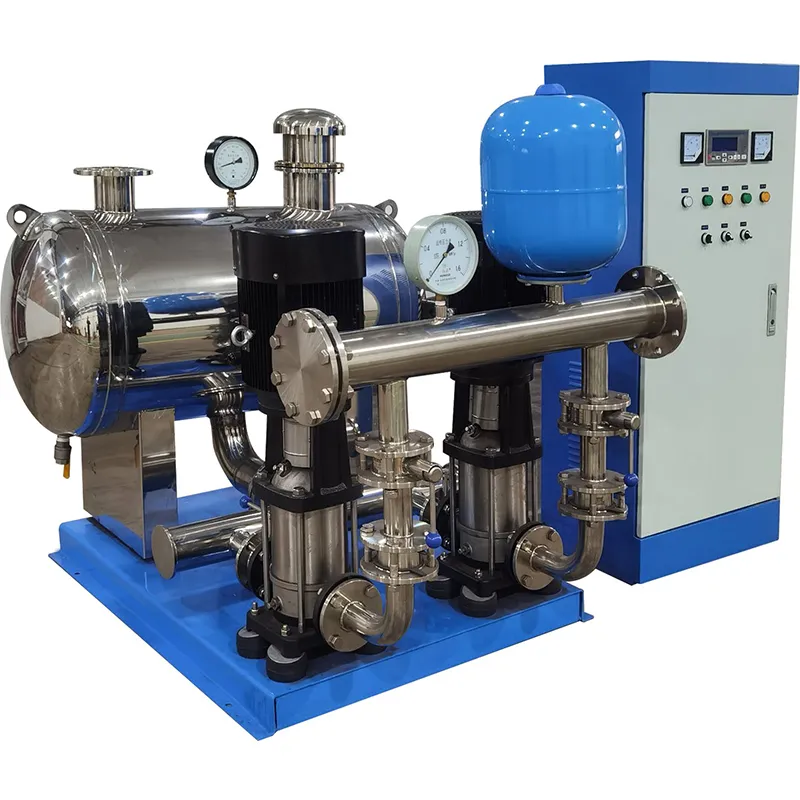 Complete water supply installations with frequency regulation and constant pressure CDLF
-
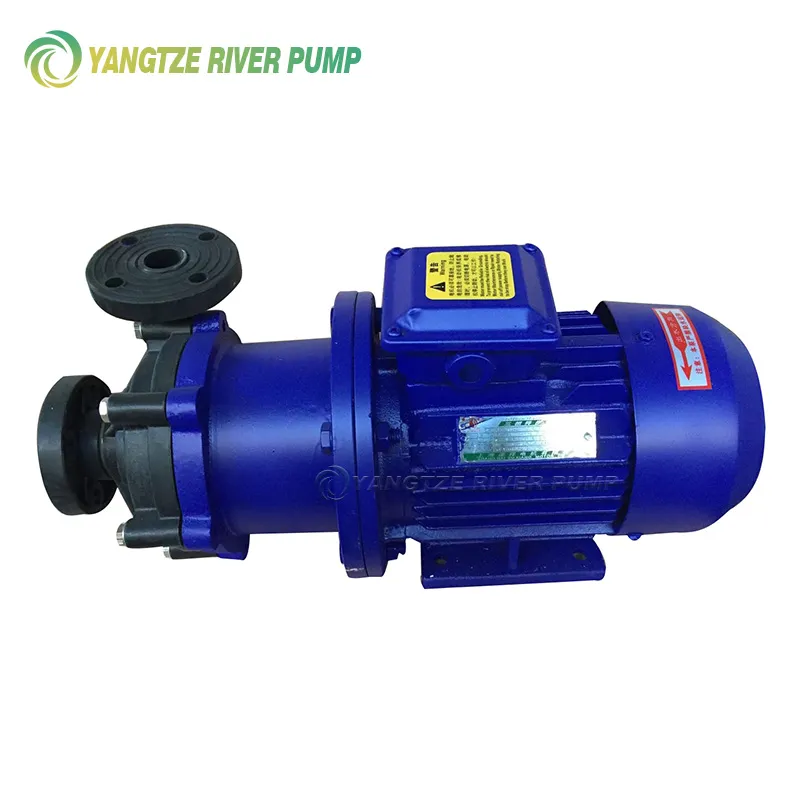 CQF Plastic Magnetic Pumps
-
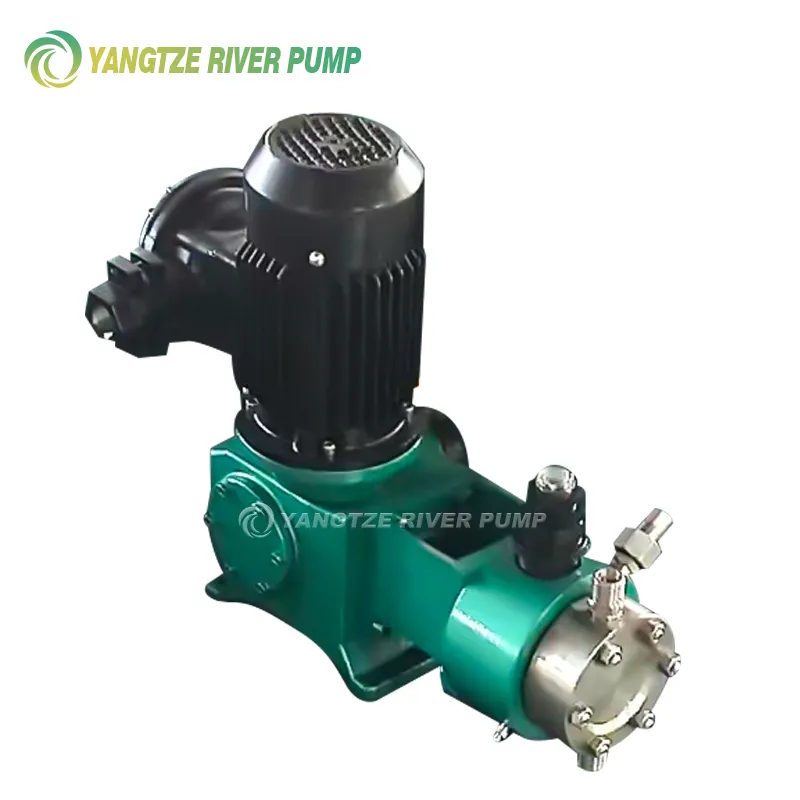 Plunger dosing pumps type DZ-X
-
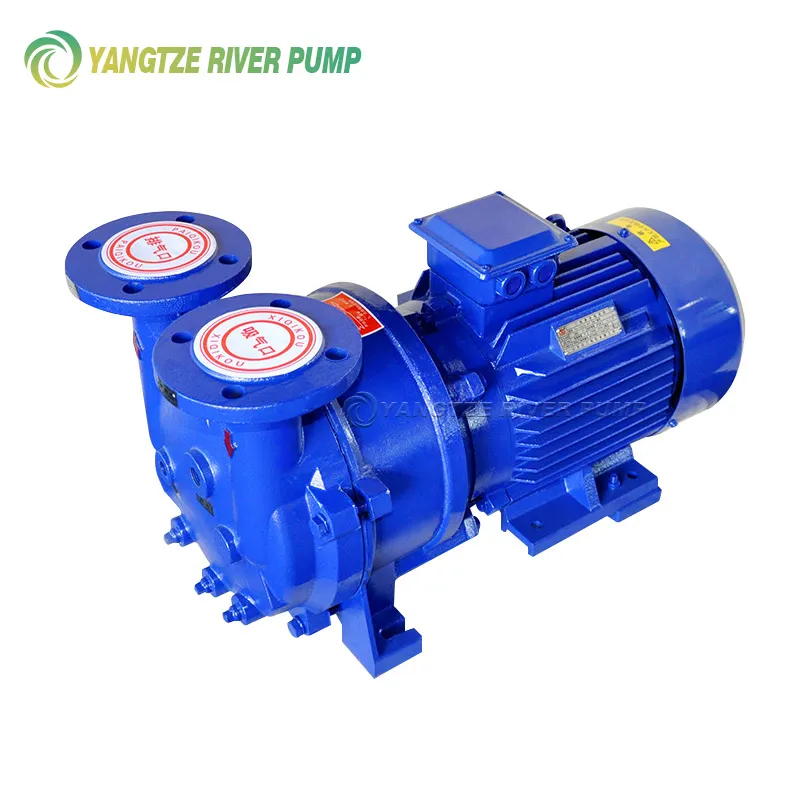 Liquid ring vacuum pumps type SKA and 2BV
-
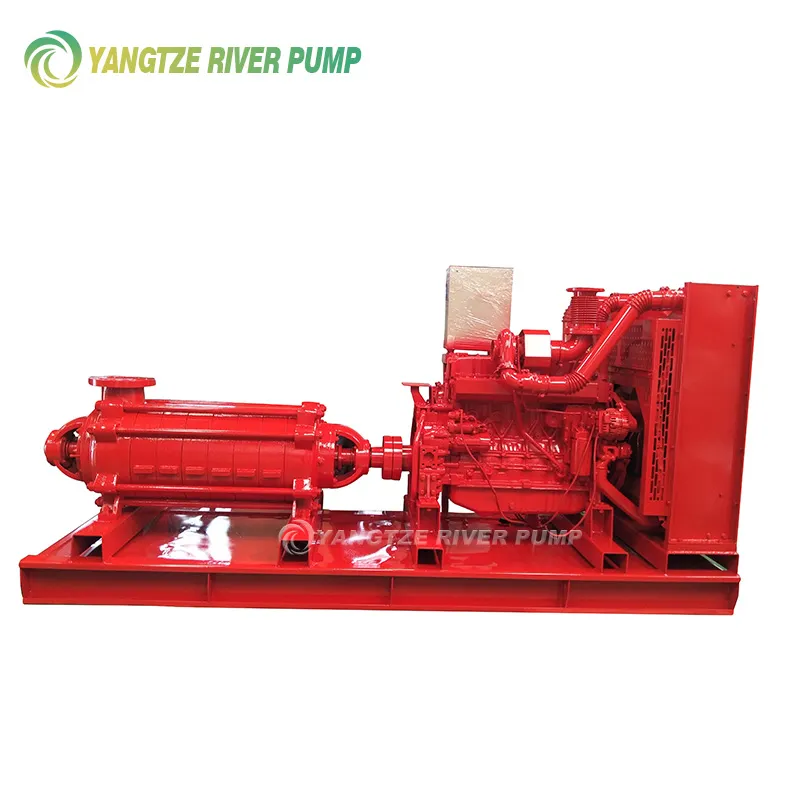 YZD Series Diesel Multistage Centrifugal Pumps
-
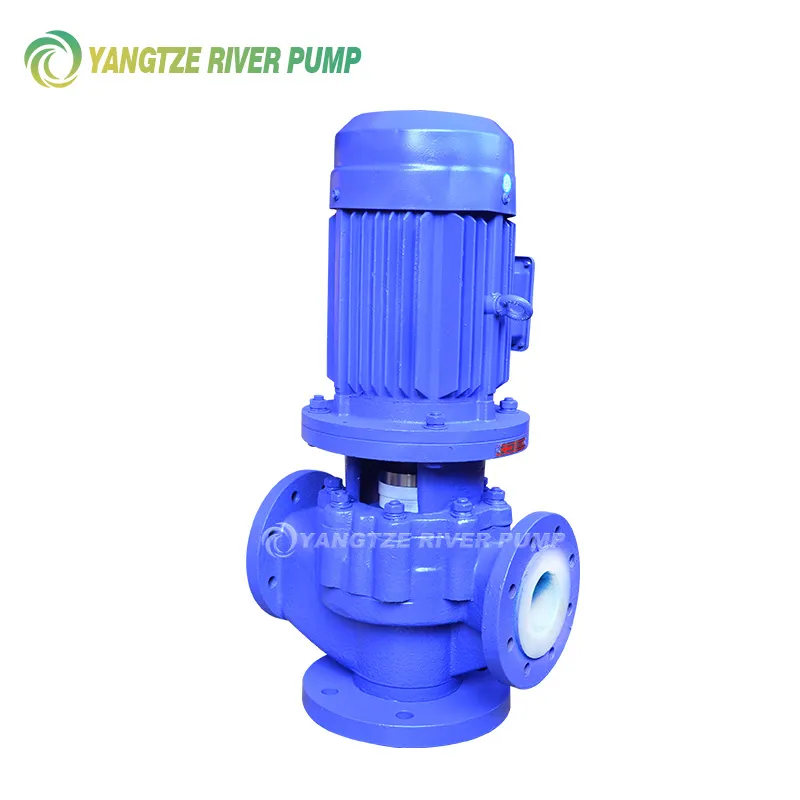 Vertical pumps with PTFE lining YQF
-
 Mechanical diaphragm dosing pumps DJ-D
-
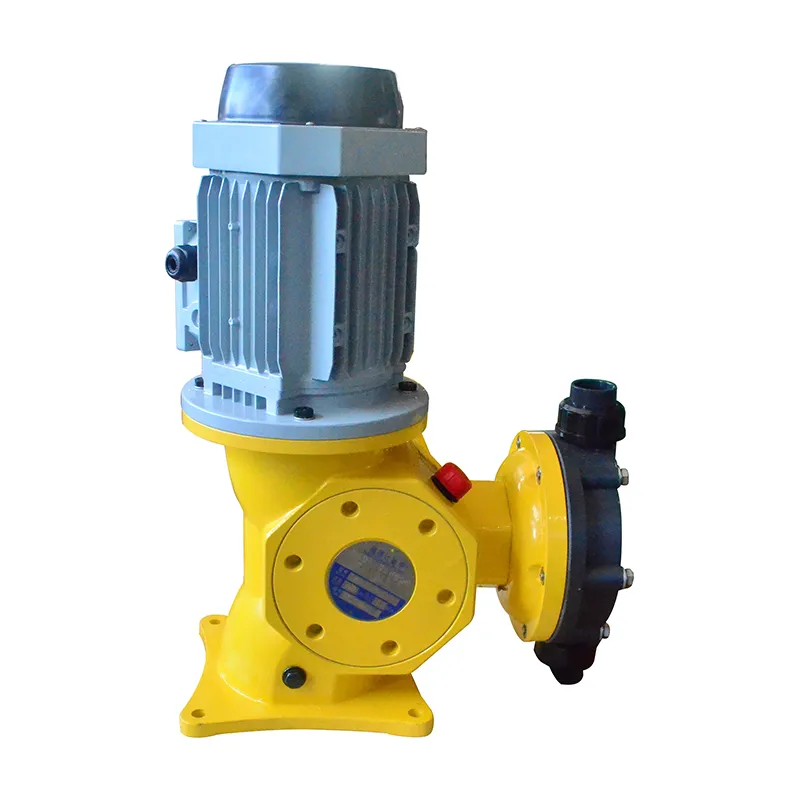 Mechanical diaphragm dosing pumps DJ-Z
-
 YCB Type Circular Gear Pumps
-
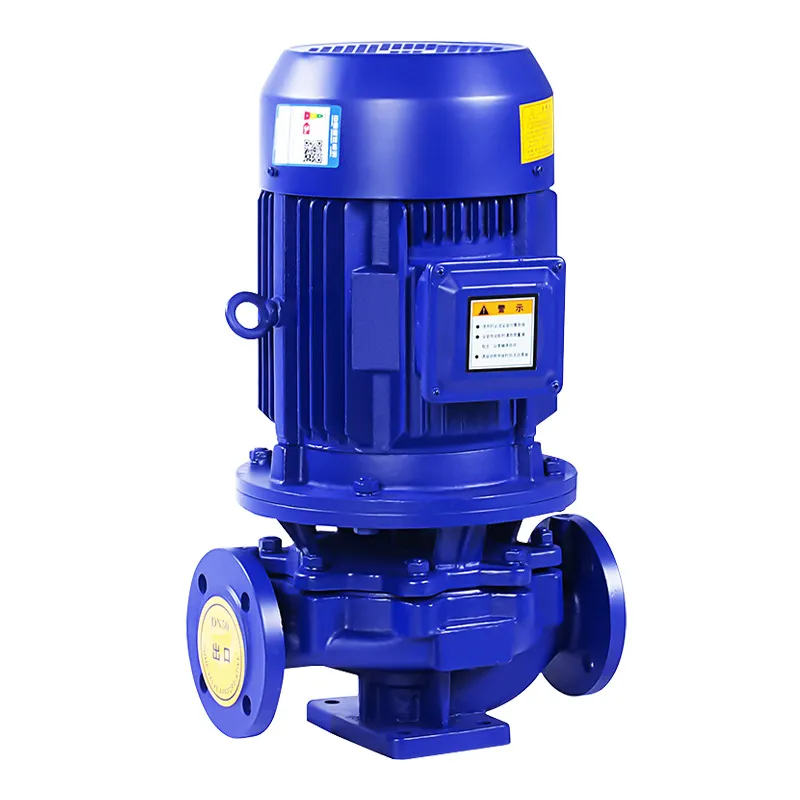 Vertical single-stage pipeline centrifugal pumps ISG and IHG
-
 Non-clogging self-priming wastewater pumps ZW