







centrifugal pumps for sewage
When they talk aboutcentrifugal pumps for sewage, many immediately imagine just a powerful unit that drives wastewater through pipes. But in reality, especially in complex facilities, everything comes down to details: how the pump copes with fibers, variable flow rates, and possible blockages. A common mistake is to chase maximum pressure, forgetting about the reliability of suction and resistance to abrasive. I myself saw how an ordinary centrifugal was installed in a warehouse to pump out drainage with sand - after six months the impeller was like a sieve.
From theory to practice: where the pitfalls lie
The specifications usually write ideal parameters: performance, pressure, power. But sewer systems are rarely perfect. For example, seasonal fluctuations in wastewater levels or volley discharges from industrial enterprises. Regularcentrifugal pumpwith a fixed characteristic it can either under-pump or go into overload. Therefore, at one time we began to look at H-Q curves not as a dogma, but with a margin for a flat section.
Another point is the material of the flow part. Cast iron? Stainless steel? Cast iron is sometimes suitable for household wastewater with detergents, but if there is a risk of exposure to aggressive media from food production, then AISI 304 or 316 stainless steel is indispensable. But this is not a panacea - with prolonged downtime, corrosion can begin due to stagnation of fluid. We had to recommend to customers periodic pumping with clean water.
But with fibrous inclusions it’s a different story. A standard single-channel impeller quickly becomes clogged with rags and threads. The solution is either pumps with a cutting mechanism (but this is a different class of devices), or special vortex or free-vortex wheels, which are less sensitive to contamination. But they usually have lower efficiency. The choice is always a compromise.
Implementation experience and typical installation errors
I remember an object - a car wash, where it was necessary to pump out water with sand and clay. They installed what seemed to be the right one according to the parameters.centrifugal pump for sewage. But they mounted it on a rigid pipe without vibration inserts, and even with insufficient support. A month later there is a crack in the case due to vibration. We had to redo the foundation frame and install flexible inserts. The conclusion is simple: even the best pump can be ruined by improper piping.
Another common problem is incorrect selection of pipeline diameter. To save money, the customer installs the valve and pipes a size smaller than the pump nozzle. The result is increased hydraulic losses, inlet cavitation, noise and reduced bearing life. You explain that savings on pipes will later result in repairs, but they don’t always listen.
For gravity sewer wells, a submersible design is sometimes better suited than a dry installation. But here it is important to provide a reliable guide system and automation for level control. Once I saw how a float switch got caught on the fittings in the well - the pump ran “dry” until the engine burned out. After such an incident, I always advise duplicating the control system - for example, a float plus electrode sensors.
Production specifics and quality control
When we began to develop a line of pumping equipment inZhejiang Yangzijiang Pumping Industry Co.,Ltd, we immediately relied on the full cycle - from R&D to testing of the finished product. This is not for show. For example, everyonecentrifugal pumps, including for sewer applications, are tested on stands with real liquids - not just water, but with emulsions that simulate wastewater. It is important to check not only the parameters, but also the temperature conditions of the bearing units and the absence of leaks at the mechanical seals.
On our websiteyangtzeriverpump.ruyou can see that the range is wide - from single-stage to multi-stage models. But for sewerage tasks, the single-stage console type is most often used, as it is the most maintainable and adaptable. But multi-stage ones are more suitable for water supply systems where high pressure with clean water is needed.
We pay special attention to the shaft material. For severe conditions, we recommend shafts made of high-alloy steel with additional hardening in the seating areas of the impellers and bearings. Trifle? But it is precisely because of the deflection or wear of the shaft that vibrations often begin, which lead to failure of the entire unit.
Interaction with other systems and automation
Modern sewerage is rarely just a pump in a pit. Often this is an entire sewage pumping station (sewage pumping station) with a control system, alarm system, and sometimes with a frequency converter. And here it is important thatcentrifugal pump for sewagewas compatible with this automation. For example, the motor must have an appropriate degree of protection (IP68 for submersible versions), as well as the ability to start softly when working with a VFD.
There was a case at a housing and communal services facility where pumps were installed without taking into account the possibility of working with a frequency converter. As a result, when the frequency decreased, the engine cooling deteriorated and it overheated. I had to modify it - install additional external pumping for cooling. Now, when selecting, we always clarify this point with the customer.
Another aspect is redundancy. For critical facilities where stopping the pumping of wastewater is impossible (for example, hospitals, production workshops), we always design a circuit with at least two pumps operating in the “working-standby” mode. with automatic switching. And here, not only the reliability of the pumps themselves is critical, but also the piping - gate valves, check valves.
Final thoughts and direction
To summarize, the choicecentrifugal pumpfor sewer systems it is always a search for a balance between performance, reliability, maintainability and cost of ownership. A cheap pump may suit the purchase price, but eat up the budget for frequent repairs.
In our practice inZhejiang Yangzijiang Pumping Industry Co.,LtdWe see a demand for increasingly more adaptive solutions. For example, pumps with the ability to easily replace the flow part without dismantling the entire unit, or models with built-in condition monitoring sensors. This is no longer just hardware, but an element of a smart system.
The main advice I would give to my colleagues in the workshop is to not hesitate to request detailed test reports from the manufacturer, especially on abrasive media. And look not only at factory charts, but also at real reviews from similar objects. Because in our business there are paper characteristics and life “in the field?” - sometimes these are two big differences. And the reliability of a sewage pump is checked not at the time of start-up, but after several years of problem-free operation in conditions that are far from ideal.
Correspondingproducts
Related Products


Best Sellingproducts
Best Selling Products-
 Non-clogging self-priming wastewater pumps ZW
-
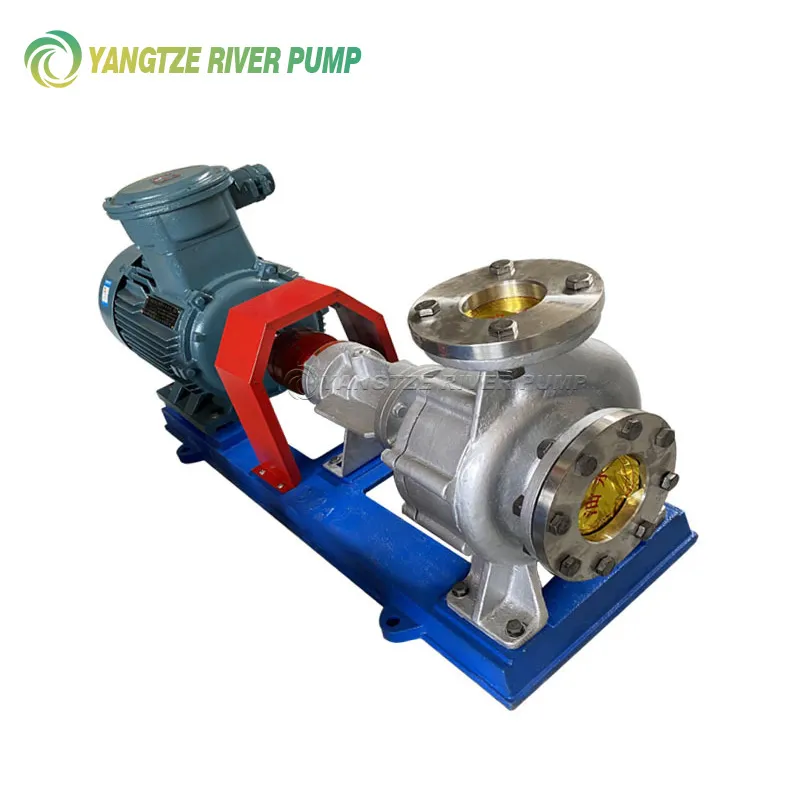 RY thermal oil pumps
-
 YW Vertical Submersible Sewage Pumps
-
 YCB Type Circular Gear Pumps
-
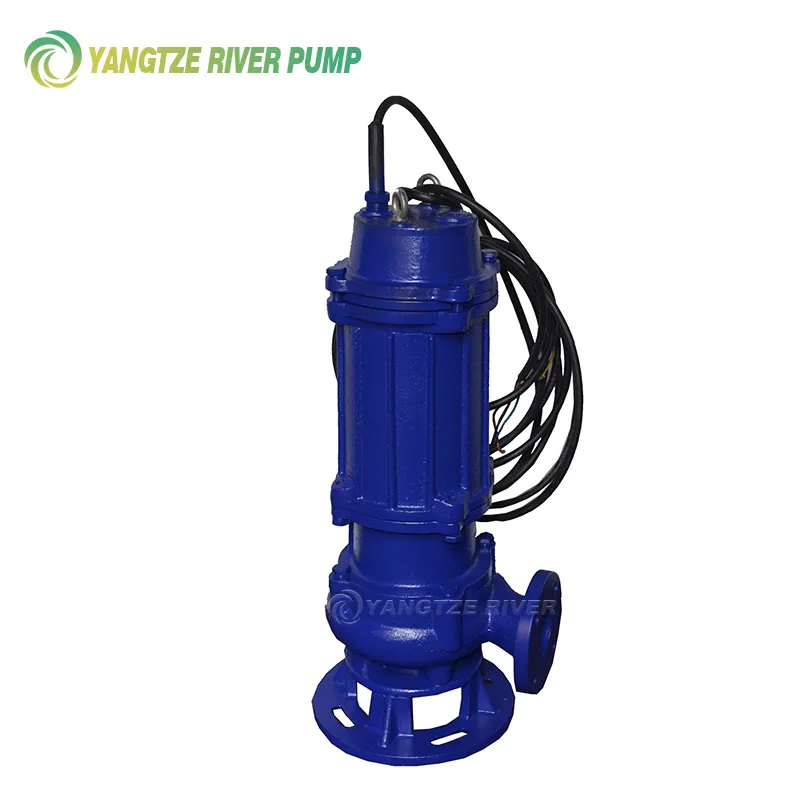 QW Non-clogging Submersible Sewage Pumps
-
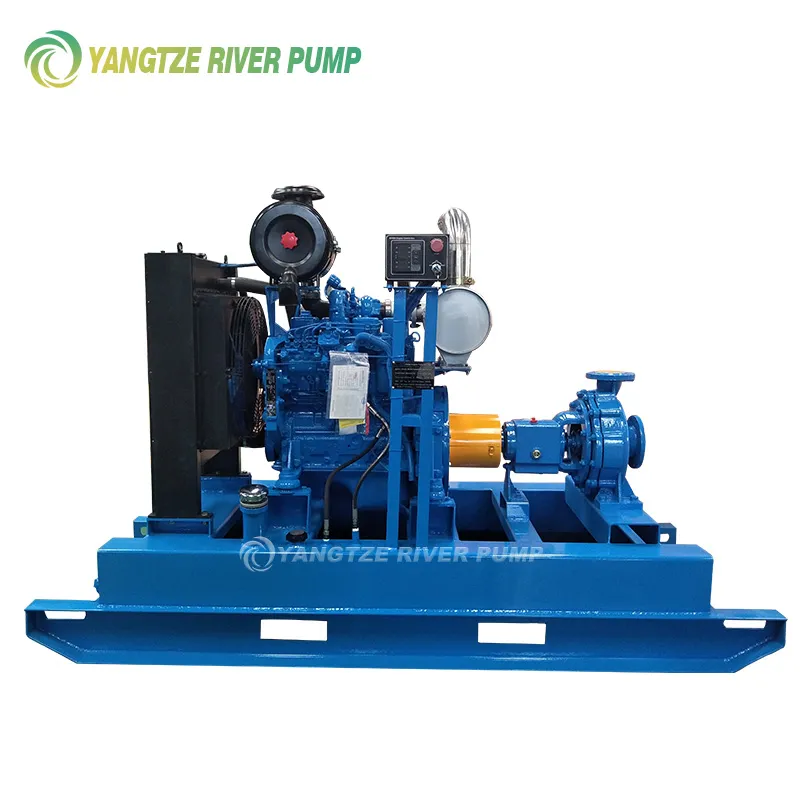 YZIS Diesel Single Stage Centrifugal Pumps
-
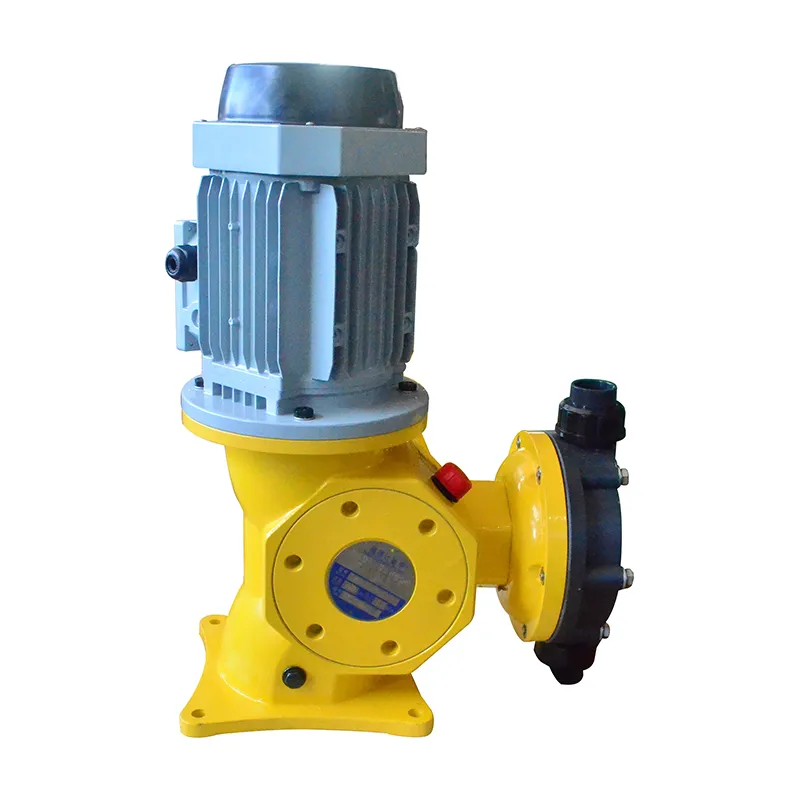 Mechanical diaphragm dosing pumps DJ-Z
-
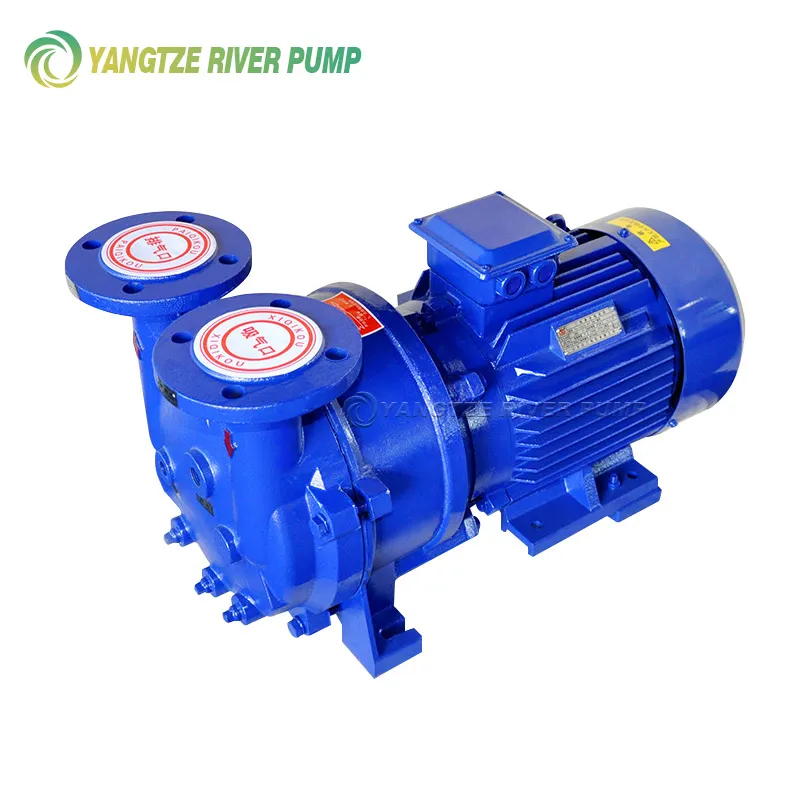 Liquid ring vacuum pumps type SKA and 2BV
-
 Infinitely variable screw pumps type G
-
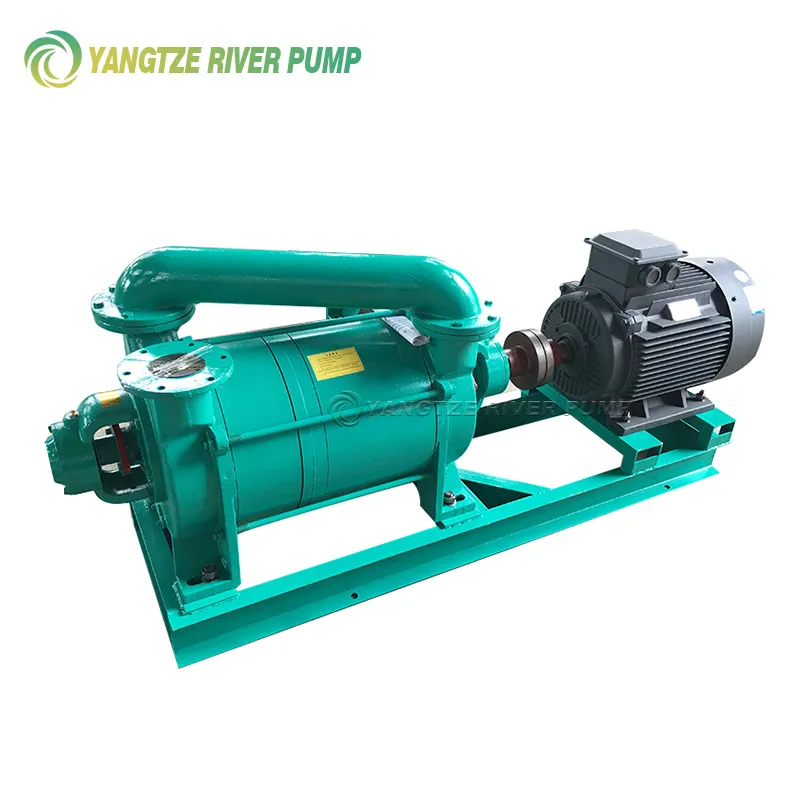 Liquid ring vacuum pumps type 2SK
-
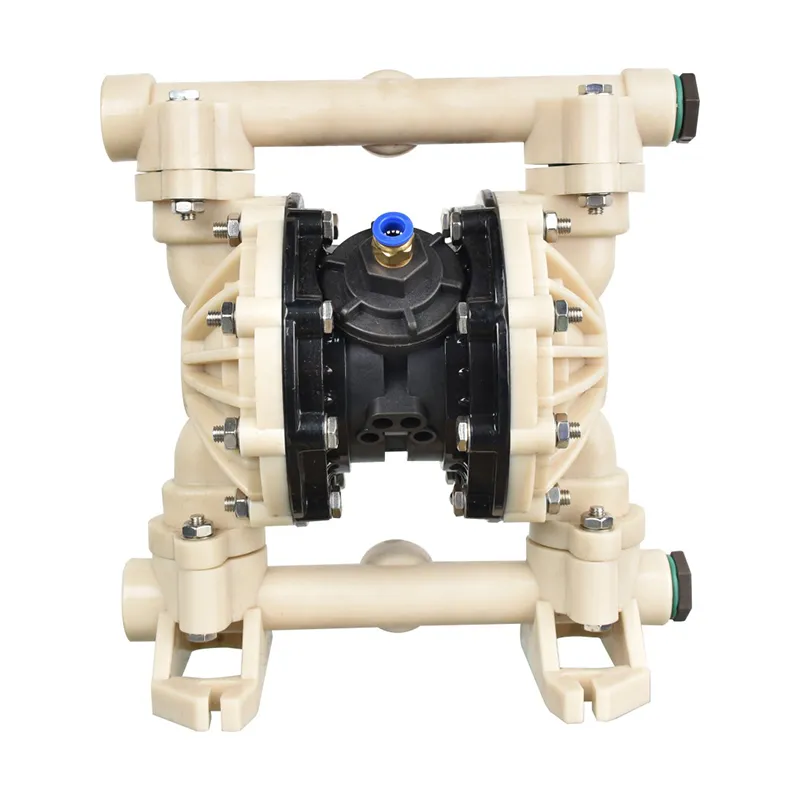 QBK Non-Metallic Air Operated Diaphragm Pumps
-
 Metal pneumatic diaphragm pumps QBK
Relatedsearch
Related Search- YZSP Diesel Self-Priming Pumps
- centrifugal water pump
- Automatic pressure booster pumps with frequency control and constant pressure
- submersible well pump 5
- pump submersible centrifugal pump 7
- centrifugal pump turbine
- boiler room centrifugal pump
- vacuum pump 20 m3 h
- submersible well pump 220v
- deep well pump 380