







centrifugal pump turbine
When they say “turbine of a centrifugal pump,” many immediately imagine that same impeller - the impeller. But this is too narrow. In fact, this is a whole unit, a complex, from the geometry of the blades and material to the fit on the shaft and clearances in the seals. A common mistake is to assume that the main thing is the diameter or number of blades. In practice, it is much more important how this unit behaves in a real rather than an ideal flow, especially when pumping heterogeneous media or in the presence of cavitation risks. In ourZhejiang Yangzijiang Pumping Industry Co.,LtdHundreds of configurations have been passed through test benches, and I can say: the difference in efficiency or service life between 'almost identical' turbines can reach 15-20%, and this is not a theory, but measurements on water with abrasive additives.
Design: where unobvious problems lie
Take, for example, multistage pumps. There the turbines sit on a common shaft, and it would seem - make them identical. But during assembly it turns out that even micron deviations in axial clearances or differences in the rigidity of gaskets between step bodies can lead to load redistribution. One stage begins to work “for itself and for that guy,” it becomes overloaded, and here you have a source of vibration and premature wear. We have experience, producingmultistage centrifugal pumps, switched to the technology of fitting and balancing the entire rotor assembly to a specific housing, and not just an assembly from parts within the tolerance. It’s labor-intensive, but the resource has grown noticeably.
And with the material forcentrifugal pump turbinealtogether a different story. 304 stainless steel is a seemingly universal choice for chemical environments. But if there are even traces of chlorides in the pumped liquid, and even at elevated temperatures, expect pitting corrosion on the blades. Especially at the entrance edges, where local velocities and pressures change sharply. We switched to AISI 316L or, for particularly aggressive environments, to duplex steel. Yes, more expensive, but for our peopleplastic chemical pumpsandmagnetic pumpsthis is often critical - where a leak or destruction of the impeller means not just a repair, but a serious accident.
Another point is casting versus machining. Casting, especially using lost wax models, gives a complex hydrodynamically optimal shape of the blades. But internal micropores or stress in the metal are like a lottery. Milling from forgings is more reliable, but it limits the geometry, and there is a lot of waste. We are for critical applications, especially inlinear centrifugal pumps, where both efficiency and reliability are important, we often go along a hybrid path: casting followed by finishing of critical surfaces on machines. This is not according to the textbook, but practice has shown that this way it is possible to achieve both the optimal shape and the guaranteed quality of the material.
Tests and real conditions: theory meets practice
All the calculations and CFD modeling are good, but the final verdict comes from the test bench. We have a circuit in our production where you can run the pump on water, suspensions, even with soft abrasives. And this is where the fun begins. For example, the design point of maximum efficiency forcentrifugal pump turbine- one, but in reality, due to the roughness of the pipes or the imperfection of the supply pipe, it shifts by 5-10%. And if the pump is selected “back to back” according to the catalog, it can operate in suboptimal mode for most of its life, with increased wear and energy consumption.
I remember the case with a pump for hydraulic transport of sand. The turbine was made of wear-resistant cast iron with a hard coating. According to laboratory tests - excellent. And in the field, after a month - vibration, a drop in pressure. They took it apart - it turned out that the coating was holding, but the base metal itself began to crumble under it due to micro-impact impacts from sand particles. They replaced it with a solid-cast turbine made of high-chromium white cast iron, without any coatings. It has been working for more than two years. Conclusion: wear resistance is not only surface hardness, but a comprehensive characteristic of a material for impact fatigue.
Cavitation is a separate nightmare. In model tests in clean water, its beginning is clearly recorded. But in field conditions, in the presence of dissolved gases or bubbles, cavitation can begin earlier and be more 'aggressive'. It eats away material not only on the leading edges of the blades, but also on the front disk of the turbine. Therefore, for pumps operating in environments with a risk of cavitation (e.g. someself-priming pumps), we make a margin for NPSH and sometimes go to reduce the diameter of the turbine inlet or change the angle of attack of the blades in the first stage, even at the slight detriment of the maximum efficiency. Reliability is more important.
Interaction with other nodes: a system, not a part
A turbine is not an island. Its work directly depends on the supply. Non-ideal geometry of the suction pipe, the presence of burrs or sharp transitions - all this provokes swirling of the flow to the turbine. The flow arrives at the blades non-axisymmetrically, with preliminary twisting. This kills both efficiency and causes variable radial loads on the shaft, which seat the bearings and seals. During assembly and installation, we always focus our customers’ attention on preparing the suction line. The best turbine will not save a bad piping.
Turbine-shaft connection. It would seem like a simple interference fit or keyed connection. But at high speeds or when pumping hot media (in ourplastic chemical pumpsfor temperatures up to 140°C) materials expand differently. The fit may loosen or, conversely, pinch the shaft. For critical applications, we often use combined fastening: seating + locking with a locking ring or even adhesive fixation with a special compound. It’s a small thing, but it prevents the turbine from rotating on the shaft, which starts with microscopic slipping and ends with broken seats.
Seals. The gap between the rear turbine disc and the seal housing (diffuser) is critical. Too large - internal leaks increase and efficiency decreases. Too small - risk of sticking due to thermal deformations or due to the ingress of solid particles. For pumps operating on heterogeneous media, we sometimes deliberately increase this gap, sacrificing a couple of percent of efficiency for the sake of reliability. And for clean environments, as in some modelsmagnetic pumps, where internal leaks are minimal and controlled, we make the gaps at the lower limit for maximum efficiency.
Repair and modernization: second life
Turbines often come to us for restoration. Sometimes this is a simple mechanical replacement, but sometimes it makes sense not just to repeat a worn part, but to improve it. For example, if operating conditions indicate that the pump often operates in the part-load zone, you can slightly change the blade exit angle or profile to expand the area of acceptable efficiency. This is not always possible, but for standard rulers like ourssingle stage centrifugal pumps, we have accumulated a data bank on such modernizations. The client receives not “as it was”, but “as it should be” for his specific mode.
Another aspect is balancing after repair. Any repair (surfacing, grinding) changes the balance. Balancing the turbine separately is mandatory. But! It is even more important to do the final balancing already assembled with the shaft and other rotor elements. We have encountered cases where a perfectly balanced individual turbine, after being seated on the shaft, produces vibration due to the minimal eccentricity of the fit itself or the runout of the keyway. Therefore, our standard is to balance the rotor assembly after any intervention.
And the last thing is compatibility. You cannot take a turbine from one pump and plug it into another, even if the external dimensions are the same. The hydraulic characteristics and axial force, which must be counteracted by the thrust bearing, may not coincide. This is a direct road to failure. You should always check the hydraulic diagram and specifications of the unit. We are onyangtzeriverpump.ruWe always provide complete sets of drawings and specifications for our pumps precisely in order to avoid such 'creative' replacements in the future.
A look into the future: not only metal
There is a lot of talk now about composite turbines. For corrosive environments this can be a breakthrough. We have been experimenting with carbon fiber reinforced polymer composites for chemical applications. Pros: light weight, corrosion resistance. But for now we are up against two limitations: the strength to separate the blades from the hub under long-term cyclic loads and resistance to abrasive wear. For purely chemical media without solid inclusions - promising. For the rest, it’s too early; metal is more reliable.
Another direction is additive technologies. Metal 3D printing allows you to create blade shapes that are unattainable by casting or milling - for example, with internal cooling channels or highly complex spatial curvature to minimize vortex formation. This is still expensive for the series, but for individual solutions to complex problems, it may soon become the norm. We track these trends because, ultimately, the challengeZhejiang Yangzijiang Pumping Industry Co.,Ltd— not just to sell a pump, but to provide a reliable and effective solution for pumping liquids. And the heart of this decision is still the samecentrifugal pump turbine, which combines engineering calculations, material and understanding of what will happen to it not on paper, but in a real pipe, under load, year after year.
Correspondingproducts
Related Products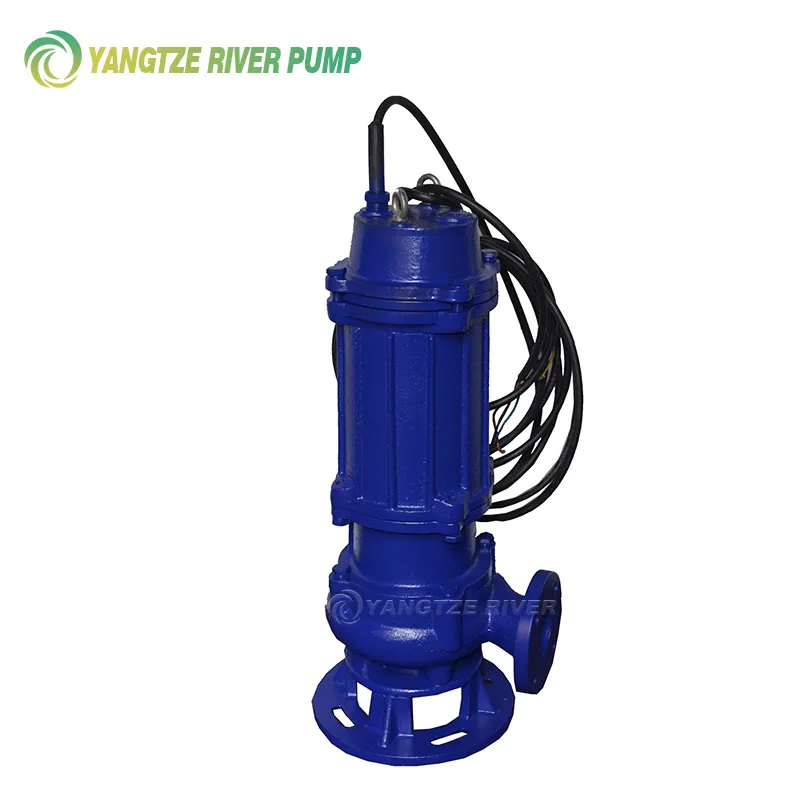
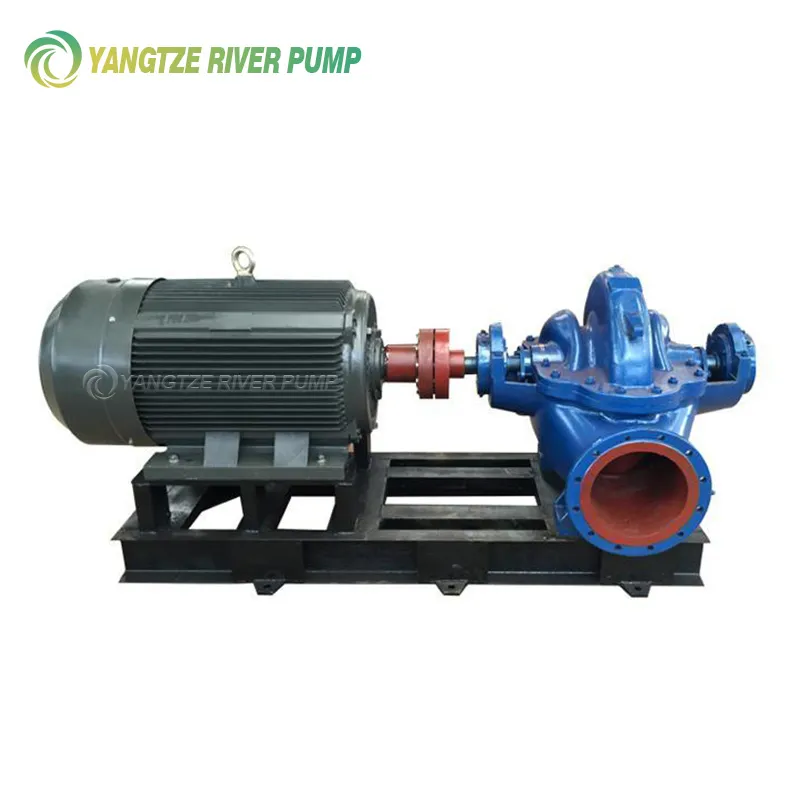
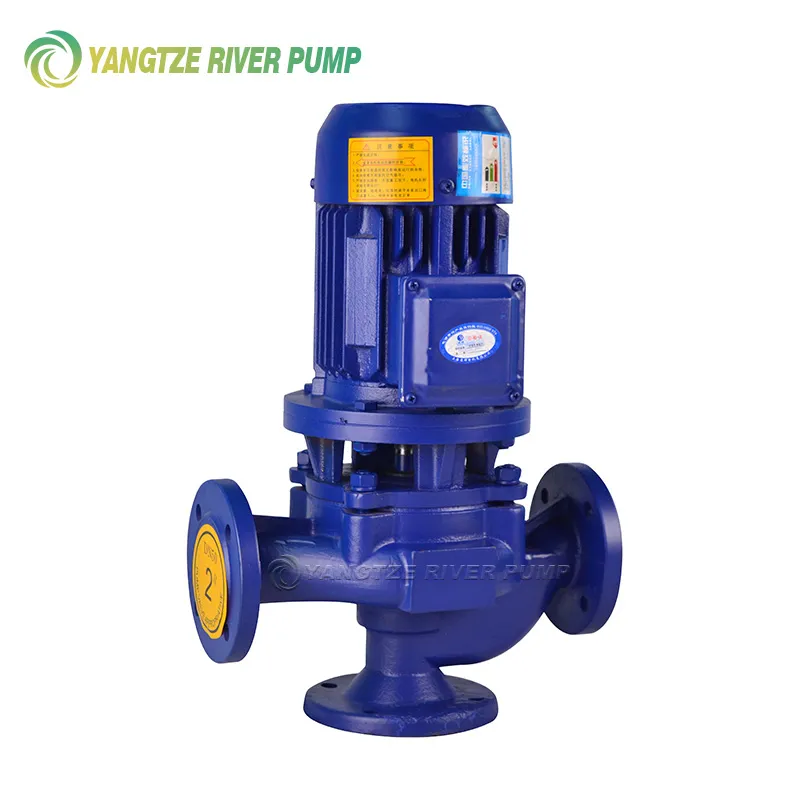
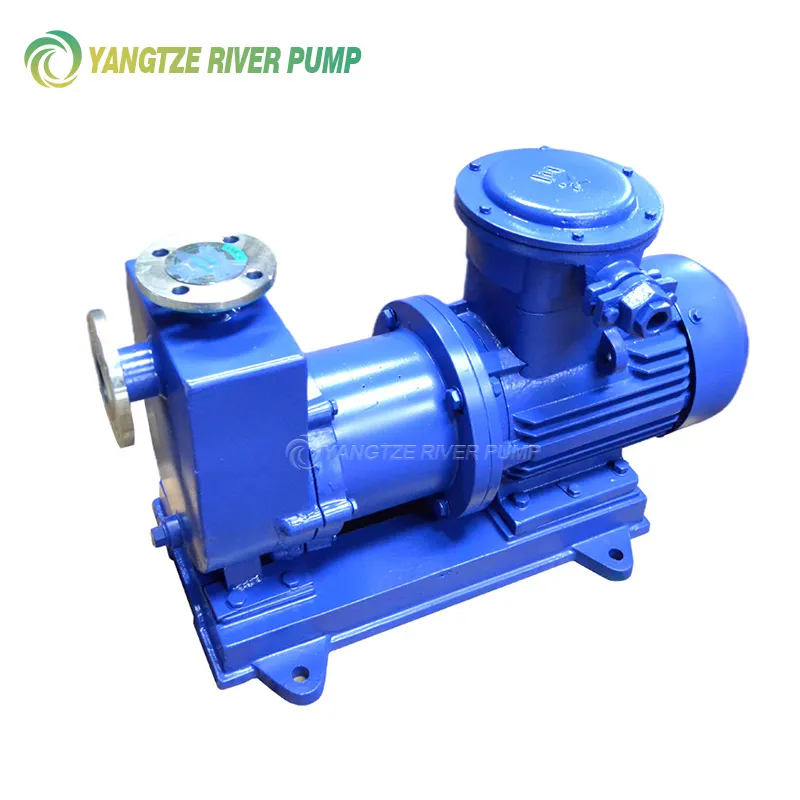
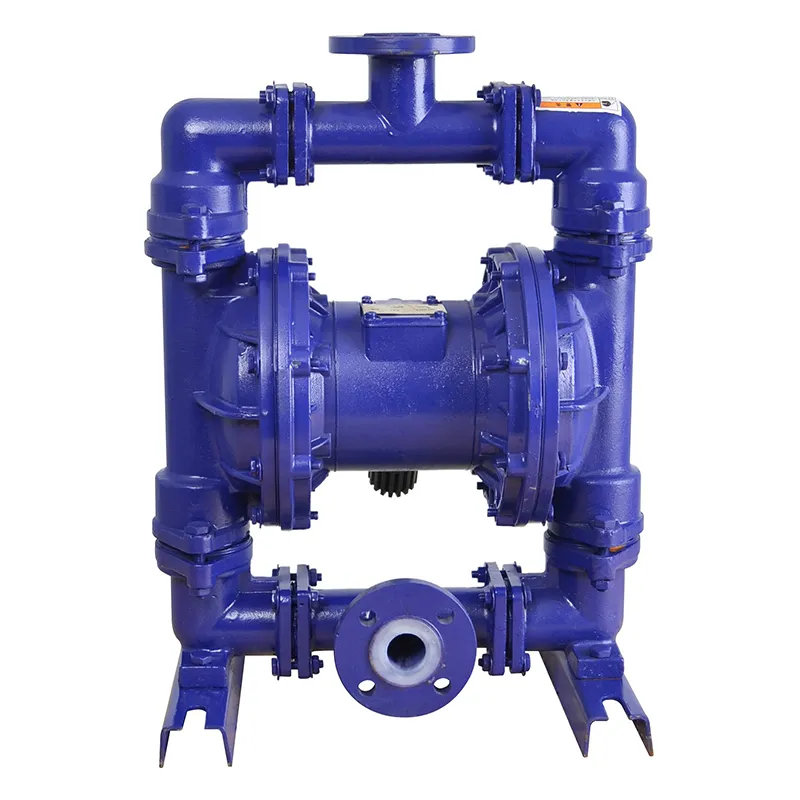
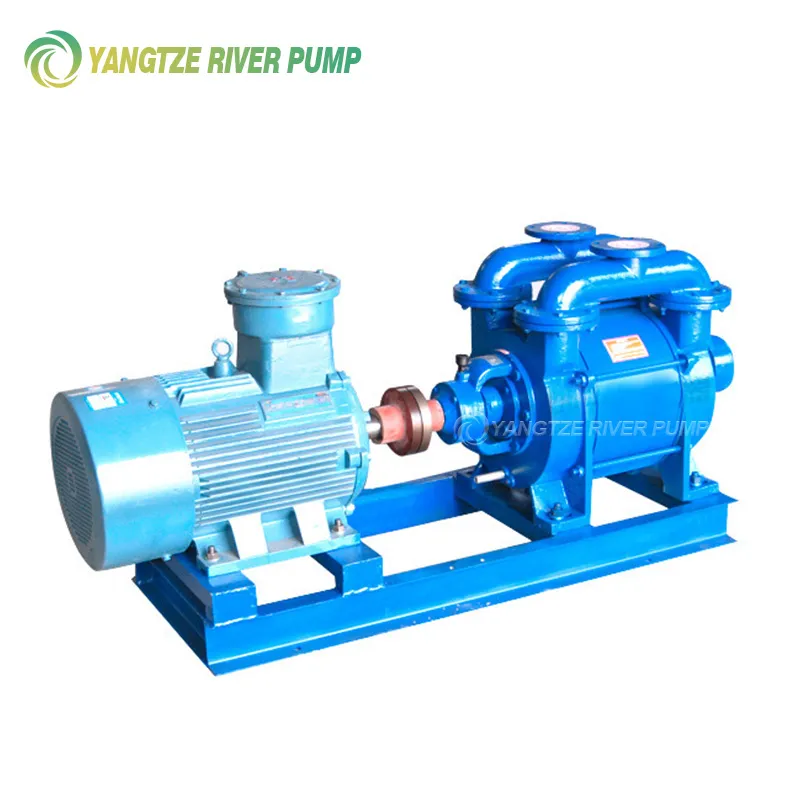

Best Sellingproducts
Best Selling Products-
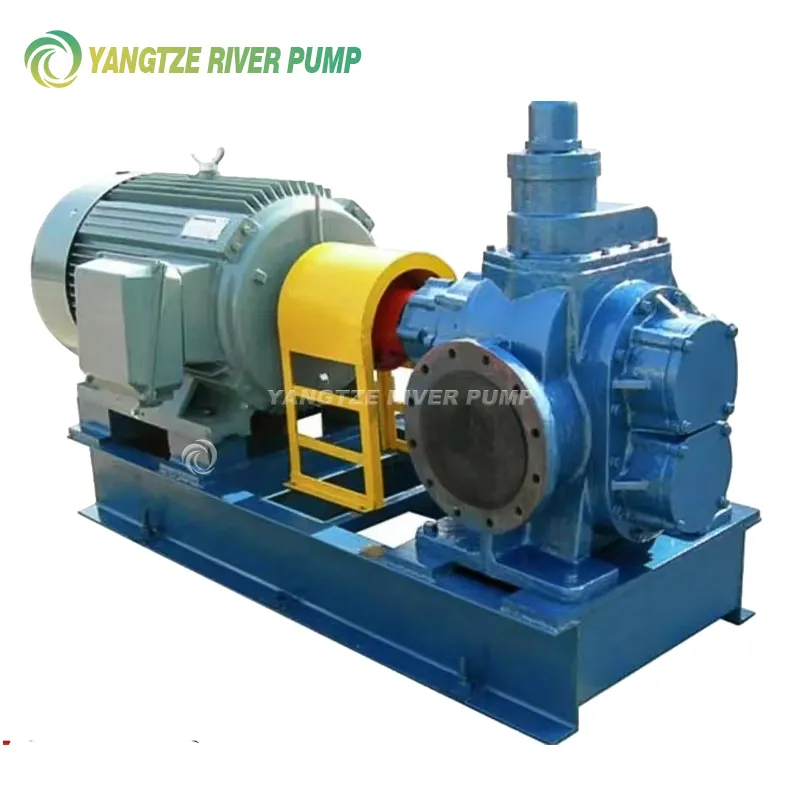 YCB Type Circular Gear Pumps
-
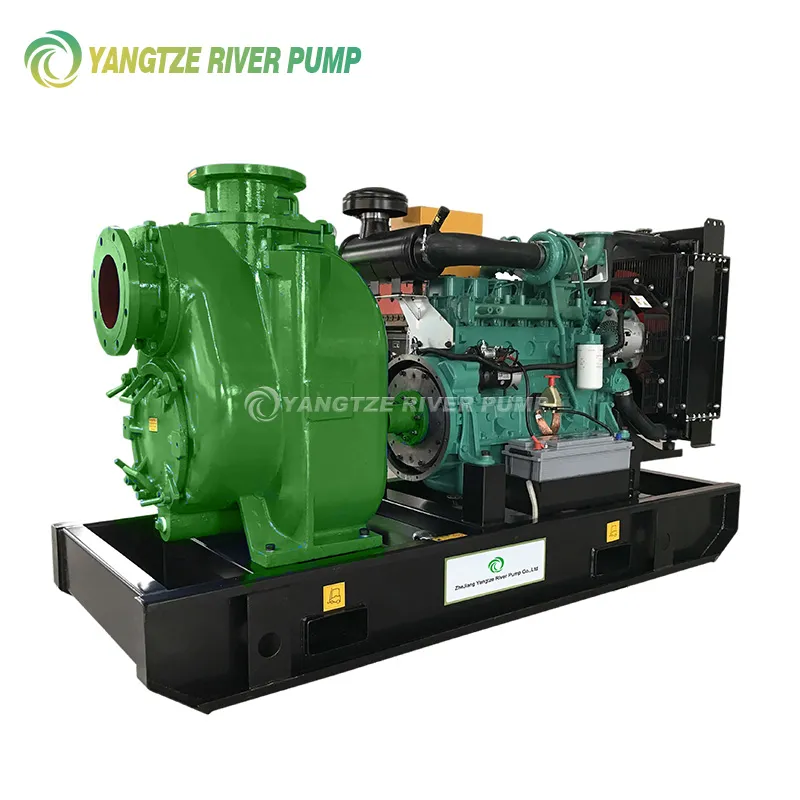 YZSP Diesel Self-Priming Pumps
-
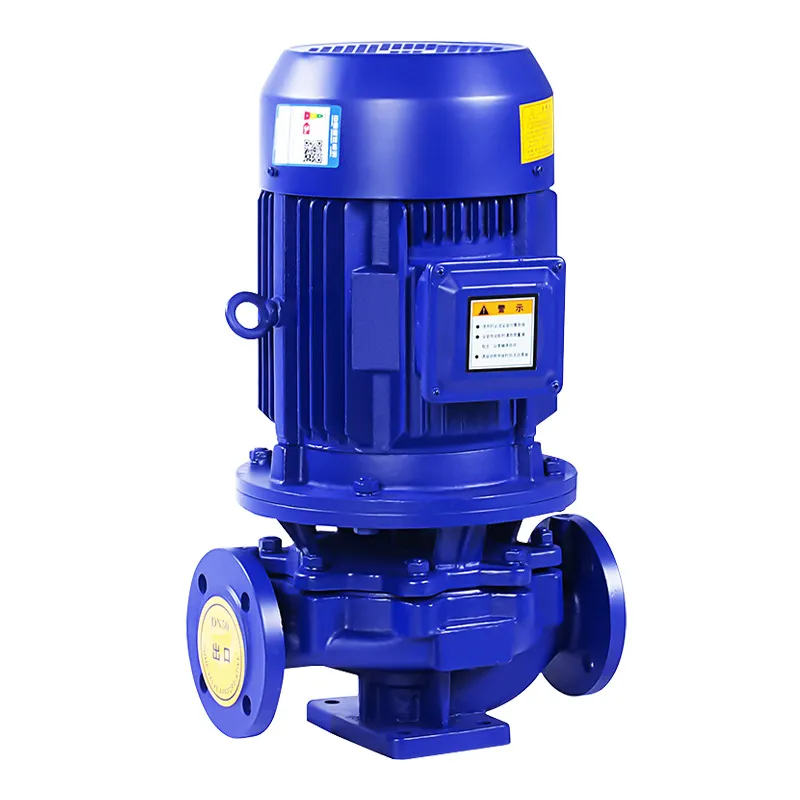 Vertical single-stage pipeline centrifugal pumps ISG and IHG
-
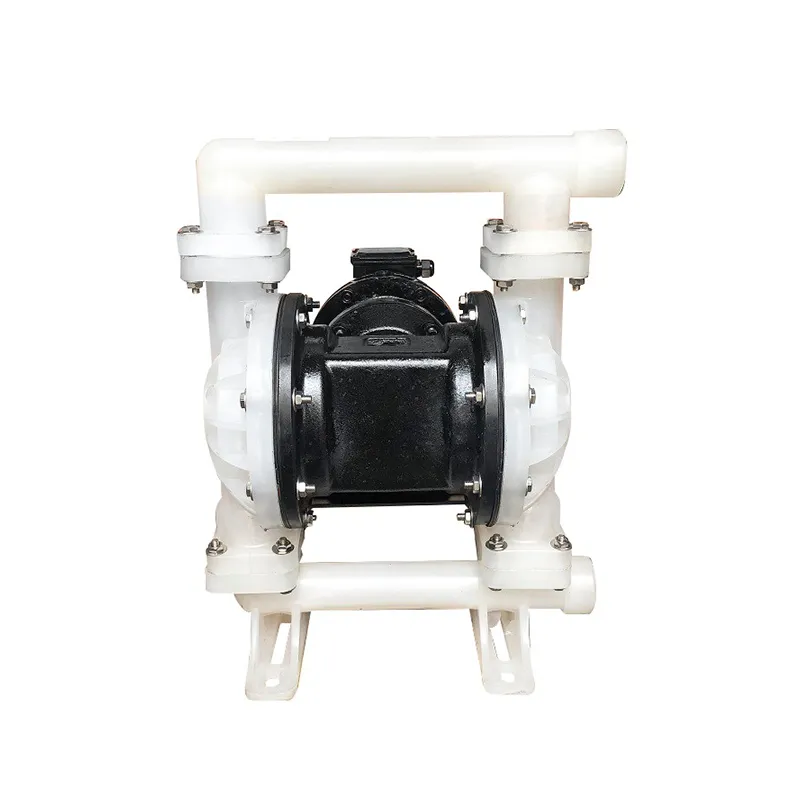 DBY Non-Metallic Electric Diaphragm Pumps
-
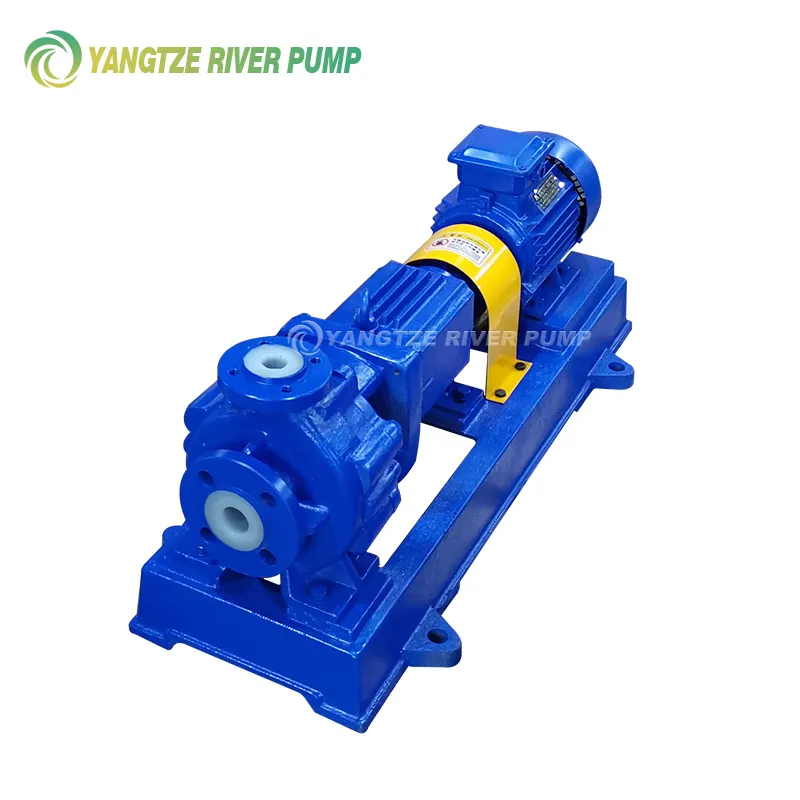 IHF PTFE Chemical Centrifugal Pumps
-
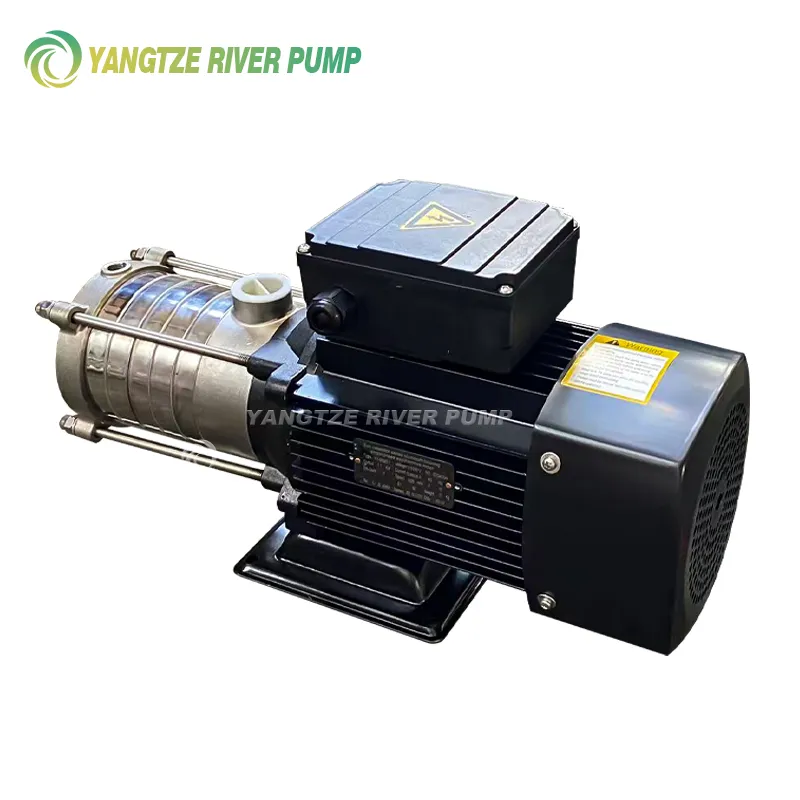 Horizontal multistage centrifugal pumps (light series) CHL and CHLF
-
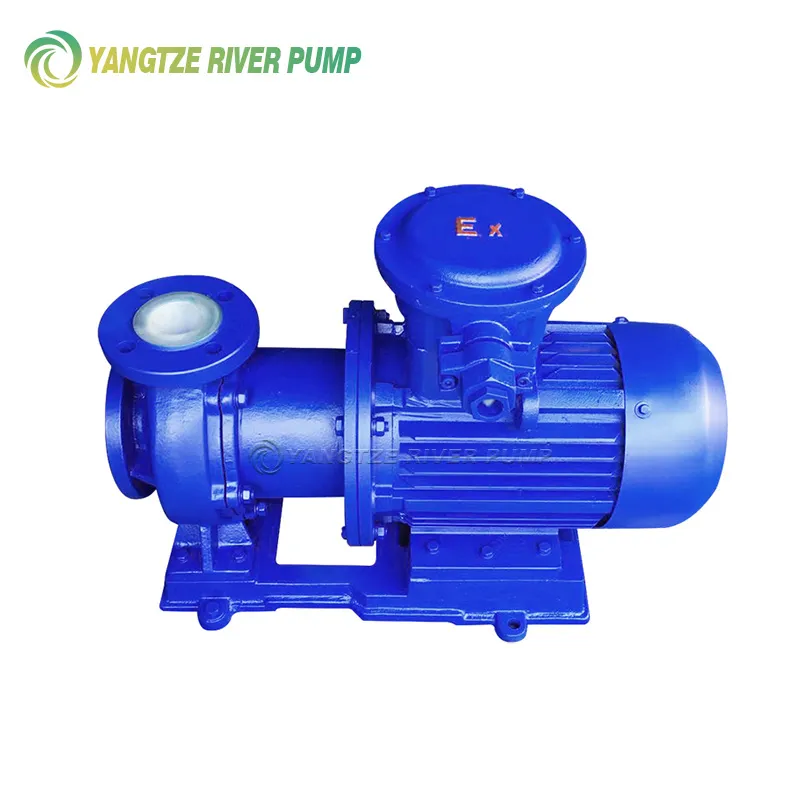 Magnetic pumps with fluoroplastic lining CQB-F
-
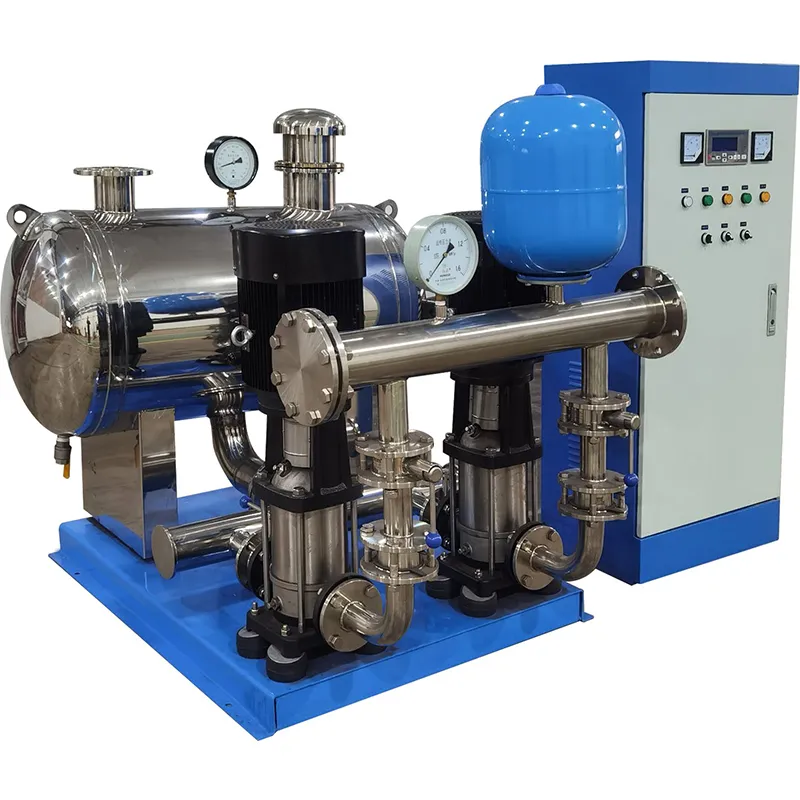 Complete water supply installations with frequency regulation and constant pressure CDLF
-
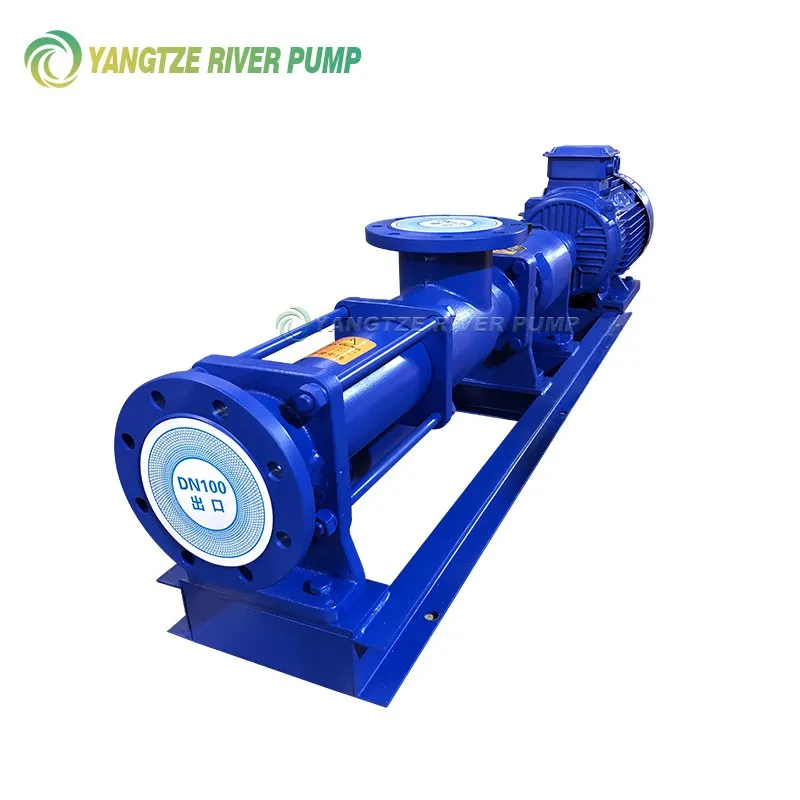 Single screw pumps type G
-
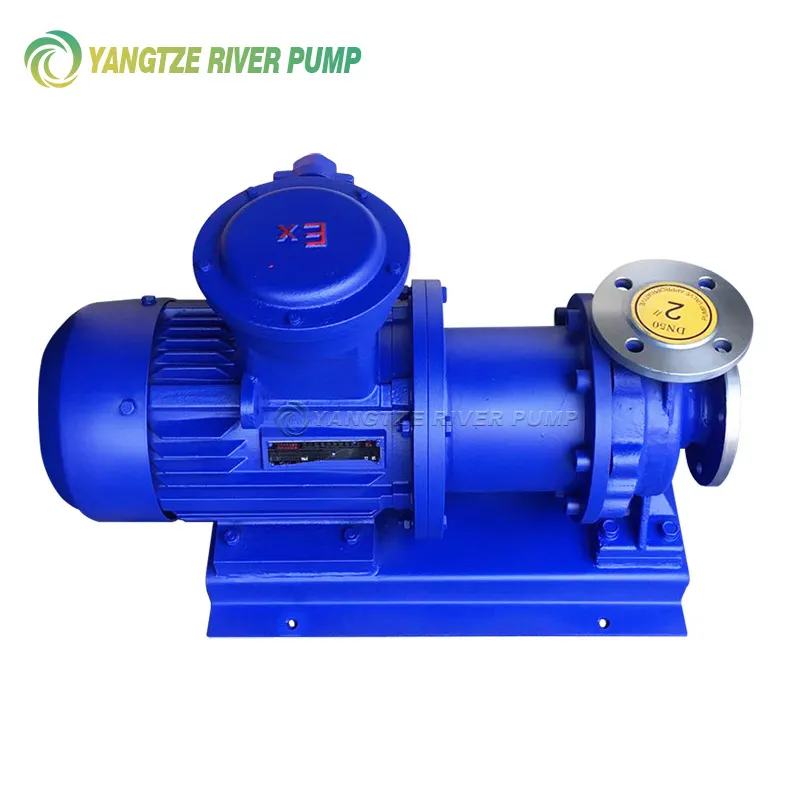 CQB Stainless Steel Magnetic Pumps
-
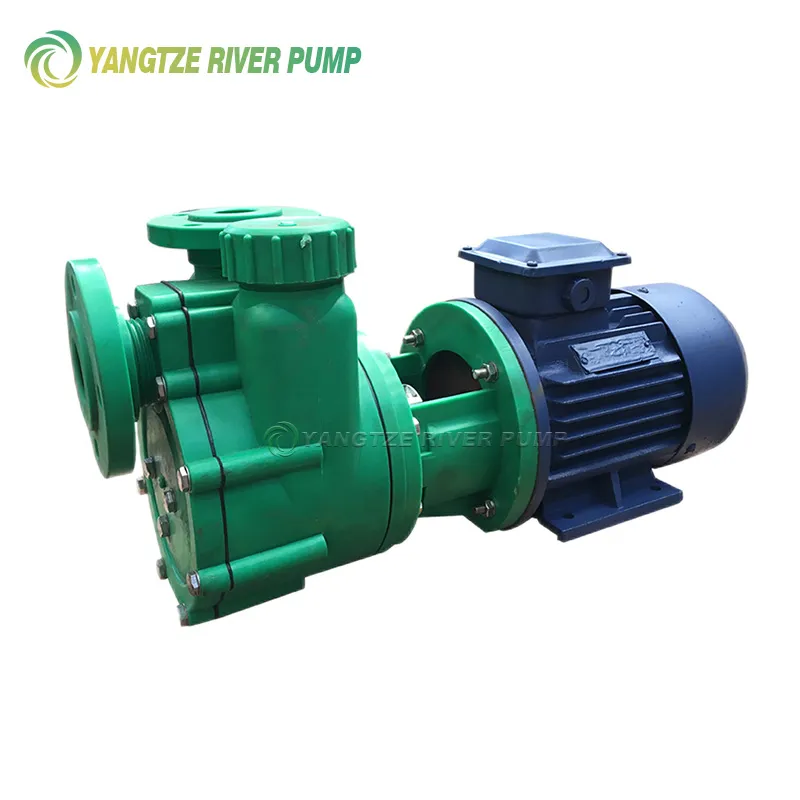 Plastic self-priming centrifugal pumps FP and FS
-
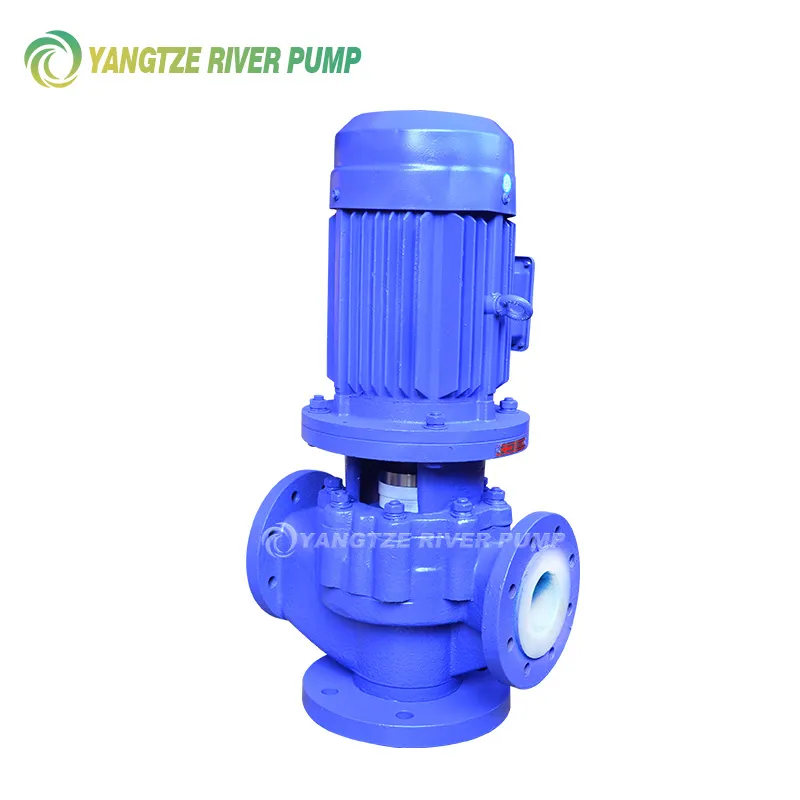 Vertical pumps with PTFE lining YQF