







Automatic pressure booster pumps with frequency control and constant pressure
When you hear “automatic pressure booster pumps with frequency control and constant pressure?”, many people immediately imagine simply “smart”. a pump that does everything itself. But in practice, especially in water supply systems of high-rise buildings or industrial lines, the difference between expectation and reality can be huge. A frequency generator is not a panacea, but a tool, and its effectiveness depends on a hundred details: from the correct selection of a pressure sensor to the subtleties of tuning the PID controller. At Zhejiang Yangzijiang Pumping Industry LLC, we have put dozens of configurations through the test bench, and I still remember the first projects where we overestimated the capabilities of standard algorithms, resulting not in stable pressure, but in weak but annoying pulsations.
The essence of technology and common misconceptions
The main myth is thatfrequency regulationautomatically guarantees a perfectly flat pressure curve. In fact, if we talk aboutautomatic pressure booster pumps, the key word is ?system?. The pump itself, whether single-stage centrifugal or multi-stage, is only an executive element. The frequency converter, of course, allows you to smoothly change the speed, adjusting the performance to the current flow rate, but maintaining accuracyconstant pressuredepends on network dynamics. For example, if several taps are suddenly opened simultaneously in a system without a correctly calculated hydraulic accumulator or with a delayed sensor response, even the most advanced converter will not save you from failure.
The second point that is often overlooked when choosing is the characteristics of the pump itself. In our range, from linear centrifugal to multi-stage models, we always focus on the fact that the operating point should fall within the zone of maximum efficiency of the pump. The frequency generator allows you to “shift” this zone, but if the pump is initially selected with a head reserve of 50%, then even reducing the frequency will not save you from excessive energy consumption and possible cavitation at low speeds. This is not a theory - I have seen such cases at sites where installers installed “what was available?”.
And more about “automation?”. This often means simply the presence of a control unit. But real automation is the logic of operation. For example, the soft start function, which is included in our complete units, not only protects the electric motor, but also prevents water hammer, which can loosen connections in the old system. Or the pump alternation mode when using dual systems is also part of the automation, which is thought about after the fact, when one pump runs out of service faster than the other.
Implementation experience and pitfalls
One of the most significant projects was related to the modernization of the water supply system in a residential complex. The customer wanted to achieve perfectly stable pressure on the upper floors, regardless of flow. We proposed a solution based on ourmultistage centrifugal pumpswith frequency regulation. It would seem that everything is simple: install a pump, a pressure sensor at the top point, and configure the controller. But at launch it turned out that the system had an unaccounted for consumer - a fire hydrant with periodic checks, which creates a short-term huge flow rate. Standard logic did not have time to react.
I had to go into the settings of the PID controller and increase the coefficient of the differential component so that the system would respond faster to a sharp drop in pressure. Plus, they added a small membrane tank to the circuit, which smoothed out peak loads. This is a case where the pump’s nameplate characteristics were impeccable, but the actual behavior of the network made adjustments. After this story, at the test bench at Zhejiang Yangzijiang Pumping Industry LLC, we began to simulate such abrupt loads for a more comprehensive test of ready-made solutions.
Another stumbling block is the quality of the power supply. Frequency converters are sensitive to voltage surges and harmonics. In one of the industrial workshops where our pumps for supplying solution were located, the constant activation of the overload protection turned out to be associated not with the pump, but with a “dirty” one. powered by neighboring welding equipment. Installing a line choke solved the problem. Now in the specifications we always stipulate this point, especially for objects with an old electrical network.
Pump selection: why not only pressure and flow
When a client comes with a request forpressure booster pump, the first thing I ask is what kind of environment? Water is a general concept. Is it cold water from a well with sand, hot water from a thermal power plant, or perhaps a chemical solution? For aggressive environments we have a line of plastic chemical pumps, but they generally do not have built-in frequency control. For them we offer remote control cabinets. And for ordinary water - yes, you can use both linear centrifugal and self-priming models if there is a need for lifting from depth.
The material of the flow part is a different story. To maintainconstant pressureIn a hot water system with its high temperature and possible deposits, stainless steel is often preferable to cast iron. But the cost is different. Here it is important not to overdo it, but also not to save on something that will backfire in a year. Sometimes you see installations where a regular pump with a cast iron body is installed for hot water - after a couple of seasons it becomes overgrown from the inside, the performance drops, and no frequency generator can help maintain the set parameters. You have to clean it or change it.
Noise is a parameter that comes to the fore after installation.Variable speed pumpsThe good thing is that they are quieter at low speeds. But here it is important to look at the design. Multistage pumps, for example, are naturally quieter than single-stage pumps due to a different flow distribution. If the installation is installed in a residential area or near a workplace, this factor may be decisive. We always recommend that you familiarize yourself with the acoustic characteristics, which are checked on our test bench, before making your choice.
Integration and maintenance: what remains behind the scenes
A beautiful working system is the result of not only high-quality equipment, but also competent installation. I have seen situations where an ideal pump was placed on an unstable foundation, connected with flexible hoses with pinching, or a pressure sensor was mounted in an area of flow turbulence. The readings from such a sensor are a complete random variable, and the regulator, trying to react to them, only rocks the system. Therefore, in the documentation we always give clear recommendations for piping and installing sensors. Sometimes it’s easier and cheaper to spend an extra hour on proper installation than to spend months wondering why the system “twitches?”
Service. It would seem that automation should reduce it to a minimum. But this is not entirely true. Periodic checking of the air pressure in the membrane tank (if there is one), visual inspection for leaks, and cleaning of the dirt filter in front of the pump are required. The frequency converter also needs to be cleaned of dust, otherwise it will overheat. In our instructions we try to describe these simple but important operations. The most reliable pump can fail due to a sand-clogged filter that has not been cleaned for three years.
And one more practical advice that was born from the experience of repairs. You should always pay attention to the availability of service support and the availability of spare parts. At Zhejiang Yangzijiang Pump Industry Co., Ltd., we arrange production lines so that key components - impellers, seals, bearing units - are available for supply. Because stopping the production line due to the failure of a pump that has been waiting for weeks for spare parts from abroad is a direct loss for the client. The reliability of the system also depends on this.
Looking ahead: not just pressure
Today, queries are becoming more complex. It is no longer enough for the client to simply supportconstant pressure. We need integration into the overall building control system (smart home, SCADA), we need remote monitoring and control, and energy consumption analysis. Modern control units that we are starting to offer for our installations already have such capabilities - Ethernet, Modbus. This is the next step after simple automation.
But the foundation still remains a correctly selected and well-manufactured pumping unit. All these ?smart? functions are just an add-on. If the pump is incorrectly selected or made with tolerances, no supercontroller will make the system efficient. Therefore, our production at Zhejiang Yangzijiang Pump Industry LLC is focused on a full cycle: from R&D and casting of casings to final load tests. This is the only way to be sure that the pump will perform the stated characteristics in real, not ideal, conditions.
In the end, returning to the original term.Automatic pressure booster pumps with frequency control and constant pressureis not just a product from a catalogue. This is an engineering solution that requires an understanding of hydraulics, the features of the object and, importantly, a willingness to adapt standard approaches to non-standard conditions. There have been mistakes along the way and, probably, there will still be - without them there is no growth. But it is they who allow us to accumulate that very practical experience, which ultimately turns into reliable operation of the system at the client’s site. And this is perhaps the main result.
Correspondingproducts
Related Products


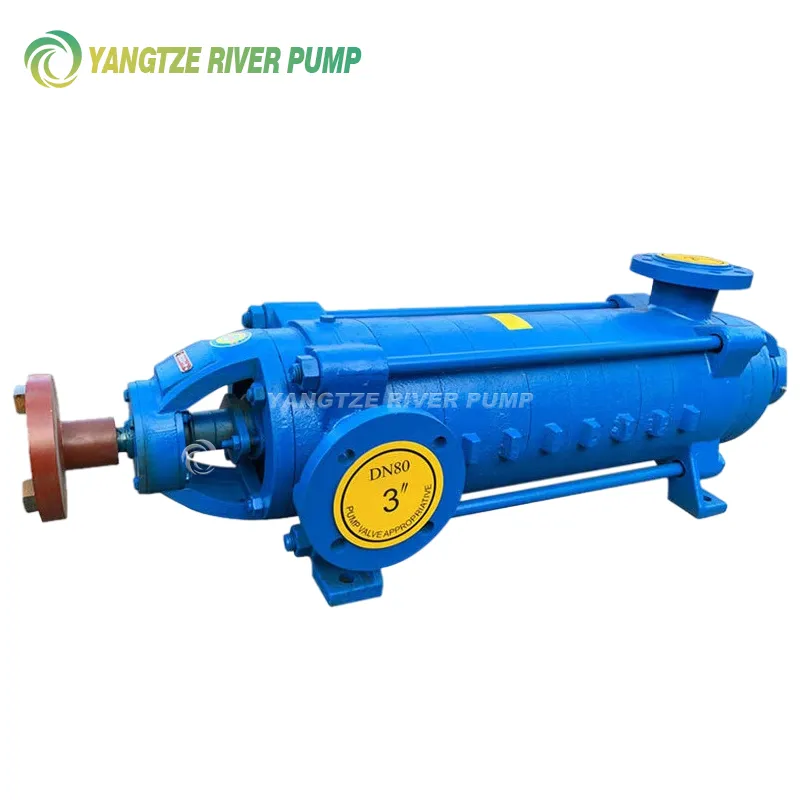

Best Sellingproducts
Best Selling Products-
 Vertical pumps with PTFE lining YQF
-
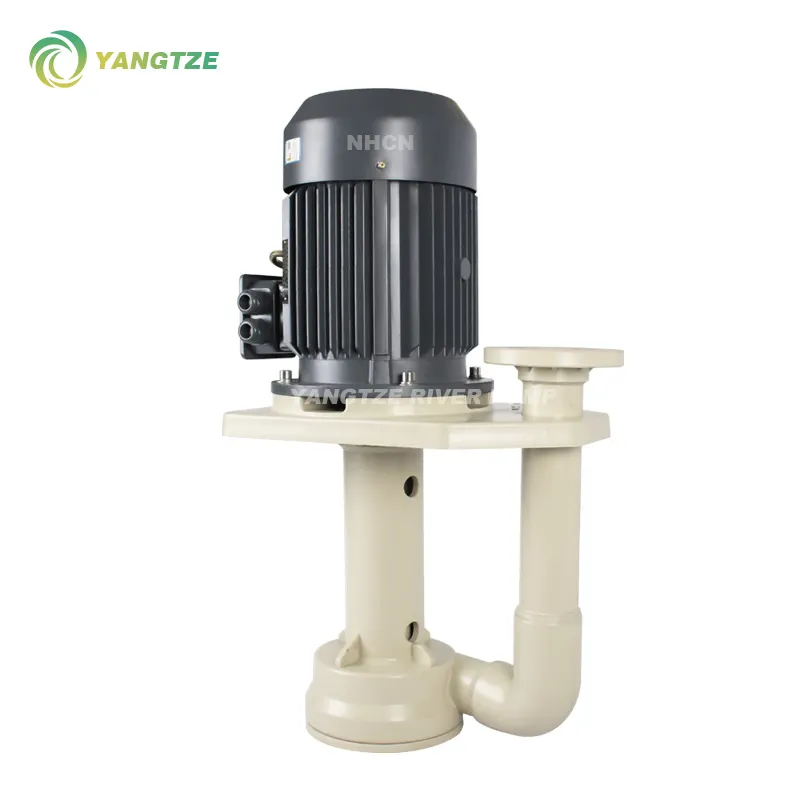 Vertical pumps for installation inside/outside tanks YZCN and YZCW
-
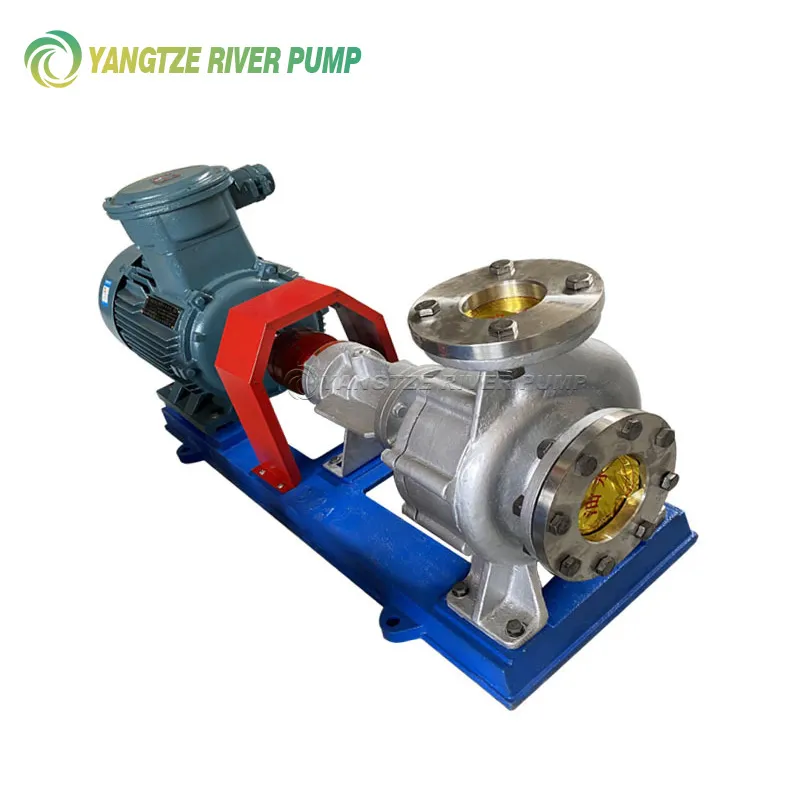 RY thermal oil pumps
-
 IHF PTFE Chemical Centrifugal Pumps
-
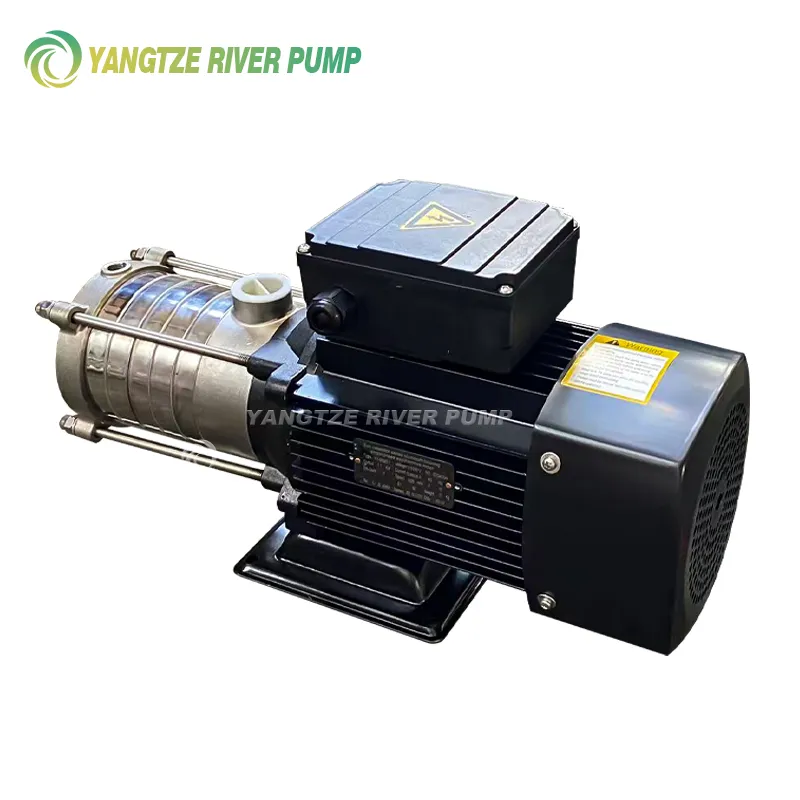 Horizontal multistage centrifugal pumps (light series) CHL and CHLF
-
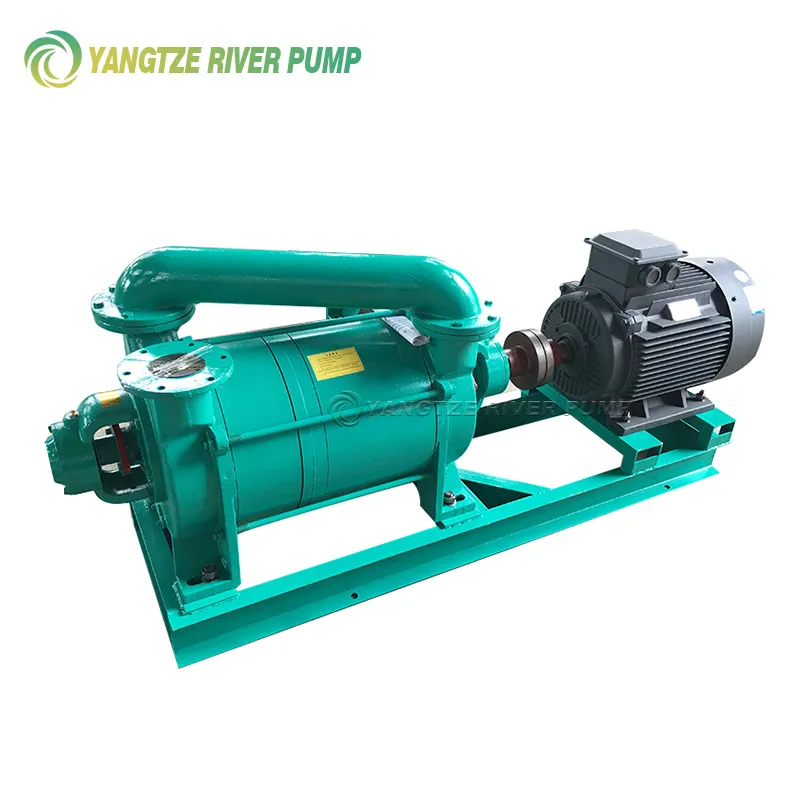 Liquid ring vacuum pumps type 2SK
-
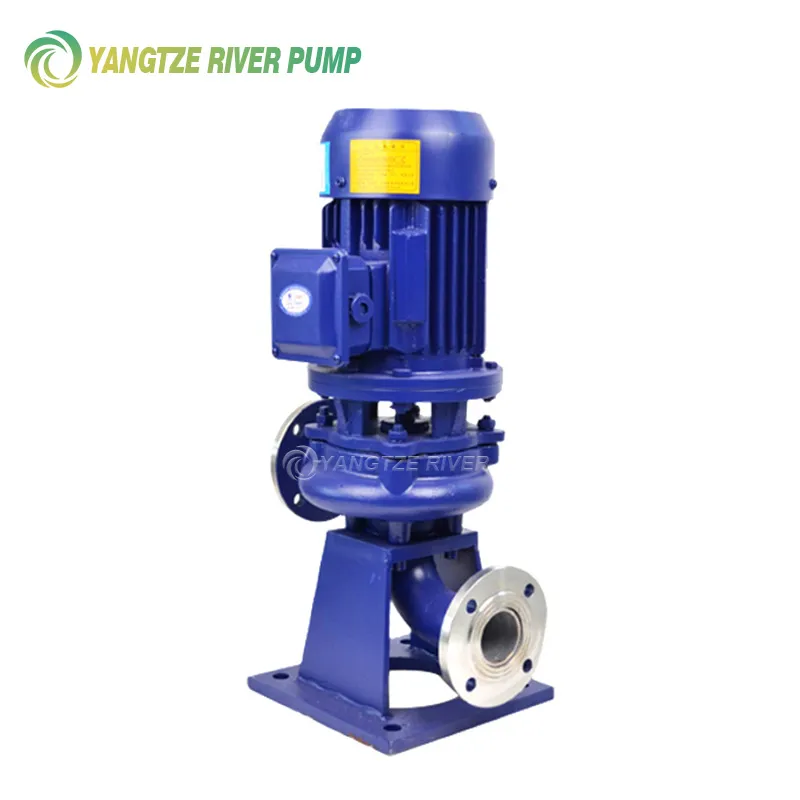 Non-clogging vertical wastewater pumps LW
-
 Metal electric diaphragm pumps DBY
-
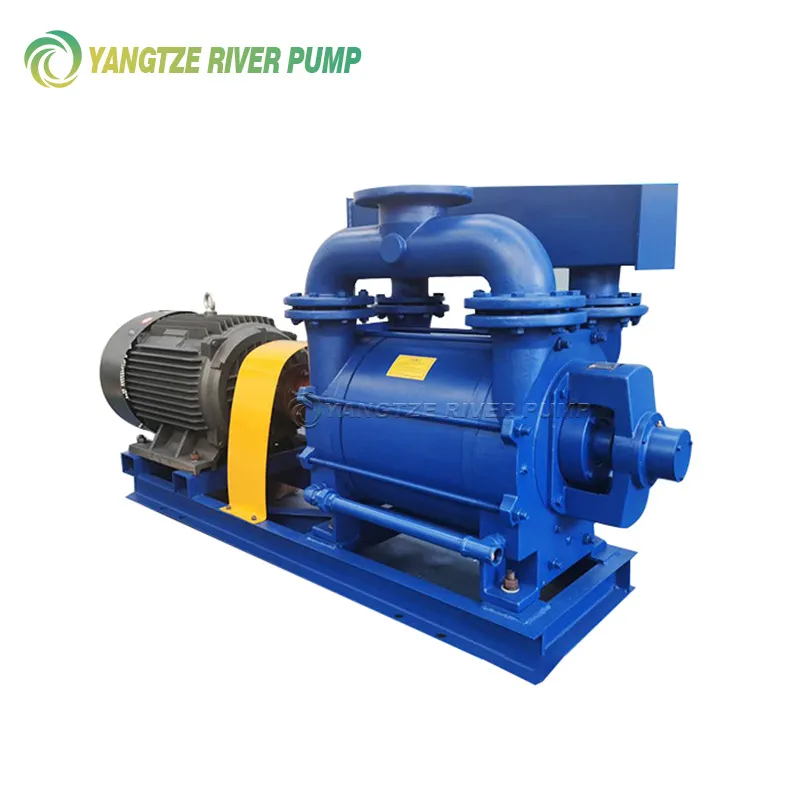 Liquid ring vacuum pumps type 2EB
-
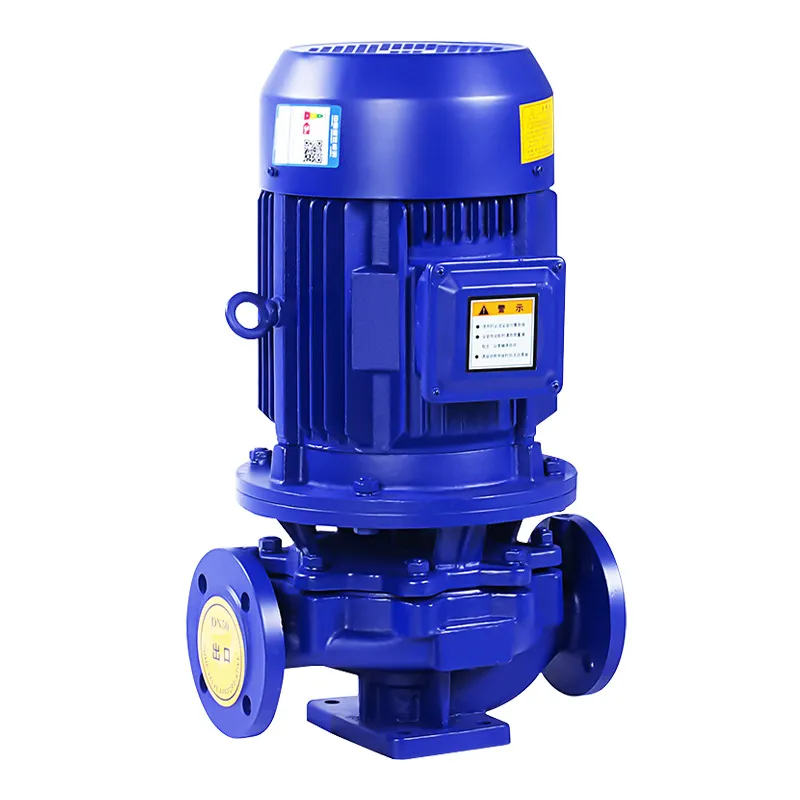 Vertical single-stage pipeline centrifugal pumps ISG and IHG
-
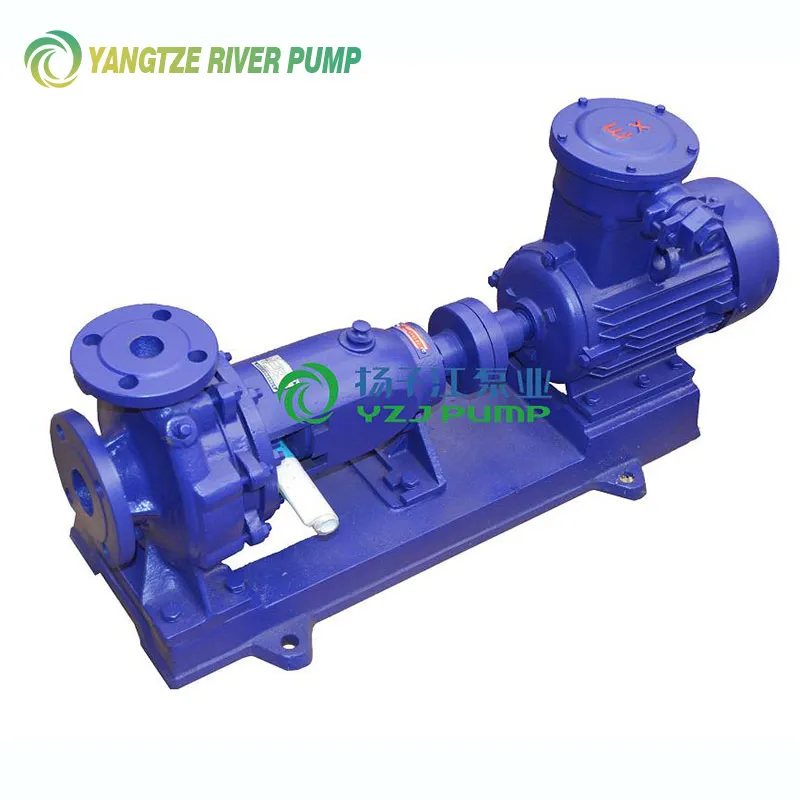 Horizontal chemical centrifugal pumps types IS and IR
-
 QJ type borehole pumps