







centrifugal water pump
When you hear “centrifugal water pump?”, many people imagine just an iron can with a motor that drives water. In fact, this is a whole philosophy. Working with them, you understand that the key is not just to create pressure, but to do it effectively, reliably and for a specific task. A common mistake is to chase maximum pressure, forgetting about efficiency and cavitation reserve. I got burned by this myself.
From drawing to well: where theory meets reality
Take manufacturing, for example. At our enterprise,Zhejiang Yangzijiang Pumping Industry Co.,Ltd, the assembly line for centrifugal pumps is not a conveyor in its pure form. Yes, we have eight complete lines, from R&D to service. But assembling the impeller is still largely a manual job that requires an eye. Precision balancing is what makes the difference. I remember the partysingle stage centrifugal pumpswent with a slight imbalance. It seems to be within tolerance, but there is vibration at high speeds. The client complained about noise. I had to take it apart and rebalance - a lesson for the future.
The test bench is a different story. We run pumps not only on water, but also on viscous liquids and suspensions. Passport characteristics are one thing. But how the same one will behavemultistage centrifugal pumpin a system with a long pipeline where there are water hammers, this takes a long time to check. Sometimes we add dampers and change the seal material. On the websiteyangtzeriverpump.ruWe write about standard tests, but behind the scenes there are a dozen non-standard checks for special orders.
The material of the housing and impeller is a constant choice. 304 stainless steel is good, but some aggressive environments require 316L or even alloys with a higher molybdenum content. For chemical media, we, of course, have a line of plastic chemical pumps, but sometimes the client wants a centrifugal one, but for acid. Here we already select special coatings or cast structures. The price changes immediately.
Self-priming and other ?narrow? places
Separate topic -self-priming pumps. Many people think that this is magic: fill it once and it will always take up the water itself. In practice, if the seals dry out or there is a microcrack in the pipe, the pump loses this ability. We always emphasize pre-priming and checking the entire suction line for leaks. Real case: pump for irrigation in a private household. Installed, seems to work. A month later the call - “does not absorb?”. It turned out that a stone got into the plastic pipe at the suction, deformed it, and a gap appeared. The pump was fine.
Another point is the temperature of the liquid. A centrifugal pump for hot water (for example, in recirculation systems) is a different design. Seals, clearances, housing material. A standard pump may simply jam or leak when constantly running at 90°C. We have in our assortment models for such tasks, but they cannot simply be taken from the general line - this is a special development.
And of course,submersible pumps. They are often confused with borehole vibration. Our centrifugal submersible is a multi-stage design that produces high pressure in a small diameter. The difficulty lies in fine-tuning each stage and protecting the engine. Overheating is the main enemy. Therefore, built-in temperature sensors and protection against “dry running” - must have. Without this, the pump can fail in a matter of minutes.
When a magnetic drive beats the classics
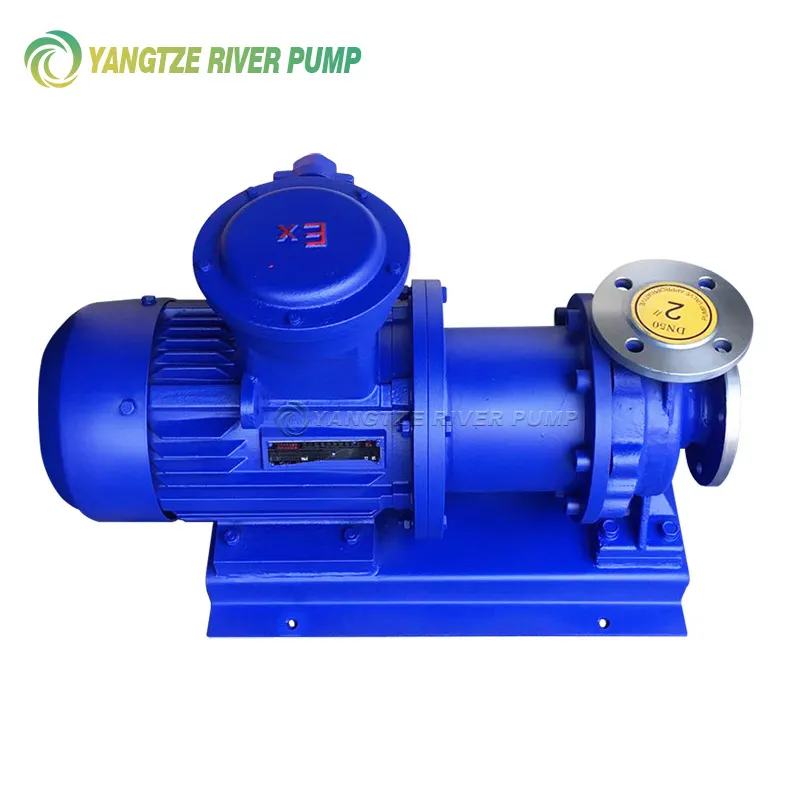
Talking aboutcentrifugal pumps, we cannot ignore ourmagnetic pumps. This is, in fact, the same centrifugal principle, but the transmission of torque is through a magnetic clutch. Completely sealed. Ideal for toxic, expensive or easily volatile liquids. But there are some nuances here too.
Magnets can lose strength over time, especially at high temperatures. Not every client knows about this. We carry out aging tests on magnets in different environments. There was a situation with pumping an organic solvent at +120°C. The standard magnetic pump began to lose efficiency after six months. I had to develop a custom version with high-temperature samarium-cobalt magnets. Expensive, but the problem was solved.
Another advantage of the magnetic drive is the absence of a mechanical seal, which is the most common point of failure in conventional chemical pumps. But this is a double-edged sword. If there are abrasive particles in the pumped liquid, they can get into the gap between the inner and outer magnets, causing jamming or wear. Therefore, for suspensions we often recommenddiaphragm pumpsorsingle screw pumps, although they work on a different principle. The choice always depends on specific conditions.
Linear centrifugal pumps: a space-saving compromise
Linear centrifugal pumps- an interesting solution. The engine and pump part are on the same axis, compact. Often used in cooling and circulation systems. Their main advantage is space saving and ease of installation. But there is also a disadvantage, which is rarely written about in catalogs.
Due to the linear design, the load on the motor bearings is higher. If the pump is not operating at its optimum point of performance (too far to the right or left on the graph), radial loading occurs, which quickly kills the bearings. We always try to select such a pump with a margin, but so that the operating point is closer to the center of the graph. It can be difficult to explain this to a client who wants the cheapest option for specific flow and pressure figures.
Their maintainability is also lower than that of classic cantilever pumps. Most often this is a monoblock design. In case of serious damage, it is easier to replace the whole thing than to repair it. This must be included in the cost of ownership.
Results without gloss: what is important to remember
So what's all this for? Because the choicecentrifugal water pumpis not a search using the maximum parameters in the catalog. This is an analysis of real conditions: what are we pumping, what is the temperature, is there an abrasive, what is the length and configuration of the pipes, are water hammers possible, how often will there be inclusions.
Our production inZhejiang Yangzijiang Pumping Industry Co.,Ltddesigned to allow for variation. From a standard single-stage irrigation pump to a complex multi-stage unit for a production line. But even with a wide range of models, we spend half of our time on consultations to understand what the client really needs. Sometimes it turns out that he needs not a centrifugal pump, but a diaphragm pump. And that's okay.
The main thing is to avoid template solutions. Even in a seemingly simple thing, like pumping water from a well to a house, there are a dozen factors. Depth, well flow rate, presence of sand, autonomous system or with a hydraulic accumulator. Each factor can sway the choice in favor of a particular modification. Therefore, in our catalogs onyangtzeriverpump.ruWe try to provide not just tables, but recommendations and examples of application. Live experience, and not dry numbers, is what ultimately saves you from unsuccessful installations and unnecessary expenses.
Correspondingproducts
Related Products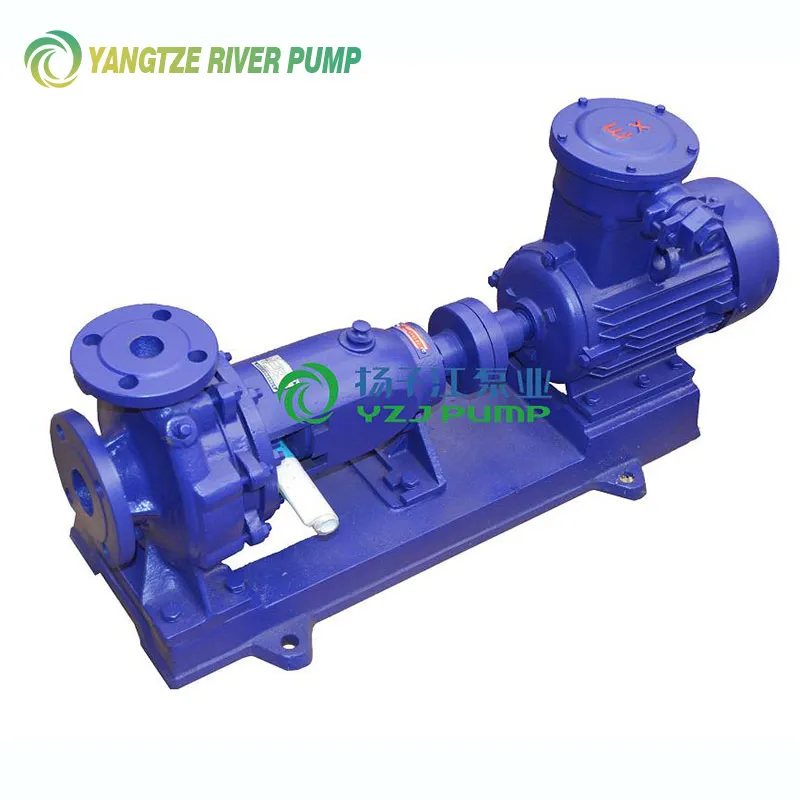
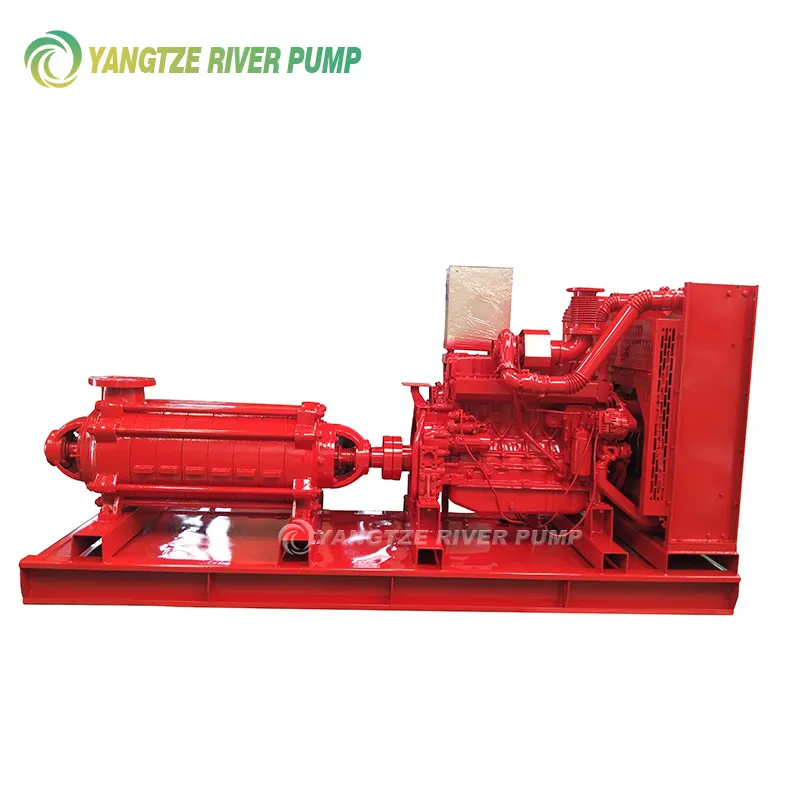
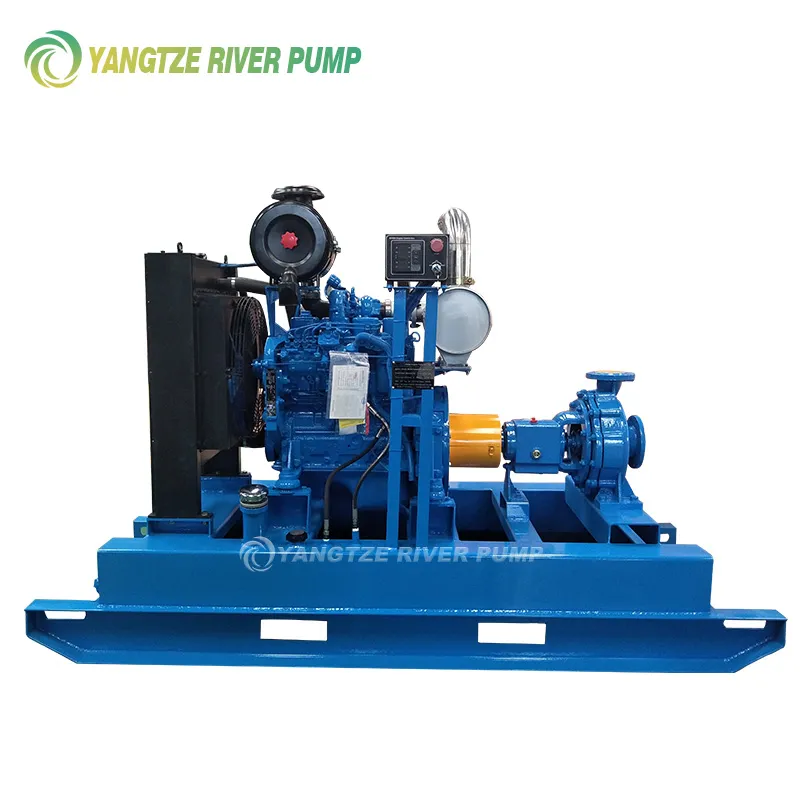

Best Sellingproducts
Best Selling Products-
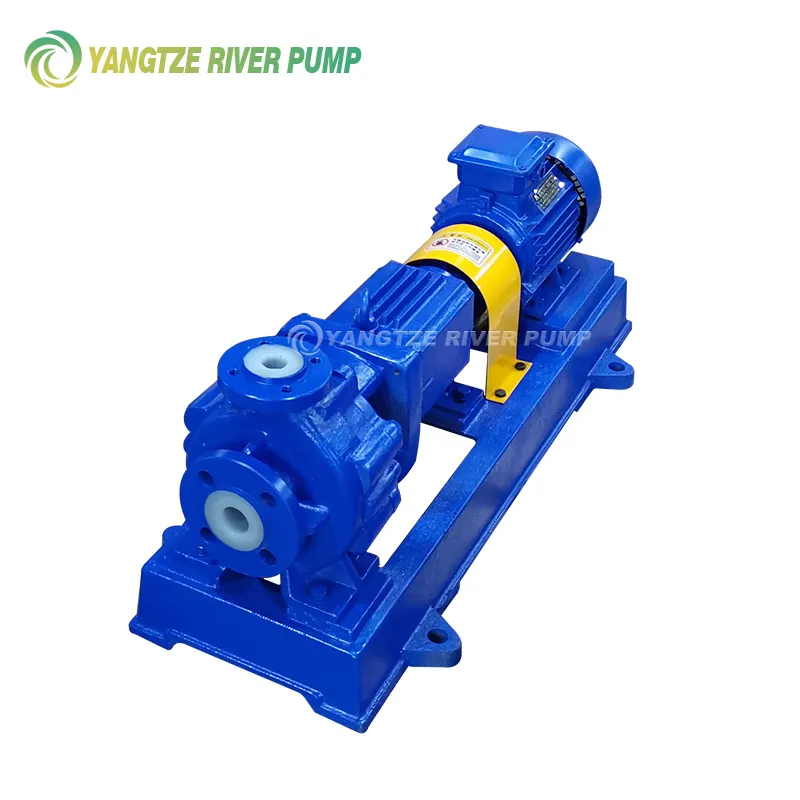 IHF PTFE Chemical Centrifugal Pumps
-
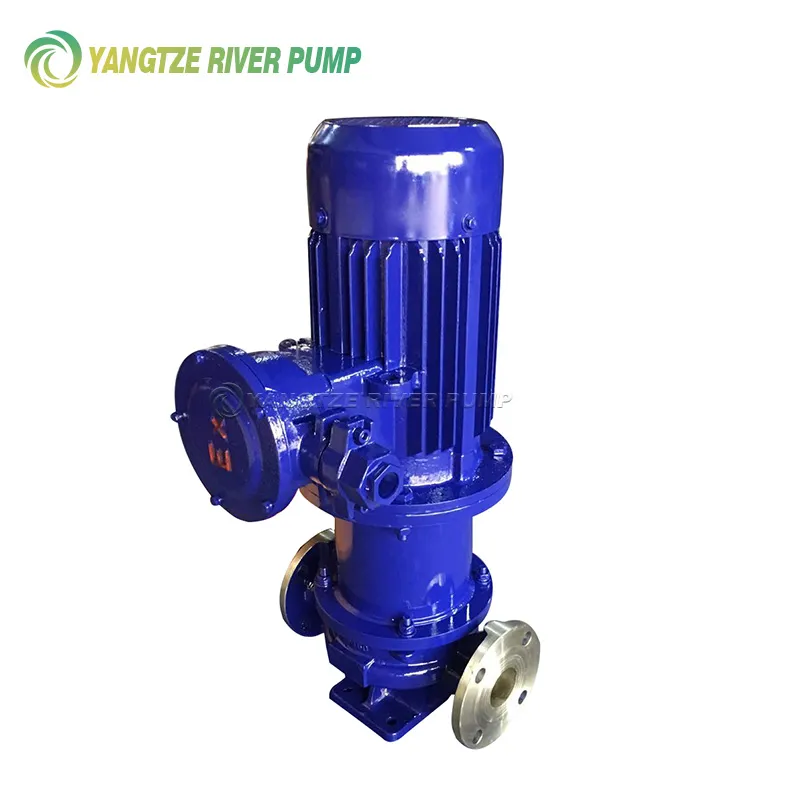 Vertical magnetic pumps CQB-L
-
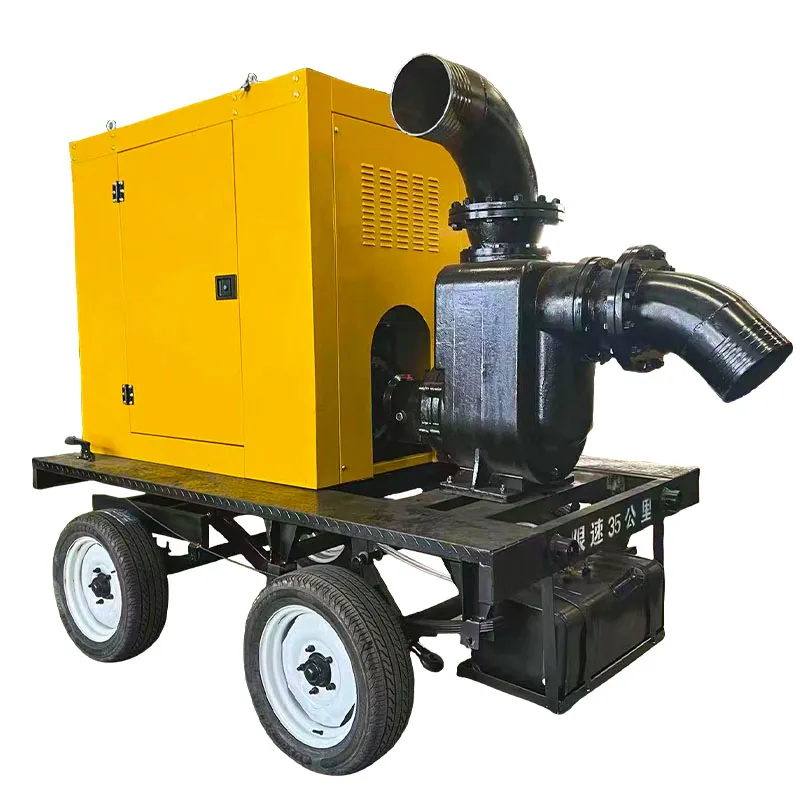 YZZW Diesel self-priming pumps
-
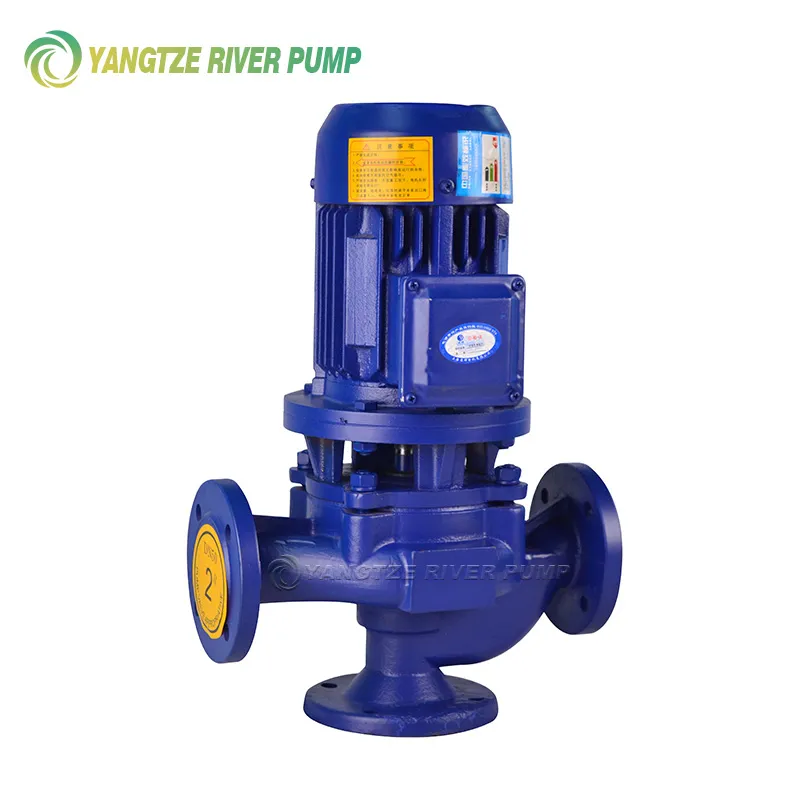 Pipeline wastewater pumps GW
-
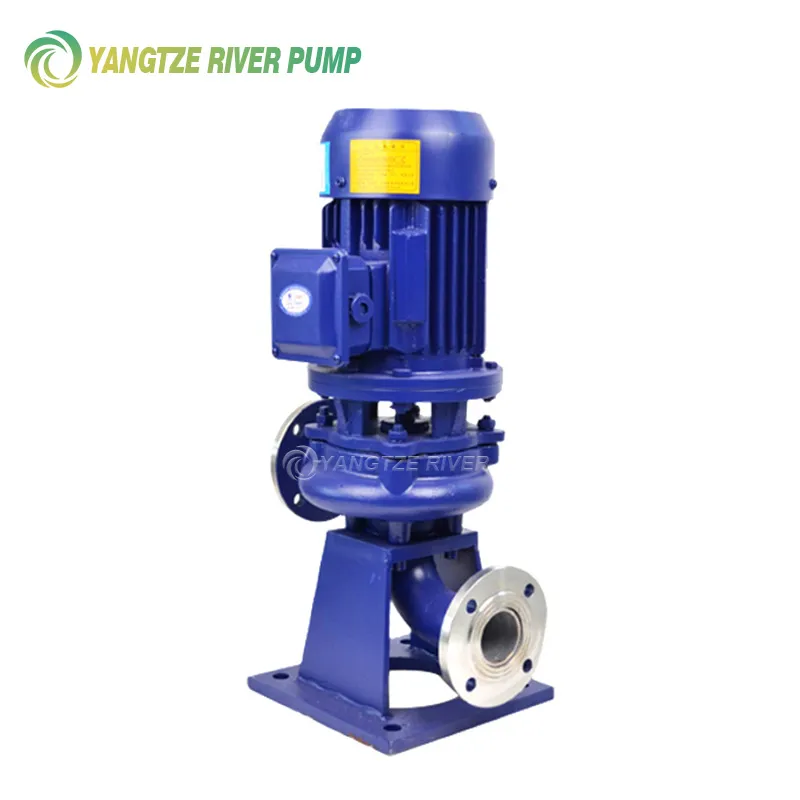 Non-clogging vertical wastewater pumps LW
-
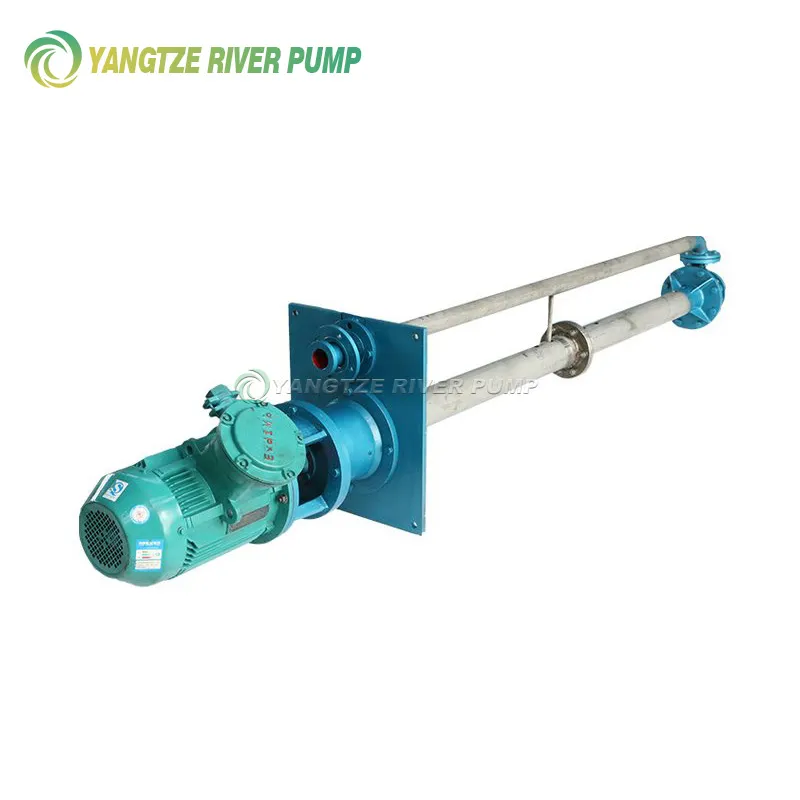 FY Submersible Chemical Pumps
-
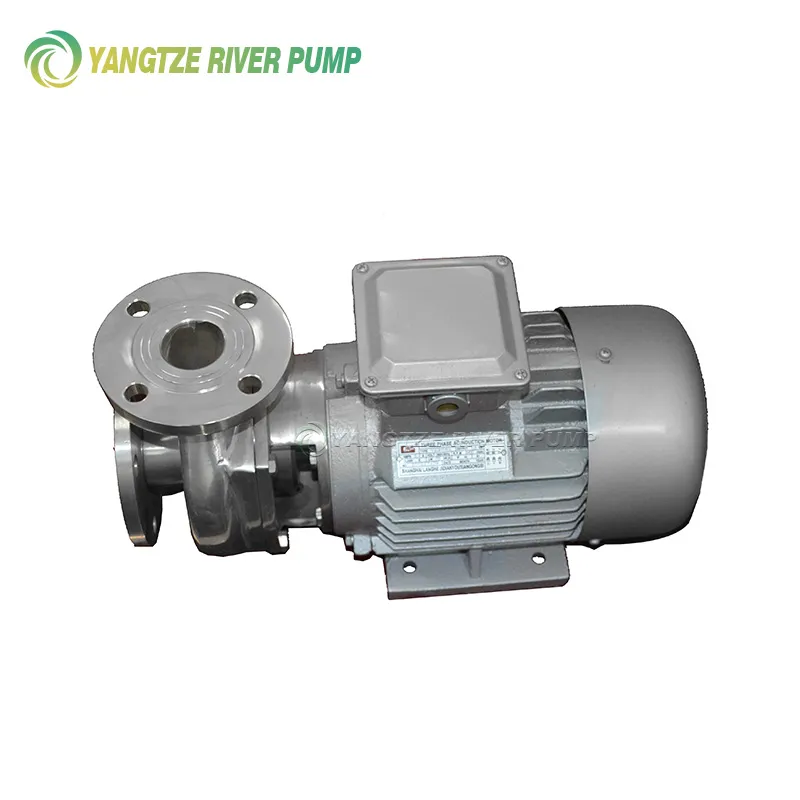 Corrosion-resistant stainless steel centrifugal pumps SFB and SFBX
-
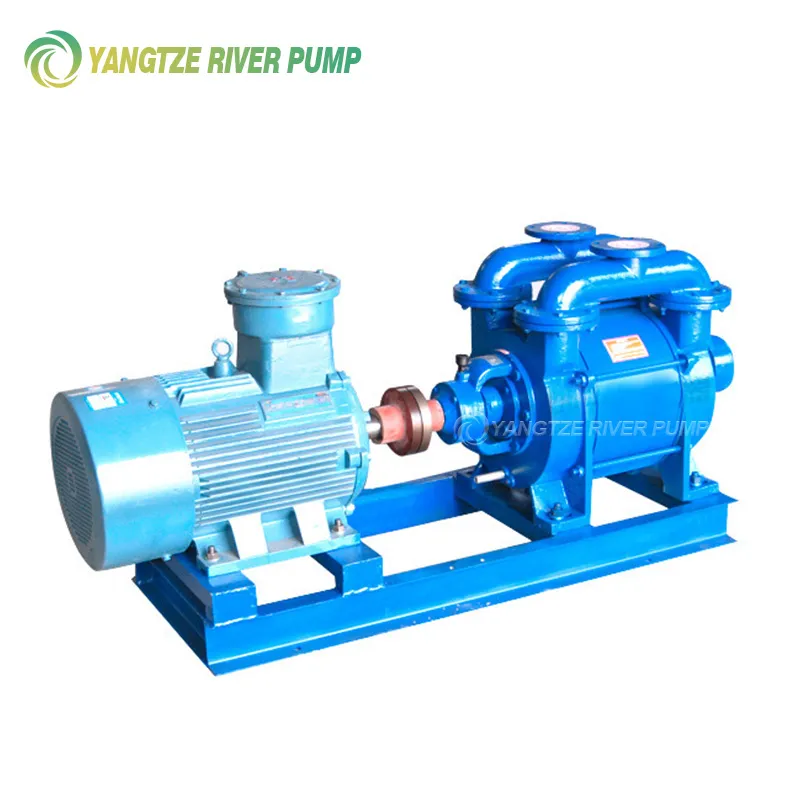 Liquid ring vacuum pumps type SK
-
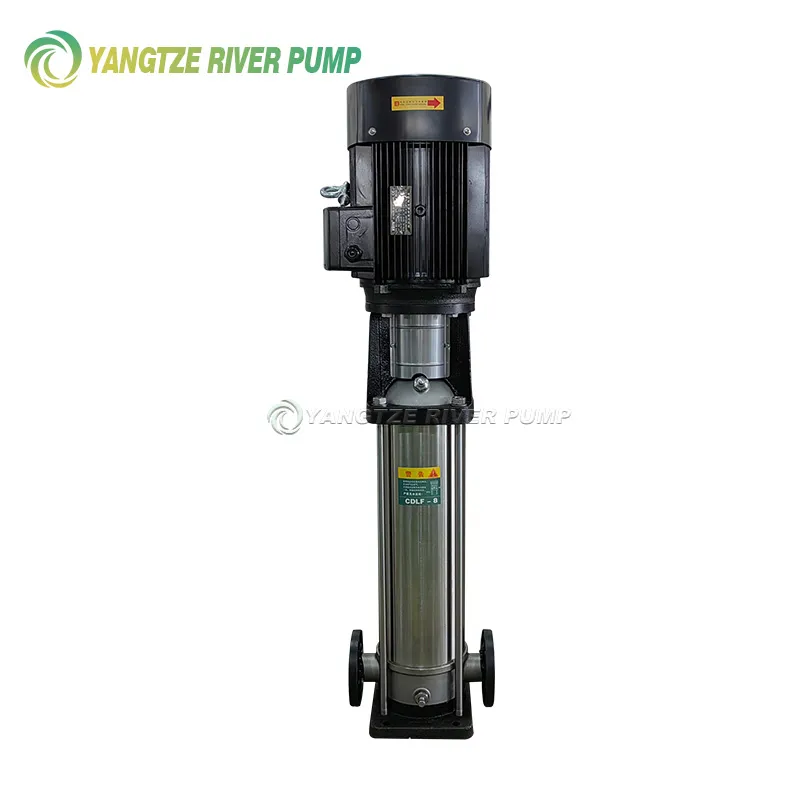 Vertical multistage centrifugal pumps made of stainless steel (light series) CDL and CDLF
-
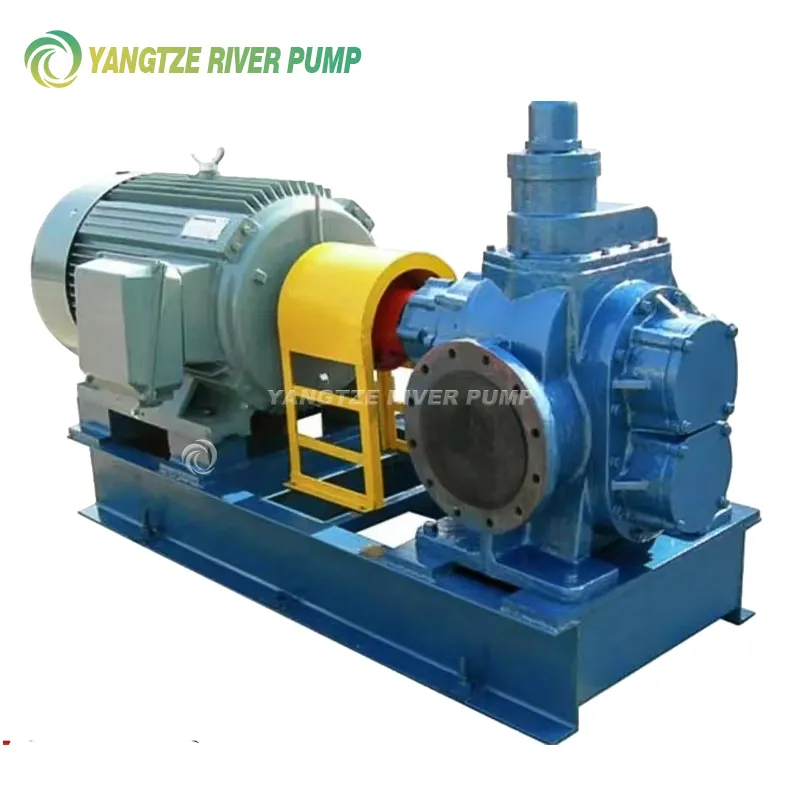 YCB Type Circular Gear Pumps
-
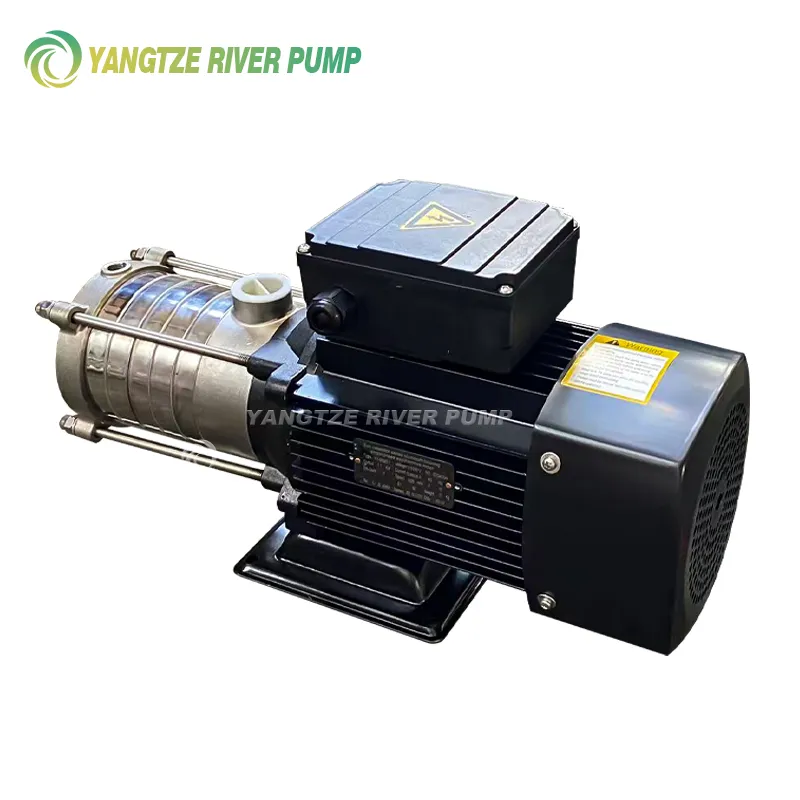 Horizontal multistage centrifugal pumps (light series) CHL and CHLF
-
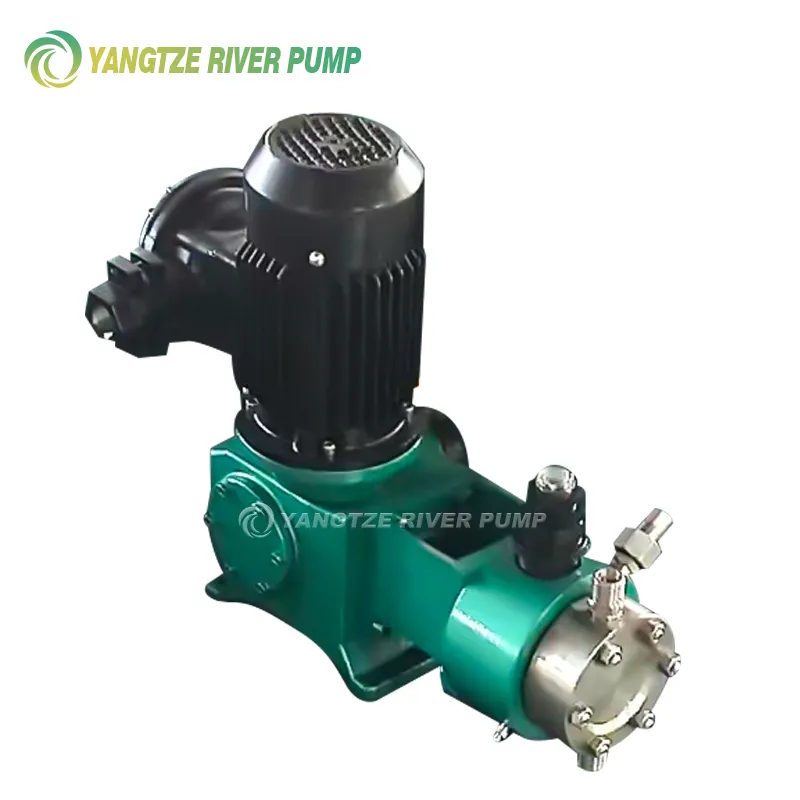 Plunger dosing pumps type DZ-X