







submersible well pump 5
When they say “submersible well pump 5?”, many people immediately think of a simple water unit, but here lies the first pitfall. The number 5 is the nominal diameter of the casing in inches, which the pump casing theoretically fits. In practice, especially in old or slightly crooked wells, a gap of a couple of millimeters can become a problem. I have seen cases where the pump literally got stuck halfway - not because of its size, but because of an incorrectly selected type or unaccounted for deposits on the walls. It’s not just “stick it in and it works?”.
What does "five-inch" actually mean? in our realities
So, we take a standard well of 125-130 mm. It seems that a pump with an outer diameter of 96-100 mm should pass freely. But this is where the material and design come into play. Cheap plastic models, especially long multi-stage ones, sometimes have the unpleasant property of bending under their own weight in warm water. It’s not critical, but when descending into an imperfectly vertical pipe it can get caught. Therefore, for depths of 30 meters or more, I already look not only at the diameter, but also at the rigidity of the body and material. At the sameZhejiang Yangzijiang Pumping Industry Co.,LtdIn the line of submersibles there are models with a reinforced composite body - this often saves life in difficult conditions.
Another point is the conditional passage. Some manufacturers specify the diameter at the widest part, and the cable entry or protective cage may protrude. I always ask you to measure at the very extreme point. I remember a story with a pump that fit perfectly into the pipe, but its steel cable head, with a margin of 2 mm, rested on the weld seam inside the casing. I had to lift and change the mount. A trifle, but time and money.
And yes, ?5 inches? - this is not about productivity. You can find a low-power pump of 1.5 cubic meters per hour and a powerful unit of 5-6 cubic meters with the same bore diameter. It all depends on the internal design, the number of stages and the engine. Here you need to look at the well passport: flow rate, static/dynamic level. A common mistake is to install a pump with maximum pressure, without taking into account that it will work at half capacity, which for centrifugal models is sometimes more harmful than a constant load.
Design features that are rarely paid attention to
Talking aboutsubmersible well pumps, many people get hung up on the steel grade or power rating. But from experience, reliability is often determined by the details that are written about in fine print in catalogs. For example, the type of shaft seal. Cheap models often have simple oil seal packings, which wear out over the course of a season in sandy water. More expensive options come with mechanical mechanical seals made of ceramic or tungsten carbide. For example, Yangtze Jiang explicitly states this in the description of their multi-stage models - a good sign.
The cooling system is another point. The pump must be immersed in water, which cools it. But if you hang it close to the filter part of the well, where there is intensive intake, a zone of low pressure and weak circulation may appear around the housing. The engine gets very hot. Therefore, I always advise looking at the recommendations for the minimum flow rate around the housing. Some advanced models have built-in deflectors to create forced airflow.
And, of course, protection against “dry running”. A built-in float is not always the solution for a narrow well. More often I look for models with electronic level control relays or overheating sensors. This is more expensive, but cheaper than replacing a burnt-out engine after the well has become “air-filled.” or the level has dropped.
Relationship with productivity and pressure: practical calculations with correction
Let's take a typical request: needborehole pumpfor a house with a water surface depth of 25 meters, 10 meters to the house, 2 floors. According to the textbook, we calculate: 25 + 10 + (2*3) + 20% losses = approximately 50 meters of pressure. It seems that a pump with characteristics of 3 cubic meters per hour for 50 meters is sufficient. But reality makes adjustments.
Firstly, the dynamic level may drop during pumping. If in the well passport it is 30 meters, then the difference must be added to the calculation. Secondly, the material of the pipes. Old steel pipes create much more resistance than modern HDPE. Sometimes friction losses eat up? 5-10 meters of pressure. Therefore, I always reserve a margin of 15-20%, especially if the system will work with a hydraulic accumulator and frequent starts.
As for productivity, the rule is simple: it should not exceed the flow rate of the well. Ideally - 70-80% of it. Otherwise, the pump will often shut down due to a drop in level, which will lead to accelerated wear. I saw how a 3.5 cubic meter pump was installed on a well with a flow rate of 2 cubic meters per hour. Six months later - replacement: the impellers were broken by sand, which was sucked in when the level dropped sharply.
Experience with different types and where Yangtzejiang products can come in handy
There are many brands on the market, but when I need a balance between price and design sanity, I sometimes look towards industrial manufacturers with a full cycle. Here, for example,Zhejiang Yangzijiang Pumping Industry Co.,Ltd. They have eight complete lines, from development to testing. This is not a guarantee, but a hint that quality control may be up to par. This is important for the mass segment.
In their assortment, if you look at the websiteyangtzeriverpump.ru, there are centrifugal, vortex, and screw submersible pumps. For a standard 5" sand well, I would probably look at their multi-stage centrifugal models. Why? They usually cope better with low abrasive contents than vortex ones, and are more economical than auger ones. But this is only if we are talking about clean water. For more viscous media or high sand content, I would already look towards their single-screw options.
The key thing I note in their approach is the combination of R&D, production and testing. In practice, this may mean that pumps are tested under realistic conditions rather than simply run to minimum standards. For the end user, this reduces the risk of encountering a “childhood disease?” new model.
Installation, operation and typical mistakes that can be avoided
The most common installation mistakesubmersible pumpby 5 inches - this means savings on mounting elements. Using a simple rope instead of a stainless steel cable or a high-quality nylon cord. After a year or two, the rope rubs against the edge of the casing. I saw the consequences - the pump remains at the bottom. Another mistake is incorrect suspension. The pump should not touch the walls and especially the bottom. At least 1.5-2 meters from the bottom, otherwise sediment will be sucked in.
Connecting the cable. The coupling must be sealed and designed for long-term immersion. It is better to use specialized waterproofing compounds, rather than just electrical tape and heat shrink. Oxidation of contacts under water is a silent and common cause of failure.
And the last thing is the absence of a check valve. Without it, every time there is a shutdown, water flows from the system back into the well. This leads to water hammer during the next start-up and rapid wear of the impellers. I always install a valve, and preferably not the cheapest brass one, but one made of high-quality polymer or stainless steel.
Instead of a conclusion: what to look for when choosing today
So, returning to “submersible well pump 5”. The choice is now huge. To summarize my experience, I look first of all not at the bright label, but at the design: the material of the impellers (polymer or stainless steel), the type of seal, the presence of built-in protections. Then I compare the pressure and flow characteristics with the realities of my well, with a reserve.
Manufacturers such as the mentioned company from Zhejiang are interesting because they offer a wide range of models for different tasks in one place. This is convenient for selection. But in any case, I request a passport with tests, specify what kind of waters (aggressive, with sand) the model is intended for.
As a result, a good pump is not the one that is more powerful, but the one that is more accurately selected for specific conditions and will work without fuss for 5-7 years. And sometimes it’s better to overpay a little for a well-thought-out design and high-quality materials, than to then pull out and change the unit several times, wasting time and nerves on well repairs.
Correspondingproducts
Related Products

Best Sellingproducts
Best Selling Products-
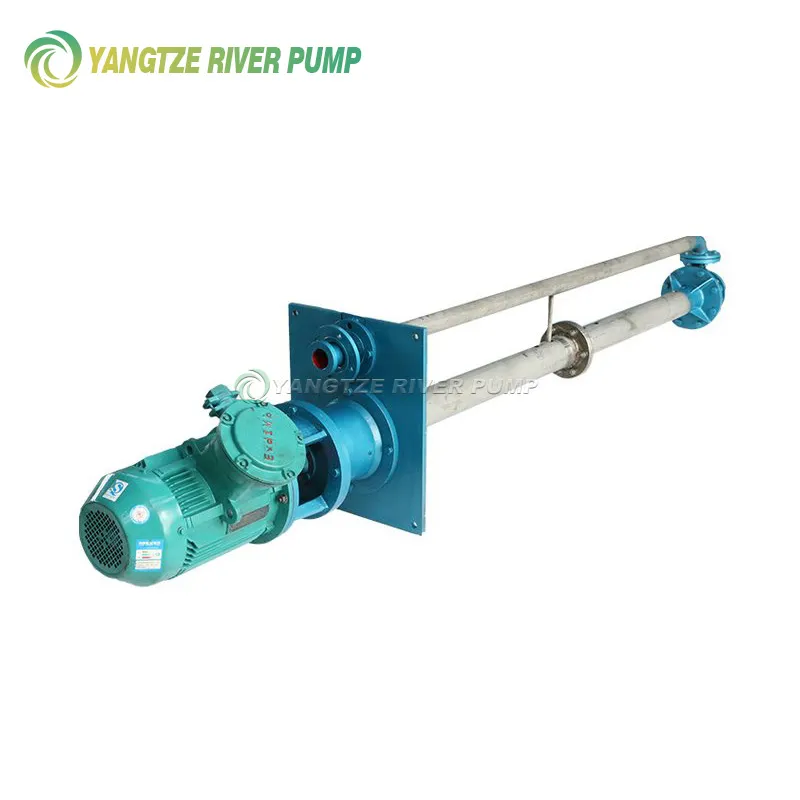 FY Submersible Chemical Pumps
-
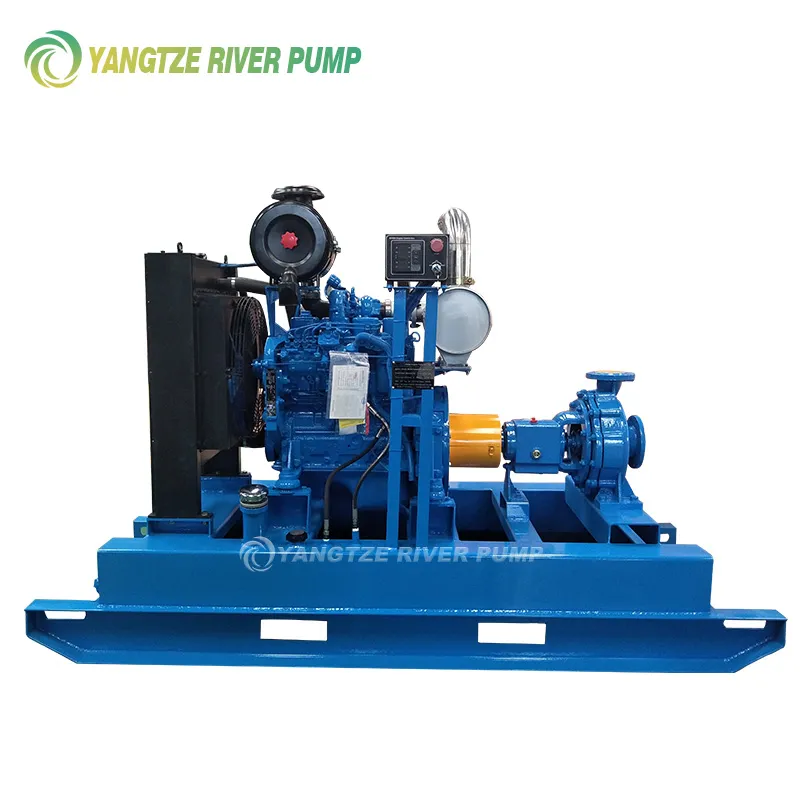 YZIS Diesel Single Stage Centrifugal Pumps
-
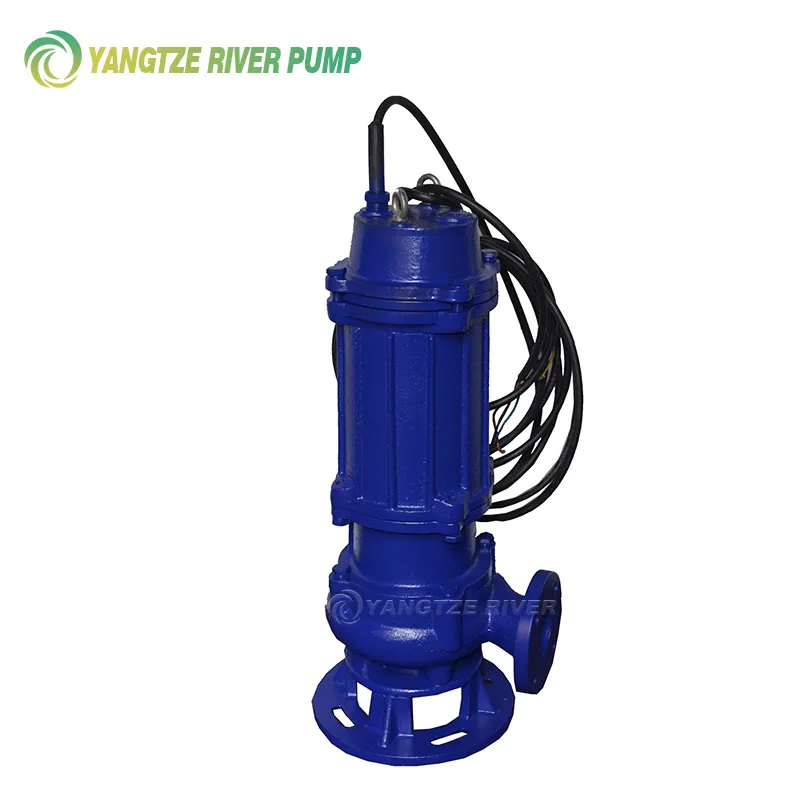 QW Non-clogging Submersible Sewage Pumps
-
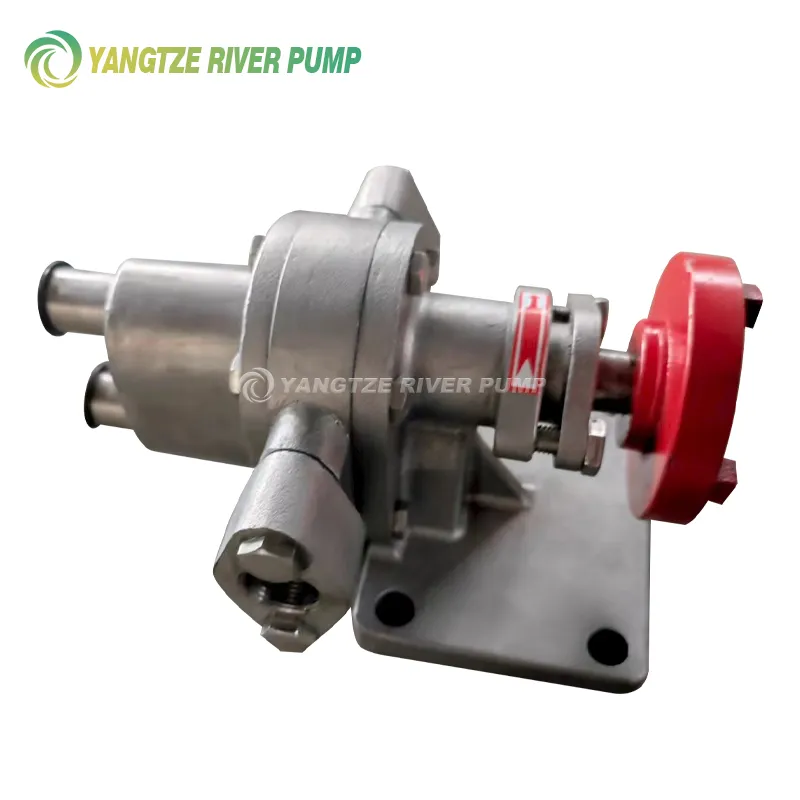 Gear oil pumps type KCB
-
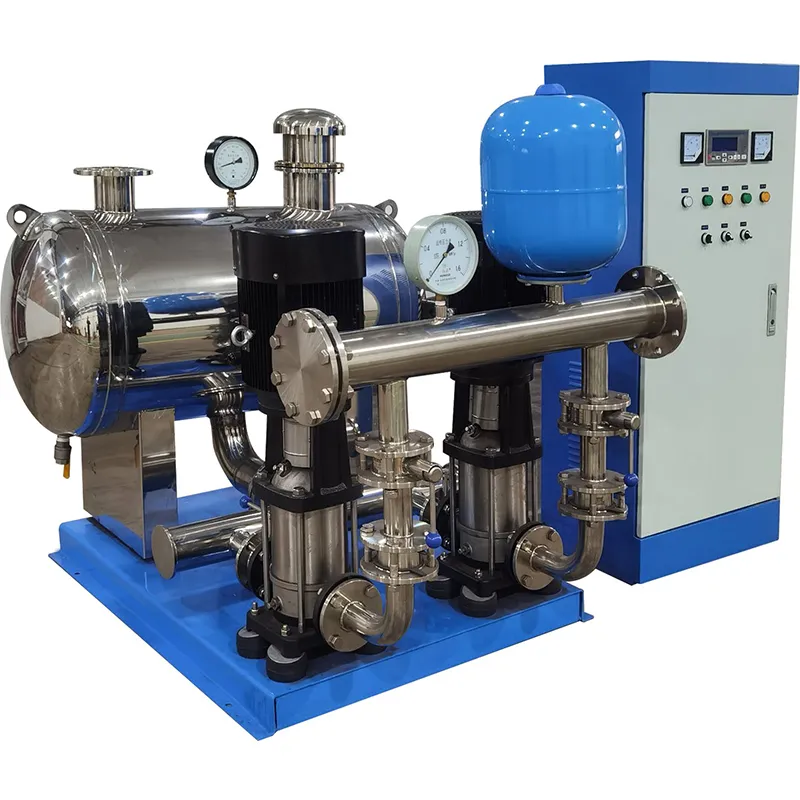 Complete water supply installations with frequency regulation and constant pressure CDLF
-
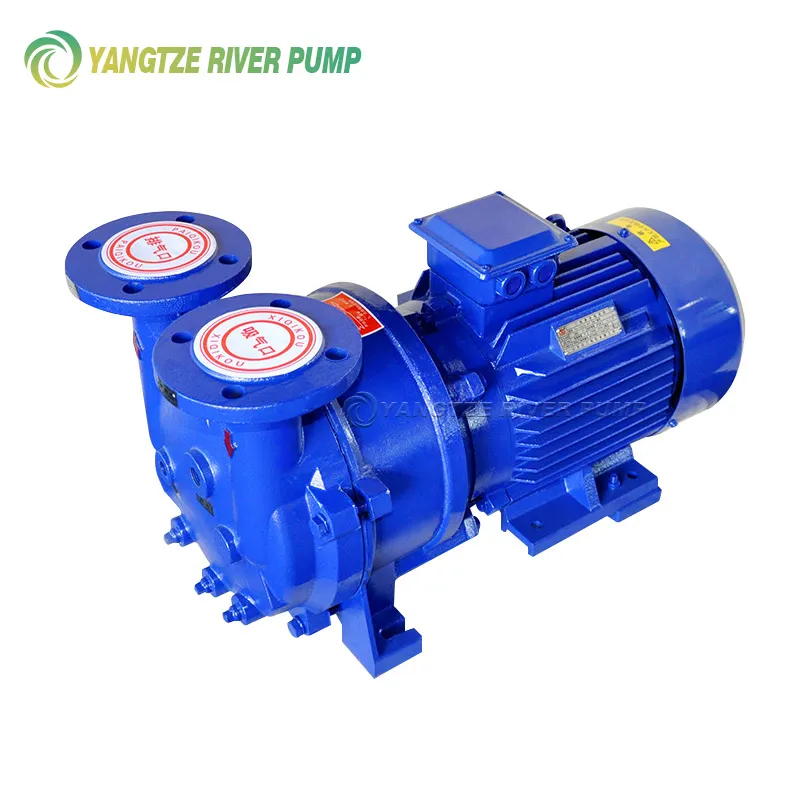 Liquid ring vacuum pumps type SKA and 2BV
-
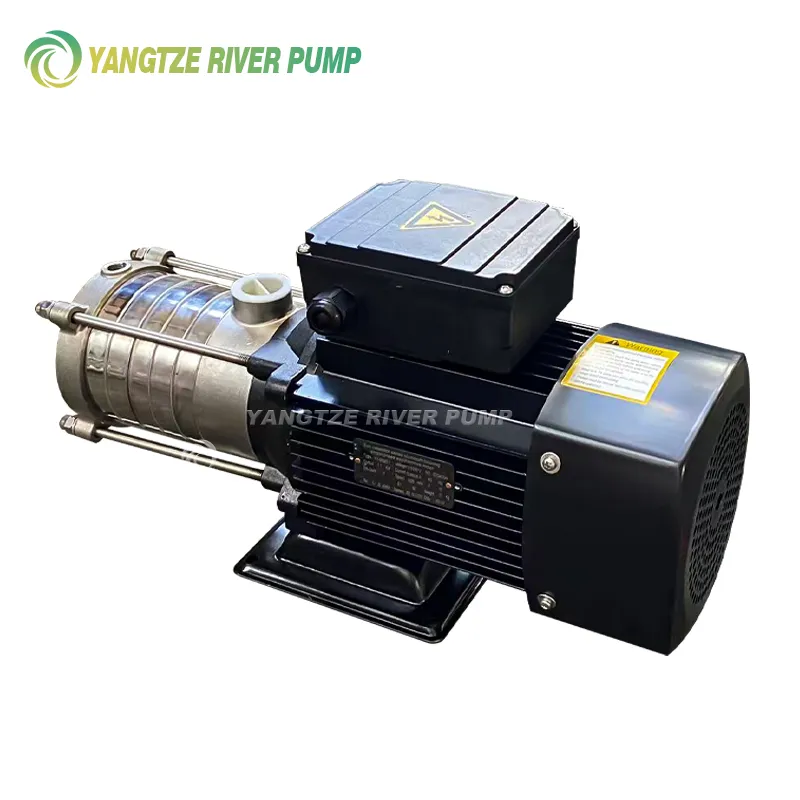 Horizontal multistage centrifugal pumps (light series) CHL and CHLF
-
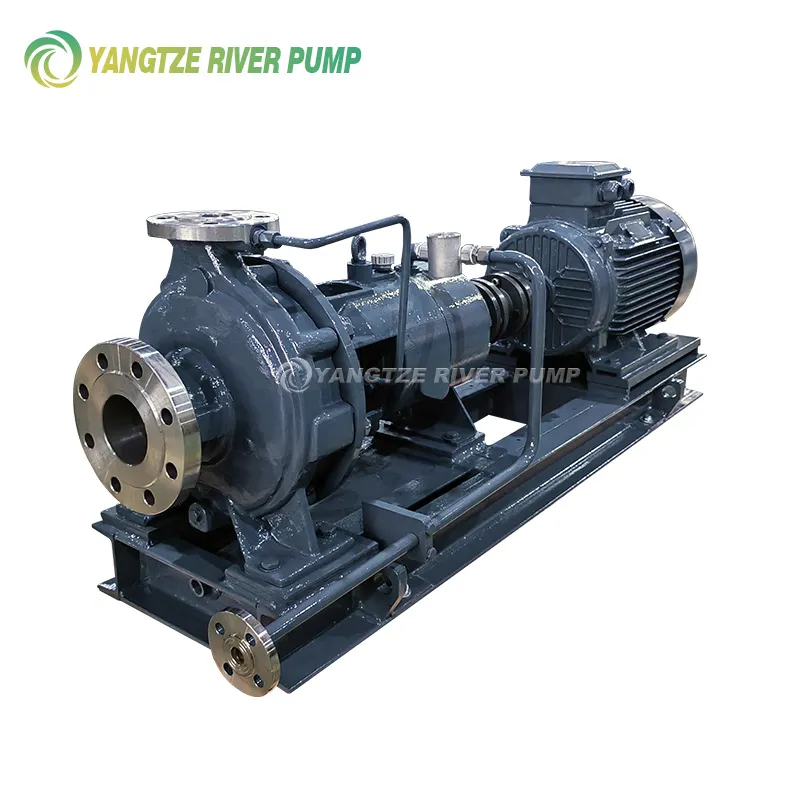 Petrochemical Process Pumps API 610 YZA
-
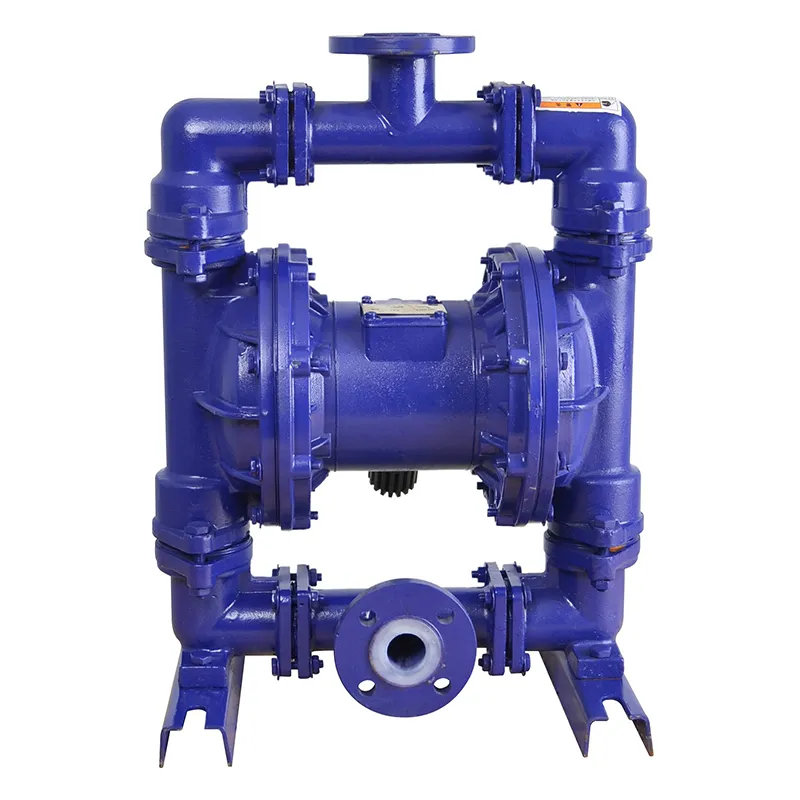 Metal pneumatic diaphragm pumps QBK
-
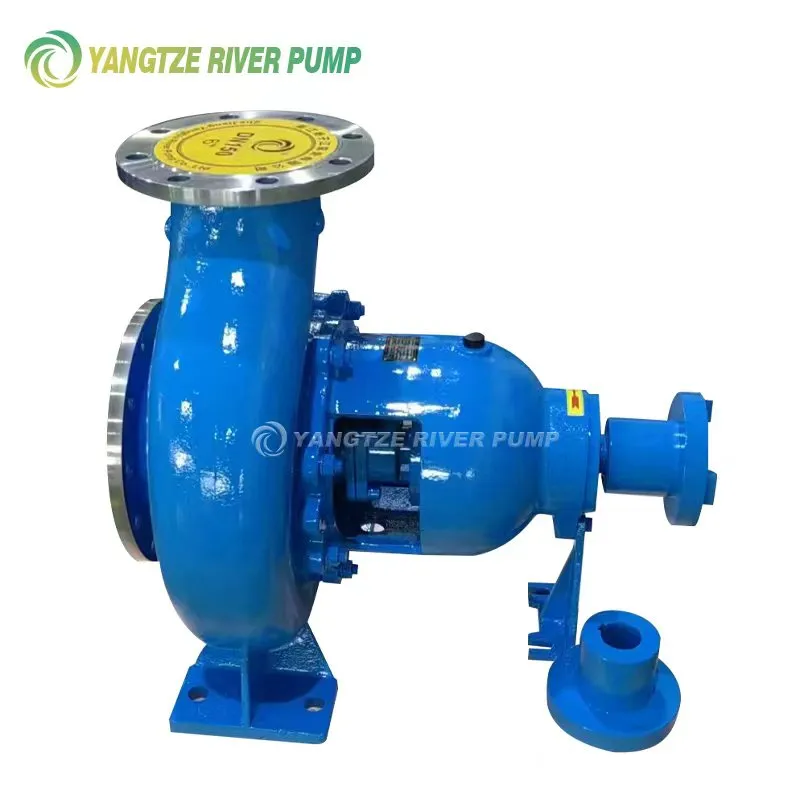 IH Stainless Steel Chemical Centrifugal Pumps
-
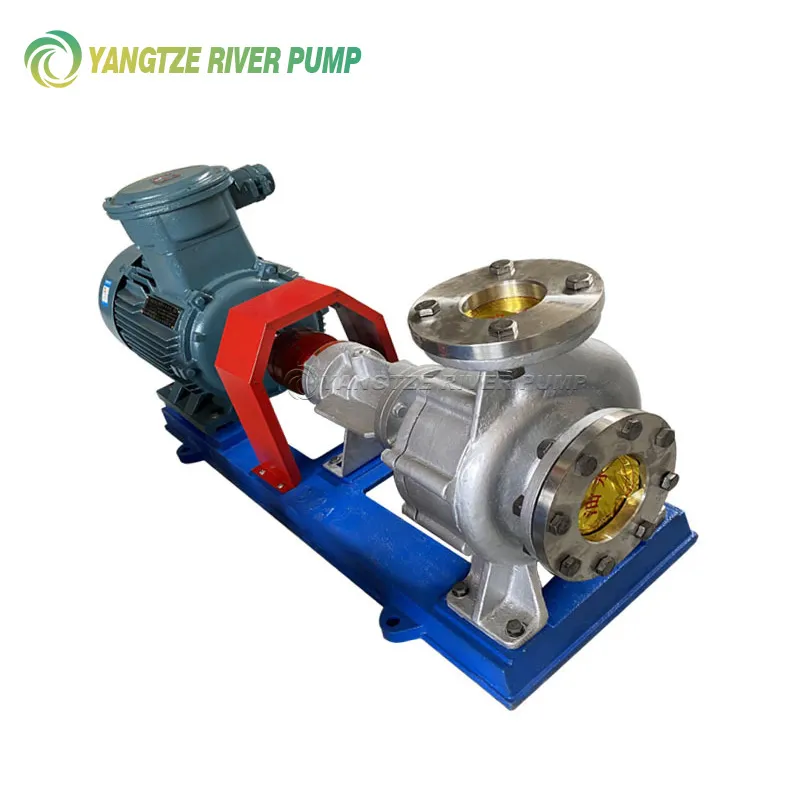 RY thermal oil pumps
-
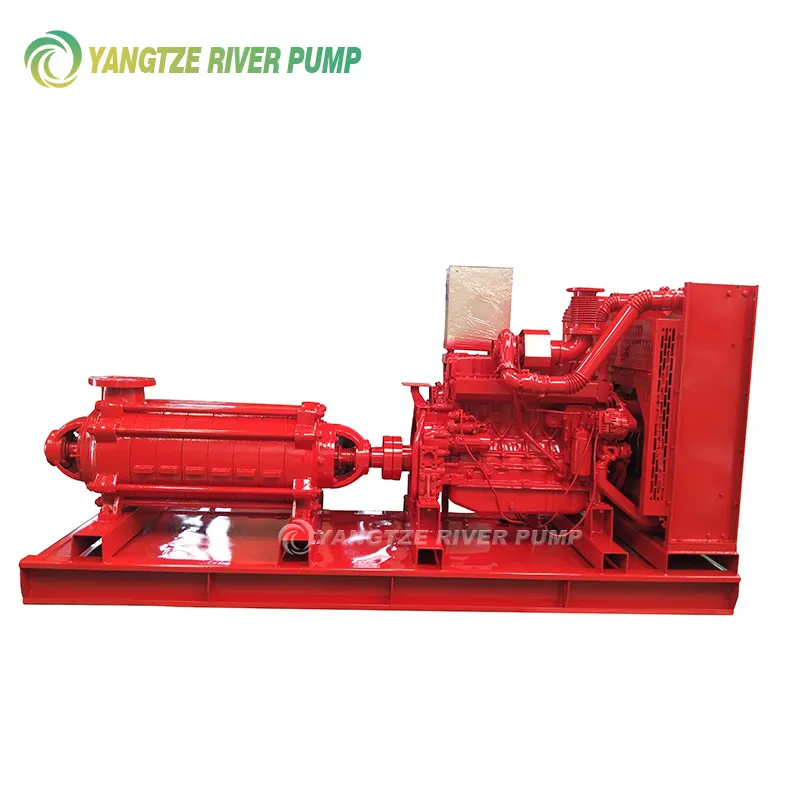 XBC Diesel Intelligent Fire Pumps