







deep well pump 380
When you hear “380 deep well pump,” the first thing that comes to mind for most is simply the characteristic of the supply voltage. But in practice, especially when you work with supplies and selection for specific wells, you understand that behind these numbers lies a whole layer of nuances. Many customers mistakenly focus only on volts, overlooking the motor type, flow path material, casing diameter and, critically, the actual head at a given dynamic level. I’ll say right away that if you just need a 380V unit, there are plenty of offers on the market. But if you need a device that will not fail after a season due to sand or an aggressive environment, then the real work begins.
Experience tells us where the pitfalls lie
Once I took an order for the supply of severaldeep well pumpsfor water supply to the village. The customer sent the technical specifications: “well pumps, 380V, 50 Hz, capacity 5 m3/h, depth 80 meters?”. It would seem that everything is simple. But I know from experience that “the depth is 80 meters?” - this is often either the depth of the well or the static level. I requested data on the well passport. It turned out that the dynamic level is about 65 meters, and there is fine sand in the water. Standardpump 380with a technopolymer impeller it won’t last long here - the abrasive will eat it up in six months.
We had to explain to the client that his case required an option with reinforced impellers made of a wear-resistant composite, and even better, with a multi-stage design to ensure stable pressure with a possible further decrease in level. We then settled on a multi-stage submersible pump of the QGD series fromZhejiang Yangzijiang Pumping Industry Co.,Ltd. Their line is precisely tailored to such difficult conditions. The key was that their production has a full cycle of tests, including running in an abrasive environment. These are not just words in a catalogue—we requested protocols.
It is after such cases that you begin to truly appreciate manufacturers who not only assemble pumps, but conduct their own R&D. On the websiteyangtzeriverpump.ruit is clear that the company positions itself as a comprehensive enterprise with a full cycle. For an engineer, this is an important signal: it means that non-standard solutions can be discussed, for example, selecting a seal material for a specific water chemistry.
Materials and execution: the difference you see when disassembled
Once I had to open a burnt-out engine on a “budget” car.deep well pump 380. Externally - a normal device, there are markings. Inside there is a motor winding made of aluminum with minimal impregnation, rolling bearings without proper protection from moisture. And this is with declared IP68! The contrast was striking when we later disassembled a pump with similar parameters from Yangtzejiang. There is a copper winding with heat-resistant insulation, ceramic shaft seals, and sealing of the cable entry at a different level. Yes, the price is higher. But the service life in a real well, where voltage surges and overheating are possible, is not comparable.
This is to the question of why in our company, when selecting equipment for critical facilities, we often look towards manufacturers with their own lines for machining and engine assembly. LikeZhejiang Yangzijiang Pumping Industry Co.,Ltd— eight complete lines, including test benches. This is not for show in the brochure. The tests check not only the flow and pressure, but also leakage currents, vibration, and housing temperature during long-term operation. I saw their reports - data is taken every 15 minutes for 48 hours of continuous operation. After this, trust in the equipment is different.
This is especially important for multi-stage models, which are often used in conjunction with the parameter380 voltsfor deep wells. An imbalance in one stage at great depth can lead to cavitation and rapid failure of the entire section. Quality control at every stage of assembly is what ultimately determines whether the pump will pump water for years or require replacement after a few months.
Self-priming and submersible: application context
Although the topic isdeep well pumps, it is impossible not to touch on related types, because clients are often confused. For example, self-priming pumps. They are also made at 380V. But trying to use them for a well 40 meters deep is a grave mistake. The maximum suction of such models, even good ones, rarely exceeds 8-9 meters. This is physics. And here again, you look at the manufacturer’s assortment: if they have self-priming, submersible, and linear centrifugal ones in their line, it means that they most likely understand the difference in application and can provide competent advice.
The mentioned company, judging by the description, produces just a wide range: from centrifugal and magnetic to diaphragm and plastic chemical pumps. This suggests that their engineers do not think in the category of “steaming a unit?”, but in the category of “solving the problem of pumping liquid?”. For an industry professional, this is an important point when choosing a supplier. If technical support can discuss not only the parameterspump 380, but also, let’s say, offering a plastic chemical pump for draining acidic water, this is valuable.
There was an incident at a construction site: it was necessary to pump out water from a pit with a high content of suspended matter. At first they installed a regular submersible drain, but it quickly clogged. The solution came not from the pumping department, but from a related department that knew about auger (single-screw) models from the same manufacturer. They are specifically designed for viscous media with impurities. This is an example when the breadth of the product line within one enterprise really helps to find the optimal solution, and not be limited by what is in stock in the warehouse.
Voltage 380V: connection and protection issues
It would seem that it’s complicated: three phases, a cable, a starter. But at facilities, especially old ones, problems with phase imbalance or voltage drop often arise.Deep well pump 380with a high-quality motor designed for a certain voltage range (say, from 340 to 420V), it will survive this. A cheap motor will burn out. Another point is protection. They often save on the control unit and install a simple switch. And then they wonder why the pump failed “out of the blue?” In a good way, you need at least a minimal shield with protection against dry running, overcurrent and phase imbalance.
Some manufacturers, and I have seen this in Yangtzejiang, offer optional control cabinets assembled and tested within the same production run. It's convenient. There is no need to look for a third-party electrician who will assemble a shield from what is available. All components are selected and compatible. For installers, this saves time and guarantees that the protection will work correctly. The company description clearly states: combining the areas of R&D, production, testing, sales and service. Service is just about the opportunity to get a pump, all the necessary piping, and installation advice from one source.
Practical advice: always when orderingdeep well pumpcheck to see if the manufacturer or its official dealer has recommendations on protection and control systems. If there are no such recommendations, or they boil down to “connect through the machine?”, this is a reason to think about it. A serious manufacturer who values its reputation is always concerned that its equipment operates as normal, and this requires correct operating conditions.
Results: what to look at besides the number ?380?
So, to summarize. Keyword?deep well pump 380? is just a starting point for dialogue. The real selection begins with questions about water (chemistry, abrasives), about the well (passport, dynamic/static level, diameter), about the network (voltage stability). And only then does the selection of a model take place based on materials, engine type, and number of stages.
Experience working with different suppliers shows that long-term partnerships are built with those who have not just a warehouse, but their own production and engineering competencies. Like for exampleZhejiang Yangzijiang Pumping Industry Co.,Ltd. When you know that there is a full cycle behind the model - from drawing to testing - it’s easier to offer it to the client. Fewer risks, less unexpected downtime on site.
Ultimately, for those in the industry, it's not just about buying a pump. It is important to get a reliable tool to solve the problem. And the parameter ?380V? - This is just one of many technical conditions. Much more important is the path a particular unit has taken from the workshop to your well, and how much its creators understand what real problems it will face at a depth of tens of meters underground.
Correspondingproducts
Related Products

Best Sellingproducts
Best Selling Products-
 Sanitary screw pumps type GF
-
 YW Vertical Submersible Sewage Pumps
-
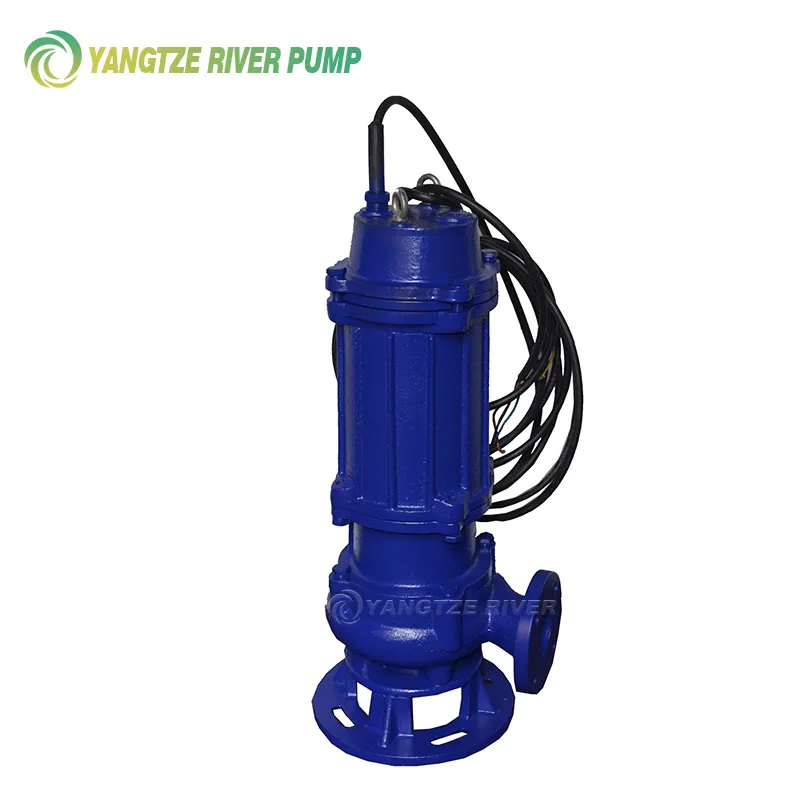 QW Non-clogging Submersible Sewage Pumps
-
 Infinitely variable screw pumps type G
-
 Geared screw pumps type G
-
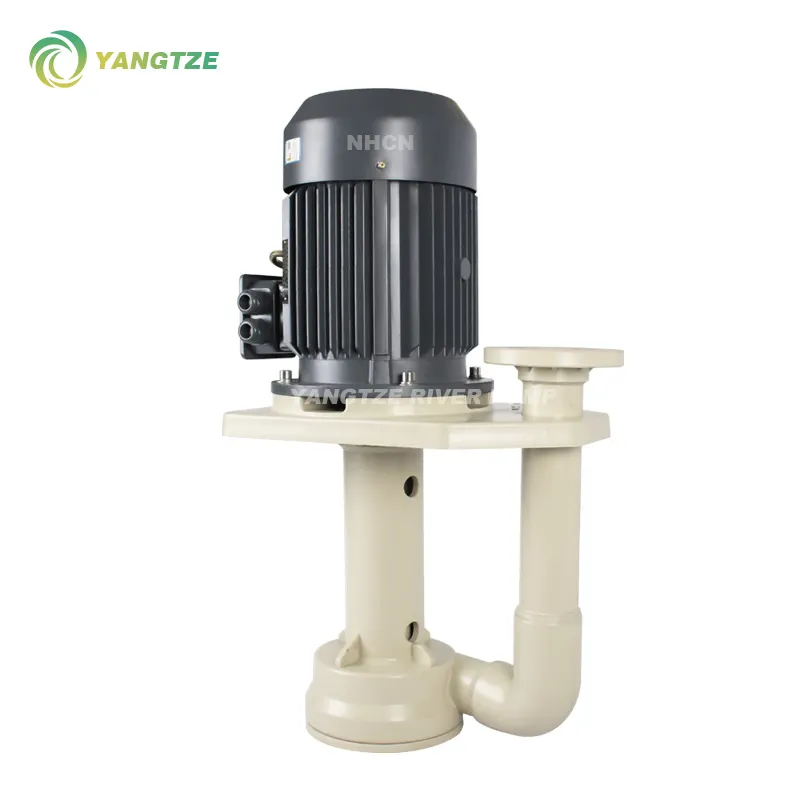 Vertical pumps for installation inside/outside tanks YZCN and YZCW
-
 YCB Type Circular Gear Pumps
-
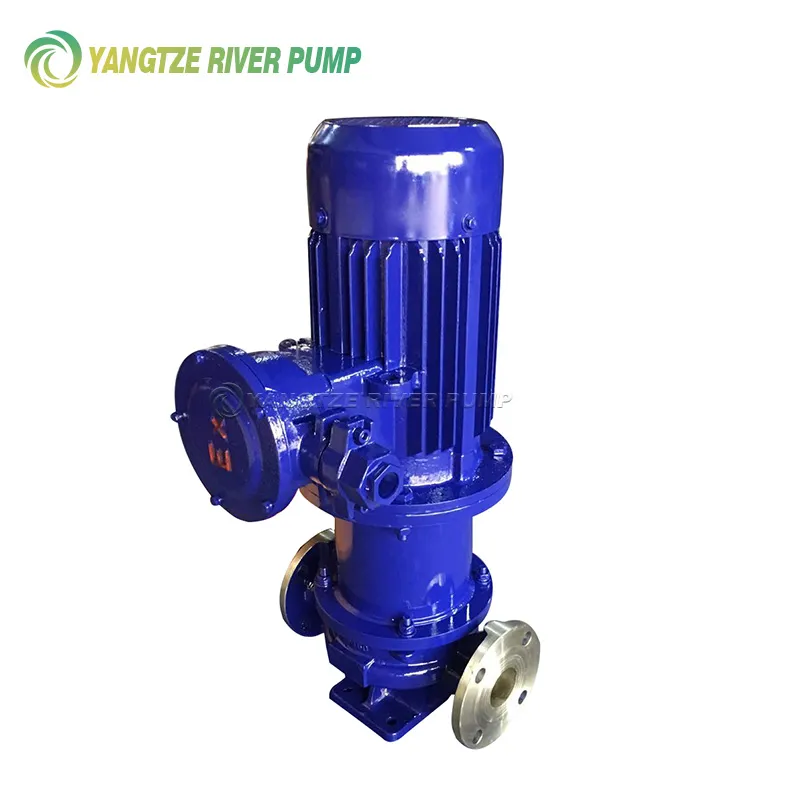 Vertical magnetic pumps CQB-L
-
 Metal pneumatic diaphragm pumps QBK
-
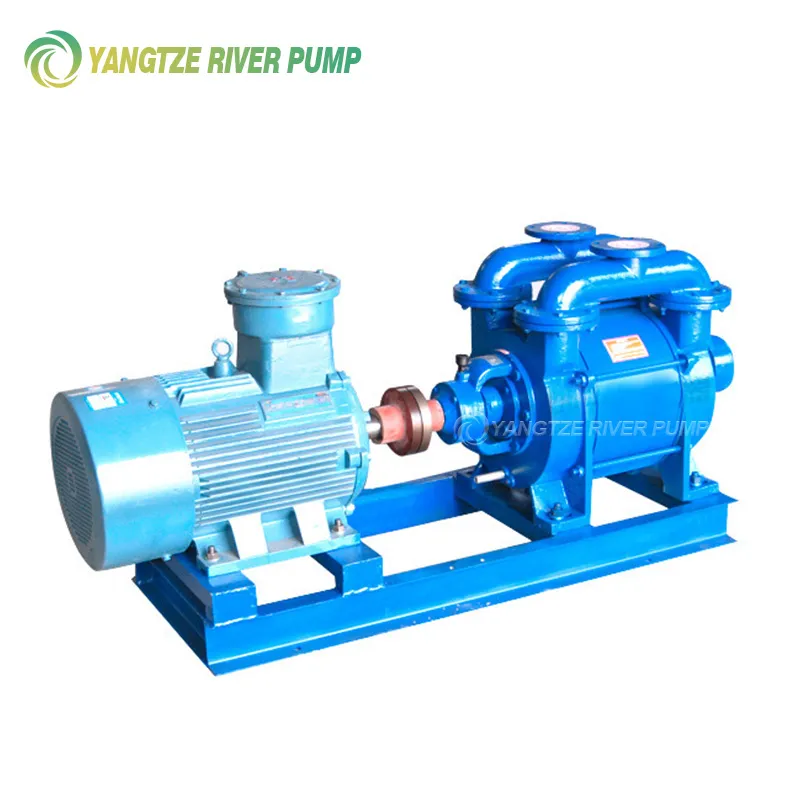 Liquid ring vacuum pumps type SK
-
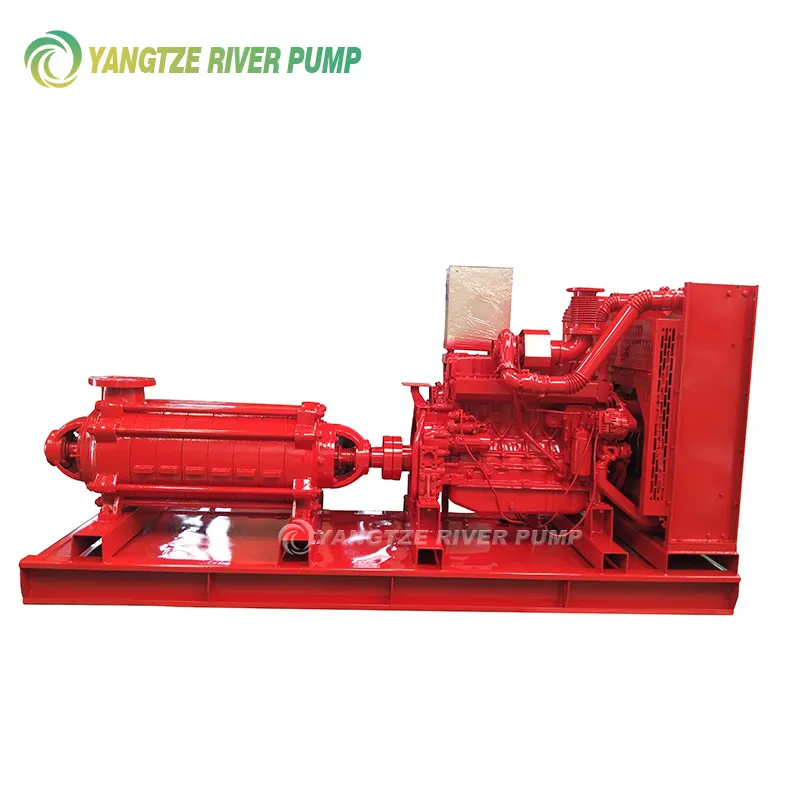 XBC Diesel Intelligent Fire Pumps
-
 Horizontal multistage pumps for feeding DG boilers