







submersible well pump 2 2 kW
When you hear “submersible well pump 2 2 kW”, many people immediately think about simply replacing the old unit with a new one with a similar nameplate. But here often lies a mistake: not every “kopeck piece” will fit your well, even if the diameter seems to fit. Power is not only about performance, but also about pressure, and how the pump will behave in a specific column, with your water, your flow rate. I myself have encountered many times when a client brings in a burnt-out engine, but it turns out that the pump was working to drain it, or there was too much sand in the water, which the design was simply not designed for. It’s these nuances, which are often in small print in catalogues, that I want to talk about.
Power 2.2 kW: not just the number on the nameplate
The 2.2 kW motor is, one might say, the workhorse for many domestic and semi-industrial wells up to 80-100 meters deep. But the key word is 'many'. I have seen models where, with such power, the pressure is barely 60 meters, and there are those that deliver under 120. Everything depends on the design of the pump part - the number of stages, the quality of the impellers. In our production, inZhejiang Yangzijiang Pumping Industry Co.,LtdFor example, in the line of submersible well pumps, this power is implemented in several versions with different pressures. Because the task is different: pumping water from 40 meters to water the garden is one thing, but ensuring pressure in the system of a house with a hydraulic accumulator standing on a hill is completely different.
And this is where a common mistake is to look only at the maximum pressure. If you have a well of 50 meters, and the pump gives 120, this is not always good. The pump will operate far from the optimal efficiency point, cavitation and increased wear may occur. It is better to take a model whose operating point (performance-pressure) will lie closer to the middle of the curve. We always test several models on the test bench to find the optimal one. Sometimes a 1.5 kW pump, but with a better characteristic, is better suited for the same task.
Another point is the voltage in the network. 2.2 kW is already a serious load. If the line to the shield is old and thin, there may be drawdowns during startup, which harm both the pump and other equipment. I always advise clients to measure the voltage in the outlet under load. There was a story when the pump hummed 'strangely' and overheated. It turned out that the voltage in the house dropped to 190V. We decided not to use a stabilizer, but simply laid a new cable from the pole - and everything fell into place.
Design features that make all the difference
A submersible well means it must be narrow. Standard diameters are 4 inches (about 100 mm), less often 3. But inside this cylinder there is a struggle for efficiency. Case material: stainless steel or composite? Stainless steel is more expensive, but for aggressive environments or simply for durability - the choice is obvious. Composite cases are lighter and often cheaper, but here you need to look at the quality of the plastic. In our pumps, which we produce in complete production lines from R&D to final testing, for downhole models we use AISI 304 or 316 for special cases. This has been tested - there are fewer problems with jamming due to corrosion, even if the water is highly mineralized.
Engine cooling. In a submersible pump, the motor is cooled by water flowing around it. If the pump is selected with a reserve in performance and often operates with a closed tap or at low flow rates, the water around the stator stagnates and overheats. This is a common cause of failure. Therefore, good pumps have thermal protection, but it is better to choose the right model from the beginning. Sometimes I see how they install a 2.2 kW pump on a well with a flow rate of 1.5 cubic meters per hour - this is a direct path to repair. The pump should work and not 'push' on empty.
Protection against sand and abrasive. There is no such thing as ideally clean water. Even in an artesian well, fine sand may appear over time. Impellers made of conventional technopolymer wear out quickly. In some of our lines, as in other types of pumps (for example, linear centrifugal), we use reinforced composites or polyamide for wheels. This slightly increases the price, but significantly extends the life of the pump in difficult conditions. Rarely does anyone ask about this when making a purchase, but when problems start a year later, they remember.
Installation and operation: where the pitfalls lie
It would seem that you lowered the pump on a cable, connected the cable and the HDPE pipe - and it worked. But no. The cable must be made of stainless steel, not galvanized. Galvanization rusts in water, and in a couple of years you can lose the entire pump in the well. The cable is only special, for submersible pumps, with waterproofing. Conventional PVA will quickly release water to the insulation, and there will be a short circuit. We are onhttps://www.yangtzeriverpump.ruWe always focus on this, even equipping some models with ready-made cables of the required length with sealed couplings.
Suspension. The pump must not touch the walls of the casing. Vibration from operation can cause abrasion of the housing. Centralizers are used, but they must be of high quality. Once they dismantled a pump that was “knocking” on a pipe - there was a deep groove on the body, almost to the engine. It's good that we noticed it in time.
Start-up protection equipment. Forsubmersible well pump 2 2 kWa simple machine gun is not enough. We need a soft start or at least frequency conversion (if the budget allows). Sharp starts take a toll on mechanics and hydraulics. Be sure to have a pressure switch or a frequency converter with a sensor so that the pump does not run dry. A common mistake is that they install a relay, but do not set the hysteresis, and the pump turns on and off every minute. This is deadly for any technology.
Case study and why the full production cycle is important
There was an object - a private house, a 70-meter well, the old pump died. They installed a new, powerful, 2.2 kW from an unknown brand. Three months later - a drop in pressure, a strange noise. Got it. It turned out that the impeller on one of the stages had cracked. The material is fragile plastic. Pump replacement, new installation - double costs. The client then came to us. We looked at its parameters and offered our own model from the linesubmersible pumps. The key was that we could be confident in the material - because we ourselves control the casting of wheels in our own production. This is not store-bought consumer goods. The pump has been running for five years without any complaints.
This is the advantage of a company that controls the entire cycle - from drawing to testing. How is it in ourZhejiang Yangzijiang Pumping Industry Co.,Ltd. When R&D, production and testing are in one bundle, it is easier to eliminate the “childhood diseases” of the model and select more resistant materials. At the stand we run pumps in different modes, including sand water, and simulate power surges. Therefore, you can trust the passport characteristics. These are not just numbers taken under ideal conditions.
Therefore, choosingborehole submersible pumpat 2.2 kW, look not only at the price and promises in advertising. Ask about the materials of the flow part, whether the brand has a full production cycle, and about real testing conditions. Ask for pressure curves. And of course, correctly calculate your needs - depth, flow rate, required flow rate. Then this unit will not be a headache for you, but a reliable source of water for many years.
Resume for a practitioner
So, to draw the line.Submersible well pump 2 2 kW- an excellent and popular option. But this is exactly a tool that needs to be used correctly. Its success depends on three pillars: correct hydraulic calculations for your well and water consumption, high-quality execution (here full production control, as in our company, is a big plus) and competent installation with protection. Savings at any of these stages will come at a cost.
Don't chase maximum pressure numbers if you don't need it. It’s better to take a model whose operating point falls into the high efficiency zone. Pay attention to abrasive resistance - the life of a well cannot be predicted. And be sure to invest in good automation and the right suspension. A cable, rope, pipe is a system, and it must be reliable.
In the end, water from a well is often a matter of not just comfort, but life support. And you need to trust it to equipment in which you are confident down to the last detail. Like those models that we have been working on on our lines for years before sending to the client. It works - and that's fine. Let it work for a long time.
Correspondingproducts
Related Products
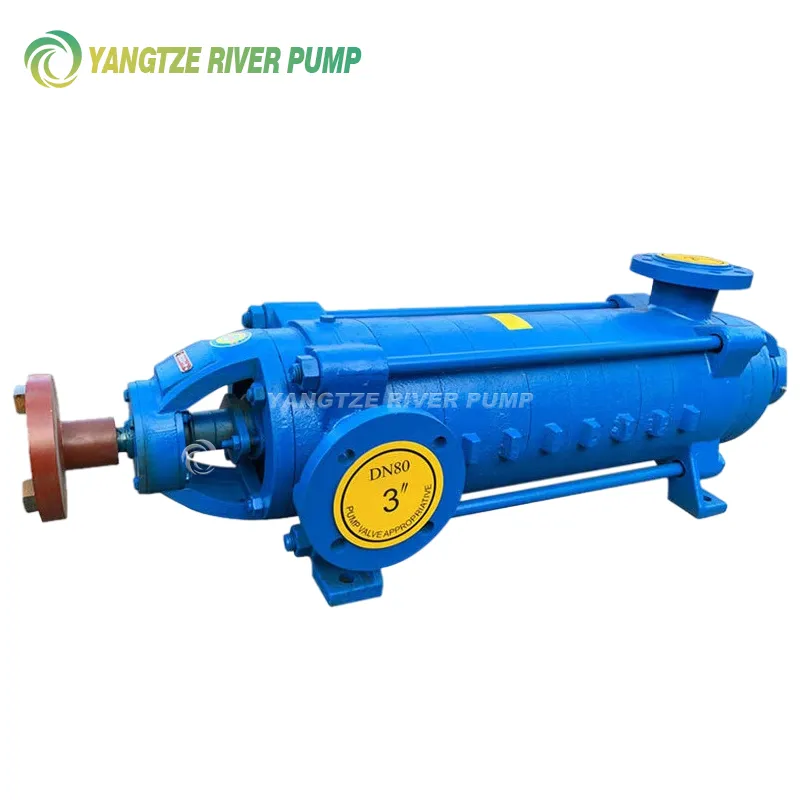





Best Sellingproducts
Best Selling Products-
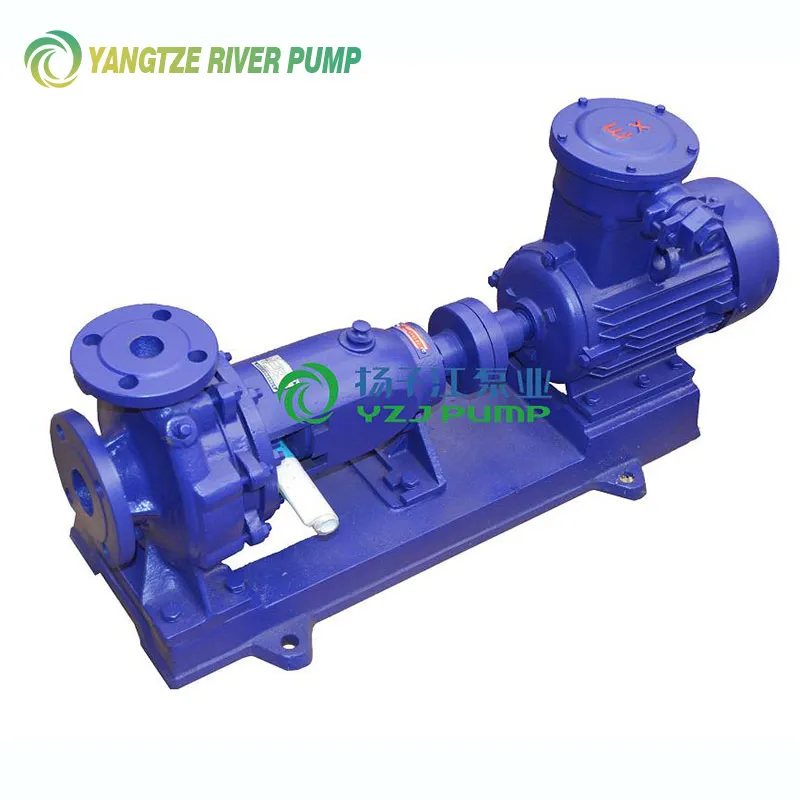 Horizontal chemical centrifugal pumps types IS and IR
-
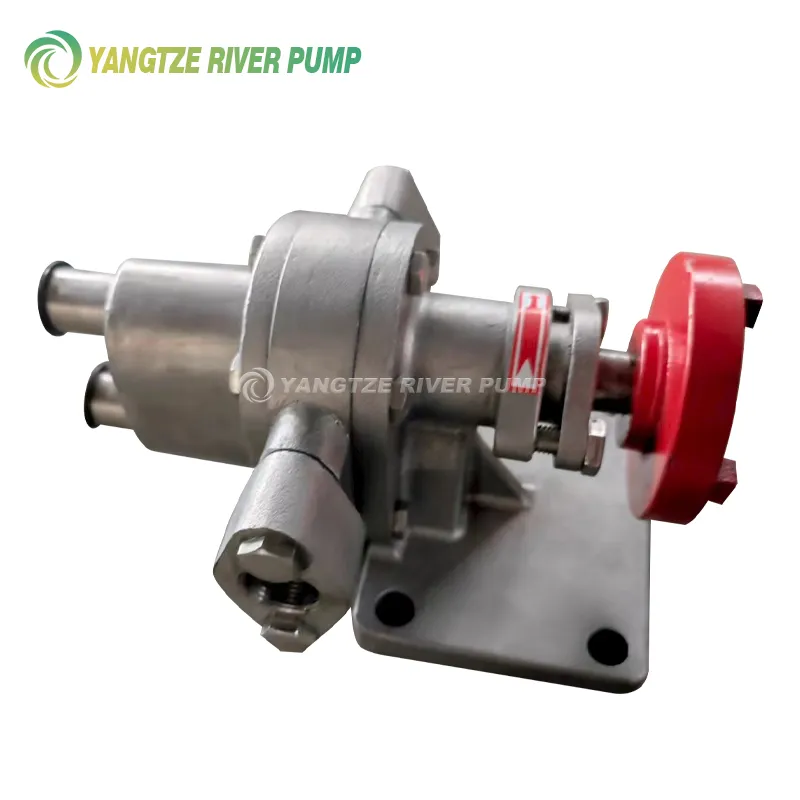 Gear oil pumps type KCB
-
 YCZ Chemical Process Pumps
-
 Metal electric diaphragm pumps DBY
-
 Metal pneumatic diaphragm pumps QBK
-
 IHF PTFE Chemical Centrifugal Pumps
-
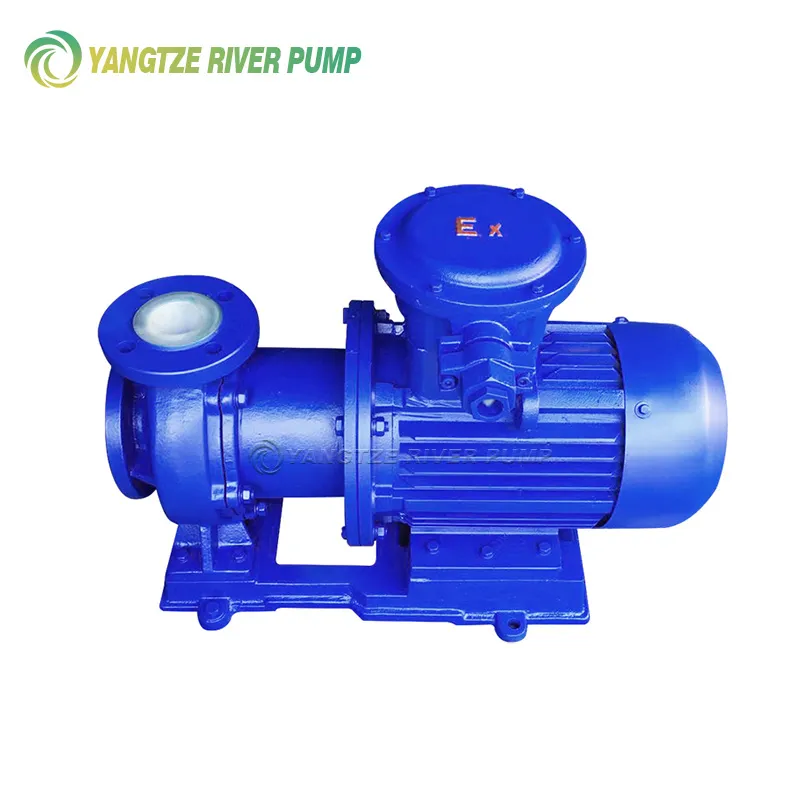 Magnetic pumps with fluoroplastic lining CQB-F
-
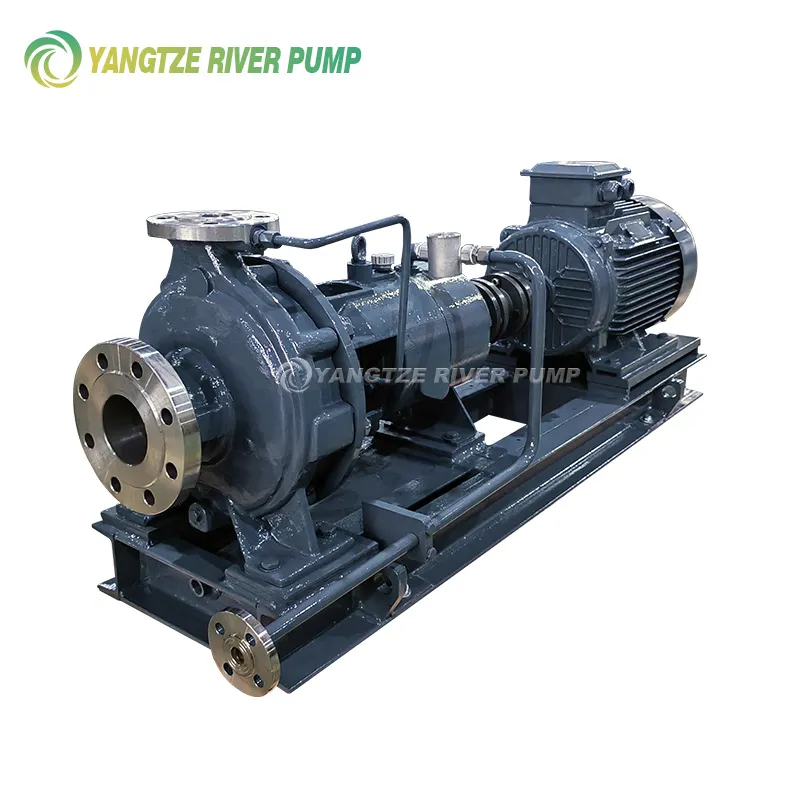 Petrochemical Process Pumps API 610 YZA
-
 YCB Type Circular Gear Pumps
-
 YZSP Diesel Self-Priming Pumps
-
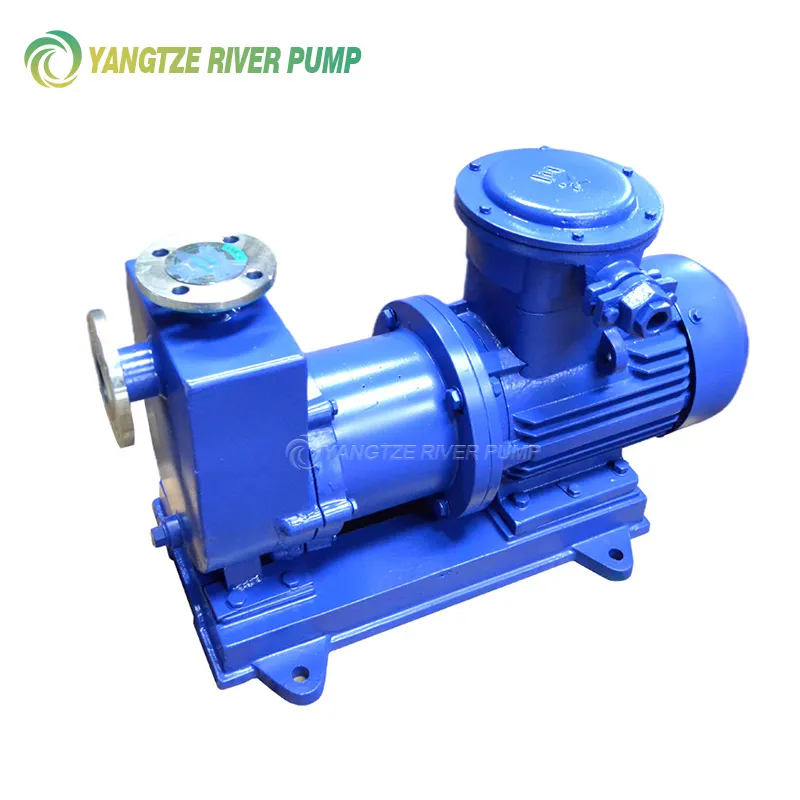 ZCQ Stainless Steel Self-Priming Magnetic Pumps
-
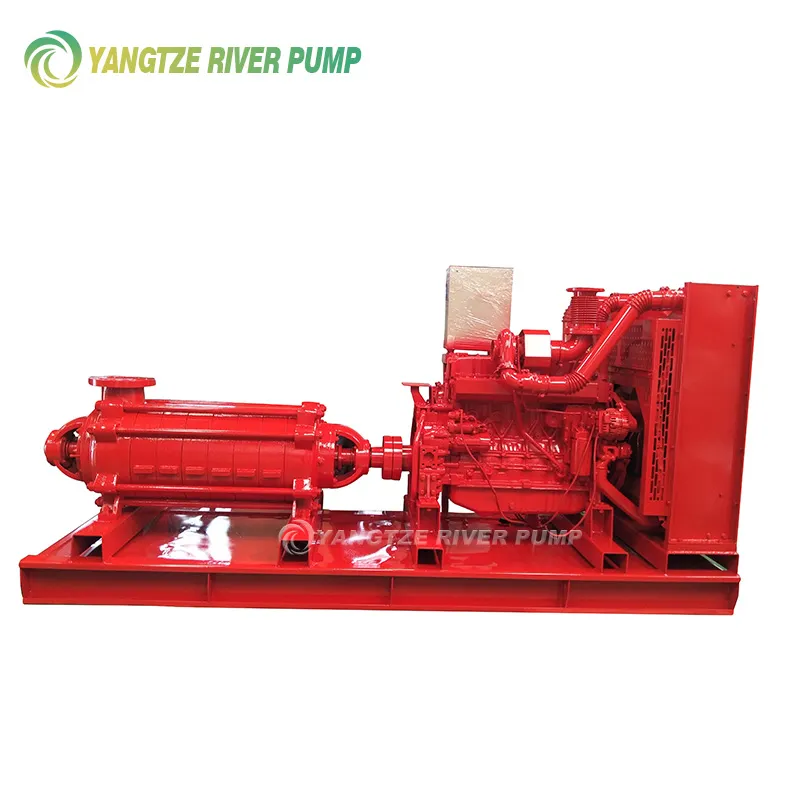 YZD Series Diesel Multistage Centrifugal Pumps