







centrifugal pump for oil
When people say 'centrifugal oil pump', many people think of it as simply a beefed up version of a regular water pump. This is the main trap. Oil is not just a liquid, it is a cocktail of hydrocarbons, possible impurities of water, abrasive particles, and hydrogen sulfide. The temperature fluctuates, the pressure is unstable, and the environment itself is corrosive. Putting just anything here is not for us. I personally saw how at one of the old fields in Western Siberia they tried to adapt a water pump by simply replacing the seals. After three weeks - a leak along the shaft, then cavitation, and eventually downtime for a month. An expensive 'simplification' has come out.
Design: where the pitfalls lie
So where to start? From the material. Cast iron, even reinforced, is suicide for high-sulfur crude oil. This requires steel, and not just any steel. For the casing and impeller we are inZhejiang Yangzijiang Pumping Industry Co.,LtdWe often follow the path of duplex steels such as 2205 or super duplex. They resist both chlorides and hydrogen sulfide cracking. But again, it all depends on the oil analysis. There was a case when a customer sent average data, but in fact the batch contained a high percentage of CO2. The standard duplex began to corrode. I had to urgently change to a version with a higher molybdenum content. Now we always require the most detailed product passport.
The impeller is a different story. Blades must be designed to withstand viscosity. If you pump fuel oil or heavy oil, the form will be one, for the light fraction it will be different. In our model range, we focus on closed wheels with increased rigidity - there is less risk of deformation due to temperature changes and water hammer, which, alas, are not uncommon on pipelines. But efficiency also suffers. We have to find a balance between reliability and efficiency for each specific object.
But the seals... We can argue for a long time here. Oil seals are cheap, but oil is a constant threat of leakage and fire. Mechanical mechanical seals (MSM) are our standard choice. But they also need to be selected correctly: single, double, with a barrier liquid? If the oil contains sand, even a double MTU can quickly fail due to abrasive wear. Sometimes it is more logical to install a magnetic coupling in order to completely isolate the drive from the pumped medium. We have in our linemagnetic pumpsjust for such aggressive and dangerous environments. Completely sealed, but with its own nuances in terms of power and temperature limitations.
Application scenarios: from production to oil depot
We cannot talk about one pump for the entire oil industry. The pump for pumping water into the reservoir (PPD) and the pump for pumping finished fuel oil at the terminal are two different worlds. The field often needsmultistage centrifugal pumpsto create high pressure for injection. Resistance to contaminated water with reagents is important here. We supplied such installations for projects in the Khanty-Mansi Autonomous Okrug, where an important condition was the ability to quickly replace section modules without completely dismantling the pipeline - repair time is critical.
In the field, for primary pumping of oil from raw material tanks or acceptance operations, they are often usedself-priming pumps. Convenient when there is a risk of gas ingress or the need to frequently start after inactivity. But their effectiveness decreases with increasing viscosity. You have to calculate carefully, and sometimes it turns out that the classiccentrifugal pumpwith support is a more stable solution, although it requires more complex strapping.
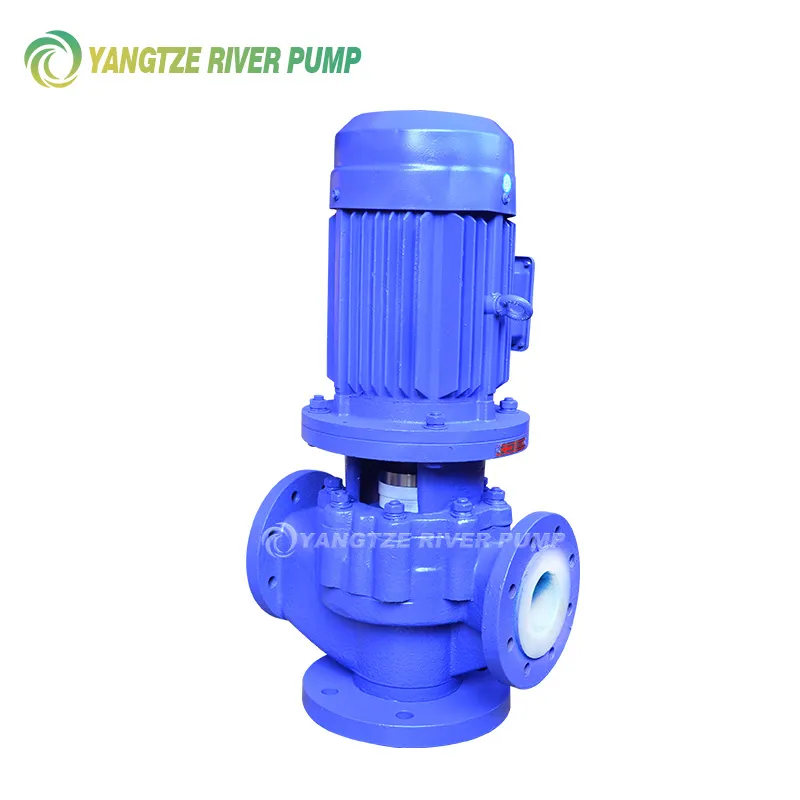
But in the process units of refineries, where intermediate products are pumped - naphtha, kerosene, gas oil - the requirements shift towards accuracy, resistance to different fractions and often explosion-proof design. In demand herelinear centrifugal pumps(in-line). They can be embedded directly into the pipeline without additional bends or foundation, which saves space on crowded sites. We make them corrosion-resistant, as some fractions after hydrotreating can be quite 'evil'.
Testing and Validation: Paper vs. reality
The passport specifications are sacred, but they were taken on the water. And oil is not water. The most important stage that we have implemented in our production after several controversial launches is sea trials on a stand with an environment as close as possible to the custom one. We take the same liquid from the customer (or its analogue), heat it, cool it, and simulate real work cycles.
I remember that for one customer from Tatarstan we were preparing a pump for pumping high-viscosity oil with heating. Everything was perfect on the water. We ran it on a stand with a glycerin mixture that simulates viscosity, and the bearing unit overheated. It turned out that at high viscosity, the load on the drive and heat dissipation are different. We had to recalculate the cooling system and change the type of supports. Without such tests, the pump would have failed on the first shift at the site.
Therefore our siteyangtzeriverpump.ruis not just a catalogue. Behind each model in the sectioncentrifugal pumpsThere is a history of such 'grinding in' to real conditions. We have made this a separate principle: we do not sell an abstract unit, but select and test a solution for a specific task. It is more expensive at the preparation stage, but several times cheaper over the life cycle.
Service and feedback: what they bring from the field
Any, even the most reliable pump requires maintenance. And the key here is the availability of components and maintainability. We strive to design our units includingsubmersible pumpsfor downhole production, with modular architecture. So that if the working part wears out or the MTU fails, the unit can be replaced, rather than having to transport the entire installation halfway across the country. This is a requirement that was hard-won in the field, when the site is 300 km away on a winter road, and time is money.
Feedback from operators is priceless. One day, a request came from one refinery: why, after six months of operation, dotted corrosion lesions appeared on the cover on the pump for light products? We figured it out. It turned out that periodic steam flushes appeared in the technological process, which were not initially reported. Standard 304 stainless steel did not withstand the chlorides in the condensate. Now, for all tasks where there is even a hint of contact with steam or hot water, we offer more resistant alloys. This was included in our internal specification.
That is why in our company, as stated in the description, the cycle 'R&D - production - testing - sales - service' is closed. Designers communicate with service engineers, who bring photos and defect reports from the field. This allows you to constantly make micro-changes in the design: strengthen a stiffener here, change the configuration of the drainage hole there. It seems like a small thing, but it is these little things that distinguish hardware that simply spins from equipment that has been working for years under harsh conditions.
Evolution of requirements and looking forward
The trend now is digitalization. Requests are being made for pumps with built-in sensors for vibration, bearing temperature, and efficiency. This is right. But the basics remain the same: before you think about a 'smart' pump, you need to make a 'healthy' pump. Reliable mechanically, correctly selected in terms of material and hydraulics. Without this, any monitoring system will only record the agony of the unit.
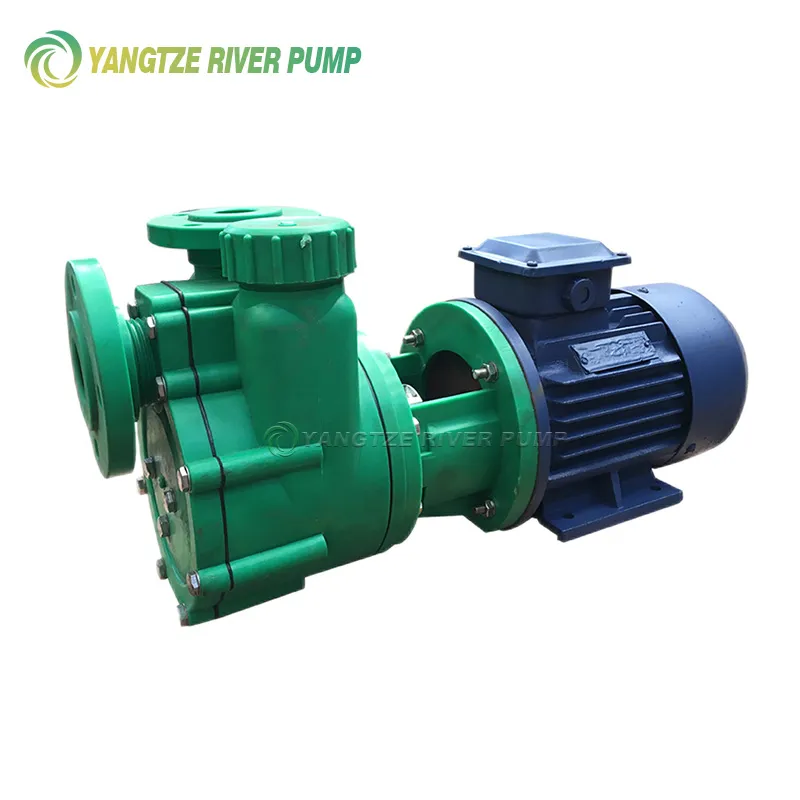
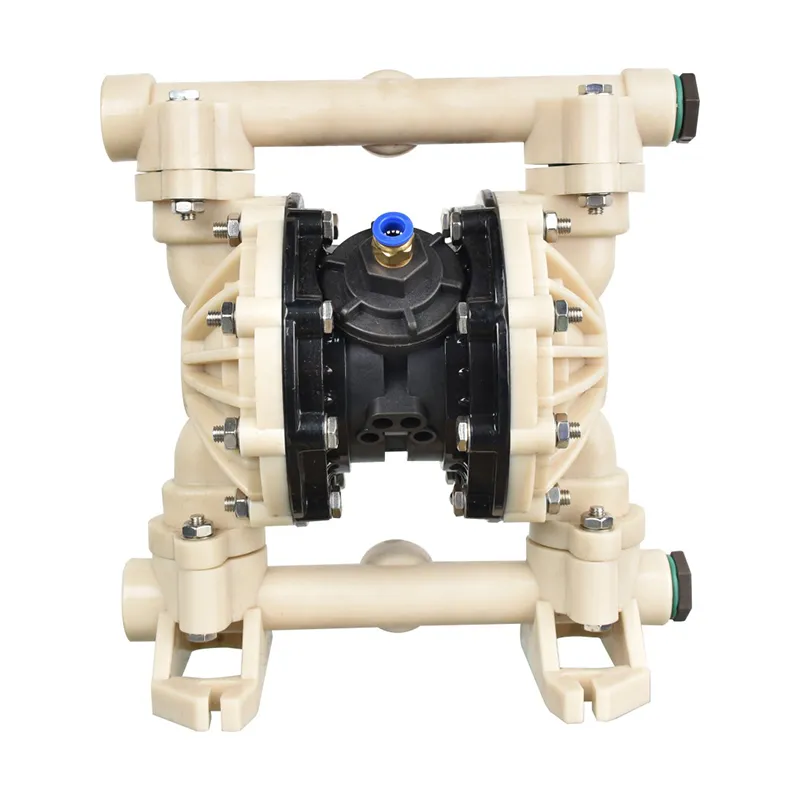
Another point - versatility vs. specialization. Sometimes a customer wants one pump 'for all occasions'. This is a utopia. As I mentioned, we haveZhejiang Yangzijiang Pumping Industry Co.,Ltdin production there is alsoplastic chemical pumpsfor reagents, and screw and diaphragm pumps. Because different phases and different environments require different operating principles.Centrifugal pump for oil- this is the king for continuous pumping of large volumes, but it cannot cope with a highly viscous product without heating or with a suspension with a large content of mechanical inclusions. You need to be honest with the customer about this, even if it means selling him a less expensive but more suitable type of pump.
In the end, back to the beginning. Choosing a centrifugal pump for oil is not choosing from a catalog with a pressure-flow graph. This is a comprehensive assessment: environment (exact composition!), operating mode (continuous/cyclic), site conditions, maintainability. This is a dialogue between the customer’s technologist and the manufacturer’s engineer. And the main sign of success is when, a few years after the launch, you come to the site and see your pump in operation, and the local mechanics nod: “The unit is working properly.” This means that all these details, nuances and tests were not in vain. Everything else is just theory.
Correspondingproducts
Related Products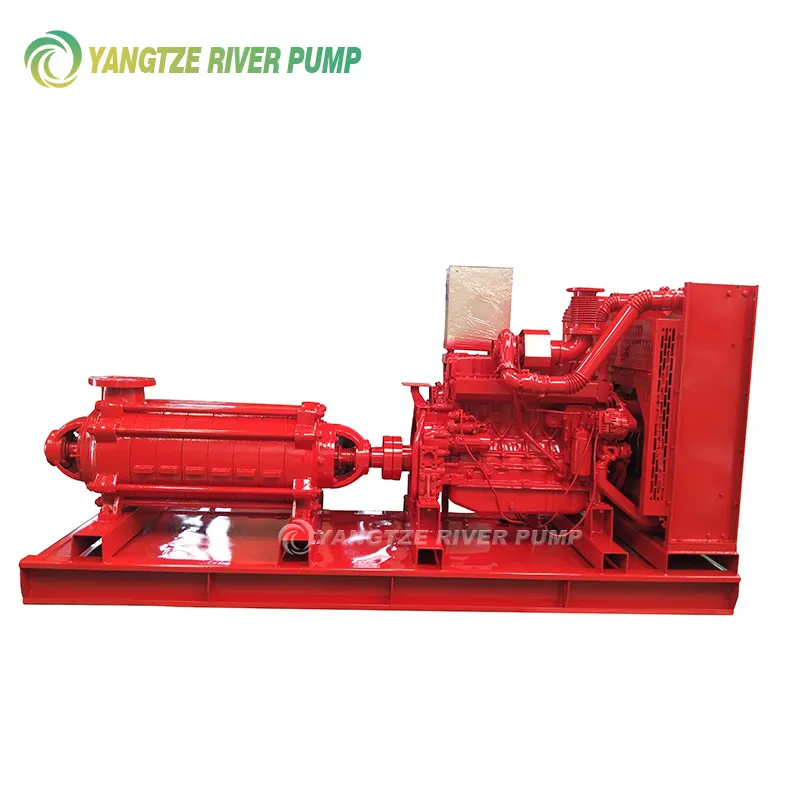
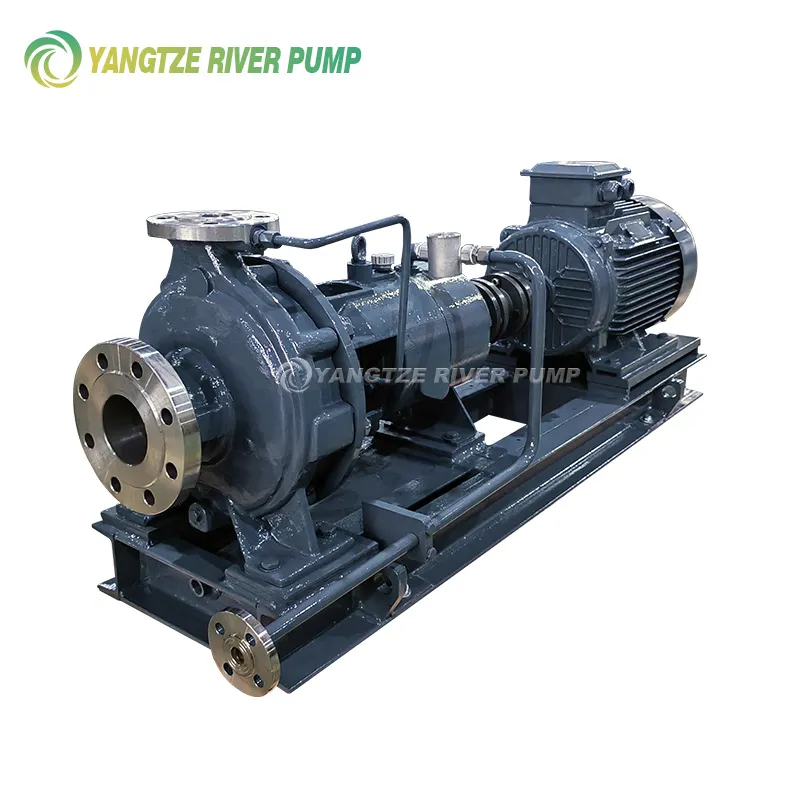

Best Sellingproducts
Best Selling Products-
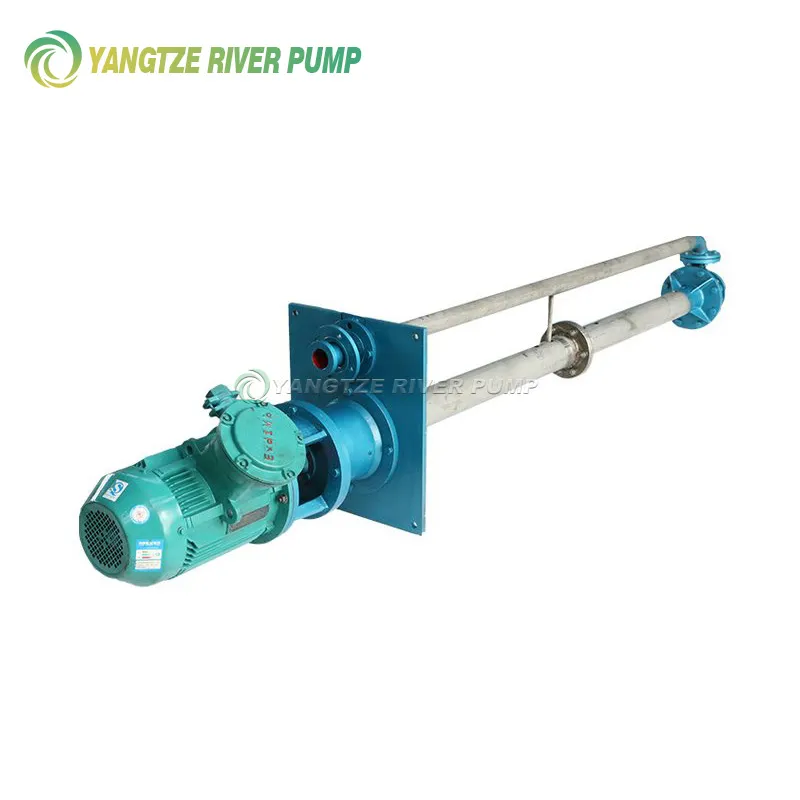 FY Submersible Chemical Pumps
-
 Non-clogging self-priming wastewater pumps ZW
-
 Metal pneumatic diaphragm pumps QBK
-
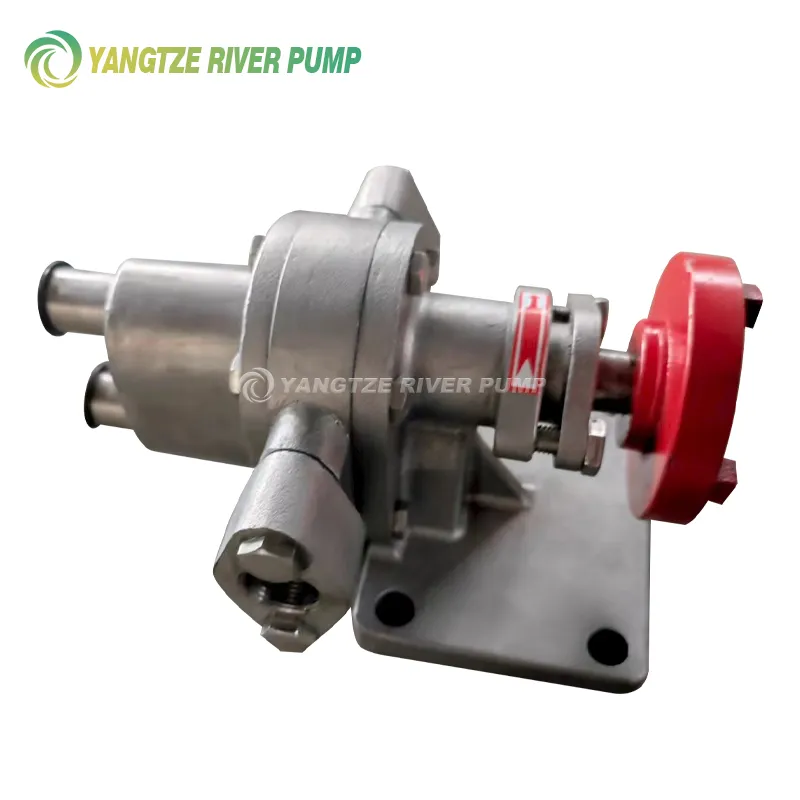 Gear oil pumps type KCB
-
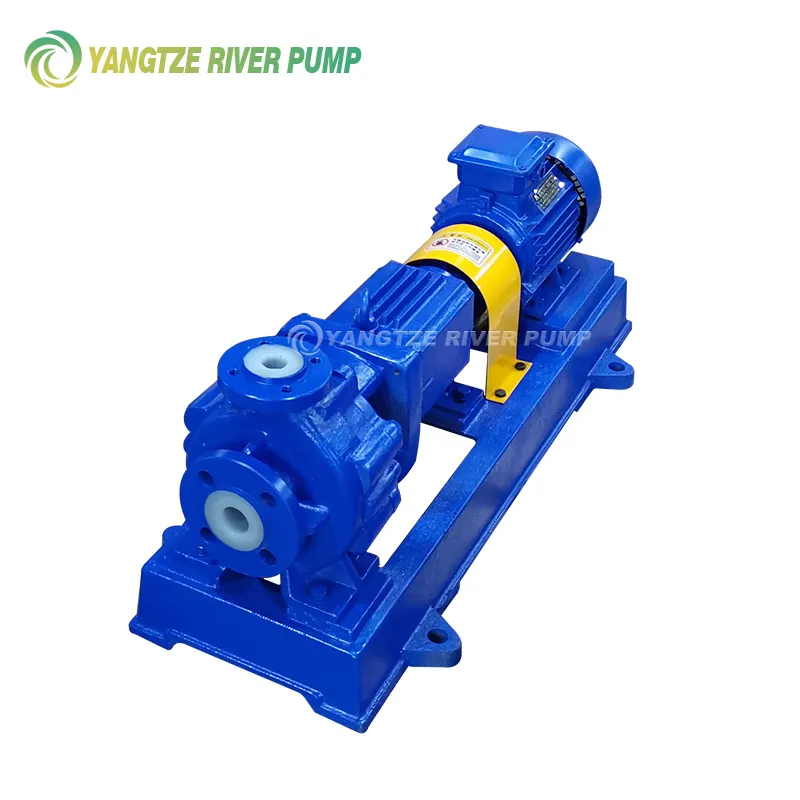 IHF PTFE Chemical Centrifugal Pumps
-
 Infinitely variable screw pumps type G
-
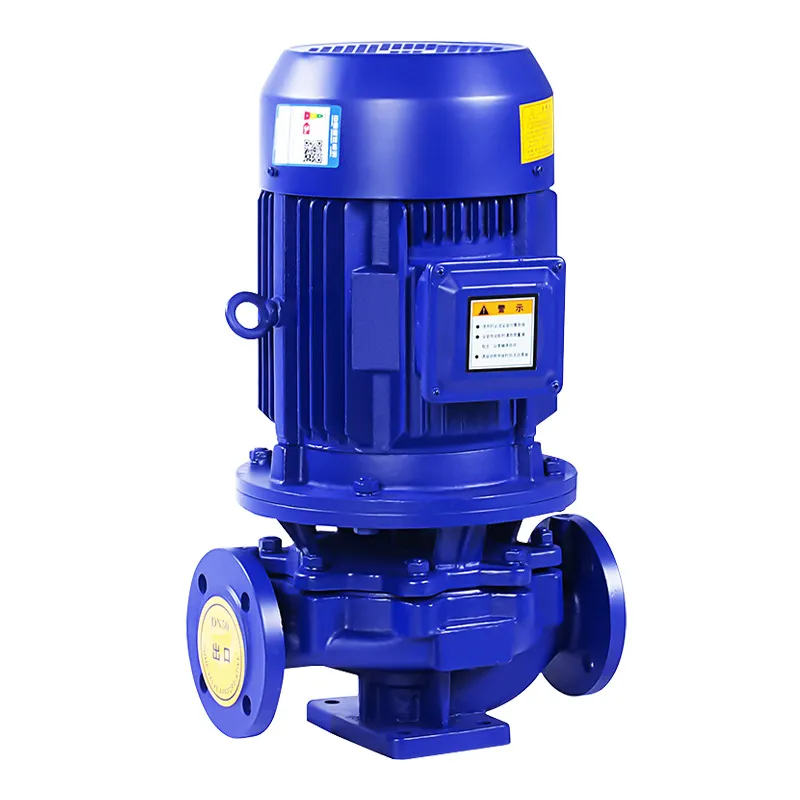 Vertical single-stage pipeline centrifugal pumps ISG and IHG
-
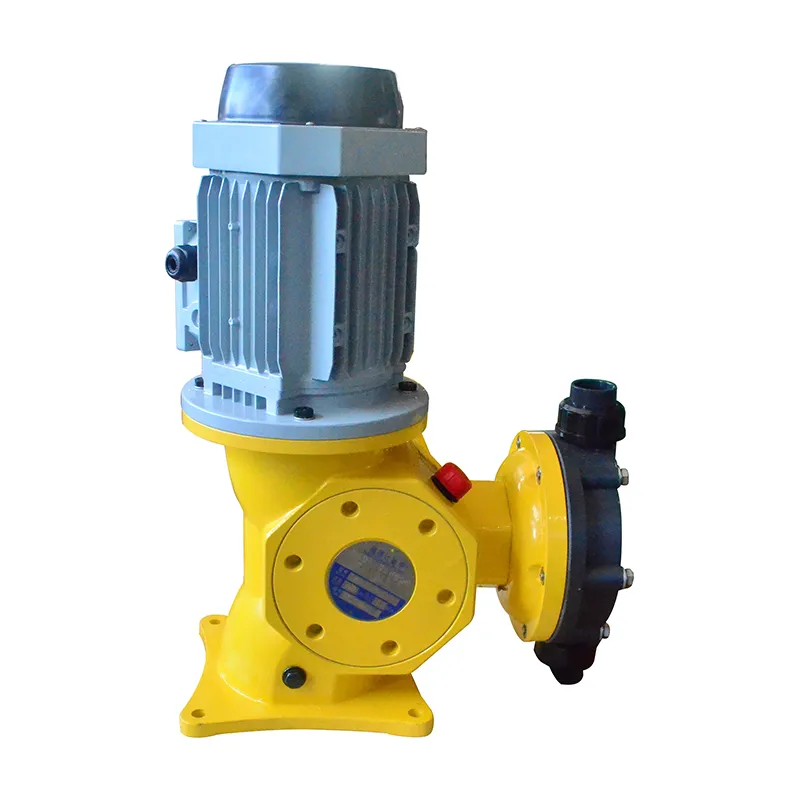 Mechanical diaphragm dosing pumps DJ-Z
-
 YW Vertical Submersible Sewage Pumps
-
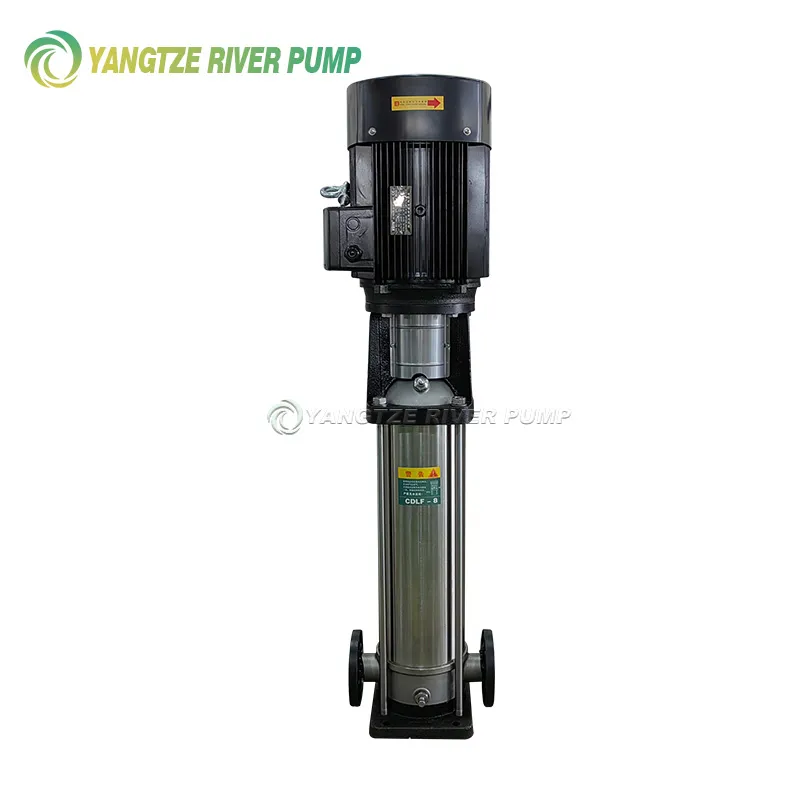 Vertical multistage centrifugal pumps made of stainless steel (light series) CDL and CDLF
-
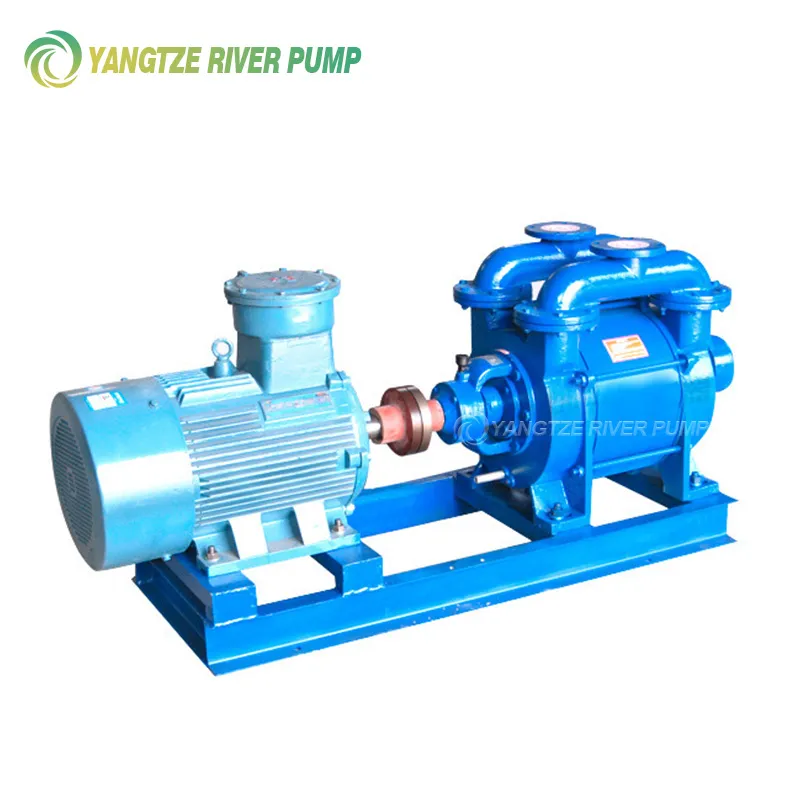 Liquid ring vacuum pumps type SK
-
 Liquid ring vacuum pumps type 2EB