







marine centrifugal pumps
When people talk about marine centrifugal pumps, many people immediately imagine just a “pump that sits on a ship.” But in fact, this is a whole philosophy - the unit must withstand not only pressure, but also pitching, vibration, a salty environment, and most importantly - work for years without whims. A common mistake is to try to install slightly modified industrial models on ships. Result? At best, frequent breakdowns; at worst, an emergency. We at Zhejiang Yangzijiang Pumping Industry LLC went through this: initially we focused on versatility, but requests from shipyards quickly put everything in its place.
How does a ship pump differ from a land pump? - non-obvious nuances
It would seem that the same hydraulics, the same impellers. But let's take, for example, seal material. Under normal conditions, standard EPDM will do, but in seawater with its chemical activity and temperature changes, it quickly hardens and cracks. I had to go through the options: Viton, special polymers. And this is just one node. The building is also history. Cast iron, of course, is durable, but in conditions of constant moisture and salt aerosols, corrosion eats it up faster than we would like. We switched to stainless steel grades, and for certain tasks - to bronze or even duplex steels. But this is not a panacea: the cost soars, and the customer needs to explain why the pump is twice as expensive.
Another point is vibration. On a stand in the workshop, the pump works perfectly, but on a ship, when the main engine comes into operation, waves, and general structural vibration of the hull, resonances appear. There have been cases when a perfectly serviceable unit began to “sing?” at certain speeds, which led to fatigue cracks in pipelines. It was necessary to introduce additional vibration isolation platforms and revise the design of the supports. This is not from textbooks, this is pure practice, full of cones.
And of course, efficiency. On a ship, every kilowatt counts. Therefore, optimization of the hydraulic part is not for show, but for real fuel savings. In our R&D center, we spent a lot of time selecting and profiling impellers specifically for typical ship circuits: ballast systems, fire extinguishing systems, sea water cooling. What is important here is not the maximum pressure, but the optimal operating mode within the standard parameters of the system.
Line and adaptation: how we approach design
We have eight complete production lines, from development to testing. This allows you not just to sell the catalog, but to adapt it. For example, classicmarine centrifugal pumpssingle-stage - this is the basis, say, for pumping seawater. But for drinking water pressure boosting systems or fuel transfer systems, multi-stage models are already needed to ensure stable pressure with compact dimensions in a cramped engine room.
The request often comes: “Do you need a pump to pump chemically active liquids from bilge tanks?”. This is where our plastic chemical pumps or magnetic coupling pumps come into play. Magnetic pumps, by the way, for ships are an excellent solution to the problem of leaks. There is no gland seal - there is no risk of leakage into the environment, which is critically important according to current environmental standards (MARPOL). But they also have their own Achilles heel - they are afraid of working dry. and torque overloads. We have to equip them with sensors and be sure to explain this to the crew.
But self-priming models are a different story for ship conditions. Imagine you need to pump water out of a bilge after a storm. The level changes, the pump may choke. air. A classic centrifugal pump will not cope with this, but a self-priming pump will start and work even with periodic air intake. We often install them as emergency bilges. But there is also a detail here: the design of the liquid ring or built-in ejector requires regular maintenance, otherwise it will lose its properties.
Tests: not for paper, but for confidence
Many manufacturers limit themselves to standard hydraulic tests. At our testing station, we test prototypes in conditions close to real ones. We create vibration, simulate a list of up to 15-20 degrees, and check operation during unstable power supply (as happens on ship generators). Once such a test revealed a problem with the bearing assembly: during prolonged operation with a roll, the lubricant was redistributed and overheating occurred. On production models the unit was redone.
A mandatory stage is testing for material resistance. We immerse key elements in salt fog, oil solutions, and diesel fuel. It was funny and sad when one of the first batches of protective coatings for brackets peeled off with bubbles after such a test. We had to change the supplier of paints and varnishes and the application technology. Now we know for sure that our coating holds up.
And of course, noise vibration diagnostics. On a passenger ship or research vessel, noise level is a strict parameter. Therefore, we record vibration and noise spectra in all operating modes. Sometimes simple wheel balancing at a higher accuracy class helps, sometimes changing the casing design helps. The goal is for the final protocol to contain figures that will suit both the shipyard and the shipowner.
Cases from practice and ?unsuccessful? attempts
I'll tell you about one specific case. The customer set the task: a pump for pumping viscous marine fuel (fuel oil) with heating. We offered standardcentrifugal pumpmade of stainless steel with a heating jacket. Everything seems logical. But in practice, it turned out that when warmed up, the viscosity drops unevenly, and local overheating occurred in the pump cavities, which led to deformation and jamming. The project was, to put it mildly, not very successful.
After that, we got serious about screw (single screw) pumps for viscous media. They are, of course, not purely centrifugal, but they are much better suited for such tasks. It turned out that they can also be effectively adapted for ship installation - making a compact drive, corrosion protection, convenient flanges. Now we have this in our line, and we honestly tell customers where a centrifugal unit is needed and where it is better to use a screw unit. Honesty in such matters builds trust more than any advertising slogan.
Another story involves submersible pumps for draining dock chambers or deep holds. We installed a model with a regular cable entry. Six months later, a complaint came: there was a leak in the cable. It turned out that constant micro-vibration and bending of the cable at the entrance to the cover when the ship was rocking led to the destruction of the seal. We changed the input unit to a stuffing box with strain relief - the problem went away. Such little things that you wouldn’t think about in land conditions come to the fore at sea.
Service and feedback: what brings real improvements
Our website https://www.yangtzeriverpump.ru is not just a showcase. Through the feedback form and direct requests, people often come to us not with questions about “how much does it cost?”, but with technical problems: “the pump hums at medium speeds?”, “the seal wears out quickly in a specific medium?”. This is invaluable information for us. We analyze each such case, sometimes asking for photos of units and working conditions.
Based on the results of several similar wear tests, we, for example, modified the design of the mechanical seal for pumps operating with water containing abrasive suspensions (sand, silt). We added the ability to flush the seal cavity with clean water from a separate source. This simple solution significantly increased the service life of dredging vessels.
The service network is our pain. As a manufacturer from China, we cannot have our own mechanics in every port. Therefore, we rely on two points: maximum reliability of the design (so that there is nothing to break) and detailed, understandable documentation with step-by-step instructions for repair and diagnostics in Russian. Plus, we always keep the most popular spare parts in stock - impellers, shafts, sealing kits. For a ship owner, vessel downtime is a huge loss, and our task is to minimize this time at any cost.
Looking Ahead: Where the Industry is Heading
The trend is obvious: energy efficiency and “smart” systems. We are not talking about artificial intelligence, but about simple telemetry. Vibration, temperature, and outlet pressure sensors connected to the ship's automation system make it possible to predict wear and schedule maintenance, rather than putting out fires. We already supply pumps with prepared seats for such sensors. This is in demand on new ships.
The second is materials. We are exploring the possibility of using lighter and stronger composites for casings and impellers. This reduces overall weight, which is important for high-speed ships and yachts. But the issue of certification of such materials for marine use is a separate and complex path.
And the main thing is dialogue. The best solutions are not born in the designer’s office, but at the intersection of our engineering experience and the practical knowledge of captains, mechanics, and shipbuilders. That’s why not only sales are so important to us, but also these very stories, cases, even failures. They form the very product that can be confidently called reliablemarine centrifugal pump, and not just an iron block with an electric motor. In the end, our goal at Zhejiang Yangzijiang Pumping Industry LLC is to ensure that after years of operation they can say about our pumps: “It’s worth it and it doesn’t bother you.” There is no better assessment for us.
Correspondingproducts
Related Products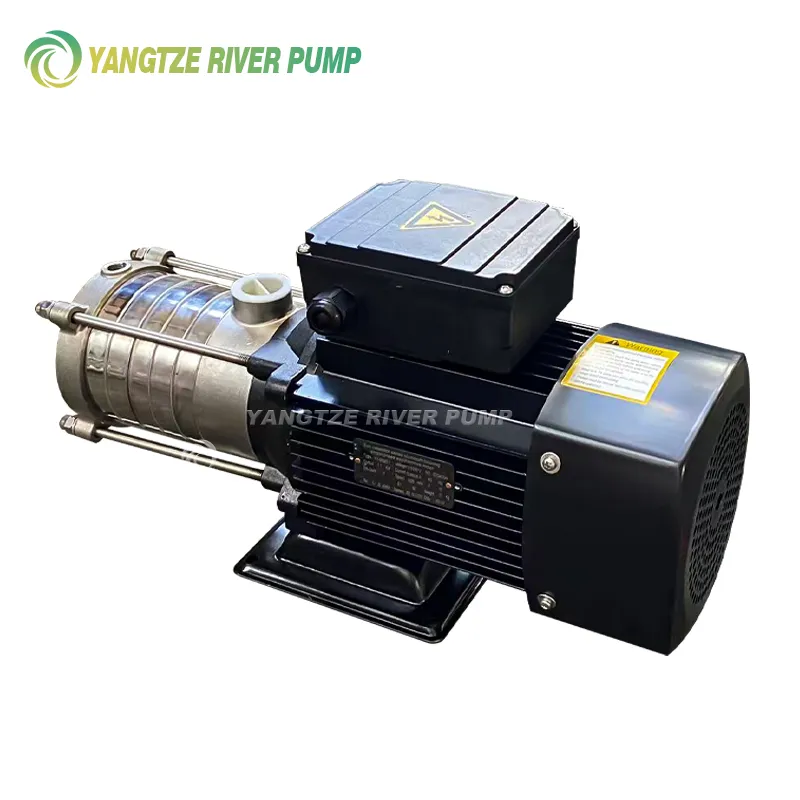
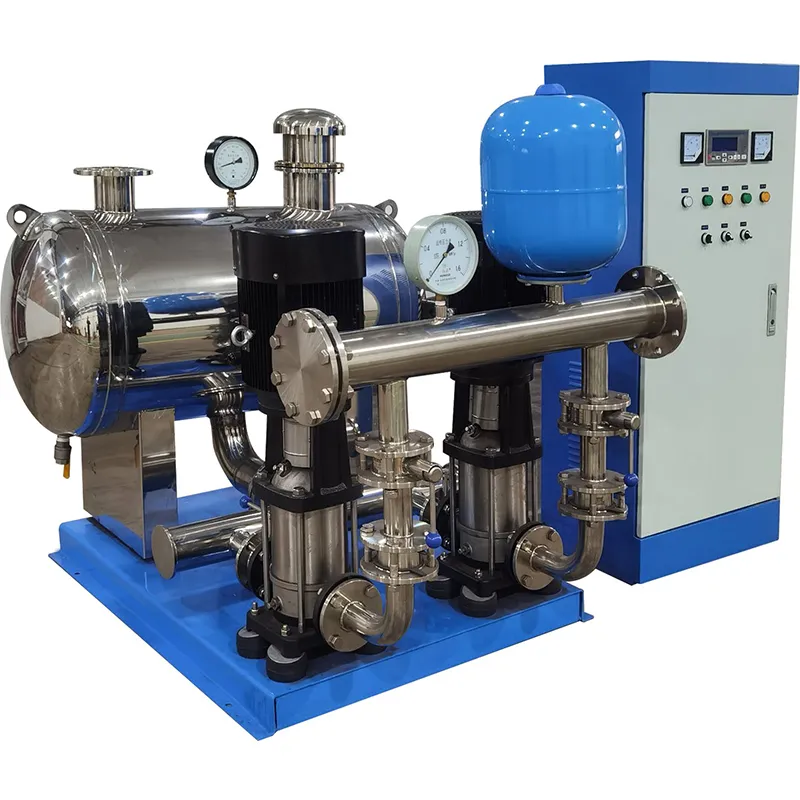
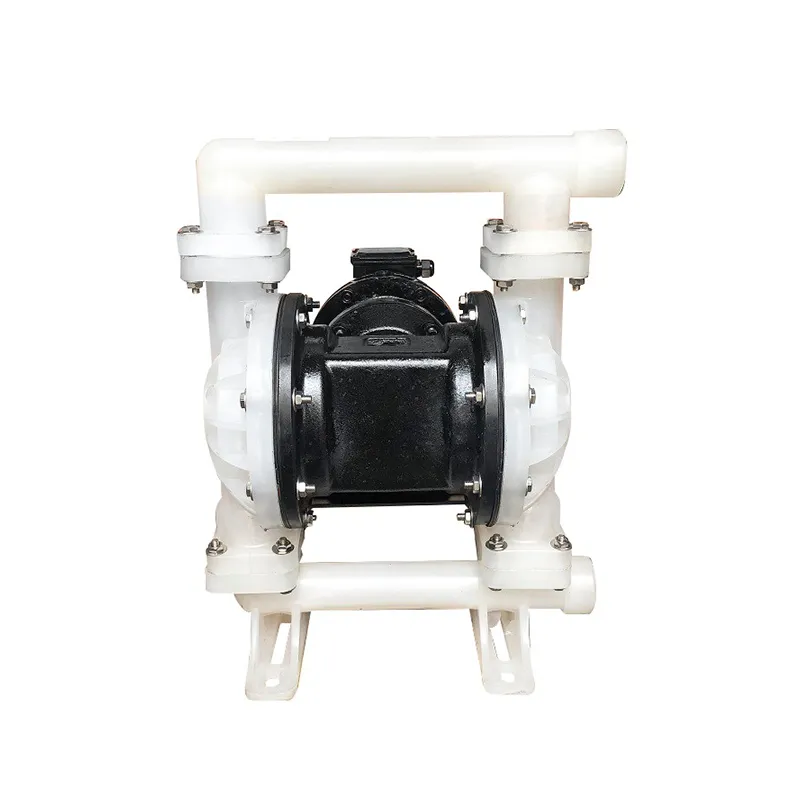
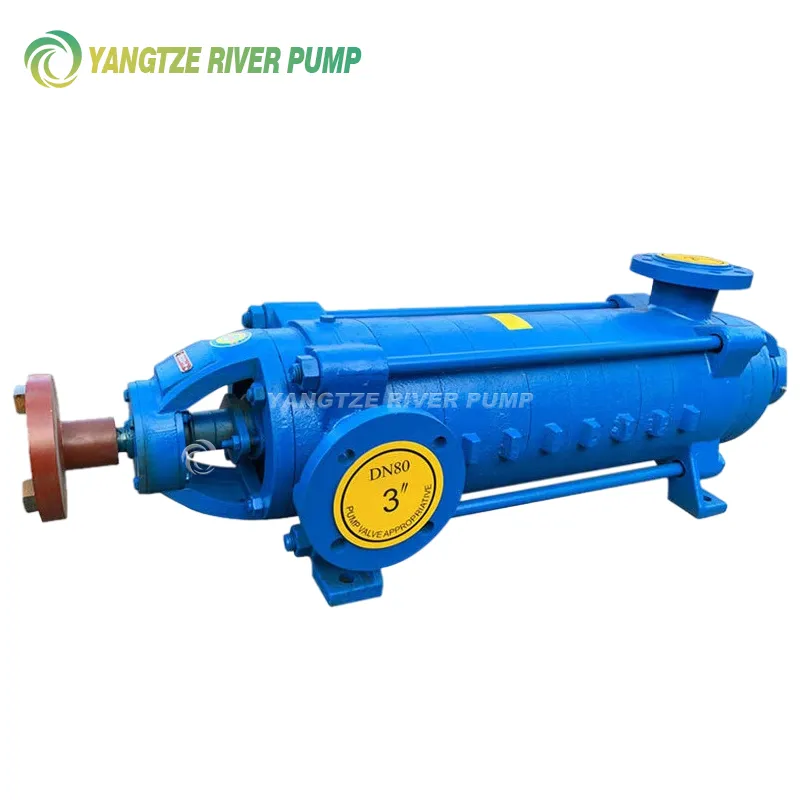

Best Sellingproducts
Best Selling Products-
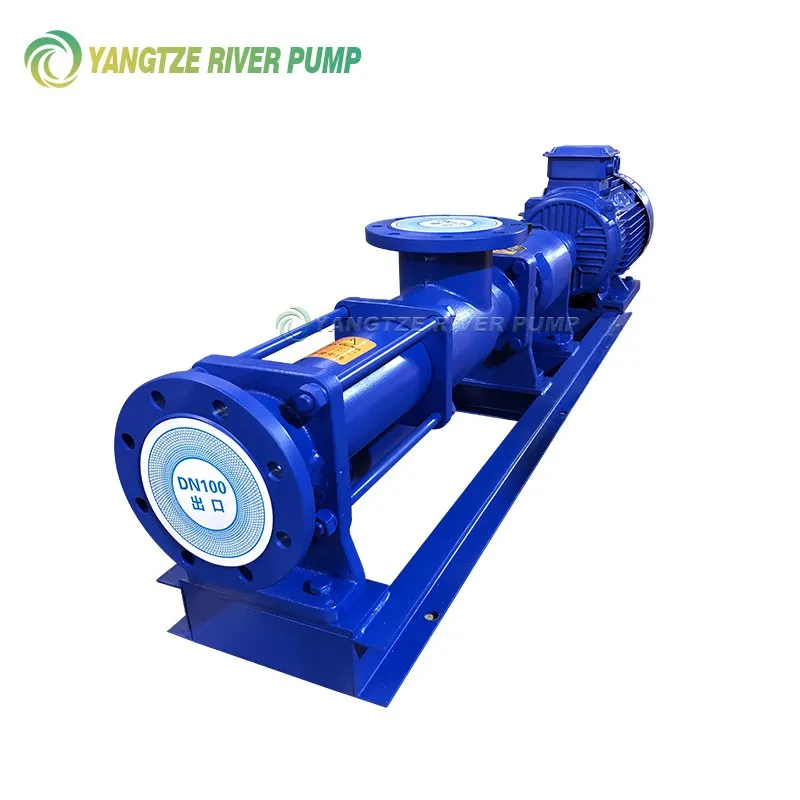 Single screw pumps type G
-
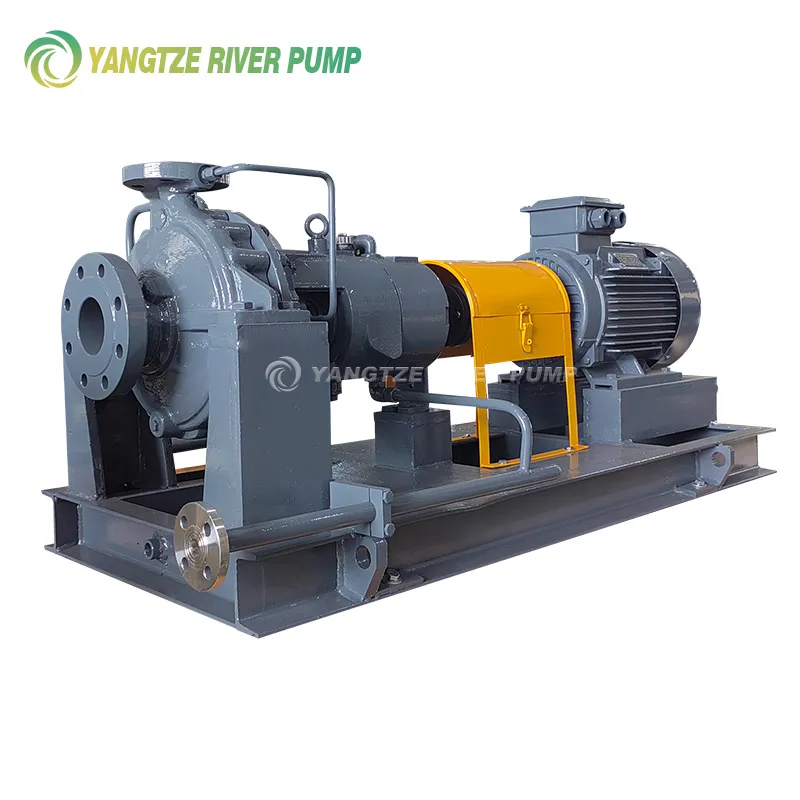 Petrochemical Process Pumps API 610 YZE
-
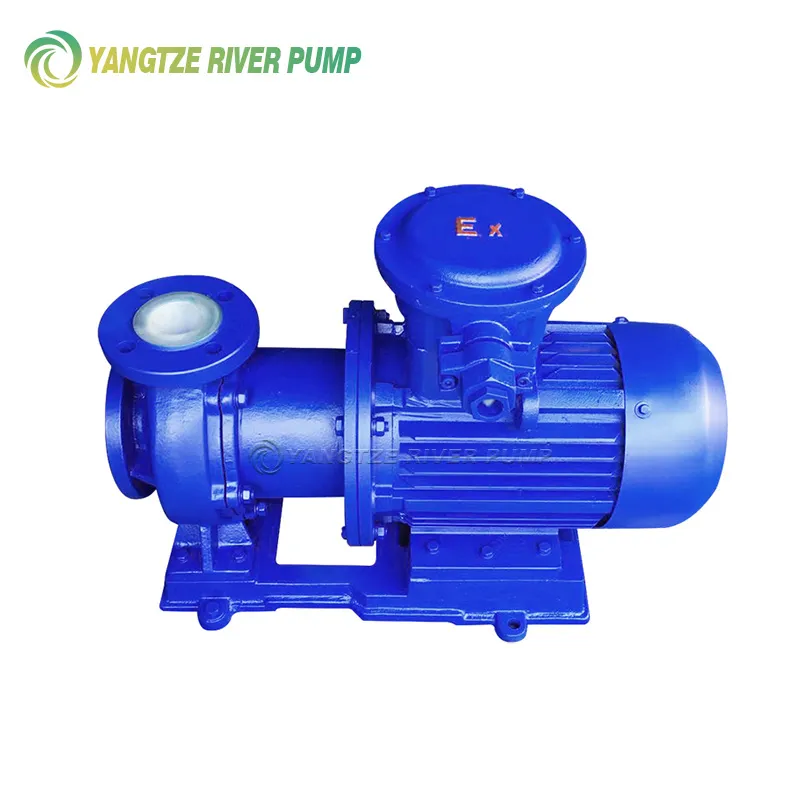 Magnetic pumps with fluoroplastic lining CQB-F
-
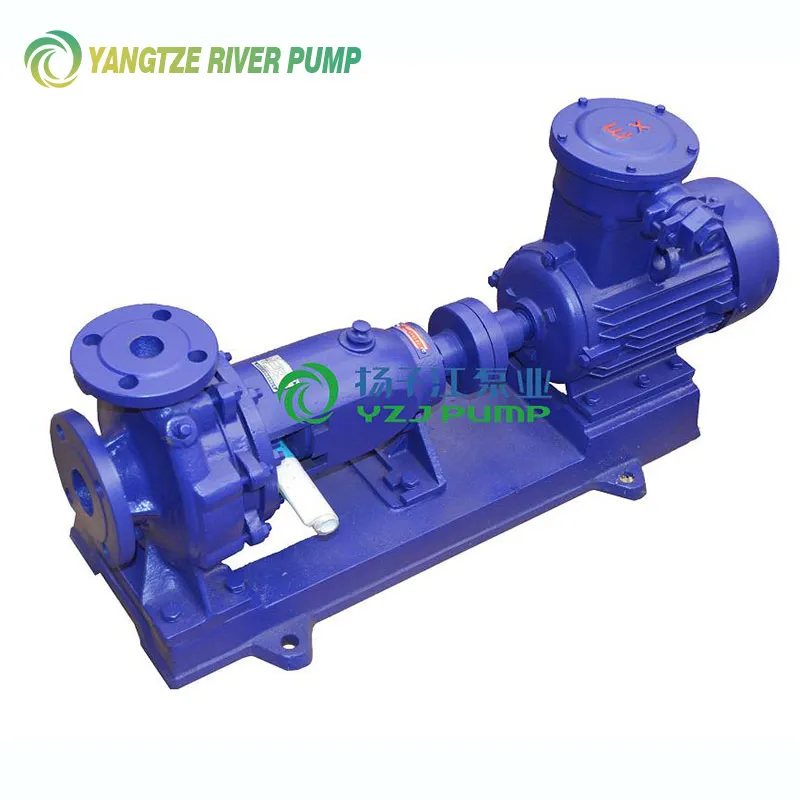 Horizontal chemical centrifugal pumps types IS and IR
-
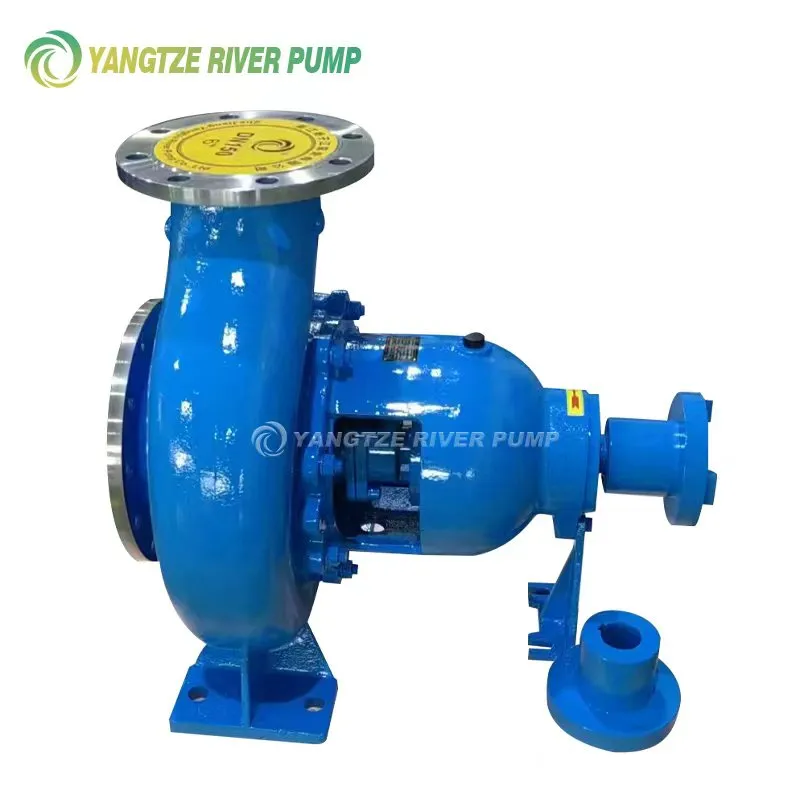 IH Stainless Steel Chemical Centrifugal Pumps
-
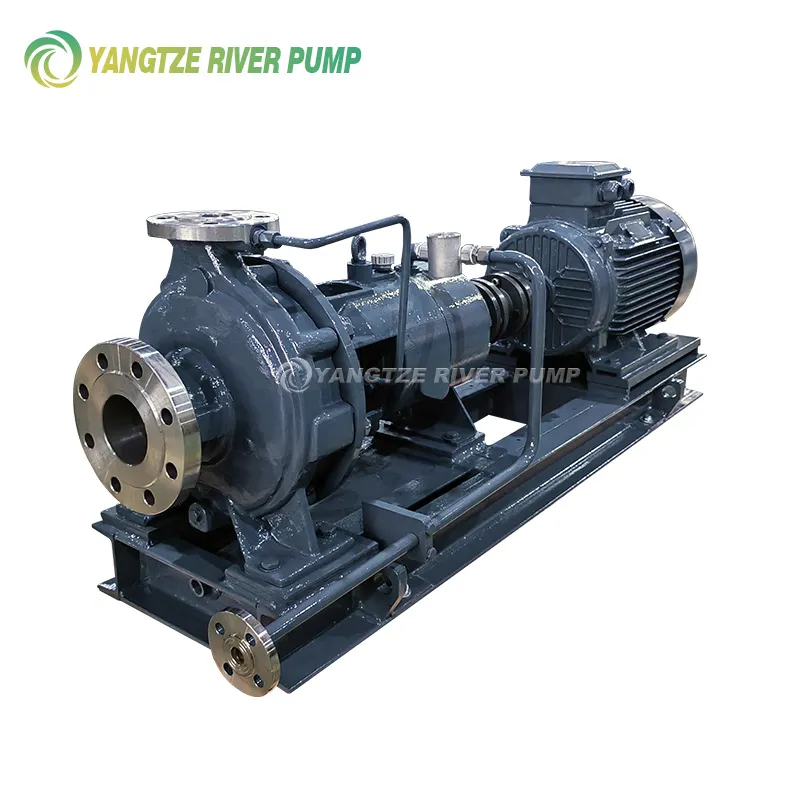 Petrochemical Process Pumps API 610 YZA
-
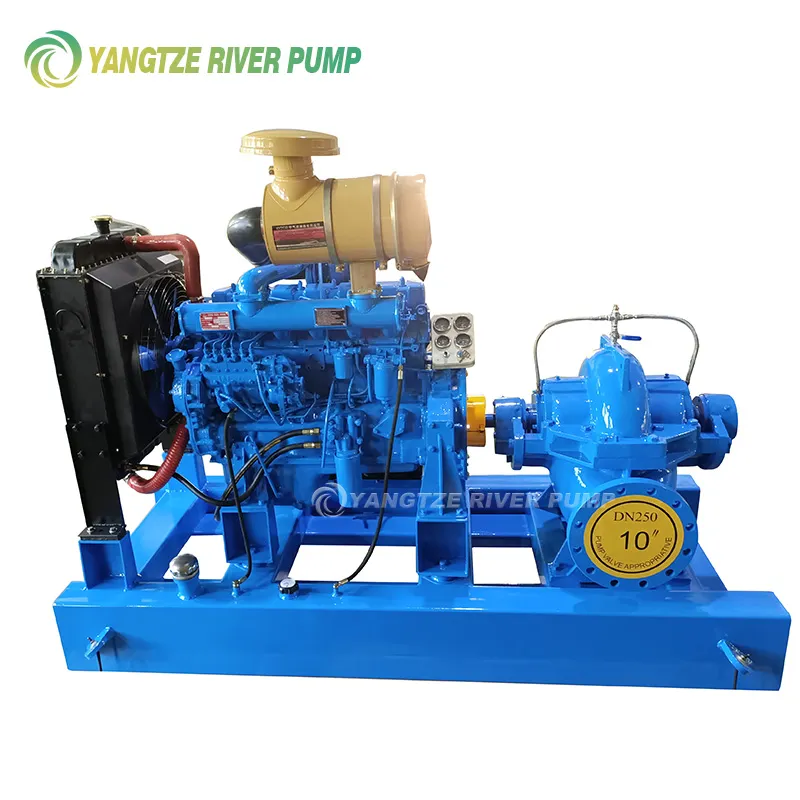 Diesel pumps with horizontal connector YZS and YZSH
-
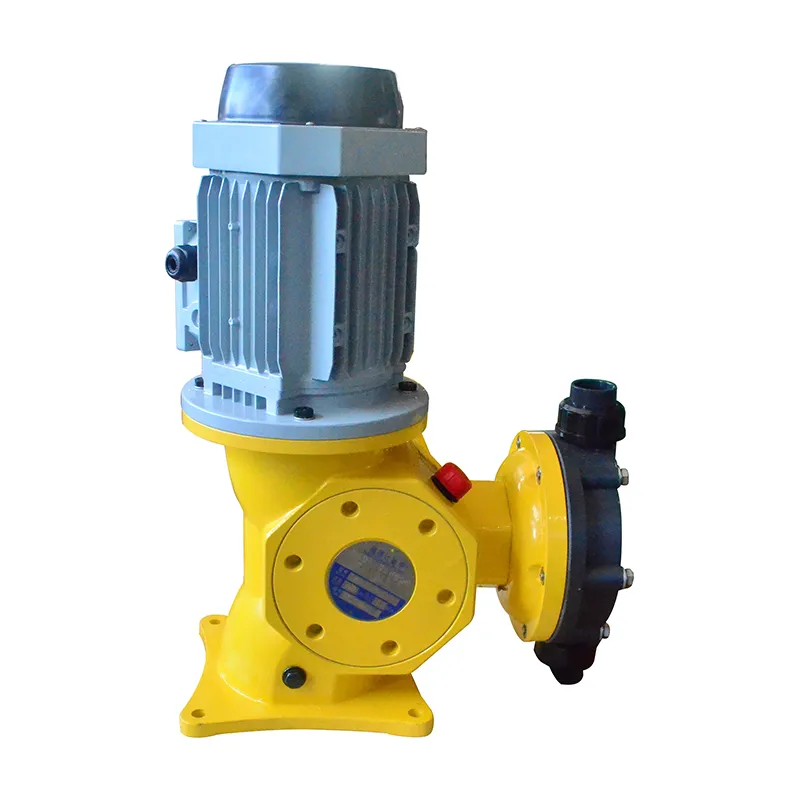 Mechanical diaphragm dosing pumps DJ-Z
-
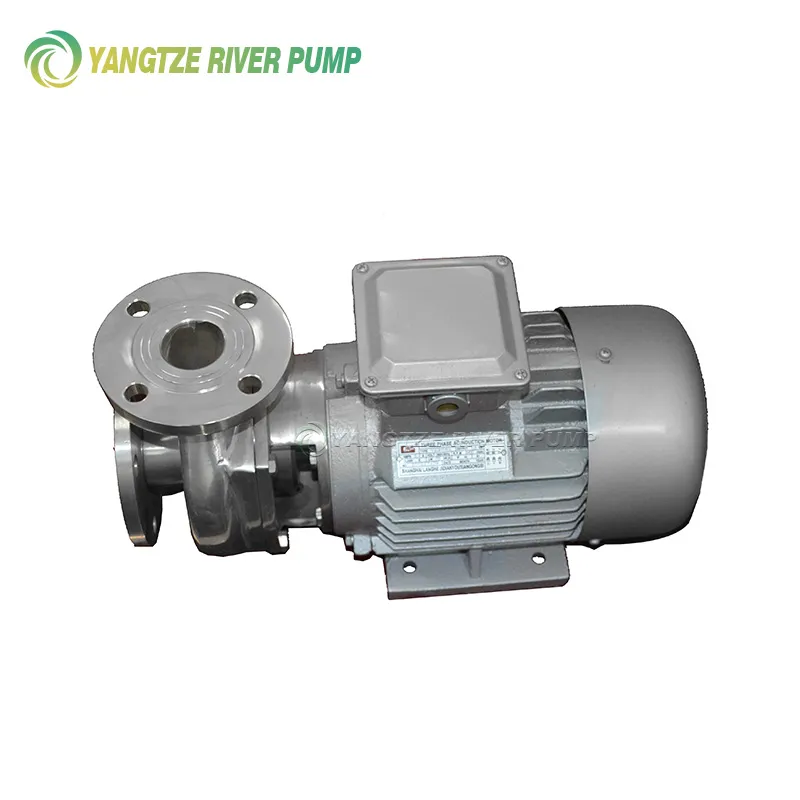 Corrosion-resistant stainless steel centrifugal pumps SFB and SFBX
-
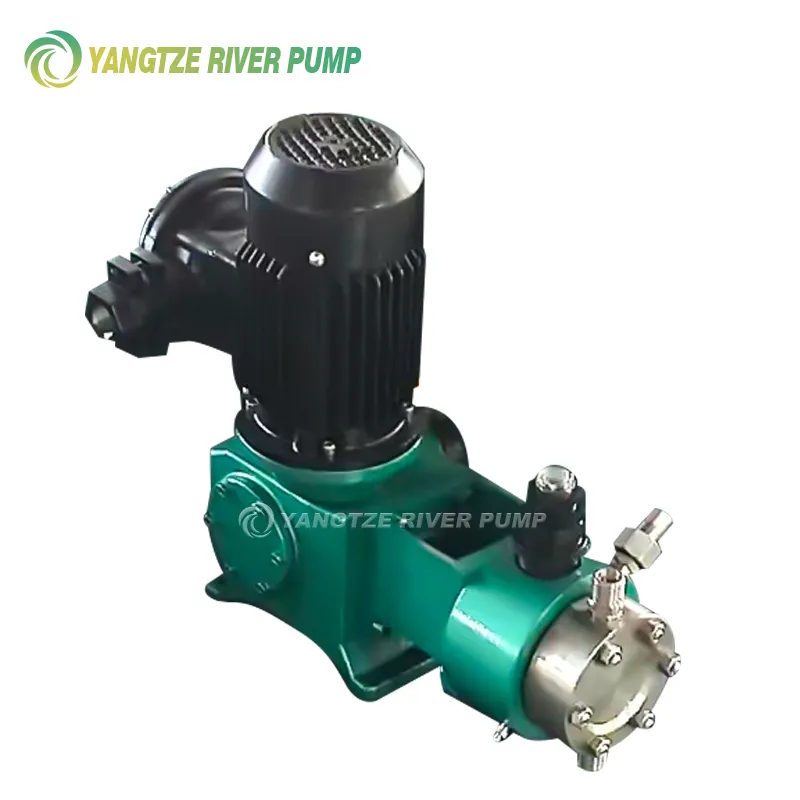 Plunger dosing pumps type DZ-X
-
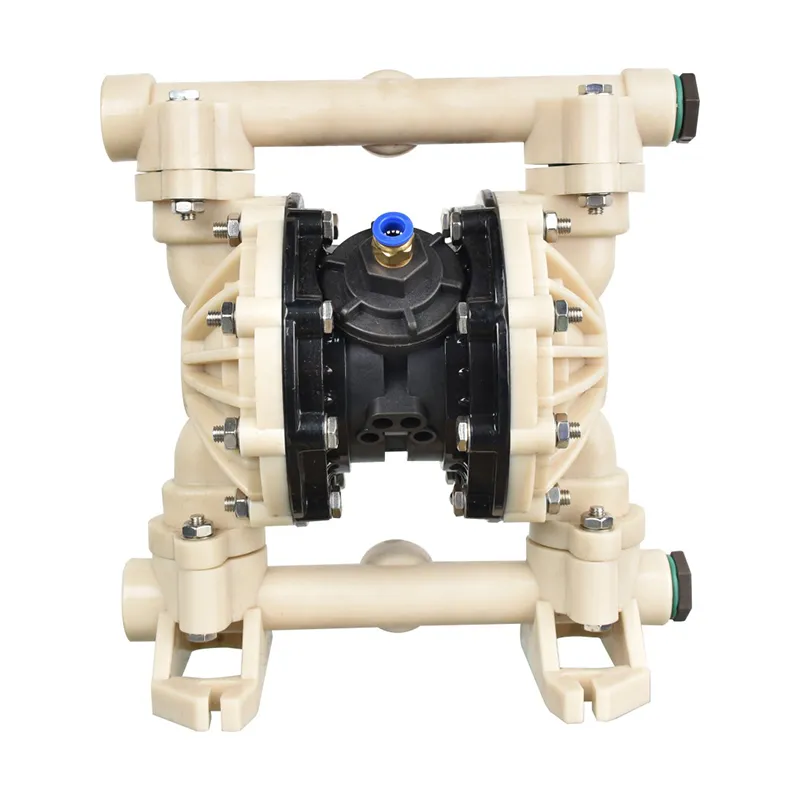 QBK Non-Metallic Air Operated Diaphragm Pumps
-
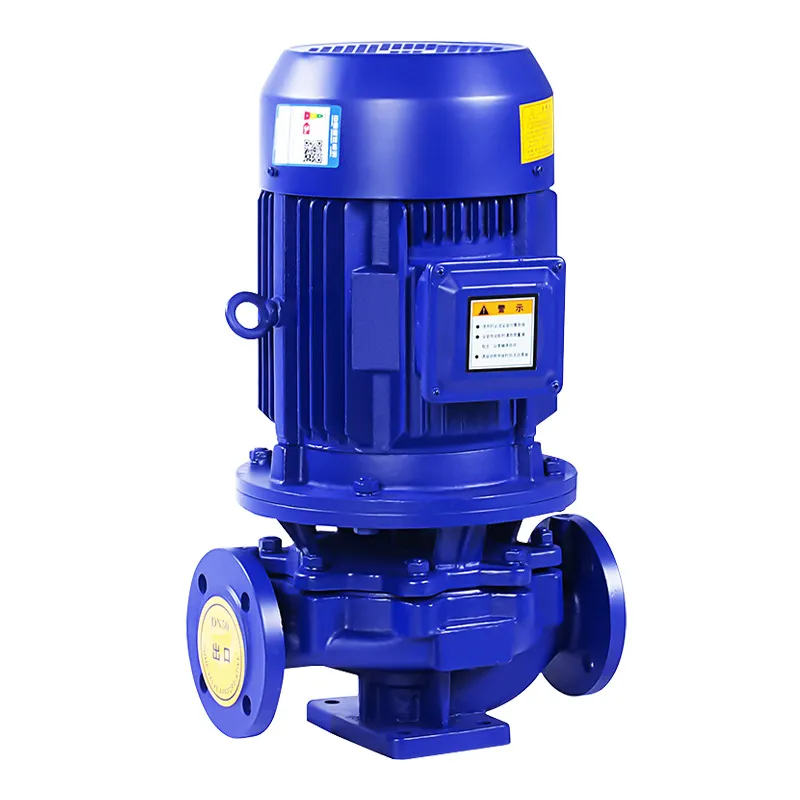 Vertical single-stage pipeline centrifugal pumps ISG and IHG