







submersible well pump 5 m3
When you hear “submersible well pump 5 m3”, the first thing that comes to mind is productivity, that same “five”? cubes per hour. But here’s the catch: many people think that this is the main and only parameter to choose from. In fact, if you only chase this number, you can easily miss. Because the stated 5 m3/h is under ideal conditions, at a certain pressure, which in your well may be completely different. And this is where the fun begins, and often the most problematic.
Where do these “ideal” ones come from? 5 cubes?
When working with equipment, you are constantly faced with the fact that passport data and reality are two big differences. Manufacturer indicatessubmersible well pump 5 m3at, say, a pressure of 30 meters. And your dynamic level is low, plus horizontal wiring throughout the area, plus fine filters in the system. In total, the resistance is about 50 meters. And what? And the fact that the pump will no longer produce 5, but at most 2.5-3 cubic meters. And it’s good if it doesn’t burn out, working at the limit.
Therefore, the first thing we do before making a choice is not to look at a beautiful number, but to calculate the total pressure. Every meter vertically, every 10 meters horizontally (that's about 1 meter vertical), every resistance at the connection point - it all adds up. Only then do you look at the characteristic curves of the pump. In our production, inZhejiang Yangzijiang Pumping Industry Co.,Ltd, for each model there are such curves - it couldn’t be more clear. You show it to the client: you see, with your 50 meters of pressure the productivity will drop to here. Often this becomes a discovery.
There was a case: the customer insisted on a model marked 5 m3, he really wanted just that. We did the calculations and it doesn’t work. They persuaded us to take a slightly more powerful unit, but with better efficiency for its conditions. As a result, he is provided with water, and the pump does not hum like a bee in a jar. And the original version would most likely have failed within a season.
Design: what is hidden inside the case?
Productivity is a consequence. The reason is in the design. A 5cc submersible well pump is usually a multi-stage machine. The more steps, the higher it can raise water with the same performance. But there is a nuance here: for wells with fine sand or lime deposits, the number of steps can play a cruel joke. Narrow flow channels clog faster.
In our assortment, which can be seen onyangtzeriverpump.ru, there are lines for both clean and slightly contaminated water. For conditions where there is a risk of abrasive, we sometimes recommend looking towards models with reinforced impellers made of composite materials or certain grades of stainless steel. They may be a little more expensive, but they will not fail after a couple of months of pumping sand.
An important point is the cooling system. The submersible pump is cooled by the water that surrounds it. If it is lowered above the dynamic level or into a small-diameter well where the flow around the body is weak, overheating is guaranteed. Therefore, we always specify the minimum permissible well diameter and the required immersion depth. It seems like a small thing, but because of it, many units have been written off.
Electrical and control: the invisible part of the iceberg
Engine power forsubmersible pump 5 m3- usually around 0.75-1.1 kW. But you need to look not only at kilowatts. Voltage sag in rural networks is a scourge. An engine designed for 220V, when constantly running at 190V, will heat up and lose power. Therefore, in our data sheets we always indicate the permissible voltage range. And ideally, install a stabilizer. This is not advertising, this is a vital necessity.
Cable. It would seem that what is so difficult here? But its cross-section and quality of insulation are critical. Saving on cable leads to power losses and, again, to overheating. We equip our pumps with a cable with a water seal designed for long-term operation in water. Have you seen the “creations”? some installers who screwed in a regular PVC cable - this is a direct path to a short circuit.
We can talk about automation and protection units for a long time. A float switch is a useful thing, but it cannot be placed in a narrow well. Therefore, a pressure switch or, more modernly, frequency conversion is often used. The latter is expensive, but it gives a smooth start (saves both the pump and the well) and stable pressure in the system, regardless of flow. This is an excellent option for comfortable water supply at home.
Installation and operation: where problems arise
The best pump can be ruined by improper installation. The most common mistake is hanging it on a regular water pipe or, worse, on a cable without shock absorption. The pump vibrates, the pipe begins to resonate, and over time a leak appears at the threaded connection. We always insist on using a braided food hose or a plastic pipe with a margin of flexibility, and always a stainless steel safety rope, which takes the main weight.
Launch. The pump cannot be turned on “dry”. Before the first start-up, it is necessary to pump the well so that there is water around the working part. Otherwise, seals and bearings will fail within minutes. This is written in bold in the instructions for each of our products, but, alas, not everyone reads it.
Service. The myth that you install a submersible pump and forget it is tenacious. Reality: It is advisable to lift and check once a season. At least visually: are there any signs of corrosion, is the cable in order. This is especially true for systems that operate seasonally rather than constantly. Stagnation is enemy number one.
Case from practice: why didn’t the “universal” one fit? model
There was an object - a 40-meter well, the flow rate was good, it was neededwell pump 5 cubic metersfor home water supply and irrigation. The client bought somewhere a ?budget universal? pump with the required number. Three months later - a complaint: the pressure has dropped, the pump works without stopping. When opened (or rather, lifted), it turned out that the impellers, made of ordinary plastic, were almost completely ground off by the fine abrasive that was in the water. The well was new, and there was no visible sand, but the fine suspension did its job.
They proposed a solution from our side - a model from the line for lightly polluted water with wheels made of glass-filled polyamide. Yes, it was 15% more expensive. But two years have passed and there have been no requests. The client just says thank you. This case shows well that universality is a relative concept. You need to select equipment for a specific environment, and not rely on chance.
It is for such non-obvious cases that we have built a complete chain: from R&D and bench testing to consultations. You can go toyangtzeriverpump.ru, look at the characteristics, but it’s better to call and describe your well. This often saves time, money and nerves.
Instead of a conclusion: what to think about before buying
So, to summarize the heap of these thoughts. The figure is ?5 m3? is a starting point, not an ending point. It should be followed by a calculation of the actual pressure, an analysis of water quality (at least visual, or better yet, laboratory), and a check of the electrical network parameters.
You need to look not at one parameter, but at the totality: performance at *your* pressure, material of the flow part, constructive protection against typical problems (dry running, overheating, sand). And, of course, the availability of normal technical support. Because even with the most reliable equipment, questions may arise, and it is important to have someone to ask.
After all, the tasksubmersible well pump- not just download, but do it consistently, for a long time and without unnecessary hassle. And this can only be achieved when the equipment is selected not according to an advertising slogan, but according to the real conditions of a well or borehole. Everything else is a path to repeated costs.
Correspondingproducts
Related Products


Best Sellingproducts
Best Selling Products-
 Infinitely variable screw pumps type G
-
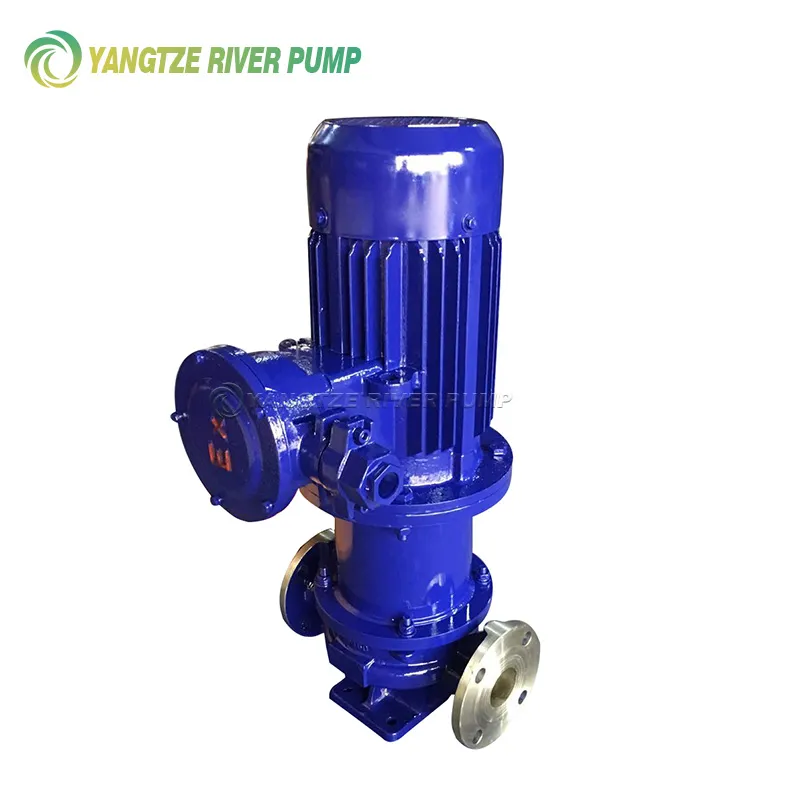 Vertical magnetic pumps CQB-L
-
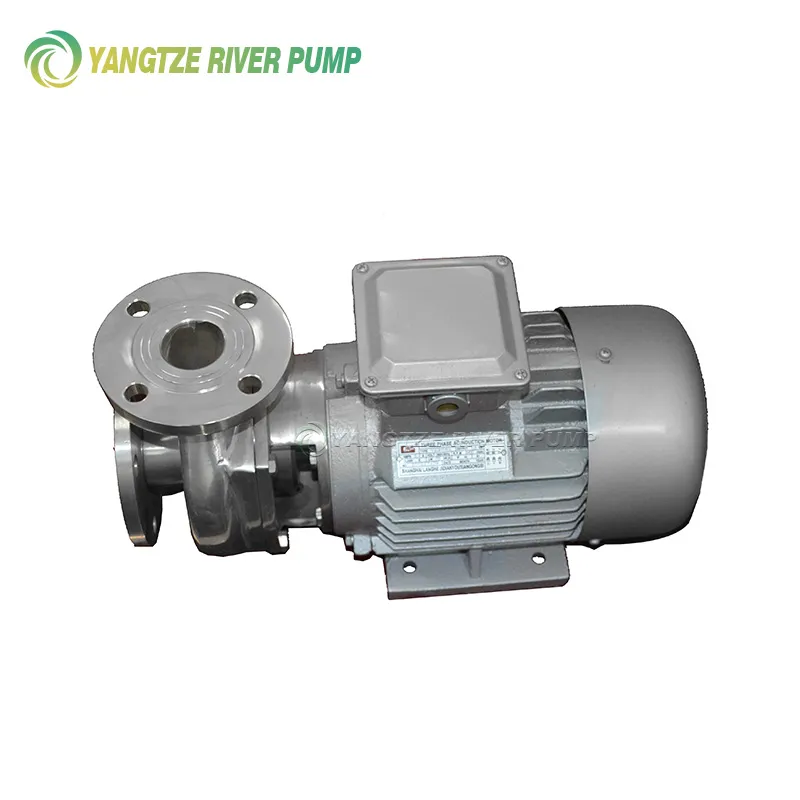 Corrosion-resistant stainless steel centrifugal pumps SFB and SFBX
-
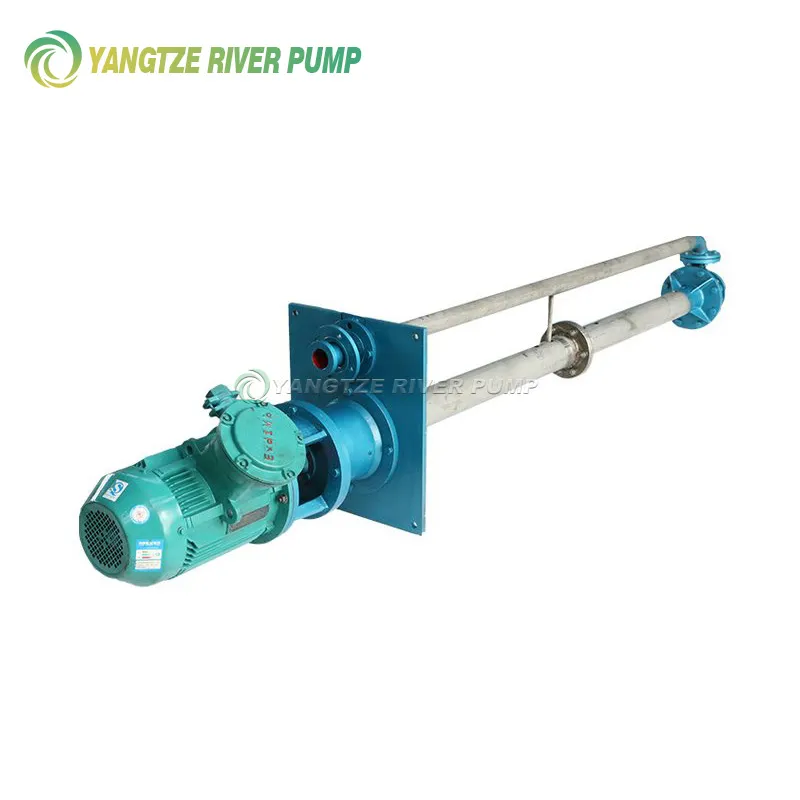 FY Submersible Chemical Pumps
-
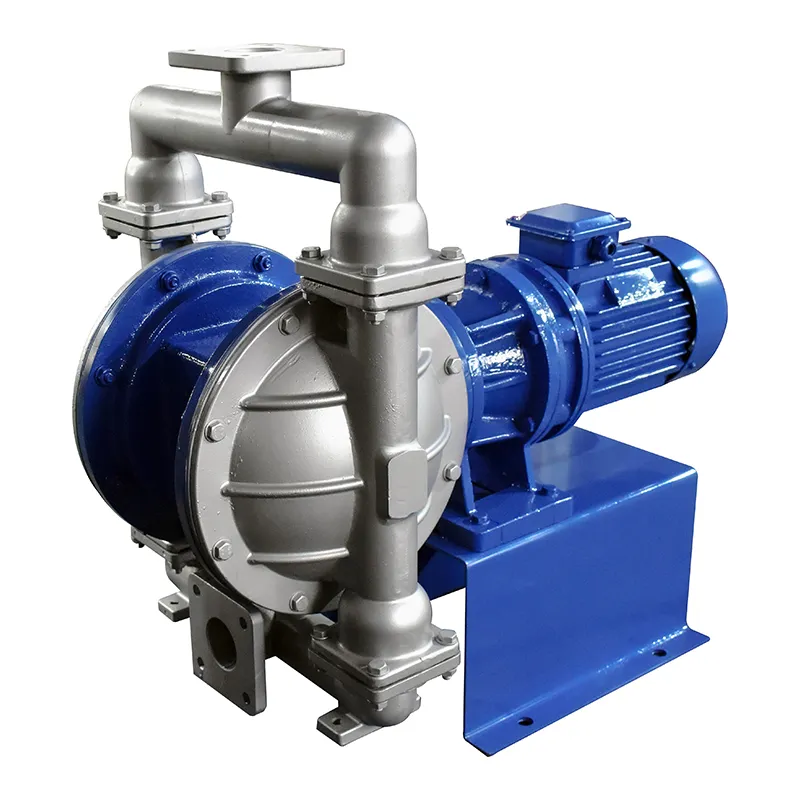 Metal electric diaphragm pumps DBY
-
 Horizontal multistage centrifugal pumps (light series) CHL and CHLF
-
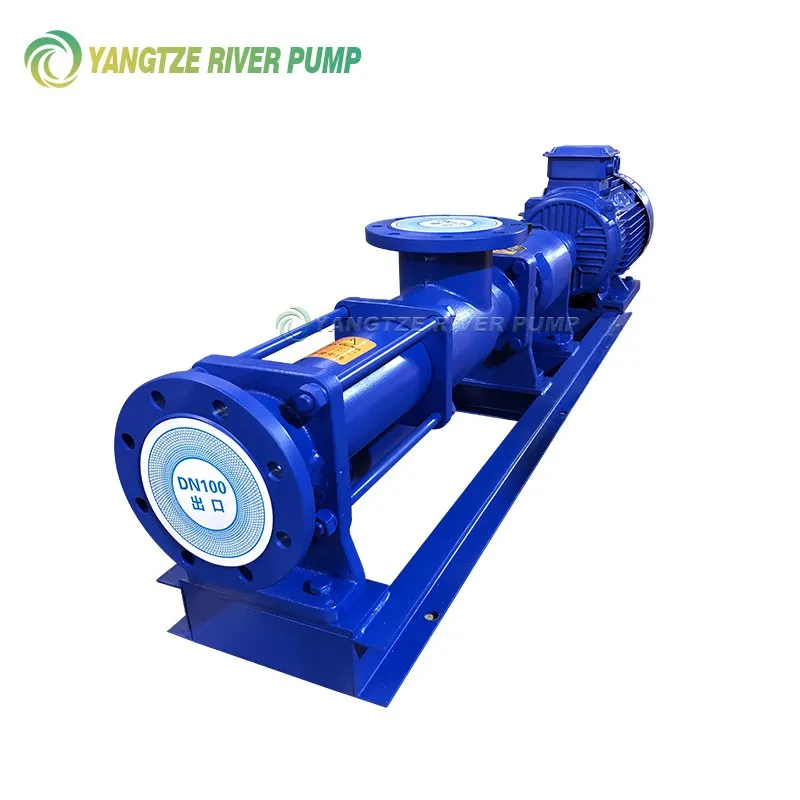 Single screw pumps type G
-
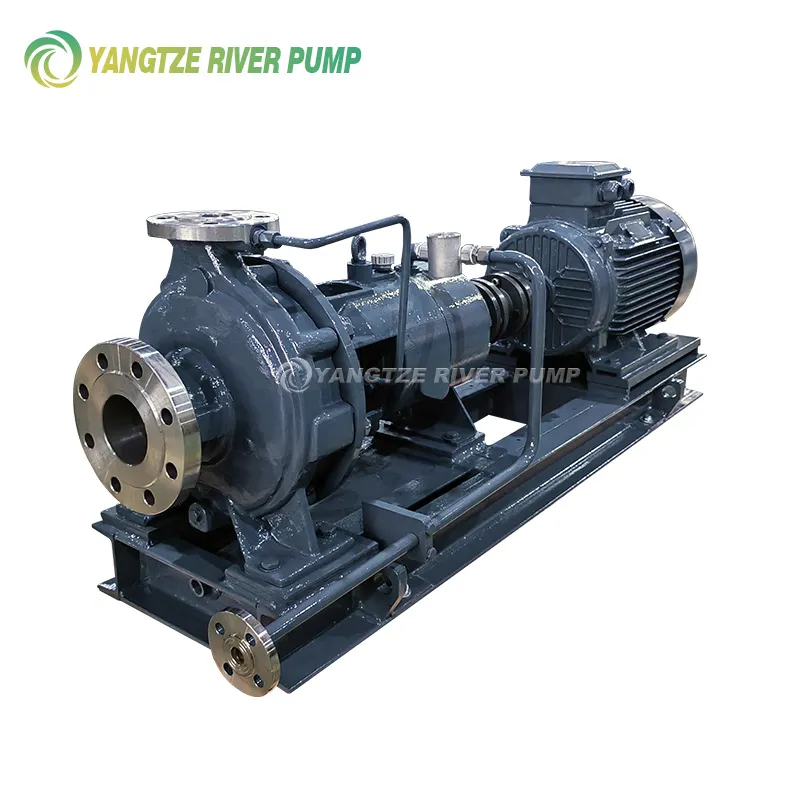 Petrochemical Process Pumps API 610 YZA
-
 YCB Type Circular Gear Pumps
-
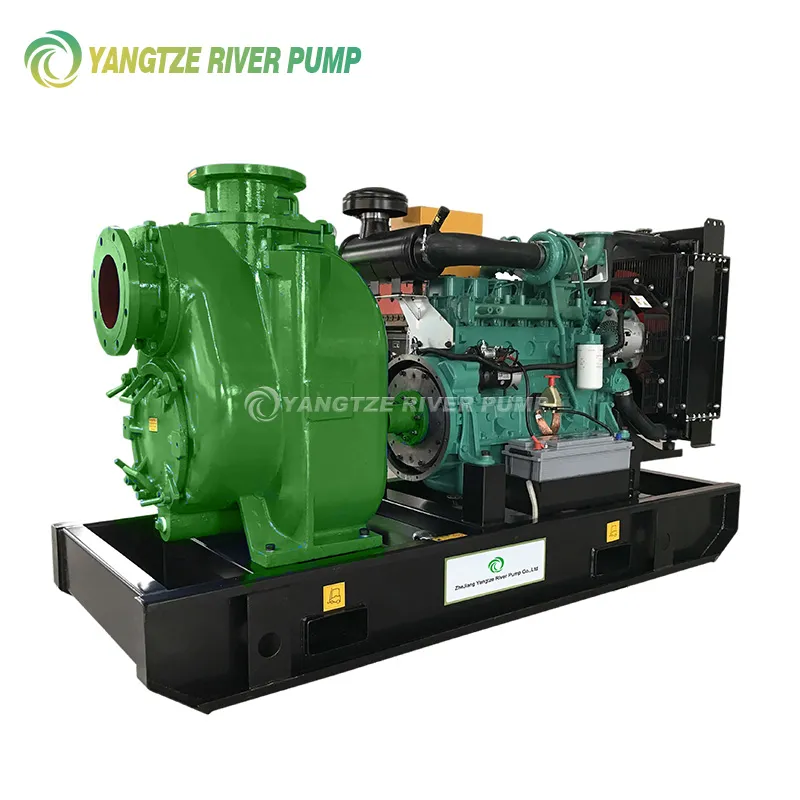 YZSP Diesel Self-Priming Pumps
-
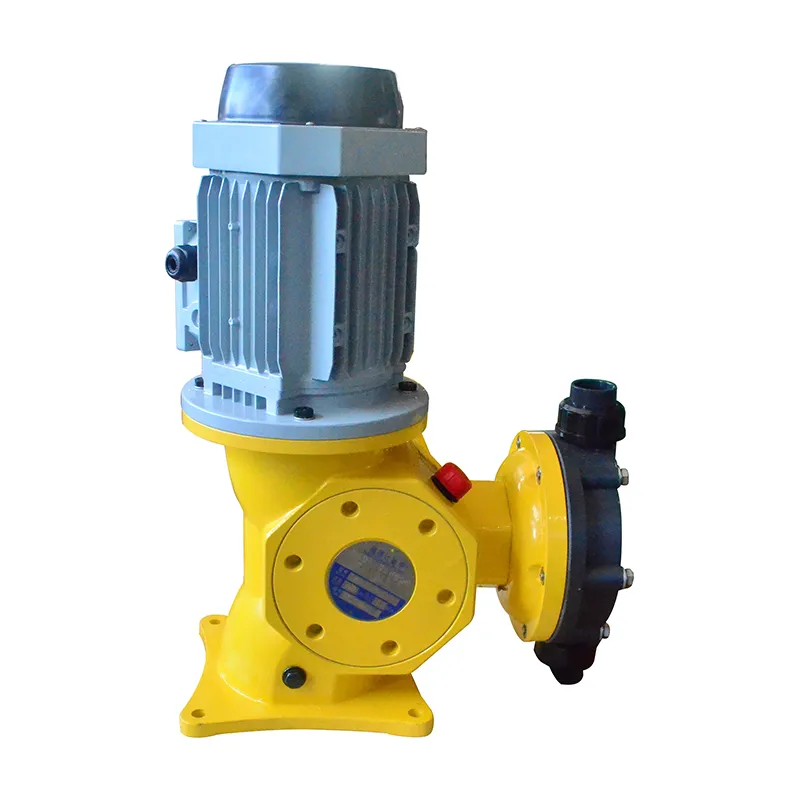 Mechanical diaphragm dosing pumps DJ-Z
-
 Mechanical diaphragm dosing pumps DJ-D