







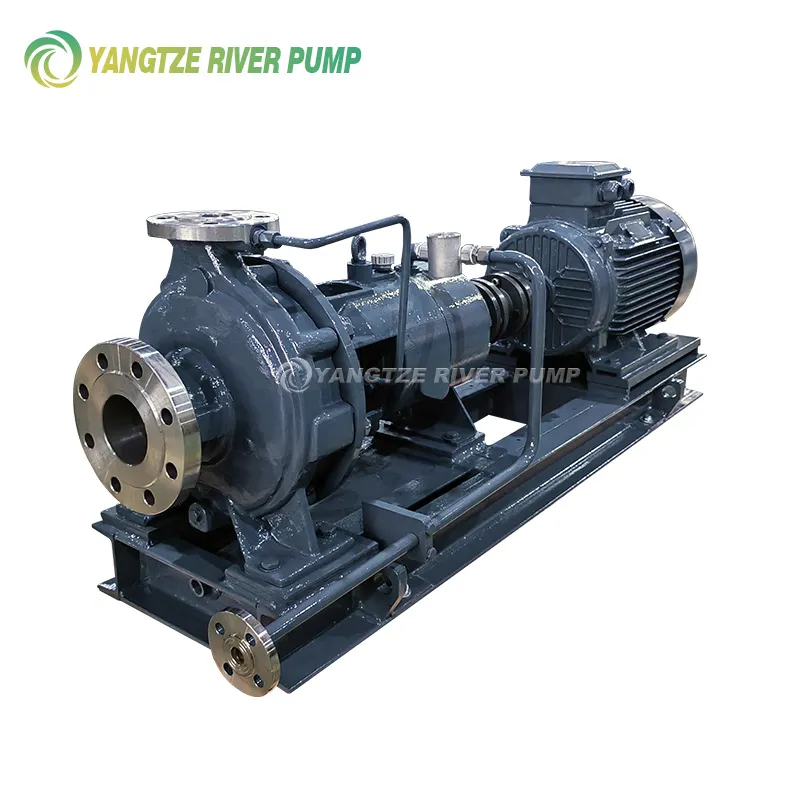
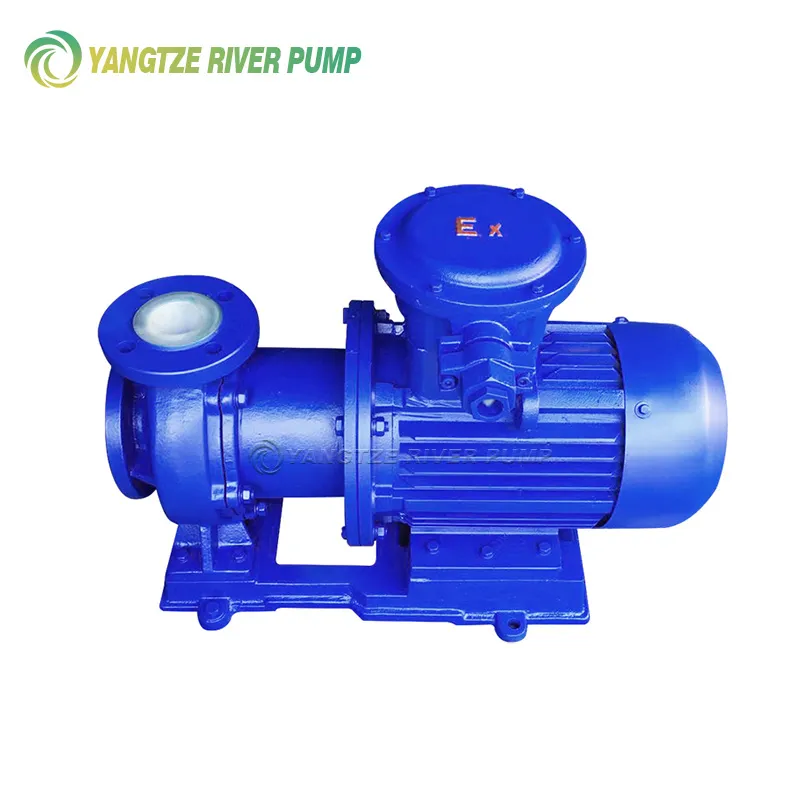
centrifugal sealed pump
When you hear “centrifugal sealed pump?”, many people immediately imagine a standard unit with a wet rotor, sealed in a stainless casing, and think - well, sealed and okay. In fact, this is often the point where selection errors begin. Tightness is not only about the absence of stuffing box and leaks into the atmosphere. This is a whole system that balances the issues of heat removal from the bearings, the corrosion resistance of the mechanical seal material to a specific environment, and, what is often overlooked, cavitation behavior. Many people forget that in a sealed design, the consequences of cavitation can be much more destructive - heat removal is worse, vibration is damped inside the case, and as a result, you can quickly “kill” someone. friction couple. At our production site inZhejiang Yangzijiang Pumping Industry Co.,LtdWe went through this more than once, especially when clients sent failed components for analysis after working with hot condensates or aggressive alkalis.
Where is the catch with “tightness”?
So, the first and most important thing is to understand the environment. You can't just take the standard onecentrifugal sealed pumpfrom the catalog for, say, pumping a 25% caustic soda solution. The mechanical seal material is a different story. Silicon carbide versus aluminum oxide, ceramic-graphite pair - each option has its own threshold of abrasive resistance and pH. We had a case at one of the chemical plants near Ufa: they put pumps on a line with a variable medium - either a weak acid or hot water with suspension. We took it with a seal made of standard silicon carbide. After three months it leaks. We took it apart - there was erosion on the sealing rings, and it was uneven. It turned out that periodic discharge of flushing water with fine sand into the line did the trick. An abrasive, even in minute concentrations, is like sandpaper for a sealed pump. We had to revise the entire flushing scheme and install an additional filter on the suction, although the customer initially shouted that this was an extra expense. But the alternative is constant downtime.
The second point is the thermal regime. In a classic stuffing box pump, some of the heat from friction is lost through the shaft. When sealed, everything stays inside. If you pump a liquid close to the boiling point at a given pressure, the risk of cavitation at the suction increases sharply. The steam bubbles do not collapse somewhere in the pipeline, but right at the impeller, causing erosion and vibration. Vibration in a closed structure is an additional load on the bearings and the same mechanical seal. We are at the test bench inZhejiang Yangzijiang Co.,LtdWe specifically model such boundary regimes. It happens that the pump is suitable according to the passport, but during a long run at extreme temperatures, the vibration sensors on the housing begin to go off scale. This means that it is necessary to either change the wheel material (say, to something more resistant to cavitation erosion), or recommend to the customer to increase the suction pressure, which is not always possible. This is where you can see the difference between just selling and engineering.
And the third is service, or rather, its illusion. Many buyers think: “sealed means set it and forget it?” This is a dangerous misconception. Yes, there are no seals to tighten, but monitoring vibration and body temperature becomes critical. A simple example from practice: pumps in a water recycling system at a metallurgical plant. Medium: industrial water with scale. Sealed pumps are located in the basement, noisy, the staff walks around them once a shift “by ear”. At one point, one of the pumps began to heat up, but before the thermal protection on the motor was triggered, the seal “burnt?” due to overheating of the lubricant in the cavity. Repair means replacing the entire block, and not just packing the oil seal. After this incident, we now always focus on the need for standard vibration sensors or at least regular measurements with a portable device for critical applications.
Production experience: from drawing to stand
At our production inZhejiang Yangzijiang Pumping Industry Co.,Ltdan assembly line for sealed centrifugal pumps is not a conveyor for stamping identical products. Every large order, especially for non-standard parameters, begins with a meeting of technologists and application engineers. We take as a basis, say, a proven hydraulic part from a serialcentrifugal pump, but then adaptation begins. Housing - increasing the wall thickness to work under higher pressure? The material of the flow part is stainless steel 304, 316, or maybe duplex? For particularly aggressive environments, we have a line of plastic chemical pumps, but they have their own nuances with the fastening of the mechanical seal and the rigidity of the shaft.
One of the most difficult projects was a pump for pumping formaldehyde with a minimum content of methanol. The temperature is about 60°C, the environment is volatile and toxic. Any potential leak is an emergency. We worked together with the customer's technologists. We chose a design with a double mechanical seal and a barrier fluid at a pressure higher than the pressure in the cavity being sealed. But the question immediately arose: how to control the condition of this very barrier liquid? I had to build a pressure and level sensor into the casing. And this is not an option from the catalog, this is an individual modification. During testing, the pump was run on a stand for a week, simulating real work cycles with start-stops. They looked for the slightest signs of leakage. As a result, the facility was commissioned, the pumps have been working for the fourth year without any complaints, but the initial investment of time and nerves was significant.
The testing center is our pride. After assembly, each pump for critical applications goes through more than just a run-in on water. We can test on viscous liquids (we simulate with glycerin mixtures), and check behavior when density changes. For canned pumps, a separate protocol is a heat test. We measure the temperature at critical points of the motor housing and stator for several hours at rated power. It happened that due to non-ideal alignment of the rotor (within tolerance, but at the upper limit), the temperature increased faster than the calculated one. I had to take it apart and fix it. Trifle? On paper - yes. At a facility a thousand kilometers away, this is a potential accident.
Typical application scenarios and errors
Most oftencentrifugal sealed pumpsThey order from us for two areas: the chemical industry (dosing, pumping reagents in closed circuits) and precision air conditioning systems (pumping refrigerants, coolants in chiller units). And each has its own “rakes”.
In chemistry, the main mistake is saving on material. The client looks at the price tag: a pump made of AISI 316 stainless steel and a pump with a flow part made of a special polymer (say, PVDF). The difference in price can be one and a half times. They take “stainless steel” because it is “reliable and familiar”. And then it turns out that the environment contains chlorine ions, which in a warm solution feel great in 316 steel, causing pitting corrosion. Six months later - a fistula in the body. And it’s good if the pump is sealed and the leak remains inside the casing, but the fact of failure is obvious. We now always require the customer to provide the most detailed specification of the medium, down to impurities, and often recommend a plastic version for certain acids and halogens. On our websiteyangtzeriverpump.ruIn the description of plastic chemical pumps, we specifically included a table of chemical resistance, but, alas, not everyone reads it carefully.
In air conditioning systems and refrigeration units, another problem is failure to take into account the viscosity of the coolant. “You have a water pump, and we have antifreeze based on propylene glycol 40%?” And its viscosity at low temperatures is several times higher than that of water. A pump selected according to its characteristics for water will not produce the required pressure or flow rate for such a liquid. Moreover, the load on the engine will increase and it will overheat. We had a precedent when the installed system did not reach its designed cooling capacity. We sorted it out - all the pipes and heat exchangers were calculated correctly. It turned out that the pumps were not pulling? due to high viscosity. I had to change to a model with a power reserve and recalculate the hydraulics. Now, in the selection form, the column “coolant type and minimum operating temperature” is required.
Another scenario is use as circulation pumps in small boiler rooms. It would seem like a simple task. But where the water is poorly prepared (hard, with suspensions), over time, salts can be deposited on the impeller and in the gaps of the mechanical seal. This leads to unbalance of the rotor and, again, to overheating and wear of the seal. It is not possible to quickly disassemble a sealed pump for preventative cleaning - this is not always obvious to operators. For such conditions, we recommend at least a simple suction strainer and periodic flushing of the system, but, alas, this is often ignored until the first serious failure.
Interaction with other pump types in our portfolio
Our enterpriseZhejiang Yangzijiang Pumping Industry Co.,Ltd, produces not only sealed centrifugal pumps. The arsenal includes magnetic, linear centrifugal, self-priming, and screw. And often the right solution is not to persist with hermetic execution, but to offer an alternative.
For example, for tasks of pumping highly abrasive suspensions with solid inclusionscentrifugal sealed pump- not the best choice, even with the most wear-resistant coating. Solid particles kill the mechanical seal. A single-screw (screw) pump often comes to the rescue here. It copes with viscous and abrasive media, and shaft sealing can be carried out under more gentle conditions. But he has another drawback - he does not like dry work. Therefore, the dialogue with the client begins with the question: “What exactly are you downloading?” Often, after analysis, it is necessary to propose a hybrid solution: a screw pump for an area with thick paste, and then a sealed centrifugal pump for dosing the same paste, but already diluted, into the reactor.
Magnetic pumps are, in fact, also sealed pumps, but with a different sealing principle - due to a sealed separating sleeve. Their strength is their complete lack of leakage, ideal for highly aggressive or expensive environments. But they are sensitive to dry running and overloads - the clutch may demagnetize. There was a story when a client wanted to install a magnetic pump to circulate hydrochloric acid. It fit the specifications. But during the discussion, it became clear that water hammers are possible in the line due to the sudden closure of the valve. For a magnetic coupling there is a risk of slipping and overheating. They convinced us to install a centrifugal sealed one with a double seal and an emergency pressure relief system. More expensive, but more reliable for this particular case.
Thus, no one type of pump is universal. The task of our sales and engineering department is not to sell the most expensive or the most technologically advanced, but to find the optimal and, what is important, durable solution for the customer’s budget and conditions. Sometimes this means dissuading a sealed centrifugal in favor of a simpler stuffing box if the environment is neutral and there is access for maintenance. Honesty in such matters pays off in the long run in trust and repeat business.
A look into the future: trends and our developments
Where is the industry heading? The first is sensor integration. ?Smart? the pump is no longer a fantasy. We are not just talking about protection against dry running, but about built-in suction and discharge pressure sensors, flow meters, vibration analyzers with the ability to transfer data to a SCADA system. This is especially true for sealed pumps, since their internal condition is more difficult to diagnose without opening them. We are already doing pilot projects with pumps equipped with an IoT module, which transmits key parameters to the server. This allows you to predict wear of the mechanical seal based on changes in vibration or temperature trends and plan maintenance, rather than working in “failure” mode.
The second is materials. We are working with suppliers on new composites for mechanical seals that perform better in “dry” conditions. friction in case of accidental flow disruption. We are testing coatings for impellers that increase resistance to cavitation erosion. This is a long process, a lot of things are eliminated during bench tests, but it’s impossible without it.
And third is energy efficiency. A sealed pump with a wet rotor is often more efficient in itself due to the absence of friction losses in the seals. But now requests go further - to optimize the hydraulic part to work at a specific point of the characteristic with maximum efficiency. We actively use CFD modeling for the flow path when developing new models. This does not always give a radical increase, but even 2-3% savings on a pump operating around the clock pays off all development costs within a year.
In the end, back to the beginning.Centrifugal sealed pump
Correspondingproducts
Related Products

Best Sellingproducts
Best Selling Products-
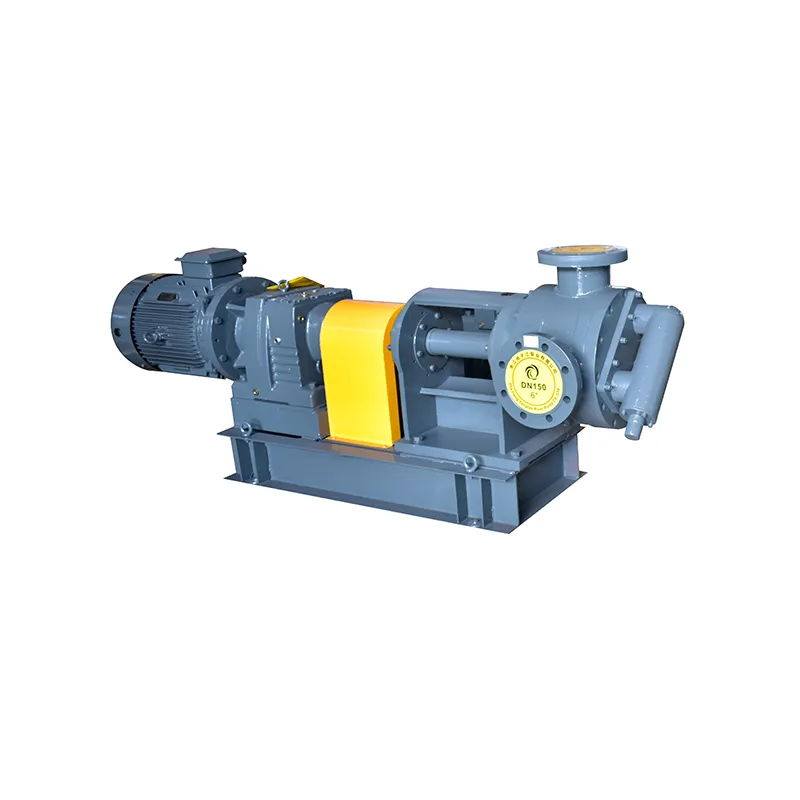 NYP High Viscosity Internal Gear Pumps
-
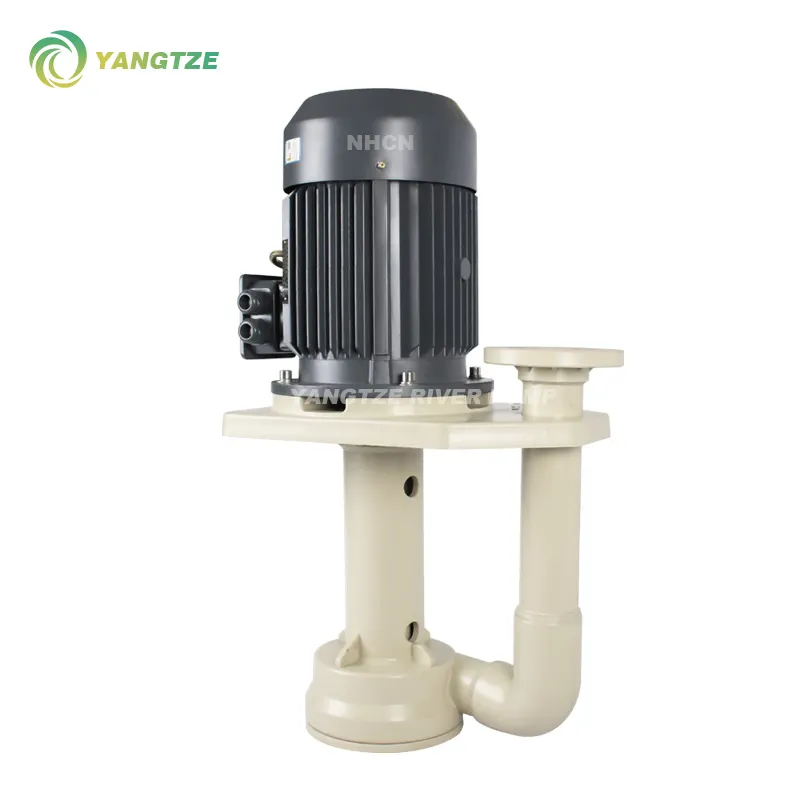 Vertical pumps for installation inside/outside tanks YZCN and YZCW
-
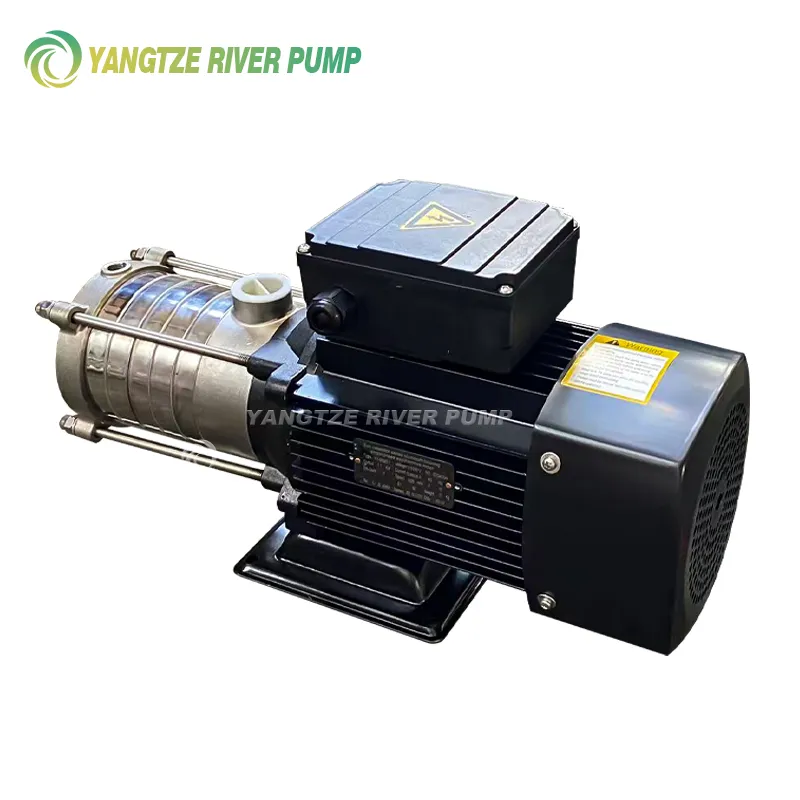 Horizontal multistage centrifugal pumps (light series) CHL and CHLF
-
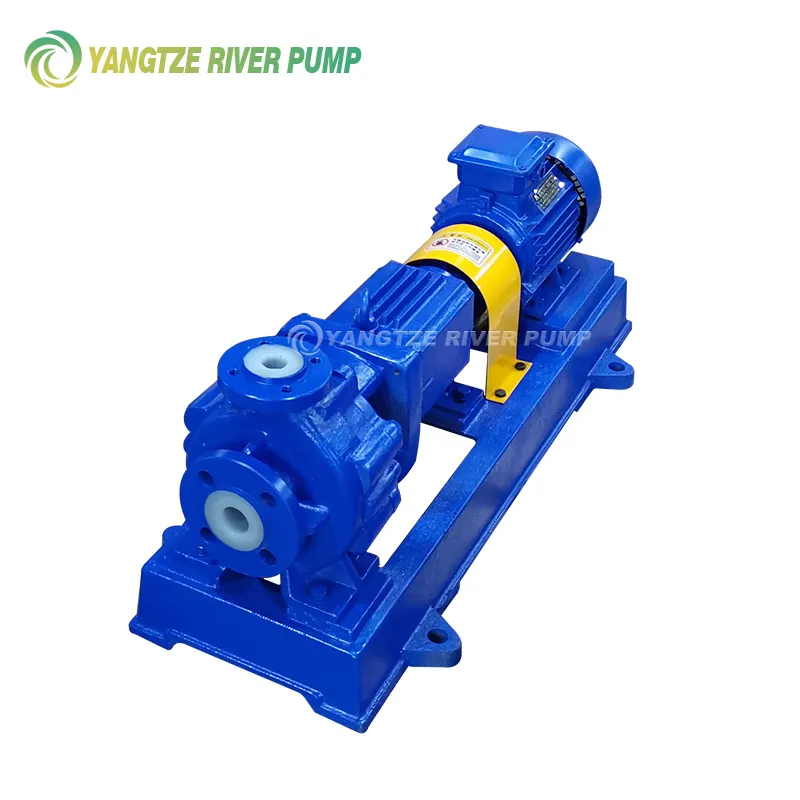 IHF PTFE Chemical Centrifugal Pumps
-
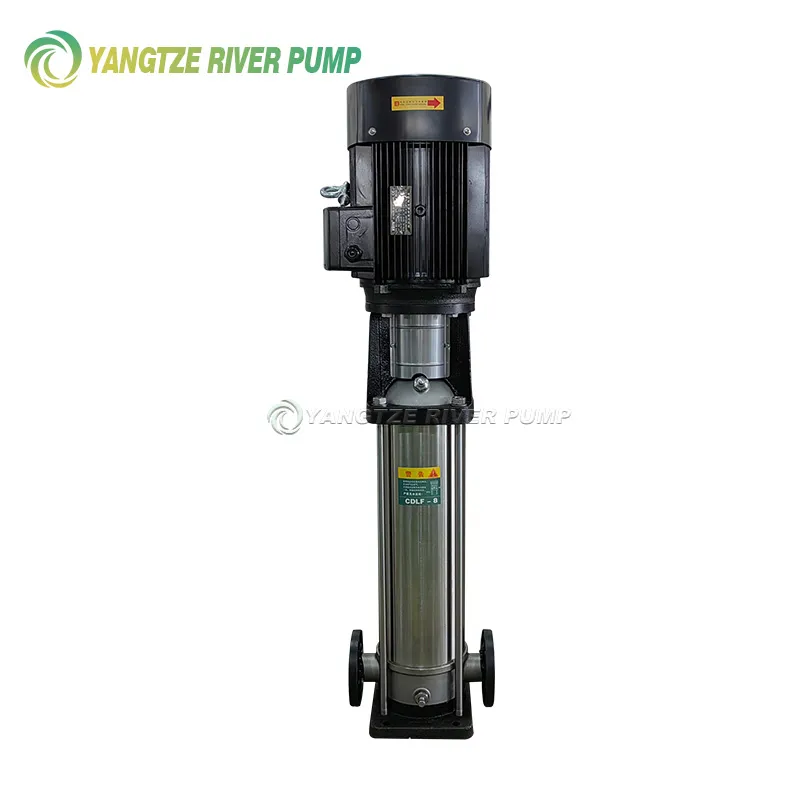 Vertical multistage centrifugal pumps made of stainless steel (light series) CDL and CDLF
-
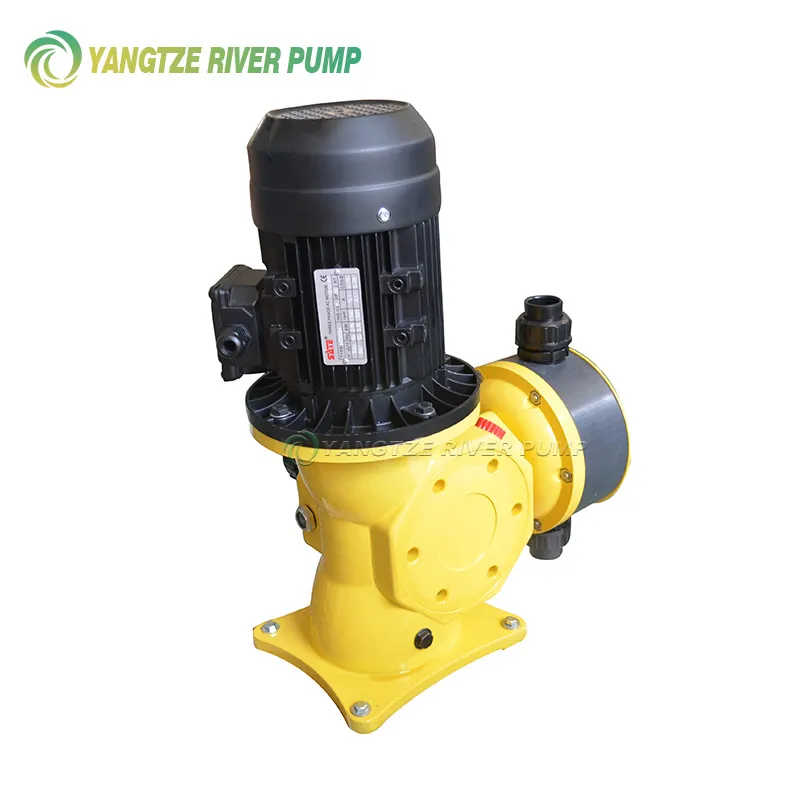 Mechanical diaphragm dosing pumps DJ-D
-
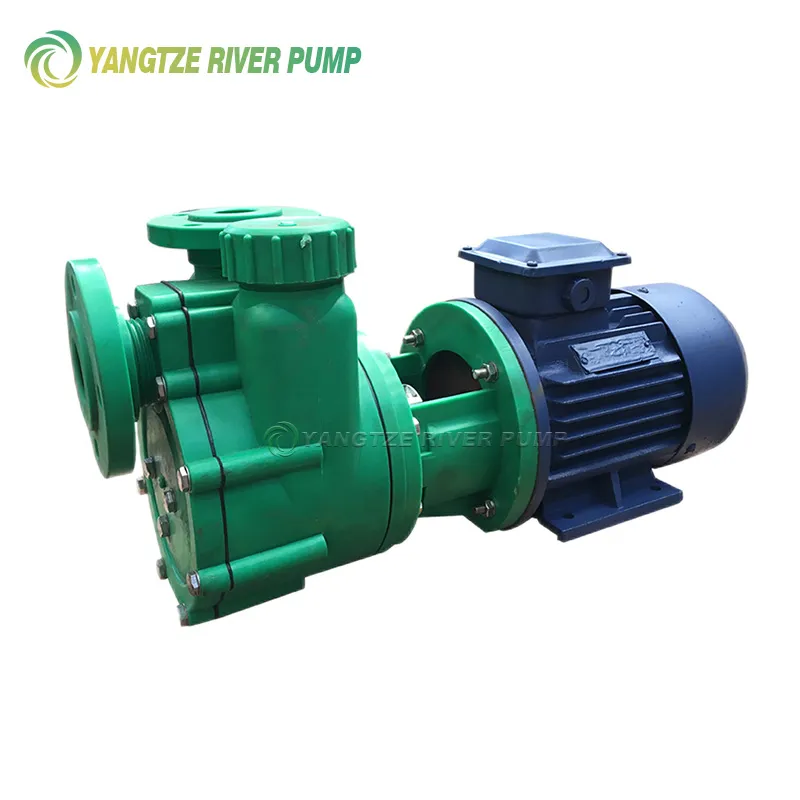 Plastic self-priming centrifugal pumps FP and FS
-
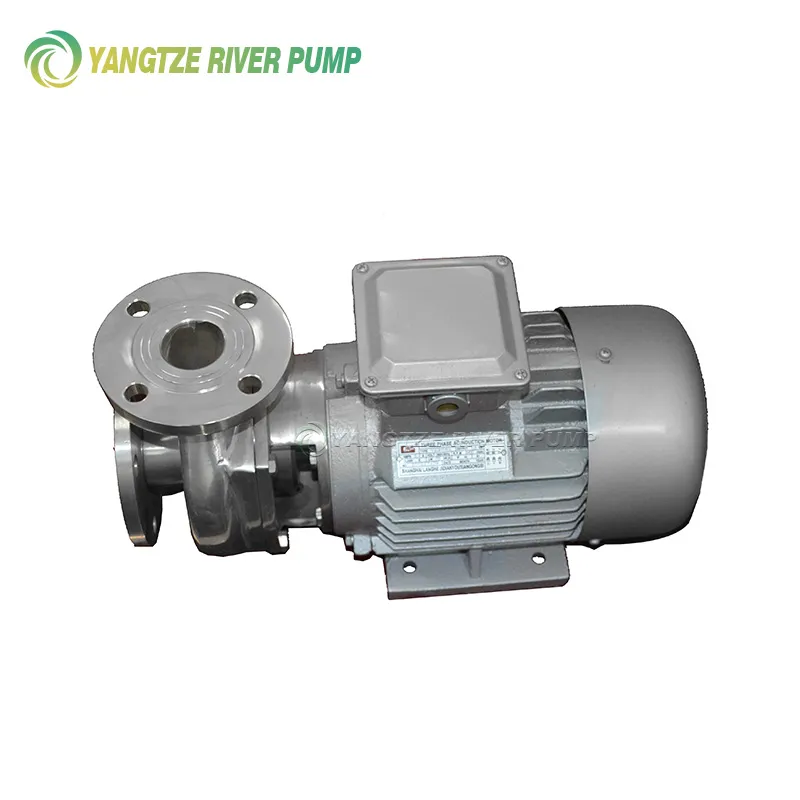 Corrosion-resistant stainless steel centrifugal pumps SFB and SFBX
-
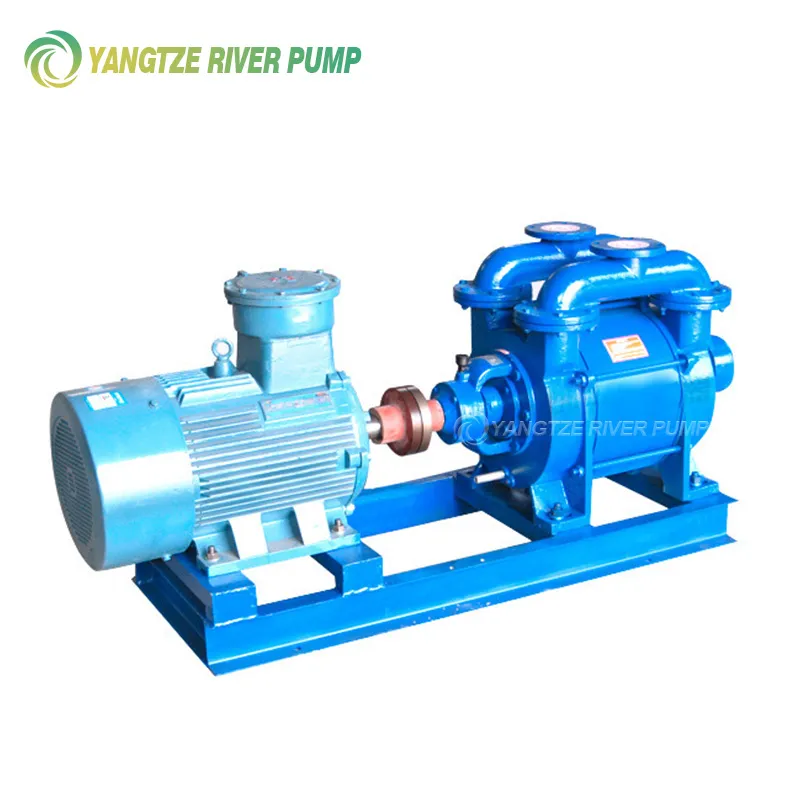 Liquid ring vacuum pumps type SK
-
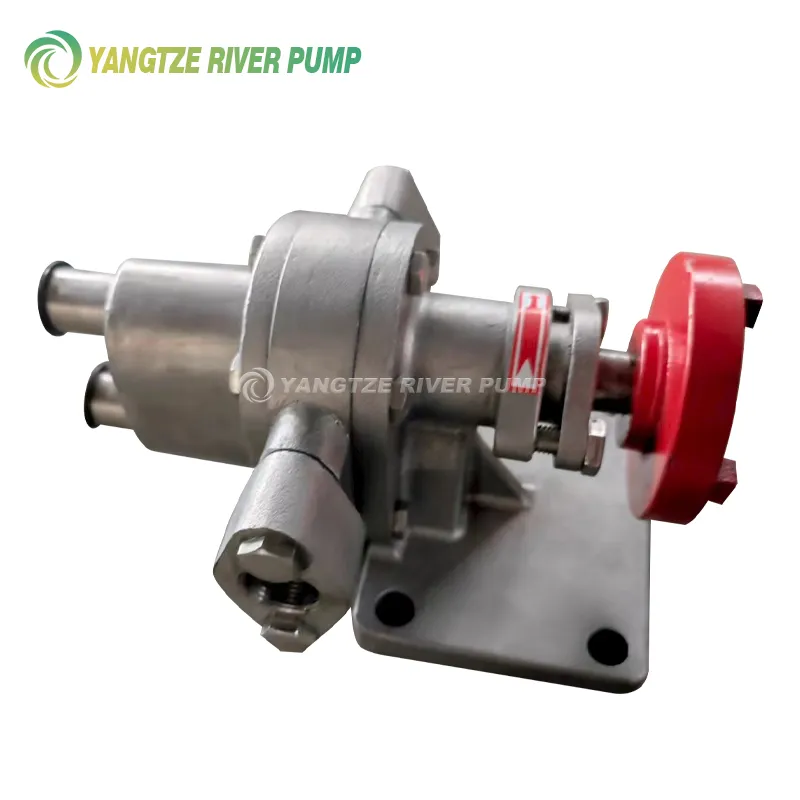 Gear oil pumps type KCB
-
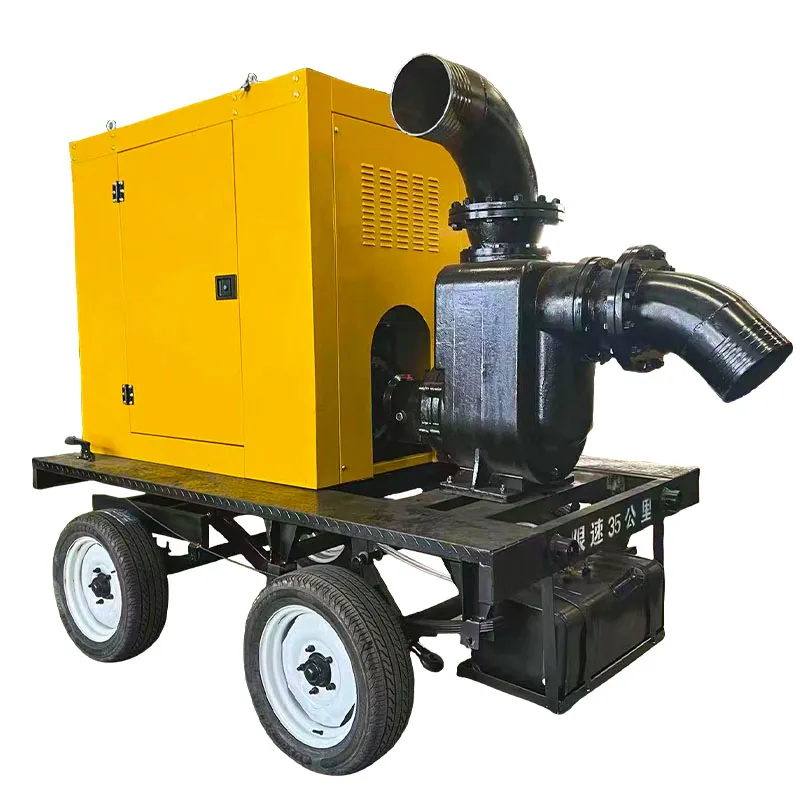 YZZW Diesel self-priming pumps
-
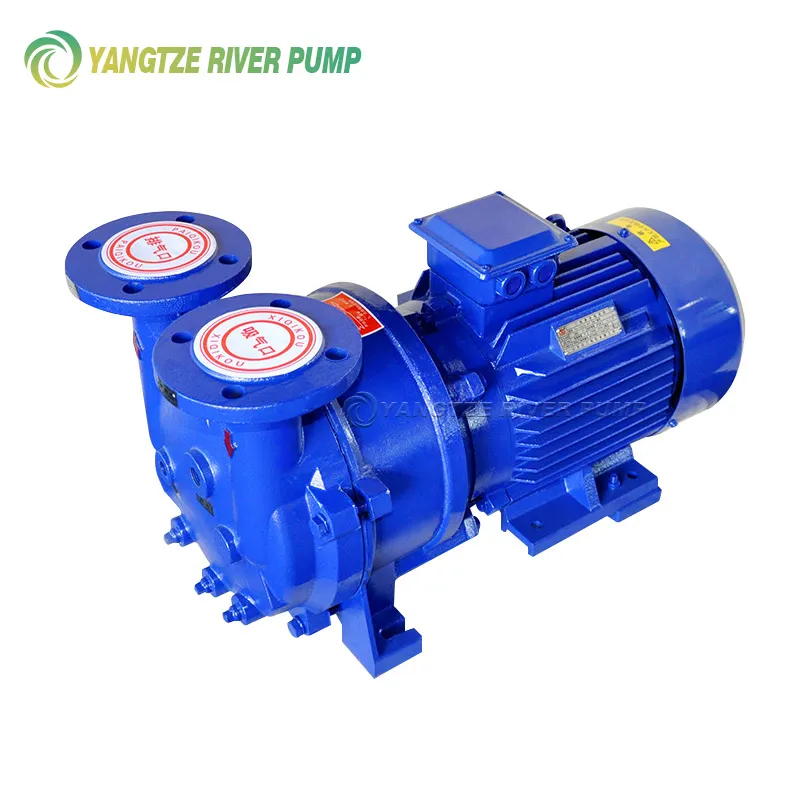 Liquid ring vacuum pumps type SKA and 2BV