







centrifugal pump 20 50
When you hear “centrifugal pump 20-50”, the first thing that comes to mind is probably a flow of 20 cubic meters and a head of 50 meters. But if you dig deeper, there is a whole story hidden in these numbers. Many, especially at the start, think that this is a universal solution for “average” people. tasks. Then disappointment sets in when the pump either doesn’t deliver enough or wears out. I went through this myself until I realized that marking is not a sentence, but rather a starting point for talking about the real conditions at the site.
What do the numbers 20-50 really mean?
Take, for example, a classic single-stage cantilever pump. Numbers 20-50 usually indicate the nominal operating point. But here's the catch: the characteristic curve is not linear. The pump can deliver its 20 m3/h at 50 meters of pressure, but if you slightly change the pressure in the system, the performance goes sideways. I have seen cases where the design took this point as an absolute, without taking into account losses in the pipeline or changes in level. As a result, the system did not work as it should.
The important thing here is to look not at just one point, but at the entire Q-H graph. For example, for some water supply tasks a headroom is needed, because the network resistance can “float”. If you take the pump close to the 20/50 parameters, it will constantly operate in the zone of non-optimal efficiency, overheat, and its service life will drop sharply. Tested in practice more than once.
Another point is the type itselfcentrifugal pump. Is this a single-stage or multi-stage option? For a pressure of 50 meters, a single-stage is often suitable, but if we are talking about clean water without abrasive. Our line of single-stage pumps at Zhejiang Yangzijiang Pump Industry Co., Ltd. covers just such a range. But when a client comes with the task of pumping a suspension, you already look towards other designs, although the markings for flow and pressure may be similar.
Where it is most often used and typical mistakes when choosing
Most often, a request for a 20-50 pump arises for water supply systems in small villages, irrigation, or as a booster pump in a high-rise building. It would seem that the task is clear. But the most common mistake is incorrectly estimating the required NPSH. Especially if the water is warm or the pump is located far from the source. I remember a project where everything was considered ideal in terms of pressure and flow, but they forgot about the suction line. As a result, the pump cavitated, and six months later the impeller had to be replaced.
The second point is the material. For cold water, cast iron is suitable, but if we are talking about process water with impurities, stainless steel or even a coating is already needed. We focus on this in our assortment, offering different options. Because simply selling a pump is one thing, but in order for it to work for a long time, you need to delve deeply into the environment.
And the third thing is stock. I always advise clients to look at a model with a small headroom, especially forcentrifugal pump 20 50. Systems tend to become overgrown, filters become clogged, and resistance increases. If the pump operates at the limit of its 50 meters, then after a year it will no longer provide the required flow. It is better to take the option that has a flatter curve in the area of the operating point.
Test experience and what is visible on the stand
We run every type of pump on our in-house test bench, including models that fall into the 20-50 category. The numbers in the passport are one thing, but the real characteristics are a little different. It happens that, due to tolerances in the production of a wheel or housing, two externally identical pumps from the same line give a variation of 2-3 meters in pressure at the same flow rate. This is important for critical systems.
The tests also show how the pump behaves when the valve is partially opened. Sometimes clients think that adjusting the flow this way is the norm. But forcentrifugal pumpthis often means operating far from the optimal zone, with increased vibration and the risk of vortex formation. At the stand this is immediately visible from the sensors. Therefore, we are now increasingly recommending frequency regulation for such tasks, especially for lines where the load varies.
Another interesting point that is only visible in practice is noise. A pump running smoothly at its design point sounds different than one that is “choking.” or idling. This is subjective, but an experienced mechanic can roughly determine by the sound whether everything is in order. At the stand we record this too, so that we can later compare it with field conditions.
Case from practice: when is it ?standard? 20-50 didn't work
We had an order for a pump to supply water from a well to the recycling water supply system of a small plant. The parameters for flow and pressure fit exactly 20/50. The standard single-stage model was shipped. A month later I got a call: the pump does not hold pressure and is overheating. We came and looked. It turned out that there was a high proportion of fine suspended matter in the water - sand. The standard cast iron wheel and seals began to wear out rapidly.
I had to figure it out on the spot. The solution was not to make the pump more powerful, but to change the material and type of seal. We selected a model with an impeller made of a wear-resistant alloy and a mechanical seal adapted for abrasive media. The flow and pressure parameters remained the same, but the design became different. There were no problems after the replacement. This case clearly shows that behind the numbers 20-50 there is not just one model, but a whole family of solutions for different conditions.
That is why on our website yangtzeriverpump.ru we try not just to post a catalog with parameters, but to give technologists the opportunity to contact us for consultation. Because without understanding the full picture, even a pump correctly selected based on the numbers may not be able to pull the system through.
A look at the range and future of such solutions
If you look at our production, the segment of pumps with parameters of about 20 cubic meters and 50 meters of pressure is one of the most popular. Some linear ones also fall into itcentrifugal pumps, and some multi-stage models for higher pressures, and even special versions of chemical pumps. Universal "king" not here.
The trend now is towards energy efficiency. Customers are increasingly asking not just a pump, but a pump with a certain efficiency class. And here a model that was considered good ten years ago may lose today. We are constantly improving the hydraulic part in order to move the high efficiency zone as close as possible to the nominal operating point, including for the conventionalcentrifugal pump 20 50.
Another direction is integration with automation systems. A simple pump becomes part of a “smart” one. node. And here, again, it is not just the flow and pressure that is important, but how the pump behaves when changing modes, how quickly it starts, and how it tolerates frequent starts. This is the next level of conversation after selection based on basic parameters.
In the end, what I want to say.Centrifugal pump 20-50- this is not a shop sign, but a working tool. His choice is always a compromise between cost, reliability and accuracy of meeting the system conditions. And the main advice I give after all these years of work: never skimp on a detailed analysis of the environment and operating mode. It’s better to spend an extra day on calculations and queries than to spend months patching up a broken system. And if in doubt, call us and we’ll discuss it. At Zhejiang Yangzijiang Pumping Industry LLC, we have built a process so that from R&D to service we go all the way together with the customer.
Correspondingproducts
Related Products



Best Sellingproducts
Best Selling Products-
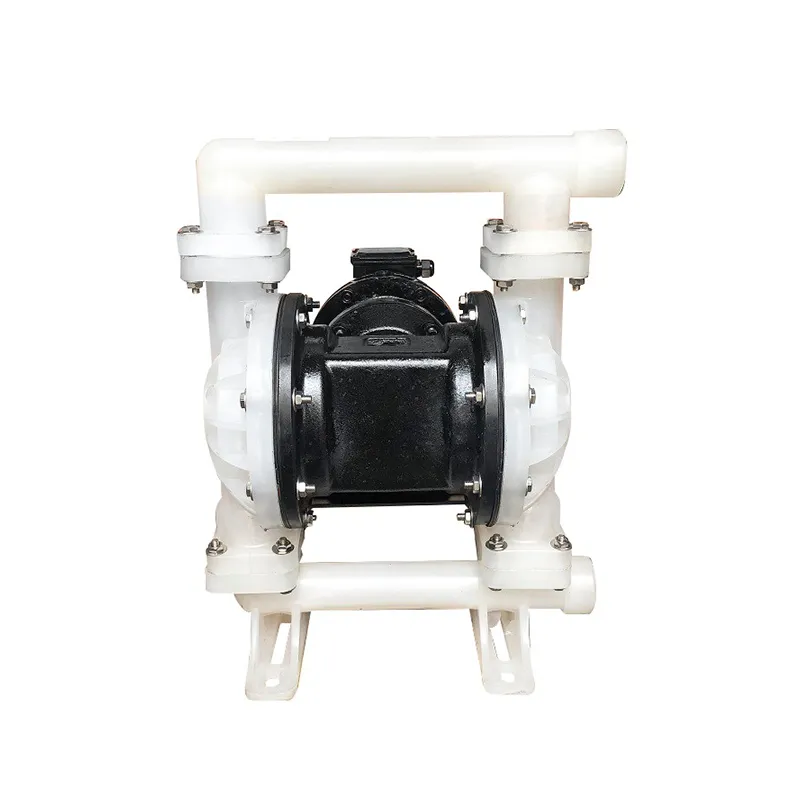 DBY Non-Metallic Electric Diaphragm Pumps
-
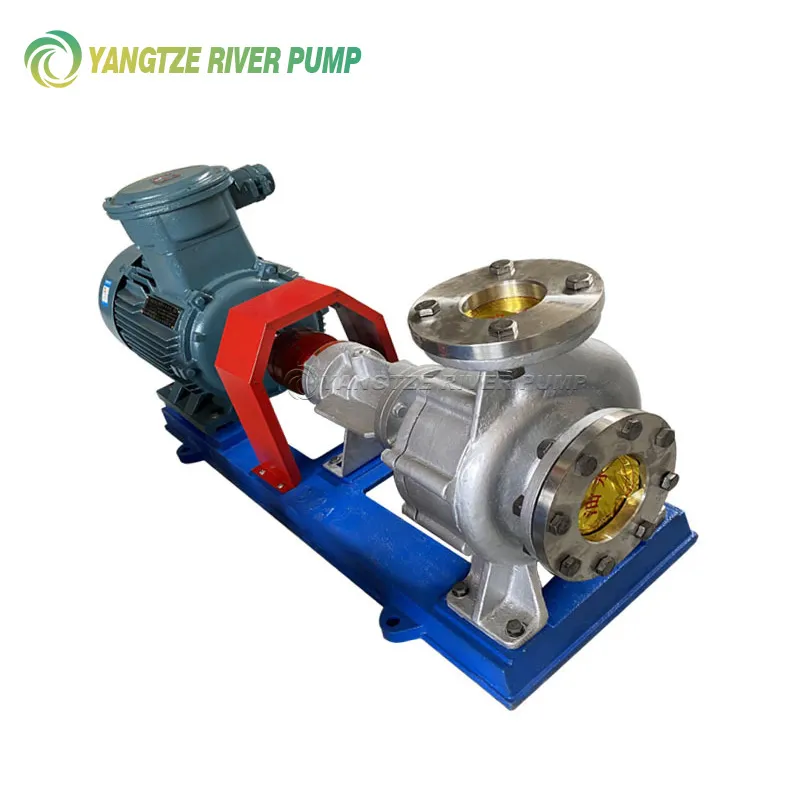 RY thermal oil pumps
-
 YW Vertical Submersible Sewage Pumps
-
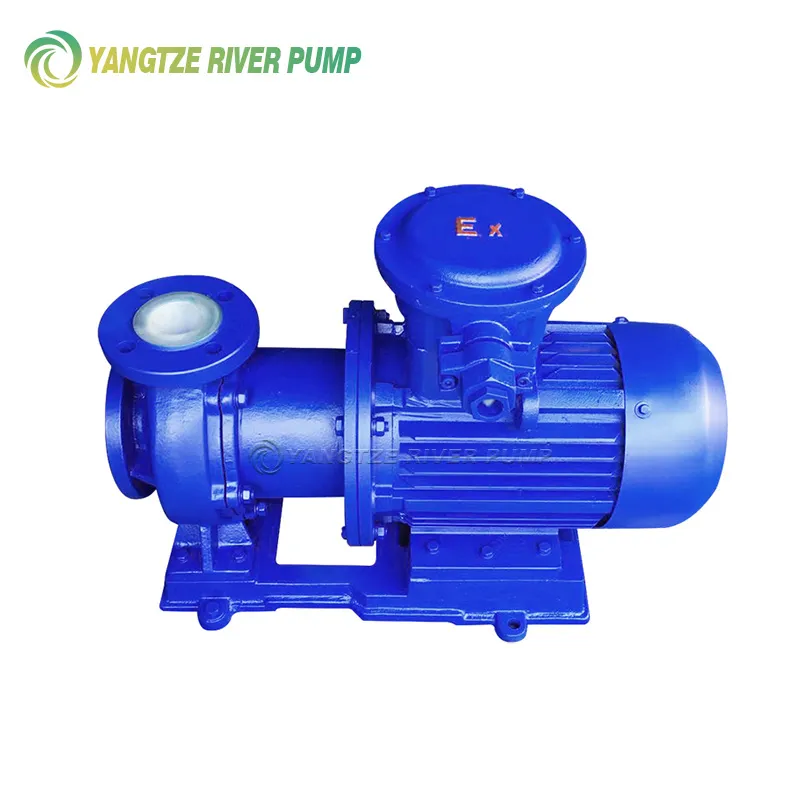 Magnetic pumps with fluoroplastic lining CQB-F
-
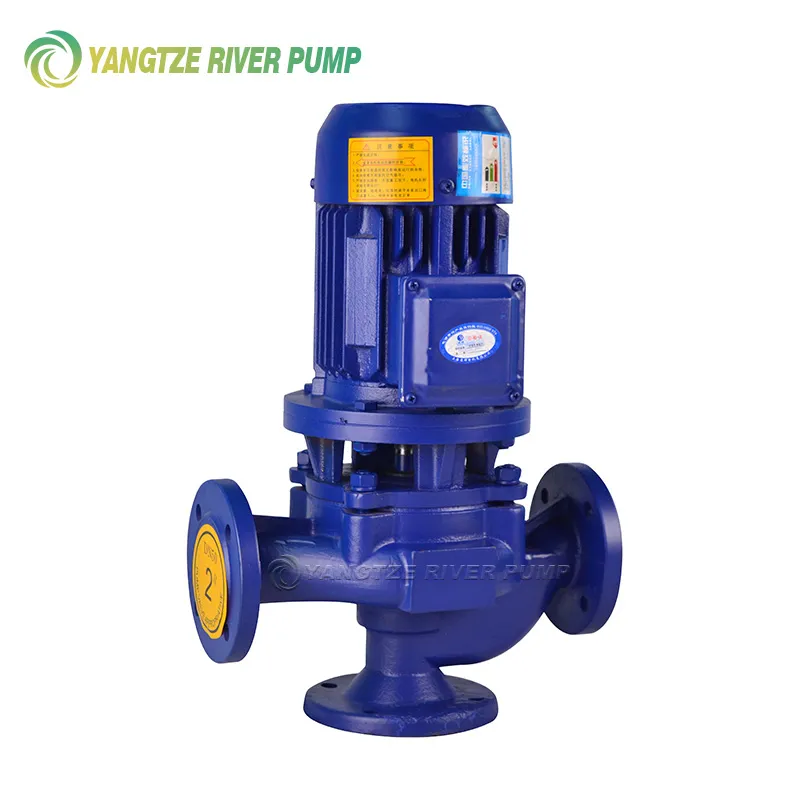 Pipeline wastewater pumps GW
-
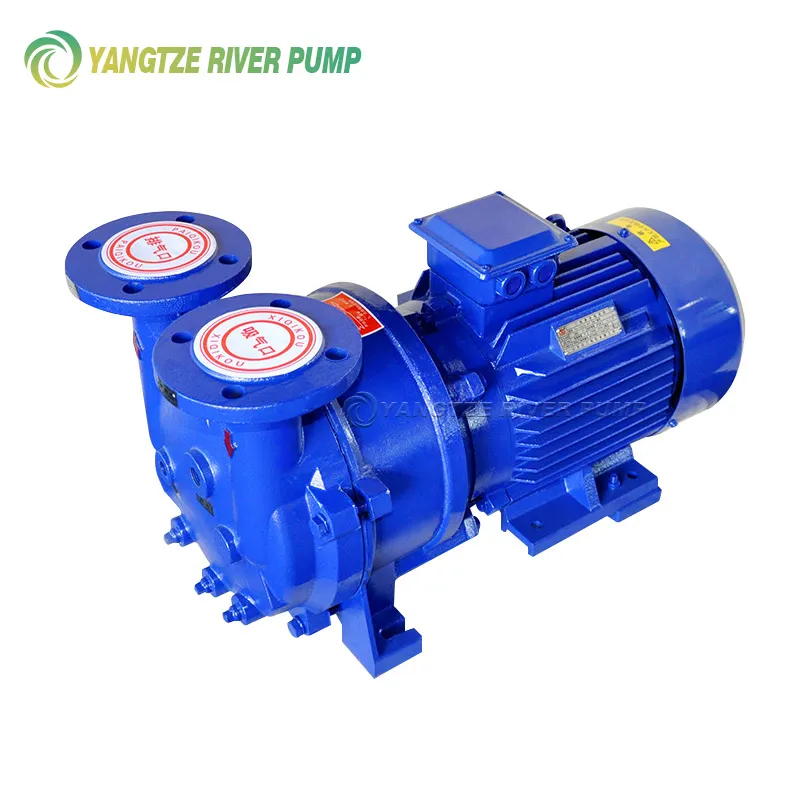 Liquid ring vacuum pumps type SKA and 2BV
-
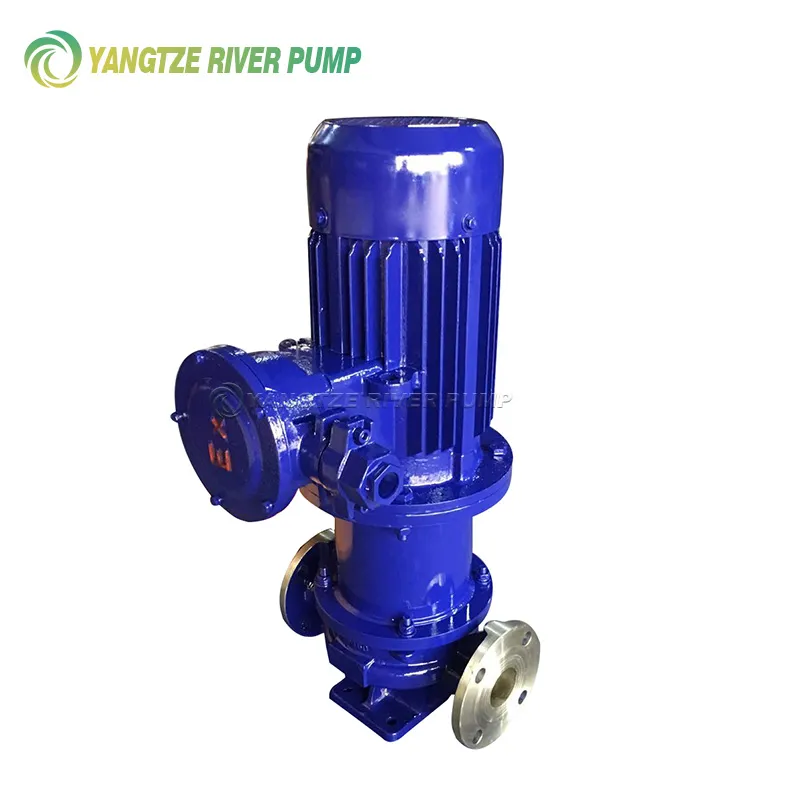 Vertical magnetic pumps CQB-L
-
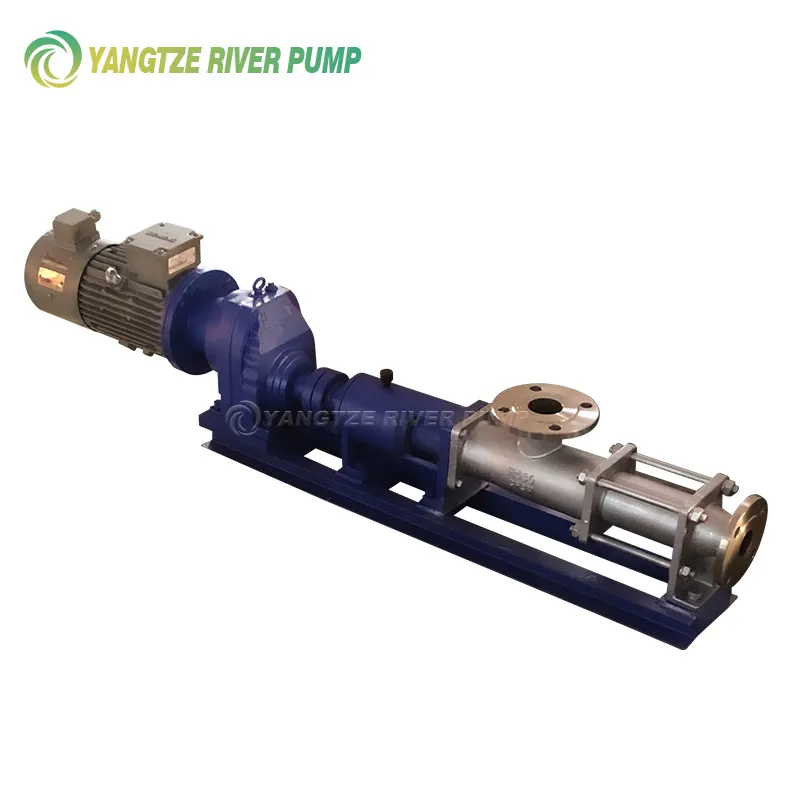 Geared screw pumps type G
-
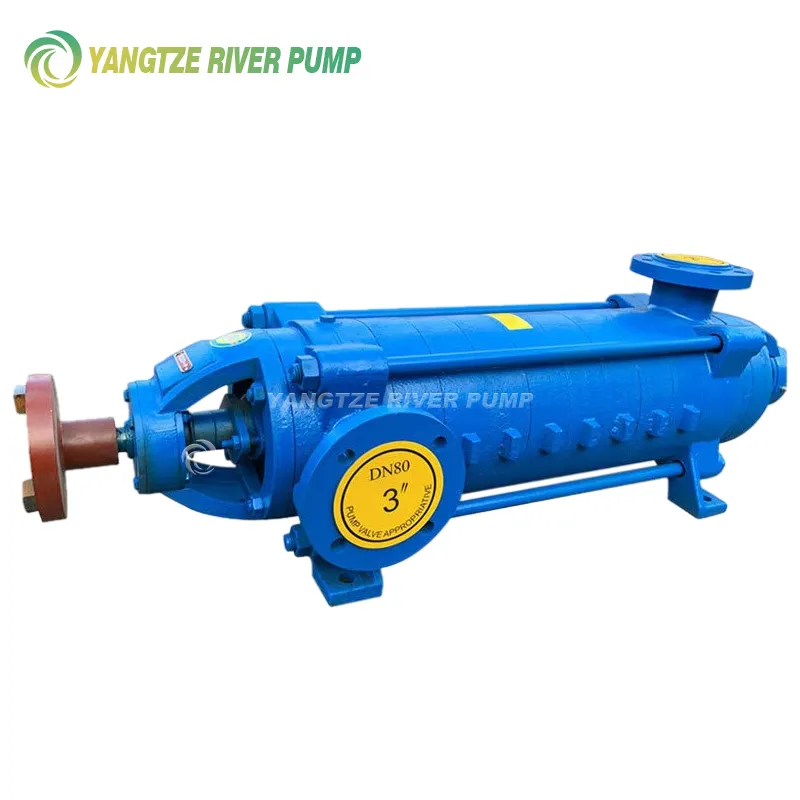 Horizontal multistage pumps for feeding DG boilers
-
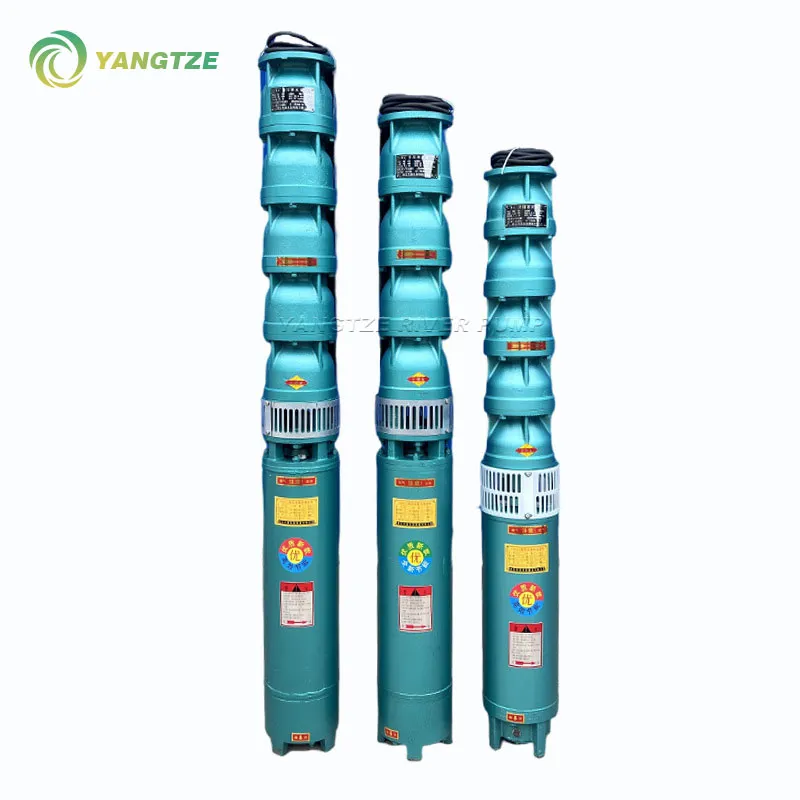 QJ type borehole pumps
-
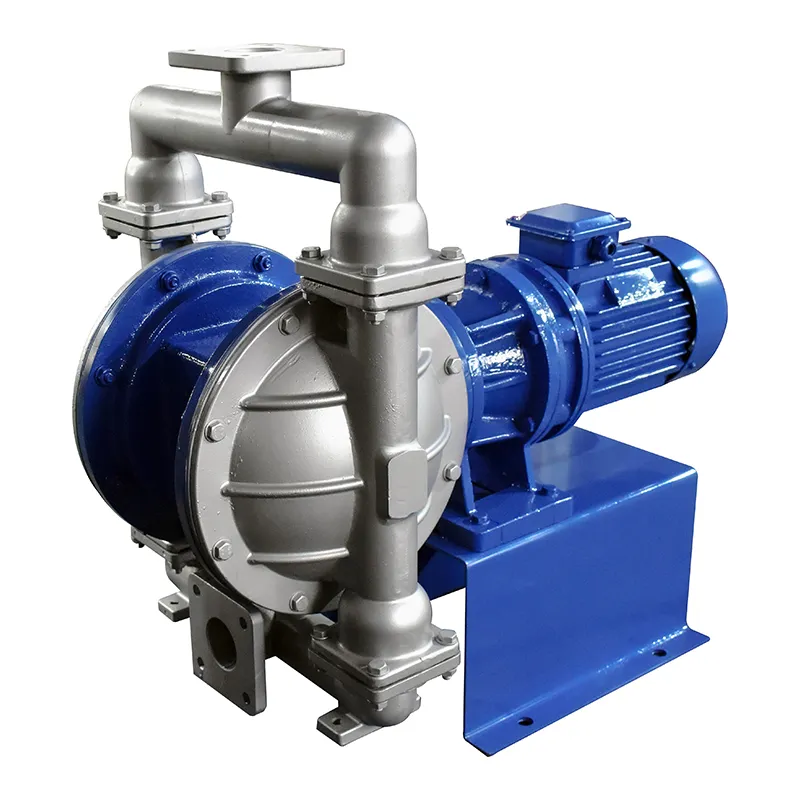 Metal electric diaphragm pumps DBY
-
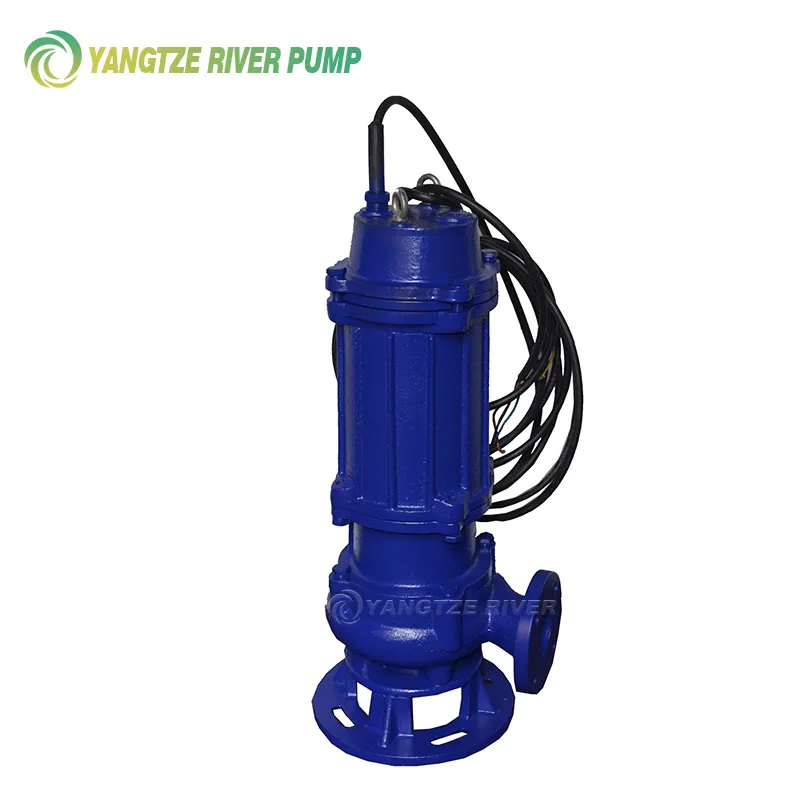 QW Non-clogging Submersible Sewage Pumps