







centrifugal sewage pump
When you hear “centrifugal wastewater pump?”, many people immediately imagine just a powerful unit that pumps dirty water. This is the biggest misconception. In fact, if you approach it with this logic, the equipment will fail in six months, or even earlier. The key here is to understand the medium: it is not just water, but a suspension with abrasive, fibers, and sometimes chemically active components. Therefore the usualcentrifugal pumpwill not work here - a special design is needed.
From theory to practice: why ?wastewater? - this is not an abstraction
I remember one of my first projects to modernize wastewater treatment plants. The customer bought what he thought were pumps that were suitable in terms of pressure and flow. But after three months, the impeller began to constantly become clogged with rags and threads. Stopping, disassembling, cleaning - an endless cycle. It was then that it finally became clear: sewage requires a pump with a so-called free-vortex or single-channel impeller. It is designed to allow solids to pass through without getting stuck. This is not marketing, but a severe necessity.
Another nuance is the material. Cast iron? For neutral household wastewater, it may work. But if the wastewater contains aggressive components, say, from food production or a chemical plant, the body and parts will begin to corrode at a catastrophic rate. Here we already need stainless steels, for example, AISI 304 or 316, and in some cases alloys with higher resistance. This immediately changes both the price and service life.
The issue of installation is also often overlooked. The pump must be either submersible or have a reliable shaft seal (stuffing box or mechanical seal) if it is a dry installation. Compaction is the Achilles heel. Poor quality - and a leak is guaranteed. In our production practice, we always lean toward a double mechanical seal with a flush cavity for critical applications. Yes, it’s more expensive, but you’ll sleep peacefully.
Experience and mistakes: the case of ?apparent? savings
We had an experience when a client, wanting to save money, insisted on installing a standardcentrifugal pumpfor pumping out relatively clean wastewater from the tank. But “conditionally clean” - it's like a lottery. The drains contained fine sand, which over several months ground down the impeller blades almost to the ground. Productivity has dropped and energy consumption has increased. The result is a complete replacement of the unit. The savings turned into double expenses. This lesson taught me to always reserve a margin for wear resistance and insist on a detailed analysis of the pumped medium, even if the customer assures that “there is only water there.”
This explains the importance of testing. In our production, Zhejiang Yangzijiang Pumping Industry Co., Ltd., for serial models such as submersible orcentrifugal pumps for waste water, there is a mandatory cycle of factory tests on real parameters. But for special cases, we always suggest conducting test runs on environmental samples from the customer. This is not a whim, but the only way to ensure that the equipment will serve its useful life.
By the way, about production. We have eight complete lines on site - from R&D to service. This allows you not only to assemble pumps from purchased components, but to completely control the process: from melting the casings to balancing the shaft. For wastewater pumps, this vertical integration is critical because reliability is built into every step, not just the final assembly.
Design features: what's hidden inside
Let's dig deeper into the design. In addition to the already mentioned impeller, the hydraulic part of the housing plays a huge role. It should minimize stagnation zones where deposits and fibers can accumulate. Goodcentrifugal sewage pumphas smooth, streamlined channels. Sometimes, for particularly difficult environments, we even consider options with polishing of internal cavities or coatings - this reduces adhesion and makes cleaning easier.
Another point is the possibility of easy maintenance. The design must allow access to the impeller and seal without dismantling the entire piping. It may seem like a small thing, but when the pump is sitting in a narrow pit six meters deep, every minute saved on maintenance is a reduction in risk and cost. In our models, for example, the line of submersible pumps, we incorporate a modular design and an overhead service hatch.
We must not forget about the engine. For submersible versions, it must be reliably sealed and designed to operate in a potentially aggressive environment. Overheating is the main enemy. Therefore, cooling systems and temperature sensors are a must-have. On our website https://www.yangtzeriverpump.ru we always focus on this, because we have seen the consequences of “savings”. on the engine protection system.
Scope of application: from domestic sewerage to industrial facilities
The range of applications for these pumps is enormous. The simplest option is pumping from septic tanks and cesspools in the private sector. Mobility, simplicity and resistance to sand and small stones are important here. Self-priming or compact submersible models are often used.
The next level is municipal sewage pumping stations (SPS). Here we are already talking about hard, continuous work. The pumps operate in pairs, with automation, and the requirements for reliability are maximum. This is where powerful submersibles are in demand.centrifugal pumpswith cutting mechanism or free-vortex wheel. We supplied equipment for such facilities, and the key was to ensure not only the parameters, but also the interchangeability of components for quick repairs.
And finally, industry. Drains from production facilities are a different matter. There may be high temperatures and caustic chemicals. For such tasks, our portfolio includes chemical pumps made of special plastics or stainless steels. Sometimes a combined solution is required: e.g.centrifugal pumpwith a flow part made of heavy-duty polymer for pumping abrasive slurries. This is a piecemeal, almost project-based work, where close interaction with the customer’s technologists cannot be done.
Looking Ahead and Final Thoughts
Where is the industry heading? Definitely in the direction of “smart” management. Simply turning it on/off is no longer enough. Today, there is a demand for pumps with frequency regulation, built-in pressure and flow sensors, capable of being integrated into the overall facility dispatch system. This allows you to save energy and predict the need for maintenance based on changes in performance, rather than the fact of a breakdown.
But no matter what automation is added, “hardware” remains the foundation. The pump must be initially correctly selected and designed for a specific task. An error on this level cannot be corrected by any smart electronics. Therefore, my main advice is: do not chase the cheapness in the basic configuration. It is better to invest in high-quality materials, thoughtful design and a trusted manufacturer, which, like our company, Zhejiang Yangtzejiang Pumping Industry LLC, has a full production cycle and can be responsible for each unit.
Ultimately the choicecentrifugal pump for waste wateris always a compromise between cost, performance, durability and environmental specifics. There are no universal solutions. There are good engineering solutions born from experience, trial and error. And this experience is the most valuable asset that cannot be downloaded from the Internet; it can only be gained by facing real problems “in the field”.
Correspondingproducts
Related Products

Best Sellingproducts
Best Selling Products-
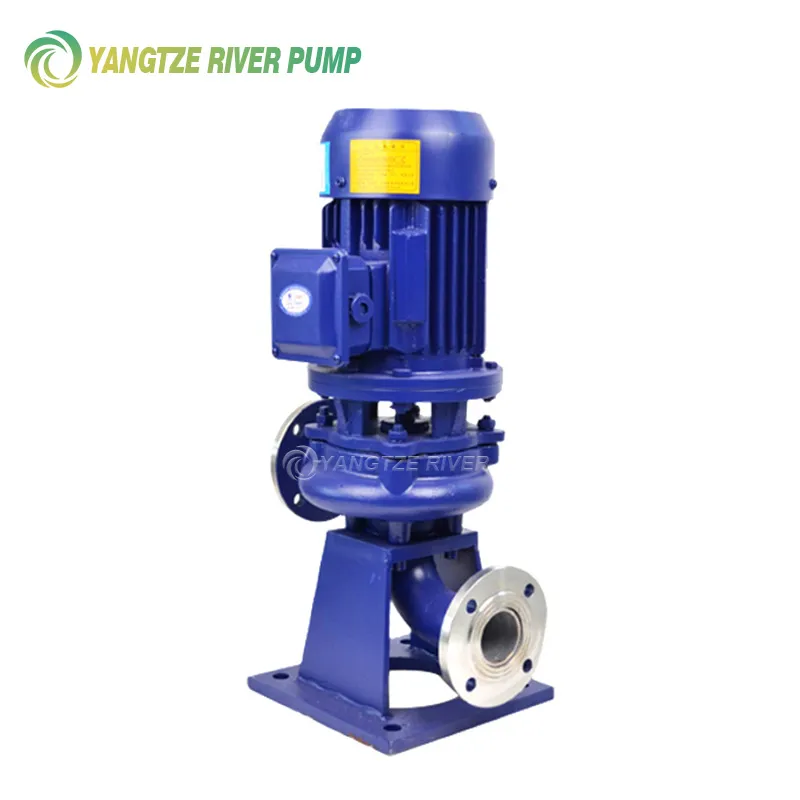 Non-clogging vertical wastewater pumps LW
-
 Diesel pumps with horizontal connector YZS and YZSH
-
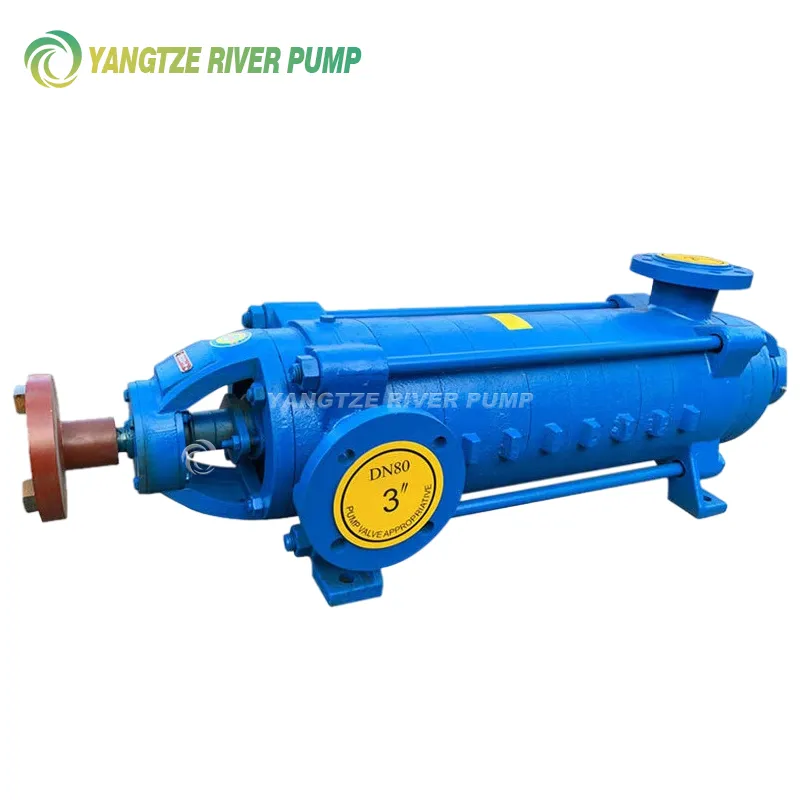 Horizontal multistage pumps for feeding DC boilers
-
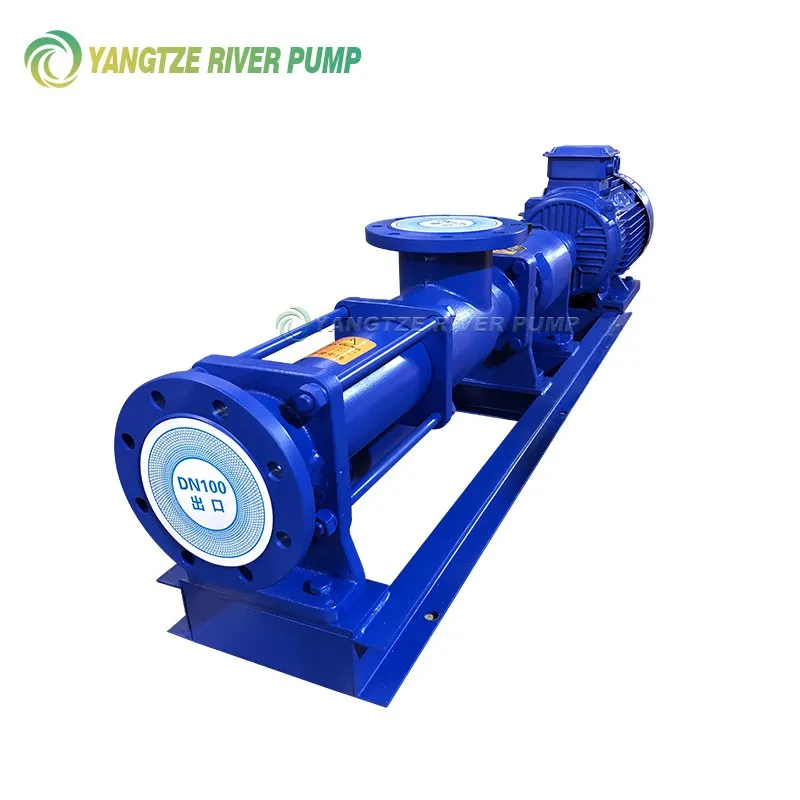 Single screw pumps type G
-
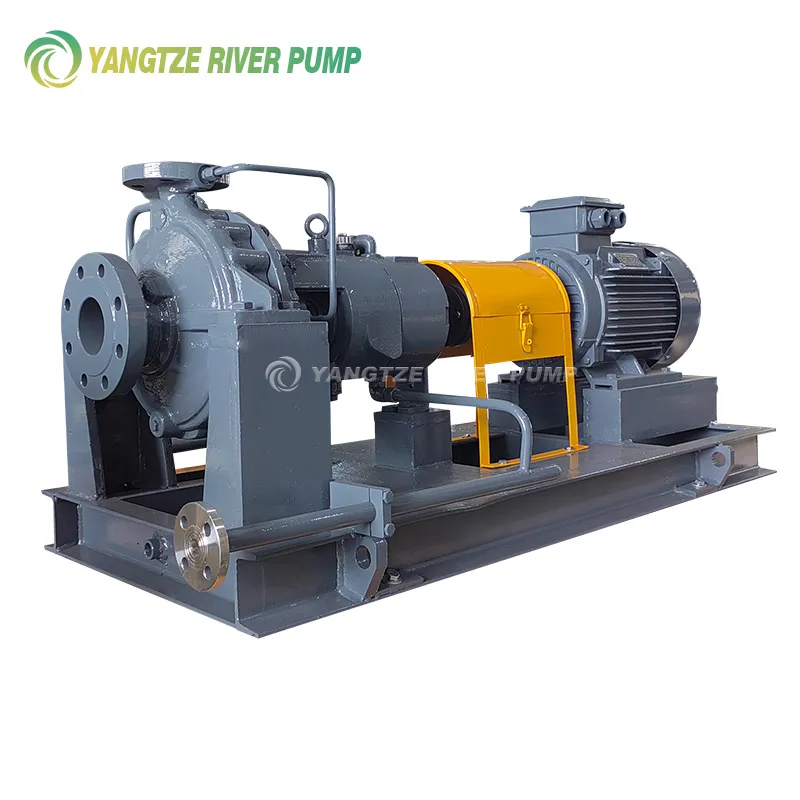 Petrochemical Process Pumps API 610 YZE
-
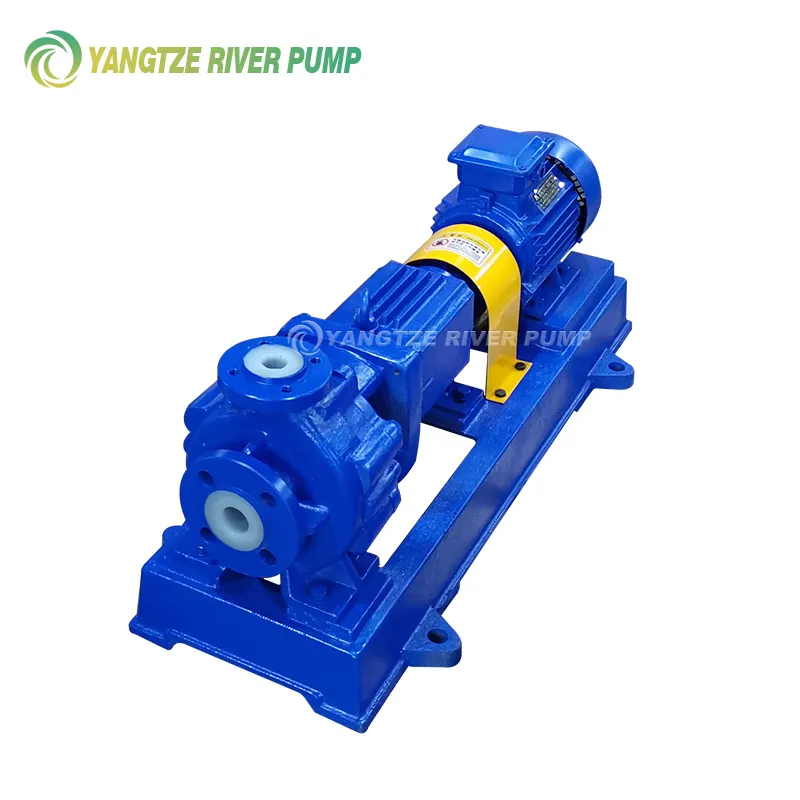 IHF PTFE Chemical Centrifugal Pumps
-
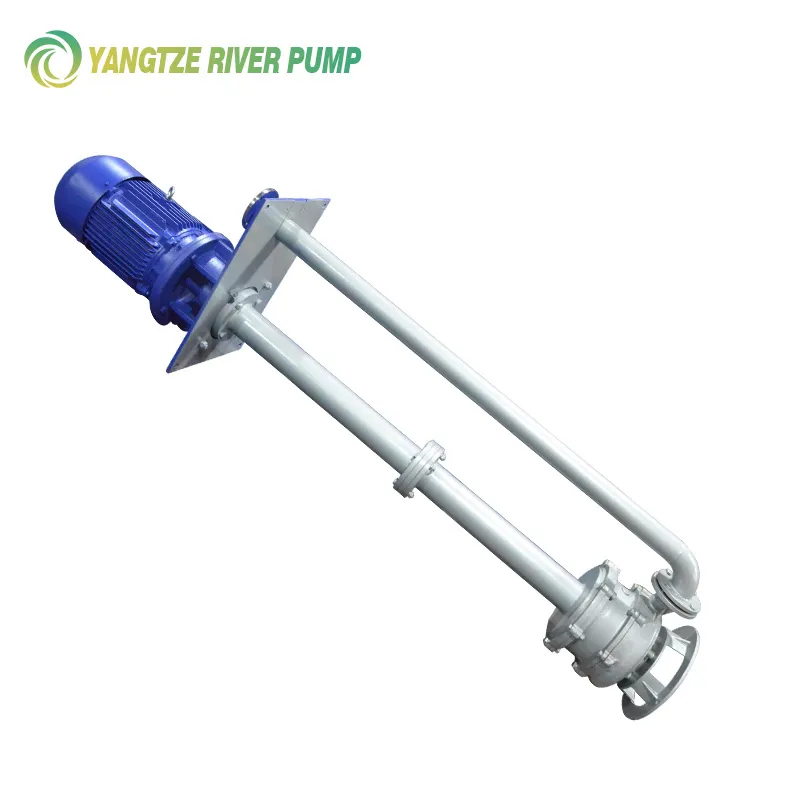 YW Vertical Submersible Sewage Pumps
-
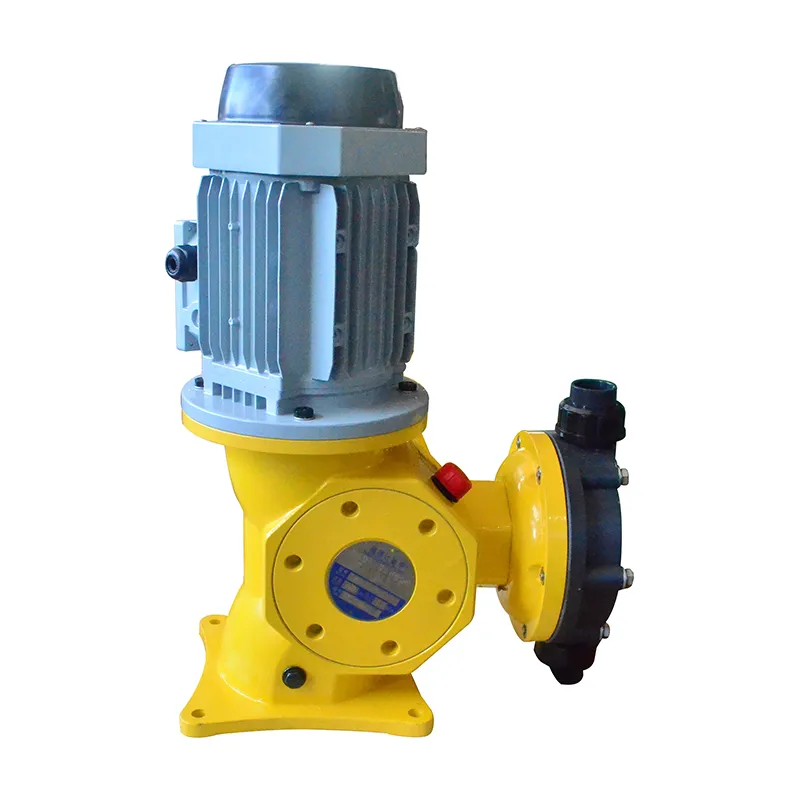 Mechanical diaphragm dosing pumps DJ-Z
-
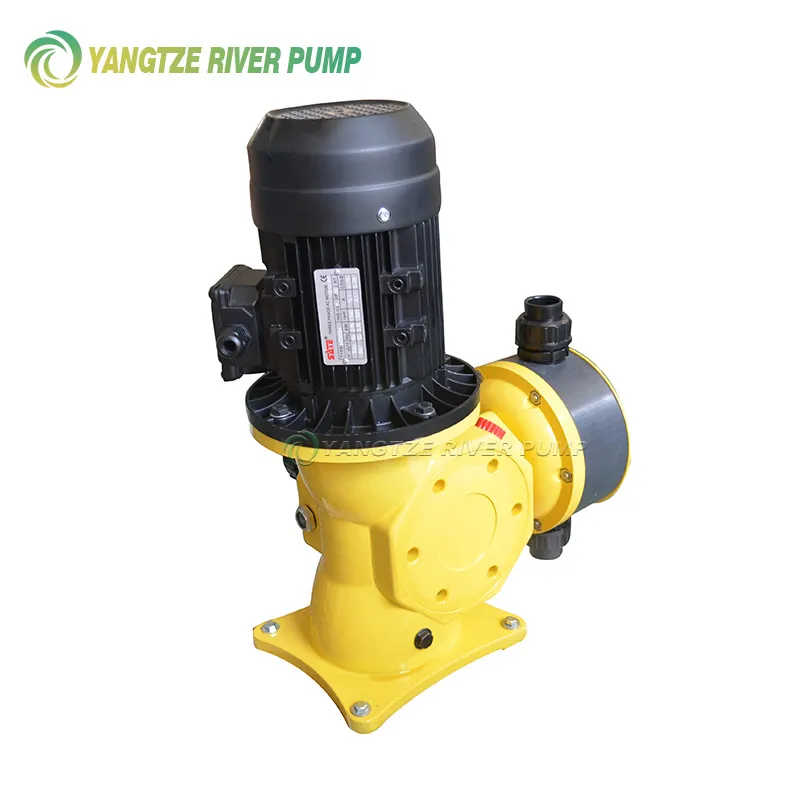 Mechanical diaphragm dosing pumps DJ-D
-
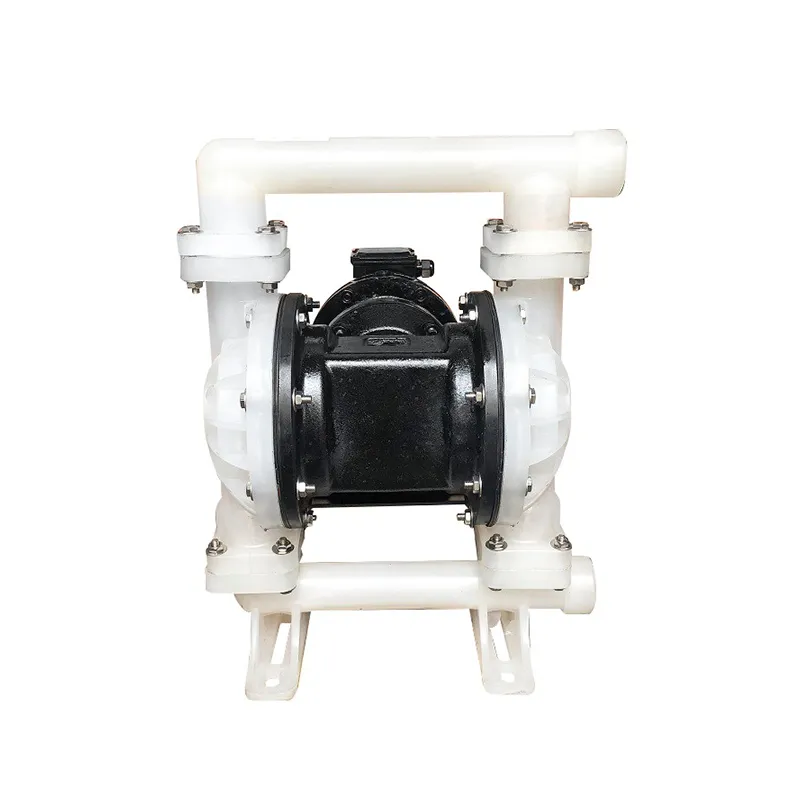 DBY Non-Metallic Electric Diaphragm Pumps
-
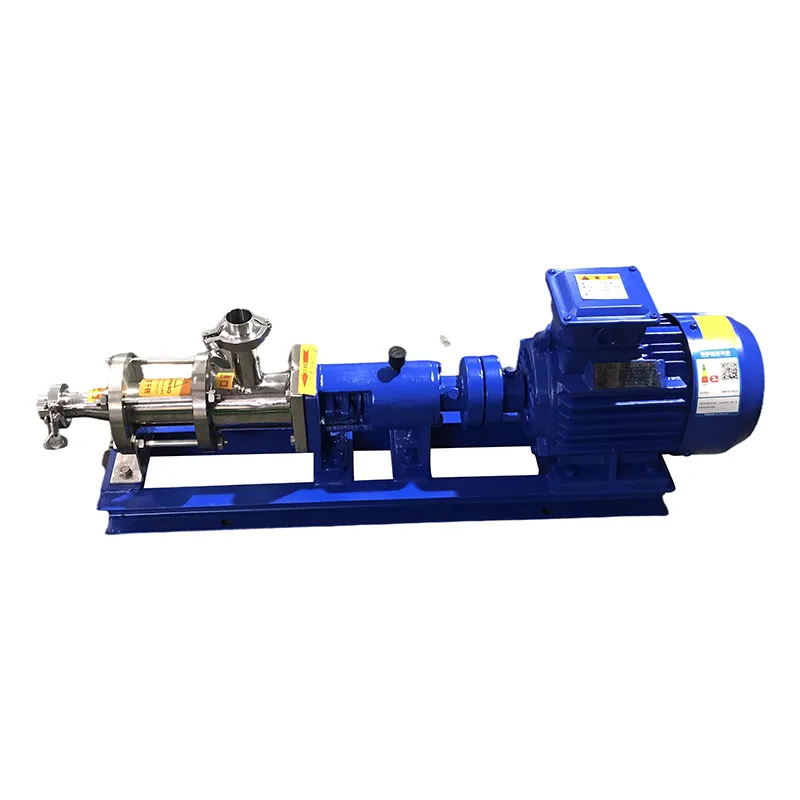 Sanitary screw pumps type GF
-
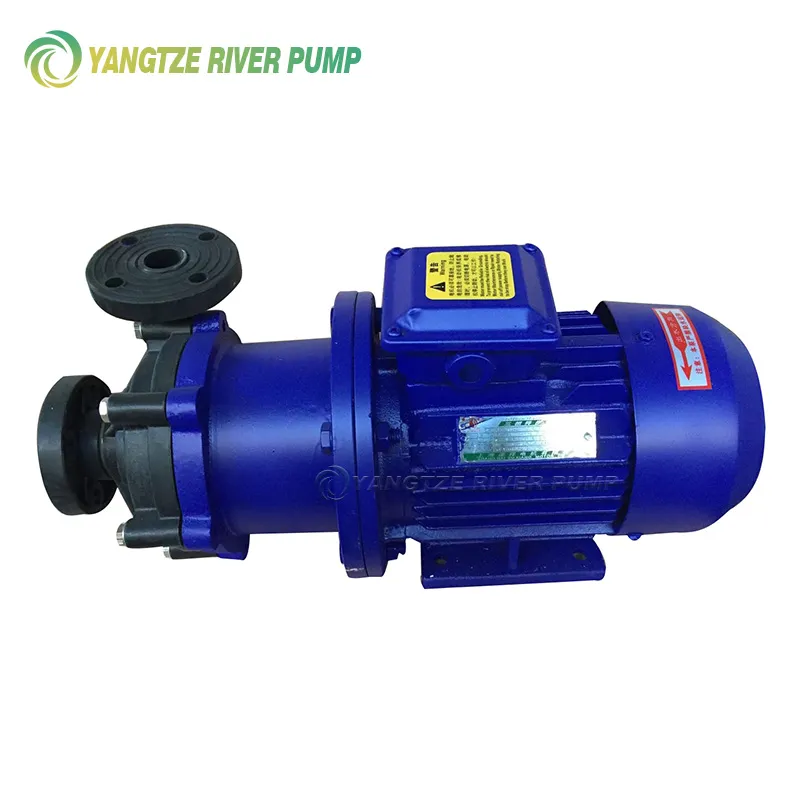 CQF Plastic Magnetic Pumps