







deep well pump 10 meters
When they say “10-meter deep pump?”, many people immediately imagine something simple - lower it into the well, turn it on, and the water starts flowing. But in practice, this is often the point where errors begin. The most common mistake is to assume that since the depth of water intake according to the passport is 10 meters, then the pump can be set to this mark and everything will be perfect. In fact, you need to take into account the dynamic level, the flow rate of the source, the horizontal distance, which also creates resistance, and, of course, the quality of the water itself - sand or small suspensions can quickly damage even a good unit. I have more than once encountered situations where people bought a pump based only on the “10” number, and then it turned out that it did not have enough power or it clogged too quickly. Therefore, it is important to look not at one number, but at a set of parameters.
Why exactly 10 meters is not such an easy task
Ten meters is a kind of border. For many shallow wells, Abyssinian wells or clear reservoirs, this is the standard working depth. But here lies the nuance:deep well pump, designed specifically for this depth, often operates at the limit of its suction capabilities. If the water level in the source “plays”, especially during the dry period, and drops below, the pump begins to “suffice?” air, which leads to dry running and overheating. I always advise clients to choose a model with a small depth reserve, say 12-15 meters, even if the current static level is 8 meters. This provides insurance and extends service life.
Another point is the type of pump. For clean water at this depth, a standardsubmersible pumpcentrifugal type. But if there are mechanical impurities in the water, even minor ones, it is better to immediately look towards well models with reinforced impellers, which are designed to work with fine sand. At one time, at a facility near Tver, we installed a conventional centrifugal pump in a well with sand - two months later it needed replacement. We had to redo it and install a more abrasive-resistant model, which, of course, turned out to be more expensive than the original version.
When it comes to brands and production, the market here is diverse. For many years we have been cooperating with manufacturers who focus on the full control cycle. For example,Zhejiang Yangzijiang Pumping Industry Co.,Ltd(their website isyangtzeriverpump.ru) is just one of those. Their description states that the company has complete production lines, including R&D, testing and service. This is important because a pump is more than just a housing and a motor. These are precise shaft balancing, quality of seals, and corrosion resistance of materials. When the manufacturer himself controls all stages, from the drawing to the test bench, there is less chance of getting a “pig in a poke”. They have an assortment ofsubmersible pumps, which may be suitable for our 10 meters.
What to look for in the characteristics, besides depth
So, we’ve decided on the depth - let’s take it with reserve. Next - productivity (cubic m/hour) and pressure (meters). A common mistake is to take a pump with maximum performance, “just to be sure.” But if the flow rate of your well is small, a powerful pump will quickly drain it and again go dry. It is necessary to correlate the pump performance with the capabilities of the source. The pressure must cover not only the depth, but also the height of the rise to the disassembly point, as well as losses in horizontal sections of the pipeline. There are formulas for calculation, but in practice, for a system with a 10-meter depth, a two-story house and a well distance of 20 meters from the house, I would look at models with a pressure of at least 30-35 meters.
Housing and impeller material. For fresh water, stainless steel or technopolymers are often sufficient. But if the water shows signs of aggressiveness (low pH, high salt content), you need to consider options with more resistant materials. MentionedZhejiang Yangzijiang Pumping Industry Co.,Ltd, by the way, lists plastic chemical pumps in its portfolio - this suggests that they work with corrosion-resistant materials, and this technology can also be used in some lines of household submersible pumps for complex water.
Protection system. The mandatory minimum is protection against dry running and overheating. This is not an option, but a necessity. A pump without such protection is a guaranteed future breakdown. It’s good when built-in protection is available “out of the box”. Some models have built-in check valves, which is also convenient - there is no need to install a separate one on the pipe.
From practice: installation and common problems
Installationdeep-well pump 10 metersIt seems simple, but there are pitfalls here too. Firstly, the fastening. The pump must be securely fixed to a safety cable (stainless or galvanized), and the power cable must not carry a load. I have seen cases where the pump hung only on the cable - after a season the contacts weakened and breakdowns occurred. Secondly, the distance from the bottom. The pump should not stand at the bottom of the well, the minimum indentation is one to one and a half meters, so as not to capture bottom sediment.
After starting, it is important not just to see the water, but to observe the work for half an hour. Check pressure stability, absence of vibrations and extraneous noise. Once we installed the pump, everything worked, but after 15 minutes the pressure began to “jump” slightly. It turned out that there was a slight air leak in the system through a leaky connection at the well head. A trifle that could lead to constant operation of the pump in suboptimal mode.
Service. Even the most reliable pump requires attention. Once a season, it is advisable to lift and visually inspect the housing for damage and check the cable insulation resistance. If the water is hard, descaling may be necessary. Full-cycle manufacturers such asYangzijiang Pumping Industry, usually provide clear servicing advice, and having an in-house help desk means you can get advice or spare parts, making life a lot easier.
The choice between price and reliability
The market is flooded with cheap pumps that promise the same 10 meters of depth. They are often assembled from standard components without proper balancing and testing. Their service life is at best a couple of seasons. It’s also not always wise to overpay for a name. The ideal option is to find a balance: a manufacturer that specializes in pumps, has its own developments and tests products. When you see that a company produces not only household appliances, but also, for example,multistage centrifugal pumpsormagnetic pumpsfor industry, this indicates serious engineering experience, which indirectly affects the quality of simple models.
Personal experience: for a constant water supply at home, I would not skimp on a pump. It’s better to invest once in a unit from a trusted manufacturer with a full production cycle than to change it every two years, suffer from water interruptions and waste time on repairs. The pump is the heart of the water supply system, and its ?health? determines comfort in the home.
In conclusion, let's go back to the beginning:deep well pump 10 metersis not just a product with a certain characteristic. This is a solution to an engineering problem where it is necessary to take into account the source, the system, and future operating conditions. Look at the stock of parameters, materials, availability of protection and, very importantly, the reputation and capabilities of the manufacturer. This is the only way to get a system that will work for years without unnecessary hassle.
Correspondingproducts
Related Products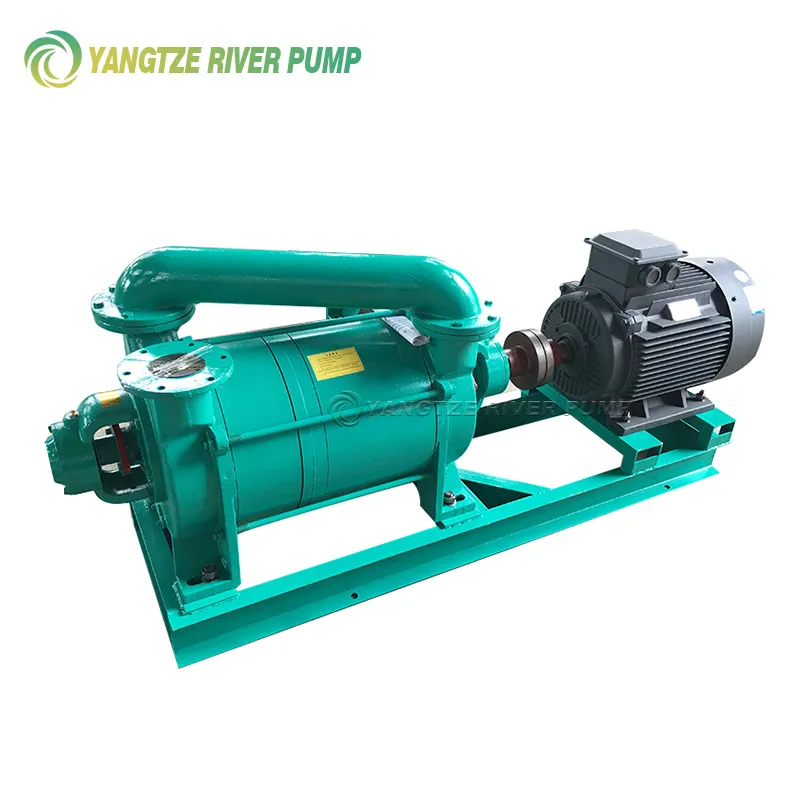
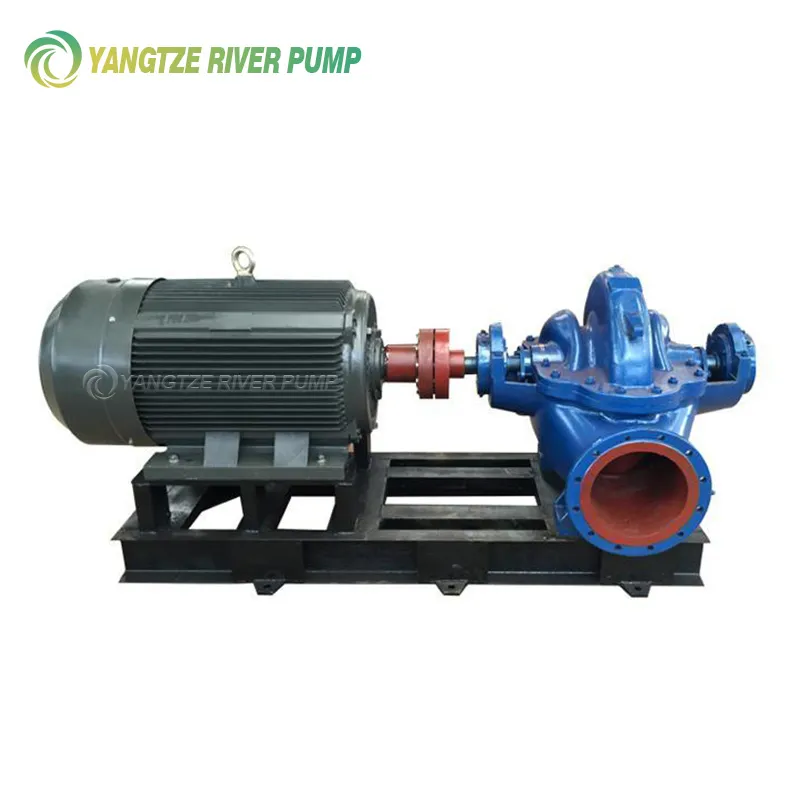
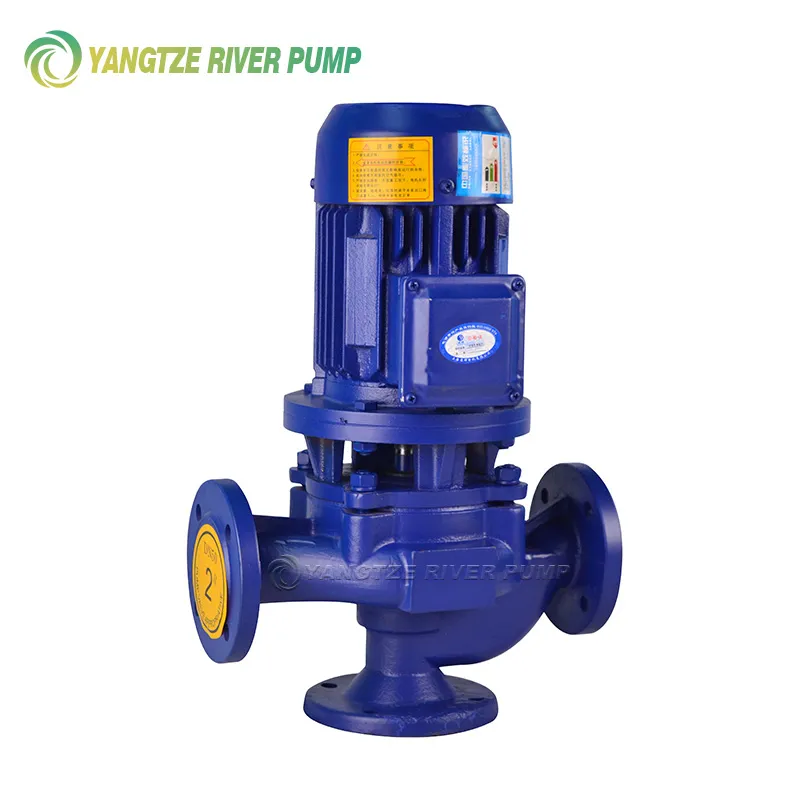
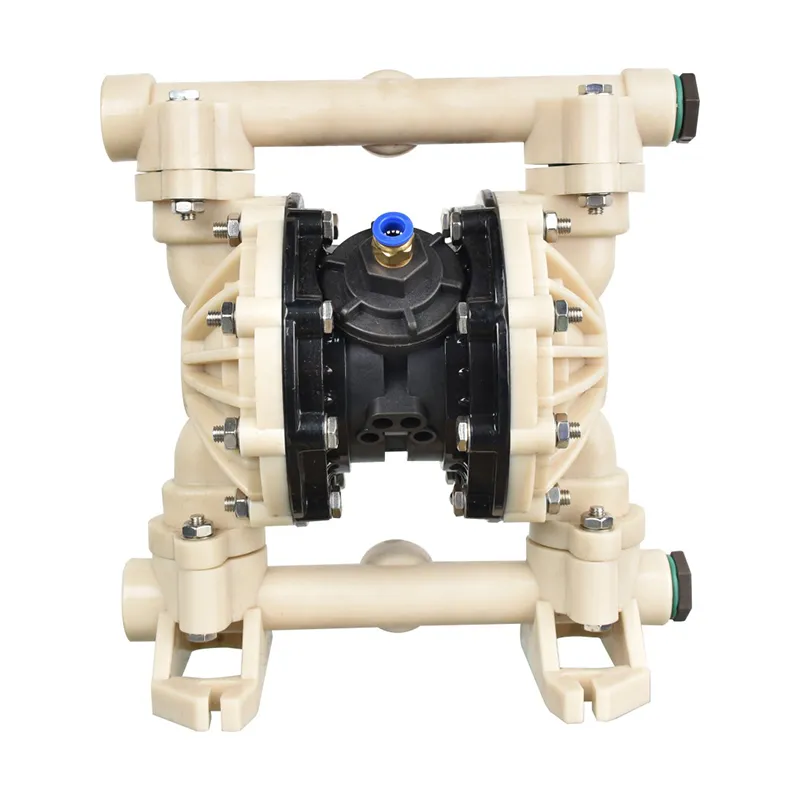

Best Sellingproducts
Best Selling Products-
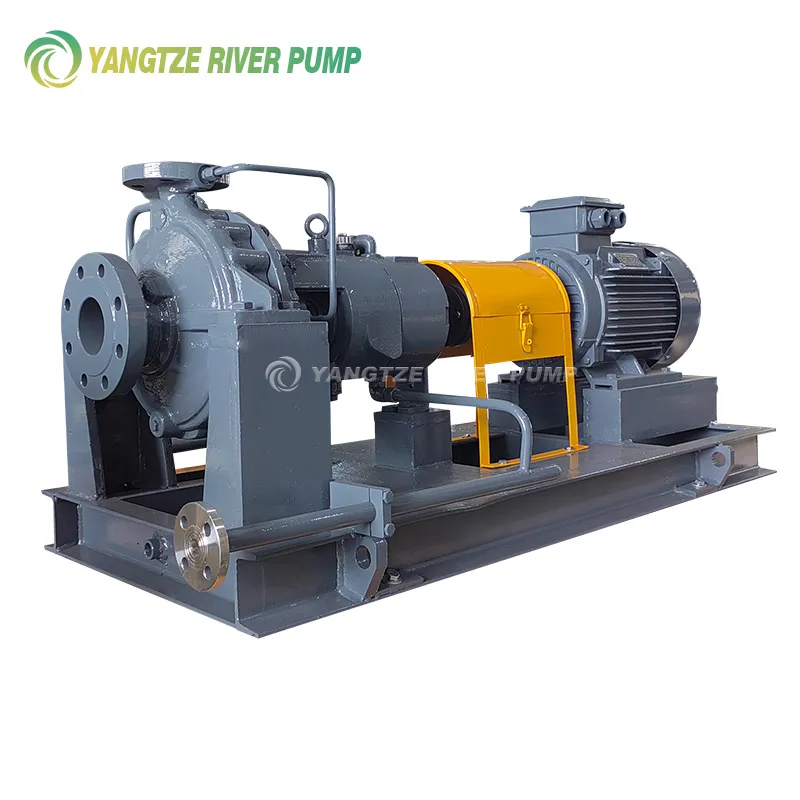 Petrochemical Process Pumps API 610 YZE
-
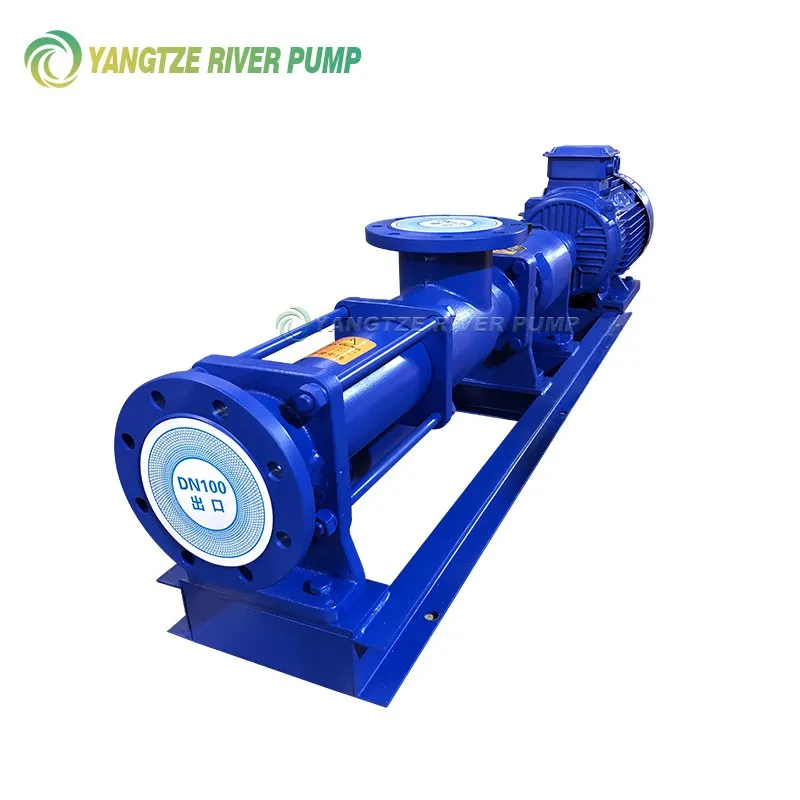 Single screw pumps type G
-
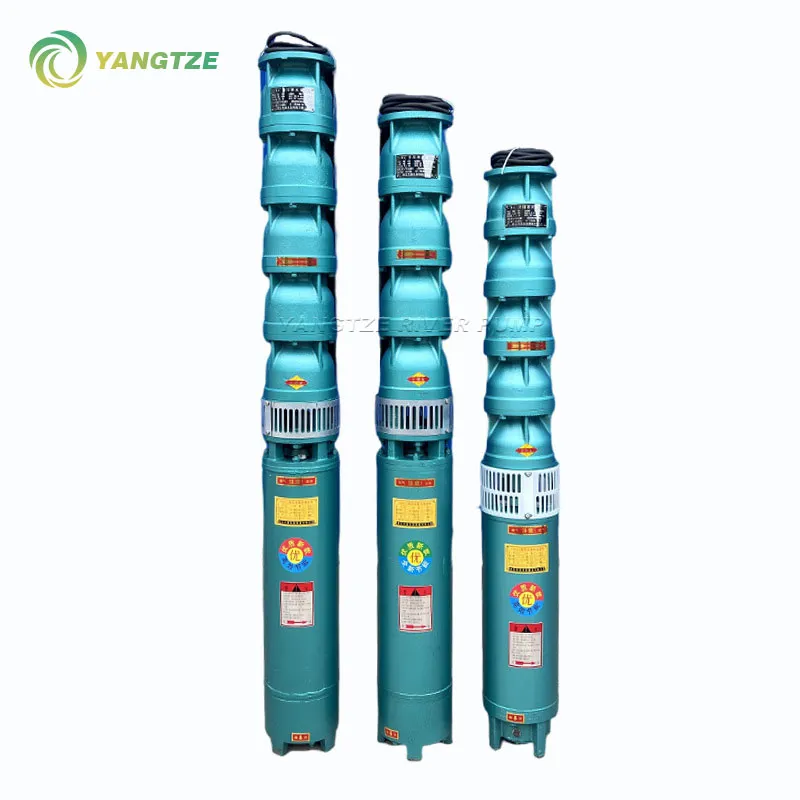 QJ type borehole pumps
-
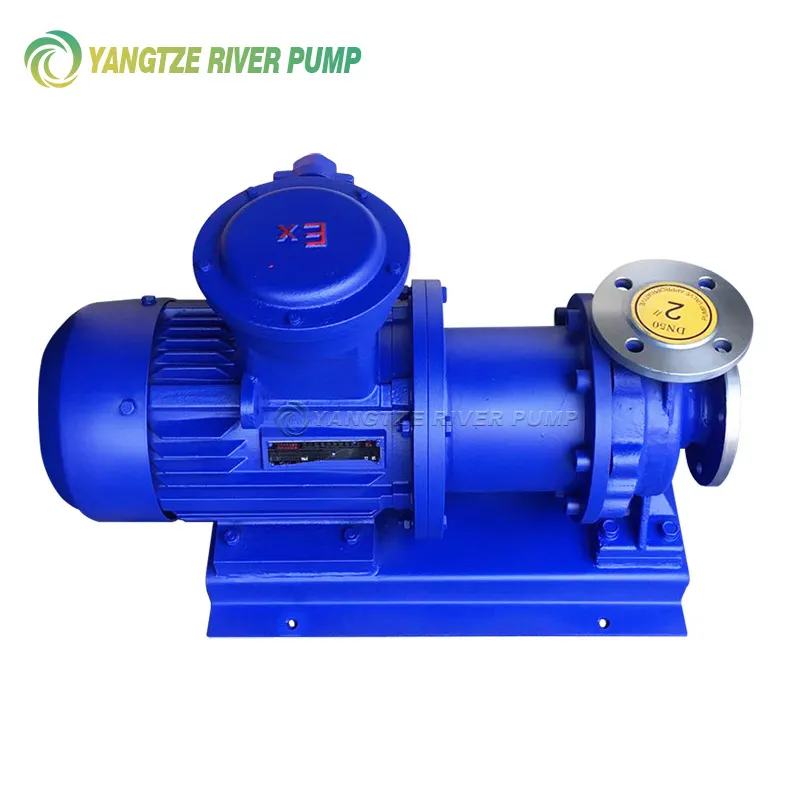 CQB Stainless Steel Magnetic Pumps
-
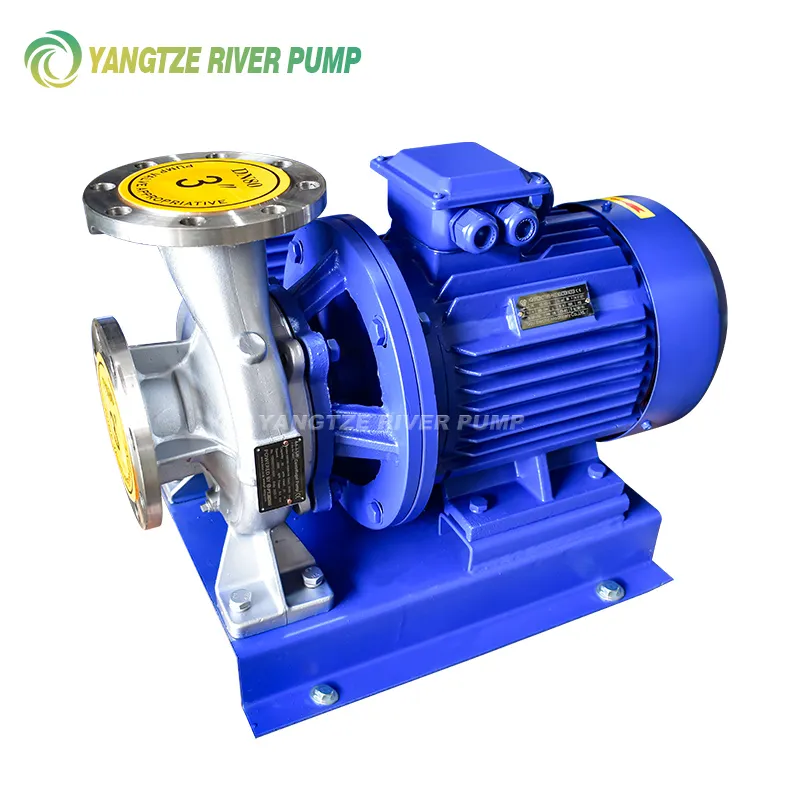 ISW and ISWH Single Stage Horizontal Pipeline Centrifugal Pumps
-
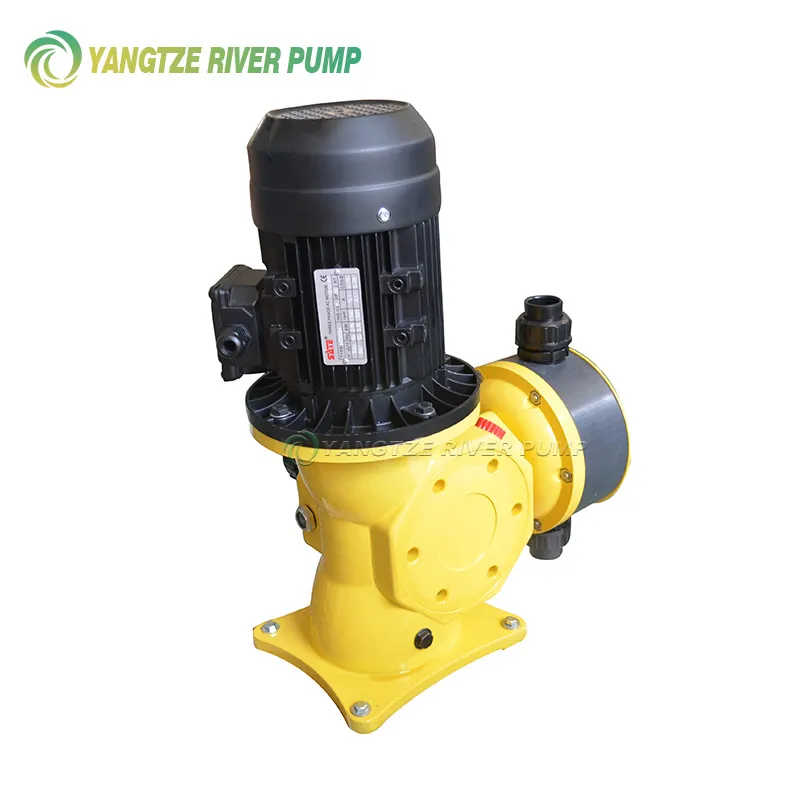 Mechanical diaphragm dosing pumps DJ-D
-
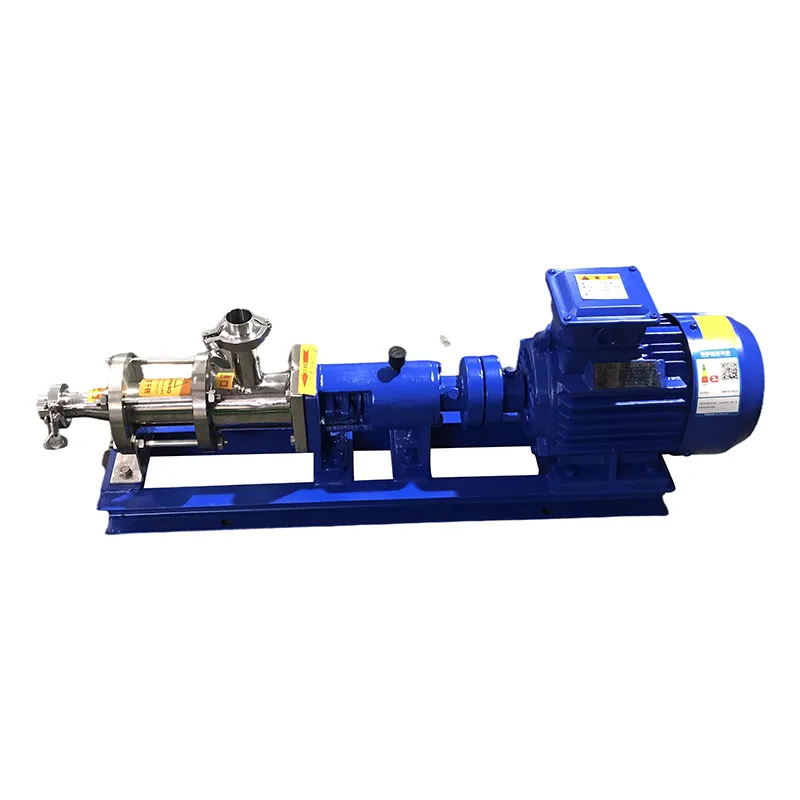 Sanitary screw pumps type GF
-
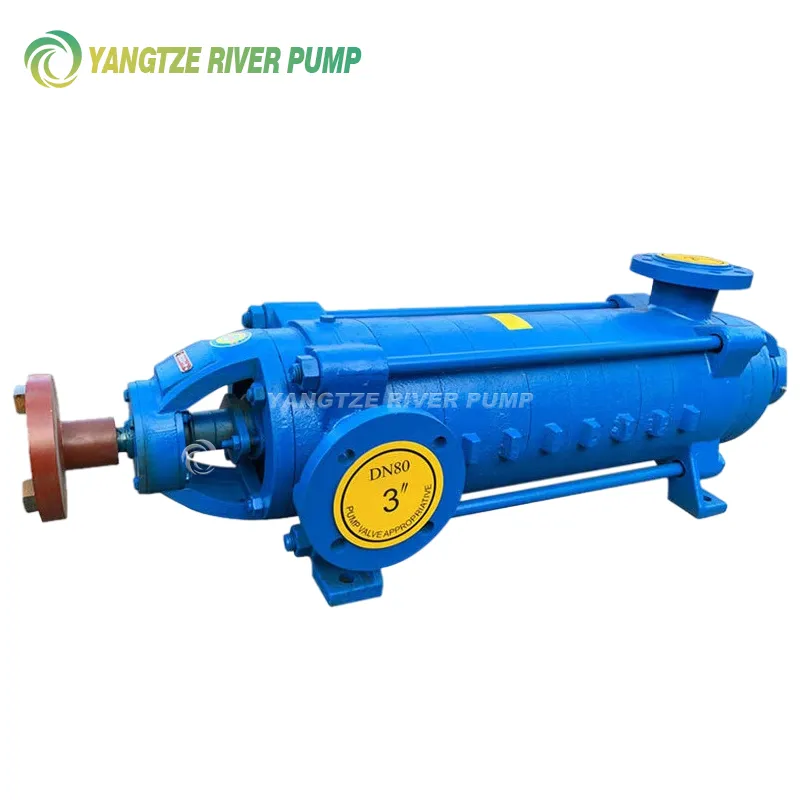 Horizontal multistage pumps for feeding DC boilers
-
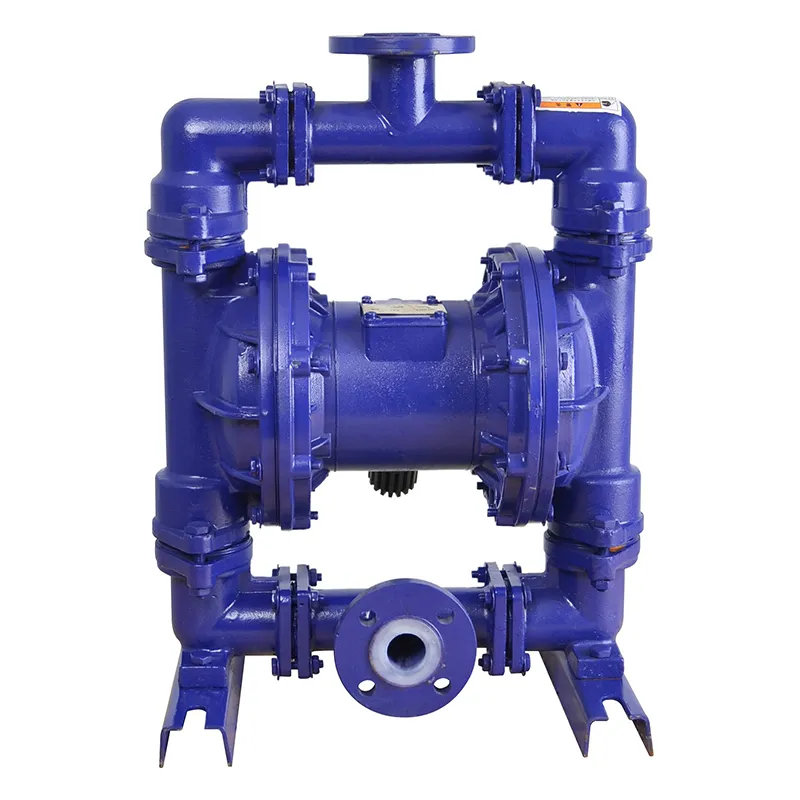 Metal pneumatic diaphragm pumps QBK
-
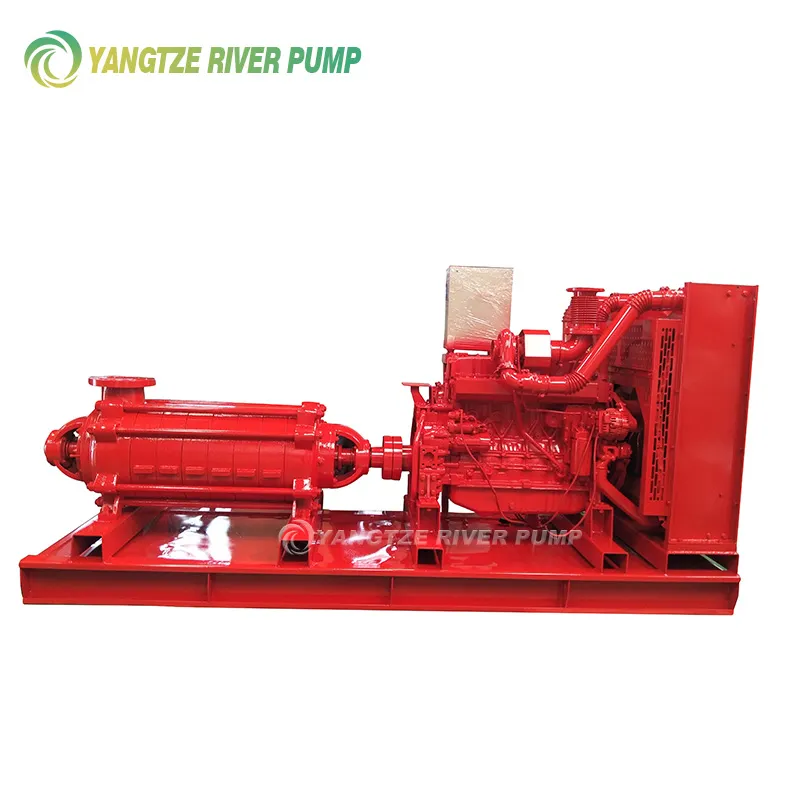 YZD Series Diesel Multistage Centrifugal Pumps
-
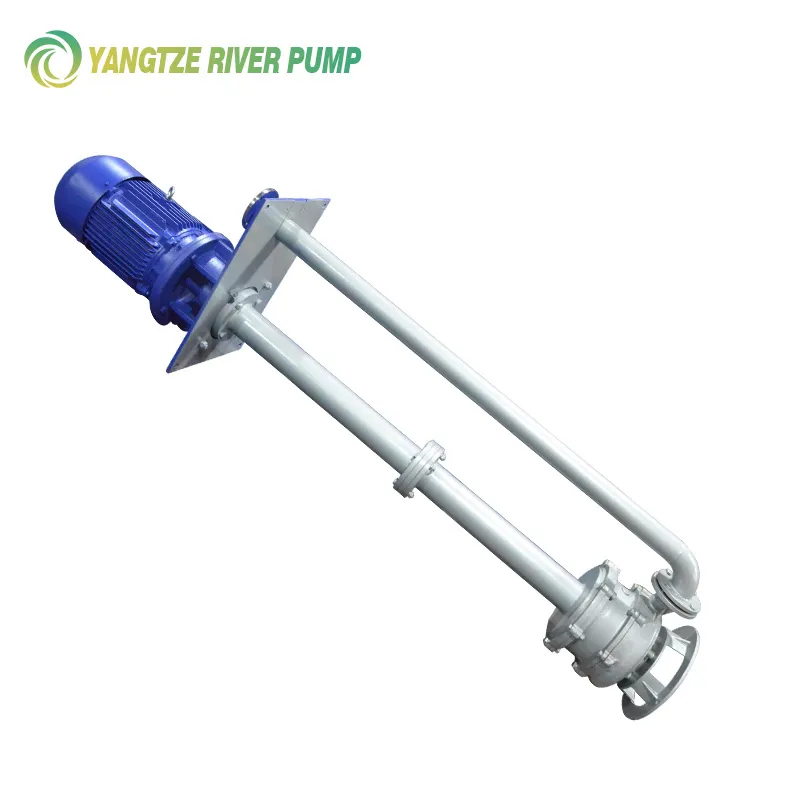 YW Vertical Submersible Sewage Pumps
-
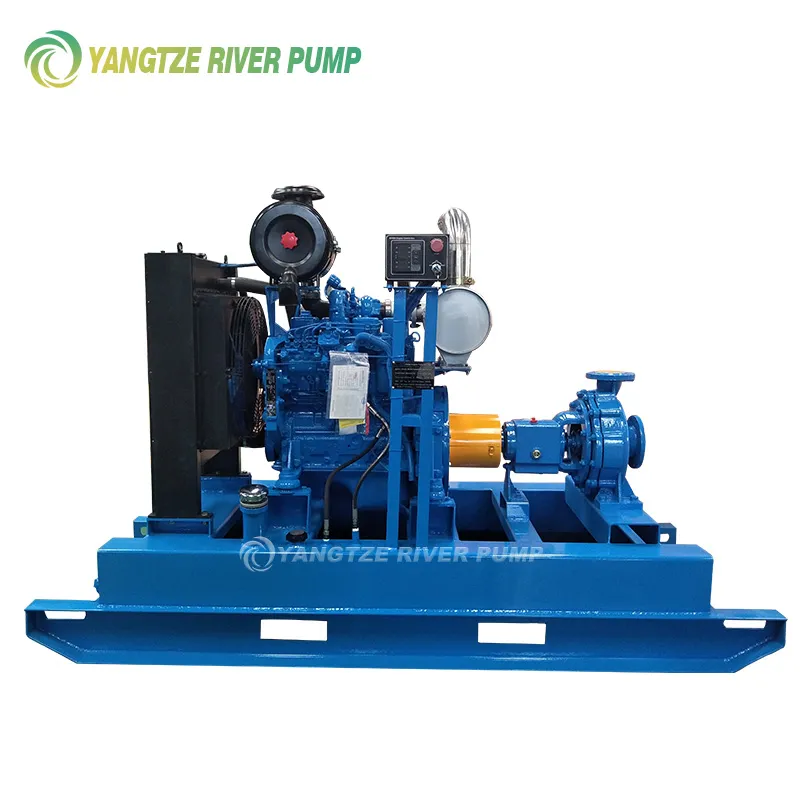 YZIS Diesel Single Stage Centrifugal Pumps