







deep pump 40 meters
When they say “a deep-well pump is 40 meters?”, many people immediately think of a simple number - they say, they lowered it to this depth, and everything works. In fact, this is more of a guideline, a starting point for calculations, and not a guarantee. A common mistake is not to take into account the dynamic level and flow rate of the well, which can cause the pump to run dry or overloaded. Here at Zhejiang Yangzijiang Pump Industry Co., Ltd. hundreds of samples pass through the test bench, and you can see how the parameters “float” depending on the diameter of the casing and even the degree of sand content.
Not just depth, but working conditions
Forty meters is for a passport. In practice, you need to start from where the water surface will be installed during pumping. It happens that you arrive at a site, the declared static depth is 35 meters, and after half an hour of work the dynamic level drops to 38-39. If you hang the pump at 40 according to the passport, it will begin to gasp for air. Therefore, we always advise clients to reserve immersion depth, especially for multi-stage models. We have in our linesubmersible pumpsQS series, which in tests consistently show performance at 45-48 meters at a nominal value of 40 - this is the same safety margin that saves in non-ideal conditions.
The material decides a lot here. For such depths, a stainless steel case is not a whim, but a necessity. I remember an incident at a summer cottage near Kazan: they installed a pump with a plastic impeller on a 40-meter well. After a season there was noise, then vibration. They took it apart and it turned out that the wheel was deformed due to constant pressure and temperature changes in the bottom layer. We switched to a model with an all-metal multi-stage section - the problem went away. This is to the question of why in our production for deep series we usemultistage centrifugal pumpswith bodies made of 304 stainless steel - they simply hold pressure more stably at great depths, where the water pressure is serious.
Another nuance is the cable and its sealing. At forty meters the water pressure is about 4 atmospheres. Poor quality sealing of the cable entry - and moisture slowly seeps into the terminal box. On our websiteyangtzeriverpump.ruProduct descriptions pay attention to this point, but in the field, installers sometimes skimp on sealant. The result is failure within six months to a year. Therefore, our submersible pumps use a molded cable connection with double crimping - this eliminates the human factor during installation.
Model selection: why not everyone is ?40 meters tall? are the same
If we take purely technical characteristics, then under the marking “40 meters?” different performance may be hiding. One pump produces 1.5 cubic meters per hour, the other - 3. This depends on the number of stages and engine power. In our assembly shops you can see how different configurations can be assembled for the same pressure: more stages - higher pressure with a smaller wheel diameter, fewer stages, but a larger diameter - higher productivity with the same pressure. For a standard well 110-130 mm by 40 meters, a multi-stage scheme is often optimal - it ensures a smooth rise of water without pressure surges.
People often ask aboutself-priming pumpsfor such depths. Here you need to clearly understand: classic self-priming surface pumps cannot cope with this task; their limit is usually 8-9 meters of vertical suction. We can talk about systems with a remote ejector, but this is already a complex installation and a decrease in efficiency. Therefore, for a clean well of 40 meters, the submersible option is practically no alternative. In our assortment these are primarily the QS and QSP lines.
An important point that is rarely voiced in catalogs is inrush current and operation at reduced voltage. In dacha cooperatives or in remote villages, the voltage in the network can drop to 190-200 V. At a depth of 40 meters, a pump with an asynchronous motor at this voltage may simply not start or overheat. During testing, we specially “waste” voltage on the stand, look at the behavior. Therefore, modifications for the Russian market began to include engines with increased starting torque and thermal protection. These are not just words, but the result of complaints from the field, which were sorted out by our service engineers.
Installation and operation: where the problems lie
The most common installation mistake is incorrect suspension. The pump should not touch the bottom, the minimum indentation is one and a half meters. But you also can’t hang too high - otherwise, when the dynamic level drops, it will end up above the water surface. Recommended practice is to install the pump 2-3 meters below the dynamic level, but not lower than 5-7 meters from the bottom, to minimize the intake of suspended matter. For this, by the way, it is useful to have not just a cable, but a safety cable made of stainless steel, as is provided in the configuration of ourdeep well pumps. Nylon fishing line or galvanized cable are destroyed over time, and there have been cases when the pump remained at the bottom of the well.
Service is a separate issue. A 40-meter deep-well pump is not a unit that can be easily pulled out and inspected. Therefore, diagnostics without lifting are important: by current consumption, by flow rate, by pressure stability. In our production, when we test finished products, we make sure to take a full load characteristic - it then helps in analyzing faults. For example, if the current increases and performance decreases, the impeller may be stuck or worn out. If the current drops, there is a power problem or a phase failure.
Winter operation is another stumbling block. If the well is used seasonally, the water must be drained for the winter. But what if the pump is at a depth of 40 meters? Just turning it on for a minute is not enough - water will remain in the vertical column, which will freeze and rupture the housing or pipeline. You need to purge the system with air or raise the pump. This is inconvenient, so for year-round use it is better to immediately install a caisson with insulation into the project or use a well adapter with drainage capabilities.
Case study and conclusions
We had a project near Tver - water supply to a house from a 42-meter well. The customer bought an inexpensive pump with a stated 40 meters of pressure. For the first two months everything worked, then the pressure began to “jump”. We arrived and measured the dynamic level - it turned out that during continuous operation it drops to 39.5 meters, and the pump hangs at 40. In fact, it periodically captured air. The solution was simple - we lowered the pump another two meters and replaced the model with a more powerful one, with a headroom. Three years have passed since then, no complaints. This case clearly shows that depth and head reserves are not a luxury, but insurance against non-ideal hydrogeological conditions.
As a result, choosingdeep pump 40 meters, you need to look not at one number in the passport, but at the complex: the material of the housing and impellers, the type of engine and its protection, the complete set of cables and cables, and most importantly, the reputation of the manufacturer who understands the difference between laboratory conditions and a real well. At Zhejiang Yangzijiang Pumping Industry LLC, we try to take this difference into account - from R&D to testing at our own stand, collecting feedback from facilities. Because a pump that simply pumps water under ideal conditions is not difficult to make. But one that works stably for years at forty meters somewhere in a Russian field is already a task for engineers with practical experience.
And lastly, never skimp on the check valve and control system. A simple float switch or pressure switch with a hydraulic accumulator will protect the pump from dry running and frequent starts, which are detrimental to deep-water equipment. This is exactly the detail that we always mention in consultations on the website and in correspondence with clients - the reliability of the system is made up of little things, especially when it comes to such depth.
Correspondingproducts
Related Products
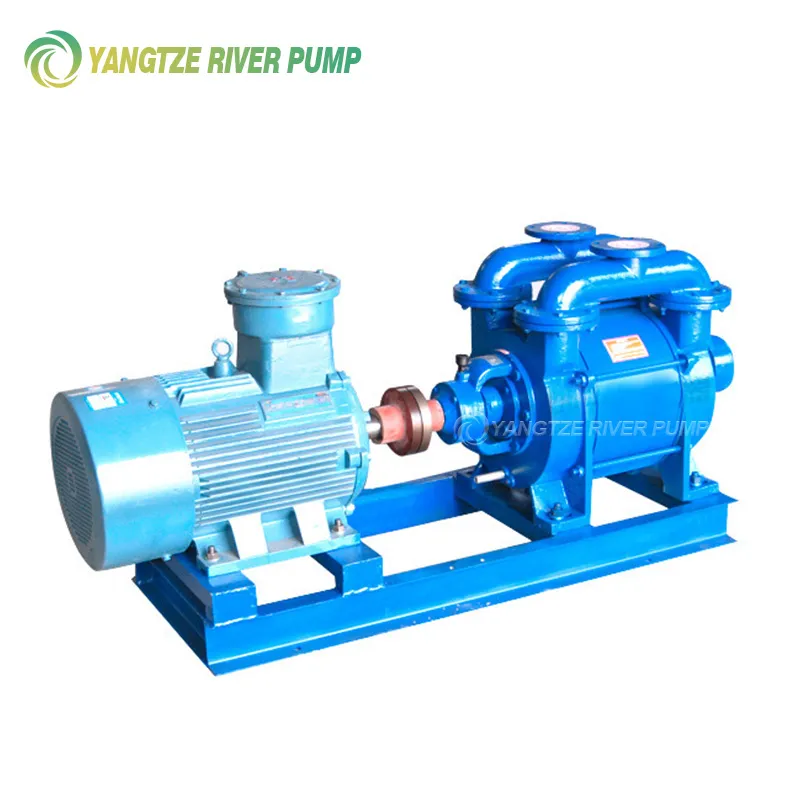


Best Sellingproducts
Best Selling Products-
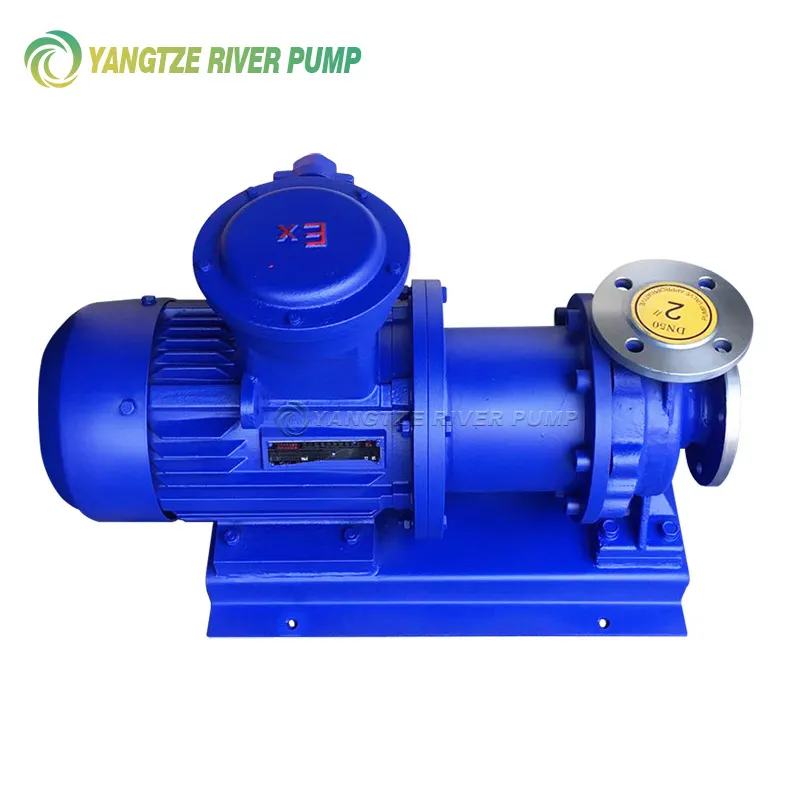 CQB Stainless Steel Magnetic Pumps
-
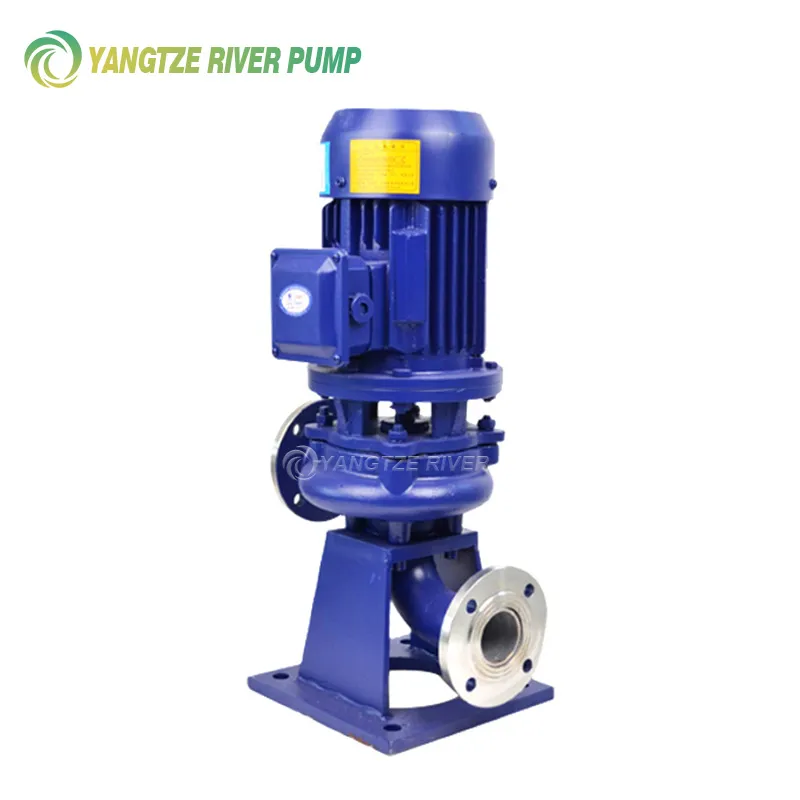 Non-clogging vertical wastewater pumps LW
-
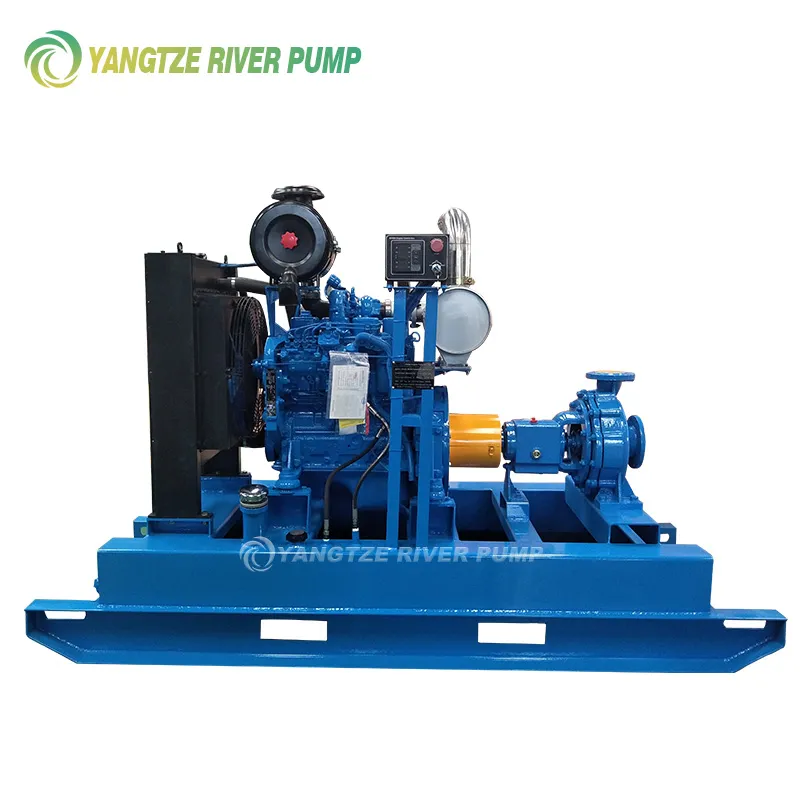 YZIS Diesel Single Stage Centrifugal Pumps
-
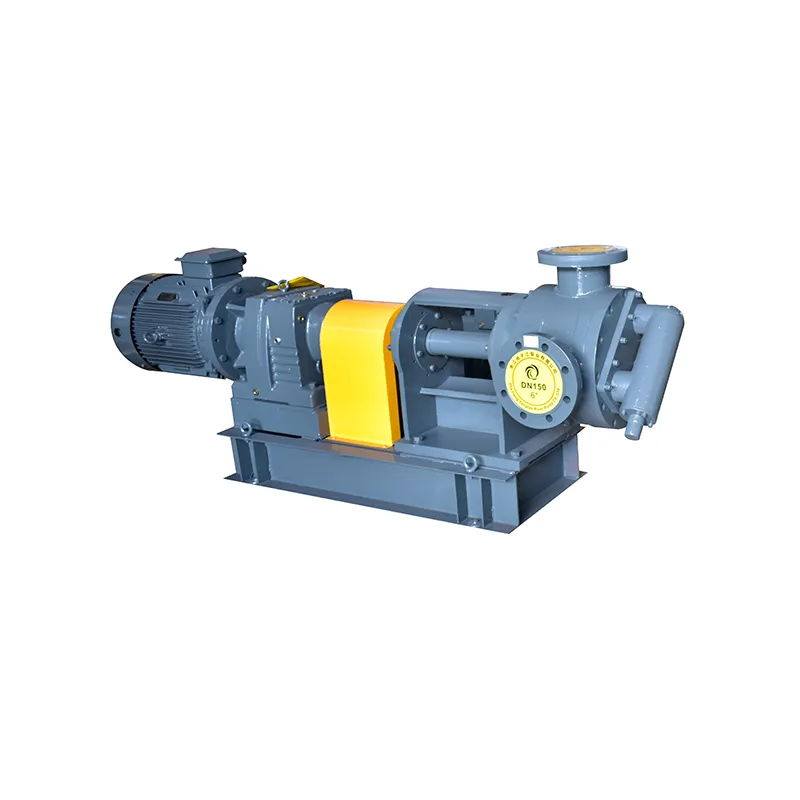 NYP High Viscosity Internal Gear Pumps
-
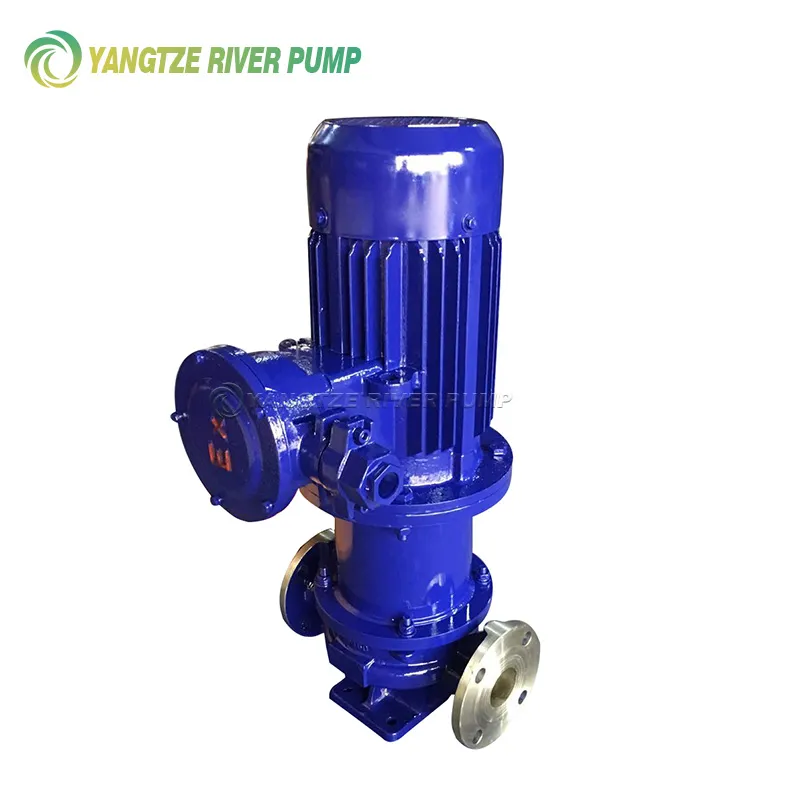 Vertical magnetic pumps CQB-L
-
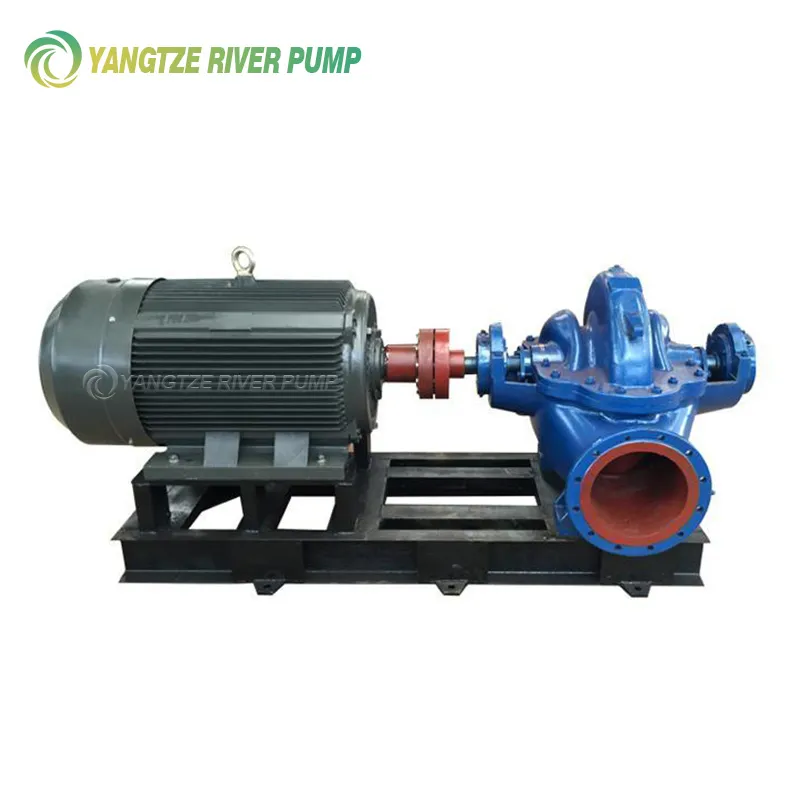 Single Stage Double Entry Centrifugal Pumps Type S
-
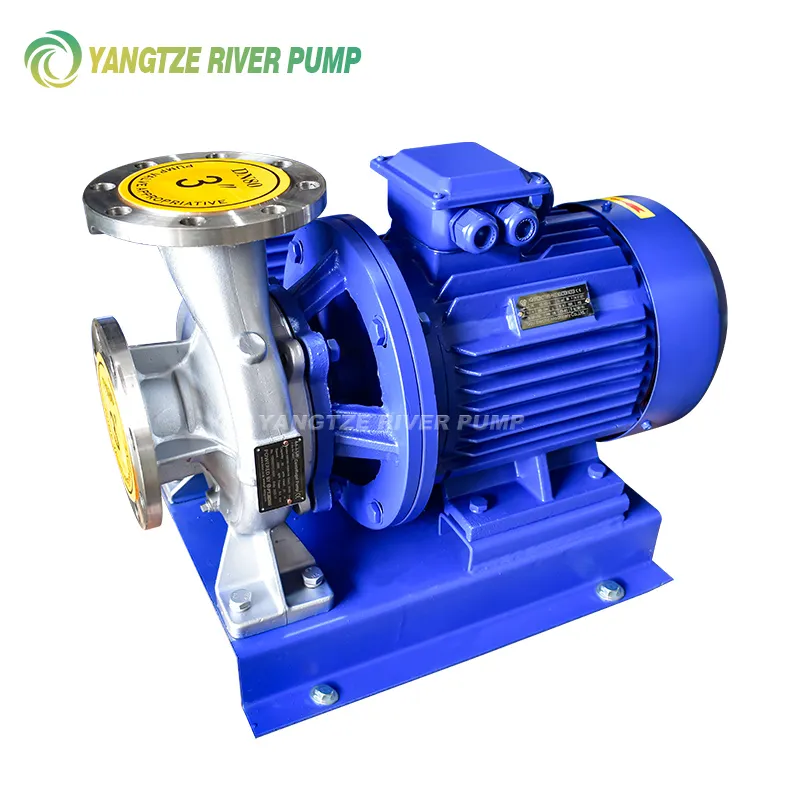 ISW and ISWH Single Stage Horizontal Pipeline Centrifugal Pumps
-
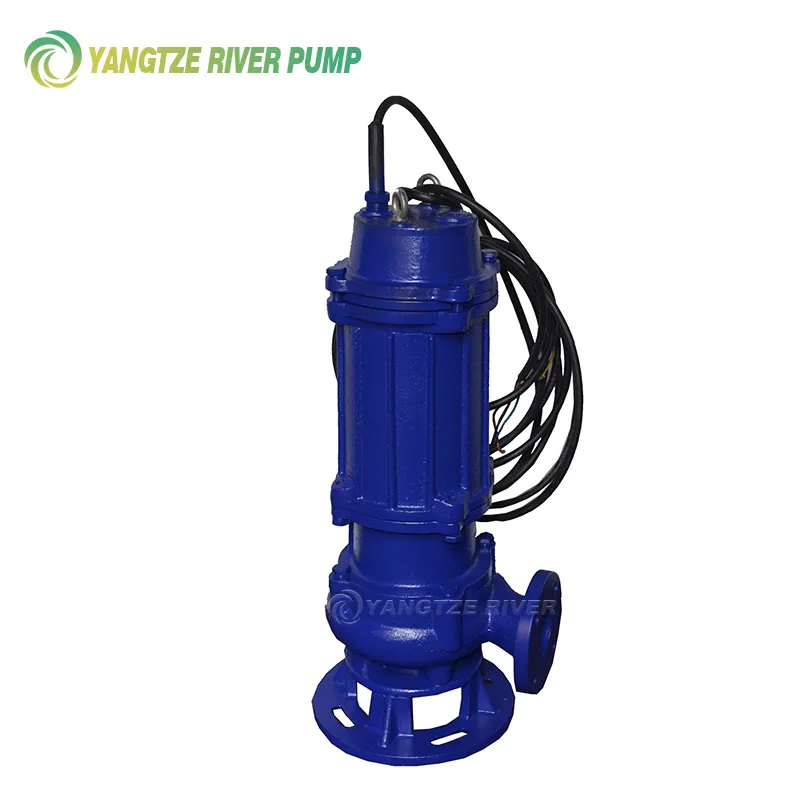 QW Non-clogging Submersible Sewage Pumps
-
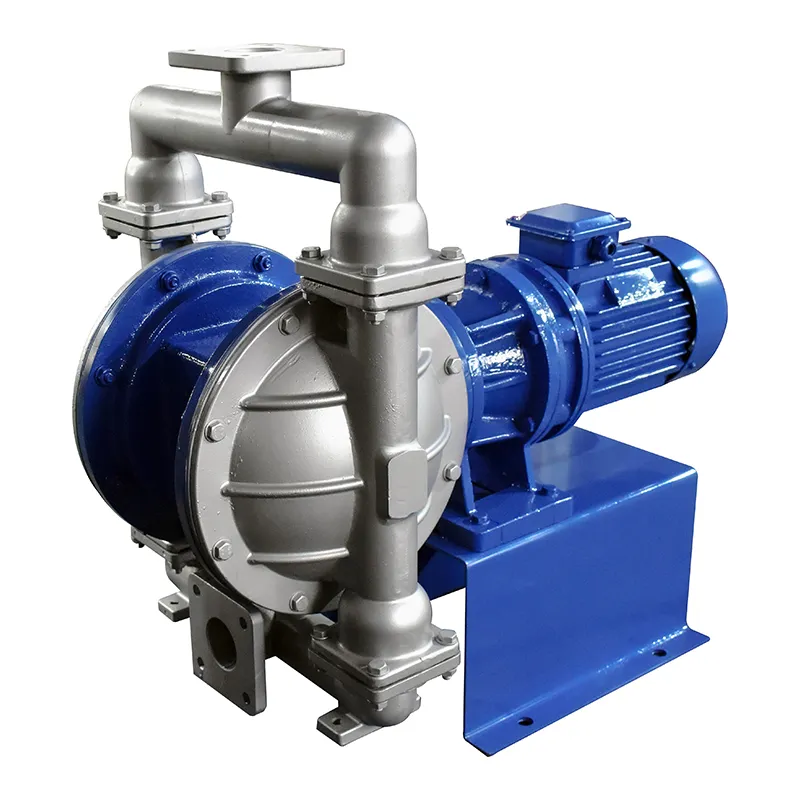 Metal electric diaphragm pumps DBY
-
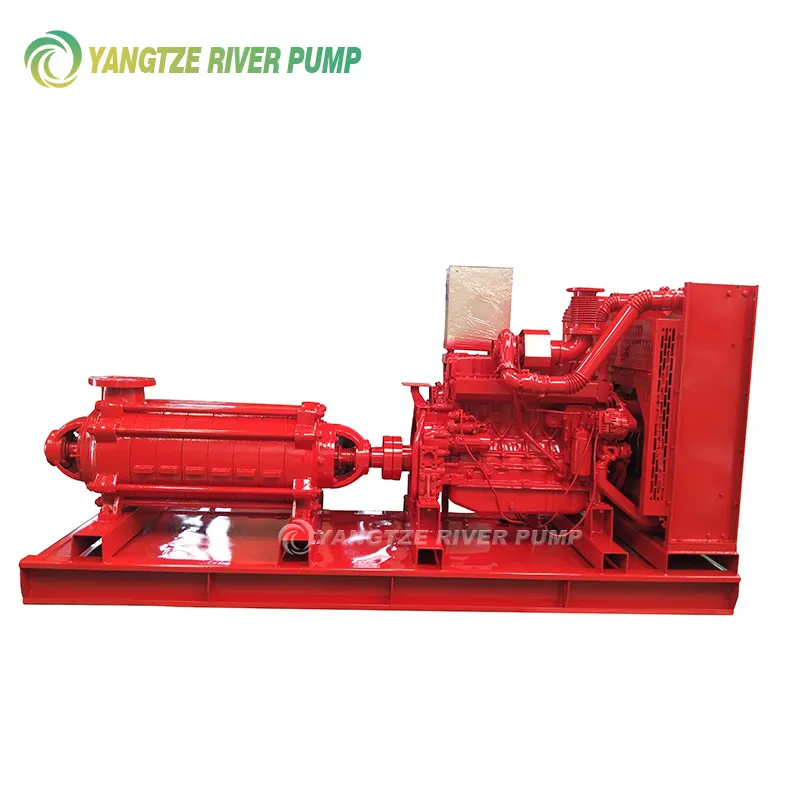 XBC Diesel Intelligent Fire Pumps
-
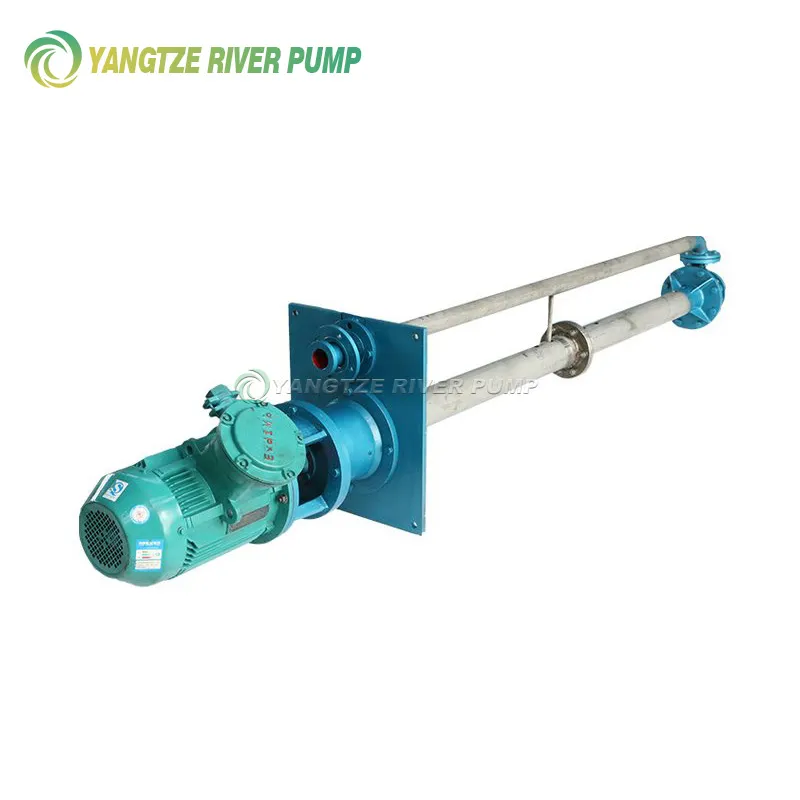 FY Submersible Chemical Pumps
-
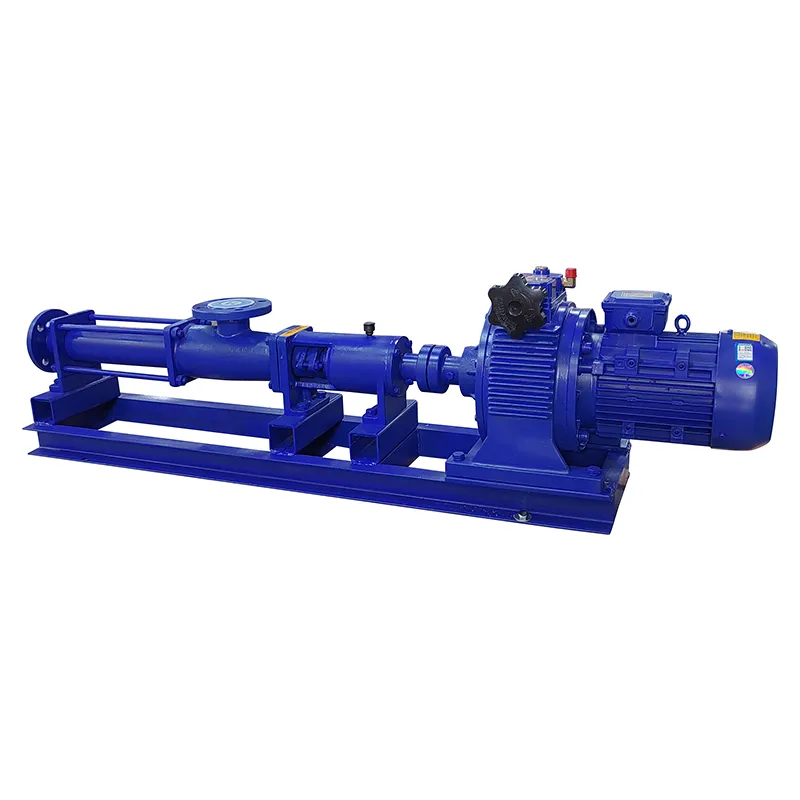 Infinitely variable screw pumps type G