







positive displacement and centrifugal pumps
When they talk aboutpositive displacement and centrifugal pumps, they often immediately jump into theory, compare efficiency, pressure curves. But in practice, especially at old facilities, everything depends on something else: will the new unit fit on the old foundation, how will the compaction behave after six months of working with suspensions, and what to do when the specification from the customer is clearly drawn up according to a template, without taking into account real starting conditions. Many years ago I thought I had it figured out, until I had to change the impeller of a centrifugal pump on the fly due to cavitation, which, according to calculations, should not have happened - it turned out that there was an unaccounted for bend in the pipeline in front of it, which created additional local resistance. It is from moments like these that real understanding begins.
Where theory meets practice
Let's take the classics - centrifugal pumps. Everything in the catalogs is beautiful: graphics, zones of optimal work. But try to provide these “optimal” ones. conditions at, say, drainage from a pit, where the density of the liquid floats and the suction pipe constantly risks capturing air. I have seen cases where engineers, trying to select a device with a reserve, took a pump with a higher capacity, but at such facilities it began to work with engine overload and frequent stops due to protection. The reserve is not always about performance; sometimes resistance to non-ideal suction conditions or the ability to smoothly adjust is more important.
Positive displacement pumps, the same screw ones, have their own history. They are often praised for their ability to pump viscous media. But once I observed how such a pump literally “cut off” on the supply line of a thickened solution. shaft splines after the technologist, without warning the operator, sharply increased the temperature in the tank. The medium became fluid, the pressure dropped, and the speed controller reacted late - we received a shock load. The conclusion is simple: even the most reliable design requires an understanding of the entire technological process, and not just the input and output parameters.
That is why in our work onZhejiang Yangzijiang Pumping Industry Co.,LtdWe don't just sell the unit. The entire cycle - from R&D to testing at our own stand - is designed to check how, for example, it behavesmultistage centrifugal pumpnot only on the water, but also on simulating the customer’s real environment. It happened that a client sent average data on a liquid, and during tests it turned out that abrasive inclusions periodically appeared. It was necessary to modify the material of the flow part or recommend a different sealing scheme. This is the same “fine-tuning” that is not in textbooks.
Selection mistakes and how to avoid them
A common mistake is choosing a pump type only based on the main parameter, say, pressure. You need to raise the liquid 80 meters - they look atcentrifugal pumps. But if the flow rate is small and inconsistent, the samemultistage centrifugal pumpcan operate on the left, unstable part of the characteristic, with the risk of overheating and cavitation. Sometimes in such cases, a volumetric pump, for example, a plunger pump, is more reliable, although initially it seems more complicated and more expensive. It all comes down to the cost of the entire life cycle, and not just the purchase price.
Another point is versatility. Requests like “do we need a pump for all cases?” usually end in a compromise that doesn't work out perfectly anywhere. We also have in stocklinear centrifugal pumps, andsubmersible, andplastic chemical- and each for its own niche. Trying to pump hot water with a chemical PVDF pump is a recipe for rapid failure, even if the pressure and performance figures are sufficient. The material of the flow part is not just corrosion resistance, it is also thermal expansion and fragility upon impact.
Among my own failures: there was a project where a compact membrane pump was proposed for dosing the reagent. Everything was calculated and set. And a month later the complaint was that the accuracy had dropped. It turned out that the client, without informing him, began to use a reagent with a finely dispersed sediment. The membrane was wearing out and the valves were sticking. I had to quickly change to a pump with a different membrane design and ball valves that were more tolerant of contamination. Now we always clarify about possible suspensions, even if “pure chemistry” is declared.
Specifics of production and testing
Our plant has eight full lines - this is not for beauty in a brochure. This means that when we design, say, a newself-priming pump, we can make several versions of the impeller at the R&D stage and immediately, in the workshop, cast and process prototypes. Then they will be tested on stands where conditions close to extreme can be created: an emulsion with air, a variable level in the receiving tank. Often it is precisely in these tests that the very “pitfall” is found, which will appear to the customer only after a year.
Particular attention is paid to cavitation tests. Forcentrifugal pumpsit's a scourge. It happens that a pump undergoes acceptance tests in clean water, but at the site, due to the characteristics of the suction pipeline, it begins to make “noise.” and lose momentum. Therefore, we try to test with different NPSH values to give the client a real margin and not a theoretical one. This sometimes leads us to recommend changing the suction line configuration rather than simply selling a more powerful unit.
Assembly is also not a conveyor belt in its pure form. Especially for pumps of special design, the samemagnetic pumpsfor aggressive environments. Every operation there is important - from balancing the rotor to the quality of the welds on the insulating shell. The slightest misalignment of the magnets will lead to vibrations and overheating. We control all stages, because our reputation is built on ensuring that a pump shipped today will work without problems in five years.
Service and feedback
The most valuable information comes from service engineers and, oddly enough, from dispatchers at customer sites. They see not average data, but specific failures: “the pump makes noise in the morning when it turns on after being idle?” or “the pressure jumps when switching to another tank?”. These observations often become the basis for modifications. For example, modification of the air venting system for some modelssubmersible pumpswas born precisely after such appeals.
There are also non-standard requests. One customer asked if it was possible to usesingle screw pumpfor pumping masses with long fibers. According to the passport - not recommended. But, having studied the composition of the medium in detail and carried out test pumping on a test bench, we were able to select a gap between the rotor and stator that copes with the task without jamming. This is the case when a ready-made solution from the catalog did not work, but production flexibility allowed us to find a way out.
Websiteyangtzeriverpump.ru- this is not just a showcase. For us, this is also a channel through which we receive questions from technologists and mechanics. Sometimes these questions formulate a practical problem that becomes the topic for the next research in the development department. It turns out to be a closed cycle: practice asks questions to production, production looks for solutions, which are again tested in practice.
Instead of a conclusion: about the main thing in working with pumps
So, if we go back to the beginning and the two big families -positive displacement and centrifugal pumps- then the key conclusion from the experience is simple. There is no ?best? kind of in a vacuum. There is a right or wrong choice for a specific task, taking into account all its nuances: from the properties of the environment to the qualifications of the operating personnel. Sometimes the optimal solution is a standard onecentrifugal pump, and sometimes - a combination of several devices of different operating principles.
Our task as a manufacturer is not just to have in the line andsingle stage centrifugal pumps, anddiaphragm pumps, but to understand deeply where the limits of applicability of each model are. And the main thing is to be prepared to tell the client honestly if his initial terms suggest potential problems, and to offer an option that will work reliably, even if it seems less profitable for the initial investment. In the long term, this pays off in trust and the absence of emergency stops at the customer’s site.
After all, the pump is the heart of the process line. And like a heart, it must work reliably, predictably and for a long time. This can only be achieved by combining competent calculation with an understanding of what happens outside the ideal scheme on paper. This is exactly what all our work is aimed at - from drawings to testing and service support.
Correspondingproducts
Related Products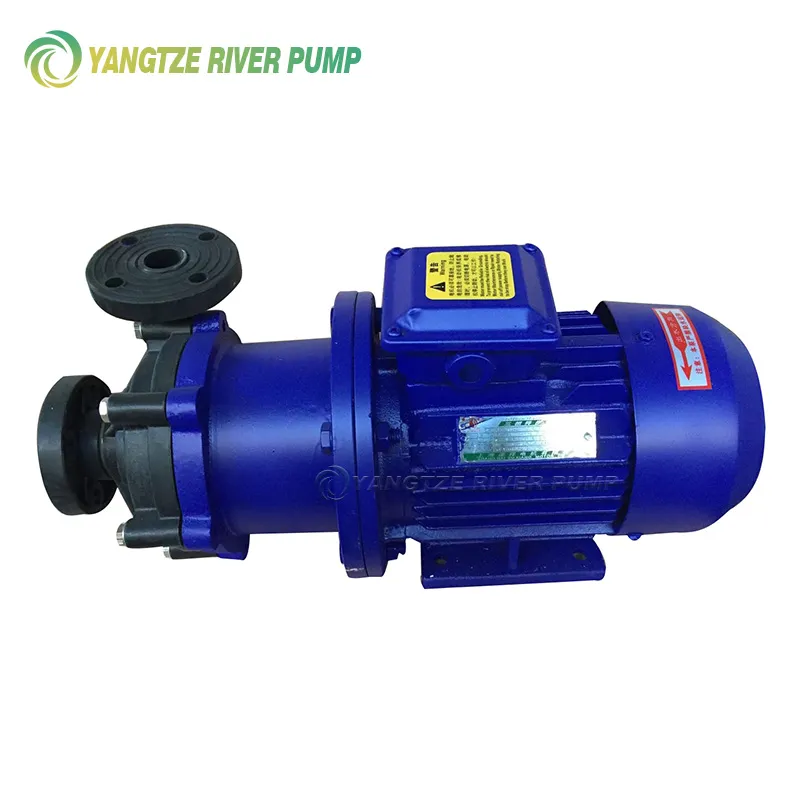
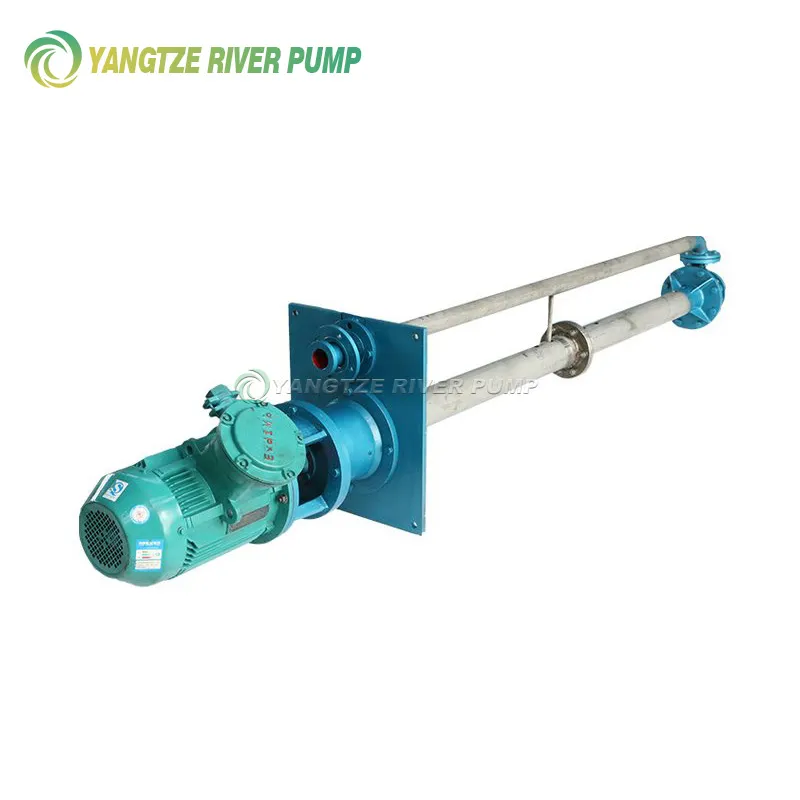
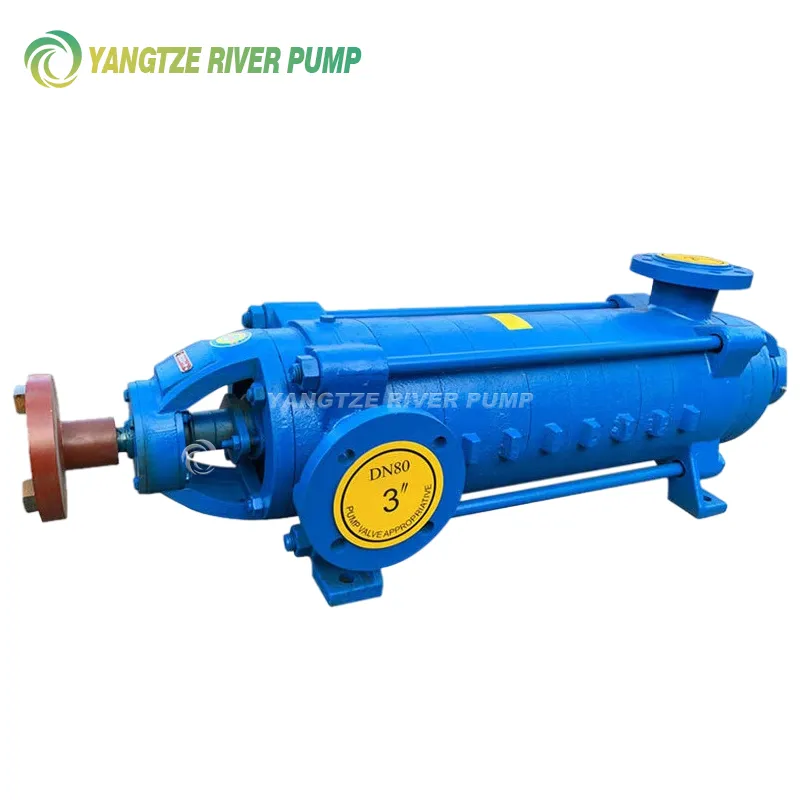

Best Sellingproducts
Best Selling Products-
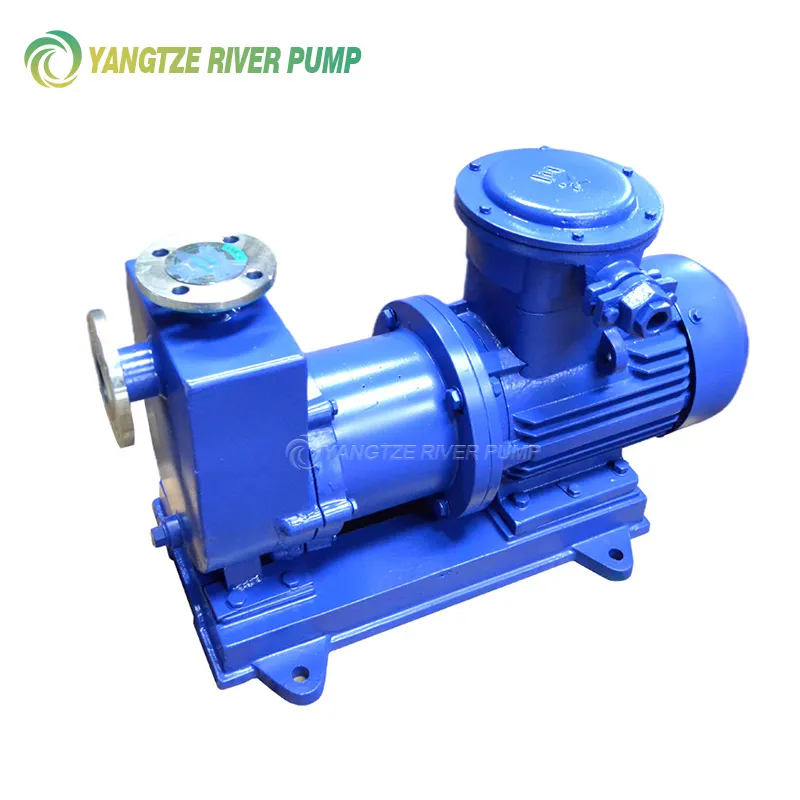 ZCQ Stainless Steel Self-Priming Magnetic Pumps
-
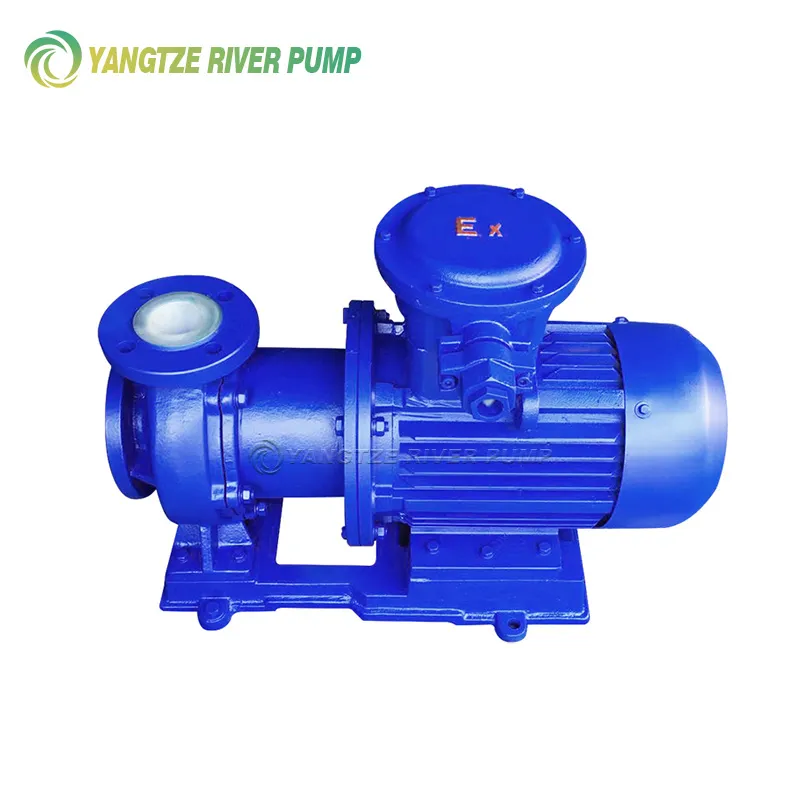 Magnetic pumps with fluoroplastic lining CQB-F
-
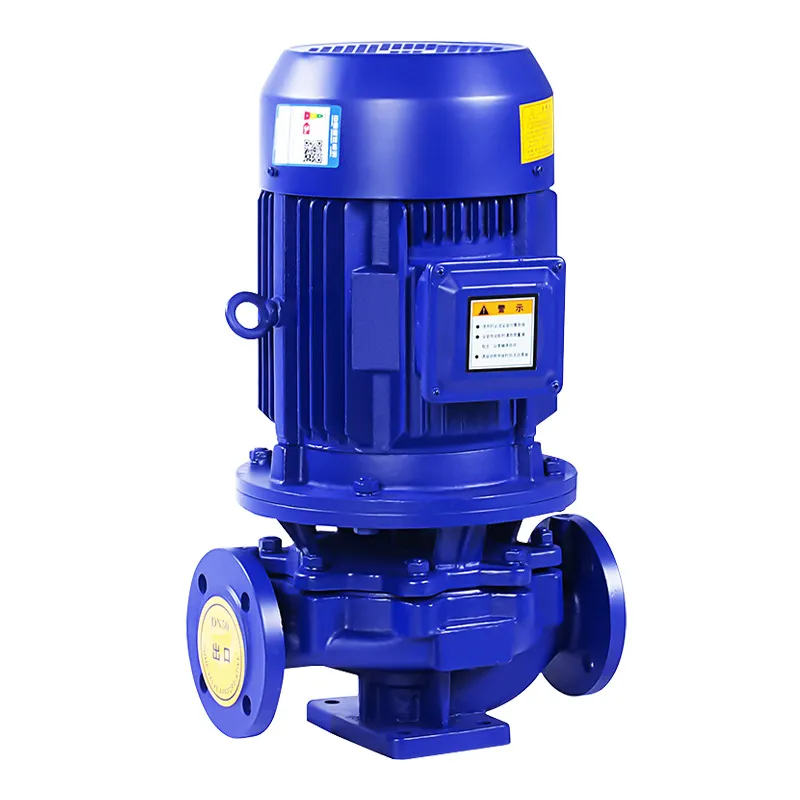 Vertical single-stage pipeline centrifugal pumps ISG and IHG
-
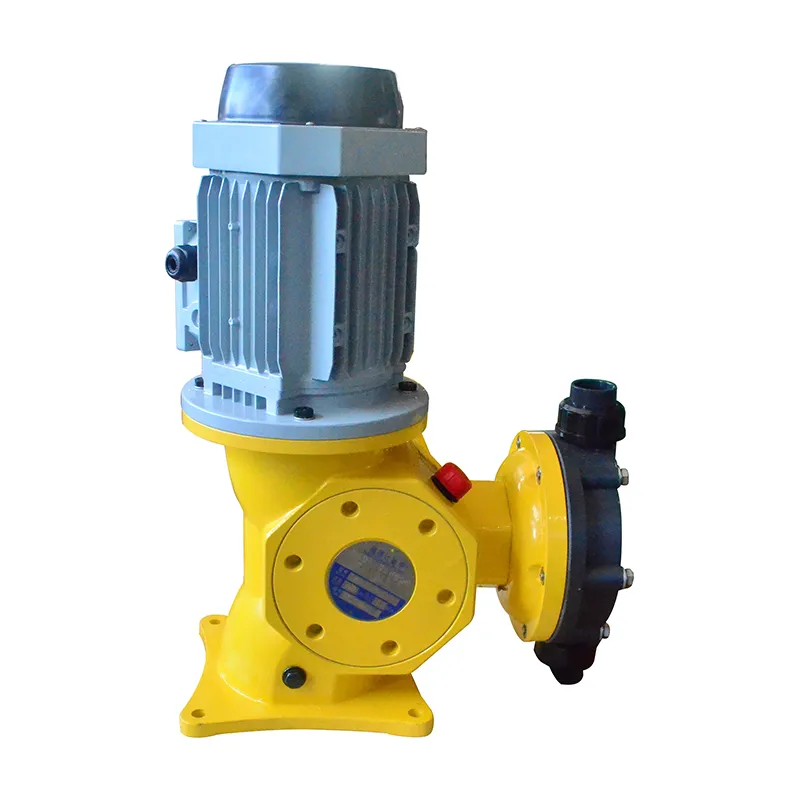 Mechanical diaphragm dosing pumps DJ-Z
-
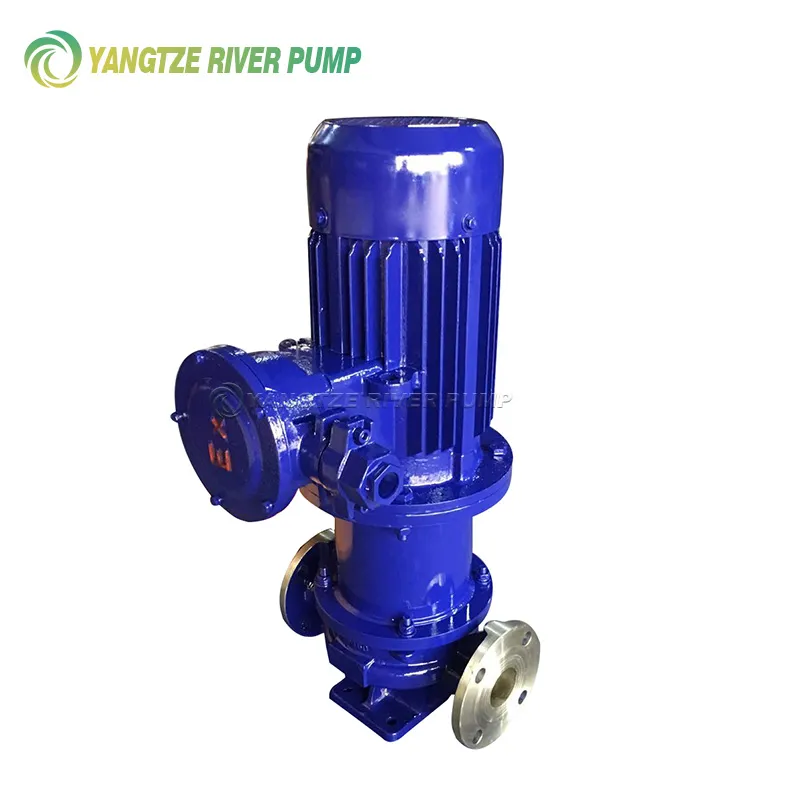 Vertical magnetic pumps CQB-L
-
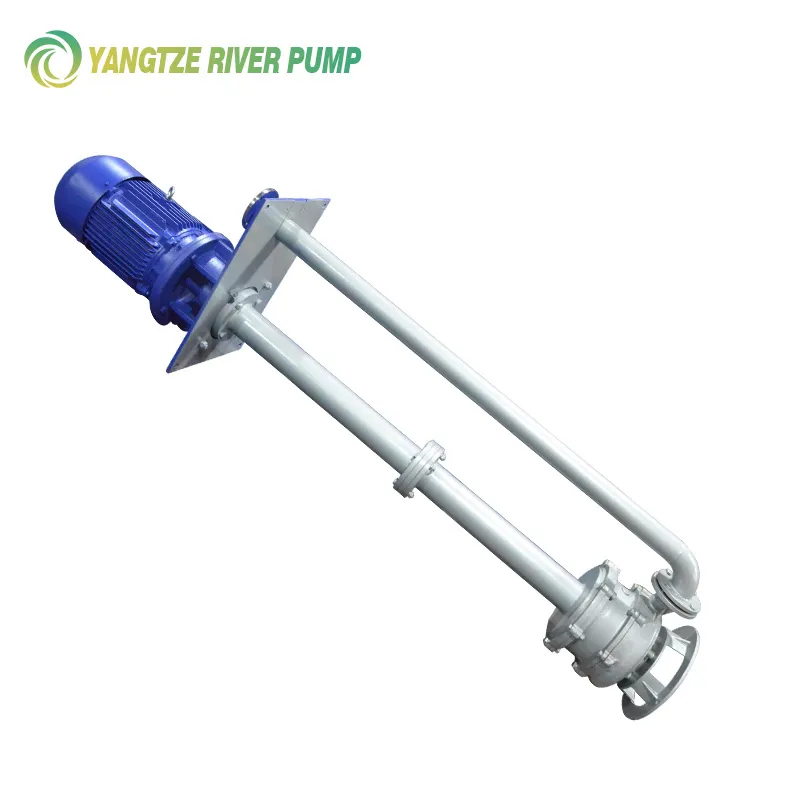 YW Vertical Submersible Sewage Pumps
-
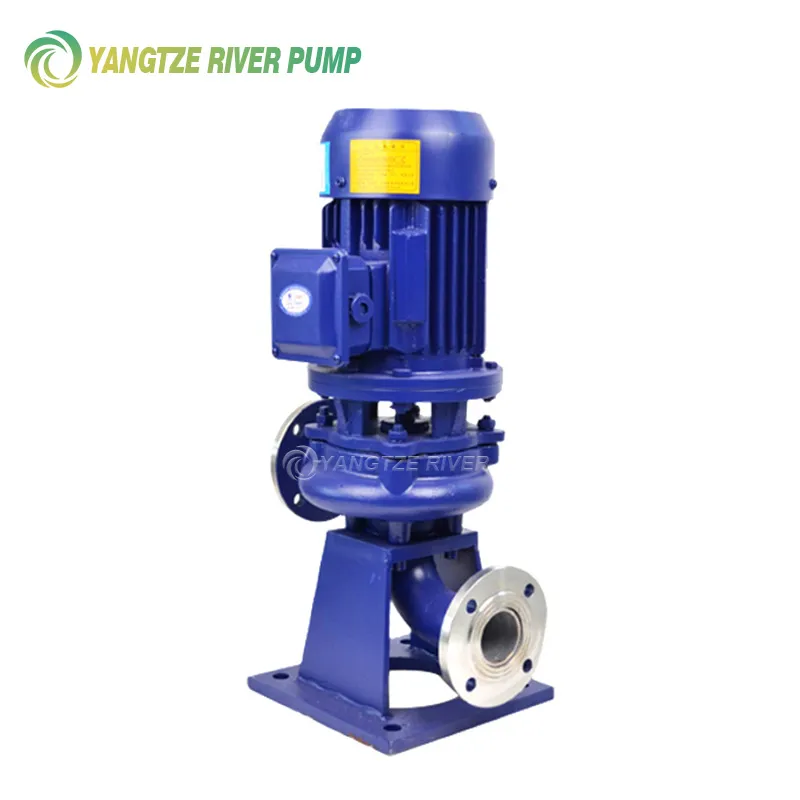 Non-clogging vertical wastewater pumps LW
-
 Diesel pumps with horizontal connector YZS and YZSH
-
 Corrosion-resistant stainless steel centrifugal pumps SFB and SFBX
-
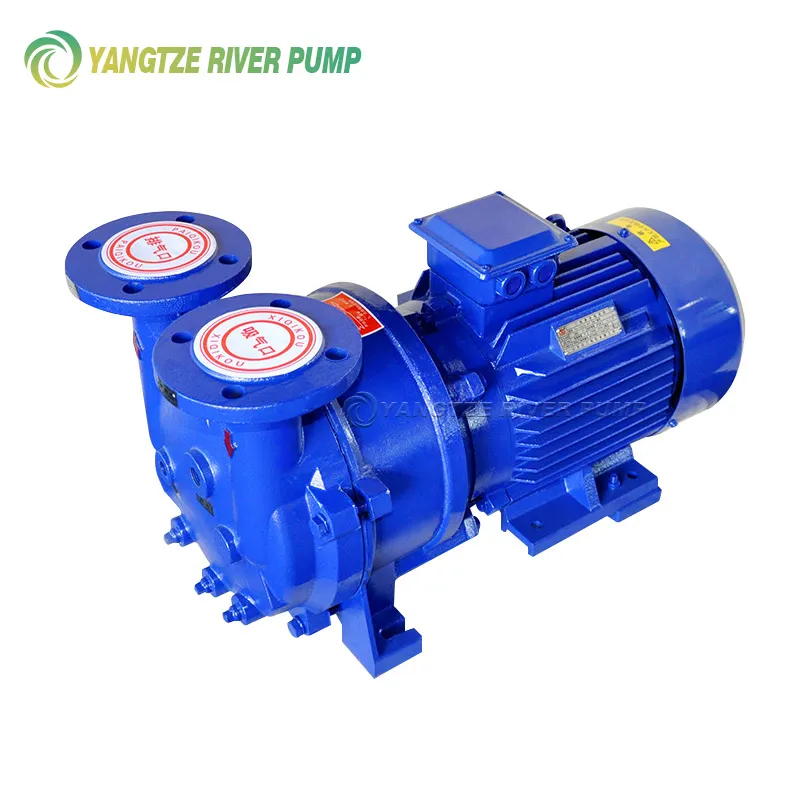 Liquid ring vacuum pumps type SKA and 2BV
-
 YCB Type Circular Gear Pumps
-
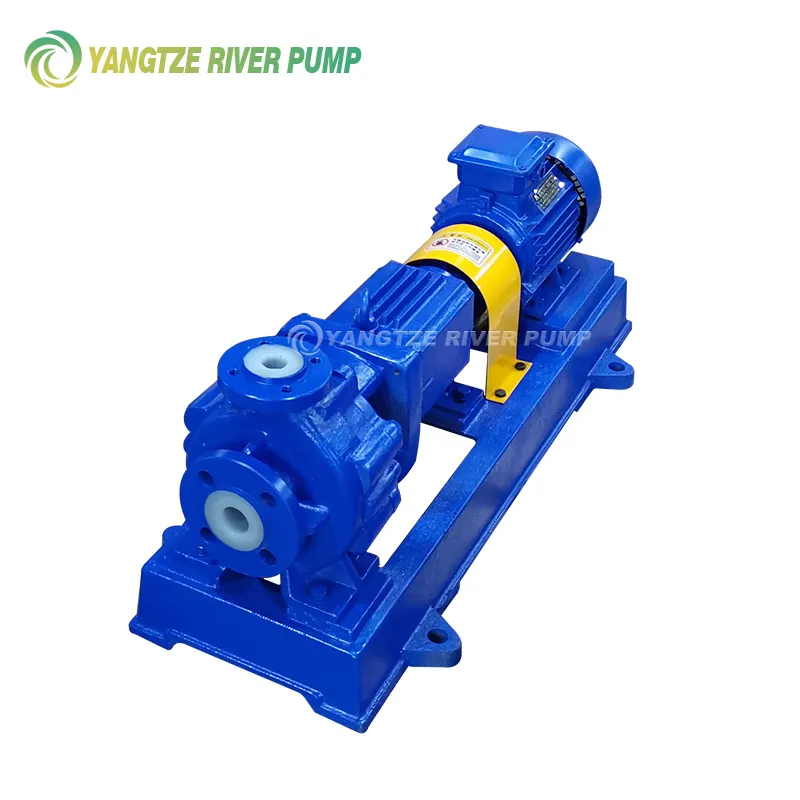 IHF PTFE Chemical Centrifugal Pumps