







centrifugal pump 2 m3 h
When you see the request “centrifugal pump 2 m3 h”, the first thought is, well, a low-power unit, nothing complicated. But this is where many, especially those who are far from daily practice, fall into the trap. They chase the figure of 2 cubic meters per hour, forgetting that for such modest expenses completely different parameters become critical - pressure, material of the flow part, type of seal, the ability to work “dry”? even for a short time. About ten years ago, I myself installed a pump on one chemical dosing system, which, according to the passport, seemed to be ideally suited for 2 m3/h, but a month later it began to leak along the shaft. It turned out that the seal was not for that environment, although the manufacturer did not specify this in the catalog. Since then, I approach the selection of even such seemingly simple units with a bunch of clarifying questions.
Why? 2 cubes? — it’s not about power, but about accuracy
At our company, Zhejiang Yangzijiang Pumping Industry Co.,Ltd, when people come to us for a 2m3/h pump, we immediately move away from just talking about performance. The first question is always: “Why?”. Because it's the samecentrifugal pumpwith a stated 2 cubic meters per hour, it can be used for watering a greenhouse, pumping clean water from a tank, dosing a reagent, or supplying a slightly aggressive solution to a production line. And these are completely different devices in design and, most importantly, in materials.
Our production has a whole line just for such tasks - small single-stage centrifugal pumps. But even within it we distinguish models with cast iron, stainless or plastic housing and impeller. For water, cast iron will do, but if we are talking about salt water or fertilizers, we are already looking towards stainless steel AISI 304 or 316. And for chemistry, there are only plastic chemical pumps made of PP or PVDF. A mistake in choosing a material is a guaranteed failure in a few months, this has been proven through bitter experience, not only by ours, but also by clients who first tried to save money.
There was a story: a customer took a pump to pump detergent with a small abrasive content. I was stuck on a budget and took a model with a stainless wheel, but with a regular oil seal. Two months later - leakage, oil seal replacement, downtime. We switched to a model with a mechanical graphite seal - the problem went away. This point - the type of shaft seal - is often more important for low flow rates than efficiency. Because repairs or downtime are more expensive than the installation itself.
Self-priming or regular? Depends on installation
Another key point that comes up when working with low flow rates is how the pump will be installed. If it is possible to supply it with filling, below the liquid level, then you can take a standard onecentrifugal pump 2 m3 h. But often at facilities there is no such possibility - you need to pump it out of the tank, lift it from a shallow depth. Then we look towards self-priming models. We also have them in our assortment, and this often saves the situation.
But there is a nuance here too. For a reliable start, a self-priming pump must always be filled with liquid. If due to an oversight he is “dry” starts, it may not capture the environment and overheat. One of our clients complained about the unstable operation of just such a unit. We arrived and looked - it turned out that there was a check valve on the suction, but it was leaking a little, the pump gradually lost its prime. We replaced the valve with a better one, the problem disappeared. It's a small thing, but it has an impact.
Therefore, now, when consulting, we always draw an installation diagram. Where is the tank, where is the pump, what valves, pipe length. For 2 m3/h, even a few meters of pipe of the wrong diameter or an extra bend can “eat up” the required pressure, and the system will not work as it should. This is the same practice that is not written in the catalogs.
Tests as a final argument
On the websiteyangtzeriverpump.ruIt’s not just that we write that we have a full cycle, including tests. For low-capacity pumps this is no less important than for industrial giants. Before packaging, we test each unit on a test bench. We check not only the output to the parameters of 2 m3/h at a certain pressure, but also operation at a minimum flow rate, pressure surges, and body temperature.
I remember that while testing one batch of small centrifugal pumps, we noticed increased vibration in several units. We took it apart and found microscopic heterogeneity in the casting of the impeller, an imbalance. The entire batch was rejected and remade. If this had gone to the customer, the vibration would have killed the bearings and seal over time. The client would scold both us and “Chinese quality”, although the problem was not at all in the country of origin, but in control.
This is why we insist that clients clearly define their terms and conditions. If you need 2 m3/h, but with variable pressure, or with the ability to operate on a closed valve (for some dosing processes this is necessary), we can offer options with a frequency converter or special impeller characteristics. This is no longer a standard product, but a small adaptation, but it solves the problem 100%.
Neighborhood with other types of pumps in the same workshop
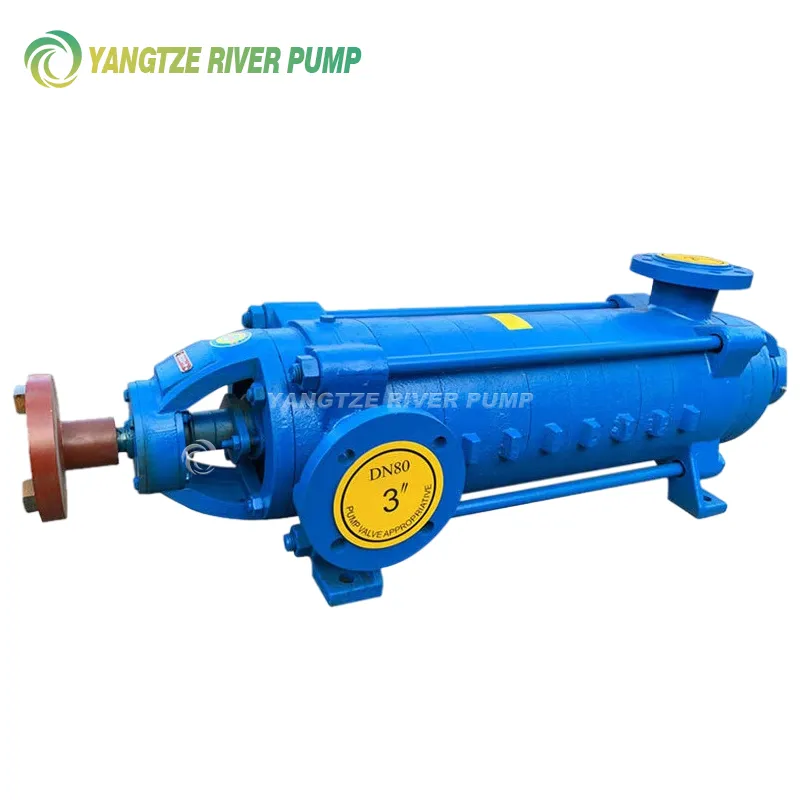
At our plant in one workshop they can assemble andcentrifugal pumpat 2 m3/h, and a powerful multi-stage unit, and a plastic chemical pump. This gives an interesting perspective. You see how fundamentally different solutions are chosen for different problems. For example, for accurate dosing of the same volume of 2 cubic meters per hour, but with high pressure, not a single-stage, but a small multi-stage centrifugal pump may be suitable. It will be more compact and efficient in this mode.
Or another situation - a viscous liquid. For 2 m3/h, a conventional centrifugal pump may no longer cope, productivity drops, and it gets hot. Here we are looking towards single screw pumps. Although they have a different operating principle, they often solve problems where centrifugals are powerless. It is important not to focus on one type, but to look at the task as a whole.
Requests often come with a ready-made solution in their heads: “Give me a 2-cube centrifugal?”. And after a couple of questions, it turns out that the medium is abrasive or requires smooth adjustment. And then the conversation turns towards other models from our portfolio - the same diaphragm or linear centrifugal pumps with different characteristics. The specialist’s task is not to sell what is asked, but to help choose what will work.
Bottom line: the number in the passport is just the beginning of a dialogue
So, returning to the original request “centrifugal pump 2 m3 h?”. For me, this is not a specific product, but the beginning of a technical dialogue. This is the starting point from which we start to ask a bunch of clarifying questions about the medium, pressure, temperature, operating mode, presence of abrasive, and the need for self-priming.
Experience, including negative ones, has taught that reliable operation of a system consists of little things. From the correct choice of material, sealing, control method. From high-quality assembly and mandatory tests that we carry out on each unit of product before shipping it to the client.
Therefore, if you need not just a “2 cubic meter pump”, but a solution that will work for years without surprises, then we have something to talk about. The main thing is to describe the task in as much detail as possible, and we will select the very device that will fit into it. Be it a standard centrifugal or its more specialized brother.
Correspondingproducts
Related Products

Best Sellingproducts
Best Selling Products-
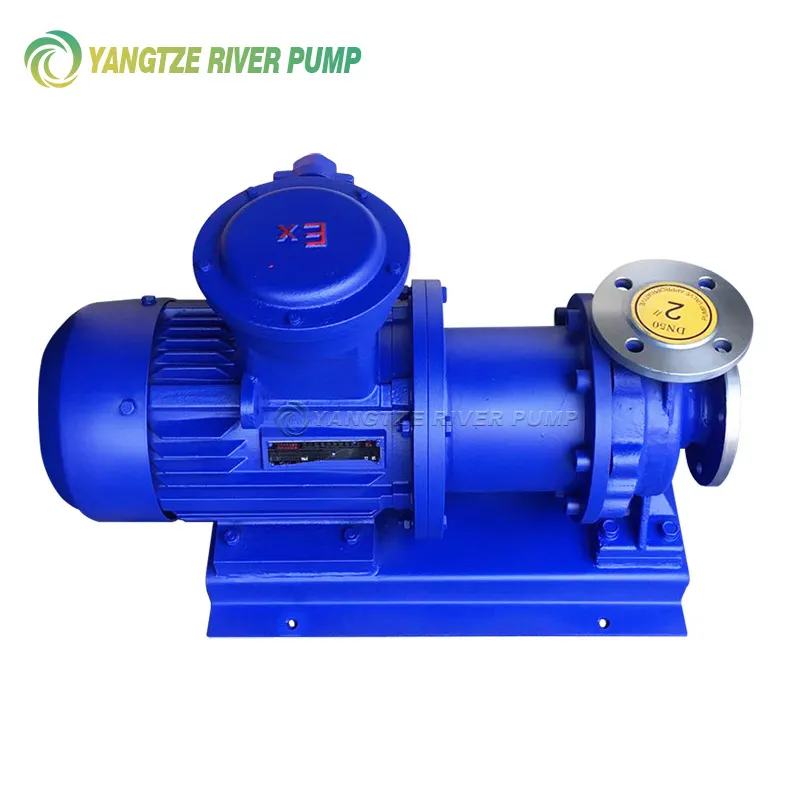 CQB Stainless Steel Magnetic Pumps
-
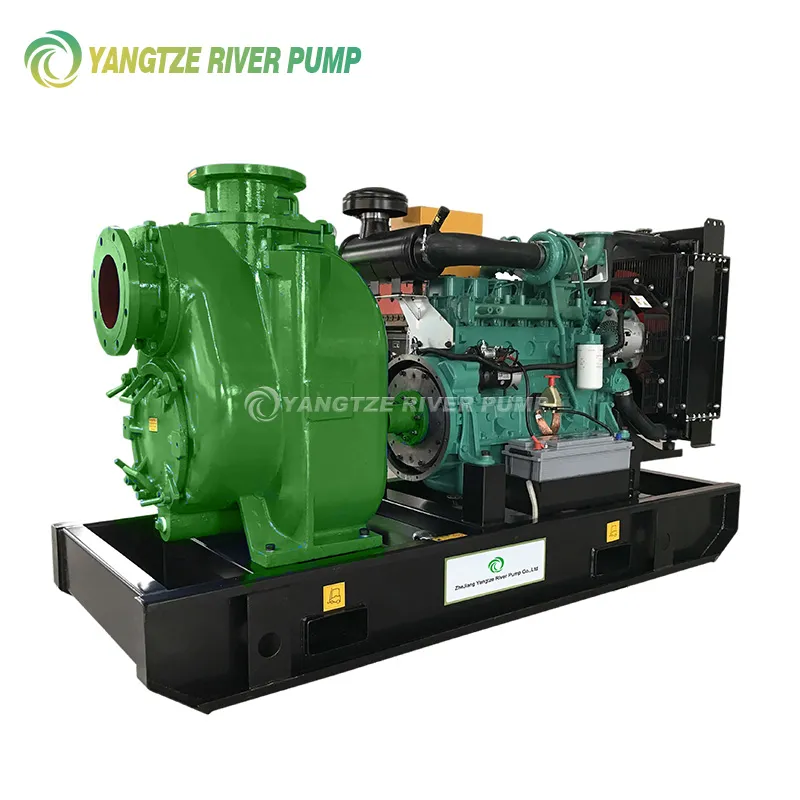 YZSP Diesel Self-Priming Pumps
-
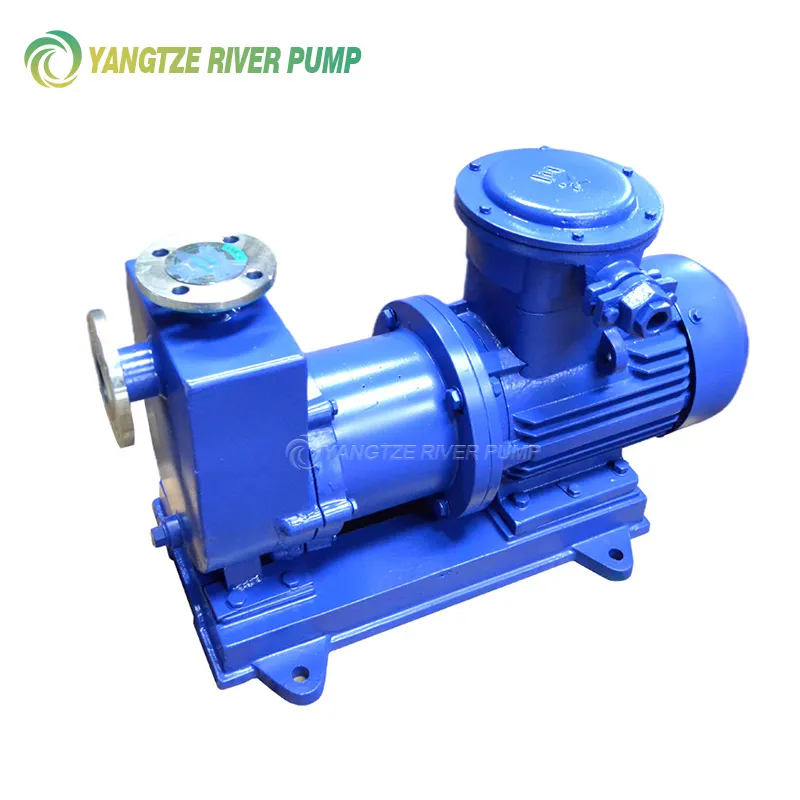 ZCQ Stainless Steel Self-Priming Magnetic Pumps
-
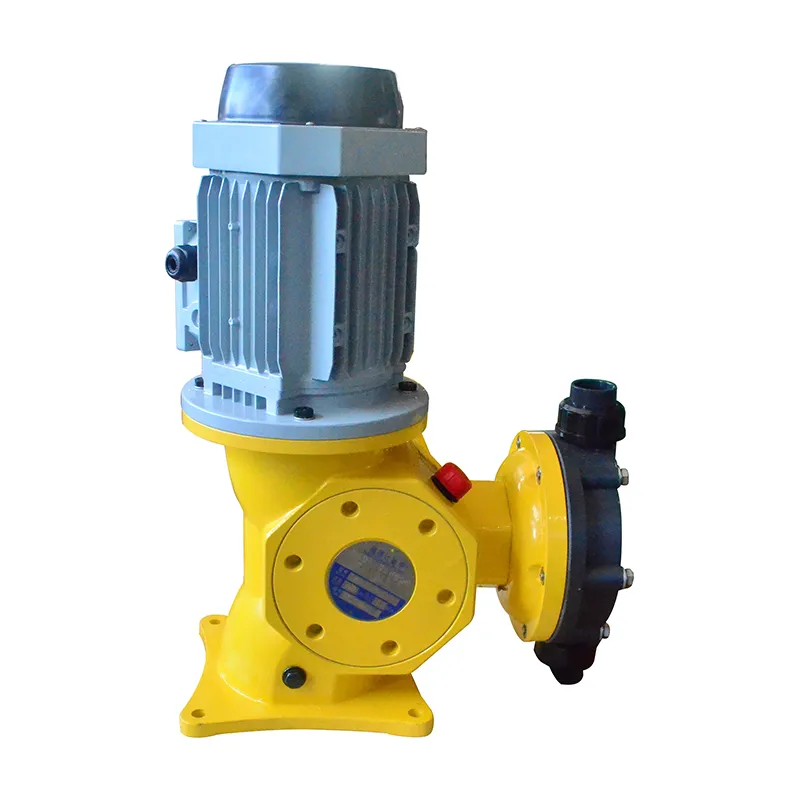 Mechanical diaphragm dosing pumps DJ-Z
-
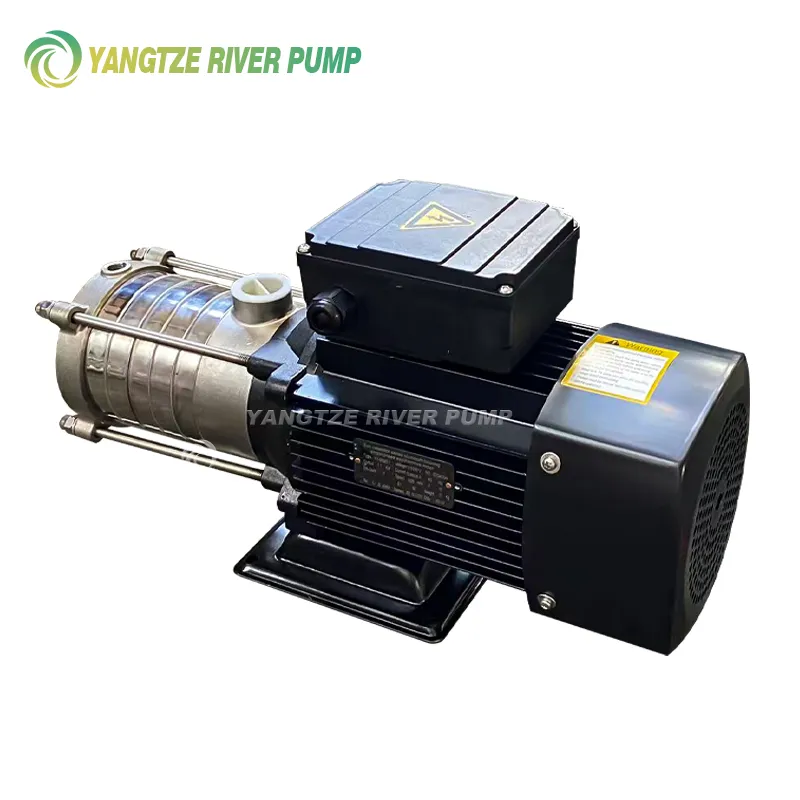 Horizontal multistage centrifugal pumps (light series) CHL and CHLF
-
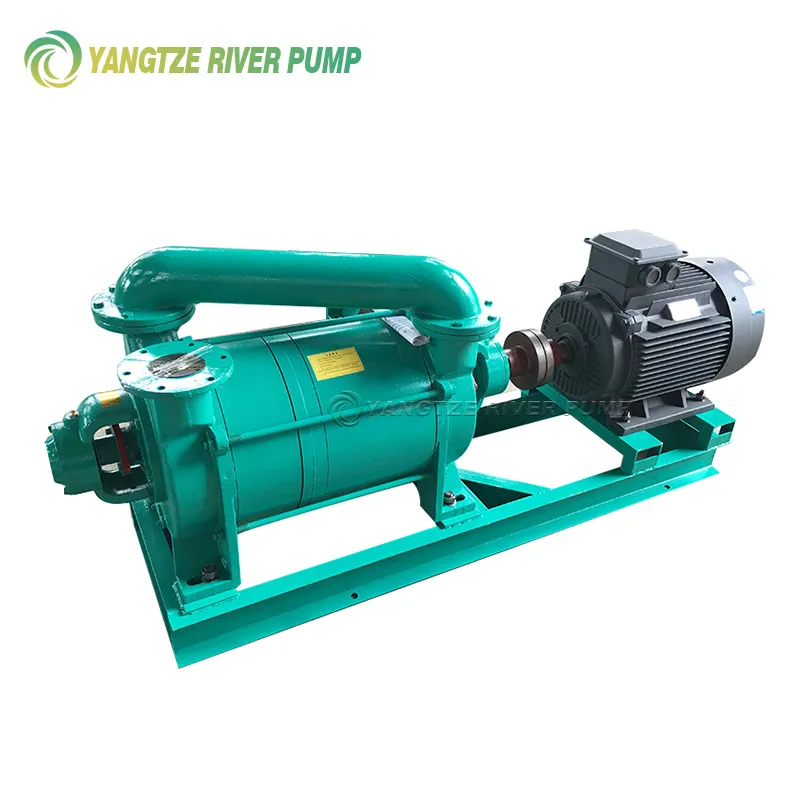 Liquid ring vacuum pumps type 2SK
-
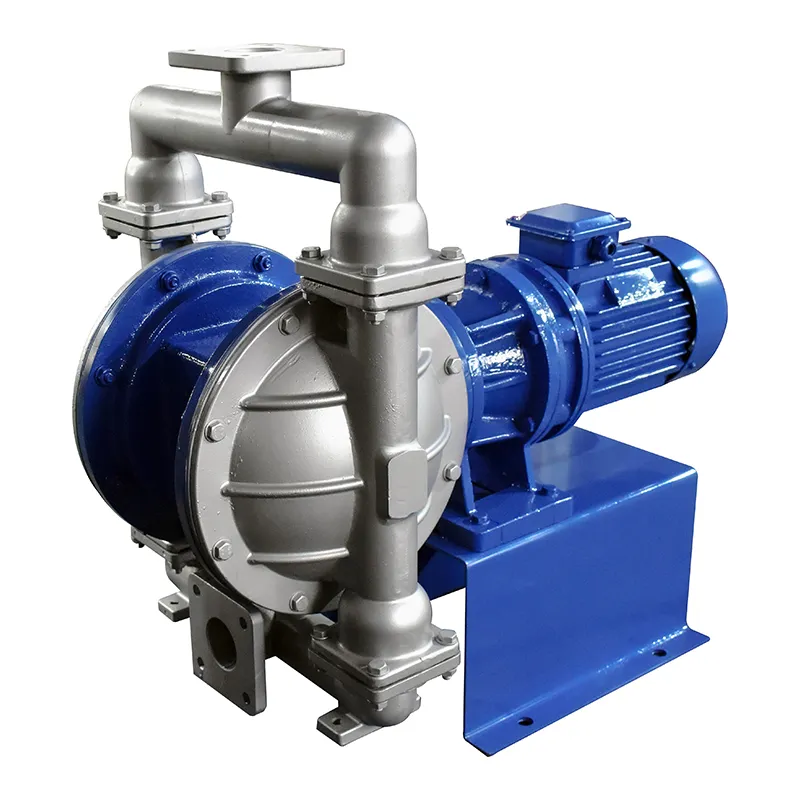 Metal electric diaphragm pumps DBY
-
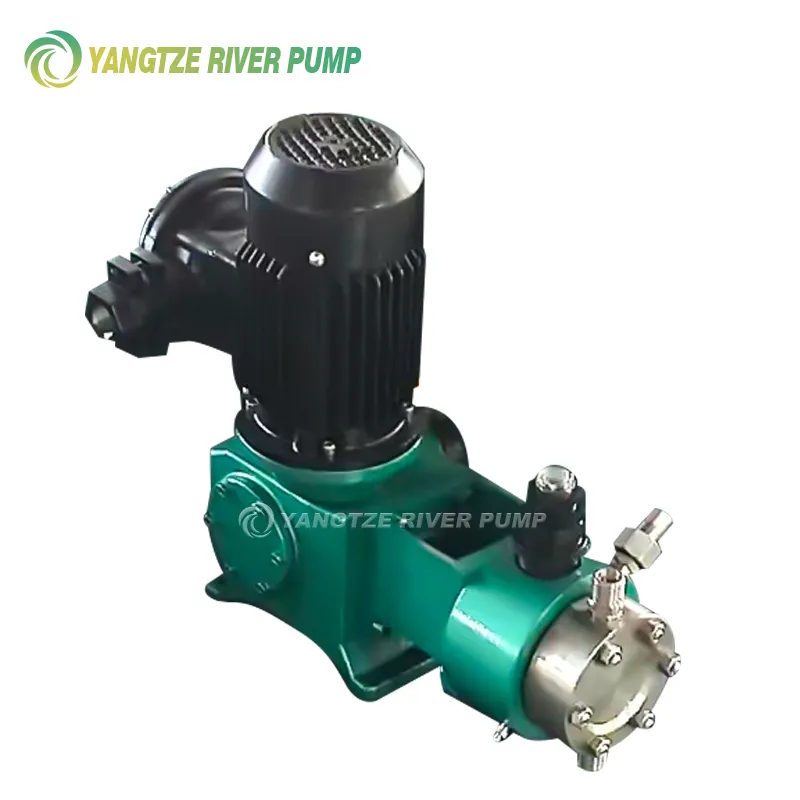 Plunger dosing pumps type DZ-X
-
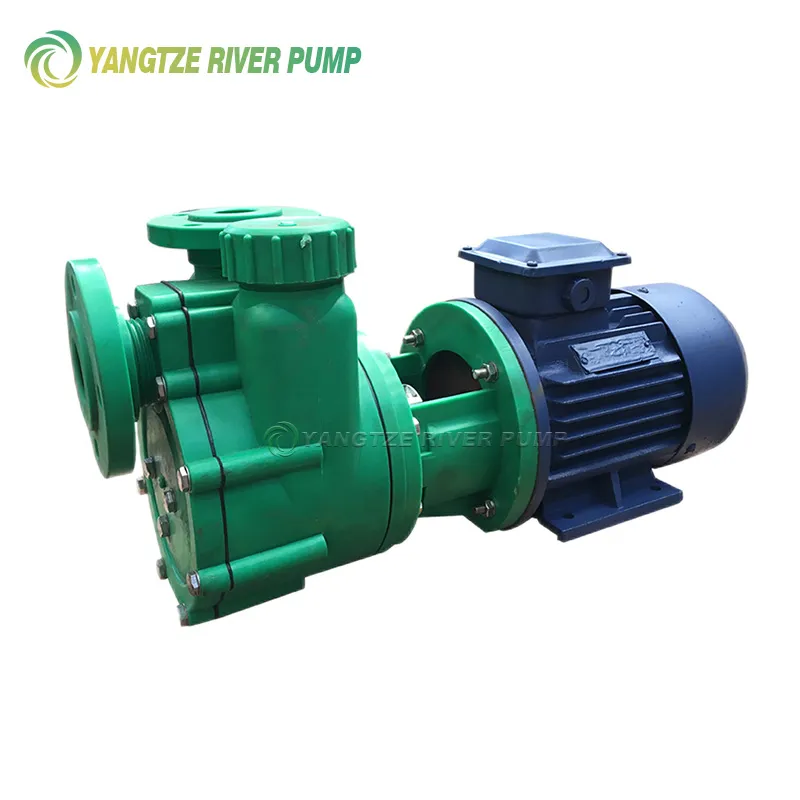 Plastic self-priming centrifugal pumps FP and FS
-
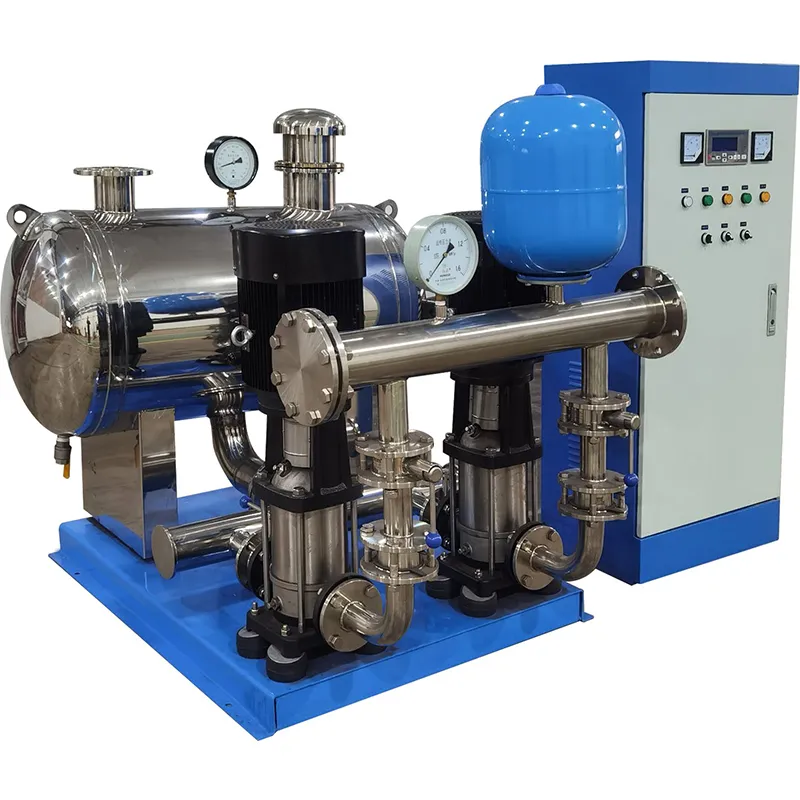 Complete water supply installations with frequency regulation and constant pressure CDLF
-
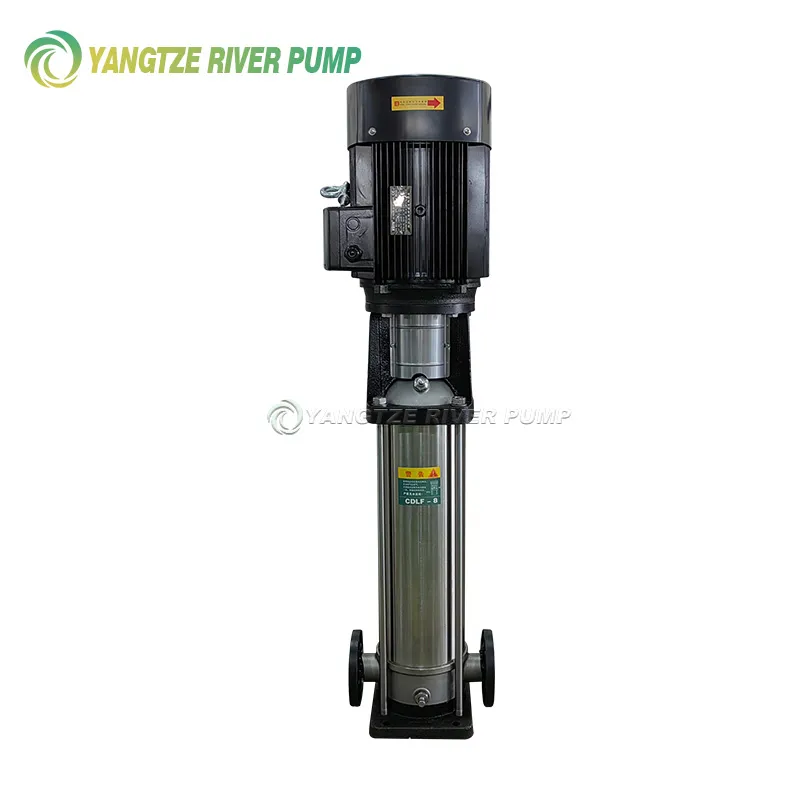 Vertical multistage centrifugal pumps made of stainless steel (light series) CDL and CDLF
-
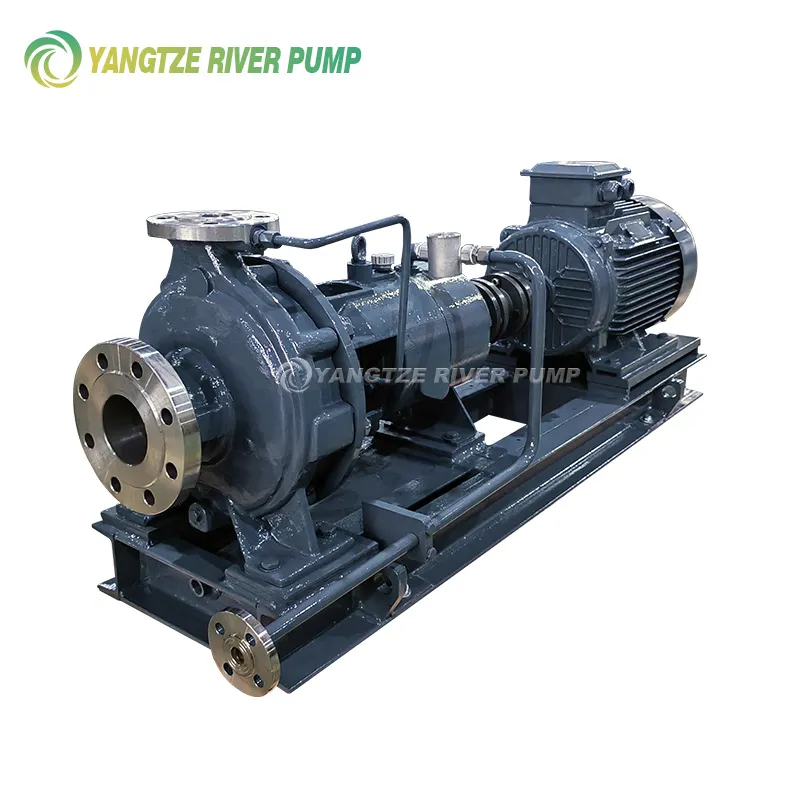 Petrochemical Process Pumps API 610 YZA