







deep well pump 20
When they say 'deep pump for well 20', many immediately imagine just a unit designed for 20 meters. In fact, this figure is rather a starting point for a whole chain of calculations. Static level, dynamic level, flow rate, casing diameter - this is what actually determines the choice. A common mistake is to take a pump solely by its nameplate 'immersion depth', without taking into account that the real operating point is determined by a set of parameters. Let's say, for the same twenty-meter well with a good flow rate and a small piezometric rise, one model may be suitable, but for a well with the same general depth, but low flow rate and a high dynamic level, a completely different one, perhaps with a different pressure-flow graph.
Why '20 meters' is not just depth
Experience suggests that the key parameter here is not the total depth of the well, but the distance from the surface to the dynamic water level during pump operation. It is for this value, plus the required pressure for lifting to the dismantling point and overcoming horizontal sections, that the unit should be designed. For a well of 20 meters, the total depth can be 25 or 30 meters, but if the dynamic level is set at, say, 8 meters, then the pump actually operates under completely different conditions. Therefore, the phrase 'pump for well 20' in a professional environment always requires clarification: what is the flow rate, what is the static/dynamic level, what is the diameter of the column.
Another nuance is the quality of water. Shallow wells, which often include twenty-meter wells, are characterized by a higher probability of the presence of small mechanical impurities - sand, silt. Standarddeep well pumpsvortex or even centrifugal type can be sensitive to this. Sometimes it makes sense to consider models with reinforced oil seals and impellers that are more resistant to abrasive wear, or to immediately add an additional dirt filter to the circuit. This, of course, complicates and increases the cost of the system, but it extends the service life significantly.
In practice, you often encounter a situation where a client asks for “the most powerful pump for 20 meters,” believing that this guarantees good pressure. But if the well’s flow rate is small, the powerful pump will simply often turn off when running dry, or it will quickly pump out a column of water and begin to “grab” air. Here it is more important to choose a model whose productivity is approximately 15-20% lower than the well flow rate. This will ensure stable operation without overload. Multi-stage systems are well suited for such tasks.borehole pumps, which can provide decent pressure even at a relatively low flow rate.
Selection experience and frequent installation errors
I remember an incident at one of the facilities in the Moscow region. The well is just stated to be 20 meters long, the casing pipe is 125 mm. They installed a standard centrifugal pump, designed for a depth of up to 25 m. Six months later, there were complaints about a drop in pressure and noise. Upon opening, it turned out that the pump was selected correctly in terms of pressure, but two points were ignored during installation. First, they did not install a check valve immediately after the pump, and when turned off, the water partially flowed back, causing water hammers the next time it was started. Second, they used a regular nylon rope for suspension instead of a stainless steel cable or at least a high-quality nylon cord. The vibration caused the rope to rub against the edge of the casing. It's good that the pump didn't fall to the bottom.
Hence the conclusion: selectionwell pump- this is only half the battle. Proper tying is no less important. Mandatory minimum: a check valve, a stainless steel safety cable, a high-quality food hose or a plastic pipe designed to withstand pressure, and a good seal at the well head. The latter is often saved, but in vain - it is protection from the ingress of melt water and debris. For our conditions, with frosts in winter, it is still critical to correctly lay and insulate the pipeline to the house below the freezing depth.
As for specifically models for such depths, the market offers a lot of options. From what I often see in work and what justifies itself in Russian realities (voltage drops, imperfect water quality) are reliable multi-stage units. They are generally quieter than vortex types and provide a smoother flow. For example, in the line of some manufacturers, likeZhejiang Yangzijiang Pumping Industry Co.,Ltd, there are series of multi-stagesubmersible pumps, which perform well at depths from 15 to 30-40 meters. Their feature is a compact diameter (often 3 or 4 inches), which allows use in standard casing strings, and a stainless steel body, which is important for aggressive environments.
About the specifics of products and practical observations
If we take into account the company's assortmentZhejiang Yangzijiang Pumping Industry Co.,Ltd, then for the problem 'well 20' from their spectrum it is logical to look towards multi-stage centrifugal or linear centrifugal submersible models. Why? Because single-stage ones at such a depth, in order to give good pressure into the house, often must “spun” at high speeds, which increases the chance of cavitation and wear in the presence of sand. A multi-stage pump gains pressure sequentially at each stage, which allows it to operate in a more gentle mode even when creating high pressure.
On their websiteyangtzeriverpump.ruit is clear that production covers the full cycle - from R&D to testing. This is an important point. A pump that has passed real hydraulic tests, and not just assembly, inspires more confidence. For downhole equipment, testing the parameters and, what is critical, the reliability of the gland seals and winding insulation is a must. Because retrieving a failed pump from the depths is an expensive and troublesome operation.
From practice: for country water supply from a shallow well, they often try to install the cheapest vortex pumps. They may indeed be cheaper, but their efficiency is usually lower and they are much more sensitive to suspended matter in the water. For a constant water supply at home, where both the pressure in the shower and the stability of the washing machine are important, this option is not the best. This is precisely the area of application of more technologically advanced centrifugal multi-stage models. They are, of course, more expensive in initial cost, but they pay off with a long service life and stable parameters.
Conclusions and non-obvious details
So, to summarize. Choicedeep-well pump for well 20meters - a task that requires analysis of the well's passport (or its experimental pumping, if there is no passport). Focus is on dynamic level and flow rate. Structurally, multi-stage submersible pumps in a stainless steel casing with a diameter suitable for a standard casing are often optimal for such tasks.
It is important not to skimp on the accompanying fittings: cable, pipe, check valve, protection against dry running. It is better to choose the pump itself from a manufacturer with a full production and testing cycle; this is an indirect sign of quality control. As an example - already mentionedZhejiang Yangzijiang Pumping Industry Co.,Ltd, which just produces a wide rangesubmersible pumps, including models that meet our conditions.
And one last observation. Often the problem is not with the pump, but with the power supply. Voltage drops in rural networks are common. Therefore, when selecting, it is worth looking at the permissible range of operating voltages of the model. And ideally, install a stabilizer. This is the little thing that saves equipment and nerves. In general, the approach should be systematic: well + pump + piping + electrics. Only then will the system work for years without surprises.
Correspondingproducts
Related Products

Best Sellingproducts
Best Selling Products-
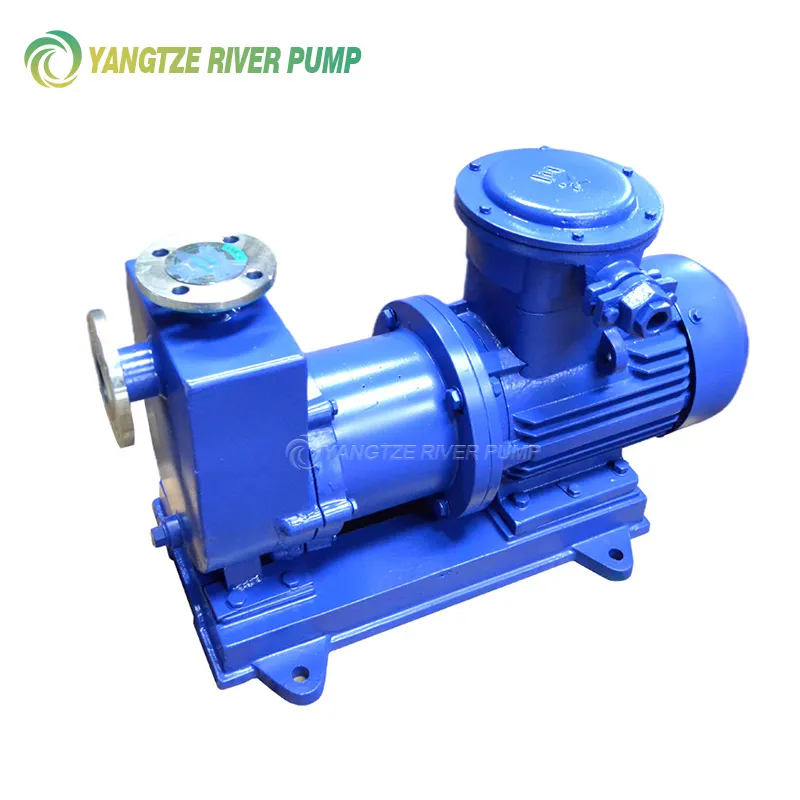 ZCQ Stainless Steel Self-Priming Magnetic Pumps
-
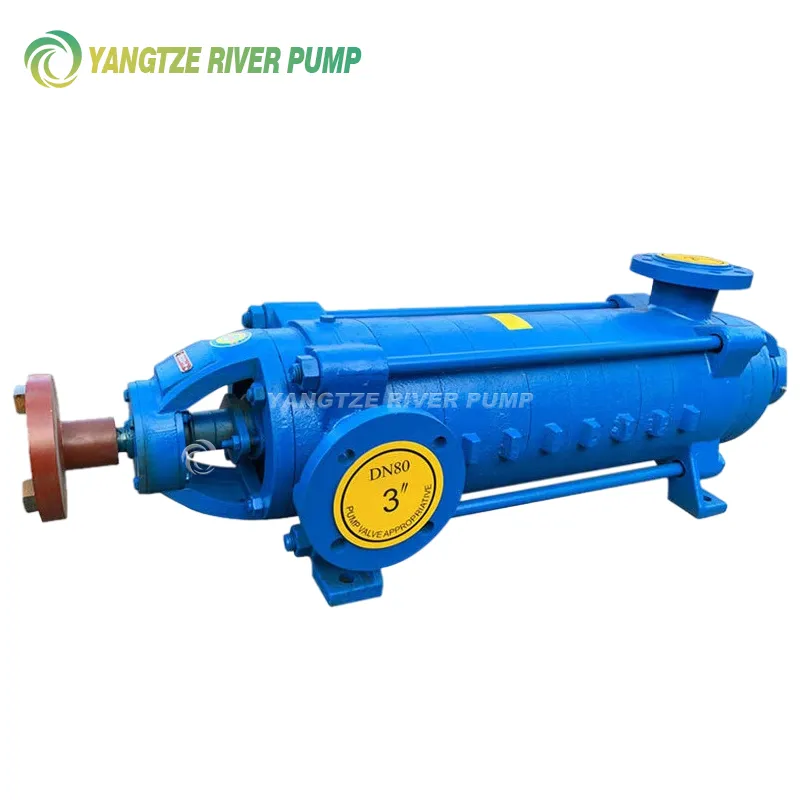 Horizontal multistage centrifugal pumps type D
-
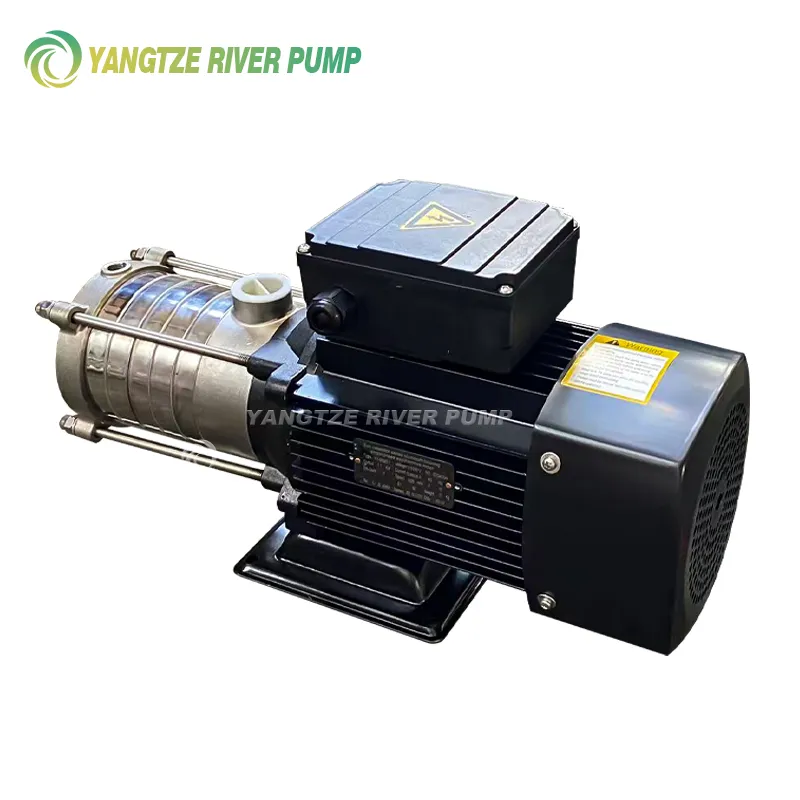 Horizontal multistage centrifugal pumps (light series) CHL and CHLF
-
 YCB Type Circular Gear Pumps
-
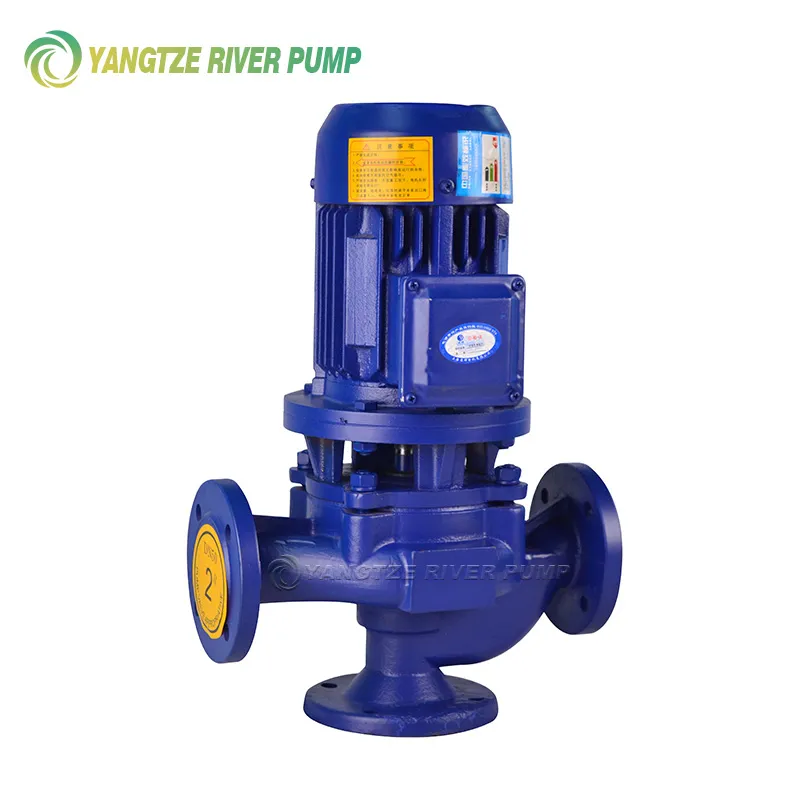 Pipeline wastewater pumps GW
-
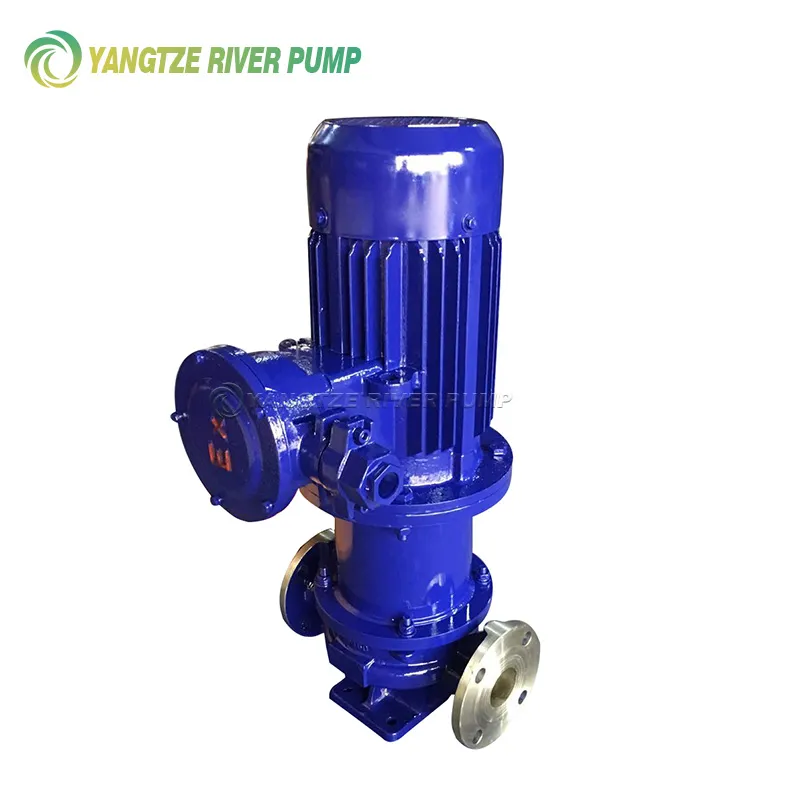 Vertical magnetic pumps CQB-L
-
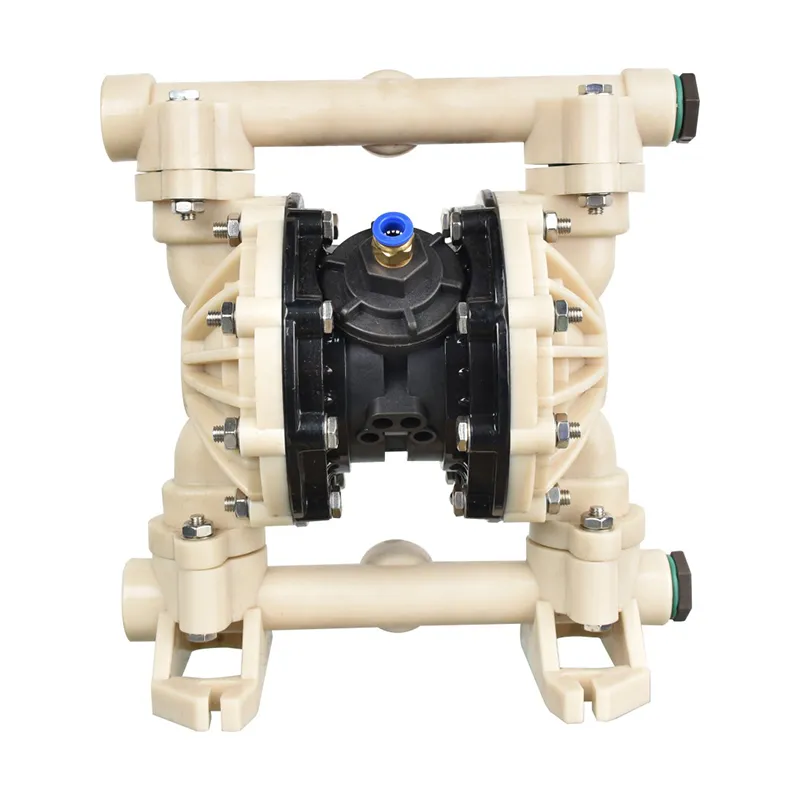 QBK Non-Metallic Air Operated Diaphragm Pumps
-
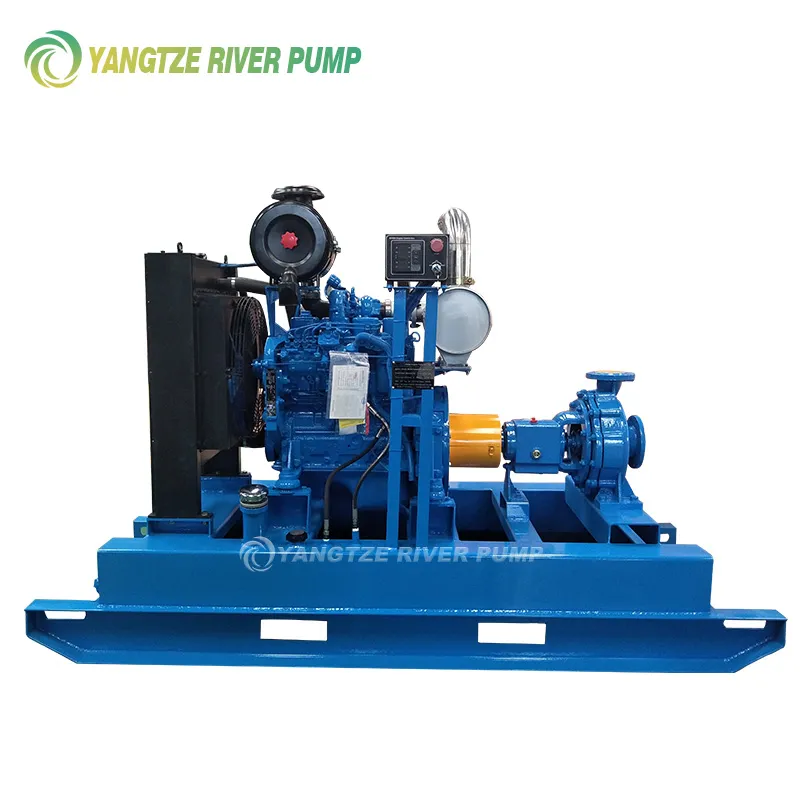 YZIS Diesel Single Stage Centrifugal Pumps
-
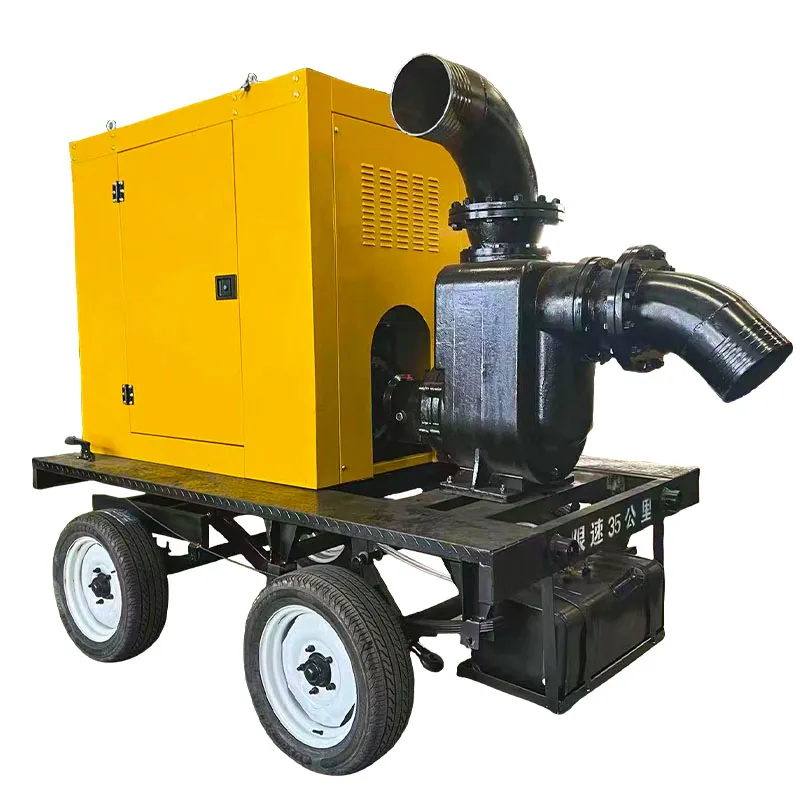 YZZW Diesel self-priming pumps
-
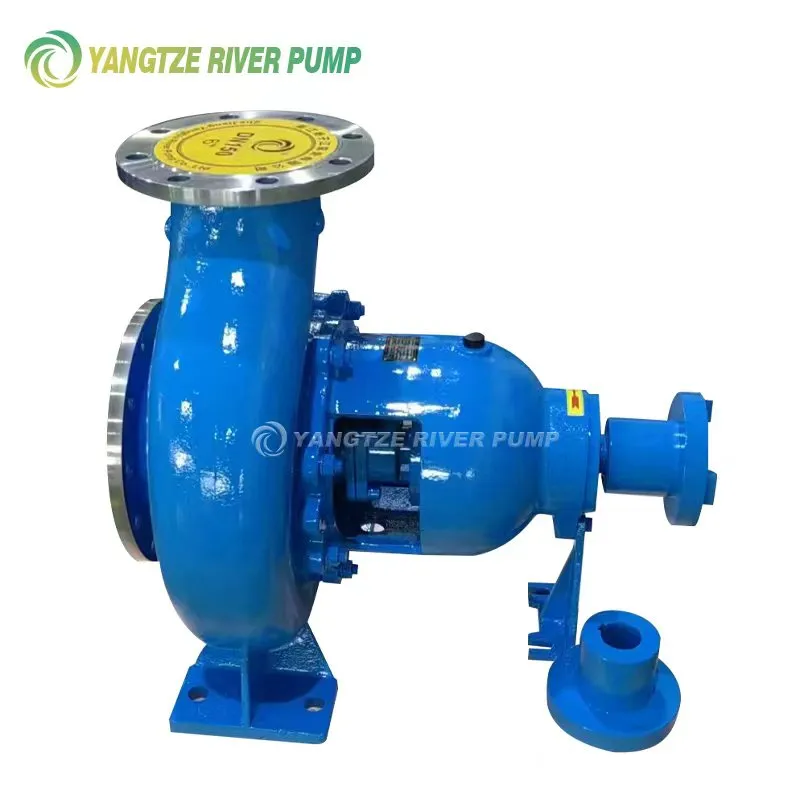 IH Stainless Steel Chemical Centrifugal Pumps
-
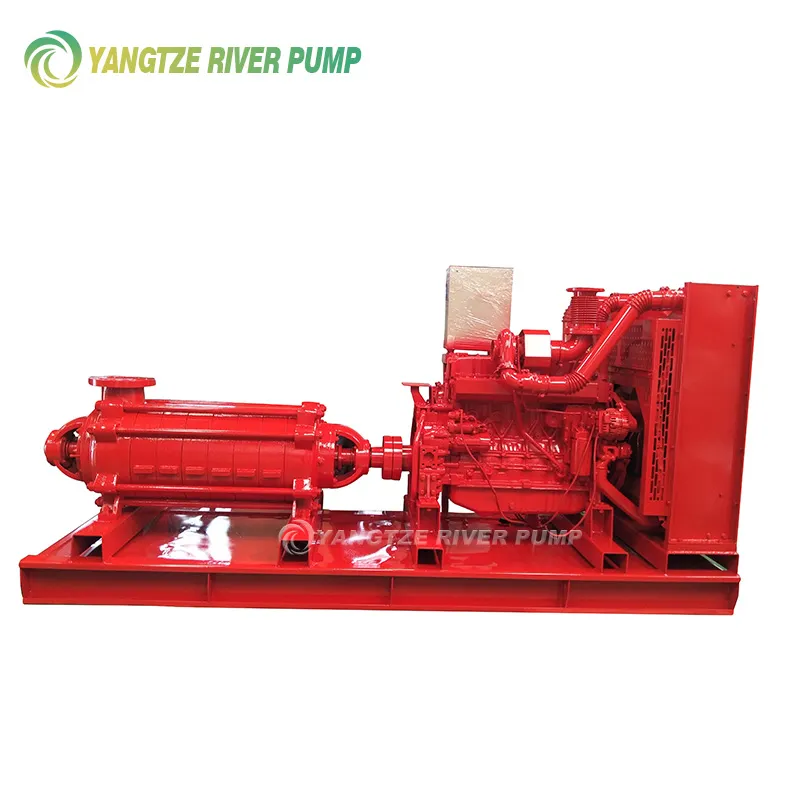 YZD Series Diesel Multistage Centrifugal Pumps
-
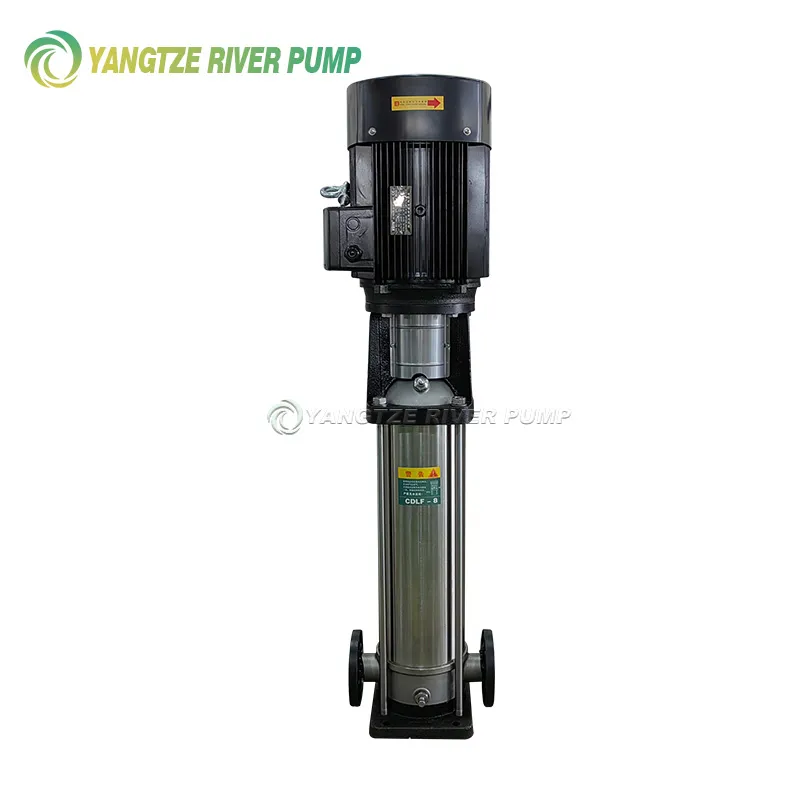 Vertical multistage centrifugal pumps made of stainless steel (light series) CDL and CDLF