







centrifugal pump 160 m3 h
When you see “centrifugal pump 160 m3/h” in the specification, the first thing that comes to mind is probably the ideal point on the performance curve. But in practice, this figure often becomes a source of misunderstanding between customers and suppliers. Many people think that the pump will consistently deliver these cubic meters under any conditions, forgetting about the pressure, characteristics of the pumped medium and losses in the pipeline. I went through this myself when I was selecting equipment for a recycling water supply system - at first I made a mistake, choosing the “end-to-end” model. in terms of productivity, without taking into account sufficient reserve.
What is actually hidden behind the number 160 m3/h
A productivity of 160 cubic meters per hour is not a constant, but a parameter strictly tied to the developed pressure. On the H-Q curve for each specific pump, this is one of the operating points. For example, for many ISG or IH series cantilever pumps, this may be a head point of about 32 meters for clean water. But as soon as you start pumping a suspension or liquid with high viscosity, the actual flow will drop, and the engine may go into overload. Therefore, simply choosing a model with the desired number from the catalog is half the battle.
It is important to look at the design here. Single-stage centrifugal pumps with such performance are often machines with an impeller diameter of 250 mm and above. At our production site inZhejiang Yangzijiang Pumping Industry Co.,LtdFor such a range, for example, a line based on models likecentrifugal pumpYZ series. Their feature is a durable cast construction and the ability to be modified for different types of seals, which is critical when you are pumping more than just water.
We had to deal with a situation where the customer demanded to guarantee exactly 160 m3/h at the outlet, but at the same time provided data on a pipeline with a large number of turns and narrowings. We had to recalculate the hydraulics together and eventually shift the operating point, choosing a pump with a slightly larger headroom. This is the case when theory from a hydraulics textbook becomes daily practice.
Installation errors and ?non-standard? operating modes
Even a perfectly selected pump can be ruined at the installation stage. The classic story is a faulty suction line. For a capacity of 160 cubic meters per hour, the diameter of the suction pipe is rarely less than DN150, and often DN200. But installers sometimes install a valve one size smaller or install a flexible insert with sagging, which creates local resistance. The result is cavitation, a rattling sound and rapid destruction of the impeller.
One more point - working “on a closed valve”. Sometimes operators try to control the flow by closing the pressure valve too much. Forcentrifugal pump 160 m3 hthis means a shift of the operating point to the left along the curve, an increase in pressure and an overload of the engine. I saw how at one of the facilities an engine burned out in this mode in two weeks. Now I always insist on installing a bypass line or a frequency converter for smooth regulation.
The launch is worth mentioning separately. Direct start of a pump with such a performance creates a huge starting current and water hammer in the system. Once, when starting without a smooth start, the flange on the old pipe was torn off. After this, for critical systems we always recommend solutions with a soft start system or frequency converters, which, by the way, we can also integrate into the overall delivery package.
Materials and execution: from water to aggressive environments
When talking about 160 m3/h, industrial applications are often implied: water supply, irrigation, circulation in technological processes. But the environment is different. For clean water, a cast iron body and an impeller made of ordinary steel are sufficient. But if it is, say, seawater or a chemical solution, then the material becomes a key factor.
Our assortment includesyangtzeriverpump.ruThere are several options for such tasks. For moderately aggressive environments, pumps with flow parts made of AISI 304 or 316 stainless steel are suitable. For more severe conditions, for example in plating shops, we offer chemical pumps made of thermoplastics such as PP or PVDF. They are lighter, do not corrode, but require careful installation due to their lower mechanical strength.
There was delivery experiencecentrifugal pumpwith a capacity of 160 m3/h for pumping warm condensate water to thermal power plants. The customer initially wanted cast iron, but after analyzing the composition of the water (there was increased oxygen and carbon dioxide), they decided on a body made of nodular cast iron and a bronze impeller. It has worked for more than five years without any complaints. This is about the importance of choosing the right materials, and not just “the cheapest?” option.
Connection with the system: efficiency and energy consumption
A pump with a stated capacity of 160 m3/h is not an isolated unit, but part of a system. Its actual efficiency and, therefore, energy consumption strongly depend on how much its operating point coincides with the point of maximum efficiency on its nameplate characteristic. The difference between operating at 75% efficiency and 68% efficiency for a 30-45 kW motor results in significant electricity bills for the year.
Therefore, when selecting, we always request detailed characteristics of the system: length of pipelines, number of fittings, height differences. Sometimes it turns out that for a system with low hydraulic resistance, a pump with less pressure, but with a flatter H-Q characteristic, is better suited. It will operate closer to the optimum efficiency zone and save energy.
In our company, where the full cycle from R&D to testing allows us to do this, we often carry out hydraulic calculations for customers. A test bench is exactly what is needed to take the real characteristics of the pump and compare them with the requirements of the system, and not just ship a “box” with the required number on the tag.
Maintenance and typical breakdowns: what to look for
Any pump requires attention. For units with this kind of performance, regular inspection of the condition of the mechanical seals or stuffing box is critical. The leak here is not just a puddle, but tens of cubic meters per hour of loss. It is better to replace seals according to plan, without waiting for a leak.
Vibration is the main indicator of problems. Increased vibration may indicate impeller imbalance (for example, due to cavitation wear or deposit build-up), bearing wear, or misalignment with the engine. A simple vibration meter in the hands of a competent mechanic can prevent serious repairs.
From my own observations: one of the common causes of failure is “dry” operation. Even short-term work without liquid forcentrifugal pump 160 m3 hleads to overheating and jamming of the mechanical seal, and then to damage to the wheel. Now many new models are equipped with dry-running sensors, but in older installations this protection often has to be organized separately. This is a detail that you should not skimp on.
Ultimately, choosing and operating a pump with a parameter of 160 m3/h is not about reading the catalog, but about understanding the entire process chain. Experience, sometimes bitter, and attention to detail - from the material of the flow part to the installation of the first flange - are more important than any advertising brochure. The main thing is to remember that the pump does not pump against pressure, but against circumstances, which are always slightly different from the ideal design conditions.
Correspondingproducts
Related Products

Best Sellingproducts
Best Selling Products-
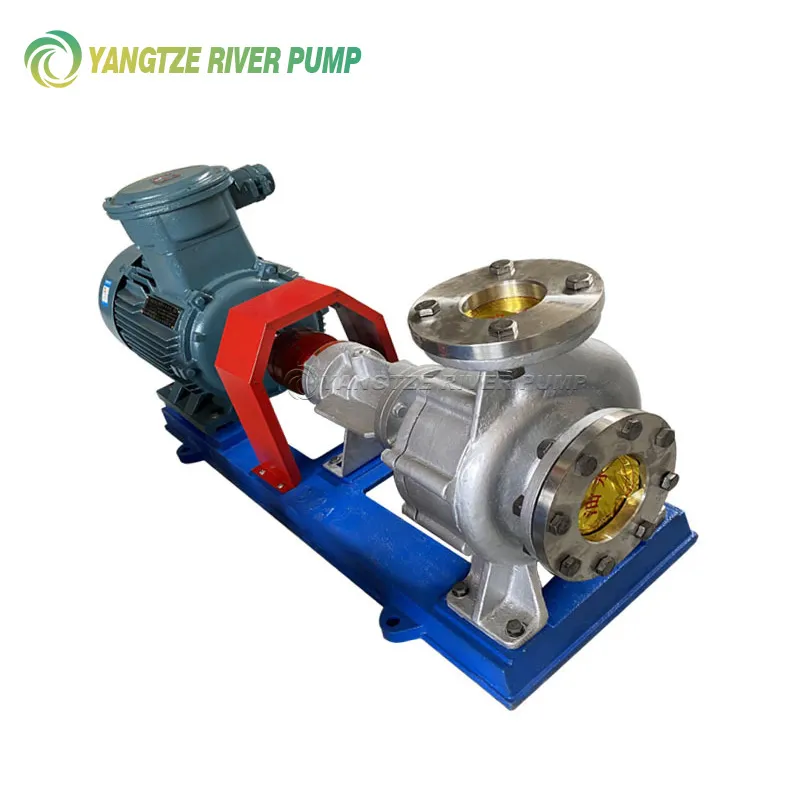 RY thermal oil pumps
-
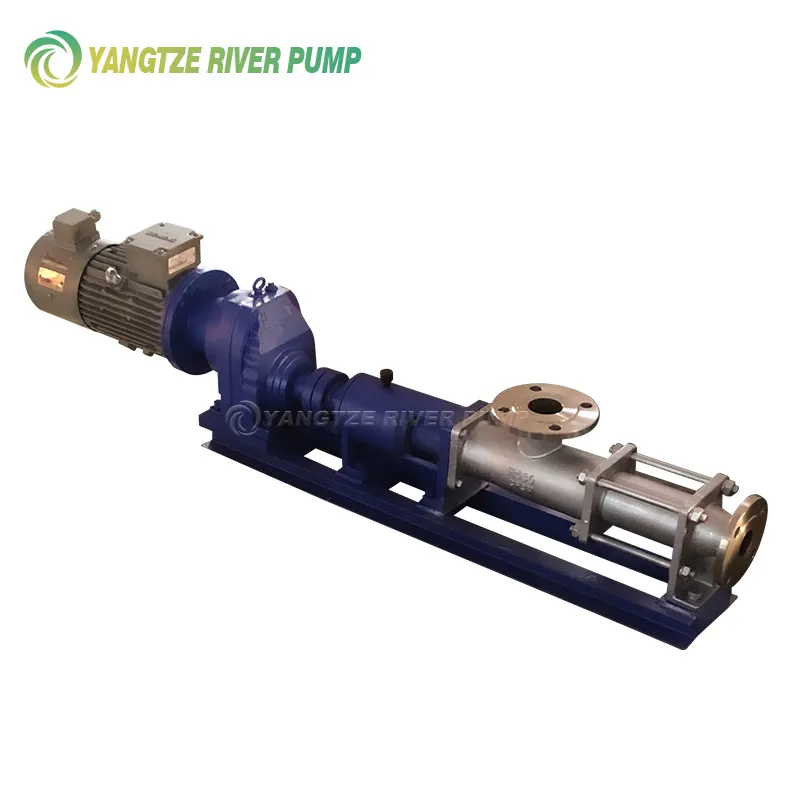 Geared screw pumps type G
-
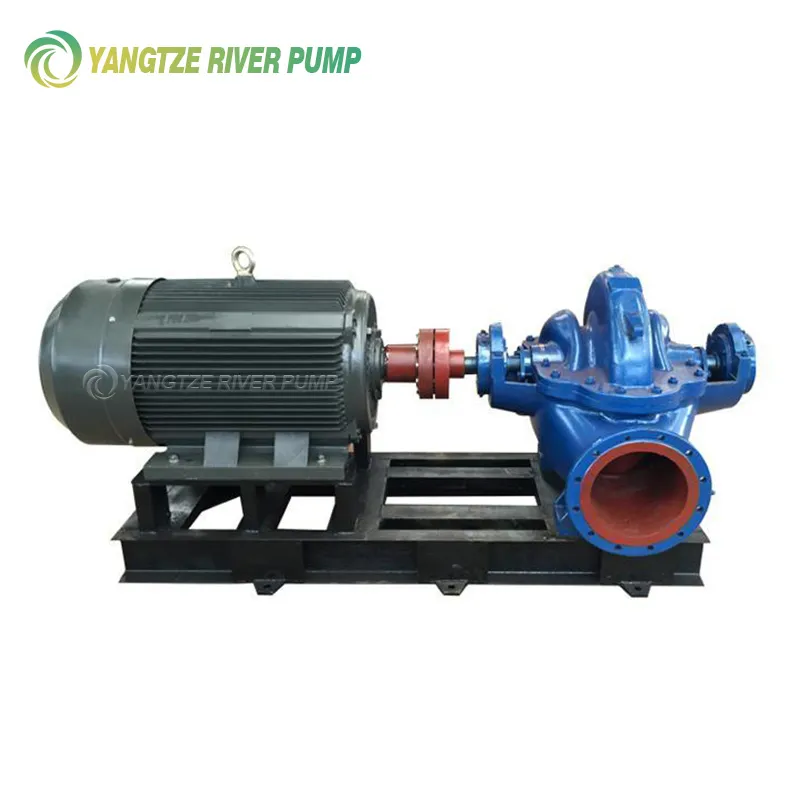 Single Stage Double Entry Centrifugal Pumps Type S
-
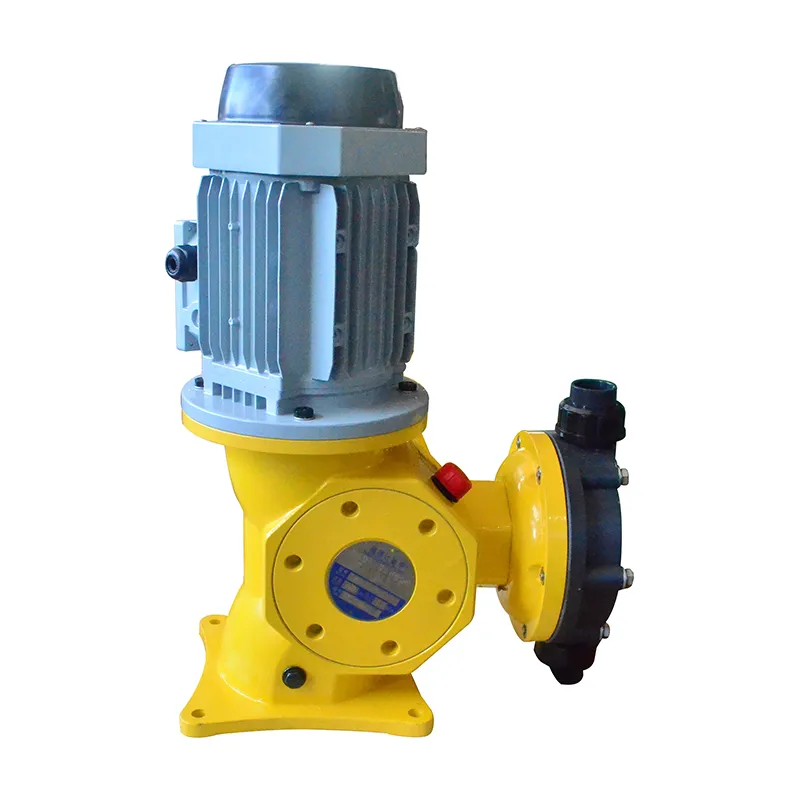 Mechanical diaphragm dosing pumps DJ-Z
-
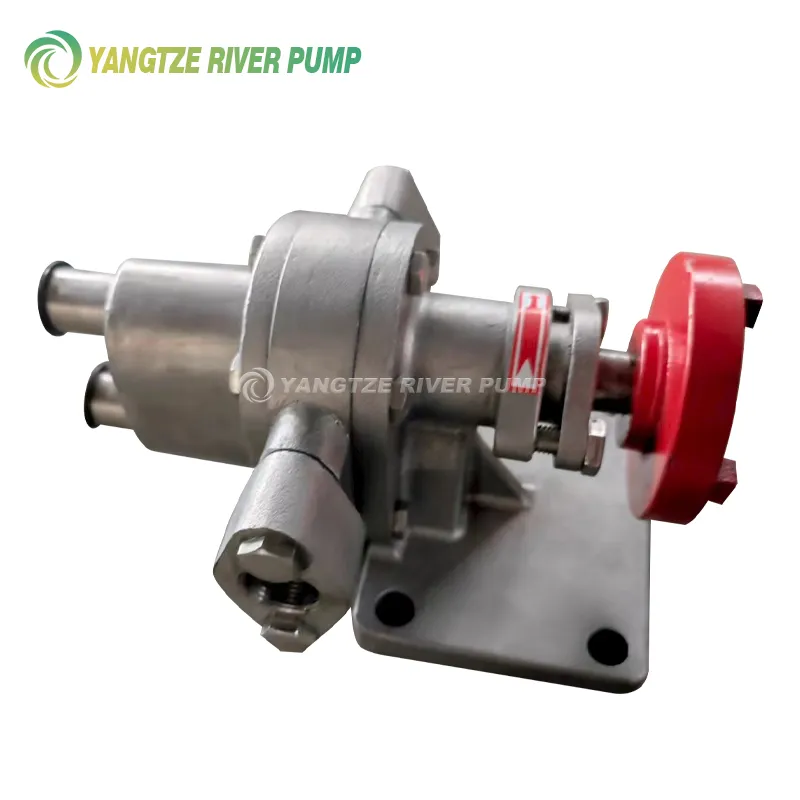 Gear oil pumps type KCB
-
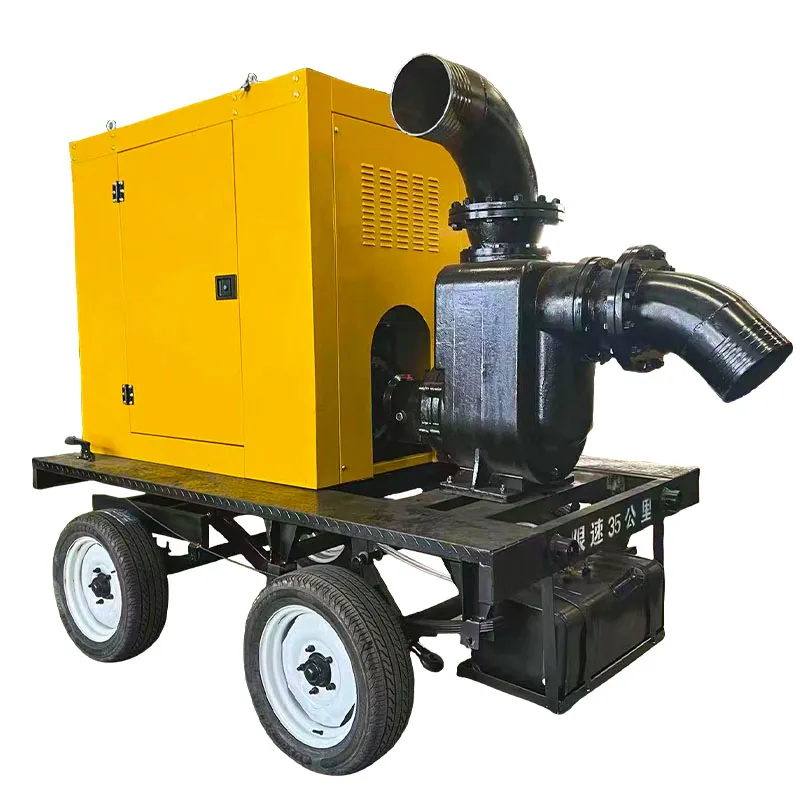 YZZW Diesel self-priming pumps
-
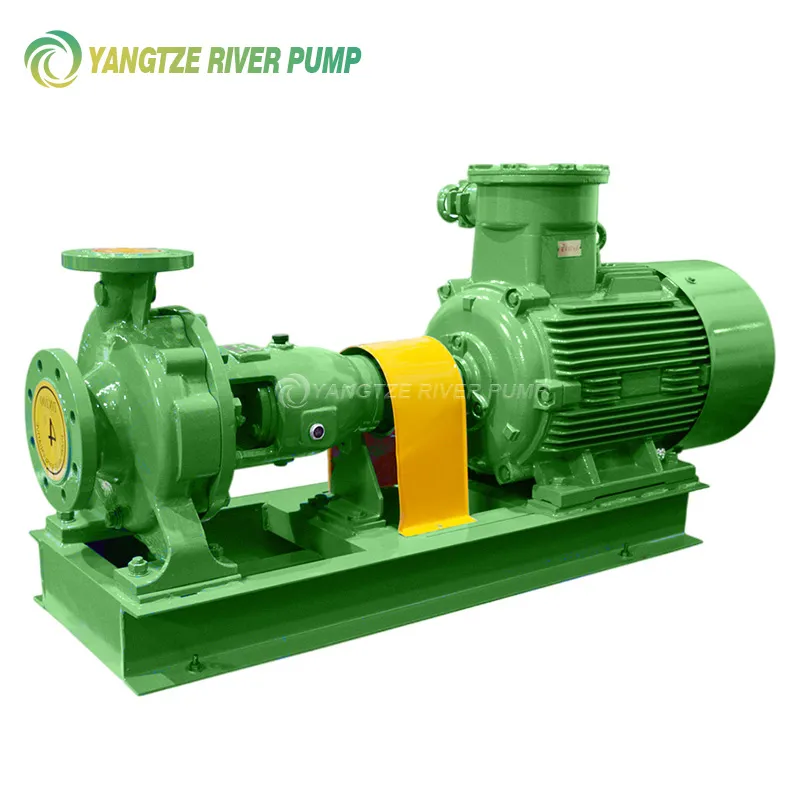 YCZ Chemical Process Pumps
-
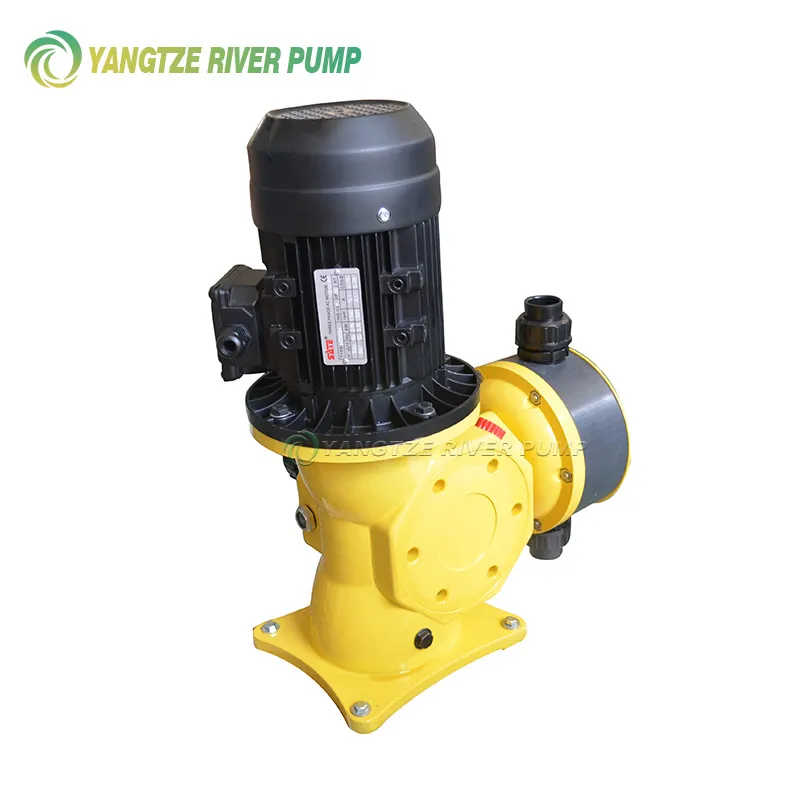 Mechanical diaphragm dosing pumps DJ-D
-
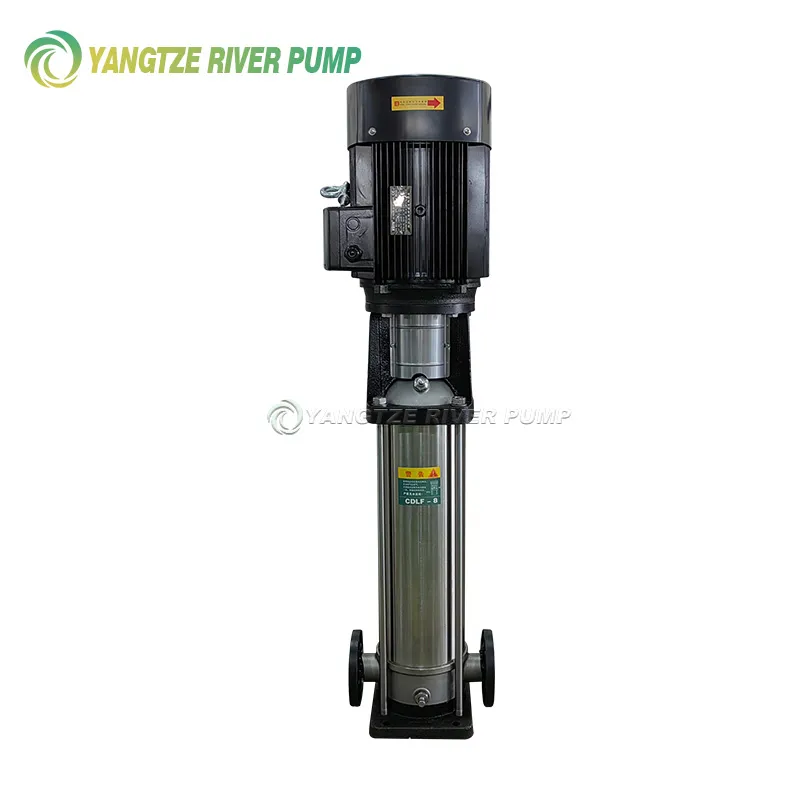 Vertical multistage centrifugal pumps made of stainless steel (light series) CDL and CDLF
-
 Diesel pumps with horizontal connector YZS and YZSH
-
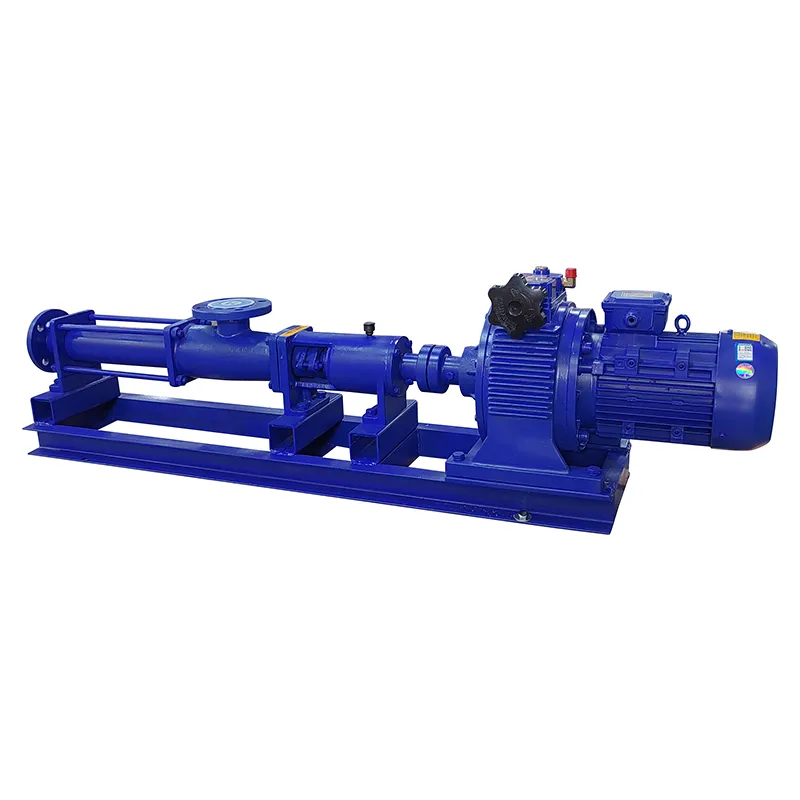 Infinitely variable screw pumps type G
-
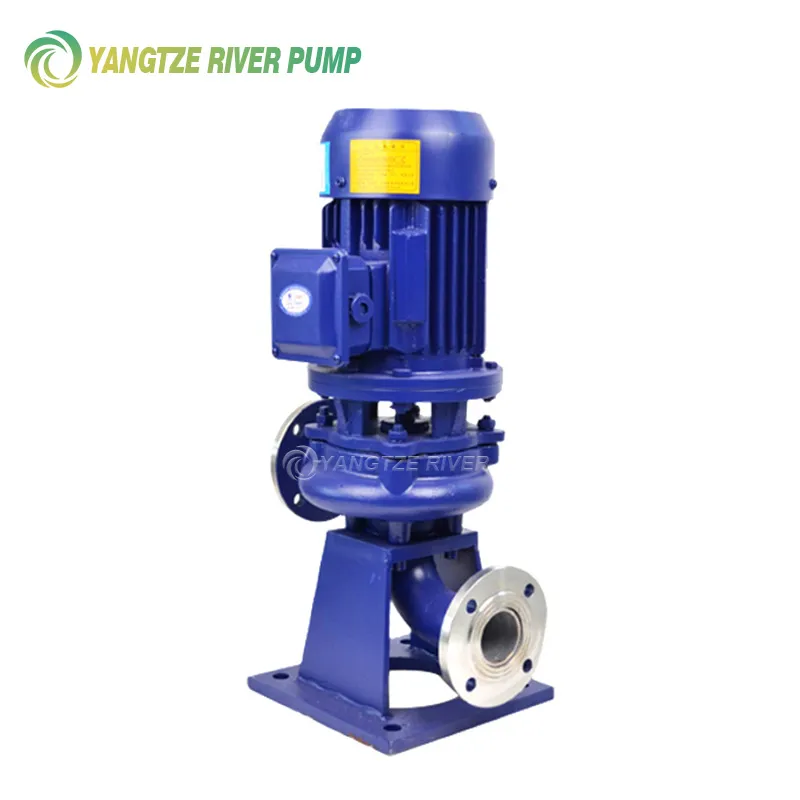 Non-clogging vertical wastewater pumps LW
Relatedsearch
Related Search- centrifugal pump 550W
- gear pumps for liquids
- ZCQ Stainless Steel Self-Priming Magnetic Pumps
- centrifugal pumps for hot oils
- cantilever type centrifugal pump
- three-phase deep well pumps
- centrifugal pump 100 cubic meters
- QBK Metal Air Operated Diaphragm Pumps
- submersible pump for sewage pumping station
- Electric diaphragm pumps