







Double suction pump
When you hear "dual suction pump", the first thing that comes to mind for many is simply two suction pipes. In fact, the point is not in quantity, but in the symmetry of the flow. I have seen projects where this symmetry was violated by incorrect piping, and then they puzzled over where the vibration and premature wear of the seals came from. At Zhejiang Yangzijiang Pumping Industry Co., Ltd. we approach this topic from the point of view of hydraulic unloading of the rotor. Roughly speaking, the task of such a pump is not so much to increase the flow rate as to minimize the axial force on the shaft, which is critical for units with high parameters. But this is ideal. In practice, especially when installing on site, there are a lot of nuances.
Constructive basis and common misconceptions
The main advantage of the design is the location of the impeller between two suction cavities. These are not just two pumps in one housing, as is sometimes thought. The flow is divided symmetrically, which theoretically should balance the pressure on the wheel. The key word is “theoretically?”. Catalogs, including those on our website https://www.yangtzeriverpump.ru, always indicate the requirement for symmetrical and direct supply. But in reality? In fact, customers often save on pipelines by installing valves on only one line, or bringing pipes in at an angle. The result is an imbalance, and all the beauty of the design is negated.
I remember an incident during the installation of a pump for a cooling water circulation system. The unit was justdouble suction pump, a model from our line. Installed, launched - the vibration level is outside the permissible limits. They began to figure it out. It turned out that the supply manifold was not mounted in the center, but offset, and there was also a non-standard outlet in front of the inlet flange. Visually, the pipe is connected, and okay. But in fact, the flow into the left and right suction came at different speeds and twists. I had to redo the harness and add straight sections. After that everything fell into place.
Hence the conclusion that we always voice to our clients: such a pump requires more thoughtful design of the piping than a conventional centrifugal one. Savings on the correct supply line will then result in repairs. And this is not an advertising horror story, but a practice that we have observed more than once.
Experience in production and assembly at our enterprise
In our production at Zhejiang Yangzijiang Pump Industry LLC, we have a separate line for assembling large centrifugal pumps, which also includes double-suction models. Accuracy is critical here. It is not enough to simply cast the body and install the wheel. Rotor alignment, clearances, alignment of cavities - all this is checked on the bench. We have our own test circuit, where we run pumps not only at nominal parameters, but also in modes that simulate non-ideal suction conditions - a slight difference in charge on the sides, for example.
One of the key points that we learned from the tests is the importance of the quality of the case casting. A sink or unevenness in the suction cavity, which seems insignificant, can cause local cavitation precisely due to a violation of symmetry. Therefore, casting control is a mandatory step. We don’t just buy castings, we make them ourselves, under our own control, and I think this is right.
Another nuance is the shaft seals. Since the axial force is ideally minimal, the load on the mechanical seal or stuffing box should be predictable. But if the flow is out of balance, variable axial runout occurs, which kills the seal in months rather than years. Therefore, in the passport for our pumps, we highlight installation requirements as a separate line. This is not for show.
Comparison with other types and scope
People often ask when to choosedouble suction pump, rather than, say, two single-stage pumps in parallel. The answer is not always clear-cut. For high flow rates in water supply systems, irrigation, circulation at thermal power plants or in cooling towers, a dual-suction pump often wins in size and, importantly, in cavitation qualities. The NPSH of these models is generally better due to the lower inlet velocities at each ear. suction.
But there are also limitations. For example, for viscous media or liquids with large inclusions, the symmetry of the flow may itself be disrupted due to uneven wear or clogging of one of the cavities. For such tasks, we often offer other solutions from our range - for example, single-screw pumps. The dual suction pump loves a clean and homogeneous environment.
Here is an example from practice: several such units were installed for a large irrigation complex. We worked on water from the canal. After a season, one of the pumps began to “sing” and lose momentum. We took it apart - it turned out that more silt and sand had accumulated in one of the suction cavities than in the other, due to the random location of the suction basket at different depths. The wheel has worn unevenly and the balancing has gone. I had to clean, change the wheel and, more importantly, modify the suction filtration system to take into account the double inlet. Now this is the case we use when discussing technical specifications.
Customer interaction and technical support
Working through our website https://www.yangtzeriverpump.ru, we try not just to sell the pump, but first to find out the details of the application. This is especially true for double suctions. Often customer engineers see them as a panacea for high costs, but do not take into account the specifics of the facility. Our task is to ask the right questions: about the piping scheme, about the characteristics of the pumped medium, about the presence of straight sections at the suction.
It happened that after such questions the customer revised the design documentation and found shortcomings there. This is normal practice. For our part, we can offer not only the unit itself, but also recommended wiring diagrams based on our assembly and testing experience. After all, our production combines both R&D and testing, so data from test benches are not abstract numbers, but tied to real working situations.
The company's support service often encounters requests for existing equipment. And if we are talking about increased vibration of a dual-suction pump, the first thing we ask is to check the uniformity of the flow at the inlet. In 60% of cases the problem is there. This has already become a kind of diagnostic rule.
Technology development and subjective reflections
If we talk about the future of such pumps, then the trend, in my opinion, is towards improving materials and control methods. Not so much in changing the basic design, which has long been optimized, but in increasing its survivability in non-ideal conditions. For example, abrasion-resistant coatings for wet parts, or built-in sensors to monitor pressure differences at the inlets. This could help with predictive maintenance.
Sometimes I think that ideal symmetry is a utopia for field conditions. There will always be some distortions, blockages, wear. Therefore, perhaps the value of such a pump is not in achieving an ideal balance, but in its design ability to, in principle, strive to ensure this balance when properly installed. It is like a reliable tool: it does not exclude the need for skillful handling.
In the end, it is important for us as a manufacturer that the equipment works for a long time and without problems. And experience withdouble suction pumpsteaches that success is always a tandem: high-quality manufacturing plus competent installation and operation. Without this, even the most balanced design will not reveal its potential. And we always remind you of this when someone comes to https://www.yangtzeriverpump.ru and is interested in this particular product category. This is not just a product, it is a system that requires understanding.
Correspondingproducts
Related Products

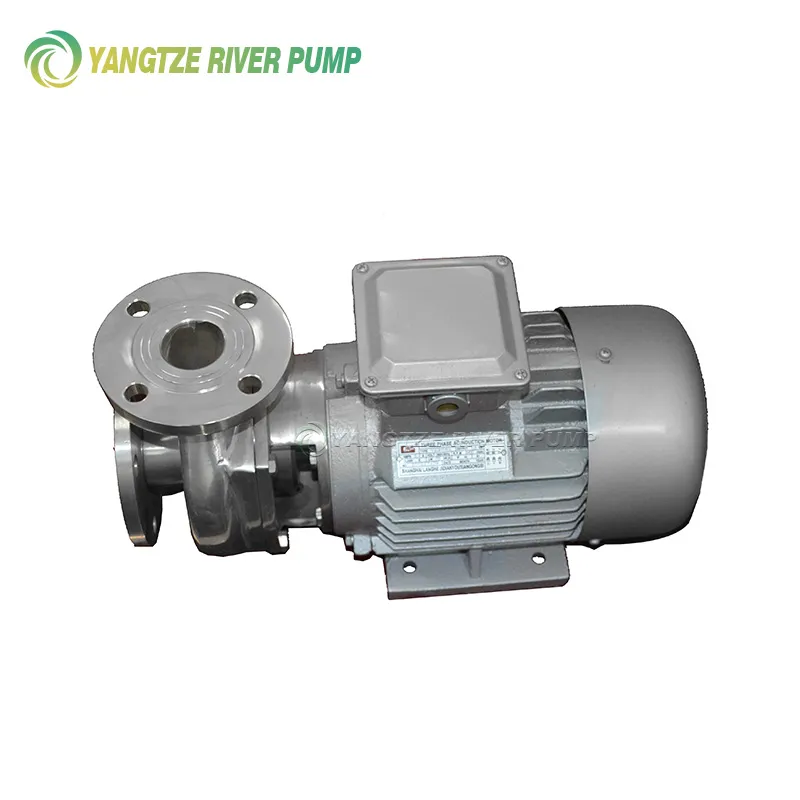

Best Sellingproducts
Best Selling Products-
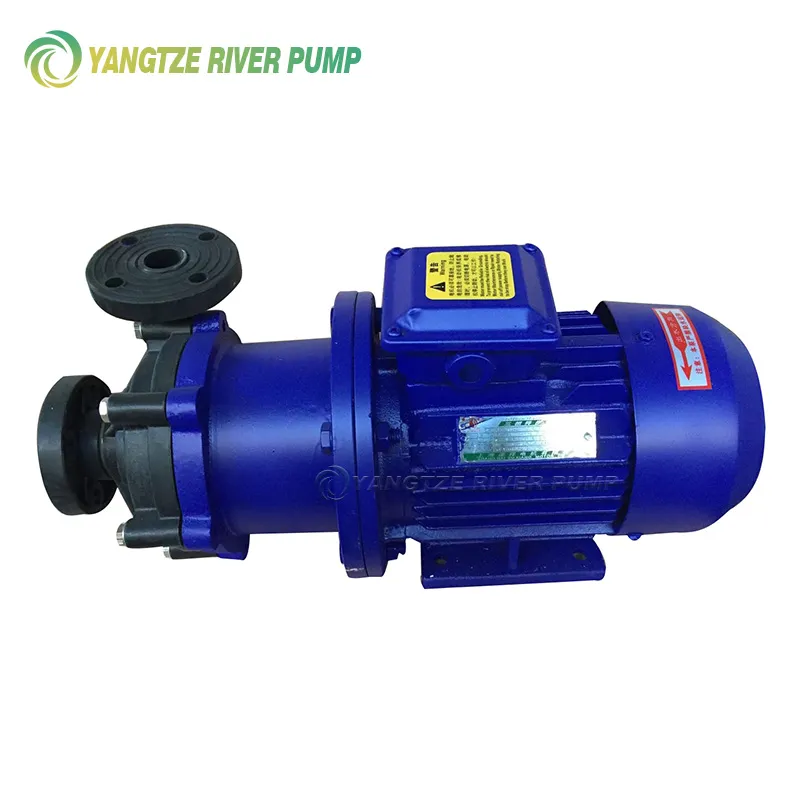 CQF Plastic Magnetic Pumps
-
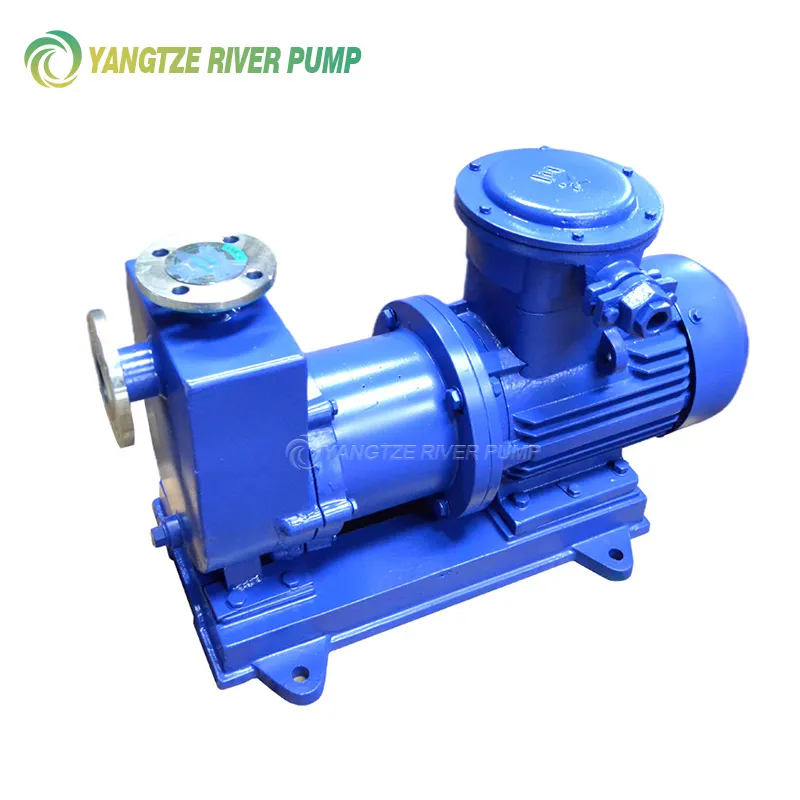 ZCQ Stainless Steel Self-Priming Magnetic Pumps
-
 IH Stainless Steel Chemical Centrifugal Pumps
-
 Metal pneumatic diaphragm pumps QBK
-
 Mechanical diaphragm dosing pumps DJ-D
-
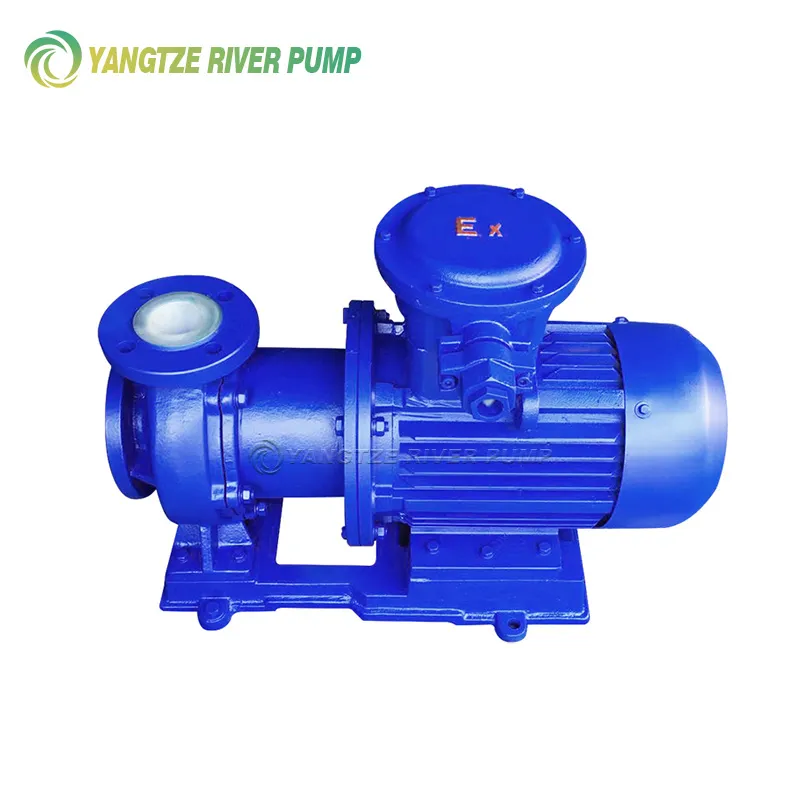 Magnetic pumps with fluoroplastic lining CQB-F
-
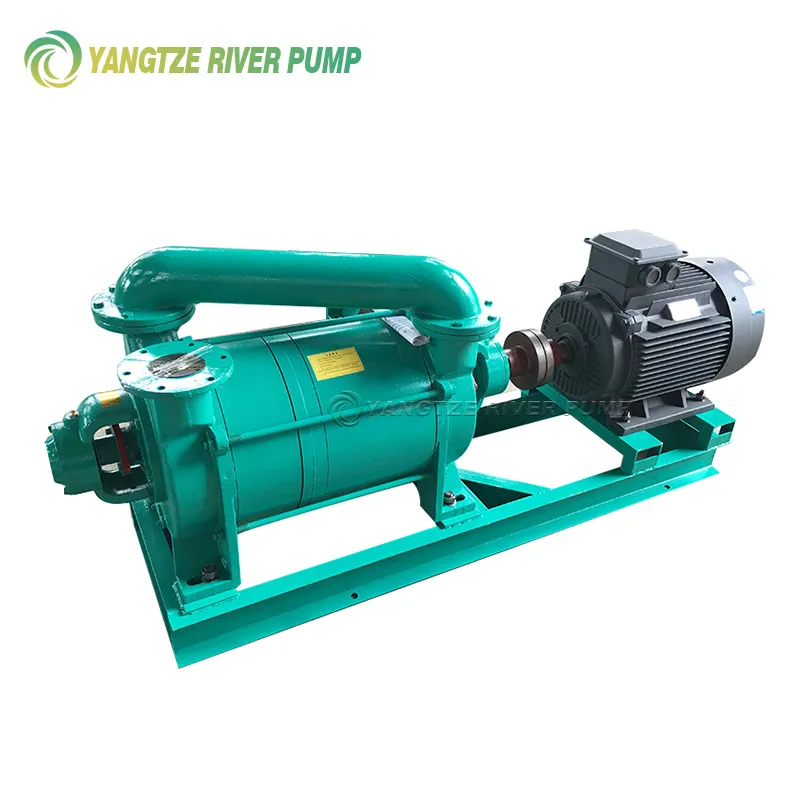 Liquid ring vacuum pumps type 2SK
-
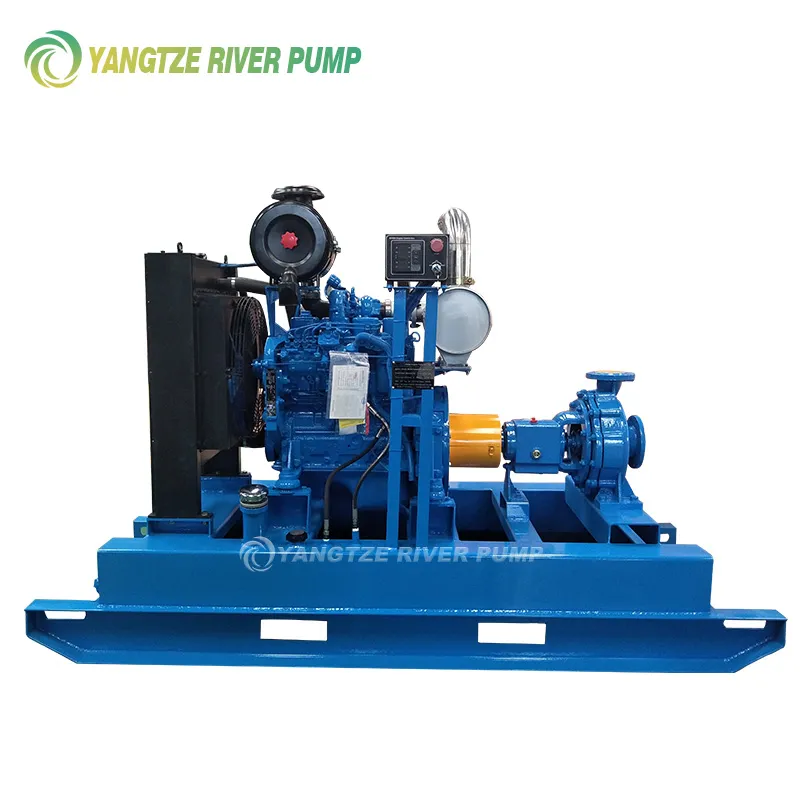 YZIS Diesel Single Stage Centrifugal Pumps
-
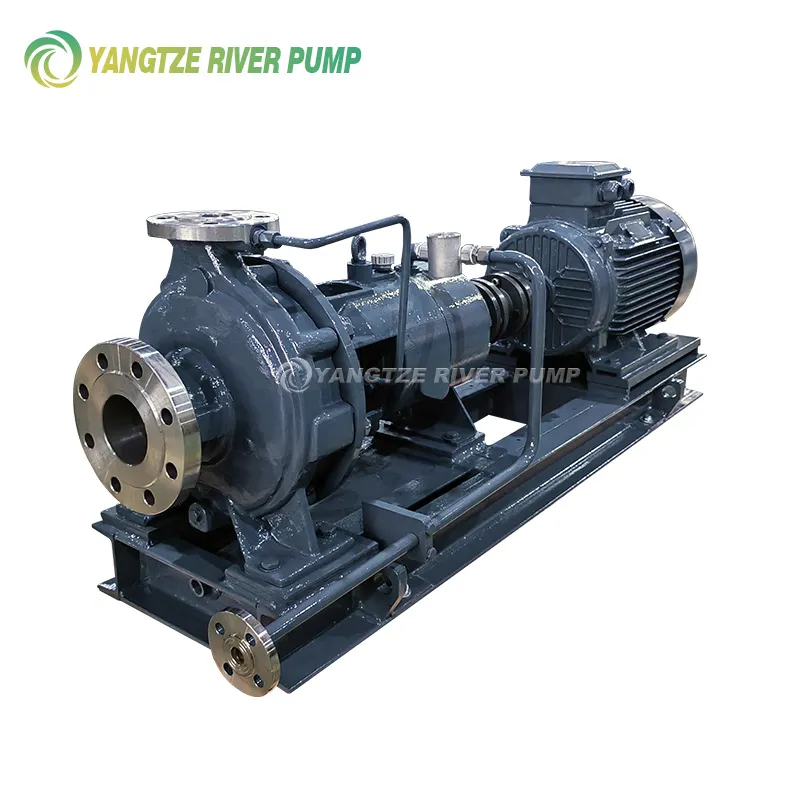 Petrochemical Process Pumps API 610 YZA
-
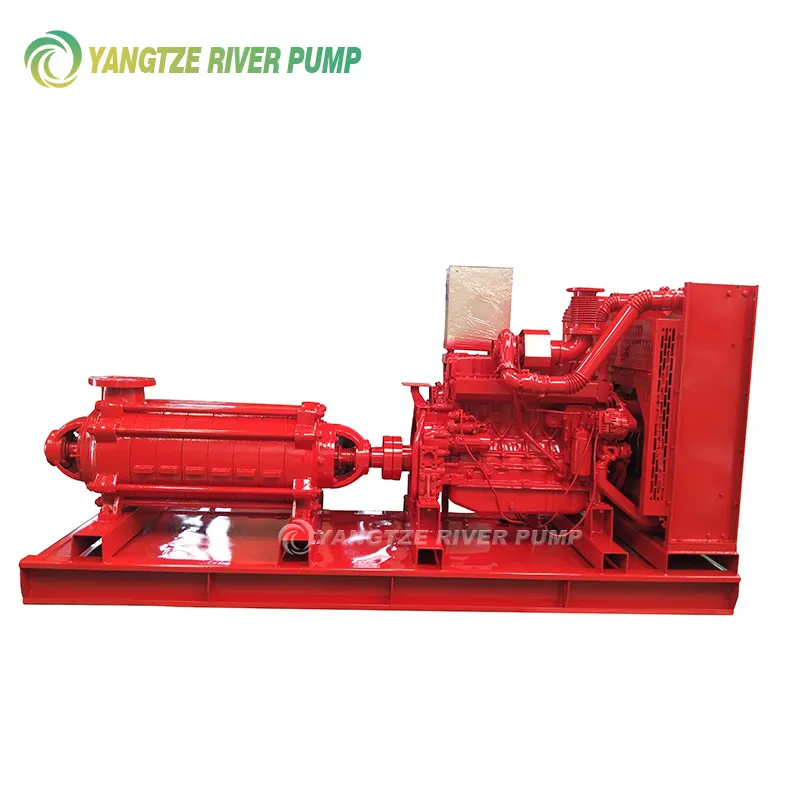 XBC Diesel Intelligent Fire Pumps
-
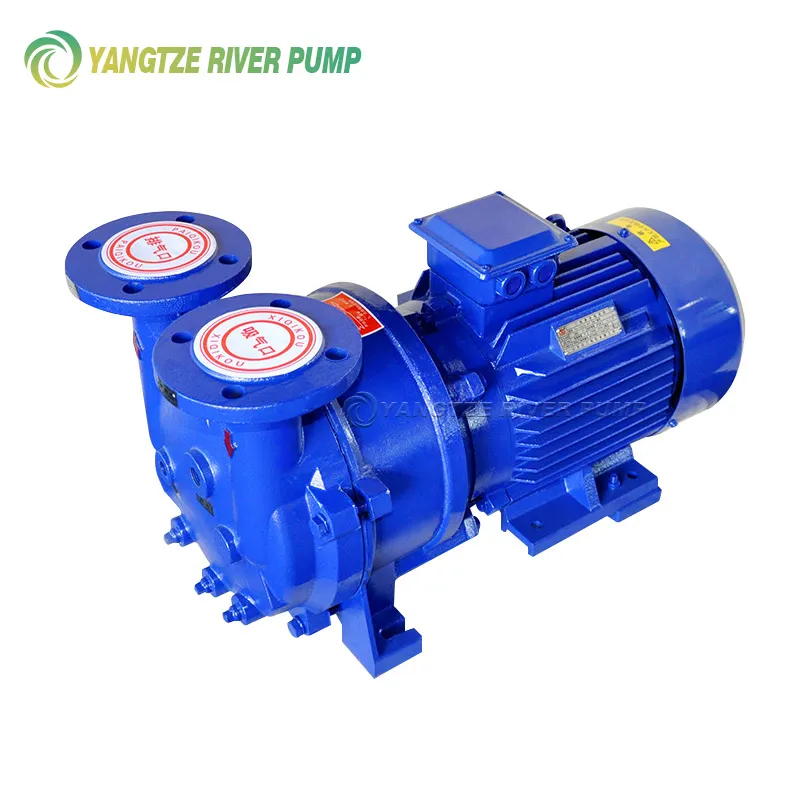 Liquid ring vacuum pumps type SKA and 2BV
-
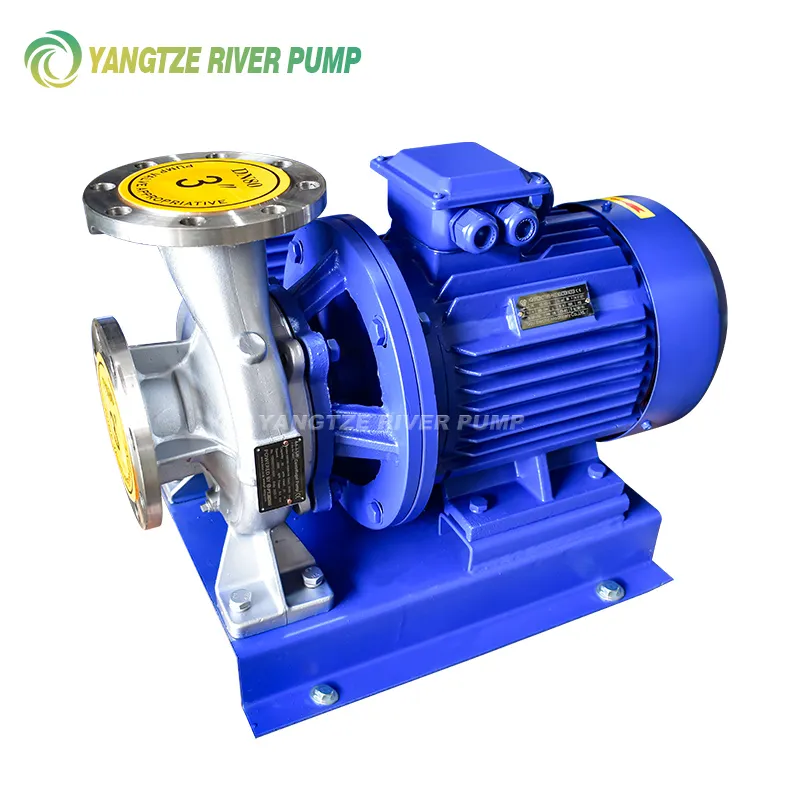 ISW and ISWH Single Stage Horizontal Pipeline Centrifugal Pumps